Dental Marketing Content Ideas 2026: 50+ Proven Tips to Grow
dental marketing content ideas
Key Takeaways
- UK dental practices lose 40% of potential patients due to unengaging content, not clinical skills.
- High-value treatments like Invisalign and implants require compelling content to attract prospects.
- 89% of patients research dental procedures online before contacting a practice.
- Effective dental marketing content directly influences whether prospects choose your practice over competitors.
Dental Marketing Content Ideas: 50+ Proven Strategies for UK Practices
UK dental practices lose 40% of potential patients before they even book a consultation—not due to poor clinical skills, but because their content fails to engage prospects searching for high-value treatments like Invisalign and implants. With 89% of patients researching dental procedures online before making contact, your dental marketing content ideas directly determine whether prospects choose your practice or your competitors.
Create patient testimonials, procedure explainer videos, treatment FAQs, before-and-after galleries, blog posts on oral health, and social media challenges targeting UK audiences.
This comprehensive guide delivers 50+ proven dental marketing content ideas specifically designed for UK practices targeting private treatments. You’ll discover tiered strategies that generate 50+ qualified leads monthly, content frameworks that convert browsers into consultations, and platform-specific tactics that maximise ROI for practices spending £2,000+ on marketing. For practices seeking expert support, our dental marketing agency services provide tailored solutions to help you stand out in a competitive market.
At Dominate Dental, we’ve helped London practices achieve 300% private revenue growth through strategic content combined with advanced dental SEO. Our data-driven approach has consistently delivered 15% visitor-to-consultation conversion rates across Manchester, Birmingham, and Greater London practices.
Let’s start with the fundamental concepts that separate high-performing dental content from generic practice posts.
Why Dental Marketing Content Ideas Drive Patient Acquisition in 2026
Content marketing functions as a patient journey magnet, capturing prospects at every stage from initial awareness to booking consultations. With 80% of UK dental searches beginning on Google, your content determines whether potential patients discover your expertise or scroll past to competitors.
Strategic content builds essential trust for high-value treatments where patients invest £3,000-£8,000. Unlike paid advertising, quality content compounds over time—a well-optimised blog post about Invisalign continues attracting patients months after publication, while ad spend stops generating leads the moment you pause campaigns.
Quick ROI Comparison
- Content marketing: £20 average cost per lead
- Paid advertising: £100+ average cost per lead
- Engagement rates: 3x higher for content vs ads
Implement these three immediate actions: First, audit your current content gaps using Google Trends to identify what patients search for but you haven’t covered. Second, target mixed search intent—informational content (“How long does Invisalign take?”) paired with transactional pages (“Book Invisalign consultation Manchester”). Third, establish a baseline ROI goal of 15% visitor-to-consultation conversion through trackable CTAs.
Practices without consistent content strategies typically generate 10-15 new patient enquiries monthly, while content-focused practices average 40-60 qualified leads. The difference lies not in treatment quality, but in digital visibility and trust-building through valuable, searchable content.
Defining Core Content Pillars and Strategy Framework

Content pillars form the backbone of sustainable dental SEO, organising your messaging around four key themes: education, social proof, treatment showcases, and practice culture. Each pillar supports different patient decision-making stages while establishing topical authority in Google’s algorithm.
Educational content targets early-stage searchers with comprehensive guides on procedures, costs, and recovery. Social proof pillars feature patient testimonials, case studies, and before-after transformations (with proper consent). Treatment showcase content demonstrates your expertise through detailed procedure explanations, while practice culture content humanises your team and builds emotional connection.
Structure your pillar strategy in tiers: Tier 1 comprises comprehensive 2,500+ word pillar pages covering major treatments like dental implants or Invisalign. Tier 2 includes supporting cluster content addressing specific questions and concerns. This approach satisfies Google’s preference for comprehensive coverage while capturing long-tail search queries.
Local SEO integration requires location-specific content variations. Create dedicated pages for “dental implants Birmingham” or “Invisalign Manchester” that combine treatment information with local relevance, opening hours, and area-specific testimonials.
Implement schema markup for rich snippets using Google Tag Manager—a 10-minute setup that can increase click-through rates by 30%. Structure your content with clear headings, bullet points, and FAQ sections that Google can easily extract for featured snippets.
Repurpose pillar content across platforms: transform blog posts into social media series, extract key points for video scripts, and create downloadable guides for lead magnets. One comprehensive pillar page can generate 10+ pieces of supporting content across different formats and platforms.
High-Performing Dental Marketing Content Types for Lead Generation
Video content dominates engagement rates, with short-form videos generating 40% higher engagement than static posts among UK dental practices. “Day in the life” content, procedure explanations, and behind-the-scenes practice tours consistently outperform promotional posts.
Patient testimonials with specific treatment outcomes provide powerful social proof. Structure testimonials around the patient journey: initial concerns, treatment experience, and final results. Include relevant details like treatment duration and investment level to attract similar prospects.
Educational blog posts targeting specific questions rank consistently in Google searches. Focus on comprehensive answers to common concerns: “How much does Invisalign cost in London?” or “What to expect during dental implant surgery.” Include local pricing guidance and practice-specific processes. For more inspiration, explore these dental blog post ideas to expand your content library.
| Content Type |
Best Platform |
Lead Generation Potential |
Production Time |
| Before/After Videos |
Instagram Reels |
High |
15 minutes |
| Educational Blogs |
Website/Google |
Very High |
2-3 hours |
| Content Type |
Platform |
Lead Generation Potential |
Production Effort |
Best Use Case |
| Before/After Galleries |
Instagram, Website |
High |
Low |
Cosmetic dentistry, Invisalign |
| Procedure Explainer Videos |
YouTube, TikTok |
Very High |
Medium |
Complex treatments, implants |
| Patient Journey Stories |
Facebook, Blog |
High |
Medium |
High-value treatments |
| Myth-Busting Content |
All platforms |
Medium |
Low |
Emergency dentistry, general education |
Interactive content like polls and Q&A sessions generate 2x more comments than standard posts. Create Instagram Stories polls asking followers about their dental concerns, then address popular responses in detailed posts. This strategy builds engagement while providing content ideas directly from your target audience.
Seasonal awareness content aligns with natural patient behaviour patterns. January content focusing on smile resolutions for the new year, back-to-school dental health in September, and pre-holiday whitening in November consistently outperform generic promotional posts.
Real-world example: A Manchester practice increased Invisalign consultations by 35% through weekly “Transformation Tuesday” posts featuring patient progress photos with detailed treatment timelines. Each post included clear CTAs directing viewers to book consultations for similar results.
Holiday-themed content and local event tie-ins create timely relevance. Reference Birmingham Dental Show, local health fairs, or city-specific events to demonstrate community involvement while targeting location-based searches.
Building Your 3-Month Dental Content Calendar with UK Trends
Structure your content calendar around patient behaviour patterns and UK-specific trends. Week 1 focuses on content brainstorming using patient FAQs from consultations, Week 2 on batch creation, Week 3 on filming and photography, and Week 4 on performance analysis and next month’s planning.
Optimal posting times for UK dental practices: Instagram performs best at 7-9am on weekdays when commuters scroll during travel, Facebook engagement peaks at 1-3pm during lunch breaks, and LinkedIn content succeeds on Tuesday-Thursday mornings for B2B practice management content.
Batch content creation maximises efficiency—dedicate 2-hour monthly sessions to create 30 posts simultaneously. Use templates for consistent branding: treatment explanation posts, team spotlights, patient testimonials, and educational tips. This approach ensures consistent posting without daily content stress.
Integrate local events and awareness months: National Smile Month in May, Children’s Dental Health Week in February, and local health initiatives. Birmingham practices can leverage the city’s wellness events, while London practices can tie into NHS awareness campaigns for broader reach.
Sample Weekly Calendar Structure
- Monday: Educational content (procedure explanations)
- Wednesday: Behind-the-scenes practice content
- Friday: Patient testimonials and transformations
- Weekend: Lifestyle content (oral health tips)
Address seasonal trends proactively: January resolutions drive cosmetic dentistry interest, summer holidays increase whitening enquiries, and September back-to-school content targets family dental health. Plan content themes 3 months ahead to capture search trends before competitors.
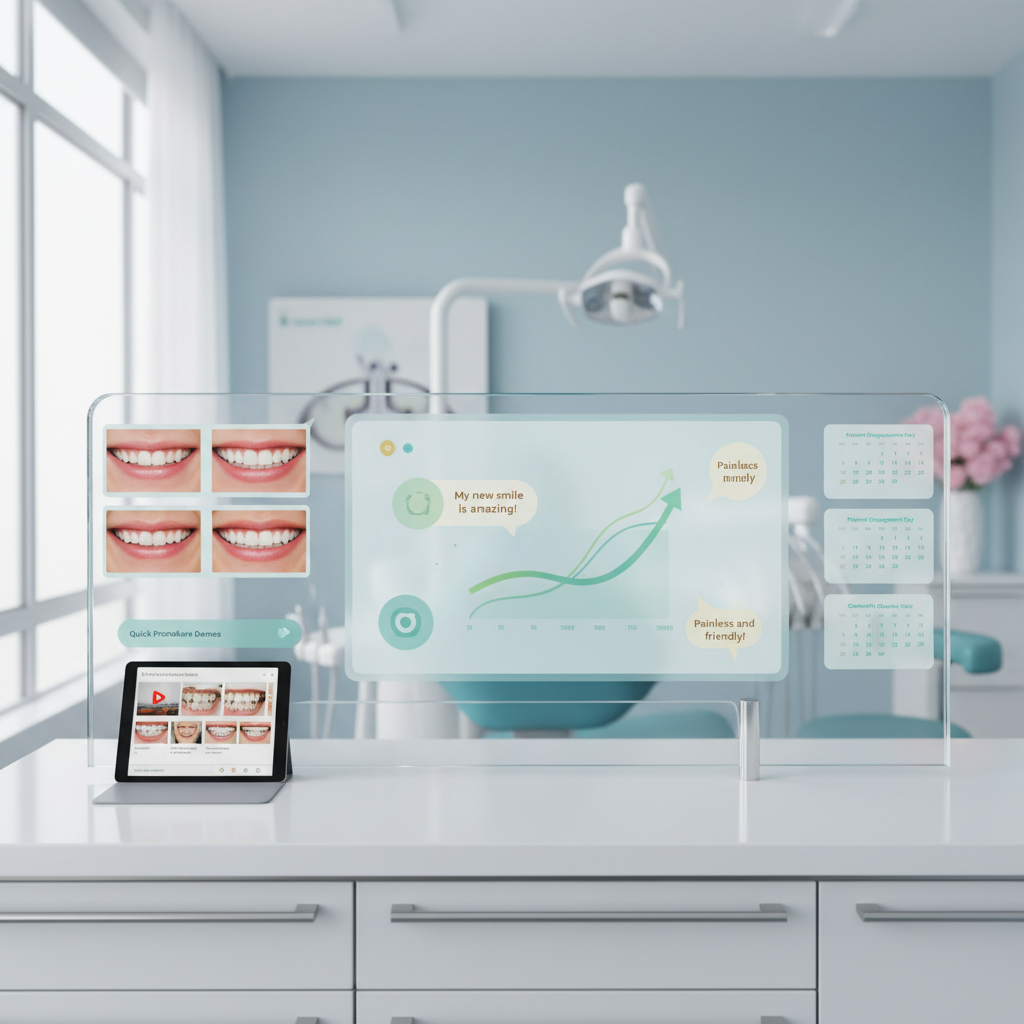
Instagram excels for visual dental content with 5.2% average engagement rates among UK dental practices. The platform’s Reels feature particularly suits before-after transformations and quick procedure explanations. Instagram’s demographic skews 25-45, ideal for cosmetic dentistry and Invisalign marketing.
Facebook delivers superior lead quality for high-value treatments, with 18% higher consultation booking rates compared to other platforms. The 35+ demographic actively researches dental procedures on Facebook, making it optimal for dental implant marketing and comprehensive treatment explanations.
TikTok captures 40% of Gen Z dental searches, but conversion rates remain lower for expensive treatments. Use TikTok for brand awareness and education rather than direct lead generation. Short-form educational content performs exceptionally well, with dental myth-busting videos achieving viral reach.
| Platform |
Avg Engagement Rate |
Lead Quality |
Best Content Type |
Target Demographic |
| Instagram |
5.2% |
High |
Visual transformations |
25-45 years |
| Facebook |
3.8% |
Very High |
Educational posts |
35+ years |
| TikTok |
8.1% |
Medium |
Quick tips, myths |
18-34 years |
YouTube provides the highest ROI for educational dental content, with practices reporting 25% higher consultation rates from YouTube viewers compared to other platforms. Long-form content (5-10 minutes) explaining complex procedures builds trust and positions practices as authorities. YouTube’s search functionality makes it ideal for capturing “how much does [treatment] cost” queries.
| Platform |
Best Demographics |
Content Type |
Lead Quality |
Time Investment |
| Instagram |
25-45, cosmetic focus |
Visual transformations |
Medium |
Low (quick posts) |
| Facebook |
35+, comprehensive treatments |
Educational posts |
High |
Medium (detailed content) |
| TikTok |
18-30, awareness stage |
Educational entertainment |
Low |
Low (quick videos) |
| YouTube |
All ages, research phase |
Detailed explanations |
Very High |
High (production quality) |
Cross-platform optimization amplifies reach without duplicating effort. Create YouTube educational content, extract key points for Facebook posts, convert statistics into Instagram graphics, and transform tips into TikTok quick videos. This approach maximizes content value across all demographics.
Content Creation How-Tos: From Blogs to Videos and Thumbnails
Blog creation follows the FAQ-to-content framework: identify common patient questions through Google autocomplete, Answer The Public, and consultation notes. Structure posts conversationally with 2,000+ words covering procedure benefits, costs, timelines, and aftercare. Include location-specific information for local SEO benefits. For more guidance, see these SEO tips for dentists to help your content rank higher.
Video content requires minimal equipment but maximum planning. Create 60-second educational videos using the HOOK-EDUCATE-CTA format: open with a compelling question, provide valuable information, and end with clear consultation booking instructions. Film in batches during slower practice periods to maintain consistency.
Before-and-after content drives the highest engagement but requires careful consent management. Develop standardized patient consent forms covering social media usage, anonymization options, and usage duration. Offer small incentives like free hygiene appointments to encourage participation.
Thumbnail optimization increases click-through rates by 200% on video content. Use close-up faces showing positive emotions, contrasting colors against platform backgrounds, and minimal text overlay. Tools like Canva provide dental-specific templates requiring no design experience.
5 High-Converting Video Ideas
- Day-in-the-life of a dental hygienist
- Invisalign progress time-lapse (with consent)
- Common dental myths debunked
- Behind-the-scenes practice sterilization
- Patient testimonial interviews
Leave a Reply