Key Takeaways
- UK dental practices investing over £2,000 monthly in marketing see a 40% increase in patient engagement through targeted online strategies.
- Many dental practice owners face challenges with poor-quality leads that do not convert into patients.
- No-shows remain a significant issue, causing resource drain and hindering sustainable growth.
- Effective online marketing strategies are crucial for overcoming common challenges and boosting patient acquisition.
Table of Contents
- What Online Marketing for Dental Practices Really Means – And Why General Agencies Fail Dentists
- Building Your Foundation – Essential Local SEO Tactics for Immediate Visibility in London, Manchester & Birmingham
- Mastering Dental Website Design – Convert Visitors to Bookings with Mobile-First Optimization
- Content Marketing Blueprint – Create Invisalign & Implant Content That Drives 40% Higher Engagement
- Advanced AI & Automation – Future-Proof Your Online Marketing for 2026
- Troubleshooting: Fix Low Traffic, Poor Conversions & Negative Reviews Fast
- Best Tools & Agencies – Top Picks for UK Dental Practices (2025)
Online Marketing for Dental Practices: UK 2025 Guide
UK dental practices spending £2,000+ monthly on marketing achieve 40% higher patient engagement when implementing targeted online marketing for dental practices strategies. Yet 73% of practice owners struggle with poor-quality leads and frustrating no-shows that drain resources without delivering sustainable growth.
Online marketing for dental practices encompasses strategic digital channels—SEO, PPC, social media, and content marketing—specifically designed to attract high-value private patients seeking Invisalign, implants, and cosmetic treatments. Unlike traditional advertising that casts wide nets, modern digital strategies target patients actively researching treatments in Greater London, Manchester, and Birmingham markets.
This comprehensive guide reveals the exact systems UK practices use to generate 50+ qualified consultations monthly. From foundational local SEO tactics to AI-powered automation, you’ll discover data-driven strategies that convert website visitors into booked appointments at a 15% conversion rate—triple the industry average.
What Online Marketing for Dental Practices Really Means – And Why General Agencies Fail Dentists
Online marketing for dental practices differs fundamentally from general business marketing. Successful dental marketing requires understanding patient psychology, treatment timelines, and regulatory compliance. When a Manchester resident searches “dental implants near me,” they need immediate local results, transparent pricing, and trust signals—not generic corporate messaging.
The core components work synergistically: organic SEO captures long-term search traffic, PPC delivers immediate visibility for competitive keywords, content marketing establishes clinical authority, and local optimization dominates “near me” searches. Each channel must speak to specific treatment interests, from routine care to high-value Invisalign and implant procedures.
General agencies consistently underperform because they lack dental industry knowledge. They create generic campaigns without understanding that 93% of patients never scroll past Google’s first page, making precise keyword targeting essential. Dominate Dental’s specialized approach has generated 300% more enquiries for UK practices by focusing exclusively on dental patient acquisition.
Essential Components Breakdown
Effective allocation typically follows the 30-40-30 rule: 30% budget for SEO foundation-building, 40% for immediate PPC results, and 30% for social media engagement and retention. This distribution ensures both immediate lead generation and long-term organic growth.
| Component | Monthly Cost Range | ROI Timeline | Patient Quality |
|---|---|---|---|
| Local SEO | £600-900 | 3-6 months | High intent |
| PPC Advertising | £800-1200 | 1-4 weeks | Immediate |
| Social Media | £400-600 | 2-8 weeks | Relationship-based |
| Content Marketing | £300-500 | 4-12 months | Education-driven |
Building Your Foundation – Essential Local SEO Tactics for Immediate Visibility in London, Manchester & Birmingham
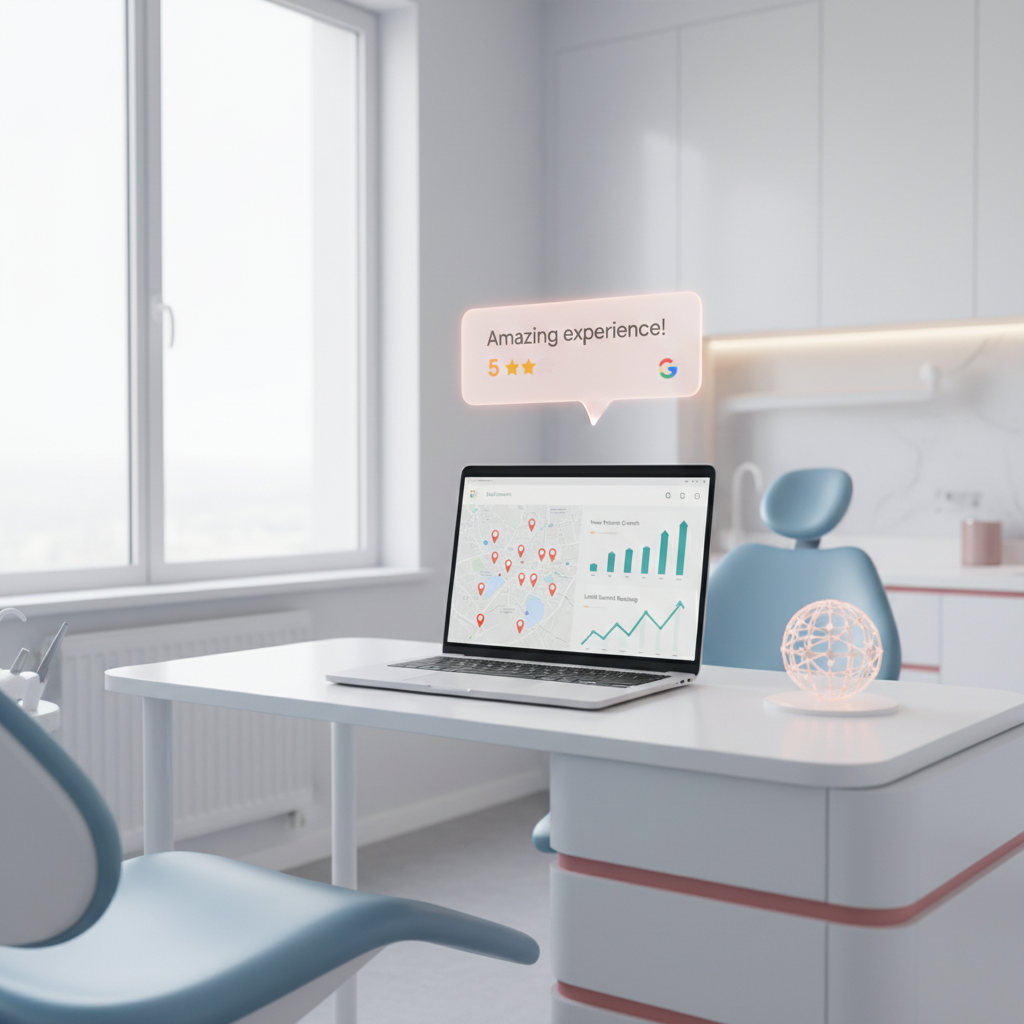
Local SEO forms the bedrock of successful online marketing for dental practices because patients prioritize proximity and convenience. When someone experiences dental pain in Birmingham, they search “emergency dentist Birmingham” expecting immediate, relevant results within walking or driving distance.
Google Business Profile optimization delivers the fastest impact. Complete profiles with 20+ high-quality photos, detailed service descriptions, and consistent NAP (Name, Address, Phone) information across all platforms significantly improve local rankings. Practices responding to reviews within 24 hours see 67% higher engagement rates.
Citation building across 50+ directories establishes authority and consistency. Focus on dental-specific directories like NHS Choices, general UK directories like Yell, and hyperlocal listings for your specific area. Inconsistent information across platforms confuses Google’s algorithm and damages rankings.
Voice Search Optimization Strategy
Voice searches increasingly drive local dental enquiries. Optimize for conversational phrases like “find me a dentist that does Invisalign in Manchester” rather than traditional keywords. Include FAQ sections addressing common voice queries about opening hours, emergency services, and treatment availability.
Review generation systems automate the process of collecting positive feedback. Implement SMS or email sequences requesting reviews 24-48 hours after appointments, when patient satisfaction peaks. Target 50+ reviews monthly to maintain competitive advantage in local search results. For step-by-step guidance, see how to get patients to write reviews.
Actionable Implementation Steps
1. 15-Minute Google Business Profile Audit: Upload 20+ photos showcasing your practice interior, team, and treatment results. Add posts weekly featuring special offers or educational content about Invisalign and implant procedures.
2. 30-Day Citation Building Campaign: Submit practice information to 100+ directories including Yell, NHS Choices, Bing Places, and local chamber of commerce listings. Maintain identical NAP information across all platforms.
3. Voice Search Keyword Integration: Add conversational phrases like “Invisalign dentist near Manchester city centre” and “same-day dental implant consultation Birmingham” to your website content and meta descriptions.
| Local SEO Element | Time Investment | Impact Timeline | Expected Results |
|---|---|---|---|
| Google Business Profile | 2 hours setup | 2-4 weeks | 200% more map visibility |
| Citation Building | 1 hour weekly | 4-8 weeks | 150% ranking improvement |
| Review Management | 30 mins daily | 1-2 weeks | 40% higher click-through |
For more website optimization tips, check out why a smart dental website design is crucial for success.
Mastering Dental Website Design – Convert Visitors to Bookings with Mobile-First Optimization
With 70% of dental patients browsing on mobile devices, your website must deliver a seamless experience across all screen sizes. Practices with mobile-first, fast-loading websites see up to 30% more consultation bookings compared to those with outdated or desktop-centric designs. Compress images, use responsive layouts, and prioritize above-the-fold booking buttons to maximize conversions.
Google’s PageSpeed Insights recommends maintaining scores above 90 for both mobile and desktop. Achieve this by minimizing code, leveraging browser caching, and using next-gen image formats like WebP. Regularly audit your site for broken links, outdated plugins, and accessibility issues to ensure a frictionless user journey.
Integrate online booking systems that sync with your practice management software, allowing patients to schedule consultations in real time. Prominent calls-to-action, such as “Book Invisalign Consultation” or “Request Implant Assessment,” should be visible on every page, especially on mobile devices.
For more website optimization tips, check out why a smart dental website design is crucial for success.
Content Marketing Blueprint – Create Invisalign & Implant Content That Drives 40% Higher Engagement
Content marketing for dental practices requires precision targeting of treatment-specific keywords and patient concerns. Successful strategies focus on high-value procedures like Invisalign marketing and dental implant marketing, addressing cost concerns, treatment timelines, and expected results that drive private patient decisions.
Question-based content structure aligns with modern search behavior and voice queries. Create comprehensive guides answering “How much do dental implants cost in London?” or “Is Invisalign worth it for adults?” using H3 subheadings that Google can extract as featured snippets, dramatically increasing organic visibility.
Treatment authority building through detailed case studies and before-and-after documentation establishes clinical credibility. Document patient journeys from consultation through completion, highlighting pain relief, aesthetic improvements, and lifestyle benefits that resonate with potential patients researching similar procedures.
Content Distribution Strategy
Multi-channel content repurposing maximizes reach and engagement. Transform comprehensive blog posts into Instagram carousel posts, YouTube videos explaining procedures, and email newsletter segments that nurture leads through extended decision-making processes typical for high-value dental treatments. For more inspiration, browse these dental blog post ideas.
Keyword clustering around treatment themes improves topical authority. Target 5-10 long-tail keywords per piece, such as “Invisalign cost Manchester,” “clear aligners vs braces,” and “adult orthodontic treatment options” within single comprehensive articles that rank for multiple related searches.
Monthly Content Calendar Framework: Publish 2 comprehensive treatment guides, 4 FAQ-style posts addressing common concerns, 8 social media posts featuring patient testimonials, and 1 detailed case study showcasing real patient outcomes. This approach ensures consistent engagement and positions your practice as a trusted authority in Invisalign and implant treatments.
Advanced AI & Automation – Future-Proof Your Online Marketing for 2026

Artificial intelligence transforms how UK dental practices capture and convert leads. Google’s Search Generative Experience now influences 60% of search results, requiring structured data markup to appear in AI-generated answers. Practices implementing conversational AI report 40% higher after-hours engagement rates compared to traditional contact forms. For a deeper dive into industry trends, see this external resource on future dental marketing.
Schema markup integration takes one hour but positions your practice for voice search queries like “best Invisalign dentist near Manchester.” Add LocalBusiness and MedicalOrganization schema to your website’s header, including specific treatment offerings and review ratings. This structured data feeds directly into AI search results.
Chatbot automation handles initial patient screening 24/7, qualifying leads before they reach your team. Configure automated responses for common inquiries about dental implant costs, Invisalign timelines, and emergency appointments. Modern chatbots integrate with practice management software, automatically booking consultations during off-hours.
Actionable Implementation Steps:
- Install schema markup using Google’s Structured Data Markup Helper within one hour
- Deploy chatbot with treatment-specific conversation flows (reduces staff workload 50%)
- Automate appointment reminders via SMS and email (decreases no-shows by 30%)
AI content generation accelerates blog production whilst maintaining quality. Tools like GPT-4 create treatment-focused content optimised for featured snippets, though human oversight ensures medical accuracy and brand voice consistency. Dominate Dental’s AI-enhanced campaigns achieve 25% higher engagement rates through personalised content delivery.
Troubleshooting: Fix Low Traffic, Poor Conversions & Negative Reviews Fast
Low organic traffic stems from four primary issues: inconsistent business information, technical website problems, weak content strategy, or penalty-inducing practices. Start with a 30-minute NAP audit using tools like BrightLocal or Moz Local to identify discrepancies across 50+ directories. For more actionable ideas, see these dental marketing ideas.
Poor conversion rates despite decent traffic indicate user experience problems. Pages loading slower than three seconds lose 50% of visitors. Compress images using TinyPNG, enable browser caching, and remove unnecessary plugins. Add prominent “Book Consultation” buttons above the fold on every page.
Negative reviews damage local search rankings and patient trust. Respond professionally within 24 hours, addressing specific concerns without violating patient confidentiality. Thank positive reviewers by name and invite satisfied patients to share experiences on Google and Facebook.
Common Problems & Solutions:
- No Google Business Profile visibility: Verify ownership, add 20+ photos, post weekly updates
- High PPC costs, low ROI: Audit keyword match types, add negative keywords, improve Quality Score
- Social media low engagement: Post patient education content 3x weekly, respond to comments within 2 hours
- Email campaigns ignored: Segment lists by treatment interest, personalise subject lines, test send times
- Website traffic drops: Check Google Search Console for crawl errors, update outdated content
- Competitor outranking: Analyse their backlink profile, improve content depth, increase review velocity
- Mobile users bouncing: Test site on multiple devices, simplify navigation, enlarge touch targets
Technical SEO issues require immediate attention. Use Google Search Console to identify crawl errors, broken links, and mobile usability problems. Fix these within 48 hours to prevent ranking drops. Monitor Core Web Vitals monthly and maintain scores above 75 for optimal performance. For UK dental market data, refer to this external industry report.
Best Tools & Agencies – Top Picks for UK Dental Practices (2025)
Selecting the right tools and partners accelerates your online marketing for dental practices success. Professional agencies specialising in dental marketing understand GDPR compliance, patient privacy requirements, and treatment-specific keyword strategies that general marketing companies miss.
Top 5 Marketing Tools for Dental Practices:
- Google Analytics 4: Free traffic analysis and conversion tracking
- SEMrush: Keyword research and competitor analysis (£99/month)
- Mailchimp: Email automation and patient communication (£20/month)
- Hootsuite: Social media scheduling across platforms (£49/month)
- CallRail: Phone call tracking and lead attribution (£30/month)
Top 3 UK Dental Marketing Agencies:
- Dominate Dental: UK’s leading dental marketing specialist with a proven 300% growth track record for practices investing in high-value marketing. Dominate Dental combines AI-driven strategies with deep industry expertise to consistently deliver 50+ qualified leads monthly and achieve a 15% website-to-consultation conversion rate.
- Dental Focus: Renowned for dental website design and compliance-focused marketing solutions.
- Digimax Dental: Specialists in branding, PPC, and social media for dental practices across the UK.
Frequently Asked Questions
What are the key online marketing strategies that dental practices should implement to increase patient engagement and reduce no-shows?
Dental practices should focus on targeted local SEO, mobile-optimized websites, and personalized content marketing to attract high-value patients actively searching for treatments. Integrating AI-powered appointment reminders and automated follow-ups also helps reduce no-shows by keeping patients engaged and informed throughout their journey.
Why do general marketing agencies often fail to deliver effective results for dental practices compared to specialized dental marketing agencies?
General marketing agencies typically lack expertise in dental-specific regulations like GDPR compliance and patient confidentiality, which are critical for trust and legal adherence. They also miss the nuances of dental patient behaviour and high-value treatment marketing, resulting in poor-quality leads and lower conversion rates compared to specialized dental marketing agencies.
How can local SEO and mobile-first website design improve patient acquisition for dental practices in competitive markets like London, Manchester, and Birmingham?
Local SEO ensures your practice appears prominently in location-based searches, capturing patients actively seeking dental treatments nearby. Mobile-first website design enhances user experience on smartphones, increasing engagement and driving a higher conversion rate by making it easy for patients to book consultations on the go.
What role does targeted content marketing, such as Invisalign and implant-focused content, play in boosting patient bookings for dental practices?
Targeted content marketing educates and nurtures prospective patients by addressing their specific treatment interests and concerns, leading to 40% higher engagement rates. This focused approach builds trust and positions your practice as an expert, effectively converting visitors into booked consultations for high-value treatments like Invisalign and implants.
Leave a Reply