Why Social Media Marketing Drives Dental Practice Success

Key Benefits: Data-Driven Impact
Strategic social media marketing for dentists delivers quantifiable results across multiple growth metrics. Brand visibility increases through measurable branded search lift, practices typically see 35% more direct website visits within 60 days of launching consistent social campaigns. Targeted patient acquisition becomes surgical in precision, with campaigns segmented by treatment type (Invisalign for 25-40 demographic, implants for 45+ patients) and geographic radius.
Patient engagement transforms from passive appointment scheduling to active community building. Direct messaging, Instagram story polls, and comment interactions create touchpoints that boost recall rates by 43% compared to practices without social presence. This engagement converts patients into advocates through photo tags, video testimonials, and referral generation, with successful practices seeing 25% of new patients arriving through social media referrals.
Benchmark Results: Dominate Dental clients achieve average 15% conversion rates from social media traffic to consultation bookings, with many practices seeing improved enquiry volume within 30 days of campaign launch.
Challenges: Navigating Professional Boundaries
Dental practices face unique obstacles that general business social media strategies fail to address. GDPR compliance creates complex consent requirements, every patient photo, testimonial, or case study requires documented permission with specific usage rights. Breaches carry severe penalties, with recent ICO fines reaching £500,000 for healthcare providers mishandling patient data on social platforms.
Content creation bottlenecks emerge from dentistry’s technical nature. Unlike retail or hospitality businesses, dental practices must balance educational value with accessibility, avoiding clinical jargon while maintaining professional credibility. Resource strain intensifies these challenges, as clinical time demands often conflict with consistent content creation schedules. Additionally, reputation management becomes critical, negative reviews or comments receive higher visibility in healthcare contexts, requiring immediate, professionally crafted responses.
Strategic Platform Selection for UK Dental Practices
Platform Overview and Patient Demographics
Platform selection determines campaign success, with each social network attracting distinct patient demographics and treatment interests. Instagram dominates aesthetic treatments, capturing 25-44 year-olds seeking Invisalign, whitening, and cosmetic procedures. Visual storytelling through before/after posts and Reels generates highest engagement rates for practices emphasising smile transformations.
TikTok delivers rapid community growth among younger patients (18-35), with short-form educational content and trend participation driving discovery. Facebook remains essential for local family demographics, particularly parents researching children’s orthodontics and established adults considering implants. YouTube provides SEO-driven patient education opportunities, with long-form content establishing expert positioning and capturing high-intent searches.
| Platform | Primary Demographic | Best Treatment Focus | Content Format |
|---|---|---|---|
| 25-44, aesthetic-focused | Invisalign, cosmetic | Stories, Reels, before/after | |
| TikTok | 18-35, trend-conscious | Preventive education | Quick tips, myth-busting |
| 35-65, family-oriented | Implants, family dentistry | Live videos, community groups | |
| YouTube | All ages, research-driven | Complex procedures | Educational series, testimonials |
Platform Feature Maximisation
Success requires leveraging platform-specific features beyond basic posting. Instagram Stories highlights create permanent educational resources, with successful practices organising content by treatment type (“Invisalign Journey,” “Implant Process,” “Emergency Care”). TikTok’s duet and stitch features enable responding to patient questions while expanding reach through algorithm favourability.
Facebook Live sessions for dental open days or Q&As generate immediate engagement and booking enquiries. YouTube Shorts capture quick educational moments, with 60-second videos often outperforming longer content for discovery. Google Business Profile integration across platforms ensures local search visibility, with consistent posting schedules improving local pack rankings by an average of 23% within 90 days.
High-Performance Content and Engagement Strategies

Actionable Content Ideas That Convert
Behind-the-scenes content humanises practices while building trust through familiarity. Team introduction posts, continuing education moments, and practice milestone celebrations create emotional connections that influence treatment decisions. Day-in-the-life content performs exceptionally well, with practice manager or hygienist perspectives offering fresh angles beyond clinical focus.
Before-and-after case studies require careful execution to maximise impact while maintaining compliance. Standardised photography protocols, consistent lighting, angles, and backgrounds, ensure professional presentation. Three-month consent renewal cycles protect practices from permission revocation issues, while pixel-level privacy protection techniques anonymise patients when required.
Patient testimonials convert most effectively in video format, generating 67% higher consultation booking rates than written reviews. Strategic testimonial collection focuses on specific treatments and outcomes: “How Invisalign improved my confidence” or “Why I chose implants over dentures.” Legal compliance checklists ensure proper consent documentation before publication.
Boosting Interaction and Community Building
Interactive campaigns generate sustained engagement while collecting valuable patient insights. “Smile selfie” contests encourage user-generated content while showcasing treatment results. Compliance-focused prizes, electric toothbrushes, whitening consultations, or hygiene appointments, maintain professional boundaries while incentivising participation.
Live video Q&A sessions position practitioners as accessible experts while addressing common patient concerns in real-time. Advance promotion through stories and posts builds anticipation, while post-session recap content extends reach through algorithm-friendly engagement. Successful practices schedule monthly live sessions, creating anticipation and routine viewer behaviour.
Performance Insight: Dominate Dental clients implementing dental contest campaigns see average 65% increase in Instagram Saves and 43% boost in direct message enquiries within campaign periods.
For more inspiration on engaging content, explore these dental social media ideas to keep your practice’s feed fresh and effective.
Compliance, Consent, and Risk Management
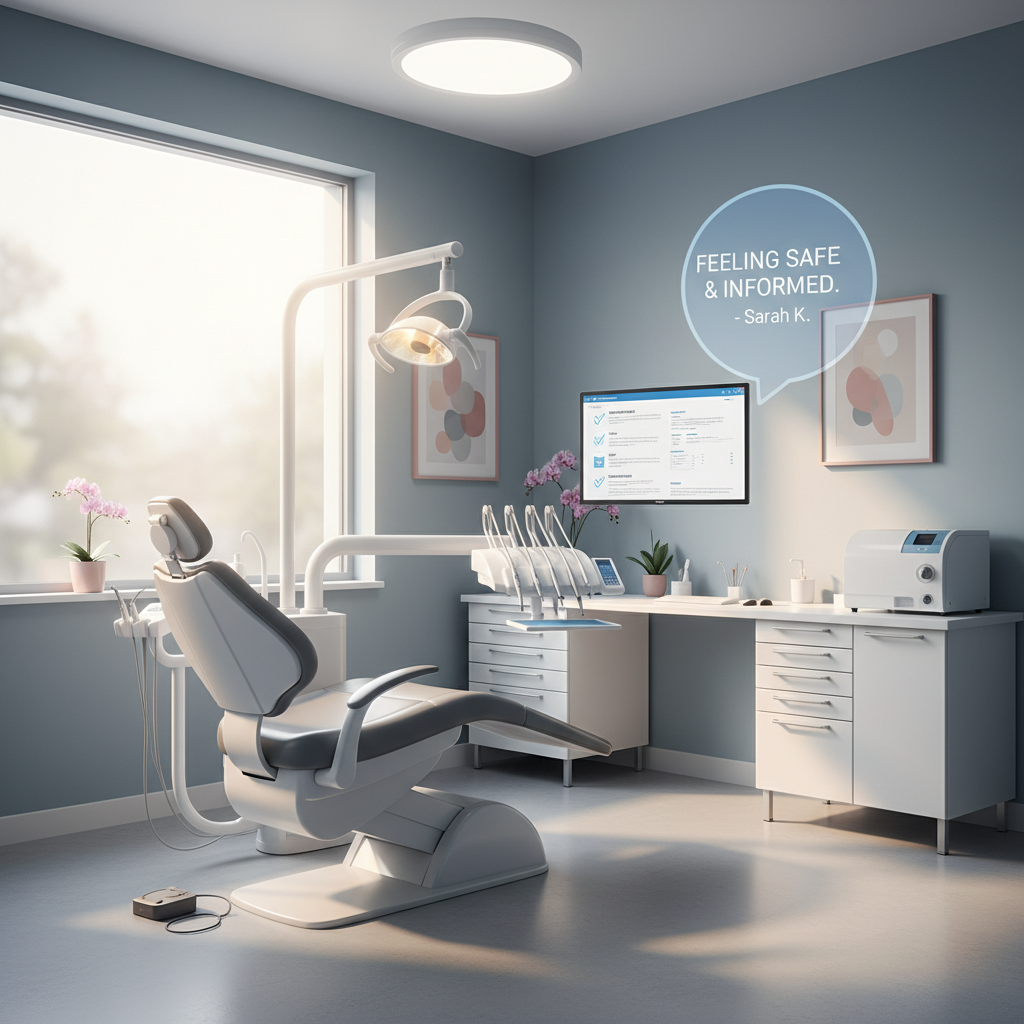
Upholding Professional Standards
Systematic compliance protocols protect practices from regulatory penalties while maintaining patient trust. Confidentiality checklists for social media administrators cover acceptable content types, consent verification procedures, and escalation protocols for questionable posts. Regular training updates ensure team members understand evolving GDPR and GDC requirements affecting social media usage.
Documentation systems must capture granular consent details with renewal tracking capabilities. Digital consent forms specify exact usage rights, duration, and revocation procedures. When patients withdraw consent, systematic content audits identify and remove all affected materials within 48 hours, demonstrating compliance commitment while protecting practice reputation.
Privacy Incident Response
Rapid response protocols minimise damage from inadvertent privacy breaches or consent violations. Incident response teams include clinical leadership, practice management, and legal counsel when necessary. Pre-drafted communication templates enable immediate patient contact while internal investigation proceeds, balancing transparency with legal protection requirements.
Prevention systems include pre-publication review processes, automated consent verification, and regular audit schedules. These systematic approaches reduce incident probability while demonstrating due diligence during regulatory reviews or patient complaints.
For official guidance, review the GDC guidance on advertising for dental professionals.
Managing Feedback: Reviews, Comments, and Crisis Communication
Review Acquisition and Management Systems
Strategic review acquisition requires systematic approaches beyond hoping satisfied patients leave feedback spontaneously. Successful practices set quarterly targets based on patient volume, typically 20+ Google and Facebook reviews per quarter for growth-focused clinics. Staff training includes scripted review requests delivered post-treatment: “We’d appreciate a quick review sharing your experience to help other patients find quality care.”
Response protocols differentiate between positive and negative feedback while maintaining professional standards. Positive reviews receive personalised thank-you messages including soft referral encouragements: “Thank you, Sarah. We’re delighted your implant experience exceeded expectations. Please share our practice with anyone seeking similar care.” This approach generates additional visibility while encouraging word-of-mouth referrals.
For actionable steps on boosting your online reputation, read this guide on how to get patients to write reviews for your dental practice.
Public Response and Crisis Management
Negative feedback requires immediate, professionally crafted responses that protect practice reputation while respecting patient privacy. Standard response templates acknowledge concerns without admitting liability: “We take all patient feedback seriously. Please contact our practice manager directly to discuss your experience confidentially.” This approach demonstrates responsiveness while moving conversations away from public platforms.
Escalation procedures handle coordinated negative campaigns or persistent complainants through documented protocols. Practice management identifies genuine concerns requiring resolution versus malicious attacks demanding legal consultation. Pre-established communication channels with legal counsel ensure rapid response capability during reputation crises.
Response Protocol: Never disclose patient treatment details, appointment information, or payment status in public review responses, GDPR violations carry penalties up to £500,000 for healthcare providers.
Troubleshooting Common Social Media Challenges

Addressing Low Post Engagement
Declining engagement rates typically stem from algorithm changes, content staleness, or audience mismatch rather than platform abandonment. Immediate solutions include hashtag optimisation, research shows dental practices using 8-12 relevant hashtags achieve 23% higher reach than those using generic tags. Timing adjustments based on audience insights often restore engagement, with Tuesday-Thursday posts at 1:00 PM generating peak interaction for most dental content.
Boosted posts provide rapid engagement recovery through targeted amplification. £20-£50 boosts to high-performing organic content extend reach to similar audiences, often generating 3-5x engagement increases within 48 hours. This strategy identifies content themes resonating with target demographics while algorithm optimisation occurs organically.
Converting Engagement to Consultations
High engagement with low consultation conversion indicates funnel disconnection between social content and booking processes. Audit booking pathways from social platforms, complex multi-step processes lose 67% of interested prospects. Streamlined booking links, clear call-to-actions, and immediate response protocols convert engagement into appointments more effectively.
Strategic content bridging addresses the gap between awareness and action. Educational content that concludes with consultation offers (“Learn if Invisalign suits your smile, book a complimentary assessment”) performs 45% better than generic “call us” requests. Treatment-specific landing pages linked from social content provide focused conversion opportunities rather than directing traffic to general practice websites.
Quick Fix: Add “Book Now” buttons to Instagram and Facebook profiles, linking directly to online scheduling systems, this simple change increases consultation bookings by average 28% within first month.
For more comprehensive marketing inspiration, browse these dental marketing ideas to help overcome common challenges and boost your results.
Next Steps for High-Performance Dental Social Media
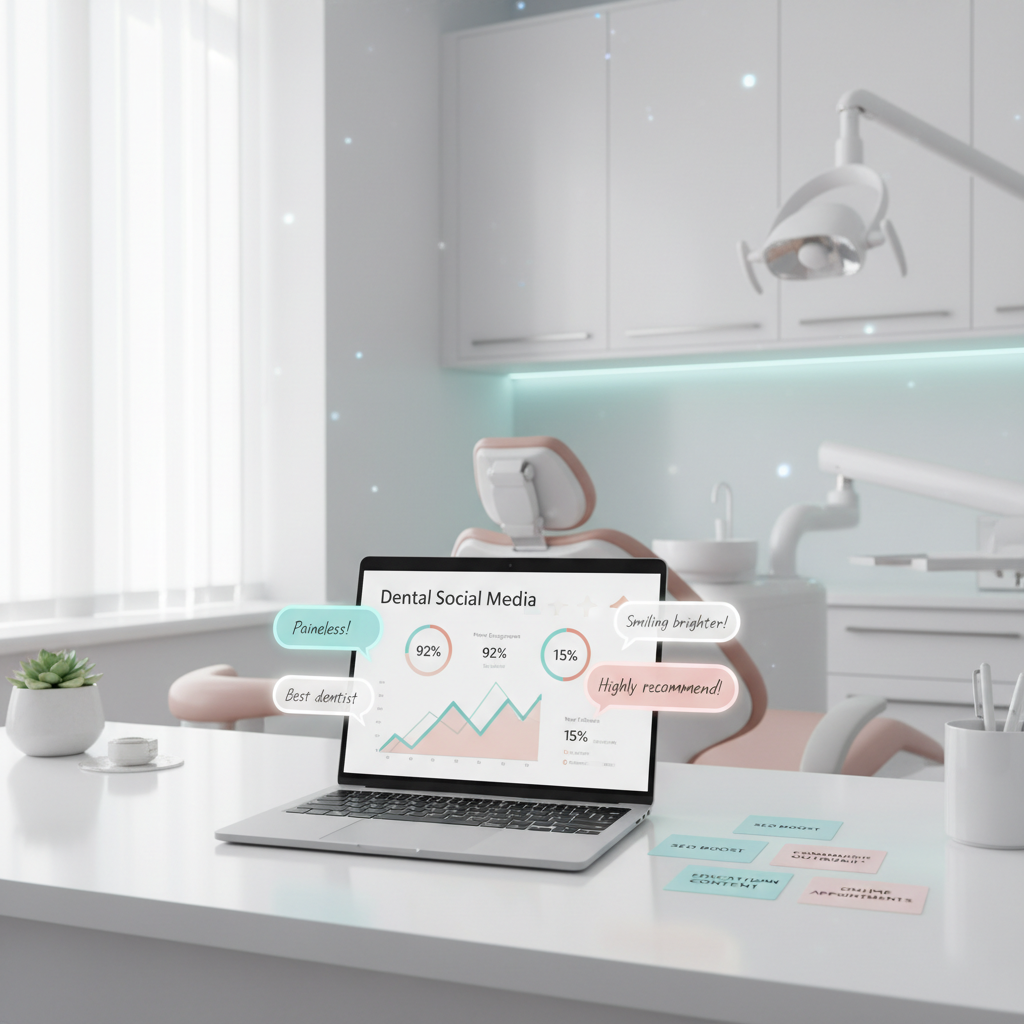
Strategic social media marketing for dentists transforms practice growth through systematic patient acquisition, enhanced brand positioning, and measurable ROI generation. The evidence-backed strategies outlined, from platform-specific content optimisation to compliance-focused campaign management, enable UK dental practices to achieve 50+ qualified consultations monthly while maintaining professional standards and regulatory compliance.
Success requires professional expertise, systematic execution, and continuous optimisation based on performance data rather than assumptions. Dominate Dental’s proven track record of generating 15% consultation conversion rates and £6+ return for every £1 invested demonstrates the competitive advantage of specialist social media management. Book a complimentary strategy session to unlock your practice’s social media potential and begin generating qualified leads within 30 days.
Ready to Transform Your Practice Growth? Schedule your complimentary Dominate Dental social media strategy consultation today. Discover how our proven systems generate 50+ qualified consultations monthly for UK dental practices. Book your session now.
Leave a Reply