Key Takeaways
- Free dental implants on the NHS are only available for strict medical reasons such as trauma, cancer treatment, or congenital conditions.
- Most cosmetic dental implant cases are not covered by the NHS.
- Subsidised dental treatments are available for people on benefits, pregnant women, and individuals under 18 years old.
- Dental implants provide better stability and longevity compared to dentures or bridges.
- Implants help prevent bone loss in the jaw and function like natural teeth.
Table of Contents
- Introduction to Dental Implants and NHS Eligibility
- How to Qualify for Free NHS Dental Implants
- Private Dental Implants vs NHS: A Comparison
- Alternatives to NHS Dental Implants
- Problem & Solution: Overcoming Challenges
- Conclusion and Practical Advice
- FAQs: Frequently Asked Questions About NHS Dental Implants
- Final Recommendations and Strategic Approach
Introduction to Dental Implants and NHS Eligibility
NHS implant approval centres on demonstrating medical rather than aesthetic need. Qualifying conditions include maxillofacial trauma from road accidents or violence, oral cancer requiring jaw reconstruction, or congenital abnormalities affecting facial development. Patients must prove conventional treatments like dentures are unsuitable due to insufficient bone structure or medical complications. Conventional treatments like dentures can be discussed with your dental provider to understand all available options.
Regular dental attendance strengthens your case significantly. NHS records showing consistent check-ups and preventive care demonstrate commitment to oral health, while emergency-only visits suggest neglect. Maintain detailed documentation of treatments attempted and their failures to build compelling evidence for implant necessity. If you are a dental practice looking to improve patient engagement, consider professional dental marketing support to help patients stay informed about their options.
Essential documentation includes consultant referral letters, X-rays showing bone structure, medical reports detailing underlying conditions, and evidence of failed alternative treatments. Hospital discharge summaries following trauma or cancer treatment provide crucial supporting evidence for NHS funding applications.
Registration and Assessment Process
Locate NHS dentists accepting new patients through the NHS website postcode search or by calling NHS 111. Many practices have waiting lists, so register with multiple providers to improve access chances. Specify your need for implant assessment during registration to ensure appropriate appointment scheduling.
Initial consultations involve comprehensive oral examinations, medical history reviews, and X-rays to assess bone density and jaw structure. Prepare by gathering medical records, listing current medications, and documenting previous dental treatments. Honest discussion about pain levels, eating difficulties, and quality of life impacts strengthens your case. For dental professionals, implementing a dental marketing plan can help streamline patient communication and appointment scheduling.
If your dentist agrees implants are medically necessary, they’ll refer you to an oral surgeon or hospital dental department for specialist assessment. This process can take 3-6 months, during which maintaining oral health and attending all appointments is crucial. The specialist will determine final eligibility and, if approved, place you on the treatment waiting list.
Waiting times for NHS implant treatment typically range from 6-18 months after approval, depending on your location and case complexity. Emergency cases receive priority, while routine medical necessity cases follow standard queuing systems.
Private Dental Implants vs NHS: A Comparison

Cost Comparison
NHS dental implants, when approved, fall under Band 3 treatment costing £306.80 for eligible patients, or free for those on benefits. However, strict eligibility criteria mean most patients don’t qualify, making this option unavailable for cosmetic cases or routine tooth replacement.
Private implant costs range from £1,500-£3,000 per tooth, varying by location, surgeon experience, and implant brand. While significantly more expensive, private treatment offers immediate access without medical necessity requirements, allowing patients to address cosmetic concerns and improve quality of life without lengthy approval processes. For dental practices, SEO for dentists can help attract patients seeking private implant solutions.
Wait Times and Eligibility
NHS waiting lists for approved implant cases extend 12-24 months from referral to completion, with emergency trauma cases receiving faster treatment. The rigorous approval process adds 3-6 months before joining waiting lists, making total timeframes potentially exceed two years for how to get free dental implants uk seekers.
Private practices typically schedule implant consultations within 1-2 weeks, with treatment beginning immediately after assessment. This flexibility particularly benefits patients experiencing eating difficulties, speech problems, or confidence issues from missing teeth, who cannot wait years for NHS treatment. For more ideas on how to reach these patients, see these dental marketing ideas.
Quality and Aesthetics
NHS implants prioritise function over appearance, using standard components that restore basic chewing ability and speech. While clinically effective, aesthetic considerations like gum contouring, crown shaping, or colour matching receive minimal attention unless medically necessary.
Private treatments emphasise both function and aesthetics, offering premium implant brands, custom-designed crowns, and advanced techniques like immediate loading or computer-guided placement. This comprehensive approach delivers superior cosmetic results, particularly important for front teeth or patients with high aesthetic expectations.
| Feature | NHS Implants | Private Implants |
|---|---|---|
| Cost | £306.80 or free (if eligible) | £1,500-£3,000 per tooth |
| Eligibility | Medical necessity only | All patients accepted |
| Wait Time | 12-24 months after approval | 1-2 weeks to start |
| Aesthetic Focus | Function over appearance | Premium aesthetics included |
| Implant Brands | Standard NHS-approved | Premium international brands |
| Follow-up Care | Basic maintenance | Comprehensive aftercare |
Alternatives to NHS Dental Implants
Dental Grants and Charities
The Dentistry Foundation and Oral Health Foundation offer limited grants for emergency dental treatment, though implant funding remains rare. These organisations typically prioritise pain relief and basic function restoration over implant placement, making grants more suitable for extractions or emergency procedures.
Application processes require detailed financial assessments, medical evidence, and treatment quotes from registered dentists. Success rates remain low due to high demand and limited funding, with most grants covering £200-£500 maximum – insufficient for implant treatment but helpful for preparatory work like extractions or bone grafts.
Dental Tourism
Countries like Hungary, Poland, and Turkey offer implant treatment at 40-60% lower costs than UK private rates, including travel expenses. However, complications requiring follow-up care in the UK can eliminate cost savings, while differing regulations and quality standards create additional risks for patients seeking how to get free dental implants uk alternatives.
UK dental professionals cannot provide warranties or aftercare for overseas treatment, leaving patients responsible for any complications. Insurance typically excludes overseas dental work, making this option suitable only for patients accepting full financial and clinical responsibility for outcomes. For more on how dental practices can educate patients about these risks, see dental blog post ideas for effective patient communication.
Problem & Solution: Overcoming Challenges
Rejected NHS Applications
NHS implant rejections can be appealed through the NHS complaints procedure within 12 months of the decision. Request detailed written reasons for rejection, gather additional medical evidence, and seek second opinions from other NHS dentists or hospital departments to strengthen your appeal case.
Alternative strategies include exploring partial private funding for complex cases where NHS covers medical aspects while patients pay for aesthetic components. Some patients successfully reapply after documented deterioration in their condition or failed alternative treatments, demonstrating increased medical necessity.
Affordability Issues
The NHS Low Income Scheme provides free dental treatment for those earning under £15,276 annually or receiving specific benefits not automatically qualifying for exemption. Applications require HC1 forms with financial evidence, processing within 4-6 weeks to determine eligibility for free NHS dental care including approved implants. For more information on who can get free NHS dental treatment, visit the official NHS guide.
Private payment plans through dental finance companies like Chrysalis Finance or Denplan spread implant costs over 12-60 months with 0% APR options for qualified applicants. Many practices also offer in-house payment schemes, making private treatment accessible to patients unable to access NHS funding for how to get free dental implants uk. Dental practices can benefit from local SEO for dentists to reach patients searching for affordable implant solutions in their area.
Conclusion and Practical Advice
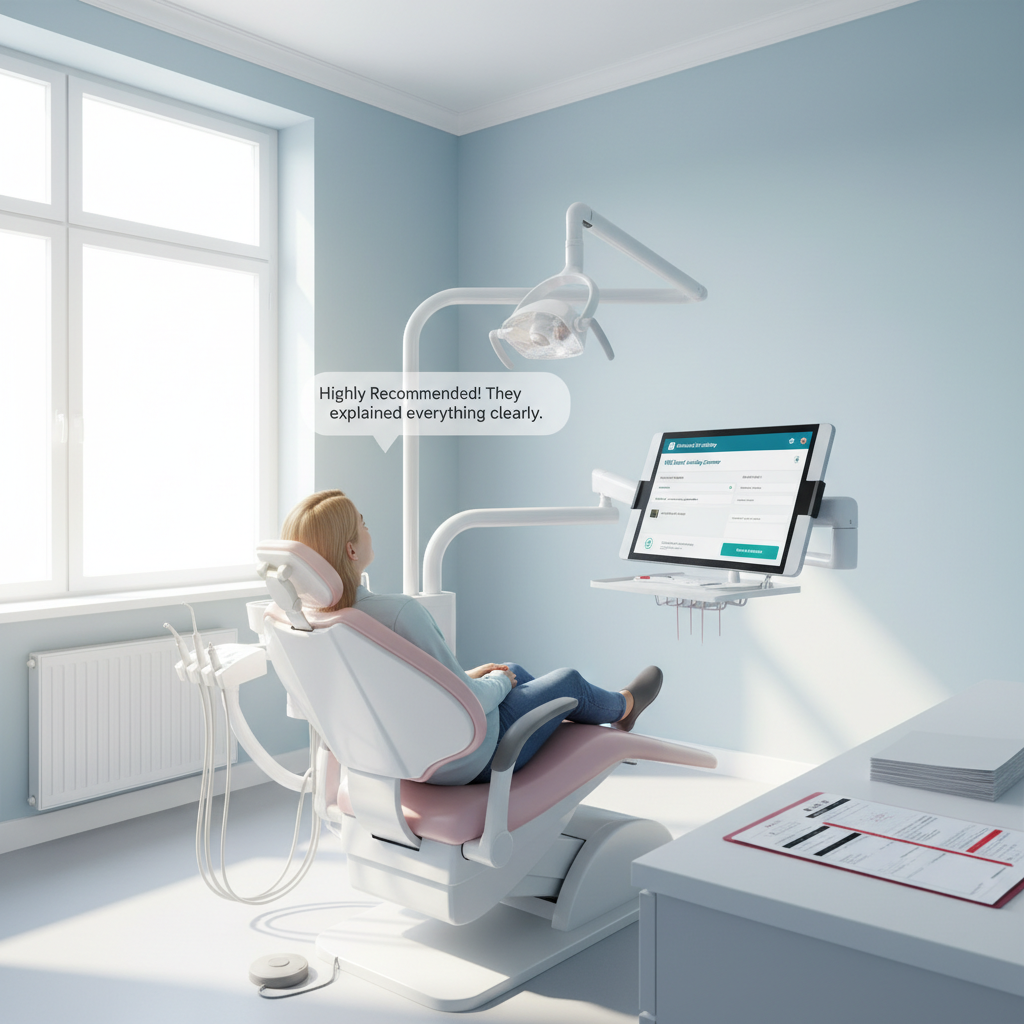
Accessing how to get free dental implants uk through NHS funding requires meeting strict medical necessity criteria, with trauma, cancer treatment, or congenital conditions providing the strongest cases. Most routine tooth loss situations won’t qualify, making private treatment or alternative funding the primary options for aesthetic or general replacement needs.
Begin by registering with multiple NHS dentists to secure assessment appointments, while simultaneously researching private options and payment plans. Document all existing dental problems, maintain consistent oral hygiene, and gather medical records supporting your case for the strongest possible NHS application. For more on how dental SEO can help practices attract patients, read how dental SEO can lead to more patients.
The dental implant landscape continues evolving with new materials, techniques, and potentially expanded NHS criteria. However, current reality demands realistic expectations about NHS eligibility while exploring private alternatives that deliver immediate access to life-changing treatment without lengthy approval processes.
Quick Reference: Your Next Steps
- Check NHS eligibility through postcode search and register with local practices
- Gather medical documentation supporting implant necessity
- Research private payment plans if NHS approval unlikely
- Maintain oral health throughout the application process
FAQs: Frequently Asked Questions About NHS Dental Implants
Can You Get Free Dental Implants on the NHS?
Yes, but only under exceptional medical circumstances. NHS implants are funded when tooth loss results from trauma, cancer treatment, congenital conditions, or severe medical complications affecting jaw function. Routine tooth loss from decay or gum disease typically doesn’t qualify for free NHS implant treatment. For more details on NHS dental treatments, see the NHS dental treatments page.
Leave a Reply