MIH Teeth 2026: The Ultimate UK Guide for Parents to Help Kids
mih teeth
Key Takeaways
- Molar Incisor Hypomineralisation (MIH) affects up to 18% of children in the UK.
- MIH causes weakened and discoloured teeth that may result in severe pain.
- Children with MIH often require costly dental treatments.
- MIH can impact a child’s confidence due to the appearance of their teeth.
- This guide offers evidence-based information on MIH diagnosis, treatment, and long-term care for parents.
MIH Teeth: The Definitive UK Guide for Parents
Molar Incisor Hypomineralisation (MIH) affects up to 18% of UK children, causing weakened, discoloured teeth that can lead to severe pain, costly treatments, and confidence issues. This comprehensive guide provides evidence-based insights for parents navigating mih teeth diagnosis, treatment, and long-term management. costly treatments
MIH teeth require early diagnosis and tailored treatments like remineralisation, protective sealants, or restorations to manage sensitivity and prevent further damage.
Understanding the challenges of MIH is essential for parents and dental professionals alike. Early diagnosis and tailored management strategies can help minimise pain and long-term complications for affected children. For dental practices looking to support families, implementing a robust dental marketing plan can help raise awareness and provide valuable resources about MIH teeth.
Whether you are a parent seeking answers or a dental professional aiming to improve patient outcomes, this guide covers everything you need to know about MIH teeth. For clinics aiming to reach more families in need of MIH care, optimising seo for dentists can ensure your expertise is easily found online.
What is MIH (Molar Incisor Hypomineralisation)?
Molar Incisor Hypomineralisation is a developmental defect affecting the enamel of permanent first molars and, in many cases, permanent incisors. The condition creates areas of poorly mineralised enamel that appear as distinct white, yellow, or brown opacities measuring at least 1mm in diameter.
UK prevalence studies indicate MIH affects approximately 15-18% of children, with global rates ranging from 2.8% to 40% depending on diagnostic criteria and population studied. The condition occurs when enamel formation is disrupted during the first three years of life, precisely when these permanent teeth are developing beneath the gums.
MIH at a Glance
- Affected teeth: First permanent molars (always), permanent incisors (50% of cases)
- Appearance: Demarcated white, yellow, or brown patches
- Texture: Soft, porous enamel prone to chipping
- Symptoms: Sensitivity, pain during eating/brushing
- Long-term risk: 10x higher cavity rate than healthy teeth
The clinical significance extends beyond appearance. Affected teeth demonstrate reduced enamel hardness, making them susceptible to post-eruptive breakdown where chunks of enamel fracture away, exposing underlying dentine and causing significant discomfort.
Signs, Symptoms & Identification of MIH: How to Spot It Early
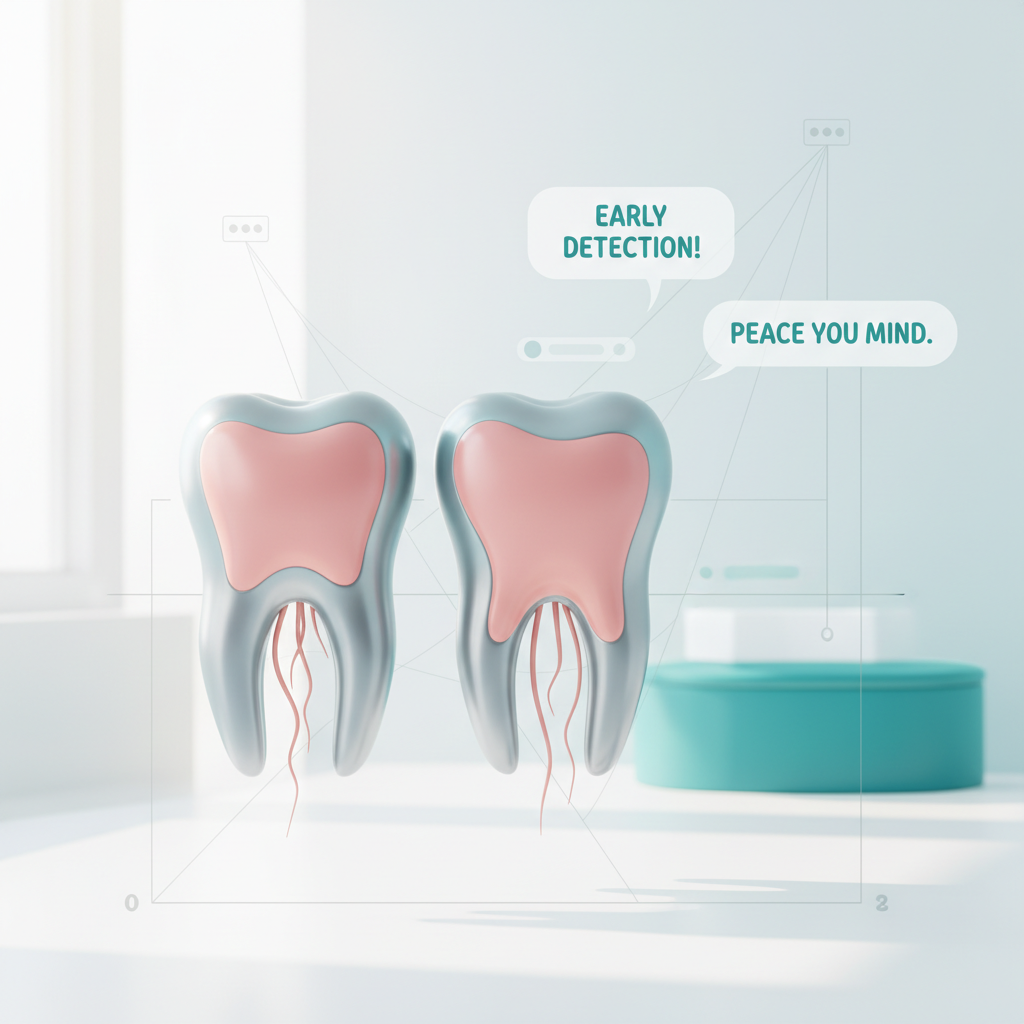
Early identification of mih teeth typically occurs when permanent molars erupt around age 6-7. Parents should watch for distinct colour changes that differ markedly from surrounding healthy enamel, appearing as well-defined patches rather than generalised discolouration.
Visual Identification by Severity
Mild MIH: White or cream-coloured opacities with intact enamel surface. Children may report occasional sensitivity to temperature changes but can usually eat and brush normally.
Moderate MIH: Yellow to light brown demarcated areas with some surface roughness. Increased sensitivity during meals, particularly with acidic or sugary foods. Enamel may begin showing minor chips or wear.
Severe MIH: Dark brown opacities with visible enamel breakdown. Significant pain during eating, drinking, or tooth brushing. Large pieces of enamel may fracture away, creating sharp edges and exposing sensitive dentine.
| Severity Level |
Appearance |
Symptoms |
Immediate Action |
| Mild |
White/cream patches |
Minimal sensitivity |
Fluoride toothpaste, monitoring |
| Moderate |
Yellow/light brown areas |
Temperature sensitivity |
Desensitising treatment, dietary advice |
| Severe |
Dark brown, chipped enamel |
Constant pain, eating difficulties |
Urgent dental assessment |
Red Flag Symptoms Requiring Immediate Attention
Seek dental evaluation within 48 hours if children experience sharp, spontaneous pain from affected teeth, refuse to eat on one side of their mouth, or demonstrate significant behavioural changes around meal times. Post-eruptive breakdown can occur rapidly, transforming manageable sensitivity into severe pain requiring emergency intervention. Learn more about crown lab options to prevent complications and restore comfort.
What Causes MIH? Exploring Genetics, Environment & Risk Factors
MIH develops when enamel formation is disrupted during the secretory and maturation phases of amelogenesis, occurring from late pregnancy through the third year of life. This critical window coincides with permanent molar and incisor crown development, explaining the specific tooth pattern affected.
Multifactorial Causes and Evidence
Research identifies numerous potential triggers, though no single cause accounts for all cases. Prenatal factors include maternal illness, medication use, and nutritional deficiencies during pregnancy. Birth complications such as caesarean delivery, low birth weight, and prematurity show statistical associations with increased MIH prevalence.
Early childhood illnesses requiring antibiotics, particularly during the first three years of life, represent another significant risk factor. The timing coincides with the critical mineralisation period of permanent molars and incisors, when enamel formation is most vulnerable to systemic disruption.
Key Insight: The 1000-Day Window
MIH risk factors are most impactful during the “1000-day window” – from conception through age 2 – when permanent tooth crowns undergo active mineralisation. Understanding this timeline helps parents and clinicians identify at-risk children early. For more information on treatments, learn about 3D print tooth crown options that can support affected teeth.
Environmental factors including air pollution, dioxin exposure, and certain medications show emerging evidence as potential contributors. However, the multifactorial nature means that many children with known risk factors never develop mih teeth, whilst others with no identifiable triggers do – highlighting the complex interplay between genetic susceptibility and environmental influences.
MIH vs. Other Tooth Conditions: Quick Comparison Guide
Distinguishing mih teeth from similar-appearing conditions requires understanding key diagnostic differences. Dental fluorosis, the most common differential diagnosis, typically presents as bilateral, symmetrical white lines or patches across multiple teeth, contrasting with MIH’s characteristic asymmetrical, well-demarcated opacities confined to molars and incisors.
| Condition |
Affected Teeth |
Appearance |
Distribution |
Enamel Integrity |
| MIH |
First permanent molars, incisors |
White, yellow, brown opacities |
Asymmetrical |
Often compromised, prone to breakdown |
| Dental Fluorosis |
All teeth erupting during exposure |
White lines, mild mottling |
Bilateral, symmetrical |
Generally intact |
| Enamel Hypoplasia |
Variable, depends on timing |
Pits, grooves, missing enamel |
Corresponds to illness timing |
Structurally deficient |
| Turner Tooth |
Single tooth (usually premolar) |
Crown malformation |
Localised |
Severely compromised |
Enamel hypoplasia differs from MIH through its quantitative rather than qualitative defect – the enamel is reduced in thickness but mineralised normally. Turner tooth represents localised hypoplasia affecting a single tooth, typically caused by trauma or infection of the overlying primary tooth.
Clinical history proves crucial for accurate diagnosis. MIH lacks the clear environmental exposure history associated with fluorosis, whilst hypoplasia usually correlates with documented systemic illness during specific developmental periods. For more on how dental practices can educate patients about these differences, explore these dental blog post ideas.
Impact of MIH on Oral Health and Daily Life
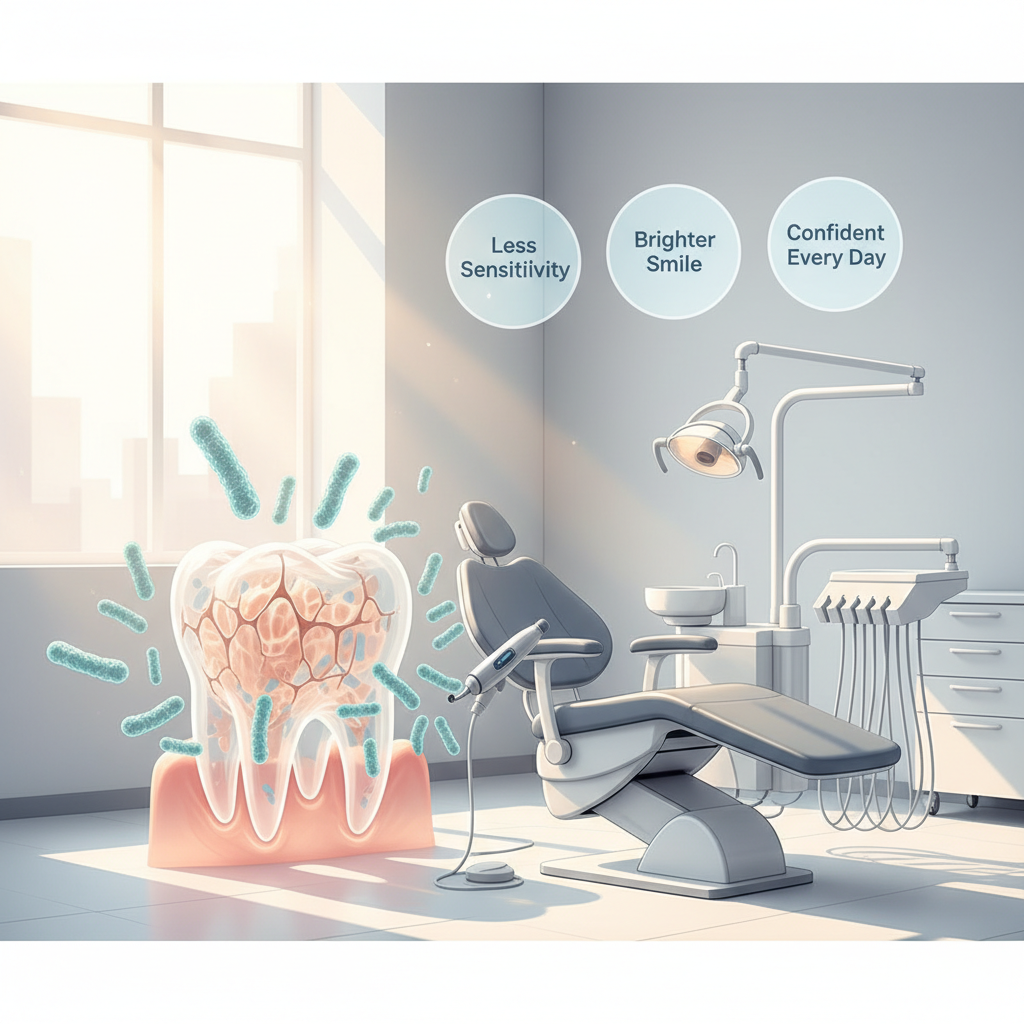
Children with mih teeth face significantly elevated caries risk, with affected molars developing cavities up to ten times more frequently than healthy teeth. The porous, weakened enamel structure creates ideal conditions for bacterial colonisation, whilst the irregular surface topography makes effective cleaning challenging even with optimal oral hygiene.
Hypersensitivity represents perhaps the most immediate daily challenge, with affected children experiencing sharp pain when consuming hot, cold, sweet, or acidic foods. This sensitivity often leads to dietary restrictions, with children avoiding nutritious foods like fruits and dairy products, potentially impacting overall health and development.
The aesthetic impact on anterior teeth can profoundly affect children’s confidence and social interactions. Brown or yellow discolouration on prominent incisors may lead to reluctant smiling, hand-covering behaviours, and social withdrawal during critical developmental years. School performance and peer relationships often suffer as children become increasingly self-conscious about their appearance.
Dental treatment complications arise from the unique properties of hypomineralised enamel. Local anaesthetic effectiveness is often reduced, requiring modified injection techniques or additional agents. The unpredictable enamel structure makes adhesive procedures challenging, with higher failure rates for conventional restorations and increased treatment complexity for routine procedures. For more on how dental SEO can help practices reach families dealing with MIH, see how dental SEO can lead to more patients.
Clinical Diagnosis of MIH: How Dentists Identify and Classify the Condition
Clinical diagnosis of MIH follows established European Academy of Paediatric Dentistry (EAPD) criteria, focusing on demarcated opacities measuring at least 1mm in diameter on first permanent molars or incisors. The diagnostic process begins with systematic visual examination under optimal lighting conditions, ideally with teeth clean and dry.
Severity classification guides treatment planning and prognosis. Mild MIH presents as white or yellow demarcated opacities without enamel breakdown, typically requiring preventive management and monitoring. Moderate cases show yellow or brown discolouration with intact enamel structure, often benefiting from remineralisation therapy and protective restorations.
Severe MIH demonstrates post-eruptive breakdown, where hypomineralised enamel fragments away from the underlying dentine, creating cavitated lesions that rapidly progress without intervention. These cases require immediate restorative treatment to prevent pain, infection, and further structural compromise.
Essential Diagnostic Steps:
- Document medical history focusing on birth complications, early childhood illnesses, and antibiotic use during ages 0-3
- Visual examination under optimal lighting with clean, dry teeth
- Photograph affected teeth for baseline documentation
- Test sensitivity using air blast or cold stimulus
- Classify severity and document treatment urgency
5-Minute Chairside MIH Assessment Protocol
Step 1: Document medical history focusing on birth complications, early childhood illnesses, and antibiotic use during ages 0-3
Step 2: Visual examination under optimal lighting with clean, dry teeth
Step 3: Photograph affected teeth for baseline documentation
Step 4: Test sensitivity using air blast or cold stimulus
Step 5: Classify severity and document treatment urgency
Accurate documentation requires standardised terminology and photographic records. Digital photography with cross-polarised lighting enhances opacity visualisation and provides valuable baseline documentation for monitoring progression. Sensitivity testing helps predict treatment challenges and anaesthetic requirements for future procedures.
Common diagnostic errors include misclassifying early carious lesions as hypomineralisation of teeth, or overlooking mild opacities that may progress to breakdown. Systematic examination protocols and continuing education in MIH recognition help clinicians avoid these pitfalls whilst ensuring appropriate early intervention. For further clinical guidance, the NHS provides a comprehensive resource on molar incisor hypomineralisation.
Home Care for Children with MIH: Evidence-Based Practical Strategies
Daily fluoride exposure through high-concentration toothpaste represents the cornerstone of home mih teeth management. Children over six years should use toothpaste containing 1350-1500ppm fluoride, applied twice daily in pea-sized amounts. Younger children require 1000ppm formulations with rice-grain quantities to balance efficacy with safety.
| Age Group |
Fluoride Concentration |
Amount |
Frequency |
Special Considerations |
| Under 3 years |
1000ppm |
Rice grain size |
Twice daily |
Supervise closely, minimal water rinsing |
| 3-6 years |
1000ppm |
Pea-sized |
Twice daily |
Supervised brushing essential |
| 6+ years |
1350-1500ppm |
Pea-sized |
Twice daily |
Consider additional fluoride rinse |
Gentle brushing technique proves crucial for protecting fragile enamel whilst maintaining cleanliness. Soft-bristled brushes with small heads allow precise cleaning around sensitive areas without mechanical damage. Electric toothbrushes with pressure sensors help prevent excessive force whilst ensuring adequate plaque removal. For dental teams aiming to educate families, utilising social media for dentists can be an effective way to share home care tips for MIH teeth.
Dietary modifications significantly impact symptom management and enamel preservation. Avoiding temperature extremes, acidic beverages, and hard foods reduces sensitivity episodes whilst protecting against further enamel loss. Room-temperature water for drinking and lukewarm foods during meals help maintain comfort during eating.
Desensitising toothpastes containing potassium nitrate or stannous fluoride provide additional symptom relief when used consistently. Application should occur after regular brushing, with the paste left on teeth for maximum effectiveness. Night-time application proves particularly beneficial as extended contact time enhances desensitising action.
Professional Treatment Options for MIH: What Works and When?
Treatment selection for mih teeth depends primarily on severity classification, patient age, and cooperation levels. Mild cases benefit from preventive protocols including professional fluoride applications, fissure sealants, and regular monitoring appointments every 3-4 months to detect early breakdown. Practices can further enhance their reach by leveraging Google Ads for dentists to connect with families seeking MIH treatment.
Moderate MIH typically requires restorative intervention using glass ionomer cement (GIC) or resin composite materials. GIC provides excellent biocompatibility and fluoride release, making it ideal for high-caries-risk situations and young patients. Composite resins offer superior aesthetics and durability but require optimal moisture control and patient cooperation.
Severe MIH with extensive breakdown necessitates comprehensive crown coverage. Stainless steel crowns provide excellent durability and require minimal tooth preparation, making them suitable for posterior teeth in young children. Zirconia crowns offer aesthetic advantages for visible teeth whilst maintaining strength and longevity.
Extraction becomes necessary when teeth are non-restorable or cause persistent pain despite treatment attempts. Timing proves critical – early extraction (ages 8-10) allows natural space closure through mesial drift of second molars, whilst later extraction may require orthodontic space management or prosthetic replacement.
Microabrasion techniques effectively improve mild anterior discolouration through controlled enamel surface removal. The procedure combines hydrochloric acid with pumice to eliminate superficial staining whilst preserving tooth structure. Success depends on lesion depth and patient expectations regarding final appearance.
Desensitising treatments including fluoride varnish, CPP-ACP (casein phosphopeptide-amorphous calcium phosphate), and bioactive glass applications help reduce sensitivity whilst promoting remineralisation. These treatments require regular reapplication but provide significant symptom relief for many patients. For additional clinical resources, review the NHS MIH in children guide.
Best Dental Products for Kids with MIH: Expert-Approved List
Colgate Duraphat 2800ppm – Professional Strength Protection
Best for: Children over 10 years with severe sensitivity and high caries risk
This prescription-strength toothpaste delivers concentrated fluoride for maximum enamel protection.
Frequently Asked Questions
What are the early signs and symptoms of Molar Incisor Hypomineralisation (MIH) in children?
Early signs of MIH include visible white, yellow, or brown opacities on the enamel of first permanent molars and incisors. Children may experience increased tooth sensitivity, discomfort, and sometimes pain, especially when consuming hot, cold, or sweet foods.
What causes MIH and are there any known genetic or environmental risk factors?
MIH is caused by disruptions in enamel formation during the first three years of life. Both genetic predispositions and environmental factors, such as childhood illnesses, antibiotic use, or exposure to toxins, are believed to contribute to the condition, although exact causes remain under investigation.
How is MIH diagnosed by dental professionals and how does it differ from other tooth conditions?
Dental professionals diagnose MIH through clinical examination, identifying characteristic enamel opacities and assessing tooth sensitivity. Unlike conditions such as fluorosis or enamel hypoplasia, MIH presents with distinct demarcated opacities and affects specific teeth, primarily first molars and incisors.
What treatment options are available for children with MIH to manage pain and prevent further damage?
Treatment for MIH includes strategies like remineralisation therapies, protective sealants, and restorations to reduce sensitivity and protect weakened enamel. Early intervention focuses on managing pain and preventing enamel breakdown to minimise the need for more extensive procedures later.
About the Author
Dan Ashburn is the Co-Founder at Dominate Dental, the UK’s specialist agency for high-value patient acquisition.
Drawing on a decade of data-driven advertising experience and hundreds of clinic campaigns, Dan blends AI technology with human insight to deliver predictable streams of Invisalign, implant, and cosmetic dentistry consultations. His team’s results-focused approach has helped practices across London, Manchester, Birmingham, and nationwide convert marketing spend into chair-time, often booking 50+ qualified consultations per month while cutting no-shows.
When he’s not optimizing funnels or unpacking the latest algorithm updates, Dan shares actionable dental marketing ideas, real-world case studies, and ROI benchmarks so dental teams can make confident marketing decisions.
Last reviewed: September 27, 2025 by the Dominate Dental Team
Leave a Reply