Dental Practice?
The landscape of dental restoration has undergone a revolutionary transformation over the past four decades. CAD/CAM technology has evolved from experimental laboratory equipment in the 1980s to sophisticated chairside systems that enable same-day dental restorations. For UK dental practices focusing on high-value treatments like Invisalign and implants, understanding cad cam dentistry is crucial for staying competitive and meeting patient expectations for efficient, precise care.
Key Takeaways
- CAD/CAM in dental practice uses digital technology to design and manufacture restorations like crowns and veneers.
- This technology replaces traditional physical impressions with accurate digital scans.
- cad cam teeth systems have evolved from experimental tools to advanced chairside solutions enabling same-day restorations.
- UK dental practices benefit from CAD/CAM technology by enhancing treatments such as Invisalign and implants.
- Understanding CAD/CAM is essential for dental practices to remain competitive and meet patient expectations.
Table of Contents
- What is CAD/CAM in Dental Practice?
- From Laboratory to Chairside Revolution
- Impact on Modern Dental Practice
- Understanding the Digital Restoration Process
- Comprehensive Treatment Options
- Advanced Materials and Manufacturing
- Implementing CAD/CAM in Your Practice
- Emerging Technologies and Future Developments
- Maximising CAD/CAM Success
Modern cad/cam in dentistry represents far more than just digital tools—it’s a complete paradigm shift that affects every aspect of restorative treatment, as showcased during dental assistant week. From the moment a patient requires a crown or veneer, the entire workflow can be managed digitally, eliminating the traditional multi-visit approach that often leads to patient dissatisfaction and appointment no-shows.
The integration of cad/cam dental systems addresses one of the most significant challenges facing dental practices today: patient retention and treatment completion. When patients can receive a permanent restoration in a single visit, completion rates increase dramatically, directly impacting practice revenue and patient satisfaction scores.
From Laboratory to Chairside Revolution
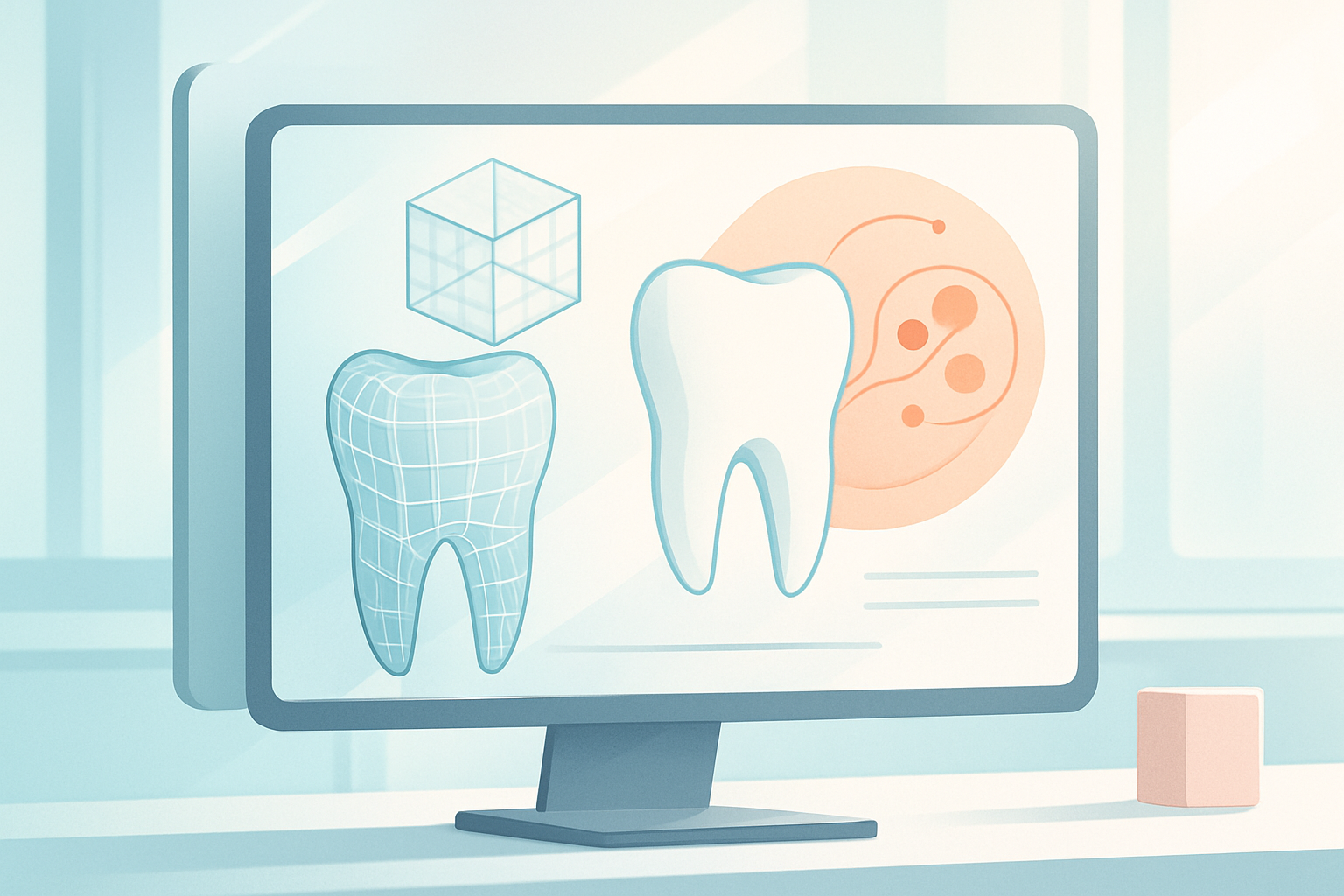
The journey of cad cam technology in dentistry began in the early 1980s when Dr. Werner Mörmann and Marco Brandestini developed the first CEREC system at the University of Zurich. This pioneering work laid the foundation for what would become a multi-billion-pound industry transforming dental care delivery across the globe.
Initially, cad/cam technology was confined to dental laboratories, where skilled technicians operated large, expensive milling machines to create restorations from digital files sent by dental practices. However, the real breakthrough came with the development of chairside systems that brought this manufacturing capability directly into the dental surgery.
Market Impact: The global dental CAD/CAM market is projected to reach £2.8 billion by 2025, with the UK representing one of the fastest-growing segments. This growth is driven by increasing patient demand for same-day treatments and practices seeking to differentiate themselves in competitive markets.
Today’s cad/cam dentistry encompasses a comprehensive ecosystem of intraoral scanners, design software, milling machines, and 3D printers. This integration allows dental practices to capture precise digital impressions, design custom restorations with incredible accuracy, and manufacture final products—all within the confines of a single appointment.
The technology has evolved beyond simple crown fabrication to encompass complex procedures including implant abutments, surgical guides, orthodontic appliances, and even full-arch prosthetics. This expansion has made what is cad cam a critical question for any dental practice owner considering practice growth and patient satisfaction improvements.
Impact on Modern Dental Practice
The implementation of cad/cam in dentistry fundamentally changes the patient journey and practice economics. Traditional crown procedures requiring multiple appointments, temporary restorations, and laboratory coordination are replaced by streamlined digital workflows that can be completed in 90 minutes to two hours.
For dental practices investing £2,000+ monthly in marketing to attract high-value patients, cad cam dental technology serves as both a clinical tool and a powerful marketing differentiator. Patients increasingly research dental practices online, and the ability to offer same-day crowns, veneers, and other restorations becomes a significant competitive advantage.
The technology directly addresses common patient pain points that lead to treatment abandonment: multiple appointments, time off work, temporary restoration failures, and extended treatment timelines. By eliminating these friction points, practices report higher case acceptance rates and improved patient satisfaction scores.
From a practice management perspective, cad/cam technology reduces dependency on external laboratories, eliminates shipping delays, and provides greater control over quality and delivery timelines. This operational efficiency translates directly into improved profitability and reduced overhead costs associated with traditional restoration workflows.
The integration of digital workflows also generates valuable data that can be used for treatment planning, quality assurance, and even predictive analytics. This data-driven approach to dentistry aligns with modern practice management principles and supports evidence-based treatment decisions that benefit both practitioners and patients.
Understanding the Digital Restoration Process
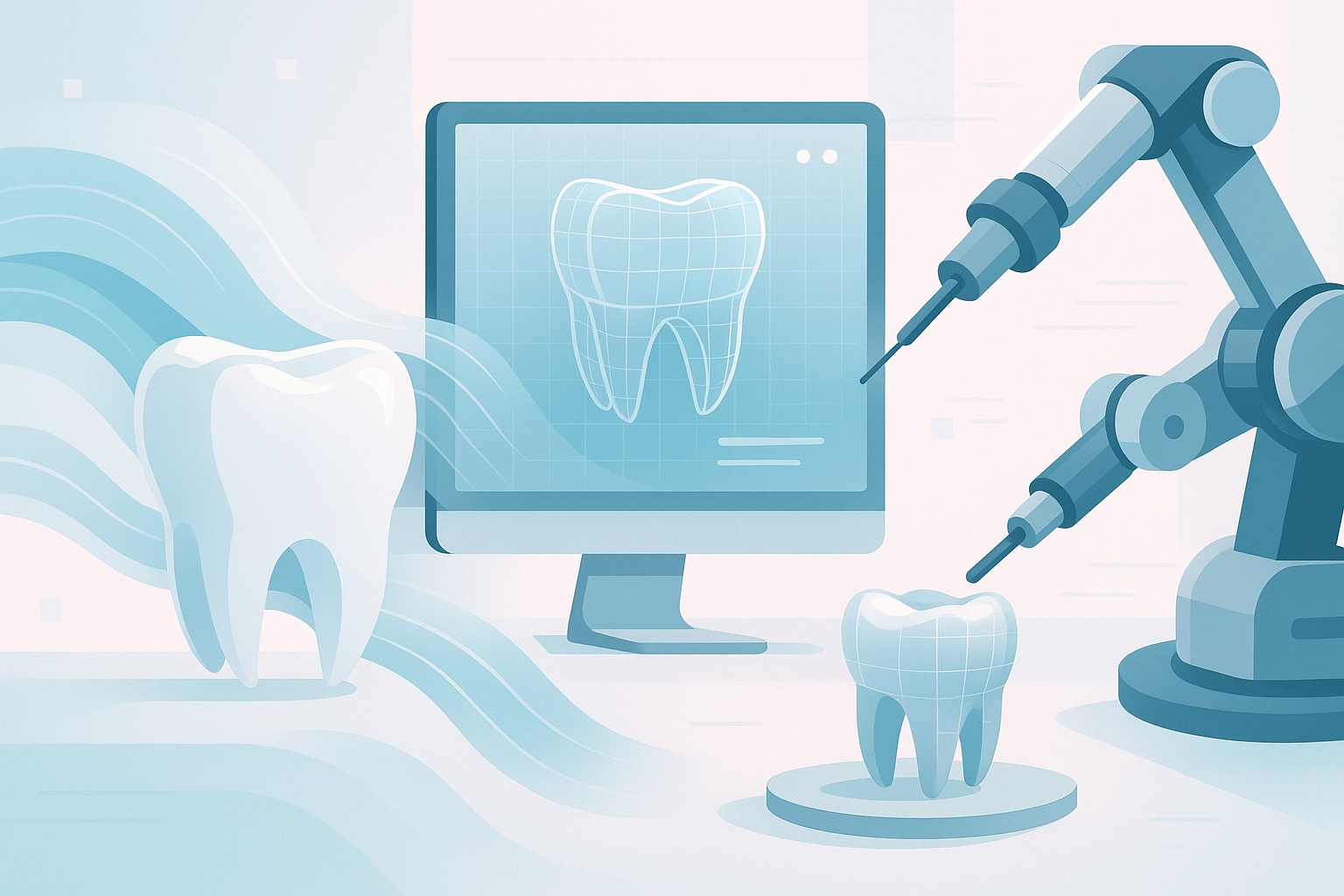
The cad cam in dental workflow represents a sophisticated integration of three core technologies: digital impression capture, computer-aided design, and automated manufacturing. This seamless process transforms how dental restorations are created, moving from traditional putty impressions and multi-week laboratory processes to precise digital workflows completed in hours.
Modern cad/cam dentistry begins with intraoral scanning, where high-resolution cameras capture thousands of data points per second to create detailed 3D models of prepared teeth and surrounding structures. These digital impressions are significantly more accurate than traditional methods, with precision levels reaching 20-50 microns—far exceeding the capabilities of conventional impression materials.
The captured data flows directly into CAD software, where dental professionals design custom restorations using advanced algorithms that consider bite forces, aesthetic requirements, and anatomical constraints. This digital design phase typically takes 10-15 minutes for a single crown, compared to the days required for traditional laboratory fabrication.
Accuracy Advantage: Digital impressions using cad cam technology demonstrate 99.7% accuracy rates compared to 94.2% for traditional impressions, according to recent clinical studies. This precision translates to better-fitting restorations and reduced chair time for adjustments.
The final manufacturing stage utilises computer-controlled milling machines or 3D printers to create the physical restoration from blocks of ceramic, composite, or metal materials. Modern milling units can produce a crown in 8-15 minutes, with minimal material waste and consistent quality that eliminates the variability inherent in manual laboratory processes.
This integrated approach to cad/cam in dentistry eliminates traditional workflow bottlenecks: no physical impressions to ship, no laboratory scheduling delays, and no temporary restoration failures. The result is a streamlined process that benefits both dental practices and patients through improved efficiency and predictable outcomes.
Comprehensive Treatment Options
The versatility of cad cam dental systems extends far beyond simple crown fabrication, encompassing a comprehensive range of restorative and prosthetic applications. Modern systems can produce inlays, onlays, veneers, bridges, implant abutments, and even complex full-arch prosthetics with remarkable precision and efficiency.
Single-tooth restorations represent the most common application of what is cad cam technology in dental practice. Crowns, the primary restoration type, can be completed from preparation to cementation in a single appointment, eliminating the need for temporary restorations and reducing patient anxiety associated with multiple visits.
| Restoration Type | Traditional Timeline | CAD/CAM Timeline | Patient Visits |
|---|---|---|---|
| Single Crown | 2-3 weeks | 90-120 minutes | 1 visit vs 2-3 visits |
| Veneer | 2-4 weeks | 2-3 hours | 1 visit vs 2-3 visits |
| Inlay/Onlay | 2-3 weeks | 60-90 minutes | 1 visit vs 2 visits |
| Bridge (3-unit) | 3-4 weeks | 3-4 hours | 1 visit vs 3-4 visits |
Implant dentistry has been revolutionised by cad/cam technology, enabling the fabrication of custom abutments and crowns that perfectly match patient anatomy and aesthetic requirements. The technology allows for immediate loading protocols, where implants can be restored on the same day as placement in suitable cases.
Aesthetic dentistry applications showcase the precision capabilities of cad cam dentistry, with veneer fabrication achieving exceptional colour matching and surface texturing. The ability to test-fit and adjust restorations chairside before final cementation ensures optimal aesthetic outcomes that meet patient expectations.
Complex rehabilitative cases benefit from the comprehensive planning capabilities of modern CAD software, which can design multiple restorations simultaneously while maintaining proper occlusion and aesthetic harmony. This systematic approach is particularly valuable for full-mouth reconstructions and extensive cosmetic makeovers.
Advanced Materials and Manufacturing
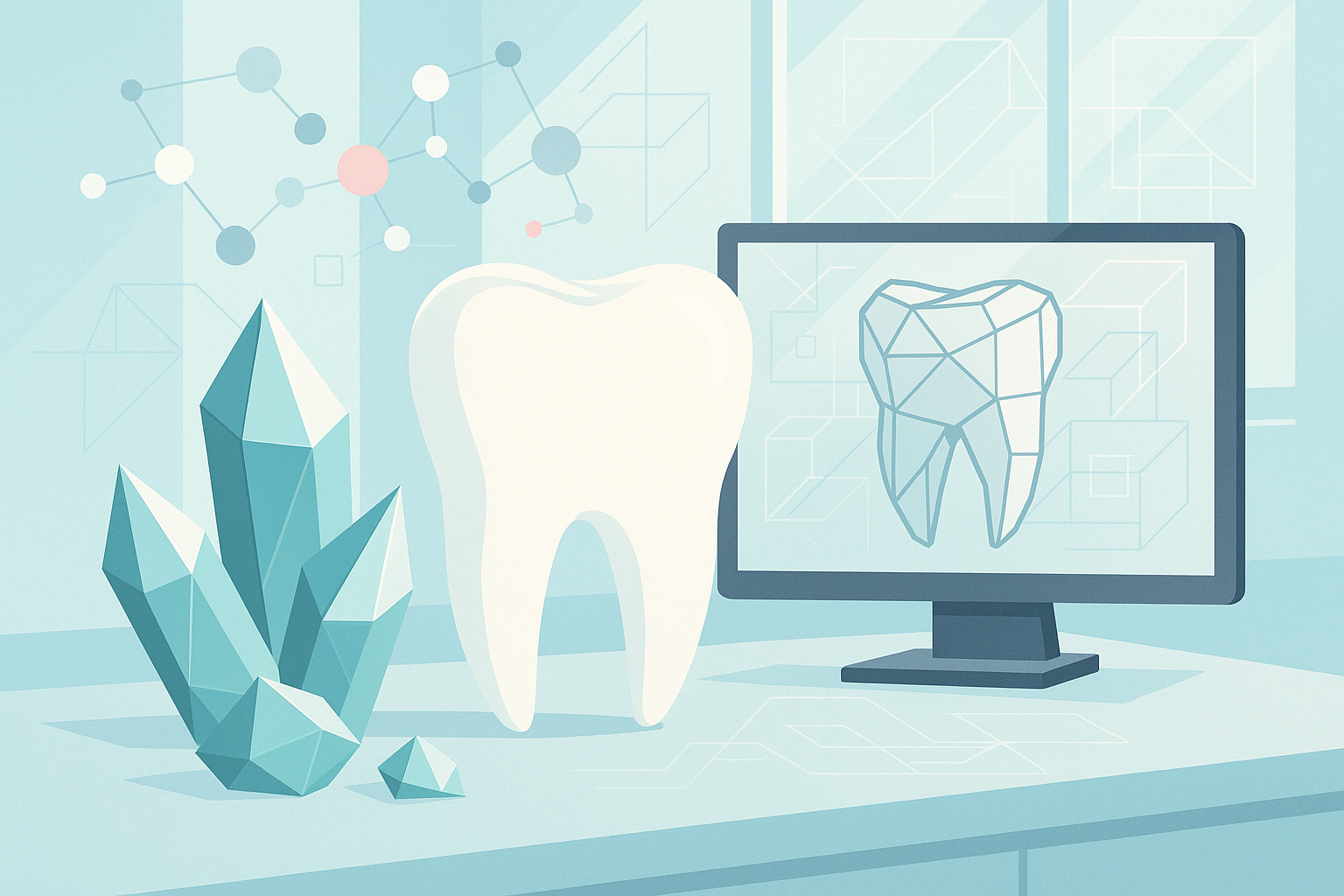
The success of cad/cam in dentistry relies heavily on the continuous advancement of dental materials specifically engineered for digital manufacturing processes. Modern CAD/CAM materials offer superior strength, aesthetics, and biocompatibility compared to traditional alternatives, while being optimised for automated production methods.
Lithium disilicate ceramics represent the gold standard for aesthetic restorations, offering exceptional translucency and colour matching capabilities. These materials can be milled in pre-crystallised states and then fully crystallised through controlled firing processes, achieving flexural strengths exceeding 400 MPa while maintaining natural tooth-like appearance.
Zirconia-based materials provide the ultimate in strength for posterior restorations and implant applications, with some formulations reaching 1,200 MPa flexural strength. Modern translucent zirconia formulations have overcome the aesthetic limitations of early opaque materials, making them suitable for anterior applications where both strength and beauty are essential.
Hybrid ceramic materials combine the best properties of traditional ceramics with polymer networks, creating restorations that are both strong and kind to opposing teeth. These materials machine beautifully and can be polished to high lustre chairside, making them ideal for practices seeking efficient workflows without compromising quality.
The manufacturing process itself has evolved to include both subtractive (milling) and additive (3D printing) technologies. While milling remains the dominant method for final restorations, 3D printing is increasingly used for temporary restorations, surgical guides, and models, offering complementary capabilities that enhance the overall cad cam technology ecosystem.
Quality control in digital manufacturing relies on precise machine calibration and regular maintenance protocols. Modern systems include automated tool wear detection, material batch tracking, and quality assurance protocols that ensure consistent results across thousands of restorations.
Implementing CAD/CAM in Your Practice
The transition to cad cam in dental practice requires strategic planning and careful consideration of workflow integration, staff training, and financial investment. Successful implementation typically follows a phased approach that minimises disruption while maximising the return on investment through improved efficiency and patient satisfaction.
Initial assessment should focus on practice volume and case mix suitability for digital workflows. Practices performing 15+ crowns monthly typically see positive ROI within 18-24 months, while high-volume practices may achieve break-even in 12-15 months. The key is identifying which procedures will benefit most from chairside fabrication versus traditional laboratory partnerships.
Staff training represents a critical success factor, with most team members requiring 40-60 hours of initial training followed by ongoing education. Leading manufacturers provide comprehensive training programmes that cover scanning techniques, design software proficiency, and equipment maintenance protocols. Investment in proper training directly correlates with system utilisation rates and clinical outcomes.
Implementation Success Tip: Start with simple single-crown cases to build confidence and proficiency before progressing to complex multi-unit restorations. This approach ensures quality outcomes while your team develops expertise with cad cam technology.
Equipment selection should align with practice goals and patient demographics. Entry-level systems suitable for basic crown and inlay fabrication start around £80,000-£120,000, while comprehensive systems capable of complex prosthetics range from £150,000-£250,000. Financing options and service agreements significantly impact total cost of ownership.
Workflow optimisation requires redesigning appointment scheduling to accommodate longer single visits rather than multiple shorter appointments. This shift often improves patient satisfaction while reducing administrative overhead associated with temporary restorations and multiple scheduling touchpoints.
The marketing advantage of cad/cam dentistry cannot be understated. Patients increasingly value convenience and advanced technology, with single-visit crowns becoming a significant differentiator in competitive markets. Practices report 15-25% increases in case acceptance rates when presenting CAD/CAM options to patients.
Emerging Technologies and Future Developments
The evolution of cad cam dental technology continues at an unprecedented pace, with artificial intelligence, machine learning, and advanced materials science driving the next generation of digital dentistry innovations. These developments promise to further streamline workflows while expanding the scope of chairside fabrication capabilities.
Artificial intelligence integration is revolutionising design automation, with AI algorithms capable of generating optimal restoration designs based on patient anatomy, bite patterns, and aesthetic preferences. These systems learn from thousands of successful cases to suggest design modifications that improve fit, function, and longevity.
Next-generation scanning technology is achieving sub-10 micron accuracy while reducing scan times by 40-60%. Advanced colour capture capabilities now enable precise shade matching under various lighting conditions, addressing one of the primary challenges in aesthetic dentistry.
Material innovations focus on biomimetic properties that more closely replicate natural tooth structure. Smart materials that adapt to oral conditions and self-healing ceramics represent the cutting edge of restorative material science, promising longer-lasting restorations with superior performance characteristics.
The integration of cad/cam technology with other digital dental technologies creates comprehensive treatment planning platforms. Combined with CBCT imaging, facial scanning, and digital smile design, CAD/CAM systems enable completely digital treatment workflows from diagnosis through final restoration delivery.
Predictive analytics and outcome modelling are emerging as powerful tools for treatment planning optimisation. These systems analyse patient data, material properties, and clinical variables to predict restoration performance and recommend optimal treatment protocols.
Maximising CAD/CAM Success
The transformative impact of cad cam in dental practice extends far beyond simple efficiency gains, fundamentally changing how dental professionals approach restorative treatment planning and patient care. Success with digital workflows requires commitment to continuous learning, quality protocols, and patient-centred implementation strategies.
Best practices for cad/cam dentistry emphasise the importance of proper case selection, especially during the initial adoption phase. Starting with straightforward posterior crown cases allows teams to develop proficiency before progressing to complex aesthetic restorations that demand advanced design skills and material knowledge.
Quality assurance protocols should include regular equipment calibration, systematic outcome tracking, and patient feedback collection. Practices achieving the highest success rates maintain detailed records of restoration performance, adjustment requirements, and patient satisfaction metrics to continuously refine their digital workflows.
The future of what is cad cam technology in dentistry points toward increased automation, improved material properties, and seamless integration with other digital dental technologies. Practices investing in these systems today position themselves at the forefront of modern dental care delivery.
For dental professionals considering CAD/CAM adoption, the question is not whether to implement digital workflows, but rather how to integrate them most effectively into existing practice operations. The technology has matured to the point where it represents standard of care in many clinical situations, offering patients superior outcomes through precision, efficiency, and convenience.
The continued evolution of cad/cam technology ensures that early adopters will benefit from ongoing innovations while building the expertise necessary to maximise these advanced capabilities. Investment in digital dentistry represents an investment in practice growth, patient satisfaction, and clinical excellence that will define successful dental practices in the years ahead.
Frequently Asked Questions
What is a CAD-CAM in dentistry?
CAD-CAM in dentistry refers to Computer-Aided Design and Computer-Aided Manufacturing technology used to design and fabricate dental restorations with precision. This digital approach streamlines the creation of crowns, bridges, inlays, onlays, and veneers by using 3D imaging and milling machines, significantly reducing turnaround time compared to traditional methods.
What is CAD used for in dentistry?
CAD in dentistry is primarily used for designing detailed and accurate 3D models of dental restorations. Dentists and technicians utilize CAD software to create precise digital impressions and tailor restorations to the patient’s unique dental anatomy, ensuring optimal fit, function, and aesthetics before manufacturing.
What is the CAD-CAM technique?
The CAD-CAM technique combines digital design and manufacturing processes to produce dental restorations efficiently and accurately. It involves scanning the patient’s teeth, designing the restoration on specialized software, and then milling or 3D printing the restoration from ceramic or composite blocks, enabling same-day or expedited treatment workflows.
What are CAD-CAM crowns?
CAD-CAM crowns are dental crowns designed and manufactured using computer-aided technology to ensure a precise fit and superior aesthetics. These crowns are milled from high-quality ceramic or composite materials based on digital impressions, offering enhanced durability and often allowing for same-day placement in a single dental visit.
What are the advantages of CAD-CAM dentistry?
The advantages of CAD-CAM dentistry include increased accuracy, faster turnaround times, and improved patient comfort by eliminating traditional impression materials. This technology reduces human error, allows for same-day restorations, enhances the longevity and fit of dental prosthetics, and ultimately boosts patient satisfaction and practice efficiency.
What is the cost of crown for CAD-CAM?
The cost of a CAD-CAM crown in the UK typically ranges between £400 and £800, depending on the material used and the complexity of the case. While the upfront cost may be comparable or slightly higher than traditional crowns, the reduced number of appointments and improved precision often translate to better value and higher patient acceptance rates.
Leave a Reply