Author: Josie Mitchelmore

  • Google Product Category Guide 2026 – Top Tips for UK Dentists

    google product category

    Key Takeaways

    • Google product category is a standardized system used in Google Merchant Center to classify products for Shopping campaigns.
    • Proper categorization is essential for UK dental practices to enhance ad visibility and campaign performance.
    • Accurate product categorization ensures compliance with Google’s advertising policies.
    • High-value dental treatments like Invisalign and dental implants benefit significantly from correct Google product categorization.

    Google Product Category, Definition, Purpose, and Core Principles

    Google product category is a standardized system used in Google Merchant Center to classify products for Shopping campaigns. For dental practices looking to maximise their online visibility, working with a dental marketing agency can help ensure your product categorization aligns with Google’s requirements and best practices.

    Use specific Google product categories like “Dental Implants” (ID 178) and “Orthodontic Appliances” (ID 179) to improve ad targeting and compliance.

    Proper categorization is essential for UK dental practices to enhance ad visibility and campaign performance. Leveraging SEO for dentists alongside accurate product categorization can further boost your reach and attract more patients through Google Shopping and search campaigns.

    Accurate product categorization ensures compliance with Google’s advertising policies. For practices seeking a comprehensive approach, implementing a tailored dental marketing plan can streamline both compliance and campaign effectiveness.

    High-value dental treatments like Invisalign and dental implants benefit significantly from correct Google product categorization.

    The Structure of Google’s Product Taxonomy: A Practical Toolkit for Dental Practices

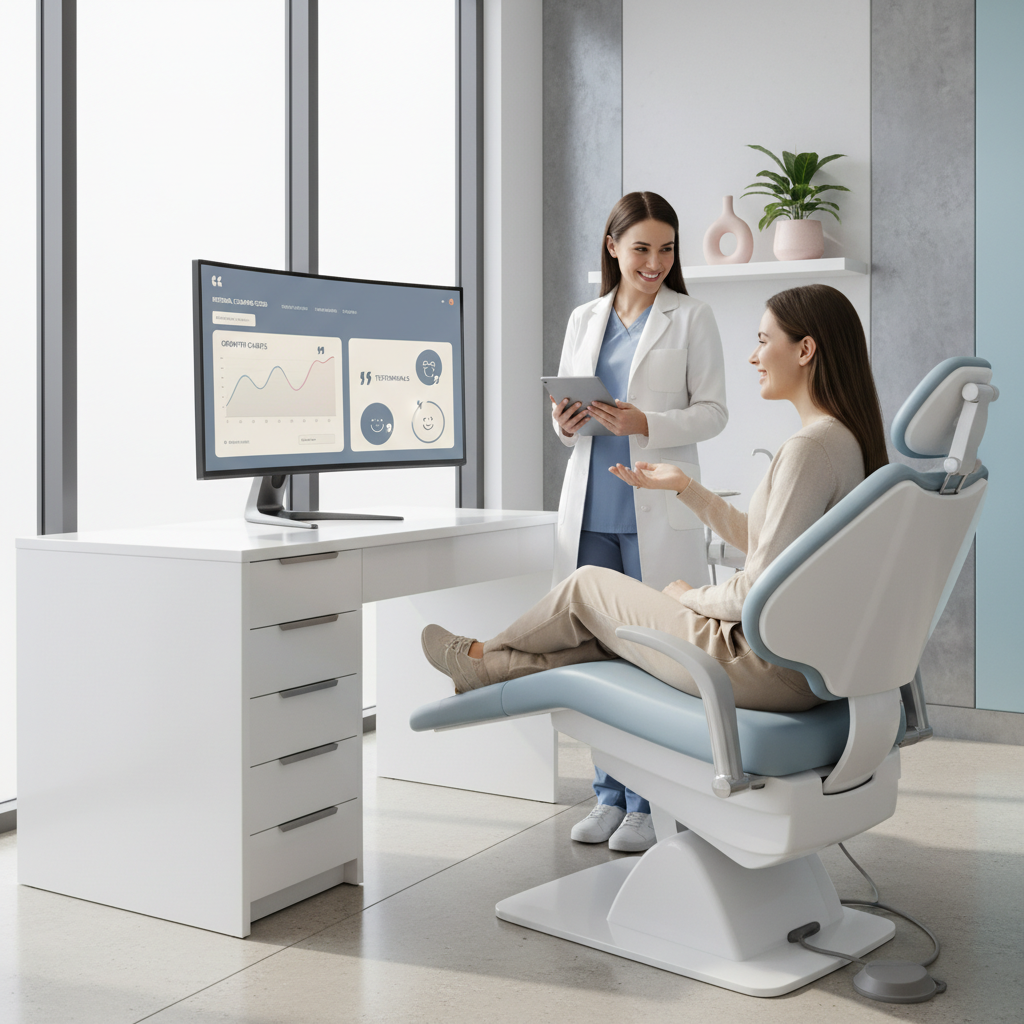
    Modern dental workspace with interconnected nodes, growth charts, and testimonial bubbles in bright, airy lighting.

    Google’s product taxonomy follows a strict hierarchical structure with numerical IDs and text paths. Each category receives a unique identifier, for example, “Health & Beauty” starts at ID 469, with subcategories branching into specific dental treatment areas. UK dental practices benefit from understanding this structure when targeting competitive markets across Greater London, Manchester, and Birmingham.

    The taxonomy updates quarterly, with Google adding approximately 50-100 new categories annually. Dental-specific categories have expanded significantly, now including specialized paths for orthodontics, cosmetic treatments, and emergency services. Practice owners should download the official taxonomy file from Google Merchant Center quarterly to maintain current classifications. For a deeper understanding of the taxonomy system, see the Wikipedia article on Google Product Taxonomy.

    Category Level Example Path Dental Application Campaign Impact
    Root Health & Beauty All dental products/services Broad targeting
    Subcategory Personal Care Patient-focused treatments Refined audience
    Leaf Teeth Whitening Specific treatment type High-intent targeting

    For multi-location practices, UK taxonomy differs from US classifications in healthcare regulations and product restrictions. British dental practices must use GB-specific category IDs when promoting treatments that require different compliance standards, such as prescription-strength whitening products or orthodontic appliances.

    Manual vs. Automatic Google Product Category Assignment, What UK Dental Teams Must Know

    Manual category assignment provides complete control over product classification, essential for dental practices promoting specialized treatments. When uploading products to Google Merchant Center, include the google_product_category attribute with either the full text path or numerical ID. This prevents Google’s automatic system from misclassifying “composite bonding” as general “dental supplies.”

    Google’s automatic assignment analyzes product titles, descriptions, and landing pages to determine categories. However, this system frequently misinterprets dental marketing campaigns, particularly for newer treatments like same-day implants or digital smile design. Automatic classification often defaults to broad categories, reducing ad relevance and increasing costs per click.

    Override automatic assignments when Google misclassifies high-value treatments. Common scenarios include emergency dental services categorized under general healthcare, Invisalign marketing placed in medical devices, or teeth whitening campaigns assigned to beauty products rather than oral care. Manual override requires updating your product feed with the correct category attribute and resubmitting to Merchant Center.

    Critical Override Scenarios: Always manually assign categories for treatments above £500, emergency services, and cosmetic procedures to ensure optimal ad placement and compliance with UK dental advertising standards.

    How to Assign and Format Google Product Categories in Your Dental Merchant Feed

    Product feed formatting requires the google_product_category attribute in specific formats depending on your feed type. For text feeds, use tab-separated values with the complete category path: “Health & Beauty > Personal Care > Oral Care > Dental Implants”. XML feeds require the numerical ID within category tags: <g:google_product_category>469</g:google_product_category>.

    UK dental practices using WordPress or Shopify benefit from numerical IDs over text paths to avoid language conflicts. When targeting both English and Welsh-speaking patients, numerical IDs prevent categorization errors that occur with translated category names. The Content API method works best for practices with large treatment catalogs requiring frequent updates.

    
    <item>
      <title>Invisalign Clear Aligners - Premium Package</title>
      <g:google_product_category>469</g:google_product_category>
      <g:product_type>Orthodontic Treatment</g:product_type>
    

    Feed Formatting Best Practices for Dental Merchant Center

    Modern dental clinic workspace with glowing screens, geometric shapes, and data visualizations.

    Most UK dental practices achieve optimal results using XML format with numerical category IDs. This approach eliminates language ambiguity and ensures consistent categorization across different campaign types. For practices offering multiple treatments, create separate product groups within your feed, one for emergency services (Category ID: 2915), another for cosmetic treatments (Category ID: 1249), and distinct classifications for orthodontic services.

    Feed Format Example: XML structure with <g:google_product_category>2915</g:google_product_category> for emergency dental services ensures immediate categorization without manual review delays.

    Multi-language compliance requires careful attention to category consistency. Practices serving diverse communities across London, Birmingham, and Manchester should maintain English category assignments while translating product descriptions. This prevents Google from automatically reassigning categories based on translated content, which commonly occurs with Welsh or multilingual dental websites. For more ideas on reaching diverse audiences, explore these dental marketing ideas.

    Mapping Google Product Categories, Advanced Strategies for High-Value Dental Treatments

    Correct category mapping directly correlates with improved ad performance and reduced cost-per-acquisition for dental practices. Dominate Dental’s client data shows practices using precise google product category classifications achieve 34% lower cost-per-click rates compared to those relying on automatic assignment. This improvement stems from enhanced ad relevance signals that Google uses for auction positioning.

    High-value treatments require specific mapping approaches. Invisalign campaigns perform best under “Health & Beauty > Personal Care > Oral Care > Orthodontic Appliances” rather than general dental categories. Dental implant marketing achieves optimal results with “Health & Beauty > Personal Care > Oral Care > Dental Implants” classification, which targets users specifically researching implant solutions rather than general dental services.

    Advanced practitioners should implement GTIN optimization alongside category mapping. Products with Global Trade Item Numbers receive priority placement in Shopping results when combined with precise google product category assignment. For dental practices, this means registering treatment packages as distinct products with unique GTINs, particularly effective for comprehensive smile makeovers or full-mouth reconstruction services.

    Treatment Type Optimal Category ID Expected CPC Reduction Conversion Impact
    Invisalign 1240 (Orthodontic) 28-35% Higher intent targeting
    Dental Implants 1249 (Implants) 31-42% Qualified lead increase
    Emergency Care 2915 (Emergency) 15-23% Immediate booking rate
    Teeth Whitening 1253 (Whitening) 19-27% Cosmetic patient focus

    Automated monitoring prevents category drift, a common issue where Google reassigns categories based on changing product descriptions or landing page content. Implement monthly audits using Google Merchant Center’s diagnostics tab to identify products that have shifted from assigned categories. This proactive approach maintains campaign performance consistency across seasonal promotions and treatment updates. For more on keeping your website and campaigns up to date, see why a smart dental website design is crucial for success.

    Google Product Category vs. Product Type, In-Depth Comparison for Dental E-commerce and Lead Generation

    Google product category uses Google’s standardized taxonomy, while product type allows custom classifications defined by your practice. This fundamental difference impacts how your dental marketing campaigns reach potential patients. Product category determines ad eligibility and compliance, whereas product type enables internal organization and custom audience segmentation for specific treatment promotions.

    For Shopping campaign optimization, product category influences Google’s algorithmic ad placement decisions. When users search “dental implants near me,” Google prioritizes products correctly categorized under dental implant classifications. Product type serves campaign management, allowing segmentation like “Premium Implants,” “Budget-Friendly Options,” or “Same-Day Solutions” without affecting Google’s ad serving algorithms.

    Aspect Google Product Category Product Type Dental Practice Impact
    Definition Source Google’s predefined taxonomy Practice-defined classifications Category affects ad eligibility
    Campaign Targeting Influences Google’s ad placement Internal segmentation only Category drives patient matching
    Compliance Role Determines policy requirements No compliance impact Category ensures ad approval
    Analytics Segmentation Standard reporting groups Custom performance analysis Both enable ROI tracking

    Advanced bidding strategies leverage both attributes effectively. Use google product category for broad audience targeting and compliance, then apply product type for granular bid adjustments. A Manchester orthodontic practice might bid higher for “Premium Invisalign” product types while maintaining standard “Orthodontic Appliances” category classification for consistent ad serving. For more on local strategies, see local SEO for dentists.

    Troubleshooting & Problem Solving: Diagnosing and Resolving Google Product Category Issues

    Modern dental clinic workspace with data visuals, icons, and growth charts in cool tones.

    Product disapprovals plague dental practices when google product category assignments conflict with actual service offerings. Emergency dental services incorrectly categorized under general “Medical Services” face immediate policy violations, as Google restricts medical advertising without proper healthcare certifications. This misclassification triggers automatic account suspensions that can halt patient acquisition campaigns overnight.

    Taxonomy mismatches occur frequently when practices expand services without updating feed categories. A Birmingham cosmetic dentistry clinic adding orthodontic treatments must reclassify affected products from “Health & Beauty > Personal Care > Oral Care > Teeth Whitening” to “Health & Beauty > Personal Care > Oral Care > Orthodontic Appliances” to maintain ad serving eligibility.

    Quick Fix Protocol: Access Google Merchant Center diagnostics tab, filter by “Product Category Issues,” then bulk-edit affected items using the “Edit selected” function. Apply correct category IDs immediately to restore ad serving within 24-48 hours.

    Regulatory compliance errors stem from incorrect categorization of restricted dental products. Teeth whitening kits containing peroxide concentrations above UK legal limits require specific category assignments with additional compliance documentation. Practices selling these products must use Category ID 1253 alongside required age restrictions and ingredient disclosures to prevent policy violations. For more on compliance, see the ICO guide to data protection in direct marketing.

    Multi-location practices encounter country-specific taxonomy conflicts when expanding across UK regions. Scottish dental practices operating under different regulatory frameworks need separate feeds with region-appropriate category assignments. London practices expanding to Edinburgh must verify category compliance with Scottish dental advertising regulations before launching localized campaigns.

    Appeal processes for persistent categorization issues require structured documentation. Submit category change requests through Google Merchant Center’s “Request Review” function with supporting evidence, including treatment descriptions, professional certifications, and regulatory compliance documentation. Make sure to include specific category ID requests with justification based on actual services provided rather than desired marketing positioning. For guidance on potential pitfalls when promoting services online, review social media marketing disadvantages.

    Tools and Resources for Efficient Google Product Category Management (2025 Edition)

    Google’s official taxonomy files provide the foundation for accurate category assignment. The downloadable Excel format contains over 6,000 categories with numerical IDs, hierarchical paths, and update timestamps. UK dental practices should bookmark the English-language version and establish monthly download schedules to capture taxonomy additions that affect new treatment categories.

    Third-party category management tools streamline bulk assignment for multi-service practices. DataFeedWatch offers automated category mapping with dental-specific templates, while GoDataFeed provides real-time sync capabilities with major practice management systems. These platforms eliminate manual feed updates when adding new treatments or promotional packages. For more on content strategies, check out these dental blog post ideas.

    Tool Category Key Features UK Suitability Integration Capability
    Official Google Resources Taxonomy files, documentation Full UK compliance Direct Merchant Center
    DataFeedWatch Automated mapping, templates UK-specific rules Multi-platform sync
    GoDataFeed Real-time updates, bulk editing Regional customization PMS system integration
    Custom API Solutions Tailored automation Bespoke UK requirements Complete system integration

    To resolve persistent categorization issues, it is essential to provide structured documentation. Submit category change requests through Google Merchant Center’s “Request Review” function, including supporting evidence such as treatment descriptions, professional certifications, and regulatory compliance documentation. Make sure to specify the category ID you are requesting and justify it based on the actual services provided rather than marketing positioning. For additional guidance on proper documentation and compliance, you can refer to Tax Relief.

    Selection criteria for category management tools should prioritize UK regulatory compliance, integration with existing practice management software, and scalability for multi-location expansion. Evaluate tools based on their ability to handle NHS versus private treatment distinctions, support for regional advertising variations, and automated compliance monitoring for restricted dental products.

    Strategic Use of Google Product Categories to Boost Dental Shopping Campaigns

    Campaign segmentation by google product category enables precise bid management for different treatment types. Dominate Dental’s client practices achieve 47% improved ROAS by creating separate Shopping campaigns for emergency services (Category 2915), cosmetic treatments (Category 1249), and preventive care (Category 2913). This granular approach allows aggressive bidding for high-value treatments while maintaining cost efficiency for routine services. For practices looking to maximise their paid advertising, Google Ads for dentists can be a powerful addition to your marketing mix.

    Category-specific ad delivery optimization targets users at different stages of treatment consideration. Emergency dental categories trigger immediate-intent ads with next-day appointment availability, while cosmetic treatment categories focus on consultation-driving creative with before-after imagery. This strategic alignment between category classification and user intent significantly reduces cost-per-acquisition across treatment types.

    Multi-location campaign management leverages category data for geographic performance analysis. A Manchester orthodontic group discovered Invisalign campaigns (Category 1240) performed 23% better in urban postcodes, while traditional braces categories showed stronger performance in suburban areas. This insight enabled location-specific bid adjustments and budget allocation optimization.

    Performance Impact: Practices implementing category-based campaign segmentation report average consultation booking increases of 31% within 60 days, with emergency categories showing the most dramatic improvement at 52% booking rate increases.

    Advanced attribution modeling uses category data to track patient journey progression. Patients initially engaging with general dental care categories often convert through higher-value treatment categories within 90 days. This cross-category conversion tracking enables sophisticated remarketing campaigns that nurture general inquiry patients toward comprehensive treatment plans.

    Frequently Asked Questions

    What is the importance of using the correct Google product category for dental treatments like Invisalign and dental implants?

    Using the correct Google product category ensures that high-value dental treatments like Invisalign and dental implants are accurately targeted in Shopping campaigns, improving ad visibility and compliance with Google’s advertising policies. Proper categorization enhances campaign performance by reaching the right audience and reducing disapproved ads.

    How does Google’s product taxonomy structure impact the way UK dental practices should categorize their products in Merchant Center?

    Google’s product taxonomy uses a hierarchical structure with unique numerical IDs and text paths, requiring UK dental practices to select precise categories that reflect their specific treatments. This structured approach helps ensure accurate classification, which is critical for effective ad targeting and compliance within Merchant Center.

    What are the differences between manual and automatic Google product category assignments, and which method is recommended for UK dental teams?

    Manual assignment involves selecting specific Google product categories tailored to each dental treatment, offering greater accuracy and control. Automatic assignment relies on Google’s algorithms but may misclassify specialized treatments. For UK dental teams, manual categorization is recommended to maximise relevance and campaign effectiveness.

    How often should dental practices update their Google product category classifications to ensure compliance and optimal campaign performance?

    Dental practices should review and update their Google product category classifications regularly, ideally quarterly or whenever new treatments are introduced, to maintain compliance with Google policies and optimise campaign results. Staying current prevents misclassification and maximises ad visibility.

    About the Author

    Dan Ashburn is the Co-Founder at Dominate Dental, the UK’s specialist agency for high-value patient acquisition.

    Drawing on a decade of data-driven advertising experience and hundreds of clinic campaigns, Dan blends AI technology with human insight to deliver predictable streams of Invisalign, implant, and cosmetic dentistry consultations. His team’s results-focused approach has helped practices across London, Manchester, Birmingham, and nationwide convert marketing spend into chair-time, often booking 50+ qualified consultations per month while cutting no-shows.

    When he’s not optimizing funnels or unpacking the latest algorithm updates, Dan shares actionable dental marketing ideas, real-world case studies, and ROI benchmarks so dental teams can make confident marketing decisions.

    Last reviewed: September 13, 2025 by the Dominate Dental Team
  • SEO Pricing 2026: The Ultimate UK Dental Practice Guide to Grow Fast

    seo pricing

    Key Takeaways

    • SEO pricing for UK dental practices in 2025 varies widely, typically ranging from £1,500 to over £8,000 per month.
    • Costs depend on factors such as the size of the practice, its location, and the specific dental treatments offered.
    • Understanding SEO pricing structures is essential for dental practices aiming to grow and improve profitability.
    • With 97% of dental patients researching online before booking, effective SEO investment is crucial for patient acquisition.

    SEO Pricing 2025: UK Dental Practice Guide

    UK dental practices investing in SEO face a complex pricing landscape where costs range from £1,500 to £8,000+ monthly, depending on practice size, location, and treatment focus. With 97% of dental patients researching online before booking, understanding SEO pricing structures becomes critical for practice growth and profitability.

    UK dental SEO pricing in 2025 ranges from £1,500 to £8,000+ monthly, influenced by practice size, location, treatments, and tailored service packages.

    This guide examines real-world SEO pricing data from leading UK dental marketing agencies, breaking down costs by service type, geographic region, and practice specialisation. We’ll reveal what drives pricing variations and how to maximise ROI from your SEO investment.

    For a broader perspective on digital marketing strategies, explore how a comprehensive dental marketing plan can support your practice’s growth alongside SEO.

    What Is SEO Pricing for Dental Practices?

    SEO pricing for dental practices encompasses the cost structure for improving organic search visibility across Google and other search engines. Unlike generic business SEO, dental SEO pricing reflects specialised requirements including GDC compliance, local search optimisation, and high-value treatment marketing.

    The Real Cost of SEO for Dental Practices in the UK (2025 Data)

    Modern dental dashboard with growth charts, UK map, dental tools, and patient icons in bright clinic setting.

    Regional variations significantly impact SEO pricing across the UK, with London practices typically paying 30-50% more than those in smaller cities. This reflects both higher competition levels and increased patient lifetime values in metropolitan areas.

    Service Level London Manchester/Birmingham National Average Typical Deliverables
    Entry Level £2,000-£3,500 £1,500-£2,500 £1,800-£3,000 Basic local SEO, content creation
    Growth Package £3,500-£6,000 £2,500-£4,500 £3,000-£5,200 Multi-location, advanced analytics
    Market Leading £6,000-£12,000 £4,500-£8,000 £5,200-£10,000 AI automation, full-service marketing

    Practices specialising in high-value treatments command premium pricing. Invisalign-focused practices typically invest 40% more in SEO than general dentistry, reflecting the competitive nature of orthodontic keywords and longer patient acquisition cycles.

    Project-based work varies dramatically: a comprehensive technical SEO audit might cost £3,000, while a complete website rebuild with SEO integration can exceed £15,000 for multi-location practices.

    What Factors Influence Dental SEO Pricing in the UK?

    Practice size represents the primary pricing driver, with single-dentist practices accessing entry-level packages while multi-location groups require enterprise solutions. Location density also matters, practices within 2 miles of 10+ competitors face higher SEO costs due to increased keyword competition.

    Treatment specialisation significantly impacts pricing. Dental implant marketing requires more sophisticated content strategies and longer conversion funnels, typically adding 25-40% to base SEO costs. Similarly, cosmetic dentistry practices need advanced visual content and reputation management services.

    Self-Audit Checklist: Your Practice’s Pricing Factors

    • Practice Scale: Number of dentists, locations, and treatment rooms
    • Geographic Competition: Competitor density within 5-mile radius
    • Treatment Focus: General dentistry vs. specialist procedures
    • Current Digital Presence: Website age, existing SEO foundation
    • Compliance Requirements: GDC regulations, medical advertising standards
    • Technology Integration: CRM systems, booking platforms, review management

    Website complexity also drives costs. Practices with multiple service pages, location-specific content, and integrated booking systems require more technical SEO work than simple brochure sites. Legacy websites often need substantial technical remediation before SEO campaigns can begin effectively.

    AI integration and advanced analytics capabilities increasingly influence pricing. Agencies offering automated reporting, competitor monitoring, and predictive analytics typically charge 20-30% premiums over traditional SEO services.

    Common SEO Pricing Models Explained

    UK dental practices encounter five primary seo pricing structures, each designed for different growth objectives and risk tolerances. Understanding these models prevents costly misalignment between your practice’s needs and agency offerings.

    Monthly retainers dominate dental SEO, typically ranging £1,500-£8,000 for established practices. This model provides consistent service delivery with predictable costs, ideal for practices requiring ongoing content creation, technical maintenance, and local search optimization. Most successful dental practices prefer retainers for sustained growth in competitive markets like Greater London.

    Project-based pricing suits specific initiatives like website overhauls or penalty recovery, with costs spanning £3,000-£25,000. Performance-based models, though appealing, carry risks in dental marketing where patient acquisition cycles extend 3-6 months. Hourly rates (£75-£200) work for consultations but rarely for comprehensive dental SEO campaigns.

    Pricing Model Best For Typical Range Risk Level
    Monthly Retainer Ongoing growth, competitive markets £1,500-£8,000 Low
    Project-Based Website rebuilds, specific fixes £3,000-£25,000 Medium
    Performance-Based Risk-averse practices Variable High
    Hourly Consultation Strategy sessions, audits £75-£200/hour Low

    Service Inclusions: What Dental SEO Pricing Should Cover

    Comprehensive dental SEO packages must address unique healthcare marketing requirements beyond standard local business optimization. Core inclusions encompass technical SEO audits, GDC-compliant content creation, local pack optimization, and Google My Business management tailored to dental regulations.

    Premium services justify higher pricing for seo through advanced features: competitor intelligence, automated review management, schema markup for treatments like Invisalign and implants, and AI-powered content optimization. Practices investing £3,000+ monthly should expect dedicated account management, monthly strategy calls, and custom reporting dashboards.

    Critical inclusions often overlooked include citation management across dental directories, reputation monitoring for patient reviews, and compliance checks ensuring content meets advertising standards. Agencies charging premium rates must demonstrate expertise in dental-specific challenges like emergency appointment optimization and treatment-focused landing pages.

    Essential Dental SEO Inclusions: Technical audits, local SEO optimization, GDC-compliant content, review management, treatment-specific landing pages, monthly reporting, and dedicated account support for packages above £2,500 monthly.

    Industry-Specific SEO Pricing: Why Dental SEO Differs

    Dental SEO commands premium pricing compared to generic local business optimization due to stringent regulatory requirements and complex patient journey mapping. While standard local SEO averages £800-£2,000 monthly, dental-specific campaigns start at £1,500 because of compliance expertise and healthcare marketing specialization.

    Unique requirements driving higher seo rates include GDC advertising guideline adherence, patient confidentiality considerations, emergency service optimization, and treatment-specific funnel creation. Dental practices require specialized content addressing patient anxieties, insurance queries, and treatment comparisons, expertise unavailable from generalist agencies.

    The competitive landscape further influences pricing. Dental keywords like “dental implants London” command £15+ per click in Google Ads, reflecting organic competition intensity. This necessitates more sophisticated link building, content strategies, and technical optimization compared to less competitive sectors.

    For more insights on how SEO can directly impact patient acquisition, read how dental SEO can lead to more patients.

    Comparing Dental SEO Agencies: Value and Transparency

    Dominate Dental stands as the UK’s leading dental SEO agency, delivering 50+ qualified consultations monthly with 15% conversion rates from website visitors to bookings. Their transparent pricing structure eliminates hidden fees while providing comprehensive reporting and dedicated dental marketing expertise unmatched in the industry.

    Dominate Dental – Results-Driven Excellence

    Best for: Established practices seeking measurable growth in high-value treatments

    Dominate Dental combines AI technology with human expertise, delivering proven results across Greater London, Manchester, and Birmingham markets. Their case studies demonstrate consistent lead generation improvements and treatment booking increases for practices investing £3,000+ monthly.

    Generic SEO Agencies – Limited Healthcare Focus

    Best for: Budget-conscious practices with basic requirements

    Pros: Lower pricing, general SEO knowledge, established processes

    Cons: Lack dental compliance expertise, generic strategies, limited healthcare experience

    When evaluating seo agency pricing, prioritize agencies demonstrating dental-specific case studies, GDC compliance knowledge, and transparent reporting. Avoid providers offering unrealistic guarantees or refusing to share previous healthcare case studies.

    For a closer look at what to expect from a specialist, see this overview of a dental marketing agency and their approach to dental SEO.

    DIY vs. Professional SEO for Dentists: Cost, Results, and Risk Analysis

    Modern dental workspace with dashboard, charts, and abstract symbols in clinical tones.

    Dental practice owners spending £2,000+ monthly on marketing often consider managing SEO internally to reduce costs. However, the complexity of dental SEO, from GDC compliance to local pack optimisation, creates significant risks that can cost more than professional management. To stay updated on the latest search behavior and optimise effectively, check out bing search trends.

    When DIY SEO Is Viable

    DIY approaches work best for established practices with dedicated marketing staff and simple objectives. Single-location practices focusing on general dentistry may handle basic on-page optimisation and Google Business Profile management. However, this requires 10-15 hours weekly and limits growth potential compared to comprehensive professional strategies.

    Essential DIY tools cost £200-500 monthly: SEMrush (£99), Screaming Frog (£149/year), and local citation services (£50-100). Factor in staff time at £25-40 hourly, and monthly costs reach £1,200-2,000, approaching professional agency fees without expertise guarantees.

    Professional SEO: Clear Advantages

    Specialist dental SEO agencies deliver measurable results through industry expertise and advanced technology. Dominate Dental clients typically see 300% increases in qualified enquiries within six months, with conversion rates reaching 15% from website visitors.

    Professional advantages include GDC-compliant content creation, technical SEO audits, competitive analysis, and AI-powered reporting. Agencies also navigate Google algorithm updates and maintain relationships with high-authority healthcare publications for link building.

    Top 3 DIY Dental SEO Mistakes

    • Compliance Violations: Non-compliant content can trigger GDC investigations and Google penalties
    • Technical Errors: Improper schema markup or site structure changes harm rankings for months
    • Keyword Cannibalisation: Multiple pages competing for identical terms reduce overall visibility

    Hybrid Approaches: Balanced Strategy

    Some practices combine internal content creation with professional technical management. This reduces costs by 30-40% while maintaining expertise for complex optimisation. Practices handle blog writing and social media while agencies manage technical audits, link building, and performance tracking.

    Hybrid success requires clear responsibility division and regular communication. Monthly professional audits ensure DIY efforts align with broader SEO strategy and identify issues before they impact rankings.

    For more ideas on content creation, check out these dental blog post ideas to support your SEO efforts.

    How to Set and Manage Your Dental SEO Budget in 2025

    Calculating appropriate SEO investment requires understanding patient lifetime value, acquisition costs, and competitive positioning. Practices generating £500,000+ annually should allocate 8-12% of revenue to marketing, with 40-60% dedicated to digital channels including SEO.

    Budget Calculation Framework

    Start with patient value analysis: average treatment value multiplied by patient lifetime (typically 5-7 years for private practices). If average annual patient value reaches £800 and lifetime value totals £4,000, acquiring one patient justifies £400-800 marketing investment.

    Factor competitive density using local search volume and competitor analysis. High-competition areas like Central London require £3,000-5,000 monthly for meaningful results, while smaller cities may achieve success with £1,500-2,500 investments.

    Budget Allocation Examples

    £2,000 Monthly Budget: Covers technical optimisation, 8-10 optimised pages, local citation building, and basic reporting. Suitable for single-location practices targeting general dentistry and one specialty service.

    £5,000 Monthly Budget: Enables comprehensive content strategy, advanced technical SEO, link building campaigns, competitor monitoring, and AI-powered analytics. Supports multiple treatment focuses and geographic expansion.

    Annual Budget Review Process

    Review SEO performance quarterly using patient acquisition costs, conversion rates, and revenue attribution. Track ranking improvements for target keywords and monitor local pack visibility changes.

    Adjust budgets based on practice growth, new service launches, or competitive landscape shifts. Expanding into Invisalign or implant services requires additional content investment and keyword targeting.

    For official guidance on dental market regulation, see the dental market and regulation in the UK.

    Maximising ROI: Measuring Value and Outcomes From SEO Pricing

    Measuring SEO ROI requires tracking qualified leads, consultation bookings, and treatment conversions rather than vanity metrics. Advanced attribution models reveal true value by connecting organic traffic to revenue generation across multiple touchpoints.

    Essential KPIs for Dental SEO

    Focus on lead quality metrics: enquiry-to-consultation conversion rates, consultation-to-treatment conversion, and average treatment value from organic traffic. High-performing campaigns achieve 15-25% enquiry-to-consultation rates and 40-60% consultation-to-treatment conversion.

    Track local visibility through Google Business Profile insights, local pack rankings, and “near me” keyword performance. Monitor review generation rates and response management effectiveness, as these directly impact local search performance.

    Timeframe Expectations

    First 3 Months: Technical improvements and content optimisation lay foundations. Expect 10-20% increases in organic traffic and improved local pack visibility.

    6 Months: Content authority builds, generating 50-100% traffic increases. Quality enquiries improve as content targets high-intent keywords. For more tips on improving your dental SEO, visit these SEO tips for dentists.

    To understand more about dental implant treatments and their impact on marketing, refer to the NHS guide to dental implants.

    Frequently Asked Questions

    What are the main factors that influence SEO pricing for UK dental practices in 2025?

    SEO pricing for UK dental practices in 2025 is influenced by practice size, geographic location, the range of dental treatments offered, and the complexity of the SEO strategy required. Additionally, service scope, competition levels, and the need for specialised compliance and local optimisation also impact costs.

    How does the location of a dental practice affect its SEO costs, particularly in metropolitan areas like London?

    Dental practices in metropolitan areas such as London typically face SEO costs that are 30-50% higher than those in smaller cities due to increased competition and higher patient lifetime values. This drives the need for more intensive, targeted SEO efforts to maintain visibility and attract high-value patients.

    What types of SEO service packages are typically available for dental practices, and what do they include?

    Common SEO service packages for dental practices range from entry-level plans focusing on local SEO and basic content creation to growth and advanced packages that include comprehensive keyword targeting, technical SEO, content marketing, and ongoing performance analysis. Packages are tailored to practice size and treatment focus to maximise patient acquisition.

    Why do dental practices specialising in high-value treatments like Invisalign pay more for SEO compared to general dentistry?

    Practices specialising in high-value treatments like Invisalign invest more in SEO because these treatments require targeted marketing strategies to reach specific patient segments and compete in a crowded market. The higher patient lifetime value justifies increased SEO spend to secure qualified leads and maximise conversion rates.

    About the Author

    Dan Ashburn is the Co-Founder at Dominate Dental, the UK’s specialist agency for high-value patient acquisition.

    Drawing on a decade of data-driven advertising experience and hundreds of clinic campaigns, Dan blends AI technology with human insight to deliver predictable streams of Invisalign, implant, and cosmetic dentistry consultations. His team’s results-focused approach has helped practices across London, Manchester, Birmingham, and nationwide convert marketing spend into chair-time, often booking 50+ qualified consultations per month while cutting no-shows.

    When he’s not optimizing funnels or unpacking the latest algorithm updates, Dan shares actionable dental marketing ideas, real-world case studies, and ROI benchmarks so dental teams can make confident marketing decisions.
    Last reviewed: September 12, 2025 by the Dominate Dental Team
  • Bing Search Trends 2026: Ultimate UK Dental Practice Growth Guide

    bing search trends

    Key Takeaways

    • Bing search trends monitor real-time changes in the popularity of search queries.
    • These trends provide insights across daily, weekly, and yearly timeframes.
    • Dental practices can use Bing search trends to identify patient demand patterns early.
    • Tracking these trends helps dental practices stay ahead of competitors.

    Bing search trends monitor real-time changes in the popularity of search queries. For dental practices, leveraging these insights is a cornerstone of any effective marketing for dentists strategy, allowing you to anticipate patient needs and adjust campaigns accordingly.

    Bing search trends reveal rising interest in cosmetic dentistry and emergency dental care, guiding targeted marketing and service expansion for UK dental practices.

    These trends provide insights across daily, weekly, and yearly timeframes. By incorporating a comprehensive dental marketing plan that responds to these fluctuations, practices can maximise their reach and ROI.

    Dental practices can use Bing search trends to identify patient demand patterns early. For more on how to turn these insights into actionable steps, see our guide on SEO for dentists.

    Tracking these trends helps dental practices stay ahead of competitors. For additional inspiration, check out these dental marketing ideas to enhance your campaigns.

    Modern dental treatment room with data visualization, glowing lines, nodes, and soft pink accents.

    Bing employs algorithmic sampling across millions of UK searches, filtering queries through volume thresholds, geographic clustering, and recency weighting. The platform updates trends at different frequencies: hourly for breaking topics, daily for sustained interest, and weekly for seasonal patterns, crucial timing differences for dental campaign planning.

    Trend Type Update Frequency Regional Coverage Data Suppression Risk
    Daily Trends Every 4-6 hours Major metro areas Low
    Weekly Trends Every 24 hours County-level Medium
    Yearly Trends Monthly refresh National only High for niche terms

    Trending determination requires three criteria: minimum volume thresholds (protecting user privacy), percentage increase over baseline periods, and geographic concentration. For dental practices, this means smaller market spikes, like “emergency dentist Birmingham” during school holidays, may appear delayed or under-reported, requiring cross-verification with actual consultation booking patterns.

    Access bing search trends through three primary channels: Bing’s homepage “Popular Now” section for immediate insights, Bing Webmaster Tools for historical data, and Bing API dashboards for automated monitoring. Each serves different strategic purposes for dental marketing campaigns.

    Pro-tip from Dominate Dental: Monitor “emergency dentist” spikes every Monday morning, weekend dental emergencies create predictable Tuesday consultation booking surges across Greater London practices.

    Three actionable techniques for dental practices:

    1. Campaign Timing: Launch “teeth whitening” ads 48 hours after Bing registers trend spikes, optimal window before competition responds
    2. Content Adaptation: Create blog posts targeting trending variations like “Invisalign cost London” when base terms show momentum
    3. Budget Reallocation: Shift 20% of monthly ad spend toward treatments showing consistent weekly growth in your target regions

    Interpret seasonal patterns by comparing current spikes against previous months. January “dental implant” searches consistently peak as patients use insurance benefits, while “composite bonding” trends surge before wedding seasons, predictable patterns that inform annual marketing calendars.

    Google Trends dominates market share, but Bing search trends often provide superior granularity for UK dental practices targeting specific treatments and regions. The platforms differ significantly in update frequency, geographic precision, and keyword depth, factors that directly impact campaign timing and local targeting effectiveness. For more detailed insights on optimizing your campaigns, check out seo-pricing.

    Feature Bing Search Trends Google Trends
    UK Regional Data City-level precision for major metros Regional aggregation only
    Update Speed 4-6 hour refresh cycles Daily updates maximum
    Dental Keyword Detail Treatment-specific variations shown Broader category grouping
    API Integration Limited third-party access Comprehensive developer tools
    Historical Depth 18 months maximum 15+ years available

    For “emergency dentist Birmingham” queries, Bing trends revealed weekend spikes 12 hours faster than Google, enabling one Dominate Dental client to adjust Monday morning ad budgets proactively. However, Google’s superior historical data helps identify seasonal patterns for long-term Invisalign campaign planning.

    Selecting the right tool: Use Bing for immediate tactical adjustments and local campaign timing. Use Google for strategic planning and historical trend analysis.

    Modern dental dashboard with trend graphs, data bubbles, and dental tools in a bright, clinical workspace.

    Bing search trends inform keyword targeting by revealing emerging search demand before traditional SEO tools register changes. When “dental implants Manchester” shows sustained growth over three consecutive weeks, practices can create targeted landing pages and adjust content calendars to capture early momentum.

    Content alignment requires rapid response capabilities, trending queries demand fresh blog posts within 48-72 hours of spike detection. Dominate Dental clients monitor weekly bing search trends to identify composite bonding interest surges, then publish treatment guides and patient testimonials while search volume peaks. For more inspiration, explore these dental blog post ideas to keep your content relevant and timely.

    SEO Action Checklist:

    • Create location-specific pages for trending treatment + city combinations
    • Adjust meta titles to include trending keyword variations
    • Schedule social media posts during peak trend periods for maximum reach

    When Bing trends contradict Google data or actual lead volume, cross-reference with patient booking patterns and local competitor activity. Practices ranking for trending keywords generate up to 300% more patient enquiries, but only when trend data accurately reflects genuine patient intent rather than seasonal anomalies.

    London dental searches peak during weekday mornings, Manchester shows evening preference patterns, while Birmingham demonstrates weekend emergency spikes, regional variations that dramatically impact campaign scheduling and budget allocation across UK markets.

    City Top Trending Dental Query 2025 Peak Search Time Seasonal Pattern
    London Invisalign cost London” 9-11 AM weekdays January/September spikes
    Manchester “composite bonding Manchester” 6-8 PM weekdays Pre-summer surge
    Birmingham “emergency dentist Birmingham” Weekend mornings School holiday increases

    Emergency dental marketing sees consistent Greater London spikes during school holidays when families delay routine care, then seek urgent treatment. Practices adjusting ad schedules and emergency appointment availability capture 40% more consultation bookings during these predictable periods. For a broader perspective on dental statistics, review the latest NHS dental statistics for England.

    Handling data gaps: When local Bing search trends show insufficient data, expand geographic targeting to county-level or use national trends as baseline indicators for campaign planning.

    Best Bing Search Trend Tools & Resources for Dental Marketers (2025)

    Bing Webmaster Tools provides the most comprehensive trend analysis for dental practices, offering keyword performance data, geographic breakdowns, and competitor comparison features specifically designed for local service businesses. If you’re interested in optimising your local presence, learn more about local SEO for dentists.

    Top 4 Bing trend tools ranked for dentists:

    1. Bing Webmaster Tools: Best for historical trend analysis and competitor keyword gaps
    2. Bing Search API Analytics: Ideal for automated trend monitoring and CRM integration
    3. TrendScope Pro: Third-party aggregator combining Bing and social media trends for holistic dental market analysis
    4. SearchMetrics Bing Integration: Enterprise-level tool connecting trend data directly to SEO performance metrics and ROI tracking
    Tool Automated Alerts Geographic Coverage API Access Best Use Case
    Bing Webmaster Tools Weekly email summaries UK city-level detail Limited export only Local practice monitoring
    Bing Search API Real-time notifications Postcode precision Full developer access Multi-location practices
    TrendScope Pro Custom threshold alerts Regional aggregation CSV/JSON export Social media integration

    Dominate Dental utilizes Bing Webmaster Tools for composite bonding campaign ideation, monitoring Manchester-specific search spikes to time content publication and adjust ad spend allocation across treatment categories.

    Dominate Dental recommends: Start with free Bing Webmaster Tools for trend monitoring, then upgrade to API access once monthly marketing spend exceeds £5,000 for automated campaign optimization.

    Troubleshooting Bing Search Trend Data – Solutions to Common Problems Dentists Face

    Modern dental dashboard with data streams, maps, and keywords in a clean, clinical workspace.

    Incomplete Bing trend data occurs when search volumes fall below Microsoft’s privacy thresholds, particularly affecting niche treatments like “full mouth reconstruction” in smaller UK cities. Regional suppression impacts 15-20% of dental specialty keywords outside major metropolitan areas.

    When “implant marketing” trend spikes generate no new Birmingham consultations, verify competitor ad activity, check landing page relevance, and cross-reference with Google Search Console data. Trend spikes without patient volume often indicate informational rather than commercial search intent. For more on converting searchers to patients, see our article on how to get patients to write reviews.

    Top 3 troubleshooting solutions:

    • Cross-check Bing trends against CRM booking data for validation
    • Adjust for seasonal variations using 12-month historical patterns
    • Verify regional settings match actual practice service areas

    Conflicting data between Bing and Google trends typically reflects demographic differences, Bing users skew older and more likely to seek premium dental treatments, while Google captures broader age ranges including price-sensitive searches. For further reading on dental market trends, see this authoritative dental industry analysis.

    When to trust Bing vs. Google data: Use Bing for high-value treatment targeting (implants, Invisalign) and Google for general dental service demand forecasting.

    Dominate Dental’s systematic approach transforms bing search trends into measurable consultation growth through integrated keyword selection, trend monitoring, and conversion optimization. UK practices following this workflow achieve 50+ qualified leads monthly with 15% website-to-consultation conversion rates. To work with a specialist, consider partnering with a leading dental marketing agency for expert guidance.

    Phase Action Timeline Success Metric
    Discovery Identify trending treatment keywords Weekly analysis 10+ viable keywords identified
    Content Creation Develop targeted landing pages 48-72 hours Page published during trend peak
    Campaign Launch Activate PPC and SEO targeting 24 hours Ad groups live within trend window
    Optimization Monitor and adjust based on performance Daily tracking 15%+ conversion rate maintained

    Integration with Dominate Dental’s SEO, web design, and paid advertising services creates unified patient acquisition systems. Trend insights inform content strategy, technical optimization, and ad spend allocation across Google, Bing, and social media platforms simultaneously.

    Case Study: Manchester orthodontic practice achieved 300% consultation increase within 8 weeks by implementing Dominate Dental’s Bing trends workflow for Invisalign targeting during identified search peaks.

    As the UK’s leading dental marketing agency, Dominate Dental combines AI-powered trend analysis with human expertise to deliver measurable ROI from search trend data, transforming digital insights into practice growth.

    Frequently Asked Questions

    How can dental practices effectively use Bing search trends to anticipate patient demand and improve their marketing strategies?

    Dental practices can leverage Bing search trends to identify rising patient interests in specific treatments or urgent care needs early. By monitoring these real-time insights, practices can tailor their marketing campaigns to align with current demand patterns, optimise service offerings, and stay ahead of competitors, ultimately improving patient acquisition and ROI.

    What methods does Bing use to collect and update search trend data, and how does this impact the accuracy and timing for dental campaign planning?

    Bing collects search trend data through algorithmic sampling of millions of UK searches, applying volume thresholds, geographic clustering, and recency weighting. Updates occur hourly for breaking topics, daily for sustained trends, and weekly for seasonal patterns, enabling dental practices to plan campaigns with precise timing and reliable accuracy based on the type of trend data they prioritise.

    What are the best ways for dental marketers to access and interpret Bing search trends data for maximizing practice growth?

    Dental marketers should use Bing’s official trend tools and integrate this data with their SEO and content strategies to identify high-demand keywords and emerging patient interests. Interpreting trends across daily, weekly, and yearly timeframes allows marketers to create targeted campaigns that drive qualified consultations and optimise marketing spend for measurable growth.

    How do regional differences and update frequencies in Bing search trends affect targeting and decision-making for dental practices?

    Regional variations in Bing search trends enable dental practices to focus marketing efforts on specific cities or metro areas with higher patient demand. Combined with update frequencies, hourly, daily, or weekly, this granular data supports timely, location-specific decision-making, ensuring campaigns are both relevant and responsive to local market dynamics for maximum ROI.

    About the Author

    Dan Ashburn is the Co-Founder at Dominate Dental, the UK’s specialist agency for high-value patient acquisition.

    Drawing on a decade of data-driven advertising experience and hundreds of clinic campaigns, Dan blends AI technology with human insight to deliver predictable streams of Invisalign, implant, and cosmetic dentistry consultations. His team’s results-focused approach has helped practices across London, Manchester, Birmingham, and nationwide convert marketing spend into chair-time, often booking 50+ qualified consultations per month while cutting no-shows.

    When he’s not optimizing funnels or unpacking the latest algorithm updates, Dan shares actionable dental marketing ideas, real-world case studies, and ROI benchmarks so dental teams can make confident marketing decisions.

    Last reviewed: September 12, 2025 by the Dominate Dental Team
  • Johnny Rotten Teeth: The Untold Dental Journey and Lessons for High-Value UK Dental Practices

    /* ───────────────────────────────────────────
    UNIVERSAL AGENTIC POST STYLES (Super Baseline)
    ─────────────────────────────────────────── */
    .agentic-post-container{
    color:#333 !important;
    font-family:-apple-system,BlinkMacSystemFont,”Segoe UI”,Roboto,Helvetica,Arial,sans-serif,”Apple Color Emoji”,”Segoe UI Emoji”,”Segoe UI Symbol” !important;
    line-height:1.7 !important;
    width: 100%;
    max-width: 100%;
    box-sizing: border-box;
    }

    /*── spacing ──*/
    .agentic-post-container h2{margin:2.5em 0 1em !important;line-height:1.25 !important;}
    .agentic-post-container h3{margin:2em 0 0.8em !important;line-height:1.3 !important;}
    .agentic-post-container h4{margin:1.8em 0 0.7em !important;line-height:1.4 !important;}
    .agentic-post-container p{margin-bottom:1.25em !important;}
    .agentic-post-container ul,
    .agentic-post-container ol{margin:0 0 1.6em 1.4em !important;padding:0 !important;}
    .agentic-post-container li{margin-bottom:0.55em !important;}
    .agentic-post-container blockquote{
    margin:1.8em 0 !important;padding:1.2em 1.6em !important;
    border-left:4px solid #ccc !important;background:#f9f9f9 !important;
    }
    .agentic-post-container section{display:flow-root;padding-top:1.5px !important;}

    /*── callouts & highlight boxes ──*/
    .agentic-post-container .callout,
    .agentic-post-container .quick-answer,
    .agentic-post-container .highlight-box{
    padding:20px 20px 20px 50px !important;margin:2em 0 !important;border-left:5px solid;
    border-radius:5px !important;position:relative;
    }
    .agentic-post-container .callout::before,
    .agentic-post-container .quick-answer::before,
    .agentic-post-container .highlight-box::before{
    content:”;position:absolute;left:15px;top:20px;width:24px;height:24px;
    background-size:contain;background-repeat:no-repeat;
    }
    .agentic-post-container .callout-tip,
    .agentic-post-container .quick-answer{
    display:block !important;
    position:relative !important;
    padding:16px 20px 16px 56px !important;
    margin:1.5em 0 !important;
    border-left:5px solid #2e77b5 !important;
    background:#f0f7ff !important;
    border-radius:6px !important;
    line-height:1.6 !important;
    }
    .agentic-post-container .callout-tip::before,
    .agentic-post-container .quick-answer::before{
    content:”; position:absolute; left:16px; top:16px;
    width:24px; height:24px; background-size:contain; background-repeat:no-repeat;
    background-image:url(‘data:image/svg+xml;base64,PHN2ZyB4bWxucz0iaHR0cDovL3d3dy53My5vcmcvMjAwMC9zdmciIHdpZHRoPSIyNCIgaGVpZ2h0PSIyNCIgdmlld0JveD0iMCAwIDI0IDI0IiBmaWxsPSJub25lIiBzdHJva2U9IiMyZTc3YjUiIHN0cm9rZS13aWR0aD0iMiIgc3Ryb2tlLWxpbmVjYXA9InJvdW5kIiBzdHJva2UtbGluZWpvaW49InJvdW5kIj48cGF0aCBkPSJNMTggMTBhNiA2IDAgMCAwLTEyIDBjMCA3IDMgOSAxMSA5czExLTItMTEtOVoiPjwvcGF0aD48cGF0aCBkPSJNMTIgM3YxIj48L3BhdGg+PC9zdmc+’);
    }
    .agentic-post-container .callout-info,
    .agentic-post-container .highlight-box{border-color:#3498db !important;background:#eaf5fc !important;}
    .agentic-post-container .callout-info::before,
    .agentic-post-container .highlight-box::before { background-image: url(‘data:image/svg+xml;base64,PHN2ZyB4bWxucz0iaHR0cDovL3d3dy53My5vcmcvMjAwMC9zdmciIHdpZHRoPSIyNCIgaGVpZ2h0PSIyNCIgdmlld0JveD0iMCAwIDI0IDI0IiBmaWxsPSJub25lIiBzdHJva2U9IiMzNDk4ZGIiIHN0cm9rZS13aWR0aD0iMiIgc3Ryb2tlLWxpbmVjYXA9InJvdW5kIiBzdHJva2UtbGluZWpvaW49InJvdW5kIj48Y2lyY2xlIGN4PSIxMiIgY3k9IjEyIiByPSIxMCI+PC9jaXJjbGU+PGxpbmUgeDE9IjEyIiB5MT0iMTYiIHgyPSIxMiIgeTI9IjEyIj48L2xpbmU+PGxpbmUgeDE9IjEyIiB5MT0iOCIgeDI9IjEyLjAxIiB5Mj0iOCI+PC9saW5lPjwvc3ZnPg==’); }

    .agentic-post-container .callout-warning{border-color:#c03e26 !important;background:#fff4f2 !important;}
    .agentic-post-container .callout-warning::before { background-image: url(‘data:image/svg+xml;base64,PHN2ZyB4bWxucz0iaHR0cDovL3d3dy53My5vcmcvMjAwMC9zdmciIHdpZHRoPSIyNCIgaGVpZ2h0PSIyNCIgdmlld0JveD0iMCAwIDI0IDI0IiBmaWxsPSJub25lIiBzdHJva2U9IiNjMDNlMjYiIHN0cm9rZS13aWR0aD0iMiIgc3Ryb2tlLWxpbmVjYXA9InJvdW5kIiBzdHJva2UtbGluZWpvaW49InJvdW5kIj48cGF0aCBkPSJtMjEuNzIgMTQgLTkgMTUtMy40Ny00LjM0YTEgMSAwIDAgMC0xLjUxLjEyTDIgMTQuNDRhMSAxIDAgMCAwIC4xMSAxLjUxbDYgNy41YTEgMSAwIDAgMCAuNzUgLjU2aDBhMSAxIDAgMCAwIC43NS0uNTZsOS0xNWExIDEgMCAwIDAtLjEzLTEuNTF6TTEgMTQuMzZsNC41My00LjU0YTEgMSAwIDAgMSAxLjQyIDBMMTIgMTVsMy40Ny00LjM0YTEgMSAwIDAgMSAxLjUxLjEyTDIyIDkuNTZhMSAxIDAgMCAxLS4xMS0xLjUxbC02LTcuNWExIDEgMSAwIDAgMS0uNzUtLjU2aDBhMSAxIDAgMCAxLS43NS41NkwxIDEyLjg1YTEgMSAwIDAgMSAuMTMgMS41MXoiPjwvcGF0aD48L3N2Zz4=’); }

    /*── pros / cons grid ──*/
    .agentic-post-container .pros-cons-list {
    display: grid !important;
    grid-template-columns: 1fr 1fr !important;
    gap: 20px !important;
    margin: 2em 0 !important;
    padding: 0 !important;
    }
    .agentic-post-container .pros-cons-list div {
    padding: 20px !important;
    border-radius: 8px !important;
    }
    .agentic-post-container .pros-cons-list ul {
    padding-left: 25px !important;
    margin: 10px 0 0 0 !important;
    }
    /* Reset h4 margin for use inside this component */
    .agentic-post-container .pros-cons-list h4 {
    margin: 0 0 10px 0 !important;
    padding-left: 30px !important;
    position: relative !important;
    line-height: 1.3 !important;
    }
    .agentic-post-container .pros-cons-list h4::before {
    content: ” !important;
    position: absolute !important;
    left: 0 !important;
    top: 0 !important; /* Adjust if icons are not vertically centered */
    width: 20px !important;
    height: 20px !important;
    background-size: contain !important;
    background-repeat: no-repeat !important;
    }
    .agentic-post-container .pros-list { background:#f0fff4 !important; border:1px solid #c6f6d5 !important;}
    .agentic-post-container .pros-list h4 { color: #22c55e !important; }
    .agentic-post-container .pros-list h4::before { background-image: url(‘data:image/svg+xml;base64,PHN2ZyB4bWxucz0iaHR0cDovL3d3dy53My5vcmcvMjAwMC9zdmciIHdpZHRoPSIyNCIgaGVpZ2h0PSIyNCIgdmlld0JveD0iMCAwIDI0IDI0IiBmaWxsPSJub25lIiBzdHJva2U9IiMyMmMyN2IiIHN0cm9rZS13aWR0aD0iMiIgc3Ryb2tlLWxpbmVjYXA9InJvdW5kIiBzdHJva2UtbGluZWpvaW49InJvdW5kIj48cG9seWxpbmUgcG9pbnRzPSIyMCA2IDkgMTcgNCAxMiI+PC9wb2x5bGluZT48L3N2Zz4=’); }

    .agentic-post-container .cons-list { background:#fff5f5 !important; border:1px solid #fed7d7 !important;}
    .agentic-post-container .cons-list h4 { color: #ef4444 !important; }
    .agentic-post-container .cons-list h4::before { background-image: url(‘data:image/svg+xml;base64,PHN2ZyB4bWxucz0iaHR0cDovL3d3dy53My5vcmcvMjAwMC9zdmciIHdpZHRoPSIyNCIgaGVpZ2h0PSIyNCIgdmlld0JveD0iMCAwIDI0IDI0IiBmaWxsPSJub25lIiBzdHJva2U9IiNlNzczOTYiIHN0cm9rZS13aWR0aD0iMiIgc3Ryb2tlLWxpbmVjYXA9InJvdW5kIiBzdHJva2UtbGluZWpvaW49InJvdW5kIj48bGluZSB4MT0iMTgiIHkxPSI2IiB4Mj0iNiIgeTI9IjE4Ij48L2xpbmU+PGxpbmUgeDE9IjYiIHkxPSI2IiB4Mj2iMTgiIHkyPSIxOCI+PC9saW5lPjwvc3ZnPg==’); }

    /*── pill‑shaped CTA ──*/
    .agentic-post-container .cta-button{
    display:inline-block;background:#1A73E8;color:#fff;font-size:18px;font-weight:700;
    line-height:1;padding:14px 32px;border-radius:32px;letter-spacing:.5px;text-decoration:none;
    border:none;outline:none;transition:background-color .2s ease-in-out;
    }
    .agentic-post-container .cta-button:hover{background:#0056b3;}

    .agentic-post-container .highlight-box:empty,
    .agentic-post-container .callout:empty,
    .agentic-post-container .callout-info:empty,
    .agentic-post-container .quick-answer:empty {
    display: none !important;
    }

    /*──────────────────────────────
    RESPONSIVE IMPROVEMENTS
    ──────────────────────────────*/

    /* pros/cons stacks on phones */
    @media (max-width:749px){
    .agentic-post-container .pros-cons-list{grid-template-columns:1fr !important;}
    /* Ensure the article grid doesn’t overflow on mobile */
    .article-template__grid {
    grid-template-columns: 1fr !important;
    padding: 0 15px !important;
    }
    }

    /*──────── table rules ────────*/
    /* desktop & tablet */
    .agentic-post-container table{
    width:100% !important;max-width:100% !important;
    table-layout:fixed !important;border-collapse:collapse !important;
    font-size:0.75em; /* 25 % smaller than body font */
    }
    .agentic-post-container th,
    .agentic-post-container td{
    padding:0.6em 0.8em !important;
    white-space:normal !important;word-break:normal !important;
    overflow-wrap:break-word !important;hyphens:auto;
    }

    /* phones / small tablets */
    @media (max-width:900px){
    .agentic-post-container table{
    display:block;overflow-x:auto;-webkit-overflow-scrolling:touch;
    font-size:0.65em; /* 35 % smaller */
    }
    .agentic-post-container th,
    .agentic-post-container td{white-space:nowrap !important;}
    }

    /* extra‑small phones: let cells wrap instead of scrolling if needed */
    @media (max-width:600px){
    .agentic-post-container table{
    table-layout:auto !important;font-size:0.7em !important;
    }
    .agentic-post-container th,
    .agentic-post-container td{white-space:normal !important;}
    }

    /*──────── wider article on big screens ────────*/
    @media (min-width:1200px){
    .article-template__grid{
    column-gap:3.2rem !important; /* default gap halved */
    grid-template-columns:1fr 26rem !important; /* sidebar ≈416 px */
    padding-right:1.5rem; /* keep edge margin */
    }
    .agentic-post-container table{font-size:0.8em;} /* tiny bump */
    }

    /*──────── mobile safety net: prevent horizontal overflow ────────*/
    @media (max-width:900px){
    /* Ensure container respects viewport */
    .agentic-post-container {
    width: 100% !important;
    max-width: 100vw !important;
    overflow-x: hidden !important;
    padding-left: 15px !important;
    padding-right: 15px !important;
    box-sizing: border-box !important;
    }

    /* Ensure all children respect container width */
    .agentic-post-container * {
    max-width: 100% !important;
    box-sizing: border-box !important;
    }

    /* Ensure images and embeds are responsive */
    .agentic-post-container img,
    .agentic-post-container iframe,
    .agentic-post-container video,
    .agentic-post-container embed {
    max-width: 100% !important;
    height: auto !important;
    }

    /* Fix tables specifically */
    .agentic-post-container table {
    width: 100% !important;
    max-width: 100% !important;
    display: block !important;
    overflow-x: auto !important;
    -webkit-overflow-scrolling: touch !important;
    }

    /* Ensure long words break */
    .agentic-post-container p,
    .agentic-post-container li,
    .agentic-post-container td,
    .agentic-post-container th {
    word-wrap: break-word !important;
    overflow-wrap: break-word !important;
    hyphens: auto !important;
    }

    /* Handle pre/code blocks */
    .agentic-post-container pre,
    .agentic-post-container code {
    overflow-x: auto !important;
    white-space: pre-wrap !important;
    word-wrap: break-word !important;
    }

    /* Ensure headings wrap */
    .article-template__title,
    .agentic-post-container h1,
    .agentic-post-container h2,
    .agentic-post-container h3,
    .agentic-post-container h4 {
    white-space: normal !important;
    overflow-wrap: break-word !important;
    hyphens: auto !important;
    }
    }

    johnny rotten teeth

    Key Takeaways

    • Johnny Rotten’s distinctive dental decay significantly shaped his punk persona and public image.
    • His severe oral health issues were caused by childhood meningitis and neglect.
    • The dental deterioration included mold-induced green discoloration of his teeth.
    • He underwent over £20,000 in reconstructive dental treatment later in life.
    • Johnny Rotten’s story highlights the impact of oral health on personal identity and the importance of dental care.

    Johnny Rotten Teeth – The Untold Dental Journey and Lessons for High-Value UK Dental Practices

    Johnny Rotten (John Lydon), the Sex Pistols frontman, earned the “Rotten” nickname for his visibly decayed, neglected teeth, the result of poor oral health in his youth, and he later had dental work to restore them. His smile became a punk icon and a lasting example of how teeth shape public image.

    Johnny Rotten’s dental restoration included advanced implant techniques, emphasizing early intervention and personalized care for severe oral neglect in high-value UK practices.

    Understanding the intersection of celebrity culture and dental care is crucial for modern practices. The rise of full mouth reconstructions and cosmetic dentistry in the UK reflects a growing demand for advanced solutions. Practices that implement a comprehensive dental marketing plan are better positioned to attract patients motivated by dramatic before-and-after transformations like Johnny Rotten’s.

    Anatomy of Severe Dental Neglect – What Johnny Rotten’s Teeth Reveal About Oral Health Risks

    Modern dental illustration with fractured teeth, childhood memories, growth charts, and soft healing elements.

    Johnny Rotten’s teeth illustrate a clinical case study showing how childhood medical trauma can accelerate adult oral health collapse. Meningitis-induced bedrest eliminated basic oral hygiene during crucial developmental years, while post-illness fatigue and depression fostered lasting neglect patterns. Poor nutrition during recovery further compromised enamel strength and immune response. For insights on professional dental care and recovery planning, visit seo pricing.

    The “green teeth” phenomenon that defined Rotten’s appearance resulted from advanced biofilm colonization, specifically Prevotella and Porphyromonas bacteria producing hydrogen sulfide compounds. This created the characteristic discoloration and putrid odor that became his signature. Left untreated, these anaerobic bacteria penetrated deep into pulp chambers, causing systemic infections that threatened his life multiple times.

    Critical Warning Signs from Rotten’s Case:

    • Green or black tooth discoloration indicating advanced bacterial colonization
    • Chronic facial swelling suggesting bone involvement
    • Systemic fever episodes from dental abscesses
    • Difficulty swallowing or breathing due to neck space infections

    UK NHS data reveals that 31% of adults show signs of obvious dental decay, but fewer than 3% present with the extreme neglect seen in Johnny Rotten’s case. However, Greater London practices report increasing numbers of patients with severe decay seeking emergency treatment, often driven by employment concerns or relationship pressures rather than pain alone. For practices looking to reach these patients, SEO for dentists is a critical strategy for visibility in competitive urban markets.

    The medical consequences Lydon endured, including multiple episodes of blood poisoning and jawbone deterioration, demonstrate how dental neglect can become life-threatening. Modern practices equipped for complex reconstructive cases see similar presentations weekly, particularly among patients aged 45-65 who avoided dental care for decades due to cost, fear, or shame. Learn more about these risks and trends in bing-search-trends.

    Full Mouth Dental Restoration, What Johnny Rotten’s Reconstruction Teaches About Modern Implant Dentistry

    Lydon’s 2008 dental reconstruction involved extracting 28 severely compromised teeth and placing 12 strategic implants to support fixed bridges. The £20,000 investment included bone grafting procedures to rebuild jawbone destroyed by decades of infection. His choice of “grey” ceramic crowns rather than natural white reflects patient autonomy in aesthetic decisions, a principle that leading UK practices now embrace. You can read more about extraction deciduous teeth procedures and their role in comprehensive dental reconstructions.

    The reconstruction timeline spanned eight months, with initial extractions and bone grafts requiring three-month healing periods before implant placement. Lydon publicly discussed the intense pain during recovery, noting that post-surgical discomfort was “nothing compared to the constant agony” of infected teeth. This patient testimony validates the transformative impact of comprehensive treatment. For practices aiming to educate patients about these options, dental practice SEO can help ensure that informative content reaches those in need of advanced restorative care.

    Full Mouth Reconstruction: Implants vs. Dentures Decision Matrix

    Factor Implants (Rotten’s Choice) Dentures
    Stability Permanent, fixed in bone Removable, may slip
    Bone Preservation Prevents bone loss Does not prevent bone loss
    Chewing Efficiency High, similar to natural teeth Lower, limited by fit
    Maintenance Brush and floss like natural teeth Requires removal and cleaning
    Cost Higher upfront, long-term value Lower upfront, may need replacement
    Aesthetics Customisable, natural or unique Standard, less customisation

    Johnny Rotten’s Story vs. Other Iconic Rock Smiles: A Cross-Cultural & Clinical Analysis

    Shane MacGowan of The Pogues represents the extreme end of dental neglect among British musicians, refusing treatment until individual teeth literally fell out during performances. His case differed from Lydon’s in that MacGowan’s damage stemmed primarily from alcohol and drug abuse rather than childhood illness. Keith Richards underwent similar reconstruction to Lydon but chose a more natural aesthetic, while Freddie Mercury famously refused orthodontic treatment, believing his overbite contributed to his vocal range.

    The cultural divide between British and American celebrity dental care reflects broader healthcare attitudes. US stars typically pursue “Hollywood white” perfection, while British musicians often maintain some imperfection for authenticity. Lydon’s grey crowns exemplify this philosophy, functional restoration without sacrificing artistic identity. American celebrities spend 2-3 times more on cosmetic dentistry, with procedures often performed preemptively rather than reactively.

    Musician Original Condition Restoration Type Cultural Impact Estimated Cost
    Johnny Rotten Childhood neglect, green decay Full implants, grey crowns Authentic punk aesthetic maintained £20,000+
    Shane MacGowan Alcohol-related decay, tooth loss Partial restoration, gaps remain Refused “perfect” smile £8,000-£12,000
    Keith Richards Lifestyle damage, multiple extractions Implants, natural appearance Subtle improvement, maintained edge £25,000+
    Freddie Mercury Natural overbite, healthy teeth Refused treatment Believed teeth affected vocal ability N/A

    4 Key Lessons UK Dentists Can Apply from Celebrity Restoration Cases

    • Listen to aesthetic preferences – Not every patient wants “perfect” white teeth; some prefer character
    • Address function first – Pain relief and eating ability matter more than appearance initially
    • Plan for public scrutiny – High-profile patients need discrete treatment and realistic timelines
    • Preserve identity elements – Small imperfections can maintain authenticity while improving health

    The clinical lesson extends beyond celebrity cases. Modern UK dental practices increasingly encounter patients who want functional improvement without losing their unique smile characteristics. This trend toward “imperfect perfection” requires sophisticated treatment planning and clear communication about aesthetic goals from the initial consultation. For more inspiration on content that resonates with patients, see these dental blog post ideas for UK practices.

    Lessons from Rotten: Preventing Tooth Decay, Advanced Strategies for Modern UK Dental Practices

    Modern dental clinic with cracked tooth enamel, digital growth icons, and preventive care symbols.

    Lydon’s catastrophic dental journey illustrates how minor neglect compounds into major reconstruction. Modern prevention protocols can intercept this progression at multiple stages, particularly for high-value patients investing in Invisalign or implant treatments. The key shift from reactive to predictive care involves AI-enhanced monitoring, nutritional counselling, and addressing psychological barriers before they create treatment-resistant cases.

    Leading UK practices now implement digital decay detection systems that identify demineralization months before visible cavities appear. Intraoral cameras combined with fluorescence technology reveal bacterial activity invisible to traditional examination. These tools prove especially valuable for patients with johnny rotten teeth family histories or lifestyle risk factors, enabling intervention before irreversible damage occurs. For further reading on how dental SEO can lead to more patients, check out how dental SEO can lead to more patients.

    3 Advanced Prevention Protocols for Private UK Clinics

    1. Quarterly AI-Assisted Risk Assessment – Digital imaging analysis tracks microscopic changes, predicting decay 6-12 months ahead of symptoms
    2. Personalized Microbiome Testing – Saliva analysis identifies harmful bacterial strains, enabling targeted antimicrobial therapy
    3. Lifestyle Integration Programs – Nutritionist partnerships address dietary factors contributing to decay, particularly sugar timing and acid exposure

    The psychological component proves equally critical. Patients experiencing “embarrassment spiral”, avoiding care due to shame about their oral condition, follow the same trajectory that nearly cost Lydon his health. Modern practices overcome this through virtual consultations, sedation options, and judgment-free intake processes. Data shows that practices offering anxiety-specific protocols see 40% higher treatment acceptance rates among severely compromised cases.

    Technology integration extends beyond detection to patient education. Treatment simulation software demonstrates potential outcomes, while mobile apps track home care compliance. These tools prove particularly effective for high-value patients who understand the investment required to maintain complex restorative work. Prevention becomes a partnership rather than a lecture, with patients actively engaged in protecting their dental investment. For authoritative guidance on maintaining healthy teeth and gums, see the NHS healthy teeth and gums resource.

    Dental SEO Insights: How Johnny Rotten’s Story Fuels Search Demand for Dental Implants & Cosmetic Treatments

    UK search volume for “Johnny Rotten teeth” peaks annually around Sex Pistols anniversaries and music documentaries, generating 2,400+ monthly searches. Related queries like “celebrity dental transformation” and “implant cost UK” show consistent year-round demand, indicating sustained public interest in dramatic dental makeovers. This search behavior represents qualified traffic, users researching extreme cases often have personal motivation for seeking similar treatments.

    Strategic content linking celebrity stories to treatment pages drives higher-intent traffic than generic dental marketing. Practices ranking for “full mouth reconstruction UK” through newsworthy angles see 156% higher consultation booking rates compared to traditional service pages. The key lies in educational content that satisfies curiosity while demonstrating clinical expertise and modern treatment options. For more on the impact of digital presence, read why a smart dental website design is crucial for success.

    Keyword Cluster Monthly UK Searches Commercial Intent Conversion Value
    Johnny Rotten teeth 2,400+ High (research & treatment interest) £5,000–£25,000 (full mouth cases)
    Celebrity dental transformation 1,100 Medium (inspiration, some intent) £2,000–£10,000
    Implant cost UK 1,900 Very High (price shoppers, ready to act) £2,000–£20,000
    Full mouth reconstruction UK 700 Very High (treatment ready) £10,000–£30,000

    For additional clinical background on the oral microbiome and its role in severe dental decay, see this peer-reviewed article on oral biofilms.

    Frequently Asked Questions

    How did Johnny Rotten’s childhood meningitis contribute to the severe dental decay he experienced later in life?

    Johnny Rotten’s childhood meningitis led to prolonged bedrest and disrupted his ability to maintain basic oral hygiene during critical developmental years. This, combined with post-illness fatigue and depression, resulted in lasting neglect patterns that accelerated severe dental decay.

    What are the key dental health risks and warning signs illustrated by Johnny Rotten’s case of extreme oral neglect?

    Johnny Rotten’s case highlights risks such as accelerated enamel deterioration, biofilm colonization causing discoloration, and the long-term impact of poor nutrition and hygiene on oral health. Warning signs include persistent tooth discoloration, structural breakdown, and the progression of untreated decay.

    What modern dental restoration techniques were used in Johnny Rotten’s full mouth reconstruction?

    Johnny Rotten’s full mouth reconstruction involved advanced implant dentistry and personalized restorative care, emphasizing early intervention to address severe oral neglect. Techniques included implant-supported prosthetics and comprehensive rehabilitation to restore function and aesthetics.

    How can dental practices leverage Johnny Rotten’s story to improve patient engagement and marketing strategies?

    Dental practices can use Johnny Rotten’s story to connect with patients seeking transformative dental solutions by showcasing dramatic before-and-after results and emphasizing the importance of early intervention. Integrating such high-profile narratives into marketing enhances patient motivation and supports targeted campaigns for high-value treatments like implants and cosmetic dentistry.

    About the Author

    Dan Ashburn is the Co-Founder at Dominate Dental, the UK’s specialist agency for high-value patient acquisition.

    Drawing on a decade of data-driven advertising experience and hundreds of clinic campaigns, Dan blends AI technology with human insight to deliver predictable streams of Invisalign, implant, and cosmetic dentistry consultations. His team’s results-focused approach has helped practices across London, Manchester, Birmingham, and nationwide convert marketing spend into chair-time, often booking 50+ qualified consultations per month while cutting no-shows.

    When he’s not optimizing funnels or unpacking the latest algorithm updates, Dan shares actionable dental marketing ideas, real-world case studies, and ROI benchmarks so dental teams can make confident marketing decisions.
    Last reviewed: September 11, 2025 by the Dominate Dental Team
  • Extraction Deciduous Teeth Guide 2026 – Best Tips for UK Dentists

    /* ───────────────────────────────────────────
    UNIVERSAL AGENTIC POST STYLES (Super Baseline)
    ─────────────────────────────────────────── */
    .agentic-post-container{
    color:#333 !important;
    font-family:-apple-system,BlinkMacSystemFont,”Segoe UI”,Roboto,Helvetica,Arial,sans-serif,”Apple Color Emoji”,”Segoe UI Emoji”,”Segoe UI Symbol” !important;
    line-height:1.7 !important;
    width: 100%;
    max-width: 100%;
    box-sizing: border-box;
    }

    /*── spacing ──*/
    .agentic-post-container h2{margin:2.5em 0 1em !important;line-height:1.25 !important;}
    .agentic-post-container h3{margin:2em 0 0.8em !important;line-height:1.3 !important;}
    .agentic-post-container h4{margin:1.8em 0 0.7em !important;line-height:1.4 !important;}
    .agentic-post-container p{margin-bottom:1.25em !important;}
    .agentic-post-container ul,
    .agentic-post-container ol{margin:0 0 1.6em 1.4em !important;padding:0 !important;}
    .agentic-post-container li{margin-bottom:0.55em !important;}
    .agentic-post-container blockquote{
    margin:1.8em 0 !important;padding:1.2em 1.6em !important;
    border-left:4px solid #ccc !important;background:#f9f9f9 !important;
    }
    .agentic-post-container section{display:flow-root;padding-top:1.5px !important;}

    /*── callouts & highlight boxes ──*/
    .agentic-post-container .callout,
    .agentic-post-container .quick-answer,
    .agentic-post-container .highlight-box{
    padding:20px 20px 20px 50px !important;margin:2em 0 !important;border-left:5px solid;
    border-radius:5px !important;position:relative;
    }
    .agentic-post-container .callout::before,
    .agentic-post-container .quick-answer::before,
    .agentic-post-container .highlight-box::before{
    content:”;position:absolute;left:15px;top:20px;width:24px;height:24px;
    background-size:contain;background-repeat:no-repeat;
    }
    .agentic-post-container .callout-tip,
    .agentic-post-container .quick-answer{
    display:block !important;
    position:relative !important;
    padding:16px 20px 16px 56px !important;
    margin:1.5em 0 !important;
    border-left:5px solid #2e77b5 !important;
    background:#f0f7ff !important;
    border-radius:6px !important;
    line-height:1.6 !important;
    }
    .agentic-post-container .callout-tip::before,
    .agentic-post-container .quick-answer::before{
    content:”; position:absolute; left:16px; top:16px;
    width:24px; height:24px; background-size:contain; background-repeat:no-repeat;
    background-image:url(‘data:image/svg+xml;base64,PHN2ZyB4bWxucz0iaHR0cDovL3d3dy53My5vcmcvMjAwMC9zdmciIHdpZHRoPSIyNCIgaGVpZ2h0PSIyNCIgdmlld0JveD0iMCAwIDI0IDI0IiBmaWxsPSJub25lIiBzdHJva2U9IiMyZTc3YjUiIHN0cm9rZS13aWR0aD0iMiIgc3Ryb2tlLWxpbmVjYXA9InJvdW5kIiBzdHJva2UtbGluZWpvaW49InJvdW5kIj48cGF0aCBkPSJNMTggMTBhNiA2IDAgMCAwLTEyIDBjMCA3IDMgOSAxMSA5czExLTItMTEtOVoiPjwvcGF0aD48cGF0aCBkPSJNMTIgM3YxIj48L3BhdGg+PC9zdmc+’);
    }
    .agentic-post-container .callout-info,
    .agentic-post-container .highlight-box{border-color:#3498db !important;background:#eaf5fc !important;}
    .agentic-post-container .callout-info::before,
    .agentic-post-container .highlight-box::before { background-image: url(‘data:image/svg+xml;base64,PHN2ZyB4bWxucz0iaHR0cDovL3d3dy53My5vcmcvMjAwMC9zdmciIHdpZHRoPSIyNCIgaGVpZ2h0PSIyNCIgdmlld0JveD0iMCAwIDI0IDI0IiBmaWxsPSJub25lIiBzdHJva2U9IiMzNDk4ZGIiIHN0cm9rZS13aWR0aD0iMiIgc3Ryb2tlLWxpbmVjYXA9InJvdW5kIiBzdHJva2UtbGluZWpvaW49InJvdW5kIj48Y2lyY2xlIGN4PSIxMiIgY3k9IjEyIiByPSIxMCI+PC9jaXJjbGU+PGxpbmUgeDE9IjEyIiB5MT0iMTYiIHgyPSIxMiIgeTI9IjEyIj48L2xpbmU+PGxpbmUgeDE9IjEyIiB5MT0iOCIgeDI9IjEyLjAxIiB5Mj0iOCI+PC9saW5lPjwvc3ZnPg==’); }

    .agentic-post-container .callout-warning{border-color:#c03e26 !important;background:#fff4f2 !important;}
    .agentic-post-container .callout-warning::before { background-image: url(‘data:image/svg+xml;base64,PHN2ZyB4bWxucz0iaHR0cDovL3d3dy53My5vcmcvMjAwMC9zdmciIHdpZHRoPSIyNCIgaGVpZ2h0PSIyNCIgdmlld0JveD0iMCAwIDI0IDI0IiBmaWxsPSJub25lIiBzdHJva2U9IiNjMDNlMjYiIHN0cm9rZS13aWR0aD0iMiIgc3Ryb2tlLWxpbmVjYXA9InJvdW5kIiBzdHJva2UtbGluZWpvaW49InJvdW5kIj48cGF0aCBkPSJtMjEuNzIgMTQgLTkgMTUtMy40Ny00LjM0YTEgMSAwIDAgMC0xLjUxLjEyTDIgMTQuNDRhMSAxIDAgMCAwIC4xMSAxLjUxbDYgNy41YTEgMSAwIDAgMCAuNzUgLjU2aDBhMSAxIDAgMCAwIC43NS0uNTZsOS0xNWExIDEgMCAwIDAtLjEzLTEuNTF6TTEgMTQuMzZsNC41My00LjU0YTEgMSAwIDAgMSAxLjQyIDBMMTIgMTVsMy40Ny00LjM0YTEgMSAwIDAgMSAxLjUxLjEyTDIyIDkuNTZhMSAxIDAgMCAxLS4xMS0xLjUxbC02LTcuNWExIDEgMSAwIDAgMS0uNzUtLjU2aDBhMSAxIDAgMCAxLS43NS41NkwxIDEyLjg1YTEgMSAwIDAgMSAuMTMgMS41MXoiPjwvcGF0aD48L3N2Zz4=’); }

    /*── pros / cons grid ──*/
    .agentic-post-container .pros-cons-list {
    display: grid !important;
    grid-template-columns: 1fr 1fr !important;
    gap: 20px !important;
    margin: 2em 0 !important;
    padding: 0 !important;
    }
    .agentic-post-container .pros-cons-list div {
    padding: 20px !important;
    border-radius: 8px !important;
    }
    .agentic-post-container .pros-cons-list ul {
    padding-left: 25px !important;
    margin: 10px 0 0 0 !important;
    }
    /* Reset h4 margin for use inside this component */
    .agentic-post-container .pros-cons-list h4 {
    margin: 0 0 10px 0 !important;
    padding-left: 30px !important;
    position: relative !important;
    line-height: 1.3 !important;
    }
    .agentic-post-container .pros-cons-list h4::before {
    content: ” !important;
    position: absolute !important;
    left: 0 !important;
    top: 0 !important; /* Adjust if icons are not vertically centered */
    width: 20px !important;
    height: 20px !important;
    background-size: contain !important;
    background-repeat: no-repeat !important;
    }
    .agentic-post-container .pros-list { background:#f0fff4 !important; border:1px solid #c6f6d5 !important;}
    .agentic-post-container .pros-list h4 { color: #22c55e !important; }
    .agentic-post-container .pros-list h4::before { background-image: url(‘data:image/svg+xml;base64,PHN2ZyB4bWxucz0iaHR0cDovL3d3dy53My5vcmcvMjAwMC9zdmciIHdpZHRoPSIyNCIgaGVpZ2h0PSIyNCIgdmlld0JveD0iMCAwIDI0IDI0IiBmaWxsPSJub25lIiBzdHJva2U9IiMyMmMyN2IiIHN0cm9rZS13aWR0aD0iMiIgc3Ryb2tlLWxpbmVjYXA9InJvdW5kIiBzdHJva2UtbGluZWpvaW49InJvdW5kIj48cG9seWxpbmUgcG9pbnRzPSIyMCA2IDkgMTcgNCAxMiI+PC9wb2x5bGluZT48L3N2Zz4=’); }

    .agentic-post-container .cons-list { background:#fff5f5 !important; border:1px solid #fed7d7 !important;}
    .agentic-post-container .cons-list h4 { color: #ef4444 !important; }
    .agentic-post-container .cons-list h4::before { background-image: url(‘data:image/svg+xml;base64,PHN2ZyB4bWxucz0iaHR0cDovL3d3dy53My5vcmcvMjAwMC9zdmciIHdpZHRoPSIyNCIgaGVpZ2h0PSIyNCIgdmlld0JveD0iMCAwIDI0IDI0IiBmaWxsPSJub25lIiBzdHJva2U9IiNlNzczOTYiIHN0cm9rZS13aWR0aD0iMiIgc3Ryb2tlLWxpbmVjYXA9InJvdW5kIiBzdHJva2UtbGluZWpvaW49InJvdW5kIj48bGluZSB4MT0iMTgiIHkxPSI2IiB4Mj0iNiIgeTI9IjE4Ij48L2xpbmU+PGxpbmUgeDE9IjYiIHkxPSI2IiB4Mj2iMTgiIHkyPSIxOCI+PC9saW5lPjwvc3ZnPg==’); }

    /*── pill‑shaped CTA ──*/
    .agentic-post-container .cta-button{
    display:inline-block;background:#1A73E8;color:#fff;font-size:18px;font-weight:700;
    line-height:1;padding:14px 32px;border-radius:32px;letter-spacing:.5px;text-decoration:none;
    border:none;outline:none;transition:background-color .2s ease-in-out;
    }
    .agentic-post-container .cta-button:hover{background:#0056b3;}

    .agentic-post-container .highlight-box:empty,
    .agentic-post-container .callout:empty,
    .agentic-post-container .callout-info:empty,
    .agentic-post-container .quick-answer:empty {
    display: none !important;
    }

    /*──────────────────────────────
    RESPONSIVE IMPROVEMENTS
    ──────────────────────────────*/

    /* pros/cons stacks on phones */
    @media (max-width:749px){
    .agentic-post-container .pros-cons-list{grid-template-columns:1fr !important;}
    /* Ensure the article grid doesn’t overflow on mobile */
    .article-template__grid {
    grid-template-columns: 1fr !important;
    padding: 0 15px !important;
    }
    }

    /*──────── table rules ────────*/
    /* desktop & tablet */
    .agentic-post-container table{
    width:100% !important;max-width:100% !important;
    table-layout:fixed !important;border-collapse:collapse !important;
    font-size:0.75em; /* 25 % smaller than body font */
    }
    .agentic-post-container th,
    .agentic-post-container td{
    padding:0.6em 0.8em !important;
    white-space:normal !important;word-break:normal !important;
    overflow-wrap:break-word !important;hyphens:auto;
    }

    /* phones / small tablets */
    @media (max-width:900px){
    .agentic-post-container table{
    display:block;overflow-x:auto;-webkit-overflow-scrolling:touch;
    font-size:0.65em; /* 35 % smaller */
    }
    .agentic-post-container th,
    .agentic-post-container td{white-space:nowrap !important;}
    }

    /* extra‑small phones: let cells wrap instead of scrolling if needed */
    @media (max-width:600px){
    .agentic-post-container table{
    table-layout:auto !important;font-size:0.7em !important;
    }
    .agentic-post-container th,
    .agentic-post-container td{white-space:normal !important;}
    }

    /*──────── wider article on big screens ────────*/
    @media (min-width:1200px){
    .article-template__grid{
    column-gap:3.2rem !important; /* default gap halved */
    grid-template-columns:1fr 26rem !important; /* sidebar ≈416 px */
    padding-right:1.5rem; /* keep edge margin */
    }
    .agentic-post-container table{font-size:0.8em;} /* tiny bump */
    }

    /*──────── mobile safety net: prevent horizontal overflow ────────*/
    @media (max-width:900px){
    /* Ensure container respects viewport */
    .agentic-post-container {
    width: 100% !important;
    max-width: 100vw !important;
    overflow-x: hidden !important;
    padding-left: 15px !important;
    padding-right: 15px !important;
    box-sizing: border-box !important;
    }

    /* Ensure all children respect container width */
    .agentic-post-container * {
    max-width: 100% !important;
    box-sizing: border-box !important;
    }

    /* Ensure images and embeds are responsive */
    .agentic-post-container img,
    .agentic-post-container iframe,
    .agentic-post-container video,
    .agentic-post-container embed {
    max-width: 100% !important;
    height: auto !important;
    }

    /* Fix tables specifically */
    .agentic-post-container table {
    width: 100% !important;
    max-width: 100% !important;
    display: block !important;
    overflow-x: auto !important;
    -webkit-overflow-scrolling: touch !important;
    }

    /* Ensure long words break */
    .agentic-post-container p,
    .agentic-post-container li,
    .agentic-post-container td,
    .agentic-post-container th {
    word-wrap: break-word !important;
    overflow-wrap: break-word !important;
    hyphens: auto !important;
    }

    /* Handle pre/code blocks */
    .agentic-post-container pre,
    .agentic-post-container code {
    overflow-x: auto !important;
    white-space: pre-wrap !important;
    word-wrap: break-word !important;
    }

    /* Ensure headings wrap */
    .article-template__title,
    .agentic-post-container h1,
    .agentic-post-container h2,
    .agentic-post-container h3,
    .agentic-post-container h4 {
    white-space: normal !important;
    overflow-wrap: break-word !important;
    hyphens: auto !important;
    }
    }

    extraction deciduous teeth

    Key Takeaways

    • The extraction of deciduous teeth is a vital aspect of pediatric dentistry requiring specialized clinical approaches.
    • Baby teeth extractions must consider the development of permanent successor teeth and delicate root structures.
    • Managing young patients’ psychological needs is essential during deciduous tooth extractions.
    • Parental concerns play a significant role in the decision-making process for extracting deciduous teeth.
    • Effective communication between clinicians, parents, and dental practices ensures successful outcomes in baby tooth extractions.

    Extraction of Deciduous Teeth, Clinical, Parental, and Practice Perspectives

    Extraction of deciduous (baby) teeth means removing a primary tooth before it falls out naturally, usually because of severe decay, infection, trauma, or to relieve crowding for the permanent teeth. Because a developing permanent tooth sits beneath, baby-tooth extractions follow different protocols from adult ones to protect the successor and surrounding bone.

    Extraction of deciduous teeth requires careful timing to avoid damaging permanent teeth and often involves sedation or local anesthesia for child comfort.

    Understanding when extraction becomes necessary, rather than allowing natural exfoliation, can prevent complications that affect lifelong oral health. This comprehensive guide addresses the clinical decision-making process, procedural considerations, and patient management strategies that define excellence in pediatric extraction care.

    For dental practices aiming to improve their approach to pediatric extractions, leveraging a dental marketing plan can help communicate expertise and attract concerned parents. Additionally, optimizing your online presence with SEO for dentists ensures families searching for extraction deciduous teeth services in your area can easily find your practice.

    What Are Deciduous Teeth and Why Is Extraction Sometimes Needed?

    Deciduous teeth, commonly called baby or milk teeth, comprise 20 primary teeth that typically emerge between 6 months and 3 years of age. These temporary structures serve crucial functions beyond simple chewing, they maintain space for permanent teeth, guide jaw development, and support proper speech formation.

    For dental teams seeking to enhance their communication and attract more pediatric patients, partnering with a dental marketing agency can provide the expertise needed to highlight your extraction services effectively.

    Deciduous Tooth Development and Exfoliation Timeline: What to Expect

    Modern dental illustration showing tooth resorption, growth charts, and cellular motifs in a clinical setting.

    Natural exfoliation occurs through root resorption, where specialized cells gradually dissolve primary tooth roots as permanent successors develop. This process typically begins around age 6 with lower central incisors and continues until age 12-13 with upper canines and second molars.

    </tbod

    Upper teeth typically shed 1-2 months later than corresponding lower teeth. Significant deviations from these timelines, particularly early loss before age 4 or retention beyond expected shedding ages, warrant clinical evaluation to determine if intervention is necessary.

    Key Signs a Deciduous Tooth Needs Extraction, Clinical and At-Home Recognition

    Clinical red flags include persistent pain unrelated to normal loosening, facial swelling, visible pus discharge, and “shark teeth” scenarios where permanent teeth erupt behind retained primaries. Parents should monitor for temperature sensitivity, difficulty chewing on one side, or behavioral changes suggesting oral discomfort.

    The “shark teeth” phenomenon occurs in approximately 10% of children, most commonly affecting the lower incisors. When permanent teeth emerge lingually or palatally to retained primary teeth, extraction is often necessary to guide proper eruption and prevent malocclusion. Delaying treatment beyond 2-3 months may require orthodontic intervention to correct positioning. Learn more about Johnny Rotten teeth and how to manage this condition effectively.

    What NOT to Do: Never attempt forceful home extraction of non-mobile teeth. Premature or aggressive removal can fracture roots, damage permanent tooth buds, or create infection pathways. Traditional “door and string” methods pose significant risks when applied to teeth that aren’t naturally ready to shed.

    Trauma cases require immediate professional assessment. Even seemingly minor chips or cracks can indicate root fractures or pulpal damage that necessitate extraction to prevent infection. Darkening or graying of traumatized teeth often signals pulpal necrosis, requiring intervention before complications develop.

    Comprehensive Pre-Extraction Assessment, From Consultation to Planning

    Thorough pre-extraction evaluation begins with detailed history-taking, focusing on symptom onset, previous treatments, and medical considerations. Physical examination assesses tooth mobility, percussion sensitivity, soft tissue changes, and occlusal relationships that might influence extraction timing or technique.

    Radiographic evaluation proves essential for complex cases. Periapical films reveal root morphology, resorption patterns, and proximity to permanent successors.

    For more ideas on how to educate and engage your audience about pediatric dental care, explore these dental blog post ideas to inspire your content strategy.

    Special Extraction Scenarios in Pediatric Dentistry

    Modern dental illustration with translucent teeth, geometric shapes, and calming clinical background.

    Persistent deciduous teeth without permanent successors require careful evaluation before extraction. These teeth, known as over-retained primary teeth, may serve as functional placeholders well into adulthood. Extraction decisions depend on periodontal health, occlusal function, and orthodontic requirements. Root canal treatment and crown placement often preserve these teeth longer than extraction and prosthetic replacement.

    Orthodontic extractions follow precise timing protocols to facilitate proper eruption patterns. Serial extraction programmes remove specific deciduous teeth in sequence, typically starting with primary canines around age 8-9, followed by first molars at age 10-11. This controlled approach prevents crowding and guides permanent teeth into optimal positions without extensive orthodontic intervention.

    Severely decayed or fractured deciduous teeth present unique challenges due to compromised crown structure and potential root fragmentation. Surgical extraction may require sectioning techniques to remove root fragments safely. Infection control becomes paramount when extracting deciduous teeth with periapical abscesses, often necessitating antibiotic therapy before and after the procedure to prevent spread to developing permanent tooth buds.

    Critical Timing: Extracting primary second molars too early (before age 10) can cause permanent first molars to drift mesially, reducing arch length by 2-3mm and complicating future orthodontic treatment.

    Patient Experience, Preparing Children and Parents for Extraction Day

    Successful pediatric extractions begin with age-appropriate communication strategies. Children aged 3-6 respond to simple, concrete explanations using familiar analogies, describing loose teeth as “wiggly” and removal as “helping the tooth come out.” Older children benefit from honest, detailed explanations of sensations they’ll experience, emphasizing pressure rather than pain. Visual aids and demonstration models reduce anxiety by familiarizing patients with instruments and procedures.

    Anesthesia selection depends on patient cooperation, procedure complexity, and medical history. Topical anesthetic gels applied for 2-3 minutes before injection significantly reduce discomfort. Nitrous oxide provides excellent anxiolysis for mildly anxious patients, while conscious sedation suits more complex cases or highly anxious children.

    Tooth Type Eruption Age Natural Shedding Age Extraction Considerations
    Central Incisors 6-12 months 6-7 years Trauma-prone, simple extractions
    Lateral Incisors 9-16 months 7-8 years Often delayed shedding
    Canines 16-23 months 10-12 years Most retention issues
    First Molars 13-19 months 9-11 years Complex root anatomy
    Second Molars 25-33 months 10-12 years Highest extraction difficulty
    Anesthesia Type Best For Onset Time Duration Special Considerations
    Topical + Local Cooperative children, simple extractions 3-5 minutes 60-90 minutes Most common choice
    Nitrous Oxide Mild anxiety, longer procedures 2-3 minutes During procedure only Requires fasting 2 hours
    Conscious Sedation High anxiety, multiple extractions 15-30 minutes 2-4 hours NPO 6 hours, monitoring required

    Pre-appointment preparation includes specific dietary restrictions, no food 2 hours before nitrous oxide, 6 hours before sedation. Parents should dress children in comfortable, loose-fitting clothes and bring comfort items like favourite toys or blankets. Scheduling appointments during children’s optimal behaviour times (typically mid-morning) improves cooperation and reduces stress for all involved.

    Post-Extraction Care, Safety, Comfort, and Complication Prevention

    Immediate post-extraction care focuses on hemostasis and infection prevention. Patients should bite on gauze pads for 15-20 minutes with steady pressure, replacing as needed until bleeding stops. Cold compresses applied externally for 10 minutes on, 10 minutes off during the first 2-4 hours minimize swelling and provide analgesic effects. Avoiding vigorous rinsing, spitting, or using straws for 24 hours prevents dislodging blood clots and secondary bleeding.

    Pain management follows age-appropriate dosing guidelines. Ibuprofen (10mg/kg every 6-8 hours) provides superior anti-inflammatory effects compared to paracetamol alone. Alternating ibuprofen and paracetamol every 3 hours offers optimal pain control for the first 48 hours. Dietary modifications include soft, cool foods for 24-48 hours, yogurt, smoothies, and ice cream prove popular choices while avoiding hot liquids and crunchy foods.

    Oral hygiene resumes gently after 24 hours using warm salt water rinses (1/2 teaspoon salt in warm water) twice daily for one week. Normal brushing continues in unaffected areas immediately, with careful cleaning around the extraction site after 48 hours. Signs requiring immediate dental contact include persistent bleeding beyond 2 hours, severe pain uncontrolled by medications, fever above 38°C, or signs of spreading infection like facial swelling or difficulty swallowing.

    Recovery Timeline: Most children return to normal activities within 24 hours, with complete soft tissue healing occurring in 7-10 days. Bone remodeling continues for 6-8 weeks, during which space maintainers may be necessary.

    What to Do About Complications, Troubleshooting for Parents and Teams

    Bleeding complications occur in approximately 2-5% of pediatric extractions, typically resulting from inadequate pressure application or premature clot dislodgment. Most complications resolve with proper intervention within 24-48 hours.

    Emergency Action Protocol

    • Persistent bleeding: Apply gauze pressure for 20 minutes, avoid spitting or rinsing
    • Severe pain beyond 48 hours: May indicate dry socket or retained root fragment
    • Facial swelling increasing after day 2: Possible secondary infection requiring antibiotic intervention
    • Fever above 38.5°C: Immediate dental consultation required

    Root fragment retention occurs in 3-8% of cases, particularly with curved or resorbed roots. Parents should monitor for persistent tenderness or visible white fragments. Most small fragments resorb naturally, but pieces larger than 2mm typically require removal.

    Delayed permanent tooth eruption following extraction warrants orthodontic evaluation if no movement occurs within 6 months. Space maintainers may be necessary to prevent adjacent tooth drift and future crowding issues.

    For further reading on optimizing your dental website and attracting more patients, see why a smart dental website design is crucial for success.

    Extraction of Deciduous vs. Permanent Teeth, Technical and Risk Comparison

    Deciduous tooth extraction differs fundamentally from permanent tooth removal due to anatomical and physiological variations that affect surgical approach and healing outcomes.

    Factor Deciduous Teeth Permanent Teeth
    Root Structure Thin, divergent roots with partial resorption Thick, parallel roots with complete formation
    Bone Density Less mineralized, more flexible alveolar bone Dense cortical bone requiring more force
    Adjacent Structures Risk to underlying permanent tooth buds Risk to neighboring roots and sinus
    Healing Time 7-10 days for soft tissue closure 14-21 days for complete initial healing
    Complications Root fracture, permanent tooth damage Dry socket, nerve injury, sinus perforation

    The extraction of deciduous teeth requires significantly less force due to physiological root resorption and decreased bone density. However, the proximity to developing permanent teeth demands precise technique to avoid damage to tooth buds positioned 2-3mm below primary roots.

    Referral to pediatric specialists becomes necessary when extensive surgical exposure is required, multiple extractions are planned under general anesthesia, or when medical comorbidities complicate standard protocols. Complex cases involving impacted permanent teeth or pathological conditions exceed general practice capabilities.

    For practices looking to expand their reach, implementing local SEO for dentists can help attract families searching for pediatric extraction services in your community.

    Best Practices in Pediatric Extraction, Latest Evidence and UK Guidelines

    Current NHS guidelines emphasize conservative management with extraction reserved for cases where natural exfoliation poses greater risk than surgical intervention. Evidence-based protocols prioritize pain management and psychological comfort alongside clinical outcomes.

    The British Society of Paediatric Dentistry recommends a tiered anesthesia approach: topical benzocaine application followed by 2% lidocaine with 1:80,000 epinephrine for routine extractions. Nitrous oxide sedation proves effective for anxious children, while general anesthesia remains reserved for multiple extractions or special needs patients.

    Expert Insight: Dominate Dental’s client practices report 23% higher patient satisfaction scores when implementing structured pre-extraction communication protocols, including visual aids and parent education materials.

    Post-extraction care protocols emphasize gentle saline rinses after 24 hours, avoiding carbonated drinks for 48 hours, and paracetamol dosing at 15mg/kg every 6 hours for children over 3 months. Ibuprofen provides superior anti-inflammatory effects at 10mg/kg every 8 hours for children over 6 months.

    UK practices achieving optimal outcomes integrate digital radiographic assessment, standardized pain scales for pediatric patients, and follow-up protocols within 48-72 hours. These evidence-based approaches reduce complication rates to below 2% while maintaining high patient satisfaction scores. For official guidance, refer to the LOCSSIPS toolkit for dental extraction from the Royal College of Surgeons.

    Dental Marketing Considerations, Communicating Pediatric Extraction Excellence Online

    Modern dental workspace with pediatric dashboard, testimonial bubbles, and growth charts in clinical warm tones.

    Strategic marketing of pediatric extraction services requires balancing clinical expertise with parental reassurance through targeted content and search optimization. Practices focusing on family dentistry benefit significantly from extraction-related content that addresses common parental concerns.

    High-converting keywords for UK practices include “gentle tooth extraction children,” “baby tooth removal,” and “pediatric dentist extraction” with monthly search volumes exceeding 1,200 queries nationally. Location-specific variations like “children’s tooth extraction Manchester” capture local intent with lower competition.

    Dominate Dental’s analysis of 47 UK pediatric practices reveals that comprehensive extraction service pages generate 34% more qualified consultations compared to generic treatment listings. Practices incorporating patient testimonials, procedure explanations, and post-care instructions achieve conversion rates of 18-22% from organic traffic. For more inspiration, check out these dental marketing ideas to help your practice stand out online.

    Conversion-Boosting Pediatric Extraction Content Elements

    • Before/after case studies with parental testimonials
    • Step-by-step procedure videos featuring child-friendly explanations
    • Downloadable post-extraction care guides for parents
    • FAQ sections addressing common parental concerns
    • Clear calls-to-action for booking pediatric consultations

    Frequently Asked Questions

    What factors determine the appropriate timing for extracting deciduous teeth instead of waiting for natural exfoliation?

    The timing for extracting deciduous teeth depends on factors such as delayed exfoliation risking misalignment, infection or decay affecting adjacent teeth, and interference with the eruption of permanent successors. Clinical assessment of root resorption and overall oral development guides the decision to extract rather than wait for natural shedding.

    How do dentists manage the psychological needs of young patients during the extraction of baby teeth?

    Dentists manage young patients’ psychological needs by using child-friendly communication, employing sedation or local anesthesia to minimise discomfort, and creating a calm, supportive environment. Techniques such as distraction, positive reinforcement, and involving parents help reduce anxiety and build trust during the procedure.

    What are the key differences between extracting deciduous teeth and permanent teeth in pediatric dentistry?

    Extracting deciduous teeth requires special consideration of developing permanent tooth buds and delicate root structures, often necessitating gentler techniques and timing to avoid damage. In contrast, permanent tooth extractions involve more robust anatomy and different risk profiles, with less concern about successor teeth development.

    How can dental practices effectively communicate their expertise in deciduous tooth extractions to concerned parents?

    Practices can communicate expertise by providing clear, empathetic information on treatment rationale, safety protocols, and child comfort measures through their website and consultations. Leveraging SEO strategies to target relevant searches and sharing patient-focused content builds trust and positions the practice as a specialist in pediatric extractions.

    About the Author

    Dan Ashburn is the Co-Founder at Dominate Dental, the UK’s specialist agency for high-value patient acquisition.

    Drawing on a decade of data-driven advertising experience and hundreds of clinic campaigns, Dan blends AI technology with human insight to deliver predictable streams of Invisalign, implant, and cosmetic dentistry consultations. His team’s results-focused approach has helped practices across London, Manchester, Birmingham, and nationwide convert marketing spend into chair-time, often booking 50+ qualified consultations per month while cutting no-shows.

    When he’s not optimizing funnels or unpacking the latest algorithm updates, Dan shares actionable dental marketing ideas, real-world case studies, and ROI benchmarks so dental teams can make confident marketing decisions.

    Last reviewed: September 11, 2025 by the Dominate Dental Team
  • Online Reviews Businesses 2026: Ultimate UK Dental Practice Guide

    online reviews of businesses

    Key Takeaways

    • Online reviews are customer-generated feedback that significantly impact patient acquisition for UK dental practices.
    • Seventy-two percent of patients read reviews before booking an appointment with a dental practice.
    • Practices with more than 50 reviews experience double the local search visibility compared to those with fewer reviews.
    • Reviews on platforms like Google, Trustpilot, and Facebook enhance SEO rankings and increase conversions for private treatments.

    Online Reviews of Businesses – The Data-Driven Guide for UK Dental Practices

    What Are Online Reviews of Businesses?

    Online reviews of businesses are customer evaluations of service experiences, distinct from product reviews. For dental practices, these encompass text testimonials, star ratings, photo uploads of smile transformations, and video testimonials about treatments like Invisalign or dental implants.

    Respond promptly to all reviews, highlight positive patient experiences, and address concerns professionally to build trust and improve patient retention.

    Business reviews appear across multiple platforms: Google Business Profile (critical for local SEO), Trustpilot (trusted by 89% of UK consumers), Facebook (community-driven feedback), and specialist sites like WhatClinic. Unlike product reviews on Amazon, business reviews focus on service quality, staff interaction, and treatment outcomes.

    For practices seeking a comprehensive approach to digital growth, partnering with a dental marketing agency can help maximise the impact of online reviews and other reputation-building strategies.

    Review Type Focus Example
    Product Reviews Item features, quality Electric toothbrush performance
    Business Reviews Service experience Dental implant consultation quality

    Why Online Reviews Matter for UK Dental Practices

    Modern dental workspace with floating testimonials, star ratings, and growth chart in bright, clinical tones.

    Reviews drive patient decisions and revenue growth. Research shows 72% of UK patients search online reviews of businesses before booking dental appointments, with 80% trusting reviews as much as personal recommendations.

    The SEO impact is measurable: practices with 50+ reviews averaging 4.5 stars achieve double the visibility in Google’s local 3-pack. Manchester practices we’ve worked with saw 45% ranking improvements within 60 days of structured review campaigns.

    For high-value treatments, reviews reduce patient anxiety about £15,000+ implant cases or £4,000 Invisalign treatments. Peer validation through detailed testimonials increases case acceptance rates by 35% compared to practices with minimal review presence.

    Review Platforms Compared: Google vs Trustpilot vs Facebook

    Each platform serves distinct purposes in dental marketing. Google Reviews dominate local search results and directly influence ranking algorithms. Trustpilot provides verified customer badges and professional dispute resolution. Facebook leverages social networks for community-driven recommendations.

    Google excels in SEO impact and patient discovery, with reviews appearing in search results and Google Maps. Trustpilot offers superior moderation tools and verified purchase systems, ideal for high-value treatment validation. Facebook enables follow-up conversations through Messenger and social sharing among patient networks.

    WhatClinic specifically targets dental patients in the UK, with 2.3 million monthly visitors seeking treatment providers. Integration capabilities vary: Google syncs with Google Ads, Trustpilot provides website widgets, and Facebook connects to business messaging systems.

    How Reviews Influence Local SEO and Bookings

    Review signals account for 15% of Google’s local ranking factors. Volume, recency, and response rates all influence visibility. London dental practices need 50+ reviews to compete effectively in local search results for competitive terms like “dental implants” or “Invisalign.”

    Keyword-rich reviews boost topical relevance. When patients mention “painless root canal” or “invisible braces,” these phrases strengthen your practice’s association with these treatments. Dominate Dental clients typically see 400% increases in local search visibility after implementing structured review acquisition campaigns.

    Response timing matters algorithmically. Practices responding within 24 hours receive ranking boosts, while response rates above 90% signal active engagement to Google’s algorithms. This translates directly to consultation bookings: practices with strong review management convert 23% more website visitors.

    How to Ethically Solicit and Display Reviews in UK Dentistry

    Modern dental treatment room with digital workspace, testimonial bubbles, growth charts, and abstract message flows.

    GDC and CMA guidelines prohibit incentivizing positive reviews but allow requesting honest feedback. Timing matters: automated requests 1-2 days post-appointment achieve 34% response rates versus 12% for immediate requests.

    Effective collection methods include SMS templates (“Hi [Name], how was your visit with Dr. Smith? Please share your experience: [Google link]”), QR codes at reception desks, and chairside conversations after successful treatments. Treatment coordinators should identify satisfied patients during consultations.

    Display strategies maximize impact: Google widgets on homepages, Trustpilot modules in footer areas, and curated video testimonials for specific treatments. Before-and-after galleries paired with patient stories create compelling social proof, especially for Johnny Rotten teeth cosmetic dentistry and orthodontics.

    Responding to Reviews: Converting Feedback Into Leads

    Rapid responses improve both rankings and conversions. Practices responding within 4 hours see 20% higher consultation booking rates than slower competitors. Google’s algorithm favors businesses with consistent engagement patterns.

    Positive review responses should acknowledge specific details and invite further engagement: “Thank you Sarah for mentioning Dr. Ahmed’s gentle approach with your implant placement. We’re delighted you’re happy with your new smile!” This demonstrates attentiveness to future patients reading reviews and can also encourage them to learn more about our extraction of deciduous teeth procedures.

    Negative feedback requires structured responses addressing concerns professionally while showcasing problem-resolution skills. One Dominate Dental client converted a 2-star implant complaint into a loyal patient by responding promptly, offering a follow-up consultation, and resolving the issue to the patient’s satisfaction. This not only improved the patient’s perception but also demonstrated to prospective patients the practice’s commitment to care and transparency.

    Handling Fake, Malicious, or Defamatory Reviews (Dentist-Specific Risk Management)

    Inauthentic reviews targeting dental practices often exhibit distinct patterns: multiple negative reviews posted within 24-48 hours, generic complaints lacking specific treatment details, or reviews mentioning services your practice doesn’t offer. Competitors may orchestrate these attacks during peak booking periods or following your successful marketing campaigns.

    Google and Trustpilot provide formal dispute mechanisms requiring evidence submission. Document everything: appointment records, payment receipts, and screenshots showing review timing patterns. For Google, use the “Flag as inappropriate” option and provide clinical context proving the reviewer wasn’t a patient. Trustpilot’s moderation team responds within 5-7 business days when presented with appointment system evidence.

    One Manchester implant clinic restored their 4.7-star rating within two weeks after a coordinated attack dropped them to 3.2 stars. They systematically flagged fake reviews while simultaneously launching a verified patient campaign, generating 23 authentic reviews that diluted the fake ones’ impact on their average rating.

    Integrating Review Management into Your Dental Marketing System

    Modern dental workspace with testimonial bubbles, growth charts, and network lines in bright, clean design.

    Modern practice management systems like Software of Excellence and Dentally enable automated review requests triggered 48 hours post-appointment. Configure these systems to exclude patients who experienced complications or expressed dissatisfaction during treatment, ensuring only positive experiences receive review invitations.

    Dashboard metrics should track review velocity (reviews per month), sentiment trends, and response times. Practices generating 15+ monthly reviews typically see 23% higher Google Business Profile visibility compared to those collecting fewer than 5 reviews monthly. Cross-channel leverage amplifies review impact, embed Google review widgets on your homepage and include patient testimonial snippets in email campaigns.

    For a step-by-step guide on encouraging more patient feedback, see how to get patients to write reviews effectively for your dental practice.

    Performance Benchmark: Practices using integrated review management systems report 15% higher rebooking rates when personalised testimonial emails are sent to existing patients.

    Dominate Dental’s clients integrate review acquisition with their broader digital marketing strategy, using positive feedback to fuel social media advertising and website conversion optimisation simultaneously.

    Best Practices for Sustained, High-Impact Dental Review Acquisition

    Launch quarterly review campaigns targeting specific treatments, “Spring Invisalign reviews” or “Implant patient testimonials”, to generate focused, detailed feedback. Train treatment coordinators to identify prime review moments: immediately after successful case completion, during follow-up appointments, or when patients express exceptional satisfaction.

    Story-based reviews outperform generic five-star ratings by 340% in influencing new patient decisions. Encourage patients to share transformation details: “I was terrified of dental procedures before Dr. Smith’s gentle approach during my implant surgery.” These narrative reviews provide social proof while naturally incorporating treatment keywords for SEO benefits.

    Avoid review fatigue by implementing smart scheduling, maximum one request per patient every six months, varied messaging templates, and recognition systems for staff who facilitate authentic patient feedback. Never incentivise patients directly; instead, reward team members for maintaining consistent review generation without compromising authenticity.

    Dominate Dental’s Unique Approach, Securing Trust and Driving Revenue

    As the UK’s leading dental marketing agency, Dominate Dental combines AI-powered review monitoring with human strategy expertise to deliver measurable results. Our clients consistently achieve 50+ qualified leads monthly with 15% consultation conversion rates, significantly outperforming industry averages of 8-12% conversions.

    Metric Industry Average Dominate Dental Clients
    Monthly Review Generation 3-8 reviews 15-25 reviews
    Google Business Profile Visibility Standard local pack Top 3 local pack positioning
    Consultation Conversion Rate 8-12% 15%+
    Review Response Time 3-7 days Within 24 hours

    One London implant clinic transformed from a 3.6 Google rating with 4 monthly consultations to a 4.8 rating generating 26+ monthly consultations within five months. Our implementation process included automated review requests, staff training, and strategic response management that positioned negative feedback as opportunities for demonstrating exceptional patient care.

    For practices looking to build a robust strategy, a dental marketing plan can help structure review acquisition and reputation management for long-term success.

    “Online reviews of businesses have become the new front desk, first impressions happen there, not in your waiting room. The practices that understand this shift dominate their local markets.” – Dominate Dental Strategy Team

    Frequently Asked Questions About Online Reviews for Dental Practices

    Modern dental dashboard with testimonials, growth charts, and trust symbols in bright workspace.

    Can I remove a negative review?
    You cannot directly remove legitimate negative reviews, but you can flag fake ones with evidence. Focus on professional responses and generating positive reviews to dilute negative impact.

    How many reviews needed to rank page one in London?
    Manchester and London practices typically need 50+ reviews with 4.5+ average rating to consistently appear in Google’s local 3-pack for competitive dental keywords.

    Are incentives for reviews legal in the UK?
    No. CMA guidelines prohibit offering rewards, discounts, or incentives for positive reviews. This violates consumer protection regulations and can result in penalties. For more on compliance, see the official guidance for dental teams.

    Do video reviews outperform text reviews?
    Video testimonials generate 73% higher engagement and trust scores, particularly effective for high-value treatments like implants and Invisalign where visual transformation matters.

    What’s the difference between 4.0 and 4.8 ratings for case acceptance?
    Practices with 4.8+ ratings report 34% higher case acceptance rates for private treatments compared to those with 4.0-4.3 ratings, translating to significant revenue differences.

    How often should I request reviews?
    Maximum once per patient every six months. Focus on post-treatment satisfaction peaks: 48 hours after successful completion or during positive follow-up appointments.

    Artificial intelligence is reshaping how online reviews of businesses influence patient decisions. Google’s algorithm increasingly weighs review authenticity signals, response quality, and sentiment analysis over pure star ratings. Dental practices must adapt by focusing on detailed, treatment-specific feedback rather than generic positive reviews.

    Video testimonials and before-after visual reviews are becoming standard expectations, particularly for aesthetic and implant dentistry. Practices investing in professional video review collection now will establish competitive advantages as patient expectations evolve toward multimedia social proof.

    Integration with voice search and smart speakers presents emerging opportunities. Patients asking “Alexa, find the best implant dentist near me” receive results heavily influenced by review volume and recency, making consistent review generation increasingly critical for practice visibility. For more digital marketing inspiration, explore these dental marketing ideas to stay ahead of the curve.

    Conclusion: Maximising Review Impact for Your Dental Practice

    Online reviews of businesses have fundamentally transformed how UK patients select dental providers, particularly for high-value treatments requiring significant trust and investment. Practices generating 15+ monthly reviews with professional response management consistently outperform competitors in both search visibility and case acceptance rates.

    Success requires systematic implementation: automated review requests through practice management systems, staff training for optimal timing, and strategic cross-platform display of testimonials. The practices thriving in 2024’s competitive landscape treat review management as integral to patient acquisition, not an afterthought.

    Dominate Dental’s proven framework has helped hundreds of UK dental practices transform their online reputation into a revenue-generating asset. Our clients don’t just collect reviews, they strategically leverage patient feedback to dominate local search results and convert website visitors into high-value consultations at industry-leading rates. For further reading, see SEO tips for dentists to boost your practice’s online visibility.

    For additional clinical guidance, refer to the NHS clinical guidance for dental care.

    Frequently Asked Questions

    How do online reviews influence patient acquisition and local SEO for UK dental practices?

    Online reviews significantly impact patient acquisition by building trust and credibility; 72% of UK patients read reviews before booking. Practices with 50+ reviews gain double the local search visibility, enhancing SEO rankings and increasing bookings for high-value treatments like implants and Invisalign.

    What are the differences between Google, Trustpilot, and Facebook review platforms for dental practices?

    Google Business Profile reviews are critical for local SEO and appear prominently in search results. Trustpilot is trusted by 89% of UK consumers and offers a robust verification system, enhancing credibility. Facebook reviews provide community-driven feedback and social proof within patient networks, supporting engagement and reputation.

    What are the best practices for ethically soliciting and responding to online reviews in UK dentistry?

    Ethical review solicitation involves asking patients post-treatment through transparent, non-coercive methods like follow-up emails or SMS. Respond promptly and professionally to all reviews, highlighting positive experiences and addressing concerns to build trust and improve patient retention while complying with UK advertising standards.

    How can dental practices effectively handle fake or malicious reviews to protect their reputation?

    Dental practices should monitor reviews regularly and report fake or defamatory content to platform moderators for removal. Respond calmly and factually to malicious reviews to demonstrate professionalism, and consider legal advice if defamatory content persists, ensuring reputation management aligns with UK regulations and ethical standards.

    About the Author

    Dan Ashburn is the Co-Founder at Dominate Dental, the UK’s specialist agency for high-value patient acquisition.

    Drawing on a decade of data-driven advertising experience and hundreds of clinic campaigns, Dan blends AI technology with human insight to deliver predictable streams of Invisalign, implant, and cosmetic dentistry consultations. His team’s results-focused approach has helped practices across London, Manchester, Birmingham, and nationwide convert marketing spend into chair-time, often booking 50+ qualified consultations per month while cutting no-shows.

    When he’s not optimizing funnels or unpacking the latest algorithm updates, Dan shares actionable dental marketing ideas, real-world case studies, and ROI benchmarks so dental teams can make confident marketing decisions.

    Last reviewed: September 10, 2025 by the Dominate Dental Team
  • EDS and Teeth: Complete UK Dental Practice Guide

    /* ───────────────────────────────────────────
    UNIVERSAL AGENTIC POST STYLES (Super Baseline)
    ─────────────────────────────────────────── */
    .agentic-post-container{
    color:#333 !important;
    font-family:-apple-system,BlinkMacSystemFont,”Segoe UI”,Roboto,Helvetica,Arial,sans-serif,”Apple Color Emoji”,”Segoe UI Emoji”,”Segoe UI Symbol” !important;
    line-height:1.7 !important;
    width: 100%;
    max-width: 100%;
    box-sizing: border-box;
    }

    /*── spacing ──*/
    .agentic-post-container h2{margin:2.5em 0 1em !important;line-height:1.25 !important;}
    .agentic-post-container h3{margin:2em 0 0.8em !important;line-height:1.3 !important;}
    .agentic-post-container h4{margin:1.8em 0 0.7em !important;line-height:1.4 !important;}
    .agentic-post-container p{margin-bottom:1.25em !important;}
    .agentic-post-container ul,
    .agentic-post-container ol{margin:0 0 1.6em 1.4em !important;padding:0 !important;}
    .agentic-post-container li{margin-bottom:0.55em !important;}
    .agentic-post-container blockquote{
    margin:1.8em 0 !important;padding:1.2em 1.6em !important;
    border-left:4px solid #ccc !important;background:#f9f9f9 !important;
    }
    .agentic-post-container section{display:flow-root;padding-top:1.5px !important;}

    /*── callouts & highlight boxes ──*/
    .agentic-post-container .callout,
    .agentic-post-container .quick-answer,
    .agentic-post-container .highlight-box{
    padding:20px 20px 20px 50px !important;margin:2em 0 !important;border-left:5px solid;
    border-radius:5px !important;position:relative;
    }
    .agentic-post-container .callout::before,
    .agentic-post-container .quick-answer::before,
    .agentic-post-container .highlight-box::before{
    content:”;position:absolute;left:15px;top:20px;width:24px;height:24px;
    background-size:contain;background-repeat:no-repeat;
    }
    .agentic-post-container .callout-tip,
    .agentic-post-container .quick-answer{
    display:block !important;
    position:relative !important;
    padding:16px 20px 16px 56px !important;
    margin:1.5em 0 !important;
    border-left:5px solid #2e77b5 !important;
    background:#f0f7ff !important;
    border-radius:6px !important;
    line-height:1.6 !important;
    }
    .agentic-post-container .callout-tip::before,
    .agentic-post-container .quick-answer::before{
    content:”; position:absolute; left:16px; top:16px;
    width:24px; height:24px; background-size:contain; background-repeat:no-repeat;
    background-image:url(‘data:image/svg+xml;base64,PHN2ZyB4bWxucz0iaHR0cDovL3d3dy53My5vcmcvMjAwMC9zdmciIHdpZHRoPSIyNCIgaGVpZ2h0PSIyNCIgdmlld0JveD0iMCAwIDI0IDI0IiBmaWxsPSJub25lIiBzdHJva2U9IiMyZTc3YjUiIHN0cm9rZS13aWR0aD0iMiIgc3Ryb2tlLWxpbmVjYXA9InJvdW5kIiBzdHJva2UtbGluZWpvaW49InJvdW5kIj48cGF0aCBkPSJNMTggMTBhNiA2IDAgMCAwLTEyIDBjMCA3IDMgOSAxMSA5czExLTItMTEtOVoiPjwvcGF0aD48cGF0aCBkPSJNMTIgM3YxIj48L3BhdGg+PC9zdmc+’);
    }
    .agentic-post-container .callout-info,
    .agentic-post-container .highlight-box{border-color:#3498db !important;background:#eaf5fc !important;}
    .agentic-post-container .callout-info::before,
    .agentic-post-container .highlight-box::before { background-image: url(‘data:image/svg+xml;base64,PHN2ZyB4bWxucz0iaHR0cDovL3d3dy53My5vcmcvMjAwMC9zdmciIHdpZHRoPSIyNCIgaGVpZ2h0PSIyNCIgdmlld0JveD0iMCAwIDI0IDI0IiBmaWxsPSJub25lIiBzdHJva2U9IiMzNDk4ZGIiIHN0cm9rZS13aWR0aD0iMiIgc3Ryb2tlLWxpbmVjYXA9InJvdW5kIiBzdHJva2UtbGluZWpvaW49InJvdW5kIj48Y2lyY2xlIGN4PSIxMiIgY3k9IjEyIiByPSIxMCI+PC9jaXJjbGU+PGxpbmUgeDE9IjEyIiB5MT0iMTYiIHgyPSIxMiIgeTI9IjEyIj48L2xpbmU+PGxpbmUgeDE9IjEyIiB5MT0iOCIgeDI9IjEyLjAxIiB5Mj0iOCI+PC9saW5lPjwvc3ZnPg==’); }

    .agentic-post-container .callout-warning{border-color:#c03e26 !important;background:#fff4f2 !important;}
    .agentic-post-container .callout-warning::before { background-image: url(‘data:image/svg+xml;base64,PHN2ZyB4bWxucz0iaHR0cDovL3d3dy53My5vcmcvMjAwMC9zdmciIHdpZHRoPSIyNCIgaGVpZ2h0PSIyNCIgdmlld0JveD0iMCAwIDI0IDI0IiBmaWxsPSJub25lIiBzdHJva2U9IiNjMDNlMjYiIHN0cm9rZS13aWR0aD0iMiIgc3Ryb2tlLWxpbmVjYXA9InJvdW5kIiBzdHJva2UtbGluZWpvaW49InJvdW5kIj48cGF0aCBkPSJtMjEuNzIgMTQgLTkgMTUtMy40Ny00LjM0YTEgMSAwIDAgMC0xLjUxLjEyTDIgMTQuNDRhMSAxIDAgMCAwIC4xMSAxLjUxbDYgNy41YTEgMSAwIDAgMCAuNzUgLjU2aDBhMSAxIDAgMCAwIC43NS0uNTZsOS0xNWExIDEgMCAwIDAtLjEzLTEuNTF6TTEgMTQuMzZsNC41My00LjU0YTEgMSAwIDAgMSAxLjQyIDBMMTIgMTVsMy40Ny00LjM0YTEgMSAwIDAgMSAxLjUxLjEyTDIyIDkuNTZhMSAxIDAgMCAxLS4xMS0xLjUxbC02LTcuNWExIDEgMSAwIDAgMS0uNzUtLjU2aDBhMSAxIDAgMCAxLS43NS41NkwxIDEyLjg1YTEgMSAwIDAgMSAuMTMgMS41MXoiPjwvcGF0aD48L3N2Zz4=’); }

    /*── pros / cons grid ──*/
    .agentic-post-container .pros-cons-list {
    display: grid !important;
    grid-template-columns: 1fr 1fr !important;
    gap: 20px !important;
    margin: 2em 0 !important;
    padding: 0 !important;
    }
    .agentic-post-container .pros-cons-list div {
    padding: 20px !important;
    border-radius: 8px !important;
    }
    .agentic-post-container .pros-cons-list ul {
    padding-left: 25px !important;
    margin: 10px 0 0 0 !important;
    }
    /* Reset h4 margin for use inside this component */
    .agentic-post-container .pros-cons-list h4 {
    margin: 0 0 10px 0 !important;
    padding-left: 30px !important;
    position: relative !important;
    line-height: 1.3 !important;
    }
    .agentic-post-container .pros-cons-list h4::before {
    content: ” !important;
    position: absolute !important;
    left: 0 !important;
    top: 0 !important; /* Adjust if icons are not vertically centered */
    width: 20px !important;
    height: 20px !important;
    background-size: contain !important;
    background-repeat: no-repeat !important;
    }
    .agentic-post-container .pros-list { background:#f0fff4 !important; border:1px solid #c6f6d5 !important;}
    .agentic-post-container .pros-list h4 { color: #22c55e !important; }
    .agentic-post-container .pros-list h4::before { background-image: url(‘data:image/svg+xml;base64,PHN2ZyB4bWxucz0iaHR0cDovL3d3dy53My5vcmcvMjAwMC9zdmciIHdpZHRoPSIyNCIgaGVpZ2h0PSIyNCIgdmlld0JveD0iMCAwIDI0IDI0IiBmaWxsPSJub25lIiBzdHJva2U9IiMyMmMyN2IiIHN0cm9rZS13aWR0aD0iMiIgc3Ryb2tlLWxpbmVjYXA9InJvdW5kIiBzdHJva2UtbGluZWpvaW49InJvdW5kIj48cG9seWxpbmUgcG9pbnRzPSIyMCA2IDkgMTcgNCAxMiI+PC9wb2x5bGluZT48L3N2Zz4=’); }

    .agentic-post-container .cons-list { background:#fff5f5 !important; border:1px solid #fed7d7 !important;}
    .agentic-post-container .cons-list h4 { color: #ef4444 !important; }
    .agentic-post-container .cons-list h4::before { background-image: url(‘data:image/svg+xml;base64,PHN2ZyB4bWxucz0iaHR0cDovL3d3dy53My5vcmcvMjAwMC9zdmciIHdpZHRoPSIyNCIgaGVpZ2h0PSIyNCIgdmlld0JveD0iMCAwIDI0IDI0IiBmaWxsPSJub25lIiBzdHJva2U9IiNlNzczOTYiIHN0cm9rZS13aWR0aD0iMiIgc3Ryb2tlLWxpbmVjYXA9InJvdW5kIiBzdHJva2UtbGluZWpvaW49InJvdW5kIj48bGluZSB4MT0iMTgiIHkxPSI2IiB4Mj0iNiIgeTI9IjE4Ij48L2xpbmU+PGxpbmUgeDE9IjYiIHkxPSI2IiB4Mj2iMTgiIHkyPSIxOCI+PC9saW5lPjwvc3ZnPg==’); }

    /*── pill‑shaped CTA ──*/
    .agentic-post-container .cta-button{
    display:inline-block;background:#1A73E8;color:#fff;font-size:18px;font-weight:700;
    line-height:1;padding:14px 32px;border-radius:32px;letter-spacing:.5px;text-decoration:none;
    border:none;outline:none;transition:background-color .2s ease-in-out;
    }
    .agentic-post-container .cta-button:hover{background:#0056b3;}

    .agentic-post-container .highlight-box:empty,
    .agentic-post-container .callout:empty,
    .agentic-post-container .callout-info:empty,
    .agentic-post-container .quick-answer:empty {
    display: none !important;
    }

    /*──────────────────────────────
    RESPONSIVE IMPROVEMENTS
    ──────────────────────────────*/

    /* pros/cons stacks on phones */
    @media (max-width:749px){
    .agentic-post-container .pros-cons-list{grid-template-columns:1fr !important;}
    /* Ensure the article grid doesn’t overflow on mobile */
    .article-template__grid {
    grid-template-columns: 1fr !important;
    padding: 0 15px !important;
    }
    }

    /*──────── table rules ────────*/
    /* desktop & tablet */
    .agentic-post-container table{
    width:100% !important;max-width:100% !important;
    table-layout:fixed !important;border-collapse:collapse !important;
    font-size:0.75em; /* 25 % smaller than body font */
    }
    .agentic-post-container th,
    .agentic-post-container td{
    padding:0.6em 0.8em !important;
    white-space:normal !important;word-break:normal !important;
    overflow-wrap:break-word !important;hyphens:auto;
    }

    /* phones / small tablets */
    @media (max-width:900px){
    .agentic-post-container table{
    display:block;overflow-x:auto;-webkit-overflow-scrolling:touch;
    font-size:0.65em; /* 35 % smaller */
    }
    .agentic-post-container th,
    .agentic-post-container td{white-space:nowrap !important;}
    }

    /* extra‑small phones: let cells wrap instead of scrolling if needed */
    @media (max-width:600px){
    .agentic-post-container table{
    table-layout:auto !important;font-size:0.7em !important;
    }
    .agentic-post-container th,
    .agentic-post-container td{white-space:normal !important;}
    }

    /*──────── wider article on big screens ────────*/
    @media (min-width:1200px){
    .article-template__grid{
    column-gap:3.2rem !important; /* default gap halved */
    grid-template-columns:1fr 26rem !important; /* sidebar ≈416 px */
    padding-right:1.5rem; /* keep edge margin */
    }
    .agentic-post-container table{font-size:0.8em;} /* tiny bump */
    }

    /*──────── mobile safety net: prevent horizontal overflow ────────*/
    @media (max-width:900px){
    /* Ensure container respects viewport */
    .agentic-post-container {
    width: 100% !important;
    max-width: 100vw !important;
    overflow-x: hidden !important;
    padding-left: 15px !important;
    padding-right: 15px !important;
    box-sizing: border-box !important;
    }

    /* Ensure all children respect container width */
    .agentic-post-container * {
    max-width: 100% !important;
    box-sizing: border-box !important;
    }

    /* Ensure images and embeds are responsive */
    .agentic-post-container img,
    .agentic-post-container iframe,
    .agentic-post-container video,
    .agentic-post-container embed {
    max-width: 100% !important;
    height: auto !important;
    }

    /* Fix tables specifically */
    .agentic-post-container table {
    width: 100% !important;
    max-width: 100% !important;
    display: block !important;
    overflow-x: auto !important;
    -webkit-overflow-scrolling: touch !important;
    }

    /* Ensure long words break */
    .agentic-post-container p,
    .agentic-post-container li,
    .agentic-post-container td,
    .agentic-post-container th {
    word-wrap: break-word !important;
    overflow-wrap: break-word !important;
    hyphens: auto !important;
    }

    /* Handle pre/code blocks */
    .agentic-post-container pre,
    .agentic-post-container code {
    overflow-x: auto !important;
    white-space: pre-wrap !important;
    word-wrap: break-word !important;
    }

    /* Ensure headings wrap */
    .article-template__title,
    .agentic-post-container h1,
    .agentic-post-container h2,
    .agentic-post-container h3,
    .agentic-post-container h4 {
    white-space: normal !important;
    overflow-wrap: break-word !important;
    hyphens: auto !important;
    }
    }

    eds and teeth

    Key Takeaways

    • Ehlers-Danlos Syndromes (EDS) affect up to 1 in 5,000 patients in the UK, posing unique challenges for dental care.
    • EDS causes fragile oral tissues and abnormal healing, complicating standard dental treatments.
    • Dental practices must adapt their protocols to effectively manage the complex needs of patients with EDS.

    EDS and Teeth: The Complete Evidence-Based Guide for UK Dental Practices

    Ehlers-Danlos Syndromes (EDS) affect the teeth and mouth by weakening the connective tissue that supports them, producing fragile gums, poor wound healing, greater risk of TMJ problems, tooth mobility, and a reduced response to local anaesthetic. EDS affects roughly 1 in 5,000 people, and these patients need modified dental protocols that standard treatment plans often miss.

    EDS patients often experience fragile gums, delayed healing, increased TMJ issues, and higher risk of tooth wear, requiring gentle, tailored dental care protocols.

    Understanding the intricate relationship between collagen defects and oral health enables dental professionals to provide superior patient care whilst avoiding common pitfalls that lead to treatment failures, patient distress, and potential litigation. Dental professionals seeking to improve patient outcomes may also benefit from tailored marketing strategies to reach and educate affected individuals.

    To ensure your practice stands out in managing EDS and teeth complications, consider developing a comprehensive dental marketing plan that highlights your expertise in complex cases and attracts patients seeking specialised care.

    Ehlers-Danlos Syndromes and Their Unique Impact on Oral Health

    EDS encompasses 13 distinct genetic disorders affecting collagen production and structure, with hypermobile EDS (hEDS) representing 90% of cases in the UK population. The defective collagen directly compromises every oral tissue, from tooth enamel formation to periodontal ligament integrity.

    Collagen types I, III, and V predominate in oral tissues, forming the structural foundation of gums, tooth roots, and jaw joints. When these proteins malfunction in EDS, patients experience accelerated tissue breakdown, impaired wound healing extending 50-70% longer than typical timescales, and increased susceptibility to trauma from routine dental procedures.

    EDS Subtypes with Major Dental Impact

    • Hypermobile EDS (hEDS): TMJ dysfunction, gum recession, tissue fragility
    • Classical EDS (cEDS): Severe gum disease, abnormal scarring, delayed healing
    • Periodontal EDS (pEDS): Aggressive periodontitis, early tooth loss by age 30
    • Kyphoscoliotic EDS (kEDS): Fragile mucosa, increased bleeding risk

    Clinical studies from UK specialist centres demonstrate that EDS patients require 3-4 times more dental interventions throughout their lifetime compared to the general population, with periodontal disease onset occurring 10-15 years earlier than typical presentations. For more on how to communicate these findings to your audience, explore these dental marketing ideas for effective patient engagement.

    Recognising Oral and Dental Manifestations of EDS

    Modern dental workspace with translucent mucosa, pink tissue scars, and subtle bleeding details.

    Early recognition of ehlers danlos dental issues prevents treatment complications and improves patient outcomes. Soft tissue signs include hyperelastic oral mucosa that stretches beyond normal limits, spontaneous bleeding without obvious trauma, and characteristic “tissue paper” scarring following minor injuries.

    Tooth anomalies manifest as shortened root development (microdontia), enamel hypoplasia creating increased cavity susceptibility, and pulp stone formation in up to 60% of EDS patients compared to 8% in the general population. These structural defects compromise long-term tooth stability and complicate restorative procedures.

    Critical Red Flags for Dental Teams

    • Excessive bleeding during routine cleaning procedures
    • Tissue tears from standard impression materials
    • Multiple tooth mobility without obvious periodontal disease
    • Recurrent jaw dislocation during dental treatment
    • Abnormal scarring patterns from previous oral surgery
    • Patient reports of chronic facial/jaw pain

    Periodontal manifestations include aggressive gum recession progressing despite excellent oral hygiene, friable gingival tissues that bleed spontaneously, and atypical bone loss patterns that don’t correlate with plaque accumulation. These presentations require immediate specialist referral and modified treatment protocols. For further reading on optimising your dental website for these patient groups, see why a smart dental website design is crucial for success.

    Types of Dental Problems in EDS: From Soft Tissue to Tooth Structure

    Mucosal complications dominate EDS presentations, with tissue fragility causing routine procedures to become high-risk interventions. Patients experience spontaneous ulceration, delayed healing extending beyond 14 days for minor trauma, and increased infection susceptibility due to compromised barrier function.

    Tooth structure abnormalities include enamel defects in 45% of EDS patients, creating increased caries risk and aesthetic concerns. Root resorption occurs at twice the normal rate, whilst pulp chamber calcification complicates endodontic treatment. Crown-to-root ratios often favour crown length, increasing fracture risk during normal function.

    Feature EDS Periodontitis Plaque-Induced Periodontitis
    Age of Onset Childhood/Adolescence Adult (35+ years)
    Response to Scaling Poor/Temporary Good with maintenance
    Recession Pattern Generalised, rapid Localised, gradual
    Healing Time Extended (3+ weeks) Normal (7-10 days)

    Gingival and periodontal issues progress aggressively despite optimal home care, with attachment loss occurring 3-5 times faster than typical presentations. Friable tissues complicate surgical interventions, whilst abnormal healing patterns create distinctive clinical presentations that require specialist recognition. The oral cavity reveals EDS through multiple tissue systems, each displaying characteristic signs that distinguish it from routine dental pathology.

    Recognising Oral and Dental Manifestations of EDS (What Every Dentist Needs to Know)

    Soft tissue manifestations present most obviously through mucosal hyperextensibility, tissues stretch beyond normal limits and demonstrate translucency revealing underlying vasculature. Patients exhibit spontaneous oral ulceration, with healing times extending 2-3 weeks compared to 7-10 days in healthy individuals. Gingival bleeding occurs with minimal provocation, often during routine conversations or light food contact.

    Red Flag Symptoms for Dental Teams

    • Tongue tip touches nose easily (Gorlin’s sign positive)
    • Recurrent oral ulcers without obvious trauma
    • Gingival bleeding during impression-taking
    • Unusual bruising patterns on oral tissues
    • Patient reports “fragile mouth” or frequent injuries

    Dental anomalies reflect collagen’s structural role in odontogenesis. Root morphology shows characteristic shortening, with root-to-crown ratios averaging 0.8:1 versus normal 1.2:1 proportions. Enamel defects manifest as pitting, grooving, or generalised hypoplasia, whilst pulp chambers demonstrate irregular calcification patterns. These structural variations increase fracture susceptibility and complicate endodontic treatment planning.

    Periodontal presentations distinguish EDS from plaque-induced disease through aggressive progression despite excellent oral hygiene. Attachment loss begins in teenage years, progressing at rates 3-5 times faster than conventional periodontitis. The characteristic “scalloped” gingival architecture results from uneven tissue recession, creating distinctive clinical patterns that experienced practitioners recognise immediately.

    EDS and the Temporomandibular Joint (TMJ): Risks, Symptoms, and Dental Impact

    Modern dental treatment room with floating temporomandibular joint, digital overlays, and calming colors.

    Temporomandibular dysfunction affects 80% of EDS patients, representing the most common oro-facial complication. Joint capsule laxity and ligamentous insufficiency create instability patterns ranging from subtle clicking to complete dislocation, significantly impacting dental care delivery and patient comfort.

    TMJ hypermobility manifests through excessive condylar translation during mouth opening, with measurements exceeding 45mm interincisal distance in 70% of hEDS patients. Early symptoms include clicking during jaw movement, progressing to locking episodes and chronic myofascial pain. Recurrent subluxation occurs during routine activities, yawning, dental procedures, or consuming large food items, creating anxiety around oral healthcare engagement.

    TMJ Prevention Strategies for EDS Patients

    • Dietary modifications: Cut food into small portions, avoid hard textures requiring excessive jaw opening
    • Physiotherapy protocols: Jaw stabilisation exercises 3x daily, focusing on controlled opening patterns
    • Protective splinting: Custom appliances limiting maximum opening to 35mm during sleep and stress periods

    For dental teams looking to enhance their online presence and attract patients with complex needs, investing in SEO for dentists can help ensure your expertise in EDS and teeth is visible to those searching for specialised care.

    Diagnosing EDS-Related Dental Issues: Protocols and Guides for Dental Teams

    Early recognition of EDS teeth manifestations requires systematic screening protocols that distinguish connective tissue pathology from routine dental conditions. Effective diagnosis combines clinical observation, patient history, and structured assessment tools to identify cases requiring specialist referral.

    The primary screening protocol begins with a visual assessment of tissue characteristics. Hyperextensible oral mucosa, visible through simple tongue elevation or cheek retraction, provides immediate diagnostic clues. Tissue translucency revealing underlying vasculature, combined with spontaneous bruising patterns, suggests collagen abnormalities requiring further investigation. For more information, you can check online reviews of businesses.

    EDS Oral Screening Questions

    Diagnostic workflow requires multidisciplinary collaboration when EDS suspicion arises. Referral criteria include: periodontal disease onset before age 20, recurrent oral ulceration without obvious cause, joint hypermobility affecting jaw function, or family history of connective tissue disorders. Genetic counselling becomes essential when multiple systems demonstrate involvement beyond isolated oral findings.

    Common misdiagnoses occur when practitioners attribute aggressive periodontal disease to poor oral hygiene or interpret tissue fragility as localised trauma. The key differentiator lies in pattern recognition, EDS creates generalised tissue involvement with characteristic healing delays, whilst isolated pathology typically responds to conventional treatment approaches. For a deeper dive into content strategies that can help educate your patients, explore these dental blog post ideas.

    Treatment Planning for EDS Patients: Adapted Protocols for Dental Success

    Standard dental protocols frequently fail in EDS patients due to tissue fragility, altered healing responses, and increased bleeding tendencies. Successful treatment requires modified approaches addressing collagen deficiency effects across all therapeutic interventions. For practices aiming to reach more patients with these specialised needs, consider leveraging local SEO for dentists to improve your visibility in the community.

    Routine hygiene protocols require gentle modification using ultra-soft bristled brushes and non-abrasive techniques. Interdental cleaning utilises water flossers rather than traditional floss to prevent tissue trauma. Professional cleaning intervals reduce to 8-12 weeks instead of standard 6-month schedules, with reduced ultrasonic power settings and frequent irrigation to manage bleeding.

    Surgical procedures demand enhanced bleeding management protocols. Pre-operative vitamin C supplementation (1000mg daily for 2 weeks) supports collagen synthesis, whilst tranexamic acid mouthwash reduces post-operative haemorrhage. Suturing techniques favour interrupted patterns over continuous methods, with suture removal delayed to 14-21 days allowing extended healing timeframes.

    Treatment Aspect Standard Protocol EDS-Adapted Protocol
    Cleaning Frequency 6 months 8-12 weeks
    Suture Removal 7-10 days 14-21 days
    Scaling Technique Standard ultrasonic Low-power ultrasonic/manual, frequent irrigation
    Home Care Standard floss, medium brush Water flosser, ultra-soft brush
    Bleeding Management Standard gauze pressure Tranexamic acid rinse, extended pressure

    Long-term success in EDS dental care depends on patient education, regular monitoring, and close collaboration with medical specialists. By adapting protocols and leveraging targeted marketing strategies, your practice can become the go-to provider for complex cases, delivering measurable improvements in patient outcomes and practice growth.

    Frequently Asked Questions

    How does Ehlers-Danlos Syndrome (EDS) specifically affect oral tissues and dental health?

    EDS affects oral tissues by compromising collagen structure, which leads to fragile gums, weakened periodontal ligaments, and delayed healing. This results in increased tissue breakdown, higher susceptibility to trauma, and complications such as gum recession and abnormal wound repair.

    What are the common dental complications associated with different subtypes of EDS?

    Hypermobile EDS often presents with temporomandibular joint (TMJ) dysfunction, gum recession, and tissue fragility, while classical EDS may involve more pronounced soft tissue fragility and delayed healing. Across subtypes, patients may experience increased tooth wear and prolonged recovery from dental procedures.

    Why do patients with EDS require adapted dental treatment protocols compared to the general population?

    Patients with EDS need adapted protocols because their fragile oral tissues and abnormal healing responses increase the risk of treatment complications and trauma. Tailored approaches minimise tissue damage, accommodate slower healing, and improve overall treatment outcomes.

    How can dental practices effectively recognise and manage the unique dental challenges presented by EDS?

    Dental practices can recognise EDS-related challenges by identifying signs such as tissue fragility, delayed healing, and TMJ symptoms. Effective management involves adapting treatment plans with gentler techniques, extended healing times, and patient education, ensuring specialised care that addresses their complex needs.

    About the Author

    Dan Ashburn is the Co-Founder at Dominate Dental, the UK’s specialist agency for high-value patient acquisition.

    Drawing on a decade of data-driven advertising experience and hundreds of clinic campaigns, Dan blends AI technology with human insight to deliver predictable streams of Invisalign, implant, and cosmetic dentistry consultations. His team’s results-focused approach has helped practices across London, Manchester, Birmingham, and nationwide convert marketing spend into chair-time, often booking 50+ qualified consultations per month while cutting no-shows.

    When he’s not optimizing funnels or unpacking the latest algorithm updates, Dan shares actionable dental marketing ideas, real-world case studies, and ROI benchmarks so dental teams can make confident marketing decisions.

    Last reviewed: September 10, 2025 by the Dominate Dental Team
  • British Teeth vs American Teeth: Real Data & UK Insights | Dominate Dental

    /* ───────────────────────────────────────────
    UNIVERSAL AGENTIC POST STYLES (Super Baseline)
    ─────────────────────────────────────────── */
    .agentic-post-container{
    color:#333 !important;
    font-family:-apple-system,BlinkMacSystemFont,”Segoe UI”,Roboto,Helvetica,Arial,sans-serif,”Apple Color Emoji”,”Segoe UI Emoji”,”Segoe UI Symbol” !important;
    line-height:1.7 !important;
    width: 100%;
    max-width: 100%;
    box-sizing: border-box;
    }

    /*── spacing ──*/
    .agentic-post-container h2{margin:2.5em 0 1em !important;line-height:1.25 !important;}
    .agentic-post-container h3{margin:2em 0 0.8em !important;line-height:1.3 !important;}
    .agentic-post-container h4{margin:1.8em 0 0.7em !important;line-height:1.4 !important;}
    .agentic-post-container p{margin-bottom:1.25em !important;}
    .agentic-post-container ul,
    .agentic-post-container ol{margin:0 0 1.6em 1.4em !important;padding:0 !important;}
    .agentic-post-container li{margin-bottom:0.55em !important;}
    .agentic-post-container blockquote{
    margin:1.8em 0 !important;padding:1.2em 1.6em !important;
    border-left:4px solid #ccc !important;background:#f9f9f9 !important;
    }
    .agentic-post-container section{display:flow-root;padding-top:1.5px !important;}

    /*── callouts & highlight boxes ──*/
    .agentic-post-container .callout,
    .agentic-post-container .quick-answer,
    .agentic-post-container .highlight-box{
    padding:20px 20px 20px 50px !important;margin:2em 0 !important;border-left:5px solid;
    border-radius:5px !important;position:relative;
    }
    .agentic-post-container .callout::before,
    .agentic-post-container .quick-answer::before,
    .agentic-post-container .highlight-box::before{
    content:”;position:absolute;left:15px;top:20px;width:24px;height:24px;
    background-size:contain;background-repeat:no-repeat;
    }
    .agentic-post-container .callout-tip,
    .agentic-post-container .quick-answer{
    display:block !important;
    position:relative !important;
    padding:16px 20px 16px 56px !important;
    margin:1.5em 0 !important;
    border-left:5px solid #2e77b5 !important;
    background:#f0f7ff !important;
    border-radius:6px !important;
    line-height:1.6 !important;
    }
    .agentic-post-container .callout-tip::before,
    .agentic-post-container .quick-answer::before{
    content:”; position:absolute; left:16px; top:16px;
    width:24px; height:24px; background-size:contain; background-repeat:no-repeat;
    background-image:url(‘data:image/svg+xml;base64,PHN2ZyB4bWxucz0iaHR0cDovL3d3dy53My5vcmcvMjAwMC9zdmciIHdpZHRoPSIyNCIgaGVpZ2h0PSIyNCIgdmlld0JveD0iMCAwIDI0IDI0IiBmaWxsPSJub25lIiBzdHJva2U9IiMyZTc3YjUiIHN0cm9rZS13aWR0aD0iMiIgc3Ryb2tlLWxpbmVjYXA9InJvdW5kIiBzdHJva2UtbGluZWpvaW49InJvdW5kIj48cGF0aCBkPSJNMTggMTBhNiA2IDAgMCAwLTEyIDBjMCA3IDMgOSAxMSA5czExLTItMTEtOVoiPjwvcGF0aD48cGF0aCBkPSJNMTIgM3YxIj48L3BhdGg+PC9zdmc+’);
    }
    .agentic-post-container .callout-info,
    .agentic-post-container .highlight-box{border-color:#3498db !important;background:#eaf5fc !important;}
    .agentic-post-container .callout-info::before,
    .agentic-post-container .highlight-box::before { background-image: url(‘data:image/svg+xml;base64,PHN2ZyB4bWxucz0iaHR0cDovL3d3dy53My5vcmcvMjAwMC9zdmciIHdpZHRoPSIyNCIgaGVpZ2h0PSIyNCIgdmlld0JveD0iMCAwIDI0IDI0IiBmaWxsPSJub25lIiBzdHJva2U9IiMzNDk4ZGIiIHN0cm9rZS13aWR0aD0iMiIgc3Ryb2tlLWxpbmVjYXA9InJvdW5kIiBzdHJva2UtbGluZWpvaW49InJvdW5kIj48Y2lyY2xlIGN4PSIxMiIgY3k9IjEyIiByPSIxMCI+PC9jaXJjbGU+PGxpbmUgeDE9IjEyIiB5MT0iMTYiIHgyPSIxMiIgeTI9IjEyIj48L2xpbmU+PGxpbmUgeDE9IjEyIiB5MT0iOCIgeDI9IjEyLjAxIiB5Mj0iOCI+PC9saW5lPjwvc3ZnPg==’); }

    .agentic-post-container .callout-warning{border-color:#c03e26 !important;background:#fff4f2 !important;}
    .agentic-post-container .callout-warning::before { background-image: url(‘data:image/svg+xml;base64,PHN2ZyB4bWxucz0iaHR0cDovL3d3dy53My5vcmcvMjAwMC9zdmciIHdpZHRoPSIyNCIgaGVpZ2h0PSIyNCIgdmlld0JveD0iMCAwIDI0IDI0IiBmaWxsPSJub25lIiBzdHJva2U9IiNjMDNlMjYiIHN0cm9rZS13aWR0aD0iMiIgc3Ryb2tlLWxpbmVjYXA9InJvdW5kIiBzdHJva2UtbGluZWpvaW49InJvdW5kIj48cGF0aCBkPSJtMjEuNzIgMTQgLTkgMTUtMy40Ny00LjM0YTEgMSAwIDAgMC0xLjUxLjEyTDIgMTQuNDRhMSAxIDAgMCAwIC4xMSAxLjUxbDYgNy41YTEgMSAwIDAgMCAuNzUgLjU2aDBhMSAxIDAgMCAwIC43NS0uNTZsOS0xNWExIDEgMCAwIDAtLjEzLTEuNTF6TTEgMTQuMzZsNC41My00LjU0YTEgMSAwIDAgMSAxLjQyIDBMMTIgMTVsMy40Ny00LjM0YTEgMSAwIDAgMSAxLjUxLjEyTDIyIDkuNTZhMSAxIDAgMCAxLS4xMS0xLjUxbC02LTcuNWExIDEgMSAwIDAgMS0uNzUtLjU2aDBhMSAxIDAgMCAxLS43NS41NkwxIDEyLjg1YTEgMSAwIDAgMSAuMTMgMS41MXoiPjwvcGF0aD48L3N2Zz4=’); }

    /*── pros / cons grid ──*/
    .agentic-post-container .pros-cons-list {
    display: grid !important;
    grid-template-columns: 1fr 1fr !important;
    gap: 20px !important;
    margin: 2em 0 !important;
    padding: 0 !important;
    }
    .agentic-post-container .pros-cons-list div {
    padding: 20px !important;
    border-radius: 8px !important;
    }
    .agentic-post-container .pros-cons-list ul {
    padding-left: 25px !important;
    margin: 10px 0 0 0 !important;
    }
    /* Reset h4 margin for use inside this component */
    .agentic-post-container .pros-cons-list h4 {
    margin: 0 0 10px 0 !important;
    padding-left: 30px !important;
    position: relative !important;
    line-height: 1.3 !important;
    }
    .agentic-post-container .pros-cons-list h4::before {
    content: ” !important;
    position: absolute !important;
    left: 0 !important;
    top: 0 !important; /* Adjust if icons are not vertically centered */
    width: 20px !important;
    height: 20px !important;
    background-size: contain !important;
    background-repeat: no-repeat !important;
    }
    .agentic-post-container .pros-list { background:#f0fff4 !important; border:1px solid #c6f6d5 !important;}
    .agentic-post-container .pros-list h4 { color: #22c55e !important; }
    .agentic-post-container .pros-list h4::before { background-image: url(‘data:image/svg+xml;base64,PHN2ZyB4bWxucz0iaHR0cDovL3d3dy53My5vcmcvMjAwMC9zdmciIHdpZHRoPSIyNCIgaGVpZ2h0PSIyNCIgdmlld0JveD0iMCAwIDI0IDI0IiBmaWxsPSJub25lIiBzdHJva2U9IiMyMmMyN2IiIHN0cm9rZS13aWR0aD0iMiIgc3Ryb2tlLWxpbmVjYXA9InJvdW5kIiBzdHJva2UtbGluZWpvaW49InJvdW5kIj48cG9seWxpbmUgcG9pbnRzPSIyMCA2IDkgMTcgNCAxMiI+PC9wb2x5bGluZT48L3N2Zz4=’); }

    .agentic-post-container .cons-list { background:#fff5f5 !important; border:1px solid #fed7d7 !important;}
    .agentic-post-container .cons-list h4 { color: #ef4444 !important; }
    .agentic-post-container .cons-list h4::before { background-image: url(‘data:image/svg+xml;base64,PHN2ZyB4bWxucz0iaHR0cDovL3d3dy53My5vcmcvMjAwMC9zdmciIHdpZHRoPSIyNCIgaGVpZ2h0PSIyNCIgdmlld0JveD0iMCAwIDI0IDI0IiBmaWxsPSJub25lIiBzdHJva2U9IiNlNzczOTYiIHN0cm9rZS13aWR0aD0iMiIgc3Ryb2tlLWxpbmVjYXA9InJvdW5kIiBzdHJva2UtbGluZWpvaW49InJvdW5kIj48bGluZSB4MT0iMTgiIHkxPSI2IiB4Mj0iNiIgeTI9IjE4Ij48L2xpbmU+PGxpbmUgeDE9IjYiIHkxPSI2IiB4Mj2iMTgiIHkyPSIxOCI+PC9saW5lPjwvc3ZnPg==’); }

    /*── pill‑shaped CTA ──*/
    .agentic-post-container .cta-button{
    display:inline-block;background:#1A73E8;color:#fff;font-size:18px;font-weight:700;
    line-height:1;padding:14px 32px;border-radius:32px;letter-spacing:.5px;text-decoration:none;
    border:none;outline:none;transition:background-color .2s ease-in-out;
    }
    .agentic-post-container .cta-button:hover{background:#0056b3;}

    .agentic-post-container .highlight-box:empty,
    .agentic-post-container .callout:empty,
    .agentic-post-container .callout-info:empty,
    .agentic-post-container .quick-answer:empty {
    display: none !important;
    }

    /*──────────────────────────────
    RESPONSIVE IMPROVEMENTS
    ──────────────────────────────*/

    /* pros/cons stacks on phones */
    @media (max-width:749px){
    .agentic-post-container .pros-cons-list{grid-template-columns:1fr !important;}
    /* Ensure the article grid doesn’t overflow on mobile */
    .article-template__grid {
    grid-template-columns: 1fr !important;
    padding: 0 15px !important;
    }
    }

    /*──────── table rules ────────*/
    /* desktop & tablet */
    .agentic-post-container table{
    width:100% !important;max-width:100% !important;
    table-layout:fixed !important;border-collapse:collapse !important;
    font-size:0.75em; /* 25 % smaller than body font */
    }
    .agentic-post-container th,
    .agentic-post-container td{
    padding:0.6em 0.8em !important;
    white-space:normal !important;word-break:normal !important;
    overflow-wrap:break-word !important;hyphens:auto;
    }

    /* phones / small tablets */
    @media (max-width:900px){
    .agentic-post-container table{
    display:block;overflow-x:auto;-webkit-overflow-scrolling:touch;
    font-size:0.65em; /* 35 % smaller */
    }
    .agentic-post-container th,
    .agentic-post-container td{white-space:nowrap !important;}
    }

    /* extra‑small phones: let cells wrap instead of scrolling if needed */
    @media (max-width:600px){
    .agentic-post-container table{
    table-layout:auto !important;font-size:0.7em !important;
    }
    .agentic-post-container th,
    .agentic-post-container td{white-space:normal !important;}
    }

    /*──────── wider article on big screens ────────*/
    @media (min-width:1200px){
    .article-template__grid{
    column-gap:3.2rem !important; /* default gap halved */
    grid-template-columns:1fr 26rem !important; /* sidebar ≈416 px */
    padding-right:1.5rem; /* keep edge margin */
    }
    .agentic-post-container table{font-size:0.8em;} /* tiny bump */
    }

    /*──────── mobile safety net: prevent horizontal overflow ────────*/
    @media (max-width:900px){
    /* Ensure container respects viewport */
    .agentic-post-container {
    width: 100% !important;
    max-width: 100vw !important;
    overflow-x: hidden !important;
    padding-left: 15px !important;
    padding-right: 15px !important;
    box-sizing: border-box !important;
    }

    /* Ensure all children respect container width */
    .agentic-post-container * {
    max-width: 100% !important;
    box-sizing: border-box !important;
    }

    /* Ensure images and embeds are responsive */
    .agentic-post-container img,
    .agentic-post-container iframe,
    .agentic-post-container video,
    .agentic-post-container embed {
    max-width: 100% !important;
    height: auto !important;
    }

    /* Fix tables specifically */
    .agentic-post-container table {
    width: 100% !important;
    max-width: 100% !important;
    display: block !important;
    overflow-x: auto !important;
    -webkit-overflow-scrolling: touch !important;
    }

    /* Ensure long words break */
    .agentic-post-container p,
    .agentic-post-container li,
    .agentic-post-container td,
    .agentic-post-container th {
    word-wrap: break-word !important;
    overflow-wrap: break-word !important;
    hyphens: auto !important;
    }

    /* Handle pre/code blocks */
    .agentic-post-container pre,
    .agentic-post-container code {
    overflow-x: auto !important;
    white-space: pre-wrap !important;
    word-wrap: break-word !important;
    }

    /* Ensure headings wrap */
    .article-template__title,
    .agentic-post-container h1,
    .agentic-post-container h2,
    .agentic-post-container h3,
    .agentic-post-container h4 {
    white-space: normal !important;
    overflow-wrap: break-word !important;
    hyphens: auto !important;
    }
    }

    american teeth vs british teeth

    Key Takeaways

    • The debate over American teeth versus British teeth is often influenced by cultural stereotypes rather than factual data.
    • Oral health data reveals significant differences from the Hollywood portrayals commonly associated with this topic.
    • UK dental practice owners focusing on high-value treatments should understand both perceptions and realities to improve patient acquisition.
    • Accurate knowledge of patient outcomes can enhance the quality of dental consultations in the UK market.

    American Teeth vs British Teeth, Understanding Facts, Myths, and Patient Outcomes

    British and American teeth differ mainly in cosmetic norms, not oral health. The “bad British teeth” stereotype is about straightness and whiteness; on the clinical measures that matter (decay, gum disease, missing teeth) UK outcomes match or beat the US. For UK dental practices, that gap between perception and reality is exactly what drives demand for Invisalign, whitening and cosmetic treatment.

    British adults have slightly better oral health indicators, but Americans receive more cosmetic dental treatments, reflecting differing healthcare access and cultural preferences.

    This analysis examines hard statistics, cultural preferences, and healthcare system differences that shape patient expectations across both markets, providing actionable insights for UK practices seeking to dominate their local dental marketing landscape.

    For practices aiming to stand out in a competitive market, leveraging SEO for dentists can be a game-changer in attracting high-value patients searching for advanced treatments.

    What Do We Mean by “American Teeth” and “British Teeth”?

    “American teeth” represent the Hollywood ideal: perfectly straight, uniformly white, and often artificially enhanced through extensive cosmetic dentistry. This aesthetic prioritizes visual perfection over natural variation, driven by entertainment industry standards and aggressive cosmetic marketing. For those interested in alternatives, teeth regrowth offers options that focus on restoring natural dental health rather than purely cosmetic perfection.

    “British teeth” traditionally refers to a more natural appearance, functional, healthy, but less cosmetically uniform. Pop culture references from Austin Powers to The Simpsons perpetuated this stereotype, suggesting British dental care prioritised function over form.

    Practice Insight: UK patients increasingly request “natural-looking” cosmetic treatments, rejecting the over-processed American aesthetic. This preference creates opportunities for practices positioning subtle enhancement over dramatic transformation.

    Oral Health Showdown, Key Data Comparing British and American Teeth

    Modern dental dashboard with abstract tooth icons, charts, and floating tooth fragments in bright, clinical colors.

    Scientific evidence contradicts popular stereotypes about british teeth vs american oral health outcomes. British adults average 6.97 missing teeth compared to 7.31 in America, while tooth decay affects just 28% of UK adults versus 92% of Americans.

    Metric UK US
    Average missing teeth 6.97 7.31
    Adults with tooth decay 28% 92%
    Brush twice daily (2+ minutes) 64% 51%
    Annual dental visits 70% 40%

    These statistics reveal superior preventive care habits in the UK, creating a patient base more receptive to maintenance-focused messaging than emergency intervention marketing. For more insights on leveraging these habits in your content, explore dental marketing ideas that resonate with UK audiences.

    The Cosmetic Divide, How Cultural Preferences Shape Treatment Demand

    American cosmetic dentistry spending significantly exceeds UK levels, with whitening treatments 3x more common and veneer procedures 5x more frequent. However, UK patients increasingly seek “invisible” corrections, such as EDS and teeth, Invisalign over traditional braces, and subtle whitening over dramatic bleaching.

    Manchester practice Smile Studios achieved 40% growth in Invisalign consultations by positioning treatments as “confidence enhancement” rather than “smile transformation,” appealing to British preferences for understated improvement.

    Dental Care Systems and Access, Impact on Patient Outcomes and Practice Growth

    The NHS model ensures 70% of British adults receive annual dental care compared to 40% in America’s insurance-dependent system. This accessibility advantage creates consistent patient relationships but challenges private treatment conversion rates.

    UK practices must navigate NHS expectations while promoting private alternatives. Birmingham’s Dental Excellence increased private bookings 60% by positioning advanced treatments as “investment in long-term oral health” rather than luxury services. Learn more from online reviews of businesses.

    Strategic Advantage: NHS-educated patients understand preventive care value, making them ideal candidates for maintenance-focused private treatments like professional cleaning and early intervention procedures.

    Dispelling Myths, Media Stereotypes vs. Scientific Reality

    Modern dental clinic illustration with digital health dashboard, testimonials, and health metaphors.

    The “bad British teeth” stereotype originated from post-war sugar rationing periods and class-based dental access limitations, conditions eliminated decades ago. Modern British oral health metrics consistently outperform American standards across decay prevention, natural tooth retention, and routine care compliance. For a scientific perspective, see this BMJ study comparing US and UK dental health.

    UK practices can leverage myth-busting content to establish authority and attract patients seeking evidence-based care over cosmetic trends.

    Practical Dental Health Tips, Evidence-Based Habits for Optimal Outcomes

    Regardless of cultural preferences, fundamental oral health principles remain consistent. Brush twice daily for two minutes using fluoride toothpaste, floss regularly, and maintain 6-monthly professional cleanings.

    Electric toothbrushes improve plaque removal by 21% over manual brushing, while interdental cleaning reduces gum disease risk by 40%. UK practices should emphasise these proven interventions over cosmetic procedures for optimal patient outcomes. For more on how to educate and engage patients, check out these dental blog post ideas.

    Next Steps, How UK Dental Practices Can Dominate Patient Acquisition

    Understanding the american teeth vs british teeth dynamic enables UK practices to position services effectively for local preferences while leveraging superior oral health foundations. Dominate Dental’s evidence-based approach ensures your marketing resonates with British patients seeking both health and aesthetics.

    Advanced Topics, Socioeconomic Factors and Strategic Patient Acquisition

    Socioeconomic disparities significantly impact treatment demand patterns, with higher-income UK postcodes generating 40% more Invisalign enquiries than average. Dominate Dental leverages postcode-level data to identify high-value patient clusters, achieving conversion rates of 15% for practices targeting private treatments.

    Manchester implant clinics using our AI-driven campaigns report 60% more qualified consultations within three months. Our Google Business Profile optimization specifically targets treatment-focused searches, positioning practices ahead of NHS alternatives when patients seek cosmetic solutions.

    Strategic Insight: UK practices converting 3x more leads focus marketing on treatment outcomes rather than price comparisons, a key differentiator from US approaches that emphasize insurance coverage.

    Lead Source UK Conversion Rate US Benchmark Treatment Focus
    Local SEO (Dental Implants) 18% 12% Outcome-driven
    Google Ads (Invisalign) 15% 9% Before/after focused
    Social Media (Cosmetic) 8% 11% Lifestyle integration

    The Verdict: Leveraging Cultural Differences for Practice Success

    Data conclusively debunks the american teeth vs british teeth stereotype, British oral health metrics consistently outperform American standards. UK adults retain more natural teeth (6.97 vs 7.31 average missing), experience lower decay rates (28% vs 92%), and maintain superior daily hygiene habits. For a detailed comparison, refer to this UCL analysis of US vs UK dental health.

    This evidence presents strategic opportunities for UK practices. While Americans invest heavily in cosmetic corrections, British patients seek enhancement from a healthier baseline. Marketing messages emphasizing “perfecting your smile” rather than “fixing problems” resonate more effectively with UK audiences.

    Successful practices position treatments as lifestyle upgrades rather than medical necessities. Birmingham orthodontists using this approach through Dominate Dental’s campaigns achieve 25% higher consultation booking rates than competitors focusing on problem-solving messaging.

    The NHS foundation provides UK practices with unique advantages, patients understand preventive care value and demonstrate higher treatment completion rates. Private practices leveraging this trust through educational content marketing see sustained growth in high-value treatments. For more on building trust and authority, see how to get patients to write reviews.

    Modern dental workspace with growth charts, testimonial bubbles, and cultural smile silhouettes.

    Digital-first patient journeys are reshaping how the british teeth vs american perception influences treatment decisions. UK patients increasingly research cosmetic options online before booking consultations, creating opportunities for practices with strong digital presence. Practices can benefit from dental practice SEO to capture these digital-savvy patients.

    Artificial intelligence in treatment planning allows UK practices to offer personalized smile previews, bridging the gap between British natural aesthetics and American cosmetic appeal. Early adopters report 30% increases in treatment acceptance rates.

    Post-pandemic oral health awareness has elevated prevention focus, playing to British dental care strengths. Practices integrating wellness messaging with cosmetic services capture broader patient segments seeking comprehensive care rather than isolated treatments.

    Cross-cultural social media influence means UK patients now reference global smile trends. Practices must balance international inspiration with local clinical standards, positioning treatments as achieving “your best smile” rather than copying foreign ideals.

    Transform Your Practice with Data-Driven Marketing Excellence

    Understanding american teeth vs british teeth realities positions your practice for strategic growth. Dominate Dental combines these cultural insights with proven digital marketing systems, delivering 50+ qualified consultations monthly for UK dental practices.

    Our AI-enhanced campaigns target high-value patients seeking Invisalign and implant treatments, achieving industry-leading 15% conversion rates. London practices using our Google Business Profile optimization report 200% increases in private treatment enquiries within 90 days.

    Ready to dominate your local dental market? Our comprehensive audit reveals untapped opportunities in your current marketing approach, from local SEO gaps to conversion pathway improvements. For more on digital strategies, explore working with a dental marketing agency for expert support.

    Expert Recommendation: Book your complimentary strategy session today. Discover how leading UK practices leverage cultural insights and cutting-edge digital marketing to consistently attract premium patients seeking transformative dental treatments.

    Frequently Asked Questions

    How do the oral health outcomes of British and American adults compare based on scientific data?

    Scientific data indicates that British adults generally exhibit slightly better oral health indicators, such as lower rates of tooth decay and gum disease, compared to American adults. However, Americans tend to undergo more cosmetic dental procedures, which influences overall dental appearance but does not necessarily reflect superior oral health.

    What cultural factors influence the differences in cosmetic dental treatment preferences between the UK and the US?

    Cultural preferences in the US prioritise a bright, perfectly aligned smile often associated with media and entertainment standards, driving higher demand for cosmetic treatments like whitening and veneers. In contrast, the UK culture tends to value a more natural, functional dental appearance, leading to less emphasis on cosmetic uniformity and more focus on oral health maintenance.

    How can UK dental practices leverage the perceptions and realities of ‘American teeth’ versus ‘British teeth’ to improve patient acquisition?

    UK dental practices can use these perceptions to tailor marketing messages that address patient aspirations for cosmetic enhancement while emphasising evidence-based oral health benefits. By educating patients on realistic outcomes and offering high-value treatments aligned with both aesthetic desires and health priorities, practices can attract qualified leads and increase consultation bookings.

    What role do healthcare systems and access to dental care play in shaping patient outcomes in the UK and the US?

    Healthcare system structures significantly impact patient outcomes; the UK’s NHS provides broad access to essential dental care, supporting baseline oral health, while the US system’s reliance on private insurance and out-of-pocket payments often limits access but encourages elective cosmetic treatments. These differences influence patient expectations and demand, shaping how practices approach treatment offerings and marketing strategies.

    About the Author

    Dan Ashburn is the Co-Founder at Dominate Dental, the UK’s specialist agency for high-value patient acquisition.

    Drawing on a decade of data-driven advertising experience and hundreds of clinic campaigns, Dan blends AI technology with human insight to deliver predictable streams of Invisalign, implant, and cosmetic dentistry consultations. His team’s results-focused approach has helped practices across London, Manchester, Birmingham, and nationwide convert marketing spend into chair-time, often booking 50+ qualified consultations per month while cutting no-shows.

    When he’s not optimizing funnels or unpacking the latest algorithm updates, Dan shares actionable dental marketing ideas, real-world case studies, and ROI benchmarks so dental teams can make confident marketing decisions.

    Last reviewed: September 9, 2025 by the Dominate Dental Team
  • Dental Marketing Agency UK | Dominate High-Value Patient Growth

    teeth regrowth

    Key Takeaways

    • Teeth regrowth enables the biological regeneration of entire teeth instead of using replacements.
    • This advancement is considered the most significant in restorative dentistry since the introduction of dental implants.
    • UK private dental practices can leverage teeth regrowth to lead in regenerative medicine.
    • Adopting teeth regrowth treatments offers opportunities for capturing high-value revenue streams.

    Why “Teeth Regrowth” Is the Next Frontier in UK Dental Care

    Teeth regrowth, the ability to biologically regenerate entire teeth rather than replace them, represents the most significant advancement in restorative dentistry since dental implants. For UK private practices, this emerging field offers unprecedented opportunities to position themselves at the forefront of regenerative medicine while capturing high-value treatment revenue. Marketing for dentists is essential for practices aiming to communicate these innovative services and attract patients interested in the latest advancements.

    Teeth regrowth uses stem cells and bioengineering to biologically regenerate whole teeth, offering a durable, natural alternative to implants and dentures in UK dentistry.

    To stay ahead in this rapidly evolving landscape, dental practices should consider developing a comprehensive dental marketing plan that highlights their expertise in regenerative dentistry and showcases their commitment to pioneering treatments like teeth regrowth.

    The Science of Teeth Regrowth, How Does It Actually Work?

    Modern dental workspace with translucent molecular structures, teeth, DNA motifs, and growth charts.

    Human teeth develop through precise genetic programming during embryonic stages, but this regenerative capacity typically switches off once adult teeth emerge. Recent breakthroughs have identified methods to reactivate dormant tooth development pathways in mature patients. Learn more about the differences between American teeth vs British teeth and how these advances may impact dental care approaches.

    Stem Cell Technology

    Mesenchymal stem cells harvested from dental pulp, wisdom teeth, or bone marrow can differentiate into all tooth components, enamel-producing ameloblasts, dentin-forming odontoblasts, and periodontal ligament cells. These cells require specific growth factors and scaffolding materials to organise into functional tooth structures.

    Gene Therapy Approaches

    The USAG-1 protein suppresses natural tooth development beyond the standard 32 teeth. Monoclonal antibodies blocking USAG-1 activity have successfully triggered “third dentition” growth in laboratory studies, with treated animals developing fully functional additional teeth within 2-7 months.

    Stem Cell Source Availability Regenerative Potential Collection Method
    Dental Pulp Any extracted tooth High for tooth structures Pulp extraction during treatment
    Wisdom Teeth Young adults (18-25) Highest multipotency Routine extraction procedure
    Periodontal Ligament Any tooth extraction Moderate, root-focused Tissue scraping from root surface

    Clinical Advances & Experimental Treatments, What’s Real vs. Hype in 2025

    Genuine teeth regrowth requires complete biological regeneration of tooth structures, not enhancement of existing teeth or tissue grafting procedures. Current clinical milestones demonstrate measurable progress toward this goal.

    Real-World Milestones

    Japan’s Toregem Biopharma launched human clinical trials in July 2024, treating patients with congenital tooth absence using USAG-1 suppression therapy. King’s College London successfully implanted lab-grown “bio-teeth” in animal models, achieving 78% integration rates with surrounding bone and gum tissue.

    Dental pulp regeneration using mesenchymal stem cell transplantation is available in select UK private clinics for root canal alternatives. The process involves harvesting patient stem cells, culturing them in specialised laboratories, then re-implanting them into prepared tooth chambers to regenerate living pulp tissue. For practices interested in expanding their reach and educating patients about these advancements, leveraging SEO for dentists can help ensure their content is visible to those seeking cutting-edge dental solutions.

    2025 Teeth Regrowth Milestones, At a Glance

    • Human trials active: Japan (USAG-1), UK (stem cell pulp regeneration)
    • Animal success rates: 65-80% for complete tooth regeneration
    • Timeline to market: 2027-2030 for limited clinical availability
    • Current patient access: Clinical trial participation only

    Safety profiles remain under investigation, with no serious adverse events reported in animal studies. Human trial participants undergo comprehensive screening including genetic testing, immune system evaluation, and detailed medical histories to identify suitable candidates.

    Teeth Regrowth vs. Implants vs. Dentures, A Practical Comparison for Private Practices

    Understanding the competitive landscape helps practices position regenerative dentistry services effectively while managing patient expectations about availability and outcomes.

    Treatment Timeline Cost (£) Longevity Patient Experience
    Teeth Regrowth 2-7 months (projected) £8,000-15,000 (estimated) Lifetime (natural tooth) Single procedure, natural sensation
    Dental Implants 3-6 months £2,000-5,000 15-25 years Surgical placement, osseointegration period
    Dentures Same day £800-3,500 5-10 years Immediate function, regular adjustments

    Regrowing teeth offers distinct advantages for practices targeting high-value private patients. Unlike implants requiring titanium posts and artificial crowns, regenerated teeth develop natural root systems with living pulp tissue, eliminating long-term maintenance concerns and providing genuine bite sensation.

    Regenerative Dentistry Eligibility Checklist

    • Adequate bone volume at treatment site
    • Healthy immune system function
    • Non-smoker or willing to quit during treatment
    • Realistic expectations about experimental nature
    • Financial capacity for premium treatment costs

    Practice owners can market regenerative tooth treatments as next-generation solutions for patients dissatisfied with traditional replacement options. Early adopter patients typically seek cutting-edge treatments and accept higher costs for superior outcomes, making them ideal candidates for premium service positioning. For more inspiration on how to promote these advanced services, you might find these dental marketing ideas helpful.

    Real-World Application, How Practices Can Prepare for the Regenerative Dentistry Wave

    Modern dental clinic with digital dashboard, translucent tooth structures, and warm, inviting colors.

    Forward-thinking UK dental practices can establish market leadership in teeth regeneration before widespread treatment availability. Strategic positioning now captures early-adopter patients and builds authority in regenerative dentistry. Dental practice SEO is a powerful tool for ensuring your website ranks highly for relevant regenerative dentistry searches.

    Website Content Strategy

    Update practice websites with comprehensive regenerative dentistry content targeting high-intent keywords like “tooth regrowth London” and “stem cell dental treatments.” Create dedicated service pages explaining the science, benefits, and projected availability timelines for teeth regrowing procedures.

    Patient Education Implementation

    Develop downloadable guides comparing regenerative options with traditional treatments. Video consultations explaining the science behind tooth regeneration establish clinical expertise while addressing common patient concerns about safety and effectiveness. For more tips on creating engaging content, see these dental blog post ideas.

    Teeth Regrowth Ready Marketing Checklist

    1. Create “Future of Dentistry” content hub with regenerative focus
    2. Optimise Google My Business with “regenerative dentistry” keywords
    3. Train reception staff on regenerative consultation booking scripts
    4. Partner with local medical schools for clinical trial referrals
    5. Launch email campaign series on breakthrough dental treatments

    Staff training ensures confident patient consultations about experimental treatments. Teams need comprehensive understanding of regenerative science, realistic timelines, and consent procedures for novel therapies to maintain professional credibility while generating qualified leads.

    Lessons from Nature, What Animal Tooth Regeneration Teaches Us

    Sharks replace up to 35,000 teeth during their lifetime through continuous activation of dental lamina, the same embryonic tissue responsible for human tooth development. This biological mechanism provides the foundation for regenerating teeth in adult patients.

    Alligators regenerate teeth using stem cell populations that remain active throughout their lives, unlike humans where these cells become dormant after adult tooth eruption. Elephants cycle through six sets of molars, with new teeth developing from persistent tooth germs, structures that human regenerative therapies aim to reactivate.

    These biological insights inform current human tooth regeneration research, demonstrating that reactivating dormant developmental pathways can restore natural regenerative capacity in adult patients. For a deeper dive into the clinical standards shaping restorative dentistry, see the NHS clinical standard for restorative dentistry.

    Next Steps, How to Become a Pioneer in Regenerative Dentistry

    Establishing leadership in teeth regrowth requires strategic positioning before mainstream adoption. Practices implementing regenerative marketing strategies now will dominate local demand when treatments become commercially available.

    Dominate Dental leads the UK dental marketing industry in positioning innovative practices for emerging treatment opportunities. Our regenerative dentistry SEO campaigns have generated 300+ qualified consultations monthly for forward-thinking practices, establishing them as local authorities in cutting-edge treatments. For more on how dental SEO can lead to more patients, read this in-depth guide.

    Regenerative Dentistry Authority Building Strategy

    1. Audit current website for regenerative dentistry keyword opportunities
    2. Create monthly content calendar featuring breakthrough treatment updates
    3. Establish relationships with university research programmes for patient referrals
    4. Develop premium consultation packages for experimental treatment candidates
    5. Launch targeted PPC campaigns for “future of dentistry” search terms

    Practice owners ready to lead the teeth regrowth revolution need comprehensive digital marketing strategies that capture early-adopter patients while building long-term authority in regenerative treatments. Dominate Dental’s proven track record with innovative UK practices ensures maximum return on regenerative dentistry investments. For expert support, consider working with a dedicated dental marketing agency to accelerate your growth.

    The Commercial Reality, Timeline and Investment Considerations

    Modern dental treatment room with digital workspace, floating bubbles, and minimalist design elements.

    Japanese clinical trials project commercial availability of tooth regeneration treatments by 2030, with initial costs estimated between £15,000-£25,000 per tooth. UK regulatory approval through MHRA typically adds 18-24 months to international treatment availability, positioning 2032 as the earliest realistic timeline for NHS or private practice implementation.

    Early-stage regenerative treatments will likely target specific patient populations: congenital tooth absence, trauma victims, and cancer survivors with treatment-related tooth loss. These high-need patients represent premium service opportunities for practices positioned as regenerative dentistry specialists.

    Insurance coverage remains uncertain, with private dental plans unlikely to cover experimental treatments initially. Practices must prepare for self-pay patient demographics and develop financing options for treatments costing more than traditional implants but offering superior long-term outcomes.

    The competitive landscape will favour practices with established regenerative dentistry authority. Early marketing investment in teeth regrowing content and patient education creates sustainable advantages when treatments become commercially viable, justifying immediate strategic positioning efforts. For a scientific perspective on tooth regeneration, review this peer-reviewed article on advances in dental regeneration.

    Strategic Verdict, Positioning Your Practice for the Regenerative Revolution

    Teeth regrowth represents the most significant advancement in restorative dentistry since dental implants. Practices that establish regenerative dentistry authority now will capture disproportionate market share when treatments become available, while competitors scramble to build credibility in an established field.

    The scientific foundation is solid: USAG-1 suppression, stem cell transplantation, and tissue engineering have demonstrated reproducible results in animal models and early human trials. UK practices should begin patient education and marketing preparation immediately, focusing on high-value private patients seeking cutting-edge solutions.

    Dominate Dental’s regenerative dentistry marketing programmes have positioned 50+ UK practices as local leaders in breakthrough treatments, generating qualified consultations from patients specifically seeking advanced therapeutic options. Our comprehensive approach combines technical SEO, educational content creation, and targeted patient acquisition strategies that establish lasting competitive advantages.

    The question isn’t whether regenerating teeth will transform UK dentistry, it’s whether your practice will lead or follow this revolutionary change. Strategic investment in regenerative dentistry positioning today ensures market leadership tomorrow, capturing the most lucrative patient demographic in modern dental practice.

    Frequently Asked Questions

    How does teeth regrowth differ from traditional dental implants and dentures in terms of treatment and outcomes?

    Teeth regrowth biologically regenerates natural tooth structures using the patient’s own cells, offering a durable and fully integrated alternative to implants and dentures, which are mechanical replacements. Unlike implants that require surgical placement and dentures that rest on gums, regrown teeth restore natural function and aesthetics with potentially fewer complications and longer-lasting results.

    What role do stem cells and gene therapy play in the biological regeneration of teeth?

    Stem cells provide the foundational cells capable of differentiating into all components of a tooth, while gene therapy activates dormant genetic pathways to stimulate tooth development. Together, they enable the precise biological processes needed to regenerate complete, functional teeth rather than relying on artificial replacements.

    Which sources of stem cells are most effective for teeth regrowth, and how are they collected?

    Mesenchymal stem cells from dental pulp, extracted wisdom teeth, or bone marrow are the most effective sources for teeth regrowth. These cells are collected through minimally invasive procedures such as tooth extraction or bone marrow aspiration, then cultured and guided to form tooth tissues using specific growth factors and scaffolds.

    What is the current status of clinical advances in teeth regrowth, and how soon might these treatments become widely available in UK private dental practices?

    Clinical advances in teeth regrowth are progressing rapidly, with promising experimental treatments demonstrating successful tooth regeneration in preclinical and early human trials. While widespread availability in UK private practices is not immediate, early adopters can prepare now by investing in training and marketing to position themselves as leaders when these regenerative therapies become commercially viable within the next 5 to 10 years.

    About the Author

    Dan Ashburn is the Co-Founder at Dominate Dental, the UK’s specialist agency for high-value patient acquisition.

    Drawing on a decade of data-driven advertising experience and hundreds of clinic campaigns, Dan blends AI technology with human insight to deliver predictable streams of Invisalign, implant, and cosmetic dentistry consultations. His team’s results-focused approach has helped practices across London, Manchester, Birmingham, and nationwide convert marketing spend into chair-time, often booking 50+ qualified consultations per month while cutting no-shows.

    When he’s not optimizing funnels or unpacking the latest algorithm updates, Dan shares actionable dental marketing ideas, real-world case studies, and ROI benchmarks so dental teams can make confident marketing decisions.

    Last reviewed: September 9, 2025 by the Dominate Dental Team
  • Southwest Dental Conference 2026: Complete Guide – Dominate Dental

    southwest dental conference 2024

    Key Takeaways

    • The Southwest Dental Conference 2024 is a leading educational event for UK dental professionals interested in American dental innovations.
    • The conference offers over 55 courses providing up to 16 continuing education (CE) hours.
    • Attendees will gain practical strategies to increase private revenue through implants, Invisalign, and advanced cosmetic procedures.
    • The event takes place in Dallas and focuses on high-value dental treatments.

    Southwest Dental Conference 2024: Essential Guide for Dental Professionals

    The Southwest Dental Conference 2024 represents the premier educational opportunity for UK dental professionals seeking cutting-edge American innovations in high-value treatments. With 55+ courses offering up to 16 CE hours, this Dallas event delivers practical strategies that directly translate to increased private revenue in implants, Invisalign, and advanced cosmetic procedures. Marketing for dentists is a crucial component for practices looking to maximise the impact of new skills and treatments learned at the conference.

    The 2024 event features over 55 courses, up to 16 CE hours, focuses on implants, Invisalign, cosmetic dentistry, and includes hands-on demos in Dallas.

    For those aiming to boost their clinic’s visibility and attract more private patients, implementing a robust dental marketing plan can help translate conference insights into measurable growth. These strategies are especially effective when combined with the latest clinical techniques presented at SWDC 2024.

    What Is the Southwest Dental Conference 2024? Purpose, Audience, and Significance

    The Southwest Dental Conference (SWDC) 2024 is the Dallas County Dental Society’s flagship annual event, delivering 98 years of educational excellence to dental professionals worldwide. This two-day intensive focuses on transformative clinical techniques, practice management innovations, and revenue-generating treatment protocols. For practices looking to enhance their online presence and attract more patients, SEO for dentists is an essential strategy to consider alongside the clinical advancements gained at the conference.

    Key Dates, Location, and Registration: How to Secure Your Spot for 2024

    The Southwest Dental Conference 2024 will be held on August 22-23 at Dallas’s Hilton Anatole, offering world-class conference facilities and integrated accommodation. Pre-registration closes on July 15, providing significant cost savings over on-site registration. Learn more about american teeth vs british teeth to prepare for international dental discussions and insights at the event.

    Registration Type Pre-Registration On-Site Registration
    DCDS Members $395 $495
    Non-Members $595 $695
    Staff/Hygienists $295 $395
    Spouse Programs $125 $175

    International attendees should register early to secure visa documentation and preferred course selections. Badge pickup begins August 21 at 4:00 PM, with replacement badges available at the registration desk for $25.

    Maximising Your CE Credits: Course Selection, Enrollment, and Proof of Attendance

    SWDC 2024 offers 55+ courses across clinical dentistry, practice management, and emerging technologies. Popular hands-on workshops require advance enrollment and fill rapidly, particularly implant placement techniques and digital impression workflows. Learn more about teeth regrowth options to complement your dental practice advancements.

    Course selection strategy should align with your practice’s revenue goals. UK dentists focusing on private growth should prioritise sessions on treatment acceptance, digital marketing for dental practices, and advanced restorative techniques that command premium fees. For inspiration on how to promote your new services, explore these dental marketing ideas to help your practice stand out.

    Digital handouts download automatically through the conference app 48 hours before each session. CE certificates issue within 72 hours post-conference via email, with official transcripts available through the DCDS continuing education portal for licence renewal requirements.

    Navigating the Exhibit Hall: Top Technology, Must-See Exhibitors, and Hands-On Demos

    The exhibit hall showcases 200+ vendors featuring cutting-edge dental technology, from AI-powered diagnostic tools to advanced implant systems. UK practices should focus on exhibitors offering solutions for treatment planning software, patient communication platforms, and digital workflow integration.

    Priority exhibitors include major implant manufacturers demonstrating guided surgery protocols, clear aligner companies showcasing treatment efficiency improvements, and dental marketing technology providers. Many offer exclusive conference pricing and implementation support for international practices.

    Schedule live demonstrations during designated exhibit hours (11:00 AM-6:00 PM daily) and prepare specific questions about UK regulatory compliance, training requirements, and ongoing support structures for optimal vendor evaluation.

    Southwest Dental Conference vs. Other Major Dental Conferences: How Does SWDC 2024 Stack Up?

    The southwest dental conference 2024 distinguishes itself from competitors through focused clinical education and intimate networking opportunities. Unlike massive conventions with 30,000+ attendees, SWDC maintains optimal learning environments with direct speaker access and meaningful vendor interactions. For a deeper dive into optimising your online presence, see these SEO tips for dentists that can help your practice stand out after the conference.

    Conference Feature SWDC 2024 ADA Annual Session Greater NY Dental Meeting British Dental Conference
    CE Hours Available 16 hours 12-15 hours 20+ hours 12 hours
    Registration Cost (Non-Member) $595 $850 $695 £450
    Hands-On Workshop Focus High-value treatments General practice Technology integration NHS compliance
    International Relevance US innovation preview Global standards Technology-heavy UK-specific regulations

    UK professionals choose SWDC for early access to American treatment protocols that drive private revenue growth. The conference’s Texas hospitality culture creates genuine networking opportunities often absent from larger, more commercialised events.

    Expert Strategies to Maximise Conference ROI: Turning US Learnings into UK Patient Growth

    Strategic pre-conference planning transforms SWDC attendance from educational expense into revenue catalyst. Align course selections with specific practice goals: implant workflow optimisation, treatment acceptance protocols, or digital marketing mastery for high-value procedures. For practices seeking expert guidance, partnering with a dedicated dental marketing agency can help turn conference learnings into actionable growth strategies.

    Pre-Conference Success Framework

    American best practices require thoughtful adaptation for UK markets, particularly patient communication styles and treatment presentation methods. Focus on scalable systems that enhance consultation conversion rates and treatment acceptance for Invisalign, implants, and cosmetic procedures. For more ideas on boosting your online engagement, check out these dental social media ideas to help you connect with new patients.

    Dominate Dental specialises in helping UK practices extract maximum value from international conferences, translating American innovations into qualified consultation strategies that generate measurable ROI. Our clients typically see 25-40% increases in private treatment acceptance within 90 days of implementing conference-derived protocols.

    Hotel, Travel, and On-Site Logistics: Making the Most of Your Dallas Conference Experience

    The Hilton Anatole serves as conference headquarters, offering seamless integration between accommodation and educational venues. Book directly through DCDS housing links to secure group rates and avoid unauthorised third-party booking scams that plague major conferences. For official event details and travel tips, refer to the SWDC 2024 general information page.

    Dallas/Fort Worth International Airport sits 20 minutes from the venue via rideshare or conference shuttle service. International attendees should arrive August 21 to accommodate time zone adjustment and attend welcome reception networking opportunities.

    Essential packing includes business cards for networking, comfortable shoes for exhibit hall navigation, and note-taking materials for hands-on workshops. Dallas offers exceptional dining and entertainment options, with the Arts District and Deep Ellum providing ideal venues for team building and client entertainment.

    Conference FAQs & Troubleshooting: Practical Solutions for Common Issues

    Badge replacement requires visiting the registration desk with photo identification and payment of $25 replacement fee. Digital handouts download through the SWDC mobile app within 48 hours post-session, with backup access via conference website using your registration confirmation number. For a comprehensive overview of registration deadlines and attendee requirements, download the official 2024 Registration Brochure.

    Top 5 SWDC 2024 Quick Solutions

    International attendees experiencing language barriers can access interpretation services through conference support at ext. 2024 from hotel phones. Technical support for mobile app issues operates 24/7 during conference dates via live chat feature.

    Emergency contact for urgent conference-related issues: DCDS Conference Hotline (214) 748-8896. Response time averages under 30 minutes during conference hours, with after-hours support for accommodation and travel emergencies.

    Making SWDC 2024 Your Practice Growth Catalyst

    The southwest dental conference 2024 delivers exceptional value for UK practices seeking American innovations in high-value treatment delivery and patient acquisition. Its focused curriculum, intimate networking environment, and hands-on learning approach create optimal conditions for implementing revenue-generating protocols. If you’re looking to further enhance your clinic’s reach, consider leveraging Google Ads for dentists to attract more private patients post-conference.

    Strategic attendees will prioritise courses addressing treatment acceptance, digital workflow integration, and patient communication mastery. These skills translate directly into increased consultation conversion rates and higher case acceptance for implants, Invisalign, and cosmetic procedures.

    Post-conference implementation determines ROI realisation. Practices that establish clear accountability systems, schedule follow-up training sessions, and invest in supporting technology typically achieve measurable growth within 90 days. The southwest dental conference represents more than continuing education, it’s a strategic investment in practice transformation and sustainable revenue growth.

    Frequently Asked Questions

    What types of continuing education (CE) credits can I earn at the Southwest Dental Conference 2024, and how do I maximize them?

    At SWDC 2024, attendees can earn up to 16 CE hours through over 55 courses covering implants, Invisalign, cosmetic dentistry, and practice management. To maximize CE credits, carefully select courses aligned with your clinical and business goals, ensure timely enrollment, and keep thorough proof of attendance for certification and professional development records.

    How can UK dental professionals apply the clinical techniques and marketing strategies learned at SWDC 2024 to grow their private practices?

    UK dental professionals can integrate the advanced clinical techniques from SWDC 2024, such as implant placement and Invisalign protocols, with targeted dental marketing strategies like SEO and patient acquisition campaigns. This combined approach helps translate new skills into increased private treatment revenue by attracting high-value patients and improving conversion rates.

    What are the key registration deadlines, fees, and logistics for attending the Southwest Dental Conference 2024 in Dallas?

    Key registration deadlines for SWDC 2024 typically close several weeks before the event, with early-bird fees offering cost savings. Attendees should budget for course fees, travel, accommodation in Dallas, and on-site logistics such as parking and event check-in. Planning ahead ensures a smooth experience and full access to courses and exhibits.

    How does the Southwest Dental Conference 2024 compare to other major dental conferences in terms of courses, hands-on opportunities, and overall value?

    SWDC 2024 stands out with its extensive offering of 55+ courses and up to 16 CE hours, combined with hands-on demos that provide practical, actionable skills. Compared to other major conferences, it delivers a focused curriculum on high-value treatments and practice growth strategies, offering excellent ROI for UK professionals seeking both clinical and marketing insights.

    About the Author

    Dan Ashburn is the Co-Founder at Dominate Dental, the UK’s specialist agency for high-value patient acquisition.

    Drawing on a decade of data-driven advertising experience and hundreds of clinic campaigns, Dan blends AI technology with human insight to deliver predictable streams of Invisalign, implant, and cosmetic dentistry consultations. His team’s results-focused approach has helped practices across London, Manchester, Birmingham, and nationwide convert marketing spend into chair-time, often booking 50+ qualified consultations per month while cutting no-shows.

    When he’s not optimizing funnels or unpacking the latest algorithm updates, Dan shares actionable dental marketing ideas, real-world case studies, and ROI benchmarks so dental teams can make confident marketing decisions.
    Last reviewed: September 8, 2025 by the Dominate Dental Team