Category: Blog

  • Marketing Dentistry 2026: Proven Tips to Grow Your Practice Fast

    The Evolution of Marketing in Dentistry

    The Evolution of Marketing in Dentistry

    Remember relying on word-of-mouth and the Yellow Pages? Times have certainly changed. Dental marketing has shifted dramatically, moving from simple advertisements to complex digital strategies. This evolution reflects changes in how patients find and select their dental care.

    From Traditional to Digital: A Notable Change

    While traditional methods like print ads still hold some value, they are less effective in reaching today's tech-savvy patients. Relying solely on these methods can significantly limit a practice's reach. This puts practices at risk of falling behind competitors who have adopted digital marketing.

    The Rise of Patient Expectations

    Today's patients are more informed. They research online, read reviews, and compare services before booking an appointment. They also expect a smooth online experience, including online booking, appointment reminders, engaging content, and personalized communication. This shift in patient expectations requires dental practices to adapt their marketing accordingly.

    Growth in the UK Dental Services Market

    The UK dental services market is growing rapidly. Valued at USD 9.9 billion in 2023, it's projected to reach USD 48.83 billion by 2032, with a CAGR of 19.4%. This growth stems from increased awareness of oral health and demand for cosmetic procedures. For more in-depth statistics, check out this resource: Learn more about the growth of the UK dental market

    Embracing the Digital Ecosystem

    Progressive dentists are adapting to these changes by developing comprehensive digital marketing strategies. These strategies include building user-friendly websites optimized for local search, engaging with patients on social media platforms like Facebook, and utilizing targeted online advertising to reach new potential patients. This approach isn't just about following trends; it’s about understanding how patients behave online and aligning marketing to meet their needs. The evolution of dental marketing emphasizes patient-centric engagement and building strong relationships.

    Digital Marketing That Actually Drives Appointments
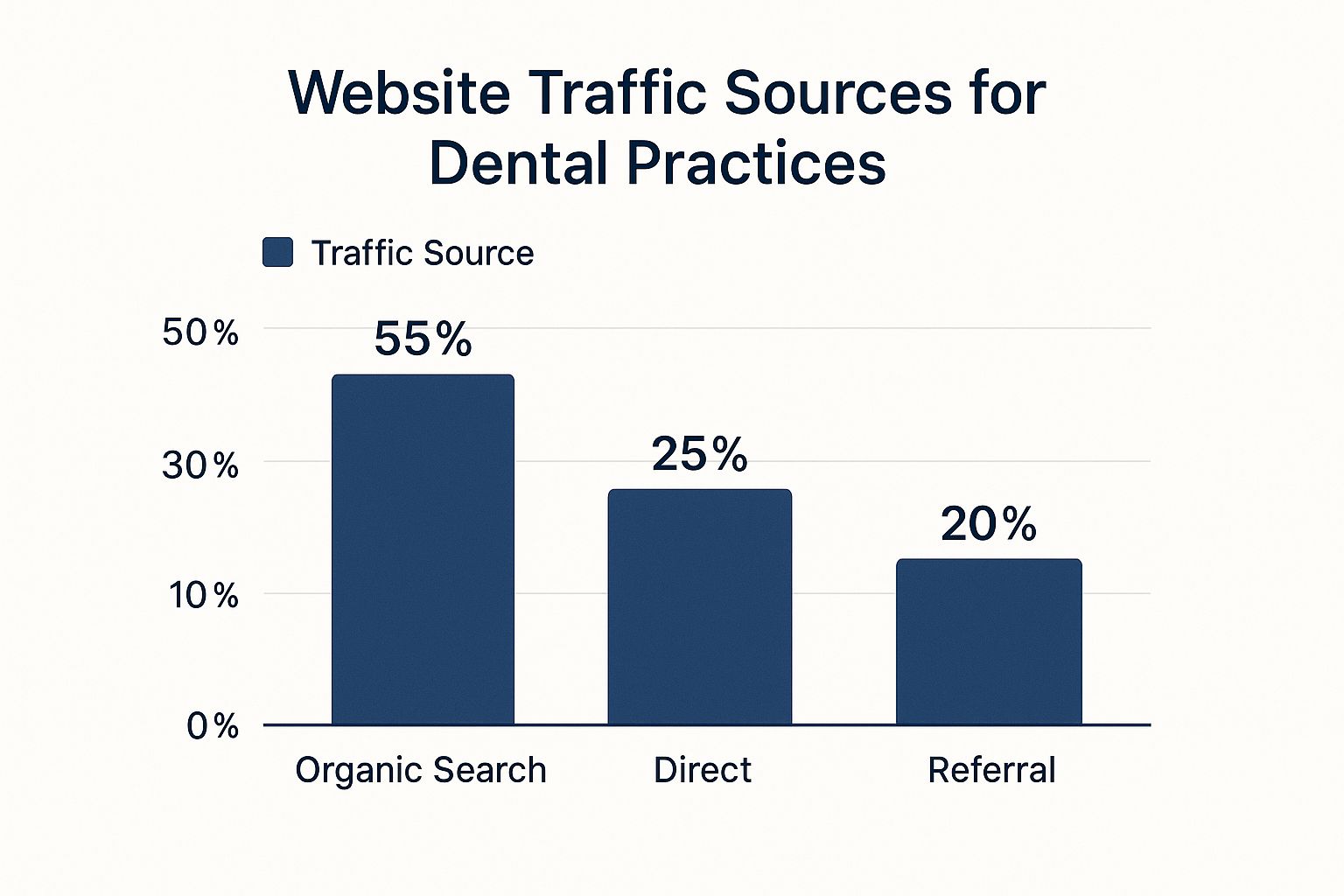
    Infographic about marketing in dentistry

    The infographic above highlights the main avenues patients use to find dental practice websites in the UK. Organic search takes the lead at a substantial 55%, followed by direct visits at 25%, and referrals at 20%. This data underscores the vital role of a strong dental marketing strategy centered around organic search. In other words, a solid SEO approach is key for attracting new patients.

    The Power of Search Visibility

    Think of your website as your online practice. Just as a well-placed physical office benefits from foot traffic, your website thrives on visibility in search engine results. This is where Search Engine Optimization (SEO) comes in. By optimizing your website for relevant keywords, you increase the chances of potential patients finding your practice when searching for dental services in your area. For a deeper dive into dental SEO, check out this helpful guide: How to master dental SEO for increased patient flow.

    Creating a Website That Converts

    Attracting visitors is only half the battle. Your website also needs to convert those visitors into booked appointments. This involves a user-friendly design with clear calls to action and engaging content. Showcase your expertise and build trust with potential patients.

    Consider features like online booking, patient testimonials, and detailed service descriptions. Personalization is also increasingly important in dental marketing. You can explore more about creating tailored experiences here: personalized experiences.

    Beyond the Website: Expanding Your Reach

    Your website is the foundation, but other digital channels can significantly boost your reach. Social media platforms like Facebook and Instagram provide avenues for connecting with potential patients, building brand awareness, and showcasing your practice's personality.

    Paid advertising can further expand your reach and target specific demographics. The key is to integrate these channels strategically to create a consistent and effective online presence. This multi-pronged approach ensures you’re reaching a wider audience.

    To help you understand the various options available, let's take a look at a comparison of different digital marketing channels:

    Digital Marketing Channels for Dental Practices
    Comparison of different digital marketing channels and their effectiveness for dental practices

    Marketing Channel Average Cost Effectiveness for Patient Acquisition Implementation Difficulty Best For
    SEO Varies (Long-term investment) High (Sustainable growth) Moderate to High Building a strong online foundation and attracting organic traffic
    Paid Advertising (PPC) Varies (Pay-per-click) High (Immediate results) Moderate Quickly reaching target audiences and generating immediate leads
    Social Media Marketing Varies (Time investment + potential ad spend) Moderate (Building brand awareness and engagement) Moderate Connecting with potential patients and building community
    Email Marketing Low Moderate (Nurturing leads and retaining existing patients) Easy Staying in touch with patients and promoting special offers

    The table above shows that while SEO is a longer-term strategy, it offers sustainable growth. Paid advertising delivers quick results, but requires ongoing investment. Social media focuses on building relationships, while email marketing is ideal for nurturing leads and patient retention.

    Measuring Your Marketing Success

    Tracking and analyzing your marketing performance is crucial. Don't just focus on surface-level metrics like website visits or follower counts. Instead, monitor Key Performance Indicators (KPIs) such as new patient acquisitions, appointment booking rates, and Return on Investment (ROI).

    This data provides valuable insights into what's working and what's not. By understanding your KPIs, you can refine your strategies and ensure your marketing budget is being used effectively to drive practice growth. This data-driven approach helps you make informed decisions and maximize your return.

    Cosmetic Dentistry Marketing That Converts

    Cosmetic <a href=Dentistry Marketing“>

    Cosmetic dentistry offers a significant growth area for UK dental practices. Successfully marketing these services, however, requires a strategic and focused approach. The key isn't simply attracting patients; it's converting initial interest into booked appointments. This means understanding patient motivations and tailoring your message accordingly.

    Messaging That Resonates With Patients

    Effective marketing for cosmetic dentistry connects with patients on an emotional level. It speaks to their aspirations for increased confidence, a more attractive smile, and an enhanced overall appearance. Compelling before-and-after photos can be particularly powerful in eliciting this emotional response. Maintaining ethical standards and realistic patient expectations is paramount. For more dental marketing ideas, check out this resource: How to master dental marketing ideas.

    The Power of Pricing Psychology

    Pricing plays a vital role in cosmetic dentistry marketing. Finding the sweet spot – making high-end treatments accessible without undervaluing your expertise – requires careful consideration. Offering flexible payment plans or treatment packages can broaden your appeal and make procedures more attainable for a wider patient base.

    Cosmetic dental treatments have become increasingly popular in UK dental marketing. This rise is fueled by a growing desire for aesthetic improvement, especially among younger demographics. By 2020, a significant 40% of UK residents under 35 had undergone teeth whitening, with nearly half (48%) expressing intentions to do so. Celebrity endorsements and the influence of social media further contribute to this burgeoning demand. For deeper insights into this market, explore this link: Explore the cosmetic dentistry market.

    Targeted Campaigns for Specific Demographics

    Successful cosmetic dentistry campaigns frequently focus on specific demographic groups. A practice might, for example, tailor its messaging to resonate with brides-to-be, working professionals, or individuals seeking a complete smile makeover. Digital platforms are invaluable for reaching these niche audiences with personalized messages addressing their unique aesthetic goals. For improving your online visibility and driving appointments, optimizing Google My Business is essential.

    Balancing Aspiration With Clinical Credibility

    While aspirational messaging is essential, maintaining clinical credibility is equally crucial. Patients need assurance that their cosmetic dentist possesses the necessary skill and experience to achieve the desired results. Showcasing your qualifications, highlighting your expertise, and emphasizing the safety and effectiveness of your treatments builds trust and confidence. By striking this balance, you attract patients seeking both aesthetic beauty and clinical excellence. This blend of art and science is the cornerstone of a successful cosmetic dentistry practice.

    Building a Patient Loyalty Engine That Works

    Patient retention is the cornerstone of a profitable dental practice. It's much more cost-effective to keep existing patients than to constantly find new ones. Yet, many practices focus on acquiring new patients rather than building strong, lasting relationships. This section explores how leading UK dental practices are creating patient loyalty engines that drive recurring revenue and generate positive word-of-mouth referrals.

    Personalized Communication: Beyond Automated Messages

    Building genuine patient connections starts with communication that feels personal. This means moving beyond automated appointment reminders and generic emails. Successful practices use patient relationship management (PRM) systems like Dentrix to segment their patient base and tailor communications. Think birthday greetings, personalized post-treatment messages, or special offers based on past procedures. These small touches can significantly improve patient engagement.

    Creating Memorable Experiences

    Turning routine appointments into positive experiences is key for patient loyalty. This could involve anything from offering complimentary refreshments and comfortable waiting areas to providing clear and empathetic communication throughout the treatment. This transforms a potentially stressful visit into something patients appreciate.

    Loyalty Programs and Referral Systems

    Structured loyalty programs incentivize repeat visits and reward patient loyalty. These programs might offer discounts on future treatments, exclusive access to events, or priority booking. Similarly, effective referral systems can attract new patients while strengthening relationships with existing ones. Offer rewards for successful referrals, and simplify the recommendation process for your patients.

    The Power of Feedback

    Actively asking for patient feedback shows you value their opinions and are committed to improving. Provide user-friendly feedback options, like online surveys or comment cards, and then act on the feedback received. This turns patient input into valuable data that can inform practice improvements and enhance the overall patient experience. Closing the feedback loop builds trust and shows patients they are heard.

    Targeted Outreach Through Segmentation

    Segmenting your patient base allows for targeted outreach. This resonates better with specific demographics and treatment needs. For example, messages for families with young children will differ from those for older adults seeking restorative treatments. By understanding the specific needs of different patient groups, your marketing campaigns become more effective and engaging. This personalized approach will likely result in increased patient loyalty and practice growth compared to generic marketing.

    Content That Positions You As The Dental Authority

    Generic dental content won't attract new patients. In fact, it might even hurt your practice's image. You need a content strategy that establishes you as a trusted expert. This section explains how to create compelling content that resonates with potential patients and builds confidence in your expertise.

    Understanding Your Audience's Needs

    Building authority starts with understanding your patients. What questions do they have about their dental health? What are their concerns? What are they searching for online? Think like a patient and anticipate their needs. By addressing these directly, your content becomes a valuable resource they'll appreciate. You might be interested in: How to master content marketing for your dental practice.

    Creating Educational Resources That Engage

    Once you know your audience, create informative content that showcases your expertise. This could take many forms: blog posts, videos, infographics, or even downloadable guides. For example, a blog post comparing different teeth whitening options or a video demonstrating proper brushing techniques can be highly effective. The key is to provide real value and educate your audience.

    Simplifying Complex Concepts

    Dental procedures can seem intimidating. Explain things clearly and concisely, avoiding technical jargon. Use analogies and real-life examples to simplify complex concepts. Think about how you'd explain a complicated recipe. You'd break it down step-by-step, wouldn't you? Apply the same principle to your dental content.

    Content Distribution and Repurposing

    Creating great content is only half the battle. Sharing it effectively is equally important. Distribute your content on your website, social media channels, and via email marketing. Repurposing your content can also extend its reach. A blog post can become a series of social media updates, a short video, or an infographic. This amplifies your message and maximizes your investment.

    Measuring Content Effectiveness

    Track your content's performance. Are your blog posts attracting traffic? Are your videos generating engagement? Are appointments increasing? These metrics show the impact of your dental marketing. Analyzing this data helps you refine your strategy and demonstrate the value of your efforts.

    Key Performance Indicators for Dental Content

    The following table outlines key metrics for evaluating different content types. Understanding these metrics is crucial for optimizing your content strategy.

    Dental Content Marketing Performance Metrics
    Key performance indicators for measuring the effectiveness of dental content marketing efforts

    Content Type Engagement Rate Conversion Potential Production Effort Recommended Frequency
    Blog Posts Moderate High Moderate Weekly
    Videos High Moderate High Bi-weekly or Monthly
    Infographics Moderate Low Moderate Monthly
    Case Studies High High High Quarterly

    This table helps you understand the potential impact of each content type, enabling you to make informed decisions about your content strategy. Blog posts, for instance, offer high conversion potential, while videos excel at engagement. Understanding these nuances is crucial for maximizing your results.

    By focusing on authoritative content, you build trust, attract new patients, and solidify your status as a leading dental expert. This not only benefits your practice but also empowers patients to make informed choices about their oral health.

    Ethical Marketing in Dentistry That Builds Trust

    Ethical Marketing in Dentistry

    In dentistry, trust is paramount. Ethical marketing isn't simply about checking off boxes on a list of regulations; it's about fostering genuine patient relationships built on honesty and transparency. This patient-centric approach not only safeguards your practice from potential issues but also cultivates patient loyalty and boosts your reputation.

    Aligning Your Marketing With GDC Guidelines

    The General Dental Council (GDC) sets the standards for dental professionals in the UK. Aligning your marketing efforts with these guidelines is essential for maintaining your registration and upholding professional integrity. This involves ensuring accurate messaging, avoiding misleading claims, and respecting patient vulnerabilities.

    Promising unrealistic outcomes or employing high-pressure sales tactics are not only unethical but could also have serious consequences. Instead, focus on providing clear and factual information that empowers patients to make the best decisions for their oral health.

    Transparency in Treatment Options and Pricing

    Open communication is the cornerstone of trust. Clearly outlining treatment options and associated costs empowers patients to make informed decisions. Providing this information upfront prevents misunderstandings and cultivates a collaborative relationship between dentist and patient. This transparency strengthens the bond between patient and practitioner.

    Ethical Use of Testimonials and Before-and-After Photos

    Testimonials and before-and-after photos can be powerful marketing assets. However, responsible use is key. Always obtain informed consent before featuring patients in marketing materials. Furthermore, ensure these materials accurately reflect typical results.

    Avoid exaggerating outcomes or using photos that might compromise patient privacy. This respectful approach maintains patient trust and enhances your professional image.

    Promotional Offers That Respect Patient Dignity

    Special offers and discounts can attract new patients. However, these promotions should never undermine the value of your services or pressure patients into unnecessary treatments. Transparency is crucial; ensure your offers genuinely benefit patients and are presented honestly.

    This ethical approach avoids the impression that profit is prioritized over patient well-being, fostering long-term trust and loyalty.

    Building a Reputation of Trust

    Ethical marketing in dentistry cultivates a strong foundation of trust. By consistently adhering to GDC guidelines, communicating transparently, and respecting patient dignity, you build a practice that truly prioritizes patient well-being. This approach not only strengthens your reputation but also nurtures patient loyalty, leading to sustainable growth. Ultimately, ethical marketing is not just the right thing to do; it's also a smart business strategy.

    Measuring What Actually Matters in Dental Marketing

    Stop fixating on vanity metrics like clicks and impressions. These don't always lead to new patients or higher revenue. This section explains how successful UK dental practices measure what truly drives success: growth and profitability.

    Beyond Clicks and Impressions: Connecting Marketing to Bookings

    The key is to link your marketing to real-world results. How many clicks became appointments? How many social media interactions led to consultations? Tracking systems that connect campaigns to bookings are crucial. For example, using unique tracking phone numbers or custom URLs in your campaigns helps accurately measure conversion rates.

    Calculating Patient Acquisition Cost: Understanding Your Investment

    Understanding your Patient Acquisition Cost (PAC) is fundamental. PAC is the cost of gaining one new patient through a specific marketing channel. Calculate it by dividing your total marketing spend for a campaign by the number of new patients it brought in. This helps you understand your marketing's efficiency and allocate your budget strategically. Comparing PAC across different campaigns helps identify the most cost-effective strategies for new patient growth.

    Lifetime Patient Value: The Long-Term Perspective

    Acquiring new patients is important, but understanding Lifetime Patient Value (LPV) is even more vital. LPV is the total revenue a patient generates throughout their relationship with your practice. A patient who comes in for regular check-ups and occasional procedures over many years will have a higher LPV than a patient needing a single emergency treatment. This long-term view emphasizes the importance of patient retention alongside acquisition.

    Marketing ROI: Demonstrating the Value of Your Efforts

    Calculating Marketing Return on Investment (ROI) proves the effectiveness of your marketing spend. ROI shows the profit generated from your marketing investment. Calculate this by comparing the revenue generated from campaigns against their cost. A positive ROI demonstrates that your marketing contributes to practice growth.

    Affordable Analytics Tools: Tracking Progress

    Several affordable analytics platforms, like Google Analytics, are designed for dental practices. They provide valuable insights into your marketing performance with tools for tracking website traffic, campaign effectiveness, and monitoring your Key Performance Indicators (KPIs). This data enables you to track progress and make data-driven decisions about your marketing strategies.

    Regular Marketing Performance Reviews: Driving Continuous Improvement

    Regularly reviewing your marketing performance is essential for identifying areas for improvement. Schedule regular reviews, perhaps monthly or quarterly, to analyze your KPIs. These reviews should involve the whole marketing team and focus on identifying successes, addressing challenges, and refining strategies. This ongoing evaluation cultivates continuous improvement.

    Identifying Misleading Indicators: Avoiding the Pitfalls of Vanity Metrics

    Many commonly tracked metrics are misleading. High website traffic is meaningless if it doesn't translate to bookings. Thousands of social media followers don't automatically mean a growing patient base. Focus on the metrics that directly impact revenue and growth.

    By focusing on these key measurements, you move beyond vanity metrics and prioritize what truly matters: growing your practice and achieving a strong ROI. This data-driven approach empowers you to make informed decisions and drive sustainable success.

    Ready to dominate your local dental market? Dominate Dental offers a full suite of dental marketing services designed to attract new patients and grow your practice. Visit Dominate Dental today to learn more.

  • Dental Marketing Agency 2026 – Proven Patient Growth Strategies

    Why Generic Marketing Fails Dental Practices

    Generic marketing strategies often miss the mark when it comes to dental practices in the UK. While general marketing principles have their place, the dental industry's unique characteristics demand a more specialized touch. It's like using a basic wrench versus a precision dental instrument: both can tighten, but one offers far greater accuracy and effectiveness for the specific job.

    Understanding the Nuances of Dental Marketing

    A key difference is the two-pronged nature of dental services. Marketing needs to address both NHS patients, primarily focused on essential care and affordability, and private patients who may be seeking cosmetic procedures or specialized treatments. This requires distinct messaging and targeting. For example, an ad highlighting inexpensive check-ups may attract NHS patients, but it won't resonate with someone considering veneers.

    Dental marketing also operates within strict regulatory guidelines, especially regarding advertising claims and patient data privacy. A specialized dental marketing agency understands these complexities, ensuring campaigns remain compliant. This expertise protects your practice from potential legal issues and preserves crucial patient trust.

    The Patient Psychology Factor

    Understanding patient psychology is paramount. Dental care decisions are frequently influenced by anxiety, cost concerns, and trust. Generic marketing agencies often lack the insight to effectively address these emotional factors. A dental marketing agency, however, understands these concerns. They can build trust through targeted content that alleviates anxiety and provides clear explanations of procedures and financing. This builds confidence, encouraging potential patients to book an appointment.

    The UK dental services market is experiencing rapid growth, predicted to reach USD 48.83 billion by 2032 with a CAGR of 19.4%. This expansion creates opportunity but also intensifies competition. This makes specialized marketing even more critical. For a deeper dive into these market statistics, check out this resource: Learn more about UK Dental Services Market growth

    The Power of Specialized Expertise

    In this competitive environment, practices partnering with dental marketing agencies consistently see better results than those relying on generic services or limited in-house marketing. These agencies provide customized strategies based on in-depth industry understanding. Instead of broad, ineffective campaigns, they create precise messaging that resonates with your target audience and produces measurable outcomes. Investing in a dental marketing agency isn't simply an expense, it's a strategic investment in the future success of your practice.

    Essential Services From Top Dental Marketing Agencies

    Attracting new patients requires a strategic approach far beyond a basic website and sporadic social media posts. It demands a deep understanding of what motivates patients to book appointments and a partnership with a dental marketing agency offering specialized services. Let's explore the core offerings that can transform a struggling dental practice into a thriving hub of activity.

    Conversion-Focused Website Development

    Your dental practice website shouldn't be just an online brochure; it's your digital storefront. Top dental marketing agencies grasp this concept and build conversion-focused websites designed to turn visitors into patients. This involves features like intuitive navigation, clear calls to action, and prominently displayed contact information. Given that many patients search for dental services on their smartphones, mobile optimization is also essential.

    Local SEO For Dental Practices

    Imagine a potential patient in Birmingham searching "dentist near me." Will your practice appear at the top of the search results? This is where local SEO (Search Engine Optimization) becomes crucial. Dental marketing agencies skilled in local SEO optimize your online presence for location-based searches. This includes optimizing your Google My Business profile, building local citations, and earning positive reviews – all vital for attracting patients in your specific UK region. Want to delve deeper into local SEO? Check out this helpful resource: How to master local SEO.

    Content Marketing That Builds Trust

    Before scheduling an appointment, potential patients often research dental procedures and treatments online. By creating informative and engaging content – blog posts, articles, videos – that addresses common concerns, a dental marketing agency builds trust and establishes your practice as a knowledgeable authority. This content could range from explaining various treatment options to addressing anxieties about dental procedures and showcasing patient testimonials.

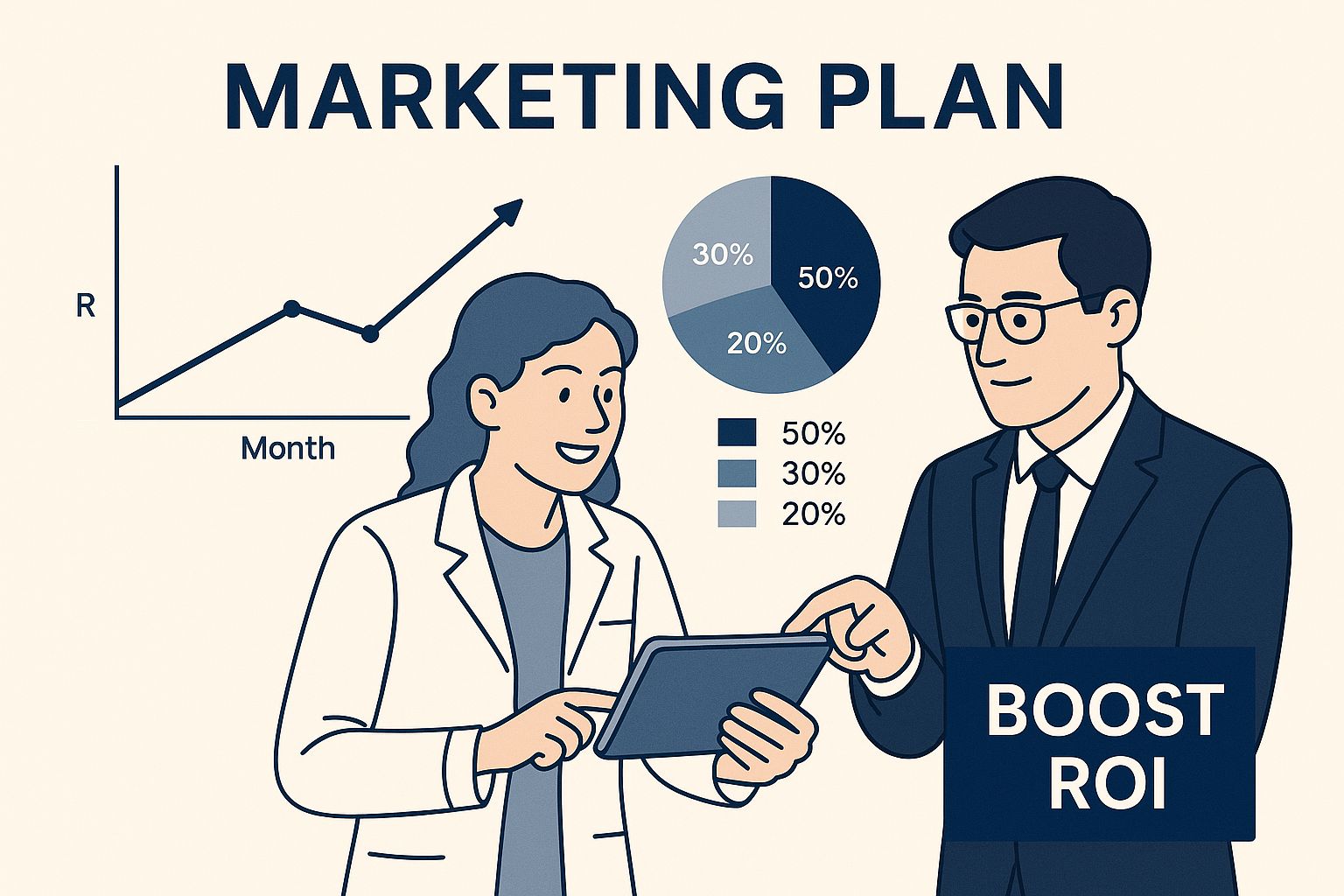
    Infographic about dental marketing agency

    The infographic above depicts a dentist and a marketing professional collaborating on a plan to boost ROI. It highlights the power of a data-driven approach to dental marketing. By combining marketing expertise and dental knowledge, ROI can be significantly improved. Effective marketing strategies are essential for UK dental practices. With 71% of patients researching dentists online before booking, digital marketing is more critical than ever. For a more in-depth look at the statistics, find more detailed statistics here.

    Integrated Social Media Strategies

    Social media isn’t just about posting occasionally; it's about cultivating a community. A strong social media presence engages patients and reinforces your brand. Dental marketing agencies develop integrated strategies across platforms like Facebook, Instagram, and Twitter. These strategies can include sharing patient success stories, promoting special offers, and providing valuable dental health tips.

    Targeted Advertising Campaigns

    Connecting with the right audience through the right message is key to success. Targeted advertising campaigns, expertly managed by dental marketing agencies, ensure your budget is used wisely. These agencies identify your ideal patient demographics and interests, creating highly focused campaigns on platforms like Google Ads and social media. This approach helps you attract the patients most likely to choose your practice.

    To further illustrate the essential services provided by dental marketing agencies, let's examine a comparison table:

    This table compares the key services dental marketing agencies should offer and how they specifically benefit dental practices compared to general marketing approaches.

    Essential Dental Marketing Agency Services Comparison

    Service Type Dental-Specific Benefits Impact on Patient Acquisition
    Conversion-Focused Website Development Focuses on patient journey, appointment scheduling, and mobile optimization for better user experience compared to generic website design. Increases online bookings, improves appointment scheduling efficiency, and captures more leads.
    Local SEO Optimizes for location-based searches relevant to dental practices (e.g., "dentist near me," "emergency dentist Birmingham"). Improves visibility in local search results, driving more local patients to your practice.
    Content Marketing Educates potential patients on dental procedures and builds trust by addressing common concerns and anxieties related to dentistry. Establishes the practice as a trusted authority, attracting informed and engaged patients.
    Integrated Social Media Strategies Builds a community by engaging existing and potential patients through relevant dental content, promotions, and patient stories. Increases brand awareness, improves patient loyalty, and generates new patient inquiries via social channels.
    Targeted Advertising Campaigns Targets specific demographics and interests relevant to dental services, maximizing ad spend effectiveness. Reaches the most qualified potential patients, resulting in a higher conversion rate and increased ROI.

    In conclusion, specialized services from dental marketing agencies offer significant advantages over generalized marketing approaches. These targeted strategies are designed to attract, engage, and convert potential patients into loyal, long-term clients for your dental practice.

    Measuring Success: Beyond New Patient Numbers

    New patient numbers are a crucial metric for any dental practice. However, they only tell part of the story. True success in dental marketing requires a deeper understanding of key performance indicators (KPIs) that reflect sustainable growth. It's like evaluating a patient's overall health – you wouldn't just look at their weight. You'd also consider blood pressure, cholesterol levels, and other vital signs. Similarly, assessing your dental marketing requires a more comprehensive approach.

    Calculating True Patient Acquisition Cost

    Understanding your patient acquisition cost (PAC) is essential. It's more than simply dividing your total marketing spend by the number of new patients. You need a more granular analysis. Calculate the PAC for individual treatment types. For example, the cost of acquiring a patient for a routine check-up will likely be very different from acquiring a patient for cosmetic dentistry. This detailed view provides insight into the profitability of your marketing campaigns across your different services. Many dental marketing agencies utilize tools like an AI Receptionist for Dental Offices to streamline operations.

    Lifetime Patient Value: A Long-Term Perspective

    Look beyond the initial appointment and consider the lifetime patient value (LPV). This metric represents the total revenue generated by each patient over their relationship with your practice. It includes repeat visits, referrals, and acceptance rates for additional treatments. A high LPV indicates a loyal patient base and a successful marketing strategy. For more information on attracting patients, you can explore resources like this article on how dental SEO can lead to more patients.

    Tracking Referral Generation: The Power of Word-of-Mouth

    Referrals are a valuable indicator of patient satisfaction and a powerful marketing tool. A good dental marketing agency should diligently track referral sources. This data reveals which marketing channels are attracting your most valuable patients – the ones who are happy to recommend your practice. This organic growth is often more sustainable and cost-effective than other patient acquisition methods.

    Image

    Realistic Timelines and Benchmarks

    Effective dental marketing agencies understand that results require time and patience. They set realistic performance timelines based on factors like your practice type, target audience, and the competitive landscape. They also establish benchmarks aligned with your specific objectives, whether that's increasing bookings for a particular procedure or growing overall practice revenue. This grounded approach sets the foundation for long-term, sustainable success.

    To help visualize typical ROI metrics and benchmarks, consider the following table:

    Dental Marketing ROI Metrics by Practice Type

    This table presents typical ROI metrics and benchmarks for dental marketing campaigns across different practice types and specialties.

    Practice Type Average Patient Acquisition Cost Expected ROI Timeline Key Performance Indicators
    General Dentistry $200 – $500 6-12 Months Website traffic, New patient appointments, Phone calls
    Cosmetic Dentistry $300 – $700 9-18 Months Consultation requests, Procedure bookings, Website conversions
    Orthodontics $400 – $800 12-24 Months New patient consultations, Treatment starts, Referral rates
    Pediatric Dentistry $150 – $400 6-12 Months New patient appointments, Website traffic, Social media engagement

    As shown in the table, various factors influence PAC, ROI timelines, and KPIs. Understanding these benchmarks can help you evaluate your marketing performance and set realistic expectations.

    Utilizing Meaningful Tracking Tools

    Data is invaluable. However, it can also be overwhelming. Effective dental marketing agencies utilize sophisticated tracking tools like Google Analytics to provide actionable insights, focusing on the data that directly impacts your bottom line. This data-driven approach ensures accountability and allows for strategic adjustments based on real-time performance.

    By focusing on these essential metrics, you gain a more accurate understanding of your marketing ROI and can hold your dental marketing agency accountable for delivering meaningful results. This comprehensive approach moves beyond simply tracking new patient numbers and focuses on building a thriving, sustainable dental practice.

    Warning Signs: When Dental Marketing Agencies Overpromise

    Dental marketing agency warning signs

    Finding the right dental marketing agency is essential for your practice's growth. But some agencies make promises that seem too good to be true – and often are. This section highlights the red flags that could signal trouble ahead, helping you avoid expensive mistakes with agencies who prioritize style over substance.

    Guaranteed Rankings: Proceed With Caution

    No ethical dental marketing agency can guarantee top search engine rankings. Search engine algorithms, like those used by Google, are constantly evolving, and rankings can shift. An agency promising guaranteed rankings is likely employing risky tactics that could ultimately damage your practice's online presence.

    Instant Results: Managing Expectations

    Building a strong online presence requires time and dedication. Be wary of agencies promising immediate results. Effective dental marketing is a long-term commitment. Some initial changes might be apparent quickly, but real, sustainable growth takes strategic planning and patience.

    One-Size-Fits-All: A Recipe for Disaster

    Every dental practice has unique characteristics, patient demographics, and services. A generic marketing approach rarely yields the best outcomes. Dental marketing agencies who truly grasp the industry develop customized strategies tailored to your practice's specific requirements. A generic, pre-packaged plan is a major red flag.

    The Importance of Dental Industry Expertise

    Many marketing agencies advertise dental marketing services, but they may not possess genuine industry knowledge. They might not understand patient acquisition within the dental field, regulatory compliance, or the concerns patients have when selecting a dentist. This knowledge gap can result in unproductive campaigns.

    Vague Reporting: A Sign of Trouble

    Transparent and detailed reporting is essential for evaluating marketing campaign performance. Be wary of agencies that provide unclear or incomplete reports. Ask about their tracked metrics and their definition of success. If they hesitate to give you detailed reports, it might indicate problems.

    Asking the Right Questions

    Protect your practice by asking targeted questions during the selection process: "Can you share successful campaigns for similar dental practices?", "How do you stay current with dental marketing trends and Google algorithm updates?", and "What's your reporting process, and which KPIs do you track?" These questions will reveal an agency's true expertise.

    Contractual Considerations

    Review any contract carefully before signing. It should clearly outline services, payment terms, and reporting procedures. Look for flexibility to adjust the strategy as needed. A strong contract protects your practice and ensures you get the promised services.

    Success Stories: Transforming Struggling Practices Into Leaders

    Understanding the theory behind dental marketing is essential, but nothing beats the impact of real-world success stories. This section explores how the right dental marketing agency can transform struggling UK dental practices into industry leaders. We'll examine specific cases, highlighting the initial challenges and the solutions that spurred remarkable growth.

    Overcoming Competition: The NHS Practice That Thrived

    One NHS practice, located in a competitive London borough, was struggling to attract new patients, particularly younger individuals. Partnering with a dental marketing agency, they pinpointed this challenge as a primary obstacle. The agency then developed a hyperlocal campaign using targeted advertising on social media, focusing on the practice's convenient location and the affordability of their NHS services.

    In addition to this targeted advertising, a blog strategy was implemented. The blog tackled common dental anxieties and offered helpful advice, further engaging potential patients. The results were striking: a 20% increase in new patient bookings within six months, largely from the desired younger demographic.

    Repositioning for Success: The Private Clinic’s Brand Elevation

    A private dental clinic aspired to attract high-value patients interested in cosmetic procedures. However, their existing branding felt outdated, failing to reflect the high quality of their services. Working alongside a dental marketing agency, the clinic underwent a full brand refresh. This included a redesigned website, a new logo, and updated marketing materials.

    The agency also crafted a content strategy focused on showcasing before-and-after photos and compelling patient testimonials. This strategic rebranding led to a 30% increase in consultations for cosmetic treatments within a year, effectively attracting the desired high-value patient demographic.

    Educating Patients: The Specialist’s Digital Platform

    A specialist practice specializing in complex treatments, such as dental implants, needed to better educate potential patients. Many patients felt overwhelmed by the sheer volume of information available online and struggled to understand their options. The dental marketing agency they partnered with created a comprehensive digital platform.

    This platform featured detailed procedure explanations, engaging animated videos, and a thorough FAQ section. By providing easily accessible information, patients felt more empowered to make informed decisions, and pre-appointment anxieties were significantly reduced. The result was a 15% increase in consultations for implant procedures within nine months.

    The UK dental practices industry, while facing some challenges – with industry revenue declining at a CAGR of 1.7% over the past five years to an estimated £7.7 billion in 2025 – presents opportunities. Growing consumer demand for aesthetic treatments can be leveraged for success. Learn more about the dental practices industry. Companies like Integrated Dental Holdings Ltd, PortmanDentex, and Rodericks Dental Ltd exemplify the market share attainable through effective marketing. Further insights can be found here: How to master various dental marketing strategies.

    Learning From Success: Applying the Lessons

    These success stories highlight the importance of partnering with a dental marketing agency that understands the industry's specific challenges. By implementing targeted solutions, these practices achieved significant growth, offering inspiration and a practical roadmap for other UK practices.

    These examples underscore several key elements of a successful dental marketing strategy:

    • Targeted Messaging: Focusing on the needs and demographics of your target patients significantly boosts marketing effectiveness.

    • Brand Building: A strong brand identity builds trust and fosters patient loyalty.

    • Patient Education: Clear and accessible information empowers patients and builds confidence.

    • Data-Driven Approach: Tracking key metrics enables ongoing strategy refinement and maximizes ROI.

    These real-world success stories demonstrate the value of a specialized dental marketing agency and provide actionable strategies for your practice.

    Your Dental Marketing Agency Vetting Checklist

    Choosing the right dental marketing agency is a pivotal decision for your practice's growth. It’s more than just finding someone to manage your social media. It's about finding a strategic partner who understands the specific challenges and opportunities within the UK dental market. This checklist provides a framework to help you evaluate potential agencies and select the perfect fit.

    Assessing Industry Expertise

    Go beyond basic questions about experience and cost. Focus on questions that reveal a true understanding of the dental industry. Ask about their familiarity with the differences between NHS and private practice marketing, their compliance with UK advertising regulations, and how they address patient anxieties about dental care. Detailed answers demonstrate specific knowledge, while vague responses should be a red flag.

    Evaluating Case Studies and Results

    Ask to see concrete examples of client success. Reviewing available resources like these top case study templates can provide a useful starting point. Don’t just look at impressive numbers. Dig deeper into the strategies used, the challenges overcome, and the verifiable results achieved. Were the results sustainable? Did they align with the client's goals? This will help you differentiate genuine success from surface-level metrics.

    Understanding Contract Structures and Communication

    Scrutinize contract terms. Does the contract structure incentivize the agency to work towards your practice’s success? For example, are fees tied to specific performance goals? Also, ask about their communication protocols. Will they provide regular updates and reports? How responsive are they to queries and concerns? A good agency respects your busy schedule and maintains clear, proactive communication.

    Delving into Their Marketing Approach

    Ask detailed questions about their marketing approach. Do they offer bespoke strategies or rely on generic templates? How do they tailor their approach to different practice types and specialties, such as cosmetic versus general dentistry? A satisfactory answer will showcase flexibility and adaptability, while a one-size-fits-all approach suggests a lack of deep understanding.

    Exploring Digital Marketing Expertise

    Digital marketing proficiency is essential. Ask potential agencies about their specific expertise in areas like local SEO, website development, social media marketing, and paid advertising. How do they stay current with algorithm changes and best practices? What SEMRush tools and technologies do they utilize? Strong answers will demonstrate a clear command of the digital marketing landscape.

    Pricing and Budget Transparency

    While cost shouldn’t be the only deciding factor, transparent pricing is crucial. A reputable agency provides a clear breakdown of fees and explains how their pricing structure relates to the services offered. They should also be open to discussing budget options and tailoring services to meet your needs.

    Seeking Long-Term Partnerships

    Choosing a dental marketing agency is about building a long-term partnership, not just hiring a service provider. Look for an agency genuinely interested in your practice’s success, understands your vision, and shares your values. This collaborative approach is essential for sustained growth.

    Ready to elevate your dental practice's marketing? Dominate Dental, a leading dental marketing agency in the UK, offers specialized expertise and a data-driven approach to help you attract new patients and grow your practice. Visit Dominate Dental today to learn more.

  • Dental Marketing for Dentists UK | 50+ Qualified Leads Monthly

    The UK Dental Landscape: Your Growth Opportunity

    The UK dental market is a vibrant and constantly changing sector. It offers significant growth potential for practices that understand its intricacies. Keeping up with current trends and patient needs is crucial for successful dental marketing. The presence of both private dental clinics and the NHS gives patients a wider range of choices than ever before.

    This necessitates carefully designed marketing strategies that resonate with both NHS and private patient groups.

    Identifying Opportunities in a Growing Market

    This expanded patient choice drives demand for a broader spectrum of services. There's a noticeable rise in demand for cosmetic and preventative treatments. This presents a profitable avenue for practices that offer services like teeth whitening, veneers, and Invisalign. The emphasis on preventative care also creates opportunities for marketing campaigns focused on regular check-ups, hygiene appointments, and patient education.

    The UK dental services market is seeing substantial growth. This growth is influenced by factors like increased awareness of dental health and the growing popularity of cosmetic procedures. In 2023, the market was valued at USD 9.9 billion. Projections indicate it will reach USD 48.83 billion by 2032. This represents a CAGR of 19.4% from 2024 to 2032. Advancements in dental technology, like 3D printing, and the increasing integration of private clinics and NHS services are also contributing to this growth. For a deeper dive into these statistics, learn more about UK dental market growth.

    Regional Variations and Practice Size

    Effective dental marketing needs to account for regional differences across the UK. Patient demographics, spending habits, and even the level of competition can vary significantly from one region to another. A successful marketing strategy in London might not yield the same results in Manchester or Edinburgh. Adapting your marketing approach to the specific needs and preferences of your local patient base is essential.

    Practice size also significantly influences the optimal marketing strategy. Large dental chains usually have the resources for broad marketing campaigns. Smaller, independent practices, on the other hand, might find more focused, local strategies more effective. Digital marketing offers a more level playing field, enabling smaller practices to compete effectively with larger organizations. This highlights the need for a strong online presence, regardless of practice size. Understanding these dynamics helps tailor a strategy that fits your practice's specific strengths and objectives.

    Creating a Patient-Winning Digital Presence

    Digital Presence for Dentists

    Your online presence is essential for attracting new patients in the UK. It's more than just an online brochure; it's your most effective tool for patient acquisition. In this section, we'll explore how successful dental practices are transforming their websites into powerful patient magnets.

    Building Trust and Encouraging Bookings

    A well-designed website can immediately establish credibility and encourage potential patients to schedule appointments. Clear and concise information about your services, combined with high-quality images of your practice, creates a positive first impression. This transparency builds trust and demonstrates the quality of care patients can expect. Patient testimonials offer valuable social proof, further reinforcing your practice's reliability.

    A user-friendly online booking system is also essential. A complex booking process can discourage potential patients. Like online shopping, a seamless experience encourages completion. A simple online booking system makes scheduling convenient, boosting your chances of acquiring new patients.

    Showcasing Your Expertise and Addressing Patient Anxieties

    Content that addresses patient anxieties can be incredibly effective. Many people feel anxious about dental visits. Content that acknowledges and addresses these fears builds trust and encourages nervous patients to choose your practice. You're not just selling services; you're providing valuable information to help patients feel comfortable.

    To further build trust and connection, highlight your team’s expertise and personalities. Patients want to know who they are entrusting their oral health to. Showcase dentists' qualifications, experience, and interests. Include friendly photos and short biographies to humanize your team. This personal touch sets your practice apart.

    Let's explore how to present this information effectively. Below is a table summarizing the essential elements of a successful dental website:

    To help illustrate the importance of each element, we’ve compiled a comparison table highlighting key website features and their impact on converting potential patients into booked appointments:

    Essential Elements of an Effective Dental Practice Website: A comparison of must-have website features and their impact on patient conversion rates

    Website Feature Implementation Difficulty Patient Impact Conversion Benefit
    High-Quality Images & Videos Easy High Improves engagement and showcases practice quality
    Clear & Concise Service Descriptions Easy High Helps patients understand offerings and make informed decisions
    Easy-to-Use Online Booking System Medium High Reduces friction and increases appointment bookings
    Patient Testimonials & Reviews Medium High Builds trust and social proof
    Team Member Profiles Easy Medium Creates personal connection and fosters trust
    Content Addressing Patient Anxieties Medium Medium Alleviates concerns and encourages bookings
    Mobile-Friendly Design Medium High Caters to mobile users and improves accessibility
    Local SEO Optimization Medium High Increases visibility in local search results
    GDPR Compliance Medium Medium Builds trust and ensures ethical data handling

    This table summarizes the key elements needed for a successful dental website. By implementing these features, you can improve patient engagement and boost conversion rates.

    Balancing Clinical Credibility with Approachable Messaging

    While showcasing clinical expertise is important, avoid overly technical language. Your website should balance professionalism with accessible, patient-friendly language. Explain treatments simply, ensuring potential patients understand procedures and can make informed decisions, ultimately leading to increased patient satisfaction.

    Optimizing for Local Search and Maintaining GDPR Compliance

    Optimizing your website for local search ensures potential patients in your area can find you. This involves keyword research, local directory listings, and building quality backlinks. Dominate Dental can help you develop a tailored SEO strategy. They can optimize your Google My Business profile, ensuring prominent placement in local search results. This must be done while maintaining GDPR compliance. All data collected must be handled according to regulations. Transparency and user consent are crucial. Clearly state your data collection policies and give users control over their data. This builds trust and ensures ethical marketing efforts. By combining these strategies, you can create a website that attracts new patients, builds trust, and positions your practice for long-term success in the UK dental market.

    Social Media Strategies That Build Patient Trust

    Building patient trust is essential for any dental practice. Social media presents a valuable opportunity to connect with potential patients and cultivate that trust. But it takes more than just occasional posts. A well-defined strategy, focused on engaging content, is key to converting followers into booked appointments. Let's delve into how successful UK dental practices are using social media to build trust and expand their patient base.

    Showcasing Expertise in an Understandable Way

    One effective strategy is showcasing your clinical expertise in a way that’s easy for everyone to understand. Avoid complex dental jargon. Instead, offer valuable, relatable information. For example, instead of detailed posts about intricate procedures, share practical tips on daily oral hygiene. Or explain the advantages of various treatments in clear, simple language. This positions you as a reliable information source, bolstering confidence in your expertise.

    The Ethical Use of Before & After Photos

    Before-and-after photos and videos are powerful tools, particularly for cosmetic dentistry. They visually demonstrate the positive impact of your services. However, ethical considerations are paramount. Always obtain informed consent from patients and protect their privacy. Showcase realistic results and avoid exaggerating transformations. Transparency builds trust and underscores your commitment to patient well-being.

    The UK dental market is diverse, ranging from general dentistry to specialized areas like orthodontics. It's a significant growth area for practices that successfully connect with different patient segments. In 2023, the market size was valued at USD XX billion and is projected to expand at a CAGR of 6.10% by 2032. Learn more at UK Dental Market Research. Tailoring your social media content to address the unique needs and interests of various patient groups is essential for maximizing your reach and impact.

    Creating Content Patients Want

    Engaging content that resonates with your target audience is essential for successful social media marketing. But what exactly do patients want to see? Consider incorporating a mix of the following:

    • Educational Content: Share practical tips, advice, and insights about oral health.

    • Behind-the-Scenes Glimpses: Give followers a peek into your practice’s culture and introduce your team.

    • Patient Stories: Highlight positive patient experiences and share testimonials.

    • Interactive Content: Use polls, quizzes, and Q&A sessions to boost engagement and encourage interaction.

    This variety will keep your content fresh and interesting, building a sense of community around your practice.

    Tailoring Your Strategy to Each Platform

    Different social media platforms attract different audiences and require tailored approaches. Practices are finding success using video content on platforms like Instagram and TikTok. Short, engaging videos can effectively communicate information and grab attention in today's fast-paced online environment. Consider how Instagram Reels can boost your engagement. Meanwhile, LinkedIn offers opportunities to connect with other professionals and cultivate referral networks. A strategic LinkedIn presence can establish your practice as a leader in the field and generate referrals from other healthcare providers.

    By focusing on these strategies, you can build patient trust, expand your online presence, and achieve your marketing objectives. Tracking key metrics like website clicks, appointment bookings, and patient engagement is crucial. This allows you to assess the effectiveness of your efforts, measure your return on investment (ROI), and continually refine your approach.

    Email Marketing That Keeps Chairs Filled

    Email <a href=Marketing for Dentists“>

    Patient retention is essential for any successful dental practice. Focusing on current patients often yields better results than constantly searching for new ones. Email marketing is an excellent way to nurture these relationships and maintain a steady stream of appointments. Let's explore how UK dental practices use email marketing effectively.

    Targeted Communication Through Patient Segmentation

    Sending generic emails to your entire patient list can be ineffective. A new parent has different dental concerns than a senior citizen. This is where patient segmentation becomes crucial. By dividing your patients into groups, you can personalize your communications.

    For instance, send emails about children's dentistry to families with young children. Target older patients with information about dentures and implants. This targeted approach makes your emails more relevant and engaging, improving the chances of them being opened and read.

    Crafting Compelling Email Content

    Your email content must be valuable and interesting. While check-up reminders are necessary, go beyond simple notifications. Position them as opportunities to maintain excellent oral health. Include links to helpful blog posts or videos on your website.

    After a procedure, send personalized post-treatment instructions. This demonstrates your commitment to patient well-being. This reinforces the patient-practice bond and encourages future appointments. Regular updates, like introducing new staff or announcing special offers, keep patients connected. Learn more in our article about How to master dental email marketing.

    Finding the Right Email Frequency

    How often should you contact your patients? Too few emails, and they may forget about you. Too many, and they may unsubscribe. Balance is key.

    Many successful practices send a monthly newsletter combined with timely appointment reminders and occasional special offers. This strategy keeps patients engaged without overwhelming their inboxes.

    Measuring Campaign Effectiveness and Maintaining Compliance

    Analyzing the success of your email campaigns is vital for improvement. Key metrics such as open rates, click-through rates, and conversion rates (bookings made through email links) provide valuable insights.

    Always ensure your email marketing complies with UK data protection regulations, including GDPR. Obtain explicit consent for marketing emails and always provide clear opt-out options. This builds trust and strengthens patient relationships.

    Marketing High-Value Cosmetic Treatments

    Infographic about <a href=marketing for dentists“>

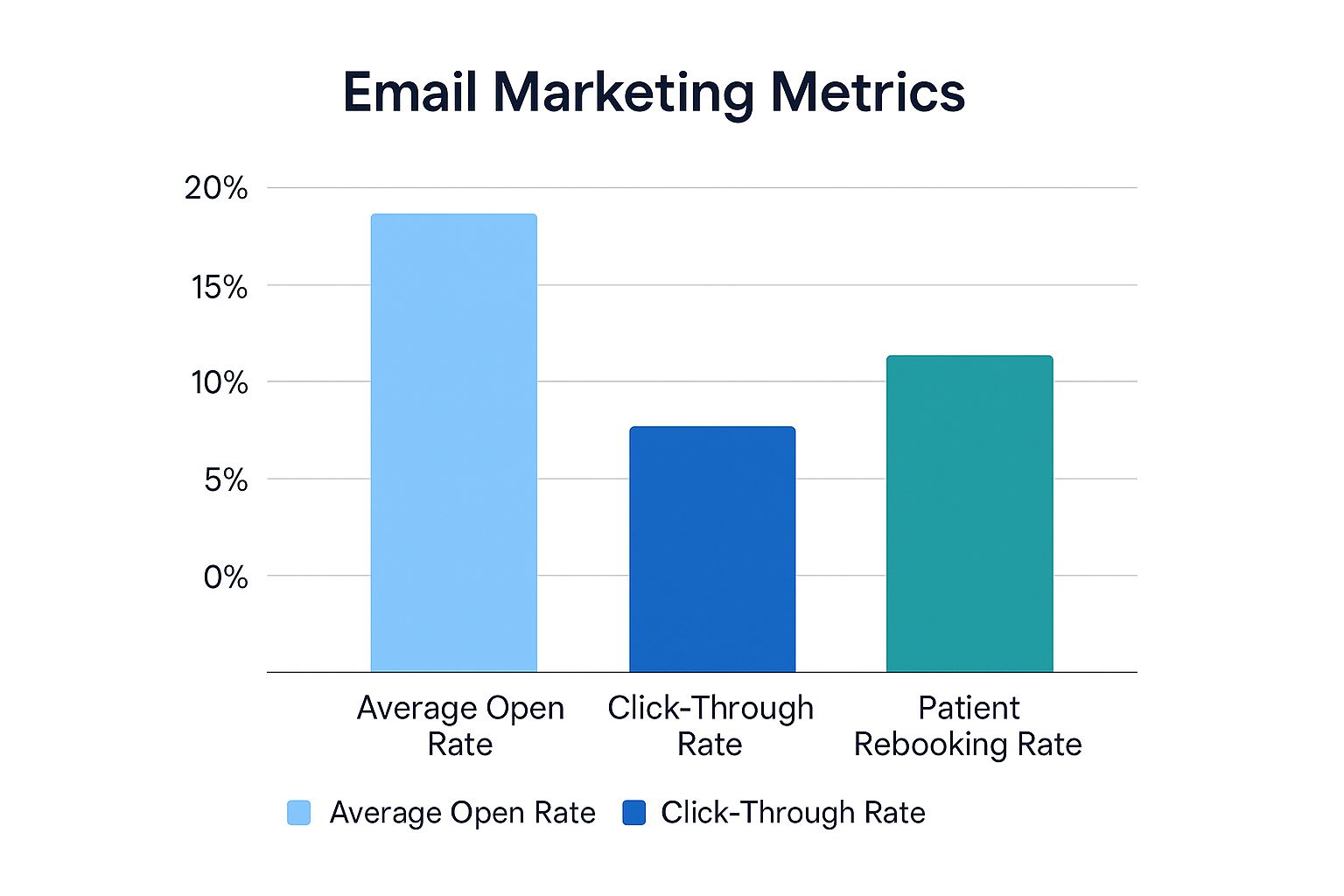
    This bar chart illustrates the performance of email marketing campaigns, comparing average open rates, click-through rates, and patient rebooking rates. Open rates are the highest, followed by rebooking rates, with click-through rates being the lowest. This emphasizes the importance of strong subject lines to capture attention and encourage opens. It also highlights email's effectiveness in patient retention.

    Want to improve your email game? Check out these B2B Email Marketing Best Practices.

    Identifying Your Ideal Cosmetic Patient

    Cosmetic dentistry offers significant growth potential. However, effective marketing hinges on understanding your target audience. This means looking beyond basic demographics and delving into patient motivations. What are their desires? Are they looking for increased confidence, a younger look, or solutions to specific dental problems?

    Understanding these underlying needs allows you to craft truly resonant messaging.

    For instance, a young professional might want teeth whitening for a brighter smile to boost their career. Meanwhile, an older patient might be interested in veneers to regain a more youthful appearance. Recognizing these different motivations is key to targeted marketing for dentists offering these high-value treatments.

    Tailoring Your Messaging and Showcasing Results

    Once you know your ideal patient, create compelling messaging that speaks to their aesthetic goals and addresses any treatment concerns. Highlight the benefits of cosmetic treatments while acknowledging potential anxieties about cost, discomfort, or recovery time.

    Showing successful results through before-and-after photos and patient testimonials is essential. This provides tangible proof of the positive impact of cosmetic dentistry. Remember to always uphold ethical standards and get patient consent before sharing any visual content.

    Overcoming Price Sensitivity and Building Treatment Pathways

    Price sensitivity is a common factor for patients considering cosmetic treatments. Address this directly by focusing your messaging on the value patients receive, not just the cost. Emphasize long-term benefits like increased confidence, improved oral health, and a better quality of life. Flexible financing can also make treatments more affordable and boost conversion rates.

    Clear treatment pathways are vital for turning initial inquiries into comprehensive care plans. Offer free consultations to discuss options and address concerns. Follow up with personalized treatment plans and financing options.

    The following table offers insights into marketing performance for various cosmetic dental treatments.

    Cosmetic Dental Treatment Marketing Performance

    Treatment Type Target Age Group Average Conversion Rate Marketing Cost Per Patient Typical ROI
    Teeth Whitening 25-55 35% £50 200%
    Veneers 35-65 25% £150 150%
    Invisalign 18-45 30% £100 175%
    Dental Implants 45+ 20% £200 125%

    This table shows how conversion rates, marketing costs, and ROI can vary significantly across different cosmetic dental treatments. Understanding these metrics can help practices optimize their marketing strategies for each treatment type.

    In the UK, the dental practices industry faces challenges despite high demand. Industry revenue has declined at a CAGR of 1.7% over the past five years, reaching an estimated £7.7 billion in 2025. More detailed statistics can be found here. This underscores the importance of strategic marketing for attracting and retaining patients interested in cosmetic dentistry. Building trust and showcasing the value of your services are crucial for sustained growth in this competitive market.

    Dominating Local Search: Google Business Mastery

    Google Business Profile Optimization for Dentists

    For UK dental practices, a robust local search presence is essential for attracting new patients. Mastering your Google Business Profile (GBP) is no longer a luxury, but a necessity. A well-optimized GBP can significantly increase your online visibility, ultimately driving more patients to your practice. This section explores proven strategies to transform your GBP into a powerful patient acquisition tool.

    Optimizing Your GBP Beyond the Basics

    Accurate contact information and business hours are fundamental, but GBP optimization extends far beyond these basics. Consider your GBP as your practice's digital storefront, often forming a potential patient's first impression. A compelling and informative profile is crucial for converting online searches into booked appointments.

    Use Google Posts to showcase your services, special offers, and practice updates. These posts function like mini-advertisements directly within search results. You could highlight a new teeth-whitening procedure or introduce a new team member. These posts keep your profile dynamic and engaging with fresh content.

    The Power of Patient Reviews

    Patient reviews wield significant influence, acting as social proof and validating your practice's quality and trustworthiness. Encourage satisfied patients to leave reviews on your GBP. A consistent flow of positive reviews builds credibility and impacts potential patients' decisions. You might be interested in: How dental SEO can lead to more patients.

    Don't shy away from negative reviews. Addressing them professionally and constructively demonstrates your commitment to patient satisfaction. A thoughtful response can even transform a negative experience into a positive interaction. This shows potential patients you value their feedback and strive for excellent care.

    Location-Specific Content and Local Link Building

    Target your local audience with location-specific content on your GBP. Mentioning local landmarks or neighborhoods in your posts and descriptions establishes your practice within the community, enhancing relevance for local searches.

    Build local links by connecting with other businesses in your area. Partnering with local pharmacies, schools, or community centers creates a network of relevant backlinks. This strengthens your online presence and signals to Google that your practice is a trusted resource.

    Citation Management and Neighborhood-Targeted Campaigns

    Maintain consistent Name, Address, and Phone Number (NAP) information across all online platforms. Consistency builds credibility and enhances local search rankings. Inaccurate or conflicting NAP information can negatively affect your visibility.

    Run neighborhood-targeted campaigns through Google Ads to connect with potential patients in specific areas. This focused advertising strategy reaches patients actively looking for dental services nearby. By combining these strategies, your GBP will attract more patients, build your practice's reputation as a local authority, and contribute significantly to the long-term success of your dental marketing initiatives.

    Measuring What Matters: Dental Marketing Metrics

    While a high follower count on social media might look impressive, it doesn't always translate into a full appointment book. For dentists in the UK, it’s essential to look beyond vanity metrics. Instead, focus on the metrics that genuinely impact practice growth. This means understanding which key performance indicators (KPIs) truly correlate with gaining and keeping patients.

    Identifying Your Key Performance Indicators

    Conversations with practice managers and marketing directors reveal several crucial KPIs for measuring dental marketing success. These essential metrics consistently appear as top indicators of a successful marketing strategy.

    • New Patient Acquisition Cost: How much does it cost to gain a new patient through each marketing channel? Tracking this helps determine the return on investment (ROI) for your efforts.
    • Website Conversion Rate: What percentage of website visitors book an appointment? This metric shows how effectively your website turns interest into action.
    • Patient Retention Rate: How many patients return for regular checkups and additional treatment? This is a vital sign of patient satisfaction and long-term practice growth.
    • Referral Sources: Where are new patients coming from? Understanding referral sources helps you identify your most effective marketing channels.
    • Appointment Booking Rate: How many inquiries turn into booked appointments? This metric highlights any roadblocks in the booking process.

    Tracking Marketing Effectiveness Without Overwhelming Your Team

    You don't need a dedicated data analyst to track these crucial metrics. Practical systems, accessible to any team member, simplify data collection and improve efficiency.

    • Website analytics dashboards, like those available through Google Analytics, offer immediate insights into website traffic and conversion rates.
    • Simply asking new patients how they found your practice provides valuable information about your referral sources.
    • Online reviews are also a critical component of your online presence. Managing and soliciting feedback effectively can significantly impact your visibility. For helpful strategies on boosting your Google reviews, check out this resource: Increase Google Reviews.

    Establishing Meaningful Benchmarks and Refining Your Approach

    Setting benchmarks based on your practice type and goals adds context to your data. A cosmetic dentistry practice might have a different target acquisition cost than a general dentistry practice. Regularly comparing your KPIs to these benchmarks allows you to identify areas for improvement and refine your strategies. This process turns data into a tool for continual refinement, maximizing your marketing ROI.

    For example, a low website conversion rate might suggest simplifying your online booking system or clarifying your service descriptions. Consistently analyzing and adapting your approach ensures your UK dental marketing remains both effective and efficient. Ready to take charge of your dental marketing and see real results? Dominate Dental offers expert, customized strategies to attract new patients, optimize your online presence, and maximize your ROI. Visit their website today to learn more.

  • How to Convert Paid Advertising Leads into Loyal Patients: A Dentist’s Guide

    Dominate-Dental-Blog-Graphic-1920-x-1080.jpg” alt=”” width=”1920″ height=”1080″ srcset=”https://cms.dominatedental.com/wp-content/uploads/2025/02/Dominate-Dental-Blog-Graphic-1920-x-1080.jpg 1920w, https://cms.dominatedental.com/wp-content/uploads/2025/02/Dominate-Dental-Blog-Graphic-1920-x-1080-300×169.jpg 300w, https://cms.dominatedental.com/wp-content/uploads/2025/02/Dominate-Dental-Blog-Graphic-1920-x-1080-1024×576.jpg 1024w, https://cms.dominatedental.com/wp-content/uploads/2025/02/Dominate-Dental-Blog-Graphic-1920-x-1080-768×432.jpg 768w, https://cms.dominatedental.com/wp-content/uploads/2025/02/Dominate-Dental-Blog-Graphic-1920-x-1080-1536×864.jpg 1536w” sizes=”auto, (max-width: 1920px) 100vw, 1920px” />

    Hello, Dental Superstars!

    At Dominate Dental, we’re all about ensuring your practice thrives. But we know that the success of your practice isn’t just about running ads and hoping for the best. It’s about having a team that’s equipped and ready to take those leads and turn them into loyal patients.

    Paid advertising is an awesome tool to bring in new inquiries for your practice, but what happens once the leads come through? The real work begins when your team picks up the phone or responds to that email. That’s where the magic happens, and we’re here to help you convert those leads into patients – freeing up your time so you can focus on delivering the best care possible!

    Why Conversion is Just as Important as Getting Leads

    Let’s be real: we are excellent at running ads that make your phone ring and fill up your inbox. But what good is a new Invisalign or cosmetic dentistry enquiry if your team isn’t prepared to handle it? It’s no secret that patient conversion is a team effort, and we want to make sure your whole team is equipped with the tools to succeed.

    Here at Dominate Dental, we don’t just bring in the leads – we work with your whole team to ensure they know how to convert those leads into active patients. We go beyond just running campaigns; we train your team on how to follow up, build rapport, and close those deals! This ensures your practice isn’t just busy with inquiries – it’s busy with actual patients.

    The Dominate Dental Conversion Success Training

    What makes us different from other marketing agencies? Well, we don’t just want to generate new leads for your practice – we want to help your team convert them into smile assessments, and more importantly, into treatment!

    Introducing our Conversion Success Training – a complete online training program designed for your entire team. This isn’t just a one-off workshop; it’s an ongoing, easily accessible, step-by-step video training programme that’s loaded with practical tips and tools your team can use every day to convert leads into loyal patients.

    What’s included in the training? Glad you asked!

    1. The 5-Step Conversion Training System

    We start with the basics: our easy-to-follow, 5-step guide to conversion success. This module walks your team through every stage of the lead process, from making those crucial first contact calls to skillfully discussing pricing and treatment options. We ensure your team knows how to lead every patient through the process smoothly and confidently.

    2. Growing Your Social Media and Organic Lead Generation

    One of the most valuable tools in your marketing arsenal is social media. The second module of our training dives deep into growing your social media platforms, developing strategies, and integrating them into your team’s daily workflows. You’ll get a hands-on approach to generating organic leads, all while Dominate Dental handles your content calendar and post creation. With this training, your team can help manage and engage in real-time to grow your practice’s online presence.

    3. Exclusive Downloadable Resources

    Need more support? We’ve got you covered! Our training also includes handy downloadable resources, like:

    • Specialist social media tasks that team members can build into their daily workflows.
    • Call scripts that guarantee success on those first calls with potential patients.
    • Email series that you can plug straight into your marketing software to nurture and convert leads from your existing patient list.

    These resources are designed to streamline your marketing efforts and improve your team’s ability to convert leads with minimal effort. We’ve taken the guesswork out of conversion – all your team has to do is follow the plan!

    4. Real-World Results

    We don’t just talk the talk – we walk the walk. Take a look at one of our success stories: We helped one of our client’s reception team reduce their response time from a hefty 45 hours to just 8 hours! That speed made a massive difference – contacting a new patient within the first hour of their enquiry makes them 7x more likely to convert.

    By implementing our training, your team will quickly become conversion experts, leaving you to focus on providing top-tier treatment to your patients.

    Ready to Get Started?

    At Dominate Dental, we’re here to make your practice thrive. Our Conversion Success Training is the missing piece of the puzzle, ensuring your team is not only generating leads but also turning them into actual patients. And, most importantly, freeing up your valuable time to focus on what matters most – providing excellent care!

    Want to see your practice grow? Contact us today to learn how our training can help your team convert leads into loyal patients – and help you achieve the success your practice deserves!

    Let’s make those leads work for you!

  • Dental Marketing Agency UK: Stay Ahead with Proven Strategies | Dominate Dental

    Dominate-Dental-Blog-Graphics-1920-x-1080.jpg” alt=”” width=”1920″ height=”1080″ srcset=”https://cms.dominatedental.com/wp-content/uploads/2024/10/Dominate-Dental-Blog-Graphics-1920-x-1080.jpg 1920w, https://cms.dominatedental.com/wp-content/uploads/2024/10/Dominate-Dental-Blog-Graphics-1920-x-1080-300×169.jpg 300w, https://cms.dominatedental.com/wp-content/uploads/2024/10/Dominate-Dental-Blog-Graphics-1920-x-1080-1024×576.jpg 1024w, https://cms.dominatedental.com/wp-content/uploads/2024/10/Dominate-Dental-Blog-Graphics-1920-x-1080-768×432.jpg 768w, https://cms.dominatedental.com/wp-content/uploads/2024/10/Dominate-Dental-Blog-Graphics-1920-x-1080-1536×864.jpg 1536w” sizes=”auto, (max-width: 1920px) 100vw, 1920px” />

    The dental world is a competitive one. In the UK, patients are spoiled for choice, and dental practices are constantly jostling for the spotlight. But when it comes to digital marketing, many dentists are still polishing their tactics, unsure of how to best capture the online audience.

    If you’re a UK dentist looking to not only survive but thrive in the ever-changing world of digital marketing, you need to bring your A-game. So, grab your drill (the metaphorical one!) and let’s get your digital strategy in tip-top shape. Here’s how to stay ahead of your competition while keeping your patient list full.

    1. Know Your Audience Like You Know Your Dental Tools

    Let’s be honest—when it comes to dentistry, it’s not a “one-size-fits-all” scenario. The same applies to your audience. The better you know your patients (or prospective patients), the more you can tailor your marketing to their needs. Understanding their age, interests, and online behaviour will set you apart from the competition.

    Local SEO: As a UK dentist, you’re likely serving a local community. This means your digital marketing should focus on local search engine optimisation (SEO). Think of it as placing a giant neon sign in front of potential patients’ faces when they Google “dentist near me” or “emergency dental care in [your town]”.
    – Demographic Targeting: Different people have different dental needs. Parents might be searching for pediatric dentistry, while retirees could be looking into dentures or implants. Know who your primary audience is and create content that speaks directly to them.

    Action Point: Set up Google My Business and ensure your profile is fully optimised with correct business hours, location details, and service descriptions. This will boost your local SEO rankings and ensure your practice pops up in searches like “best dentist in [your town].”

    2. Keep Your Website Fresher Than Your Newest Dental Equipment

    A dated website is the online equivalent of a waiting room with outdated magazines—it doesn’t inspire confidence. Your website is often the first impression patients will have of your practice, so it needs to shine.

    – Mobile-Friendly Design: With more patients browsing on their phones than ever, your website needs to look just as sharp on mobile as it does on a desktop. Google also prioritises mobile-friendly sites, so it’s a win-win.
    – Fast Load Times: Patience is a virtue, but not when it comes to waiting for a website to load. Ensure your site is optimised for speed. A sluggish site is a turnoff and will have prospective patients clicking away faster than you can say “root canal.”
    – Clear Call-to-Actions (CTAs): Whether it’s scheduling an appointment or booking a consultation, make sure it’s easy for visitors to take the next step. Use prominent buttons and ensure the process is seamless.

    Action Point: Test your website’s load time using Google’s PageSpeed Insights and optimise any areas that need improvement. Also, conduct a “mobile test” to ensure your site looks great on phones and tablets.

    3. Content is King (and Queen)—So Crown It!

    Every UK dentist has the same old “About Us” and “Services” pages. Boring! What sets you apart is engaging, informative content that speaks to your patients’ pain points (pun intended). A strong content marketing strategy not only helps you rank higher on Google, but it builds trust with your patients.

    – Write for Humans, Optimise for Google: Blog posts, FAQs, and service pages should be written in a way that’s easy to read but also optimised for search engines. Think of SEO as the bridge that connects your content with people who are actively searching for it.
    – Educational Content: Patients are often overwhelmed by dental jargon. Simplify complex procedures into blog posts, videos, or infographics. For example, explain the process behind root canals, or the benefits of regular hygiene appointments. The more your patients understand, the more likely they are to trust you.
    – Patient Testimonials and Case Studies: Show, don’t just tell. Real-life testimonials and case studies from satisfied patients are gold dust. They not only provide social proof but give prospective patients a reason to choose your practice over others.

    Action Point: Start a blog that addresses common patient concerns. Think along the lines of “The Truth About Tooth Sensitivity” or “Do You Really Need a Filling?”. Aim for one post per month to start building an archive of valuable, SEO-rich content.

    4. Stay Social—But Do It Smartly

    Social media isn’t just for influencers and TikTok challenges; it’s a powerful marketing tool for dentists. But remember, it’s not about posting for the sake of it. Your social media strategy needs to add value to your followers’ lives (and teeth).

    – Focus on the Right Platforms: You don’t need to be everywhere at once. Facebook and Instagram are excellent for patient engagement and building a community. LinkedIn, on the other hand, can be a great space for networking with other professionals.
    – Shareable Content: Create posts that patients can engage with, whether it’s an informative tip or a behind-the-scenes look at your practice. Fun facts, dental care tips, or before-and-after photos (with patient consent, of course) can all help make your content more relatable and shareable.
    – Run Contests and Promotions: Everyone loves a good giveaway. Consider running a social media contest offering a free teeth whitening session or a discount on dental check-ups. This not only boosts engagement but can bring in new patients.

    Action Point: Develop a social media calendar with weekly posts. Include a mix of educational content, patient testimonials, and fun facts. Monitor engagement to see what resonates most with your audience and tweak your approach accordingly.

    5. Email Marketing: The Digital Reminder Card

    Email marketing is often overlooked, but for dentists, it can be as effective as sending out reminder postcards. Regular emails keep your practice top of mind for your patients, reminding them it’s time for a check-up or introducing them to new treatments.

    – Automated Appointment Reminders: Use email automation to send reminders for upcoming appointments or suggest patients schedule their next visit. A simple email can prevent a no-show or encourage a follow-up visit.
    – Newsletters with Value: Instead of just sending promotional content, pack your newsletters with valuable insights. Offer dental hygiene tips, introduce your team, or give a behind-the-scenes tour of the practice.
    – Patient Segmentation: Not all patients need the same information. Segment your email lists based on demographics or treatment history. This allows you to send personalised emails that are relevant to each group.

    Action Point: If you haven’t already, start using an email marketing tool like Mailchimp. Set up automated reminders for patient appointments and create a monthly newsletter offering dental tips and practice updates.

    6. Use Paid Ads to Polish Your Online Presence

    Sometimes organic reach isn’t enough, and that’s where paid ads come in. Digital advertising can give you the extra boost to reach more people, whether it’s through Google Ads or social media campaigns.

    – Google Ads for Local Search: Paid search ads can help you show up right at the top of Google results for targeted searches like “dentist near me” or “cosmetic dentistry in [your area].” By bidding on relevant keywords, you can drive traffic directly to your website.
    – Facebook and Instagram Ads: Social ads are fantastic for targeting a local audience. You can create promotions around specific treatments, like teeth whitening or Invisalign, and ensure they’re seen by people in your area who are interested.
    – Retargeting Ads: If a potential patient visited your website but didn’t book an appointment, retargeting ads can remind them to come back and take that final step.

    Action Point: Set up a Google Ads campaign focused on your local area. Use retargeting ads to re-engage website visitors who haven’t yet booked an appointment.

    7. Leverage Reviews to Build Trust

    Word of mouth might be the oldest form of marketing, but it’s alive and well online. Potential patients will often check out your reviews before deciding to book. Encourage happy patients to leave glowing reviews and address any negative feedback swiftly.

    – Google Reviews: These can significantly impact your local SEO rankings. Ask satisfied patients to leave a review after their visit and make it easy for them to do so with direct links.
    – Respond to All Reviews: Whether a review is good or bad, always respond. Thank patients for their feedback and, in the case of negative reviews, show that you’re committed to making things right.
    – Highlight Reviews on Your Website: Add a dedicated section on your website for patient testimonials or case studies. Social proof is a powerful tool for converting hesitant visitors into new patients.

    Action Point: Create a system where your team regularly asks satisfied patients for reviews. Respond to all reviews promptly and professionally to show your commitment to patient satisfaction.

    8. Stay Ahead by Staying Informed

    In the ever-evolving world of digital marketing, keeping your practice up to date is key. As new trends emerge, stay informed and be ready to adapt. Whether it’s adopting AI chatbots for customer service or optimising your site for voice search, staying flexible gives you the competitive edge.

    – Attend Industry Webinars: There’s always something new to learn. Whether it’s a webinar on the latest SEO strategies or a digital marketing masterclass, staying informed keeps you ahead of the curve.
    – Follow Marketing Trends: Subscribe to industry blogs and news sites like HubSpot, Moz, or Search Engine Journal, or even better ours here at Dominate Dental. Being in the loop will help you adjust your strategies before

    Ready to outshine your competition and take your dental practice to the next level?

    Let Dominate Dental do it for you! Give us a call and let us help you stay ahead in the digital marketing game!

  • Top SEO Tools Every Dentist Needs: Proven 2026 Guide to Boost Leads

    Hey there, dental dynamos! We know you’re busy taking care of your patients and keeping your practice running smoothly, but if you want to keep your calendar full and your phones ringing off the hook, you’ve got to be visible online. And that, my friends, is where SEO comes in!

    If SEO feels a bit like a mystery, don’t worry – we’ve got your back. Here at Dominate Dental, we help dental professionals like you stay on top of their digital game. So, whether you’re just starting to dip your toes into SEO or you’re a seasoned pro, we’ve put together a list of the best SEO tools you need to boost your practice’s online presence. Let’s dive in, shall we?


    1. Google Analytics: The Data King

    Okay, let’s kick things off with the king of all tools — Google Analytics! This free tool is like your website’s personal assistant, giving you insights into who’s visiting your site, where they’re coming from, and what they’re up to once they arrive. Want to know if that blog post you wrote about teeth whitening is bringing in new patients? Google Analytics has the answer!

    Key Benefits:

    • Track website traffic and user behaviour
    • Find out where your visitors are coming from (and how to bring in more!)
    • Keep an eye on bounce rates, session duration, and conversions
    • Set up custom goals to track bookings or contact form submissions

    Action Point:
    If you haven’t set up Google Analytics yet, now’s the time! Dive into your dashboard, check out your traffic stats, and use this data to fine-tune your SEO strategy and make your site work harder for you.


    2. Google Search Console: Your SEO Bestie

    Meet your new SEO bestie — Google Search Console! This tool is a little like having a friendly SEO coach who’s always ready to help you fix problems that could be hurting your rankings. It’s all about making sure Google knows exactly what’s going on with your website.

    Key Benefits:

    • Monitor your practice’s performance in Google search results
    • Identify and fix any issues that might be blocking your ranking potential (hello, 404 errors!)
    • Submit your sitemap for quicker indexing
    • Track and keep an eye on your backlinks

    Action Point:
    If you haven’t already, verify your practice’s site in Google Search Console and submit your sitemap. Then, check for any errors or penalties that could be holding you back from ranking higher.


    3. SEMrush: The Swiss Army Knife of SEO

    Imagine SEO were a heist movie, and SEMrush was your gadget guru. This tool is a must-have for any dental practice looking to rank higher in Google. SEMrush helps you spy on your competitors, track your rankings, and even find content gaps to fill — all in one place!

    Key Benefits:

    • Comprehensive keyword research and tracking
    • Analyse your competitors and find opportunities to steal their best strategies
    • Run site audits to catch any technical SEO issues
    • Build and monitor your backlink profile

    Action Point:
    Use SEMrush to identify high-performing keywords for your dental services (think “best dentist in Manchester” or “cosmetic dentistry London”). Don’t forget to run an SEO audit to fix any technical issues!


    4. Ahrefs: The Backlink Detective

    You know how Google loves backlinks, right? Well, Ahrefs is the Sherlock Holmes of backlinks. This tool excels at analysing backlinks — both your own and your competitors’. Backlinks are like little “votes of confidence” for your site, and the more quality backlinks you have, the better!

    Key Benefits:

    • Analyse your backlinks and improve your domain authority
    • Keep an eye on competitors’ backlinks (and “borrow” their best strategies)
    • Find content ideas that will attract backlinks
    • Track your keyword rankings and progress over time

    Action Point:
    Run an audit of your backlinks using Ahrefs, then start looking for opportunities to get quality backlinks from local directories or authoritative dental websites. It’s all about building that credibility!


    5. Yoast SEO: The WordPress Wonder for Dentists ✨

    If you’re using WordPress, you need Yoast SEO — it’s like having a personal SEO coach in your corner. This easy-to-use plugin makes on-page optimisation a breeze by giving you step-by-step instructions on how to improve your content for search engines.

    Key Benefits:

    • Optimise your meta titles, descriptions, and keywords easily
    • Make sure your content is both readable and SEO-friendly
    • Get real-time suggestions for improving your posts and pages
    • Automatically generate XML sitemaps to make Google’s life easier

    Action Point:
    Install Yoast SEO on your WordPress site (if you haven’t already!) and follow its recommendations to optimise every page on your site — from service pages to blog posts about dental tips.


    6. Moz: The SEO Educator

    If you’re looking to level up your SEO knowledge while also tracking your practice’s performance, Moz is where it’s at. Not only does it offer powerful tools for keyword tracking and site audits, but Moz also has some of the best educational resources out there to help you stay sharp.

    Key Benefits:

    • In-depth keyword research and rank tracking
    • Powerful SEO audit tools to pinpoint issues
    • Track and analyse backlinks to improve your authority
    • Learn SEO best practices through Moz’s blog and educational content

    Action Point:
    Use Moz’s Keyword Explorer for deeper keyword research. And hey, check out their blog for some fantastic SEO tips to keep you ahead of the curve.


    7. Screaming Frog: The Technical SEO Superhero

    When it comes to fixing technical issues that could be hurting your SEO, Screaming Frog is your go-to tool. It’s like having a website detective who finds things like broken links, missing meta descriptions, and duplicate content — all things that Google hates!

    Key Benefits:

    • Crawl your website to uncover technical SEO issues
    • Find broken links, missing metadata, and duplicate content
    • Generate easy-to-read reports that highlight what needs fixing

    Action Point:
    Run a Screaming Frog crawl on your website and fix any technical issues (like broken links or missing descriptions). A clean, error-free website will help boost your rankings!


    8. Surfer SEO: Your Content Optimisation Sidekick

    Creating great content isn’t enough if it’s not optimised to rank well on Google. Surfer SEO compares your content to the top-ranking pages in your niche and gives you suggestions to improve it for better SEO.

    Key Benefits:

    • Analyse your content based on data from top-ranking pages
    • Get suggestions for on-page optimisation (keywords, headings, and structure)
    • Compare your page to competitors and find content gaps

    Action Point:
    Use Surfer SEO to optimise your dental service pages or blog posts. Tweak your content based on its recommendations to boost your chances of ranking higher!


    9. Ubersuggest: The Budget-Friendly SEO Tool

    If you’re working with a tight budget (we get it, dental practices have a lot of expenses!), Ubersuggest is a great option. It offers many of the same features as pricier tools, from keyword research to SEO audits, without breaking the bank.

    Key Benefits:

    • Conduct keyword research and track rankings
    • Run basic site audits and identify SEO issues
    • Find content ideas based on trending topics
    • Keep an eye on your competitors’ strategies

    Action Point:
    Use Ubersuggest for competitor analysis. Find out what keywords your competition is ranking for and use them to refine your own SEO strategy.


    10. AnswerThePublic: The Content Idea Generator

    Want to know exactly what your patients are searching for? AnswerThePublic can help! This quirky tool generates content ideas based on real search queries, giving you insights into long-tail keywords and trending topics.

    Key Benefits:

    • Generate content ideas based on real user questions
    • Uncover long-tail keywords and trends
    • Create content that directly addresses your audience’s needs

    Action Point:
    Use AnswerThePublic to generate a list of content ideas for blog posts or FAQs. Start writing content that answers your patients’ burning questions, and watch your website traffic grow!


    Wrapping It Up: Your Ultimate Dental SEO Toolbox

    So there you have it, the top SEO tools every UK dental practice needs to boost their online visibility. Whether you’re tracking your traffic, optimising your content, or spying on your competitors, these tools will help you make data-driven decisions and grow your practice.

    At Dominate Dental, we’re all about helping dental practices like yours thrive online. So, grab these tools, optimise your site, and get ready to see your practice rise to the top of the search results.

    Need a hand or have questions about SEO? We’re just a call or message away! Let’s dominate those search results together!

    Happy optimising, dentists!

  • How to Boost Your Dental Website UX: The Ultimate 2026 Guide

    Alright, picture this: you’ve spent weeks (maybe even months!) getting your dental website just right. You’ve got a sharp logo, polished content, and some snazzy images. But wait… your visitors are vanishing faster than a patient running out the door after their check-up. Yikes! The issue? You guessed it – a poor user experience (UX).

    As a dentist, your website is often the first point of contact with potential patients. If it’s not easy to use, engaging, and informative, you could be losing out on new clients. But don’t worry – we’ve got your back! At Dominate Dental, we’re all about creating digital experiences that not only look great but work wonders.
    In this blog post, we’ll show you exactly how to level up your website’s UX, turning frustrated visitors into loyal patients. Let’s dive in!

    In this post, we’ll break down how to enhance your website’s UX in a way that’s both effective and engaging. So settle in and let’s get into how you can make your site a joy to navigate.

    1. Speed: The Need for Speed (But in a Good Way)

    You know how annoying it is when your computer starts lagging, right? Well, your website loading slowly is just as frustrating for potential patients. Studies show that 40% of people leave a site if it takes longer than 3 seconds to load. That’s a lot of missed opportunities!

    Action Steps:
    – Optimise Your Images: High-res images are beautiful but heavy. Compress them using tools like TinyPNG to keep them fast without sacrificing quality.
    – Minify Your Code: Sounds techy, but it’s simple! Minifying your CSS and JavaScript just means stripping out unnecessary characters like spaces and comments. It’ll help your pages load faster.
    – Use a CDN: A Content Delivery Network (CDN) spreads your website’s content across multiple servers worldwide, making it load faster no matter where your visitors are.

    2. Smooth Navigation: No One Likes a Maze

    Think about walking into a dental office where you have no idea where to go – you’re lost before you even see the dentist. That’s how visitors feel if they can’t find what they’re looking for on your website. Keep it simple, and they’ll stick around.

    Action Steps:
    – Simplify Your Menu: Too many options overwhelm visitors. Stick to 5-7 main items with clear labels, like “Home,” “Services,” “Contact,” etc.
    – Use Breadcrumbs: Too many options overwhelm visitors. Stick to 5-7 main items with clear labels, like “Home,” “Services,” “Contact,” etc.
    – Keep Important Links Accessible: Breadcrumbs are like a map for your visitors, showing them exactly where they are and how to get back to previous pages.

    3. Mobile Optimisation: Phones Are the New Norm

    Let’s be real – most people browse the web on their phones now. If your site isn’t mobile-friendly, you’re going to lose out on a huge chunk of potential patients. Mobile optimisation is key to providing a seamless experience.

    Action Steps:
    – Use Responsive Design: This ensures your website adjusts to fit any screen size – no more zooming and pinching on mobile!
    – Test on Different Devices: Tools like Google’s Mobile-Friendly Test will show you how your website looks on various devices.
    – Make Buttons Big Enough for Thumbs: Make sure your buttons are big enough to tap on with a thumb (without accidentally hitting another button).

    4. Content is King, But Readability is Queen

    You might have killer content, but if it’s one massive block of text, your visitors are going to bail. Break it up into bite-sized chunks, and use visuals to make it engaging and easy on the eyes

    Action Steps:
    – Keep the Paragraphs Short: 3-4 sentences per paragraph is ideal. Keep it snappy!
    – Use Headers and Subheaders: These make it easy for visitors to scan your content and find what they need fast.
    – Add Visuals: Images, infographics, and even patient testimonials can make your content more appealing and easier to digest.

    5. Calls to Action (CTAs): Make ‘Em Count

    Let’s face it – no one likes a pushy salesperson. And the same goes for your website. Your CTAs should encourage visitors to take action, but without feeling like they’re being sold to.

    Action Steps:
    – Use Engaging Language: Instead of a bland “Submit,” try something like “Get Your Free Consultation” or “Join Our Happy Patients.”
    – Keep it Simple: Too many CTAs can overwhelm visitors. Stick to one primary CTA per page.
    – Make It Stand Out: Use bold colours and a prominent position, but don’t go overboard. You want your CTA to be eye-catching, not blinding.

    6. Accessibility: Make Your Website Welcoming to All

    Your website should be easy for everyone to use, including people with disabilities. Plus, making your site more accessible can boost your SEO, helping you rank higher on search engines!

    Action Steps:
    – Add Alt Text to Images: This is super helpful for visually impaired users and can also improve your SEO.
    – Ensure High Contrast: Use colour schemes that make text easy to read for people with visual impairments.
    – Enable Keyboard Navigation: Some users prefer to navigate using a keyboard instead of a mouse. Test your site to ensure it’s fully keyboard-friendly.

    7. Consistency: Stay Stylish and Steady

    Imagine showing up to your dental office with mismatched signage and decor – it’d be a bit off, right? Your website should be the same way. Consistency in design helps build trust and makes your site feel professional.

    Action Steps:
    – Stick a Colour Scheme: Pick 2-3 primary colours and use them consistently throughout your site.
    – Choose Consistent Fonts: Use 1-2 fonts for headings and body text. Keeping it uniform makes your site look clean and polished.
    – Keep Layout Consistent: Every page should follow a similar structure. This helps users know exactly where to find information.

    8. Build Trust with Testimonials and Reviews

    Nothing convinces people more than hearing from someone who’s been there, done that. Adding testimonials and reviews to your site is a great way to build trust with potential patients.

    Action Steps:
    – Showcase Testimonials: Place them prominently on your homepage or create a dedicated “Patient Reviews” page.
    – Use Real Customers: Show photos of happy patients (with their permission, of course) to add authenticity.
    – Include Ratings and Logos: If you’ve been featured in publications or have certifications, flaunt them! Trust badges, awards, and client logos work wonders.

    Wrapping It Up: UX Is an Ongoing Journey

    Improving your website’s user experience isn’t a one-and-done task. Think of it as regular maintenance on your dental practice – you want to keep it fresh and up to date! Regularly test your site, ask for feedback, and stay ahead of the latest UX trends.
    At the end of the day, a well-designed website isn’t just about looking pretty – it’s about creating a smooth, enjoyable experience that keeps patients coming back. And trust us, a great UX could be your secret weapon to success in the digital world.

    Ready to take your website to the next level? At Dominate Dental, we specialise in crafting dental websites that not only look fantastic but also work like a charm. Whether you’re revamping your site or starting from scratch, we’re here to help you turn visitors into loyal patients. Let’s chat!

  • Dental Marketing Retargeting: Boost Patient Bookings in 2026 | Dominate Dental – Dominate Dental


    Picture this: A potential patient lands on your dental website, checks out your treatments, maybe even looks at pricing – but then, they vanish. No appointment, no consultation booked. Sounds familiar, right? Don’t panic! Enter retargeting ads, the unsung heroes of digital marketing that help you reel those potential patients back in. They’re like a gentle reminder that you’re here, ready to help.

    In this quick guide, we’ll dive into how retargeting ads can help you boost conversions, grow your patient base, and keep your practice top of mind. Let’s get started!

    What Are Retargeting Ads?

    Retargeting ads (also called remarketing) are online ads that follow people around after they visit your website. Maybe they checked out your teeth whitening page but didn’t book an appointment – now, they’ll start seeing your ads again on other websites or social media. It’s like giving them a nudge, saying, “Hey, don’t forget about us!”

    The Key Benefits of Retargeting Ads

    1. Higher Conversion Rates

    Retargeting ads are magic when it comes to turning window-shoppers into actual patients. Studies show retargeting can boost conversions by up to 150%! Why? Because you’re targeting people who’ve already shown interest in your services. They’re already familiar with your brand – they just need that extra little push.

    Pro Tip: Create retargeting ads for visitors who’ve abandoned a cart or left your booking page without finalising the appointment. Offer them something enticing, like a free consultation or discount, to bring them back!

    1. More Brand Recall

    The digital world is noisy. But retargeting ads help you stay front-and-centre in your potential patients’ minds. Every time they see your ad, you’re reinforcing your brand, making it more likely they’ll choose you when they’re ready to book an appointment.

    Pro Tip: Use consistent colours, logos, and messaging in your ads to help cement your brand in their memory.

    1. Cost-Effective

    No need to blast ads to a random audience. Retargeting focuses on people who already know you. This means your ad spend goes further, and you’re more likely to get a good return on your investment. Plus, these ads often have a lower cost per click than traditional ones!

    Pro Tip: Start small and scale up as you see results. Retargeting lets you control your ad spend while reaching a more qualified audience.

    1. Personalised Experience

    Patients love feeling like they’re getting a personalised experience. With retargeting, you can show them exactly what they were interested in – whether it was a dental implant or a teeth cleaning. It’s like a tailored ad, designed to grab their attention and encourage them to come back.

    Pro Tip: Use dynamic retargeting to show ads featuring the treatments they browsed. The more relevant the ad, the more likely they are to return.

    1. Stronger Patient Relationships

    Retargeting isn’t just about selling – it’s about building a relationship. By staying on your potential patients’ radar, you show them you care. And when they’re ready, they’ll remember you. It’s all about trust, and retargeting keeps the conversation going.

    Pro Tip: Combine your retargeting with other efforts, like email marketing, to keep patients engaged and coming back.

    How to Use Retargeting Ads Effectively

    1. Segment Your Audience
      Not every visitor is the same. Some abandoned a basket, some looked at a specific treatment page. Segment your audience based on what they did and create targeted ads for each group. The more tailored the ad, the higher the chance of conversion.
    2. Don’t Overdo It (Set Frequency Caps)
      Nobody likes feeling stalked by ads. Set a frequency cap to limit how many times someone sees your ad. Three to five times a week is a good sweet spot.
    3. Create Eye-Catching Ads
      Your retargeting ads should stand out! Use engaging copy (think catchy, friendly, and clear) and visuals that showcase your dental services at their best. Make the offer irresistible.
    4. Incentivise the Return
      Offer something extra to sweeten the deal: a limited-time discount or free consultation can make all the difference. Everyone loves a good deal!
    5. Keep Optimising
      Keep an eye on your campaign performance. Tweak your messaging, visuals, and budget based on what’s working and what isn’t.


    Wrapping Up

    Retargeting ads are like having a second chance to turn those “almost patients” into loyal clients. They remind people of what they’re missing, boost brand recall, and drive conversions at a fraction of the cost of traditional advertising.

    So, are you ready to turn those near-misses into real patients? If you need help getting your retargeting ads just right, Dominate Dental’s got you covered! Let’s chat and make your dental practice the one everyone remembers.

  • Web Marketing for Dentists: Future-Proof Strategies for 2025 | Dominate Dental

    The digital world moves fast. Just when you think you’ve got a handle on things, a shiny new trend pops up! So, what’s next for dental marketing over the next decade? Let’s take a fun look at what’s on the horizon, and don’t worry—at Dominate Dental, we’re here to keep you ahead of the curve.

    1. AI: Your New Best Friend

    AI isn’t just a buzzword anymore—it’s becoming the backbone of digital marketing. From predicting what your patients will want to simplifying appointment reminders, AI is set to make everything smarter, faster, and more personalised. Imagine this: a system that automatically sends reminders for teeth cleanings based on your patients’ schedules. That’s the future we’re looking at!

    Pro Tip: Start exploring AI tools like automated chatbots or email reminders. The earlier you jump on the AI bandwagon, the better!

    2. Voice Search: Time to Talk to Alexa

    “Hey Siri, find me a dentist who does Invisalign near me!” Voice search is already on the rise, and it’s only going to get bigger. With smart speakers everywhere, patients are starting to search for services using natural language. Over the next decade, voice search will be as crucial as SEO, especially when it comes to answering patient questions.

    Pro Tip: Optimise your website for voice search by using conversational phrases. Tools like AnswerThePublic are great for figuring out what questions people are asking!

    3. Privacy-First Marketing

    People care more about their data now than ever. As privacy laws like GDPR and CCPA take center stage, you’ll need to focus on building trust. Transparent data practices and patient consent will be key in the next decade of dental marketing. Patients want to know that their info is safe with you—so let them know!

    Pro Tip: Make sure your practice’s website is compliant with privacy laws. Start using consent-based tools and be open with your patients about how their data is used.

    4. Content with Heart

    People want real, authentic connections, not just generic content. The future of marketing will be all about creating content that resonates on an emotional level. Think storytelling, behind-the-scenes videos, and personal patient testimonials. This type of content will build trust and keep your practice top of mind.

    Pro Tip: Create content that speaks to the emotions of your audience. Whether it’s a heartwarming story about a patient’s smile transformation or a day in the life at your office, make it real!

    5. Social Media Gets Even More Fun

    Social media isn’t just for scrolling anymore—it’s becoming more interactive and immersive. With AR (Augmented Reality) filters, virtual try-ons, and live streaming, social platforms are evolving into full-blown digital experiences. Imagine patients being able to virtually “try” a smile makeover or check out your office through a 360-degree video.

    Pro Tip: Keep an eye on AR and VR trends in social media. Start small with interactive polls or filters to see how your audience responds.

    6. Influencer Marketing 2.0

    Forget mega-influencers with millions of followers—micro and nano-influencers are where it’s at! These influencers may have smaller audiences, but they’re much more engaged and trusted by their followers. It’s the perfect opportunity for dental practices to team up with local influencers who align with your values.

    Pro Tip: Look for local micro-influencers to help spread the word about your practice. Bonus points if they’re already patients!

    7. Video: The Future of Content

    Video is already huge, but it’s only going to grow. From TikTok and Instagram Reels to YouTube tutorials, video will continue to be a go-to way to engage your audience. People want to see real people and authentic moments—so whether it’s a funny team video or a patient testimonial, video will help you connect.

    Pro Tip: If you’re not using video yet, start now! Smartphone cameras are enough to get started. Focus on making your videos real and relatable.

    8. Automation: Your Time-Saver

    Automation is getting smarter, and it’s going to save you tons of time. Think automated appointment reminders, follow-up emails, or even AI-driven content creation. The best part? It will allow you to focus on what really matters—connecting with patients and growing your practice.

    Pro Tip: Invest in automation tools like Mailchimp or Hootsuite to streamline your marketing efforts. But don’t forget to keep your brand’s personality front and center!

    9. Sustainability and Purpose

    Patients today are more eco-conscious, and they want to know that your practice shares their values. Whether it’s reducing waste, supporting local causes, or making your practice more sustainable, purpose-driven marketing will be a key trend.

    Pro Tip: Start thinking about how your practice can support sustainability. Whether it’s going paperless or supporting a local charity, make it a part of your brand story.

    10. SEO Isn’t Going Anywhere

    SEO is here to stay, and it’s only going to get more important. As search engines get smarter, focusing on quality content that answers patient questions will be crucial. Voice search will play a big role here, too—so think about how patients are asking questions out loud.

    Pro Tip: Keep your SEO strategies fresh by focusing on user intent and optimizing for conversational queries. Tools like Google Search Console and SEMrush will help you stay on track.

    Ready for the Next Decade?

    The future of digital marketing in dentistry is exciting and full of opportunities. With AI, voice search, video, and automation leading the charge, there’s so much to look forward to. The key? Stay flexible, embrace new technologies, and always put your patients first.

    And don’t worry—at Dominate Dental, we’ve got your back every step of the way. Ready to dive into the future of dental marketing? Let’s do this!

  • Social Media Auditing for Dentists: Step-by-Step Success Guide | Dominate Dental

    Alright, dental pros, it’s time to talk about something that’s not just important, but actually fun (yes, really!)—a social media audit. No, we’re not talking about digging through piles of paperwork or crunching numbers for hours. Think of this as a quick, painless check-up for your online presence. Trust us, it’ll be worth it!

    So, why should you care about auditing your practice’s social media? It’s simple—social media is constantly changing. The stuff that worked last month? It might be totally out of date today. A social media audit is your chance to get everything back on track, make sure you’re hitting your goals, and spot new opportunities. Let’s dive into how you can do it like a pro.

    Why Should You Do a Social Media Audit for Your Dental Practice?

    You might be thinking, Do I really need to do this? The answer: YES! Social media is where your patients are hanging out, so making sure your strategy is working is crucial. A social media audit helps you:

    • Track performance: Is your content attracting the right patients?
    • Spot missed opportunities: What’s working, and what could be better?
    • Align with your goals: Is your content driving the results you want—more appointments, better engagement, or increased local visibility?

    Basically, it’s your chance to hit “reset” and make sure your social media is running smoothly.

    Step 1: Gather Your Social Media Data

    Before you can assess how things are going, you need to get all your social media info in one place. That means collecting data from your Facebook, Instagram, LinkedIn, Twitter, and any other platforms you’re active on (yep, even Pinterest if you’re using it!). You’ll want to know:

    • Username & URL: Are they consistent across all platforms?
    • Follower count: How many people are following you? And, are they the right audience?
    • Engagement metrics: How many likes, shares, and comments are you getting?
    • Content types: Are you posting a good mix of videos, images, blog links, and testimonials?
    • Posting frequency: Are you posting enough—or too much? Consistency is key!

    Use analytics tools like Facebook Insights or Instagram Analytics, or a social media management tool like Hootsuite if you’ve got multiple accounts to manage. This will help you get a clear view of how you’re performing.

    Step 2: Check Your Branding Consistency

    Your social media profiles are the first impression people get of your dental practice online. So, it’s important that they look and sound just right. Here’s what to check:

    • Profile pictures & logos: Are they the same across all platforms? Consistency is key!
    • Bios: Do your bios clearly communicate what you do and what makes your practice unique? Make them clear, concise, and welcoming.
    • Tone of voice: Are you keeping your tone consistent? You might be more casual on Instagram and professional on LinkedIn—but it should always feel like your brand. Make sure you sound like the dentist you are.

    Brand consistency builds trust, and trust gets patients through your doors.

    Step 3: Measure Performance Against Your Goals

    Now that you’ve got all your data, it’s time to see how it matches up to your goals. Ask yourself:

    • Follower growth: Are you gaining followers regularly, or have you hit a plateau? Is your audience mostly local patients, or is it random people from all over?
    • Engagement rates: Are people liking, sharing, and commenting on your posts? Higher engagement means more potential patients are seeing your posts and interacting with your content.
    • Content performance: What type of content is getting the most love? Do your fun behind-the-scenes videos get more engagement than educational posts?

    Measuring this will help you understand what’s working and what needs some TLC.

    Step 4: Audit Your Content Strategy

    Here’s where you really take a good look at what’s going out there into the world:

    • Content mix: Are you sharing a good mix of educational posts, patient success stories, promotions, and behind-the-scenes peeks into your practice? A good balance keeps your followers engaged.
    • Content quality: Is your content looking polished and professional? Your patients are looking for quality care, and your social media should reflect that! High-quality images and videos are a must.
    • Timing: Are you posting at the best times for your audience? If your patients are busy during the day, they might only check social media in the evening—so make sure you’re posting at the right time for maximum reach.

    Consistency, quality, and timing—these are your content strategy’s three best friends.

    Step 5: Check Out Your Competitors

    Don’t be afraid to spy on your competitors! You’ll want to see what other dental practices in your area are doing on social media. Here’s what to look for:

    • Content types: Are they posting a lot of educational content, patient stories, or promos? What’s getting the best engagement?
    • Engagement: Are their posts getting more interaction than yours? If so, why? What are they doing differently?
    • Innovative tactics: Are they using Instagram Stories, live videos, or polls to engage followers? Could you be doing that too?

    This isn’t about copying what they’re doing—it’s about learning from their successes and applying it to your unique style.

    Step 6: Conduct a SWOT Analysis

    Now, let’s do a little SWOT analysis to break everything down:

    • Strengths: What’s working really well? Maybe you’re getting tons of likes on your educational posts or your follower growth is impressive.
    • Weaknesses: What’s holding you back? Is your content too promotional, or are you posting too sporadically?
    • Opportunities: What new trends or platforms should you explore? Should you start using TikTok, or maybe dive into YouTube for educational videos?
    • Threats: What’s potentially hurting your social media presence? Could your competitors be outranking you in searches? Are there any algorithm changes that might impact your visibility?

    This will give you a solid overview of what’s working—and what needs some work.

    Step 7: Make a Plan for the Future

    Now that you’ve got all the insights, it’s time to make a game plan for your practice’s social media future. Here’s what to do:

    • Set clear goals: What do you want to achieve? More engagement? More bookings? Better patient reviews?
    • Create a content calendar: Plan your posts in advance so you’re never scrambling for content. Keep things organised!
    • Allocate resources: Do you need a social media manager, better photos, or more time to post regularly?

    Don’t let the audit be a one-off thing! Make it part of your routine—whether quarterly or bi-annually, stay on top of your social media strategy.

    Action Points Recap

    Here’s a quick recap of your to-do list for a successful social media audit:

    • Gather and organise all your social media data.
    • Check your branding consistency across profiles.
    • Measure performance against your goals.
    • Audit your content strategy for balance and quality.
    • Review your competitors for fresh ideas.
    • Conduct a SWOT analysis.
    • Plan for the future with clear goals and a content calendar.

    Ready to Audit Your Social Media Like a Pro?

    There you have it! A simple, step-by-step guide to auditing your dental practice’s social media. It’s all about tweaking your strategy, making sure your content aligns with your practice’s goals, and keeping your digital presence in great shape.

    Need help getting your social media into tip-top shape? At Dominate Dental, we specialise in creating custom social media strategies that help dental practices like yours attract new patients, build engagement, and grow online. Reach out to us for a free consultation and let’s make sure your social media is working as hard as you are for your practice. ✨