Key Takeaways
- An intraoral scanner captures precise 3D digital images of the mouth, significantly reducing treatment turnaround times and improving accuracy compared to traditional impressions.
- Digital scanning enhances patient comfort, lowers remake rates to under 1%, and increases case acceptance rates by up to 40% for treatments like Invisalign and implants.
- The technology integrates seamlessly with CAD/CAM workflows, enabling faster case progression and eliminating delays related to physical impressions and shipping.
- Choosing the right scanner depends on practice size, treatment focus, and digital infrastructure, with leading options including iTero Lumina, 3Shape TRIOS, and Medit i700.
- Intraoral scanners support a wide range of clinical applications, from restorative and orthodontic workflows to implant planning and prosthodontics, enhancing efficiency and patient outcomes.
Table of Contents
- What Is An Intraoral Scanner, And Why It Matters in Modern UK Dentistry?
- Core Benefits of Intraoral Scanners for UK Dental Practices & Patients
- How Intraoral Scanners Work, The Technology Behind the Scan
- Types & Configurations: Choosing the Optimal Intraoral Scanner Hardware
- Practical Clinical Applications, Unlocking the Full Value of Intraoral Scanners
- Prosthodontic Applications
- Intraoral Scanner vs Traditional Impressions: Evidence-Based Comparison
- How to Implement Intraoral Scanning: Step-by-Step Protocol
- Troubleshooting Common Scanning Challenges
- Maintenance and Sterilisation for Long-term ROI
- Intraoral Scanner Buying Guide for UK Practices
- Intraoral Scanner Buying Guide for UK Dental Practices
- Case Studies: Measuring Success & Patient Impact
- Future Trends: Next-Generation Scanning Technology
- Maximising Your Digital Investment with Expert Guidance
What Is An Intraoral Scanner, And Why It Matters in Modern UK Dentistry?
An intraoral scanner is a handheld digital device that creates detailed 3D models of teeth and oral structures using advanced optical technology. Unlike messy alginate impressions, these scanners capture data in real-time, producing accurate digital files within 2-5 minutes for full-arch documentation.
The technology evolved rapidly from early 2000s prototypes with 50μm accuracy to today’s AI-powered systems achieving sub-10μm precision. This transformation has revolutionised high-value treatments like Invisalign and implant procedures, where accuracy directly impacts patient outcomes and practice profitability. For practices seeking to attract more patients for these advanced treatments, marketing for dentists is essential to showcase your digital capabilities and stand out in a competitive market.
For growth-focused UK practices investing £2,000+ monthly in marketing, intraoral scanners represent a critical patient acquisition and retention tool. Digital workflows dramatically improve case acceptance rates while reducing costly remakes that erode profit margins on premium treatments. To maximise the impact of your investment, partnering with a specialised dental marketing agency can help you reach the right audience and communicate the benefits of digital dentistry effectively.
Core Benefits of Intraoral Scanners for UK Dental Practices & Patients
| Aspect | Traditional Impressions | Digital Scanning |
|---|---|---|
| Turnaround Time | 7-14 days | 3-5 days (60% reduction) |
| Remake Rate | 4-7% | <1% |
| Patient Comfort | Gag reflex, anxiety | Minimal discomfort |
| Storage | Physical models | Digital archive |
Practice Efficiency Gains: Digital scanning eliminates impression-taking delays, shipping logistics, and remake appointments. UK practices report average ROI within 8-12 months through increased case volume and reduced operational friction.
Patient Experience Enhancement: Real-time visualisation on chairside monitors transforms treatment consultations. Patients viewing their 3D scan data show 40% higher acceptance rates for Invisalign and implant treatments compared to traditional explanation methods. For more ideas on how to engage patients and improve case acceptance, explore these dental marketing ideas.
Revenue Impact: Reduced remake rates and faster turnarounds enable practices to schedule more high-value appointments monthly. The elimination of impression material costs and lab shipping fees provides additional margin improvement on every case.
How Intraoral Scanners Work, The Technology Behind the Scan
The Scanning Process:
- Handpiece positioning over target teeth
- Structured light projection captures surface geometry
- Multiple images combine via triangulation algorithms
- AI processing eliminates noise and gaps
- STL file generation for CAD/CAM workflows
Modern scanners employ confocal microscopy or structured light technology to capture thousands of data points per second. The lightweight wand (typically 200-350g) houses sophisticated optics that project patterns onto tooth surfaces, while sensors record reflected light to calculate precise 3D coordinates.
Digital Data Journey: Captured scans transfer directly to design software, eliminating physical model creation. Files integrate seamlessly with laboratory CAD systems, 3D printers, and treatment planning platforms like Invisalign’s ClinCheck software.
This digital workflow removes traditional bottlenecks: no impression setting time, no shipping delays, no storage requirements. The immediate availability of accurate digital models enables same-day treatment discussions and accelerated case progression.
Types & Configurations: Choosing the Optimal Intraoral Scanner Hardware
iTero Lumina – Ultrafast Scanning Leader
Best for: High-volume Invisalign practices and multi-location groups
The iTero Lumina delivers full-arch scans in under 60 seconds with integrated colour imaging. Direct Invisalign integration streamlines orthodontic workflows, while the wireless design enhances operatory flexibility.
3Shape TRIOS – Wireless Precision Platform
Best for: Implant-focused practices requiring surgical planning integration
Features autoclavable scanner tips and advanced AI-powered margin detection. The open STL format ensures compatibility with multiple lab partners and CAD/CAM systems.
Medit i700 – Value-Performance Balance
Best for: General practices expanding into digital workflows
Combines competitive scanning speed with comprehensive software suite. Cloud-based storage and case sharing facilitate remote consultations and referral coordination.
Key Selection Criteria: When choosing a scanner, match its specifications to your practice volume, primary treatment focus, and existing digital infrastructure. Also consider tip sterilisation requirements, software licensing models, and manufacturer support availability in your region. For practices focusing on restorative solutions, learn more about zirconium oxide crowns and how your scanner can integrate with these treatments.
Practical Clinical Applications, Unlocking the Full Value of Intraoral Scanners
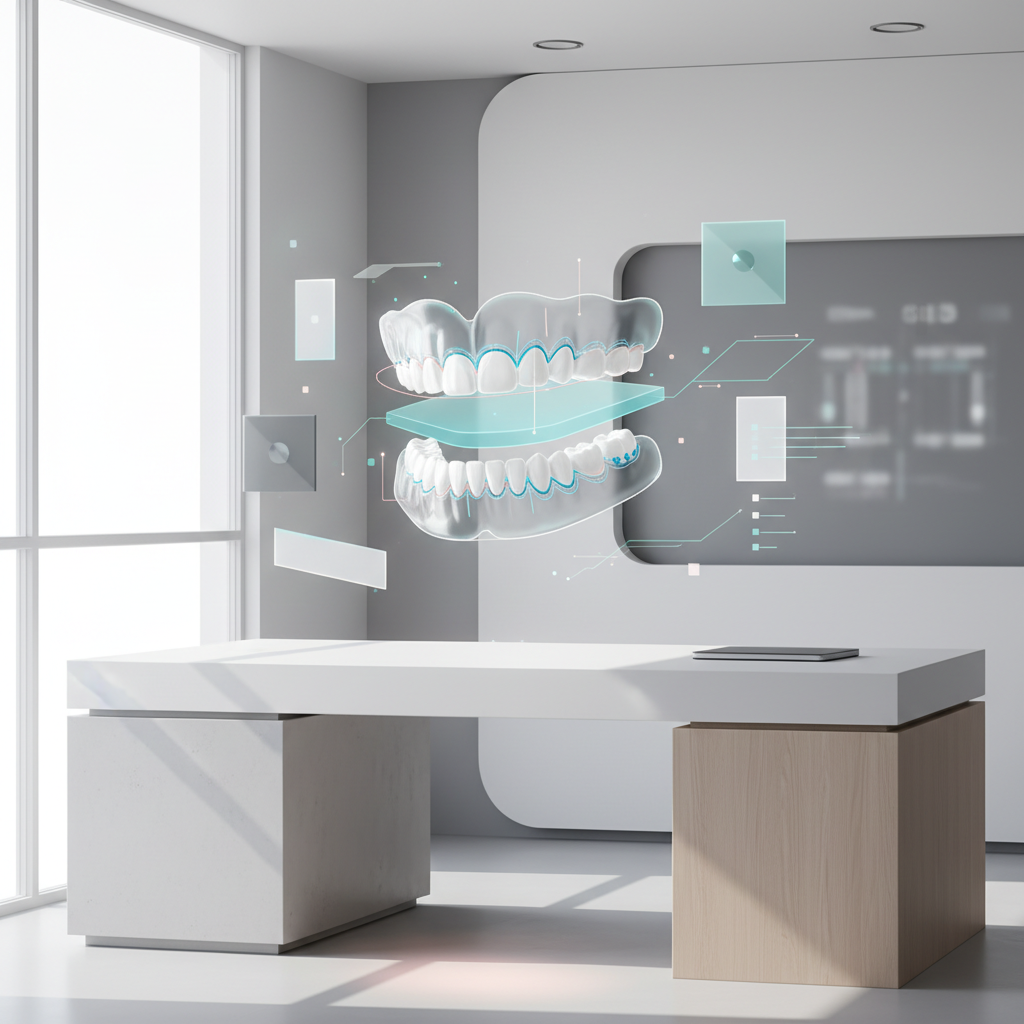
Restorative Workflows: Crown and bridge preparations benefit from precise margin capture and automated bite registration. Digital models eliminate distortion risks while enabling immediate design feedback and patient approval.
Invisalign Integration: Direct scan-to-treatment submission reduces Invisalign case initiation time from weeks to days. Patients appreciate immediate treatment visualisation through simulation software, driving higher case acceptance.
Implant Planning: Pre-surgical scanning combined with CBCT data enables precise implant positioning and surgical guide fabrication. Post-surgical scans facilitate accurate impression-free prosthetic workflows.
Prosthodontic Applications:
Prosthodontic Applications
Complete and partial denture fabrication benefits significantly from intraoral scanner precision. Digital impressions capture detailed tissue contours and functional movements, eliminating patient discomfort from traditional impression materials. This advanced process integrates seamlessly with CAD/CAM milling systems for same-day adjustments. Learn more about these innovations at aesthetics agency.
Implant-supported prosthetics achieve superior accuracy through digital scanning protocols. Multi-unit abutment positioning, screw access hole alignment, and tissue emergence profiles are captured with micron-level precision. This reduces chairside adjustment time by approximately 40% compared to conventional impression techniques.
Intraoral Scanner vs Traditional Impressions: Evidence-Based Comparison
Clinical studies demonstrate clear advantages for digital scanning across multiple parameters. Accuracy measurements show intraoral scanners achieve 15-20 micron precision, while traditional impressions range from 25-50 microns depending on material and technique. Patient comfort scores improve dramatically, with 89% preferring digital scans over alginate impressions. For a deeper dive into the clinical evidence, see this recent study on intraoral scanner accuracy.
| Criteria | Intraoral Scanner | Traditional Impressions |
|---|---|---|
| Accuracy Range | 15-20 microns | 25-50 microns |
| Capture Time | 2-4 minutes full arch | 8-12 minutes including setup |
| Remake Rate | Less than 1% | 4-7% average |
| Patient Gag Response | Minimal to none | 15-20% experience discomfort |
| Lab Turnaround | Same day possible | 5-10 business days |
Economic analysis reveals digital workflows reduce laboratory costs by 25-30% while improving case acceptance rates. Private treatment uptake increases when patients visualise their digital treatment plan immediately, particularly for Invisalign and implant cases.
How to Implement Intraoral Scanning: Step-by-Step Protocol
Successful implementation begins with proper patient preparation. Position patients upright at 45 degrees, ensure adequate lighting, and explain the scanning process to reduce anxiety. Pre-scan preparation includes gentle air drying of surfaces and retraction for optimal visibility.
Optimal scanning technique requires consistent wand movement at approximately 10-15mm distance from tooth surfaces. Begin with occlusal surfaces, progress to buccal/lingual aspects, then capture interproximal areas with overlapping passes. Maintain steady 2-3mm/second movement speed for complete data capture.
Training Investment: Most practices achieve proficiency within 2-3 weeks of daily use. Manufacturer training programs typically require 4-6 hours initial certification plus ongoing software updates.
Data management protocols ensure seamless laboratory communication. Export files in STL format for universal compatibility, maintain cloud backup systems, and establish secure transmission protocols. Integration with practice management software streamlines case tracking and billing procedures. For tips on optimising your online presence and attracting more patients, read SEO tips for dentists.
Troubleshooting Common Scanning Challenges
Scan stitching errors occur most frequently with inadequate overlap between scanning passes. Maintain 20-30% overlap between adjacent areas and reduce scanning speed when encountering difficult anatomical regions. Reflective surfaces require powder application or adjusted lighting angles for optimal capture.
Patient movement compensation involves strategic scanning sequences and real-time feedback monitoring. Pause scanning during patient adjustment periods, use bite blocks for stabilisation when necessary, and communicate throughout the procedure. Software algorithms can compensate for minor movements but prevention remains optimal.
Incomplete data capture typically results from moisture contamination or inadequate retraction. Implement systematic drying protocols, use appropriate retraction techniques, and verify complete coverage before finalising scans. Most systems provide real-time feedback indicating areas requiring additional passes.
Maintenance and Sterilisation for Long-term ROI
Scanner tip sterilisation follows standard autoclave protocols with manufacturer-specific guidelines. Most tips withstand 500+ sterilisation cycles before replacement. Handpiece cleaning requires alcohol-based disinfectants between patients, avoiding moisture penetration into electronic components.
Software maintenance includes regular updates for enhanced functionality and security patches. Manufacturer support contracts typically provide next-business-day replacement units and technical support. Annual calibration ensures continued accuracy within specification ranges.
Staff training protocols maintain proficiency across team members. Quarterly refresher sessions, new employee certification programs, and technique standardisation ensure consistent results. Documentation of scanning protocols supports quality assurance and troubleshooting procedures.
Intraoral Scanner Buying Guide for UK Practices
Investment analysis begins with case volume assessment and treatment mix evaluation. Practices performing 15+ crown/bridge cases monthly typically achieve ROI within 18-24 months. Invisalign-focused practices see faster returns due to improved case acceptance and reduced appointment requirements.
Key selection criteria include software compatibility with existing laboratory partners, wireless capability for enhanced mobility, and tip sterilisation methods. Open-architecture systems provide flexibility for multi-laboratory workflows, while closed systems may offer tighter integration with specific treatment platforms. For more on how dental SEO can help you reach more patients, see how dental SEO can lead to more patients.
Intraoral Scanner Buying Guide for UK Dental Practices
Selecting the right intraoral scanner requires evaluating your practice’s specific needs against technical capabilities and financial constraints. UK practices typically invest £15,000-£30,000 for new systems, with pre-owned options starting from £8,000.
ROI Calculation Framework
Calculate breakeven by dividing scanner cost by additional revenue per private case. Most practices achieve ROI within 12-18 months through increased case acceptance and reduced remake costs.
Essential Decision Criteria
Technical specifications: Prioritise accuracy under 20 microns, full-arch scan time under 3 minutes, and colour capture for enhanced patient communication. Wireless handpieces improve ergonomics but require regular charging protocols.
Software compatibility: Open-architecture systems supporting STL file export ensure laboratory flexibility. Closed systems may limit workflow options but often provide superior integration with specific treatment platforms like Invisalign.
Support infrastructure: Manufacturer training programmes, technical support response times, and local service availability significantly impact long-term success. Request demonstration of calibration procedures and software update processes.
Questions for Scanner Representatives
- What is the guaranteed accuracy specification with supporting validation data?
- Which UK laboratories currently accept files from this system?
- What training is included, and how long until staff competency?
- What are the ongoing software licensing and support costs?
- Can the system integrate with our existing practice management software?
Case Studies: Measuring Success & Patient Impact
Real-world implementation data from UK practices demonstrates measurable improvements across clinical efficiency, patient satisfaction, and revenue generation.
| Practice Type | Treatment Focus | Case Acceptance Increase | Remake Reduction | ROI Timeline |
|---|---|---|---|---|
| General Practice (Manchester) | Crown & Bridge | 35% | 85% | 14 months |
| Orthodontic Specialist (London) | Invisalign | 42% | 95% | 11 months |
| Implant Centre (Birmingham) | Full Arch Restoration | 28% | 78% | 16 months |
Patient Experience Metrics
Post-implementation surveys reveal 89% of patients prefer digital scanning over traditional impressions. Comfort ratings increased from 6.2/10 to 8.7/10, with 73% of patients more likely to proceed with treatment after viewing digital scans.
No-show rates decreased by an average of 23% across surveyed practices, attributed to improved patient understanding and engagement during the consultation process. For further reading on the clinical impact of intraoral scanners, see this systematic review on digital impressions.
Future Trends: Next-Generation Scanning Technology
Artificial intelligence integration represents the most significant advancement in dental scanning technology. Current development focuses on automated margin detection, real-time caries identification, and predictive treatment planning capabilities.
Emerging Technologies
AI-enhanced workflows: Machine learning algorithms now assist with automatic crown margin identification and bite registration, reducing scan time by up to 40%. Advanced systems provide real-time feedback on scan quality and completeness.
Chairside manufacturing: Direct integration with in-office milling units enables same-day restorations without laboratory involvement. This technology particularly benefits practices offering premium convenience services.
Multi-modal imaging: Integration between intraoral scanners and CBCT systems creates comprehensive 3D treatment planning environments, particularly valuable for implant and orthodontic cases.
Industry Projection
By 2028, industry analysts predict 90% of UK private dental cases will originate from digital impressions, driven by patient preference and clinical efficiency gains.
Leave a Reply