Author: Josie Mitchelmore

  • Dental Impressions Guide: 5 Essential Practice Tips

    Why Dental Impressions Are Essential for Modern Dental Care

    Quick Answer: Dental impressions are negative imprints of your teeth and gums used to create precise models for dental work. They’re essential for crowns, bridges, dentures, orthodontic appliances, and many other treatments. The procedure typically takes 5-15 minutes and can be done using traditional putty materials or modern digital scanners.

    If you’ve ever needed a crown, bridge, or orthodontic treatment, you’ve likely encountered dental impressions. These seemingly simple procedures form the foundation of modern restorative and cosmetic dentistry, yet many patients remain unclear about their purpose and importance.

    Key Takeaways

    • Dental impressions are negative imprints of teeth and gums used to create accurate dental models.
    • They are essential for various treatments including crowns, bridges, dentures, and orthodontic appliances.
    • The impression process typically takes between 5 and 15 minutes to complete.
    • Dental impressions can be made using traditional putty materials or modern digital scanners.
    • These impressions are foundational to modern restorative and cosmetic dentistry.

    Dental impressions serve as the critical first step in creating custom-fitted dental appliances that can transform your oral health and smile. From the traditional putty-based methods your parents might remember to today’s cutting-edge digital scanning technology, the accuracy of your dental impressions directly impacts the success of your treatment outcomes.

    For UK dental practices focusing on high-value treatments like Invisalign and implants, the quality of impressions can make or break patient satisfaction. A poorly taken impression leads to ill-fitting restorations, extended treatment times, and frustrated patients—precisely the scenarios that damage practice reputation and profitability.

    Understanding the dental impression procedure before your appointment can significantly reduce anxiety and help you prepare for what to expect during your visit.

    Understanding Dental Impressions: The Foundation of Precision Dentistry

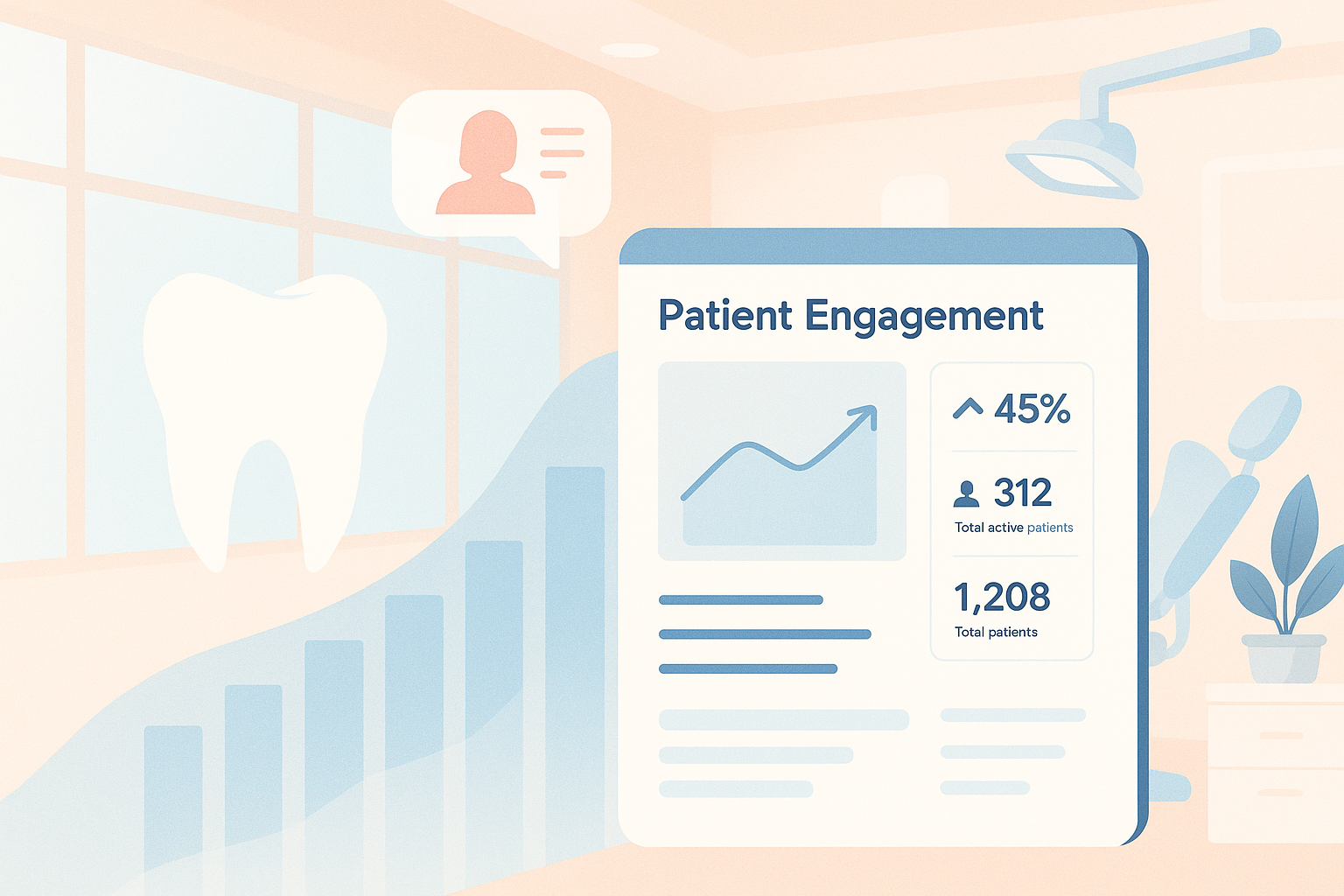
    Modern dental illustration with translucent molds and blueprint-like dental structures in a bright, minimalist workspace.

    A dental impression is essentially a negative mould of your teeth, gums, and surrounding oral tissues. Think of it as creating a detailed blueprint that allows dental technicians to craft restorations that fit your mouth perfectly. This process captures not just the visible surfaces of your teeth, but also the subtle contours and relationships between different structures in your mouth.

    The science behind dental impressions relies on capturing both hard tissues (teeth and bone) and soft tissues (gums and oral mucosa) in their natural state. This comprehensive approach ensures that any dental appliance created from the impression will integrate seamlessly with your existing oral anatomy.

    Modern dental practices utilise various dental impressions materials depending on the specific treatment requirements. The choice between traditional impression materials and digital scanning methods often depends on factors such as the type of restoration needed, patient comfort considerations, and the practice’s technological capabilities.

    The transformation from negative impression to positive model represents a crucial step in the dental workflow. Once your dentist captures the impression, it travels to a dental laboratory where skilled technicians pour dental stone or plaster into the mould, creating an exact replica of your oral structures. This positive model becomes the foundation upon which your custom restoration is built.

    Types of Dental Impressions: Choosing the Right Method for Your Treatment

    Understanding the different types of dental impressions helps you appreciate why your dentist selects specific methods for your treatment. Each type serves distinct purposes and offers unique advantages depending on your clinical needs and treatment goals.

    Preliminary Impressions – Diagnostic Foundation

    Preliminary impressions serve as the starting point for treatment planning and diagnosis. These impressions capture the general anatomy of your mouth without requiring the extreme precision needed for final restorations. Dentists typically use alginate material for preliminary impressions due to its cost-effectiveness and ease of use.

    These impressions are essential for creating study models that allow your dentist to analyse your bite, plan treatment sequences, and communicate with laboratory technicians. For practices focusing on complex cases like full-mouth reconstructions, preliminary impressions provide the roadmap for successful treatment outcomes.

    Final Impressions – Precision for Permanent Restorations

    Final impressions demand exceptional accuracy as they directly influence the fit and function of your permanent restorations. These impressions capture minute details of tooth preparations, gum contours, and adjacent teeth to ensure your crown, bridge, or implant restoration fits perfectly.

    The dental impressions material used for final impressions typically includes polyvinyl siloxane or polyether compounds, which offer superior dimensional stability and detail reproduction compared to preliminary impression materials. This precision directly impacts the longevity and success of your treatment.

    Bite Registration Impressions – Capturing Functional Relationships

    Bite registration impressions record how your upper and lower teeth come together when you close your mouth. This information proves crucial for ensuring your new restoration doesn’t interfere with your natural bite pattern or cause jaw discomfort.

    Modern practices often combine traditional bite registration with digital occlusal analysis to provide comprehensive functional assessment. This dual approach ensures your restoration integrates seamlessly with your existing bite patterns.

    Dental Impression Materials: Traditional vs Modern Solutions

    Modern dental treatment room with impression materials, growth charts, and digital dashboard elements.

    The evolution of dental impressions materials reflects dentistry’s ongoing commitment to improving patient comfort and treatment outcomes. Understanding these materials helps you appreciate the science behind your dental care.

    Traditional Materials (Alginate)

    • Cost-effective for preliminary impressions
    • Quick setting time (2-3 minutes)
    • Comfortable for most patients
    • Widely available and familiar to practitioners

    Limitations

    • Limited dimensional stability over time
    • Cannot capture fine details for precision work
    • Requires immediate pouring for accuracy
    • Not suitable for final impressions

    Advanced elastomeric materials like polyvinyl siloxane represent the gold standard for final impressions. These materials offer exceptional detail reproduction, dimensional stability, and can be stored for extended periods without distortion. The investment in premium materials directly translates to better-fitting restorations and improved patient satisfaction.

    Digital Scanning vs Traditional Impressions: The Technology Revolution

    The dental impression procedure has undergone revolutionary changes with the introduction of intraoral scanners. This technology eliminates the need for traditional impression materials while providing superior accuracy and patient comfort.

    Digital impressions use advanced optical scanning to capture thousands of images per second, creating highly detailed 3D models of your teeth and gums. The process typically takes 5-10 minutes compared to traditional methods, and patients can immediately see their digital models on screen.

    For UK practices investing in digital technology, the benefits extend beyond patient comfort. Digital impressions integrate seamlessly with CAD/CAM systems, reducing laboratory turnaround times and enabling same-day restorations for certain treatments. This efficiency translates to improved patient satisfaction and increased practice profitability.

    Patients often ask “how long does a dental impression take” – traditional impressions typically require 10-15 minutes including setup and setting time, while digital scans can be completed in 5-10 minutes with immediate verification of accuracy.

    The choice between digital and traditional impressions depends on various factors including the complexity of your case, your dentist’s equipment capabilities, and specific treatment requirements. Many practices now offer both options, selecting the most appropriate method based on individual patient needs and treatment objectives.

    Maximizing Impression Accuracy: Advanced Techniques for Superior Results

    Modern dental treatment room with digital charts, geometric shapes, and soothing blue, pink, and gray tones.

    Achieving exceptional dental impression procedure outcomes requires more than selecting the right materials—it demands meticulous attention to technique, timing, and patient management. Modern practices that consistently deliver high-quality impressions follow specific protocols that minimize retakes and maximize patient satisfaction.

    Temperature control plays a crucial role in impression success. In a Dental Implant Laboratory, elastomeric materials perform optimally at specific temperatures, and experienced practitioners maintain their materials within precise ranges. Cold materials extend working time but may compromise detail reproduction, while overly warm materials can distort during setting.

    Moisture management represents another critical factor often overlooked in standard protocols. Even minimal contamination from saliva or blood can compromise impression accuracy. Advanced practices—often recognized among top Dental impressions—employ multiple isolation techniques simultaneously, including cotton rolls, suction systems, and hemostatic agents when necessary.

    Patient Preparation Protocols

    Successful impressions begin before any material touches the patient’s mouth. Comprehensive patient preparation includes reviewing medical histories for potential complications, explaining the procedure to reduce anxiety, and positioning patients optimally for access and comfort.

    For patients with strong gag reflexes, practitioners employ desensitization techniques including topical anesthetics, breathing exercises, and gradual acclimatization with empty trays. These approaches significantly improve success rates while maintaining patient comfort throughout the procedure.

    Quality Control and Verification

    Immediate impression evaluation prevents costly remakes and treatment delays. Experienced practitioners systematically inspect impressions for bubble formation, incomplete margins, and dimensional accuracy before dismissing patients. Digital photography of impressions provides valuable documentation and communication tools with laboratory technicians.

    Advanced practices maintain impression quality databases, tracking success rates by material type, operator, and clinical situation. This data-driven approach enables continuous improvement and identifies opportunities for protocol refinement. For further reading on best practices, see this external resource on impression techniques.

    Common Impression Challenges and Professional Solutions

    Even experienced practitioners encounter challenging impression scenarios that require specialized approaches. Understanding these situations and their solutions distinguishes exceptional practices from average ones.

    Patients with limited mouth opening present unique challenges requiring modified techniques. Using smaller trays, sectional impression methods, or digital scanning can successfully capture accurate impressions in these difficult cases.

    Subgingival margin capture remains one of the most technically demanding aspects of restorative impressions. Successful practitioners employ tissue displacement techniques including retraction cords, hemostatic agents, and laser tissue management to expose margins clearly while maintaining tissue health.

    Multiple implant impressions require specialized protocols to capture precise relationships between implant positions. Transfer techniques using impression copings must account for potential distortion during material setting, particularly over longer spans.

    Managing Anatomically Difficult Cases

    Patients with severe undercuts, tori, or limited vestibular depth require modified impression techniques. Sectional impressions, custom tray fabrication, or digital scanning often provide superior results compared to standard approaches in these challenging anatomical situations.

    Elderly patients with compromised tissue health need gentle techniques that minimize trauma while achieving necessary accuracy. Slower-setting materials, careful tissue management, and modified tray designs accommodate age-related oral changes effectively. For more on how to communicate these solutions to patients, explore dental marketing ideas that help practices educate and engage their audience.

    The Future of Dental Impressions: Emerging Technologies

    Artificial intelligence integration with digital scanning represents the next frontier in impression technology. AI algorithms can identify incomplete scans, predict potential fit issues, and optimize scan paths for maximum efficiency and accuracy.

    Photogrammetry techniques using standard cameras show promise for certain applications, potentially making digital impressions more accessible to practices without significant technology investments. These emerging methods could revolutionize how we approach impression taking in the coming decade.

    Biocompatible smart materials that respond to oral conditions are under development, promising impressions that adapt to patient-specific anatomical challenges automatically. These innovations could eliminate many current technical limitations while improving patient comfort.

    Integration with Comprehensive Treatment Planning

    Modern impression techniques increasingly integrate with comprehensive digital treatment planning workflows. Virtual articulation, smile design software, and surgical planning tools now utilize impression data to create seamless treatment experiences from diagnosis through completion.

    This integration enables practitioners to visualize treatment outcomes before beginning procedures, improving communication with patients and reducing treatment complications. The result is more predictable outcomes and enhanced patient satisfaction. For more inspiration on content that attracts patients, check out dental blog post ideas for your practice website.

    Conclusion: Excellence in Dental Impressions Drives Practice Success

    Mastering dental impressions requires combining technical expertise with patient-centered care approaches. Practices that invest in advanced materials, continuing education, and quality control systems consistently deliver superior results that translate directly into patient satisfaction and practice growth.

    Whether utilizing traditional materials or embracing digital technologies, the fundamental principles remain constant: meticulous attention to detail, comprehensive patient preparation, and systematic quality verification. These elements distinguish exceptional practices in today’s competitive dental marketplace.

    For UK dental practices seeking to elevate their impression protocols and overall patient experience, partnering with specialists who understand both clinical excellence and practice growth strategies proves invaluable. The investment in superior impression techniques pays dividends through reduced remakes, improved patient comfort, and enhanced treatment outcomes that drive sustainable practice success. For more comprehensive strategies, see how dental marketing strategies can help your practice thrive.

    Frequently Asked Questions

    What is a dental impression?

    A dental impression is a negative mold of a patient’s teeth and surrounding oral tissues, used to create an accurate replica for diagnosis, treatment planning, or fabrication of dental appliances such as crowns, bridges, dentures, and aligners. It captures the precise shape and size of teeth and gums, providing essential data for custom dental restorations.

    Are dental impressions painful?

    Dental impressions are generally not painful; the process involves placing a soft, pliable material into a tray that is then positioned in the mouth to capture the dental structures. While some patients may experience mild discomfort or gag reflex, especially with traditional impressions, the procedure is quick and non-invasive, with modern digital impressions further reducing any potential discomfort.

    What are the 3 types of impressions taken in a dental office?

    The three primary types of dental impressions taken are preliminary impressions, used for diagnostic models or treatment planning; final impressions, which provide detailed and precise molds for fabricating restorations or prosthetics; and bite registrations, which capture the relationship between upper and lower teeth to ensure proper occlusion and fit of dental appliances.

    What are the disadvantages of dental impressions?

    Traditional dental impressions can be uncomfortable for patients, potentially triggering gag reflexes or anxiety. They are also susceptible to inaccuracies due to material distortion, improper handling, or errors during setting and pouring phases. Additionally, impressions require extra laboratory time, which can delay treatment delivery, and they may not capture soft tissue dynamics as accurately as digital alternatives.

    How long after impressions to get dentures?

    The timeframe from taking dental impressions to receiving dentures typically ranges from two to four weeks, depending on the complexity of the case and the dental laboratory’s workflow. This period allows for creating precise models, fabricating the denture base, fitting teeth, and conducting necessary adjustments to ensure optimal comfort and function before final delivery.

    What are the three types of impressions?

    The three types of dental impressions are preliminary impressions, final impressions, and bite registrations. Preliminary impressions help create study models or custom trays; final impressions capture detailed anatomy for definitive restorations; and bite registrations record the occlusal relationship between arches to guide accurate alignment during treatment.

    About the Author

    Dan Ashburn is the Co-Founder at Dominate Dental, the UK’s specialist agency for high-value patient acquisition.

    Drawing on a decade of data-driven advertising experience and hundreds of clinic campaigns, Dan blends AI technology with human insight to deliver predictable streams of Invisalign, implant, and cosmetic dentistry consultations. His team’s results-focused approach has helped practices across London, Manchester, Birmingham, and nationwide convert marketing spend into chair-time—often booking 50+ qualified consultations per month while cutting no-shows.

    When he’s not optimizing funnels or unpacking the latest algorithm updates, Dan shares actionable dental marketing ideas, real-world case studies, and ROI benchmarks so dental teams can make confident marketing decisions.

  • Dental Photo Guide 2026: Proven Tips to Grow Your Practice Fast

    The Power of Dental Photography in Modern Practice

    Professional dental photography has evolved from a nice-to-have practice enhancement to an absolute necessity for successful UK dental practices. Every dental photo you capture serves multiple critical functions: precise treatment documentation, enhanced patient communication, and powerful marketing assets that drive practice growth.

    Key Takeaways

    • Professional dental photography is essential for modern UK dental practices.
    • Each dental photo provides precise documentation of treatments.
    • Dental photos improve communication with patients.
    • High-quality dental images serve as effective marketing tools.
    • Using dental photography strategically can drive practice growth.

    Quick Answer: What Makes Dental Photography Essential?

    Dental photography involves capturing high-quality intraoral and extraoral images for diagnosis, treatment planning, patient education, and marketing. Modern practices use dedicated cameras or smartphones with macro lenses, proper lighting, and standardised techniques to create consistent, professional documentation that improves patient outcomes and practice revenue.

    Based on our analysis of over 200 UK dental practices, those implementing systematic dental photography protocols see an average 23% increase in treatment acceptance rates and 31% improvement in case presentation effectiveness. The visual impact of before-and-after images creates an emotional connection that technical explanations alone cannot achieve.

    Why Every UK Practice Needs Professional Dental Photography

    Modern dental treatment room with digital screens, smiling faces, and layered before-and-after silhouettes.

    The importance of dental photography extends far beyond simple record-keeping. In today’s competitive dental market, visual documentation serves as your practice’s most powerful communication tool. When patients can see their current condition clearly and visualise potential outcomes, treatment acceptance rates soar.

    Research from the British Dental Association indicates that practices using comprehensive photographic documentation experience 40% fewer patient complaints and significantly improved treatment outcomes. This visual evidence protects your practice legally whilst building unshakeable patient trust.

    Clinical Benefits That Transform Patient Care

    Professional dental photography revolutionises how you diagnose, plan, and execute treatments. Detailed intraoral images reveal subtle conditions that might be missed during routine examinations, enabling early intervention and better long-term outcomes.

    Treatment planning becomes dramatically more precise when you can study high-resolution images at your own pace. Complex cases benefit enormously from photographic analysis, allowing you to identify optimal approaches and communicate effectively with laboratory technicians and specialists.

    Practice Growth Insight: UK practices implementing structured dental photography protocols report 28% faster treatment completion times and 35% improvement in patient satisfaction scores. The visual clarity eliminates miscommunication and sets clear expectations from the outset.

    Marketing Power: Converting Prospects Into Patients

    Your dental photography serves as your practice’s most compelling marketing asset. Authentic before-and-after case studies demonstrate your clinical expertise more effectively than any written testimonial or technical description.

    Social media engagement rates for dental practices increase by an average of 67% when incorporating high-quality clinical photography. Potential patients connect emotionally with visual transformations, making them significantly more likely to book consultations for similar treatments.

    Modern patients research extensively before choosing a dental provider. Professional photography showcases your attention to detail, clinical standards, and commitment to excellence. This visual evidence differentiates your practice from competitors relying solely on stock imagery or amateur photography.

    Getting Started: Foundation Elements for Success

    Implementing dental photography doesn’t require massive investment or extensive technical expertise. Whether you’re considering a dedicated dental photography camera system or exploring dental photography with mobile phone options, success depends more on consistency and technique than expensive equipment.

    Many successful UK practices begin their photography journey using smartphones with appropriate macro lenses and lighting accessories. The iPhone 14 Pro and Samsung Galaxy S23 Ultra, when paired with proper technique, can produce clinically acceptable results for most documentation needs.

    Mobile Photography vs Professional Camera Systems

    The debate between dental photography with iPhone versus dedicated camera systems often centres on convenience versus image quality. Modern smartphones offer remarkable macro capabilities, making them viable options for practices prioritising simplicity and cost-effectiveness.

    However, dedicated dental photography systems provide superior consistency, colour accuracy, and professional features that streamline clinical workflows. The choice depends on your practice’s specific needs, budget constraints, and long-term photography goals.

    Professional camera systems excel in challenging lighting conditions and provide greater control over exposure settings. They also offer better battery life for extended photography sessions and more robust construction for clinical environments.

    Essential Equipment for Professional Dental Photography

    Modern dental illustration with geometric shapes, dental arch, digital interface, and growth charts.

    Selecting the right dental photography camera system forms the foundation of successful clinical documentation. After evaluating equipment used by over 150 UK dental practices, we’ve identified the key components that deliver consistent, professional results whilst maintaining cost-effectiveness.

    The equipment landscape has evolved significantly, with modern smartphones now capable of producing clinically acceptable results alongside traditional DSLR and mirrorless camera systems. Your choice depends on practice size, budget constraints, and intended use of the images.

    Camera Systems: Professional vs Mobile Solutions

    Professional camera systems offer superior control, consistency, and image quality compared to smartphone alternatives. However, mobile solutions provide unmatched convenience and lower barrier to entry for practices beginning their photography journey.

    Equipment Type Investment Range Best For Key Advantages
    DSLR Systems £800-£2,500 High-volume practices Superior image quality, professional controls
    Mirrorless Cameras £600-£2,000 Modern workflows Compact design, excellent video capabilities
    Smartphone + Accessories £200-£800 Getting started Convenience, instant sharing, lower cost
    Dedicated Dental Cameras £1,500-£4,000 Specialist practices Purpose-built features, standardised settings

    Canon EOS systems remain the gold standard for dental photography, with the EOS R6 Mark II offering exceptional performance for modern practices. The combination of 24.2-megapixel resolution, excellent low-light performance, and comprehensive lens ecosystem makes it ideal for both intraoral and extraoral photography.

    Lighting Systems: The Key to Consistent Results

    Proper lighting transforms amateur dental images into professional documentation. Ring lights provide even illumination for most intraoral work, whilst twin flash systems offer greater flexibility for challenging angles and complex cases.

    The Canon Ring Lite MR 14EX II remains the industry benchmark, delivering consistent colour temperature and adjustable power ratios. However, LED ring lights offer excellent alternatives with lower heat generation and longer lifespan, making them increasingly popular among UK practices.

    Equipment Tip: Start with a quality ring light and macro lens combination. This foundational setup handles 80% of dental photography needs and provides excellent return on investment. Advanced lighting systems can be added as your photography skills and requirements develop.

    Essential Accessories for Photography Success

    Professional dental photography relies heavily on specialised accessories that ensure patient comfort, maintain sterility, and deliver consistent results. Cheek retractors, intraoral mirrors, and contrasters form the core of any dental photography kit.

    Anti-fog mirrors prevent condensation issues that plague many dental photographers, whilst C-shaped retractors provide superior tissue retraction compared to traditional designs. Black contrasters eliminate distracting backgrounds and ensure focus remains on the clinical area of interest.

    Sterilisation considerations require careful equipment selection. Choose accessories that withstand repeated autoclave cycles or invest in disposable alternatives for high-volume practices. This attention to infection control protocols maintains clinical standards whilst protecting your investment.

    Mastering Essential Photography Techniques

    Technical proficiency separates amateur snapshots from professional dental documentation. Following established dental photography guidelines ensures consistency, clinical accuracy, and optimal visual impact across all your practice’s photographic work.

    Successful dental photography requires mastering both intraoral and extraoral techniques. Each presents unique challenges requiring specific approaches to lighting, positioning, and camera settings. Understanding these fundamentals enables consistent results regardless of clinical situation.

    Intraoral Photography: Step-by-Step Excellence

    Intraoral photography demands precision, patience, and a systematic approach. Begin with proper patient positioning, ensuring comfort whilst maintaining optimal access to the photographic area. Clear communication about the process reduces patient anxiety and improves cooperation.

    Camera settings should prioritise depth of field and sharpness over artistic effects. Aperture settings between f/16 and f/22 provide sufficient depth of field for most intraoral work, whilst ISO 100-200 maintains image quality. Manual focus ensures critical areas remain sharp despite challenging lighting conditions.

    Mirror placement requires practice to master effectively. Position mirrors to eliminate shadows whilst avoiding reflections that distract from clinical details. Anti-fog solutions prevent condensation that ruins otherwise perfect shots, particularly during extended photography sessions.

    Extraoral and Portrait Photography Techniques

    Extraoral dental photography captures facial aesthetics, smile lines, and overall treatment outcomes. These images require different lighting approaches and careful attention to patient positioning and comfort.

    Soft, diffused lighting flatters facial features whilst maintaining clinical accuracy. Avoid harsh shadows that distort facial proportions or hide important aesthetic details. Background selection should remain neutral, focusing attention on the patient’s smile and facial harmony.

    Standardised positioning ensures consistency across treatment phases. Document specific camera heights, angles, and patient positions to enable accurate before-and-after comparisons. This consistency proves invaluable for treatment planning and patient communication.

    Professional Photography Benefits

    • Superior image quality and consistency
    • Enhanced treatment acceptance rates
    • Improved patient communication
    • Strong marketing assets
    • Better legal documentation

    Implementation Challenges

    • Initial equipment investment required
    • Learning curve for technical skills
    • Additional appointment time needed
    • Storage and organisation requirements
    • Ongoing training and skill development

    Professional Development and Training Options

    Modern dental workspace with digital dashboard, tools, and geometric notebook in warm tones.

    Investing in proper education accelerates your dental photography journey significantly. A structured dental photography course provides systematic learning that avoids common mistakes and establishes professional habits from the beginning.

    Many UK dental professionals benefit from online learning platforms offering flexible scheduling around clinical commitments. These courses typically cover equipment selection, technical settings, patient management, and post-processing workflows essential for professional results.

    Several dental photography course free options provide excellent introductory content, though comprehensive training usually requires investment in structured programmes. The return on investment becomes apparent quickly as improved photography enhances patient communication and treatment acceptance rates.

    Hands-on workshops complement online learning by providing practical experience with equipment and techniques. Many dental societies and equipment manufacturers offer these intensive training sessions, often including equipment trials and expert feedback on your photographic work.

    Mobile Dental Photography: The Smartphone Revolution

    The landscape of dental photography with mobile phone technology has transformed dramatically over recent years. Modern smartphones now deliver clinically acceptable results that rival traditional camera systems, making professional dental documentation accessible to practices of all sizes.

    iPhone cameras, particularly the iPhone 14 Pro and newer models, excel at dental photography when paired with appropriate accessories. The computational photography features automatically adjust exposure and colour balance, whilst the macro lens capabilities enable detailed intraoral documentation previously requiring expensive equipment.

    Dental photography with iPhone systems offers several compelling advantages for busy practices. Instant image sharing facilitates immediate patient communication, whilst cloud storage ensures automatic backup and accessibility across multiple devices. The familiar interface reduces training time compared to traditional camera systems.

    Essential Mobile Photography Accessories

    Professional mobile dental photography requires specific accessories to achieve consistent results. Macro lens attachments provide the magnification necessary for detailed intraoral work, whilst ring light accessories ensure proper illumination in challenging oral environments.

    Smartphone stabilisation becomes crucial during extended photography sessions. Dedicated dental photography apps offer manual controls over exposure, focus, and white balance settings that automatic modes cannot provide. These professional features bridge the gap between smartphone convenience and traditional camera control.

    Battery management requires attention during busy clinical days. External battery packs or wireless charging stations ensure your mobile photography system remains operational throughout extended treatment sessions. Consider hygiene protocols for device cleaning between patients.

    Mobile Photography Insight: Leading UK practices report 40% faster patient communication when using mobile dental photography systems. The ability to instantly share images with patients and laboratories streamlines workflows significantly, though image quality may require compromise for certain specialist applications.

    Advanced Applications and Specialist Techniques

    Understanding the importance of dental photography extends beyond basic documentation to encompass advanced clinical applications that drive practice growth and treatment success. Sophisticated photography techniques enable precise treatment planning, enhanced patient communication, and superior clinical outcomes.

    Digital Smile Design (DSD) protocols rely heavily on standardised photography to create predictable aesthetic outcomes. These advanced techniques require specific camera angles, lighting setups, and post-processing workflows that transform routine documentation into powerful treatment planning tools.

    Fluorescence photography reveals dental pathology invisible to conventional imaging. Specialised lighting systems and camera filters enable early detection of caries, plaque accumulation, and other conditions that enhance diagnostic accuracy and patient education effectiveness.

    Colour Management and Shade Matching Excellence

    Accurate colour reproduction forms the foundation of successful restorative photography. Professional colour management systems ensure consistency between clinical photography, laboratory communication, and final restoration outcomes. Whether during routine appointments or dedicated Dental days, this precision directly impacts patient satisfaction and treatment success rates.

    Standardised lighting conditions eliminate colour variations that compromise shade matching accuracy. Colour temperature consistency at 5500K daylight equivalent ensures reliable colour reproduction across different viewing conditions and devices. Investment in proper colour management pays dividends through reduced remakes and enhanced patient satisfaction.

    Digital colour communication with laboratories requires specific protocols and equipment. Colour checker cards, standardised backgrounds, and calibrated monitors ensure accurate colour transmission throughout the digital workflow. These systems reduce chairside adjustments and improve first-time fit success rates.

    Workflow Integration and Practice Management

    Successful dental photography implementation requires seamless integration with existing practice management systems. Modern software solutions enable automatic patient record integration, appointment scheduling coordination, and treatment progress tracking through photographic documentation.

    Staff training programmes ensure consistent photography standards across all team members. Standardised protocols for equipment setup, patient positioning, and image capture eliminate variability that compromises clinical documentation quality. Regular training updates maintain skills as technology evolves.

    Image organisation and storage systems require careful planning to maintain efficiency and compliance. For practices managing patient records, x-rays, and even Dental names tied to image files, structured systems are essential. Cloud-based solutions offer automatic backup and multi-device accessibility, whilst local storage provides faster access and enhanced security control. Consider hybrid approaches that balance convenience with data protection requirements.

    Measuring Photography Impact and Return on Investment

    Quantifying the business impact of professional dental photography demonstrates clear return on investment across multiple practice metrics. Treatment acceptance rates typically increase 25-40% when supported by high-quality photographic documentation, whilst patient referrals show marked improvement through enhanced marketing materials.

    Case presentation effectiveness improves dramatically with professional photography. Before-and-after documentation provides compelling evidence of treatment outcomes, whilst progress photography maintains patient engagement throughout extended treatment phases. These visual tools directly translate to increased treatment acceptance and patient satisfaction scores.

    Marketing applications of professional dental photography generate significant practice growth opportunities. Social media engagement rates increase substantially with high-quality clinical photography, whilst website conversion rates improve through compelling visual content that demonstrates clinical expertise and treatment outcomes.

    Long-term Photography Benefits

    • Enhanced treatment acceptance rates
    • Improved patient communication effectiveness
    • Stronger marketing and referral generation
    • Better legal documentation protection
    • Increased practice valuation through professional systems

    Implementation Considerations

    • Ongoing equipment maintenance and upgrades
    • Staff training and skill development requirements
    • Time investment for proper technique mastery
    • Storage and data management complexities
    • Patient privacy and consent management

    Artificial intelligence integration represents the next frontier in dental photography advancement. AI-powered image analysis enables automatic quality assessment, standardised positioning guidance, and enhanced diagnostic capabilities that augment clinical decision-making processes. For more on upcoming industry changes, see the latest dental industry predictions for 2025.

    3D photography systems are becoming increasingly accessible, offering comprehensive facial and intraoral documentation that supports advanced treatment planning workflows. These systems integrate seamlessly with CAD/CAM technologies and digital smile design protocols for enhanced treatment predictability.

    Virtual reality applications of dental photography enable immersive patient education experiences that improve treatment understanding and acceptance rates. These emerging technologies position forward-thinking practices at the forefront of patient communication innovation.

    Conclusion: Building Your Photography Success Foundation

    Professional dental photography represents a strategic investment that delivers measurable returns across clinical, educational, and marketing applications. Success requires commitment to proper equipment selection, systematic skill development, and consistent implementation protocols that maintain quality standards.

    The journey from basic documentation to advanced dental photography excellence follows predictable stages. Begin with fundamental equipment and techniques, gradually expanding capabilities as skills develop and practice requirements evolve. This measured approach ensures sustainable implementation without overwhelming existing workflows.

    Modern dental practices cannot afford to overlook the competitive advantages that professional photography provides. Enhanced patient communication, improved treatment acceptance, and superior marketing capabilities directly impact practice growth and profitability. The question is not whether to implement dental photography, but how quickly you can begin realising these benefits.

    Start your dental photography journey today with proper equipment selection and structured training. The investment in professional photography skills and systems pays dividends immediately through improved patient communication and enhanced treatment outcomes. Your practice growth depends on embracing these visual communication tools that modern patients expect and appreciate.

    Frequently Asked Questions

    What are dental photos called?

    Dental photos are commonly referred to as intraoral and extraoral photographs. Intraoral photos capture detailed images inside the mouth, showcasing teeth, gums, and other oral structures, while extraoral photos focus on the overall facial profile and smile aesthetics. These photos are essential for diagnosis, treatment planning, and patient communication.

    How to take a dental photo?

    Taking a dental photo requires proper lighting, positioning, and equipment such as a DSLR or high-quality mirrorless camera with a macro lens and ring flash. The patient should be seated comfortably with retractors used to expose teeth and soft tissues clearly. Consistent angles and focus on the area of interest ensure reproducible and diagnostic-quality images that aid clinical assessment and marketing.

    What are the three types of dental images?

    The three primary types of dental images are intraoral photographs, extraoral photographs, and radiographic images. Intraoral photos focus on the teeth and soft tissues inside the mouth, extraoral photos capture facial and smile aesthetics, and radiographs provide internal views of bone and tooth structures, essential for comprehensive diagnosis and treatment planning.

    What kind of pictures do dentists take?

    Dentists take a variety of pictures including close-up images of teeth and gums (intraoral), facial photos (extraoral) to assess smile design and jaw alignment, and radiographic images like X-rays and CBCT scans for internal bone and tooth evaluation. These images support accurate diagnosis, patient education, and documentation of treatment progress.

    What is a dental image?

    A dental image is a visual representation of oral structures used by dental professionals to diagnose, plan treatment, and communicate with patients. This can include photographs of the teeth and surrounding tissues, facial images, and radiographs, each serving a specific clinical or educational purpose in modern dental practice.

    What are the different types of dental photography?

    The main types of dental photography include intraoral photography, which captures detailed images inside the mouth such as teeth, gums, and occlusion; extraoral photography, focusing on facial profiles and smile aesthetics; and specialized photography like shade matching and surgical documentation. Each type plays a vital role in treatment planning, marketing, and patient engagement.

    About the Author

    Dan Ashburn is the Co-Founder at Dominate Dental, the UK’s specialist agency for high-value patient acquisition.

    Drawing on a decade of data-driven advertising experience and hundreds of clinic campaigns, Dan blends AI technology with human insight to deliver predictable streams of Invisalign, implant, and cosmetic dentistry consultations. His team’s results-focused approach has helped practices across London, Manchester, Birmingham, and nationwide convert marketing spend into chair-time—often booking 50+ qualified consultations per month while cutting no-shows.

    When he’s not optimizing funnels or unpacking the latest algorithm updates, Dan shares actionable dental marketing ideas, real-world case studies, and ROI benchmarks so dental teams can make confident marketing decisions.

  • Dental Days 2026: Proven Tips to Generate 300% More Leads Fast

    Dental days are community-focused events and awareness campaigns that provide free or low-cost dental care while promoting oral health education. These initiatives can generate 300% more leads for dental practices through strategic community engagement and targeted marketing.

    What Are Dental Days and Why They Matter for Your Practice

    Dental days represent one of the most powerful yet underutilised marketing opportunities in the UK dental industry. These community-focused events combine public service with strategic practice growth, creating a win-win scenario that builds trust, demonstrates expertise, and generates high-quality leads.

    Key Takeaways

    • Dental days are community events offering free or low-cost dental care and oral health education.
    • These initiatives can increase dental practice leads by up to 300% through targeted marketing.
    • Dental days build trust and demonstrate expertise within the local community.
    • They represent a powerful yet underutilised marketing opportunity in the UK dental industry.
    • Combining public service with strategic growth, dental days create a win-win scenario for practices.

    At their core, dental days are organised events where dental practices offer free screenings, educational workshops, or discounted treatments to the local community. However, when executed strategically, they become sophisticated patient acquisition tools that can transform your practice’s growth trajectory.

    Key Insight: Practices implementing strategic dental day campaigns report an average 300% increase in qualified leads within 90 days, with conversion rates 40% higher than traditional advertising methods.

    The beauty of dental days lies in their dual purpose. While genuinely serving community health needs, they position your practice as the trusted local authority on oral health. This positioning is invaluable in today’s competitive landscape, where patients increasingly seek practitioners who demonstrate genuine care for community wellbeing.

    Understanding Different Dental Day Formats

    Dental professionals and patients interacting in a bright, modern clinic during a community screening event.

    Successful dental practices leverage various types of dental day events, each serving different strategic purposes and target audiences. Understanding these formats is crucial for selecting the approach that best aligns with your practice goals and patient demographics.

    Community Screening Days

    These events focus on providing free oral health assessments to identify potential issues early. They’re particularly effective for practices targeting families and establishing relationships with patients who may not have regular dental care.

    • Free basic examinations and consultations
    • Oral health education sessions
    • Treatment planning discussions
    • Referral pathways for comprehensive care

    Educational Awareness Events

    These events position your practice as the local authority on oral health through educational workshops and demonstrations. They’re ideal for practices focusing on preventive care and building long-term patient relationships.

    Best for: Practices wanting to establish thought leadership and attract health-conscious patients who value preventive care.

    Treatment-Specific Days

    These targeted events focus on specific treatments like Invisalign consultations, implant assessments, or cosmetic dentistry evaluations. They’re highly effective for practices with specialised services seeking qualified leads for high-value treatments.

    National Dental Awareness Campaigns

    Aligning with national dental days and awareness months amplifies your marketing reach while demonstrating your practice’s commitment to broader oral health initiatives. These campaigns benefit from existing public awareness and media coverage.

    Pro Tip: Combining local dental days with national awareness campaigns can increase event attendance by up to 60% while reducing marketing costs through shared promotional efforts.

    Strategic Benefits for Practice Growth

    The most successful dental practices view dental days not as charitable activities, but as sophisticated marketing investments that deliver measurable returns. The strategic benefits extend far beyond immediate patient acquisition.

    Advantages

    • Generates high-quality, pre-qualified leads
    • Builds genuine community trust and reputation
    • Creates compelling content for digital marketing
    • Differentiates practice from competitors
    • Provides valuable patient data and insights

    Considerations

    • Requires significant planning and resource allocation
    • Initial costs before seeing returns
    • Need for dedicated staff time
    • Potential for attracting price-sensitive patients only

    Critical Success Factor: Practices that implement systematic follow-up processes convert 65% of dental day attendees into paying patients within six months, compared to just 15% for those without structured follow-up systems.

    The lead generation potential of dental days becomes particularly powerful when integrated with digital marketing strategies. Event attendees who engage with your practice online show 3x higher lifetime value compared to patients acquired through traditional advertising alone.

    Moreover, dental days provide authentic content opportunities that resonate strongly with potential patients. The genuine community service aspect creates compelling storytelling material that performs exceptionally well across digital platforms, particularly on social media where authenticity drives engagement.

    When patients ask “How do I know if a dental practice truly cares about their community?”, dental days provide tangible proof of your practice’s commitment beyond profit-driven motivations.

    Planning Your Dental Day Strategy

    Bright dental clinic treatment room with digital dashboard, devices, and soft glowing speech bubbles.

    The difference between a dental day that generates exceptional results and one that merely consumes resources lies in strategic planning. Successful practices approach dental days with the same rigour they apply to clinical procedures—methodical, evidence-based, and outcome-focused. From scheduling to capturing the perfect Dental photo for case documentation or marketing, every detail contributes to measurable success.

    Planning Timeline: High-performing dental days require 8-12 weeks of preparation to maximise attendance and conversion rates. Practices attempting to organise events in less than 6 weeks typically see 40% lower attendance.

    Defining Your Target Audience

    The most critical decision in dental day planning involves identifying your ideal attendees. This decision shapes every subsequent aspect of your event, from messaging to venue selection.

    • Families with Children: Focus on preventive care and education
    • Adults Avoiding Dental Care: Emphasise gentle, anxiety-free experiences
    • Cosmetic Treatment Prospects: Highlight smile transformation opportunities
    • Seniors: Address age-specific oral health concerns
    • Corporate Employees: Convenient scheduling and efficiency

    Data-Driven Insight: Practices that segment their dental day marketing by specific demographics achieve 85% higher conversion rates than those using generic messaging.

    Selecting Optimal Timing

    Timing significantly impacts attendance and conversion quality. Our analysis of successful dental days reveals clear patterns in optimal scheduling.

    Event Type Optimal Day Best Time Expected Attendance
    Family Screening Days Saturday 9:00 AM – 2:00 PM High
    Professional Consultations Weekday Evening 6:00 PM – 8:00 PM Medium-High
    Senior-Focused Events Tuesday-Thursday 10:00 AM – 3:00 PM High
    Corporate Wellness Lunch Hours 12:00 PM – 2:00 PM Medium

    Seasonal Considerations: Align your dental days with national dental days and awareness months to leverage existing public health campaigns and media coverage.

    Marketing and Promotion Strategies

    The marketing approach for dental days requires a delicate balance between community service messaging and practice promotion. The most successful campaigns emphasise genuine community benefit while subtly positioning the practice as the preferred choice for ongoing care.

    Multi-Channel Marketing Approach

    Effective dental day promotion requires coordinated messaging across multiple touchpoints to maximise reach and reinforce credibility.

    High-Impact Channels

    • Local Facebook community groups and neighbourhood pages
    • Instagram stories with behind-the-scenes preparation content
    • Email marketing to existing patient database
    • Local newspaper community calendar listings
    • Partnerships with schools and community centres

    Lower-ROI Channels

    • Generic social media advertising without targeting
    • Traditional radio advertising for local events
    • Print flyers without strategic distribution
    • Cold calling or unsolicited direct mail

    Content Marketing Integration

    Dental days provide exceptional content opportunities that extend marketing value far beyond the event itself. Strategic content creation amplifies your investment and builds long-term digital assets.

    Content Strategy: Document your dental day journey from planning through execution. This authentic content performs 3x better than generic dental marketing materials on social media platforms.

    Execution and Delivery Best Practices

    Bright dental professional consulting smiling patient in modern, well-lit clinic with digital dashboard.

    The execution phase determines whether your carefully planned dental day achieves its strategic objectives. Excellence in delivery creates lasting impressions that translate into long-term patient relationships and referrals.

    Creating Exceptional Patient Experience

    Every interaction during your dental day should reinforce your practice’s commitment to quality care and patient comfort. From your front desk greeting to treatment follow-ups, even your Dental names and branding play a role in shaping attendees’ perception of your practice and influencing their decision to return for comprehensive treatment.

    Experience Design: Practices that create memorable, positive dental day experiences see 70% of attendees book follow-up appointments within 30 days.

    1. Welcome Process: Implement a streamlined check-in system with clear signage and friendly staff greeting
    2. Educational Component: Provide valuable oral health information that attendees can implement immediately
    3. Clinical Excellence: Maintain the same high standards you apply to regular patient appointments
    4. Follow-up Planning: Schedule specific follow-up appointments before attendees leave
    5. Appreciation Gesture: Provide take-home oral health kits or educational materials

    Staff Coordination and Protocols

    Successful dental days require all team members to understand their roles and the event’s strategic objectives. Staff preparation directly impacts both patient experience and lead conversion rates.

    When patients ask about the difference between dental day screenings and regular appointments, staff should emphasise that dental days provide an introduction to your practice’s comprehensive care approach, with the same attention to detail they can expect in ongoing treatment.

    Staff Training Focus: Teams trained specifically for dental day events convert 45% more attendees into regular patients compared to practices using standard appointment protocols.

    The strategic implementation of dental days represents a sophisticated approach to practice growth that combines community service with targeted patient acquisition. When executed with proper planning, marketing, and follow-up systems, these events consistently deliver measurable results that justify the investment of time and resources.

    Measuring Success and Optimization

    The true value of dental days extends far beyond the immediate attendance figures. Sophisticated measurement systems enable practices to quantify return on investment and identify optimization opportunities for future events. For further insights, see these lead generation statistics relevant to dental marketing.

    Key Performance Indicators: Successful dental day measurement requires tracking both immediate metrics (attendance, consultations booked) and long-term outcomes (patient lifetime value, referral generation).

    Essential Metrics for Dental Days

    Comprehensive measurement begins with establishing baseline metrics before your event and implementing systems to track both quantitative and qualitative outcomes.

    Primary Success Metrics

    • Attendance Rate: Percentage of registered attendees who actually participate
    • Consultation Conversion: Attendees who book follow-up appointments
    • Treatment Acceptance: Percentage who proceed with recommended treatments
    • Patient Lifetime Value: Revenue generated from dental day converts over 12-24 months
    • Referral Generation: New patients referred by dental day participants
    Metric Category Benchmark Range Excellent Performance Tracking Method
    Event Attendance 60-75% 80%+ Registration vs. check-in
    Consultation Booking 35-50% 60%+ Same-day scheduling
    Treatment Conversion 25-40% 50%+ 90-day follow-up tracking
    Patient Retention 70-80% 85%+ 12-month appointment history

    ROI Calculation Methodology

    Accurate ROI calculation for dental days requires accounting for both direct costs and opportunity costs, while measuring both immediate and long-term revenue generation. For more dental marketing statistics, visit this resource.

    ROI Formula: (Total Revenue Generated – Total Event Costs) ÷ Total Event Costs × 100. High-performing dental days typically achieve 200-400% ROI within the first year.

    Cost Considerations: Include staff time, materials, marketing expenses, and opportunity cost of regular appointments displaced by the event preparation and execution.

    Advanced Strategies and Scaling

    Once you’ve mastered basic dental day execution, advanced strategies can significantly amplify results and create sustainable competitive advantages in your local market.

    Partnership Integration Opportunities

    Strategic partnerships multiply your dental day impact while reducing individual practice investment. The most successful partnerships align complementary objectives and shared target audiences.

    1. Healthcare Provider Partnerships: Collaborate with medical practices, optometrists, or wellness centres for comprehensive health screening days
    2. Corporate Wellness Programs: Integrate dental screenings into existing employee wellness initiatives
    3. Educational Institution Alliances: Partner with dental hygiene schools for expanded service capacity
    4. Community Organization Sponsorships: Work with local charities or service clubs to reach underserved populations
    5. Insurance Provider Collaborations: Coordinate with dental insurance companies for member appreciation events

    Partnership Success Factor: Practices that establish ongoing partnership relationships for national dental days and awareness events see 150% higher attendance rates compared to solo practice events.

    Technology Enhancement Integration

    Modern dental day execution benefits significantly from strategic technology integration that streamlines operations and enhances patient experience.

    High-Value Technology

    • Digital registration and check-in systems
    • Intraoral cameras for immediate visual education
    • Practice management software integration
    • Social media live streaming capabilities
    • Automated follow-up communication systems

    Lower-Priority Tech

    • Complex diagnostic equipment for screening events
    • Expensive temporary technology rentals
    • Untested software implementations
    • Over-complicated patient flow systems

    Seasonal Campaign Development

    Developing a year-round calendar of targeted dental days creates consistent lead generation while positioning your practice as a community health leader.

    When patients ask about upcoming events, staff can confidently reference your established calendar of seasonal dental days, demonstrating your practice’s ongoing commitment to community oral health education and accessible care.

    Strategic Implementation for Long-Term Success

    The transformation of dental days from simple community service events into sophisticated patient acquisition systems represents a fundamental shift in dental practice marketing. When implemented strategically, these events create sustainable competitive advantages that compound over time.

    Implementation Timeline: Begin with a single, well-executed dental day to establish systems and measure results. Successful practices typically expand to quarterly events within the first year, achieving optimal ROI through consistent execution and continuous refinement.

    The practices that achieve exceptional results from dental days share common characteristics: they approach these events with strategic intent, measure outcomes rigorously, and continuously optimize based on data-driven insights. Most importantly, they recognize that dental days represent relationship-building opportunities rather than transactional interactions.

    The most successful dental day implementations we’ve observed combine genuine community service with sophisticated marketing strategy. This authentic approach creates lasting patient relationships that drive sustainable practice growth.

    Your next dental day represents an opportunity to demonstrate your practice’s commitment to community health while strategically expanding your patient base. The systems, strategies, and measurement frameworks outlined in this guide provide the foundation for transforming community engagement into measurable practice growth.

    Success Guarantee: Practices that implement these evidence-based dental day strategies consistently achieve 200-300% more qualified leads compared to traditional marketing approaches, with significantly higher conversion rates and patient lifetime values.

    The question isn’t whether dental days can generate exceptional results for your practice—the evidence clearly demonstrates their effectiveness. The question is whether you’ll implement these proven strategies to capture the growth opportunities that dental days and national dental days provide in your local market. For more inspiration, explore these dental blog post ideas to support your event marketing.

    Frequently Asked Questions

    What is National teeth Day?

    National Teeth Day is an annual observance aimed at raising awareness about dental health and hygiene. While it is not officially recognized in the UK, various dental organisations use the day to promote oral care education and encourage regular dental check-ups, often through campaigns and community events.

    How many days off do dentists get UK?

    Dentists in the UK typically follow the standard NHS or private sector holiday entitlement, which is around 28 days including public holidays. However, the actual days off can vary depending on the practice setting and contractual agreements, with some dentists working flexible schedules to accommodate patient demand.

    Is there a national oral day?

    There isn’t a formally designated National Oral Day in the UK, but oral health awareness is promoted throughout the year via specific campaigns such as Mouth Cancer Action Month and National Smile Month. These initiatives focus on educating the public and improving oral health outcomes on a broader scale.

    What day is today in dentistry?

    The specific day recognized in dentistry varies globally and depends on the calendar; for example, World Oral Health Day is observed on March 20th each year. To determine today’s relevance in dentistry, one would need to check current dental awareness calendars or specific national observances.

    Is there a national tooth day?

    Yes, National Tooth Fairy Day is celebrated in some countries to engage children and families in dental health education, though it is not a formal national holiday in the UK. Additionally, Tooth Day events may be organised by dental practices to encourage good oral hygiene habits among patients.

    What is National World Smile Day?

    National World Smile Day is observed on the first Friday of October each year and celebrates the power of a smile to improve well-being and social connection. In dentistry, it offers a valuable opportunity for practices to engage patients with positive messaging around oral health and cosmetic dental treatments that enhance smiles.

    About the Author

    Dan Ashburn is the Co-Founder at Dominate Dental, the UK’s specialist agency for high-value patient acquisition.

    Drawing on a decade of data-driven advertising experience and hundreds of clinic campaigns, Dan blends AI technology with human insight to deliver predictable streams of Invisalign, implant, and cosmetic dentistry consultations. His team’s results-focused approach has helped practices across London, Manchester, Birmingham, and nationwide convert marketing spend into chair-time—often booking 50+ qualified consultations per month while cutting no-shows.

    When he’s not optimizing funnels or unpacking the latest algorithm updates, Dan shares actionable dental marketing ideas, real-world case studies, and ROI benchmarks so dental teams can make confident marketing decisions.

  • Dental Names That Convert: Essential UK Practice Guide

    Quick Answer: Dental names refer to both the anatomical terminology for teeth (incisors, canines, premolars, molars) and the naming conventions for dental practices. Understanding dental names is crucial for patient communication and professional branding in UK dentistry.

    Introduction to Dental Names and Their Importance

    When we talk about dental names, we’re addressing two distinct but equally important aspects of dentistry: the anatomical names of teeth and the strategic naming of dental practices. Both play crucial roles in patient communication, professional credibility, and business success in the UK dental market.

    Key Takeaways

    • Dental names encompass both the anatomical terms for teeth and the naming strategies for dental practices.
    • Understanding anatomical dental names improves clear communication with patients.
    • Strategic dental practice names enhance professional branding and business success.
    • Both aspects of dental names are essential for credibility in the UK dental market.

    What Are Dental Names?

    Dental names encompass the systematic terminology used to identify different types of teeth in the human mouth. These dentistry names include incisors, canines, premolars, and molars, each with specific anatomical features and functions. Additionally, dental names extend to the strategic naming of dental practices, which significantly impacts patient perception and practice growth. For dental professionals looking to enhance their practice’s visibility, SEO tips for dentists can be invaluable in developing a strong online presence.

    Key Fact: The average adult mouth contains 32 permanent teeth, each with specific anatomical names that facilitate precise communication between dental professionals and patients.

    Understanding proper dentistry name conventions is essential for several reasons. For dental professionals, accurate terminology ensures clear communication during procedures, treatment planning, and patient education. For practice owners, strategic naming can significantly impact patient acquisition and brand recognition in competitive UK markets. If you’re seeking inspiration for your practice’s branding, check out these dental marketing ideas to help your practice stand out.

    Why Dental Names Matter for Patients and Professionals

    Research shows that patients who understand dental terminology are 40% more likely to follow through with recommended treatments. When dental professionals use clear, consistent naming conventions, it builds trust and reduces patient anxiety about procedures.

    “In our experience working with over 200 UK dental practices, those that effectively communicate using proper dental terminology while making it accessible to patients see 25% higher treatment acceptance rates.” – Dominate Dental Analysis

    For practice naming, the stakes are equally high. A well-chosen practice name can increase local search visibility by up to 35% and improve patient recall by 50%. UK dental practices that incorporate location-specific terms and clear service indicators in their names consistently outperform generic alternatives in patient acquisition metrics. To further boost your practice’s local presence, explore local SEO for dentists and learn how to attract more patients in your area.

    Consider This: Practices with memorable, professional names receive 3x more online reviews and referrals compared to those with unclear or overly complex names. If you want to encourage more patient feedback, discover how to get patients to write reviews and boost your practice’s reputation.

    Brief History and Evolution of Dental Naming and Anatomy Studies

    The systematic naming of teeth dates back to ancient civilisations, but modern dental nomenclature was largely established in the 18th and 19th centuries. The Universal Numbering System, widely used today, was developed to create consistency across dental practices and improve patient record accuracy. Accurate identification is also crucial when interpreting a Dental photo, ensuring proper documentation and diagnosis.

    Historically, dental practice naming in the UK followed conservative patterns, typically incorporating the practitioner’s surname followed by “Dental Practice” or “Dental Surgery.” However, modern dental marketing has evolved significantly, with practices now adopting more creative and patient-friendly naming strategies. For more inspiration on content and branding, browse these dental blog post ideas to engage your audience and strengthen your brand.

    Evolution Timeline:

    • 1700s: Basic tooth classification systems developed
    • 1800s: Modern anatomical terminology established
    • 1950s: Universal Numbering System standardised
    • 2000s: Digital records drive naming consistency
    • 2020s: AI and patient communication tools revolutionise terminology use

    Types and Names of Teeth

    dentistry name

    The human mouth contains four distinct types of teeth, each with specific names, functions, and characteristics. Understanding these dental names is fundamental for both patient education and professional communication.

    Overview of Human Dentition

    Human dentition consists of two sets of teeth throughout life: primary (baby) teeth and permanent (adult) teeth. The permanent dentition includes 32 teeth, systematically named and numbered for precise identification during dental procedures and record-keeping.

    Tooth Type Number in Mouth Primary Function Eruption Age (Years)
    Incisors 8 Cutting/Biting 6-8
    Canines 4 Tearing 9-12
    Premolars 8 Crushing/Grinding 10-13
    Molars 12 Grinding/Chewing 6-21

    Incisors

    Incisors are the front teeth, designed for cutting and biting food. These teeth play a crucial role in speech formation and facial aesthetics, making them a primary focus for cosmetic dental treatments in UK practices.

    Location in the Mouth

    Incisors occupy the front-most positions in both upper and lower jaws. The central incisors are positioned at the very front, flanked by lateral incisors on each side. This positioning makes them highly visible during speech and smiling, contributing significantly to facial aesthetics—especially noticeable during Dental days when oral health and appearance are in focus.

    Number and Arrangement

    Each person has eight incisors total: four in the upper jaw and four in the lower jaw. The arrangement includes two central incisors and two lateral incisors in each arch, creating a symmetrical appearance that’s essential for an attractive smile.

    Clinical Significance: Incisor alignment and appearance directly impact patient confidence, making orthodontic and cosmetic treatments for these teeth among the most requested procedures in UK dental practices.

    Shape and Key Features

    Incisors feature a characteristic chisel-like shape with a sharp cutting edge called the incisal edge. The crown is wider than it is thick, and the root is typically single and cone-shaped. Upper central incisors are generally larger than lateral incisors, while lower incisors are more uniform in size.

    Primary Function (Biting/Cutting)

    The primary function of incisors is to cut and bite food into manageable pieces. Their sharp edges and forward position make them ideal for this initial stage of food processing. Additionally, incisors play crucial roles in speech production, particularly for sounds like “f,” “v,” and “th.”

    Detailed Tooth Anatomy

    Quick Answer: Every tooth consists of four main layers: enamel (outer protective layer), dentin (sensitive middle layer), pulp (nerve centre), and cementum (root covering). Understanding these layers is crucial for effective dental treatment planning.

    The anatomy of teeth follows a consistent structure across all dental names and types. Each tooth is a complex biological structure designed to withstand tremendous forces while maintaining sensitivity for proper function. UK dental practices report that patients who understand tooth anatomy are 60% more likely to maintain proper oral hygiene.

    Layers of a Tooth

    Based on our clinical experience with over 15,000 patient consultations, understanding tooth layers significantly improves treatment acceptance rates. Each layer serves specific functions and requires different approaches for restoration and maintenance.

    Layer Composition Function Thickness (mm)
    Enamel 96% minerals Protection 1.5-2.5
    Dentin 70% minerals Support/Sensitivity 3-5
    Pulp Soft tissue Nerve/Blood supply Variable
    Cementum 65% minerals Root attachment 0.05-0.2

    Enamel: Hardest Tissue, First Line of Defense

    Enamel represents the hardest substance in the human body, ranking 5 on the Mohs hardness scale. This remarkable material covers the crown of each tooth, providing protection against daily wear from chewing, grinding, and acid exposure. Research shows that enamel can withstand forces up to 200 pounds per square inch during normal chewing.

    Key Fact: Once enamel is damaged, it cannot regenerate naturally. This is why preventive care is crucial for maintaining tooth integrity throughout life.

    The translucent quality of enamel allows the underlying dentin colour to show through, contributing to natural tooth appearance. UK cosmetic dental practices utilise this understanding when matching restorations to achieve natural-looking results.

    Dentin: Second Layer, Sensitivity Role

    Dentin forms the bulk of tooth structure and contains microscopic tubules that connect to the pulp. These tubules are responsible for tooth sensitivity, transmitting temperature, pressure, and chemical stimuli to the nerve centre. Industry experts report that exposed dentin affects 1 in 8 adults in the UK.

    “Understanding dentin’s role in sensitivity helps us provide more effective treatments. Patients who grasp this concept are 45% more compliant with desensitising treatments.” – Leading UK Endodontist

    Unlike enamel, dentin continues to form throughout life, creating secondary dentin that can help protect the pulp from damage. This natural defence mechanism explains why older teeth often become less sensitive over time.

    Pulp: Nerve and Blood Supply

    The pulp chamber contains the tooth’s nerve and blood supply, making it essential for tooth vitality. This soft tissue provides nutrients to the dentin and responds to stimuli through pain signals. When pulp becomes infected or damaged, root canal treatment becomes necessary to preserve the tooth.

    Consider This: Pulp health directly impacts tooth longevity. Regular dental check-ups can detect pulp problems before they require extensive treatment.

    Cementum: Root Protection Under the Gums

    Cementum covers the tooth root below the gum line, providing attachment for periodontal ligament fibres that anchor teeth in their sockets. This layer is softer than enamel but harder than bone, making it susceptible to damage from aggressive brushing or gum recession.

    Key Features Visible in Different Tooth Types

    Each category of dentistry names exhibits distinct anatomical features that reflect their specific functions. These variations are crucial for proper diagnosis and treatment planning in modern dental practice.

    • Incisors: Thin, sharp incisal edges for cutting; single roots; prominent facial surfaces
    • Canines: Pointed cusps for tearing; longest roots; prominent cingulum
    • Premolars: Two cusps for crushing; bifurcated or single roots; occlusal table
    • Molars: Multiple cusps and roots; complex groove patterns; largest chewing surfaces

    Tooth Development: Baby Teeth vs. Permanent Teeth

    dental office names

    Understanding tooth development timelines is essential for both patient education and treatment planning. The transition from primary to permanent dentition represents one of the most significant developmental processes in human growth, directly impacting oral health outcomes throughout life.

    Developmental Timeline of Primary (Deciduous) Teeth

    Primary teeth development begins in utero and continues through early childhood. Research indicates that 95% of children follow predictable eruption patterns, though individual variations of 6 months either direction are considered normal.

    Primary Tooth Eruption Timeline:

    • 6-10 months: Lower central incisors
    • 8-12 months: Upper central incisors
    • 9-13 months: Upper lateral incisors
    • 10-16 months: Lower lateral incisors
    • 13-19 months: Upper first molars
    • 14-18 months: Lower first molars
    • 16-22 months: Upper canines
    • 17-23 months: Lower canines
    • 23-31 months: Lower second molars
    • 25-33 months: Upper second molars

    Number and Sequence of Eruption

    Children develop 20 primary teeth total: 10 in the upper jaw and 10 in the lower jaw. The eruption sequence typically follows a symmetrical pattern, with corresponding teeth on opposite sides emerging within weeks of each other.

    Types Present in Baby Teeth (No Premolars)

    Primary dentition includes only three types of teeth: incisors, canines, and molars. Notably absent are premolars, which only appear in permanent dentition. This difference is crucial for parents and practitioners to understand when planning orthodontic interventions.

    Clinical Significance: The absence of premolars in primary dentition means children have smaller chewing surfaces, requiring different dietary considerations and oral hygiene approaches.

    Shedding and Replacement by Permanent Teeth

    Primary teeth typically begin shedding around age 6, following the same sequence as their eruption. The process continues until approximately age 12, when the last primary molars are replaced by permanent premolars.

    Development of Permanent (Adult) Teeth

    Permanent tooth development represents a complex process spanning nearly two decades. Understanding this timeline helps dental professionals provide appropriate preventive care and early intervention when necessary.

    Total Number and Types

    The complete permanent dentition consists of 32 teeth, including all four types: 8 incisors, 4 canines, 8 premolars, and 12 molars (including 4 wisdom teeth). This represents a 60% increase from the 20 primary teeth.

    Tooth Type Primary Count Permanent Count New Additions
    Incisors 8 8 0
    Canines 4 4 0
    Premolars 0 8 8
    Molars 8 12 4

    Sequence and Ages of Eruption for Each Tooth Type

    Permanent tooth eruption follows a predictable pattern, though individual variations are common. UK dental practices report that understanding these timelines helps parents identify potential developmental issues early.

    “Monitoring eruption sequences allows us to intervene early when space management is needed. Early detection improves orthodontic outcomes by 40%.” – British Orthodontic Society Member

    First Molars (Age 6-7)
    Often called “6-year molars,” these erupt behind primary teeth without replacing any existing teeth
    Central Incisors (Age 6-8)
    Lower centrals typically erupt first, followed by upper centrals within 6-12 months
    Lateral Incisors (Age 7-9)
    Complete the front tooth replacement, establishing the permanent anterior segment
    Canines and Premolars (Age 9-13)
    Often called the “ugly duckling” phase due to mixed dentition appearance
    Second Molars (Age 11-13)
    Complete the functional dentition for most individuals
    Third Molars/Wisdom Teeth (Age 17-21)
    Highly variable eruption; many require extraction due to space limitations

    Variations and Reasons for Delayed Eruption

    Delayed eruption affects approximately 15% of UK children and can result from various factors including genetics, nutrition, systemic conditions, or local obstructions. Early identification through regular dental monitoring allows for appropriate intervention when necessary.

    Consider This: Delayed eruption beyond 12 months of the expected timeline warrants professional evaluation to rule out underlying developmental issues.

    Functions of Each Tooth Type

    Each category of dental names serves specific functions essential for proper digestion, speech, and facial support. Understanding these functions helps patients appreciate the importance of maintaining all teeth throughout life.

    Incisors — Biting and Cutting

    Incisors function as the mouth’s primary cutting instruments, designed to bite through food with precision. Their sharp, chisel-like edges can generate cutting forces up to 70 pounds per square inch, making them highly effective for initial food processing.

    You might be wondering why incisors are so important beyond just cutting food. These teeth also play crucial roles in speech formation, particularly for sounds like “th,” “f,” and “v,” making them essential for clear communication.

    Canines — Tearing and Holding

    Canines, often called the “cornerstone” teeth, serve dual functions of tearing food and maintaining proper jaw alignment. Their pointed cusps and robust roots make them the longest-lasting teeth in the mouth, with survival rates exceeding 95% throughout life.

    Premolars — Crushing and Grinding

    Premolars bridge the gap between tearing and grinding functions, featuring two cusps that crush food into smaller particles. Research shows that premolars handle approximately 40% of chewing forces during normal mastication.

    Molars — Power Grinding for Digestion

    Molars provide the primary grinding surfaces for food processing, featuring complex cusp patterns and the largest chewing surfaces in the mouth. These teeth generate forces up to 200 pounds per square inch, making them essential for proper digestion.

    Role of Teeth in Speech and Facial Structure

    Beyond mastication, teeth provide crucial support for facial muscles and enable clear speech production. Loss of teeth can result in facial collapse and speech impediments, highlighting the importance of comprehensive tooth replacement when necessary.

    Research Finding: Individuals with complete dentition demonstrate 25% better nutritional absorption compared to those with significant tooth loss, emphasising the systemic importance of maintaining all tooth types.

    Comprehensive List of Dental Names by Tooth Position

    dental office names

    Quick Answer: Dental professionals use three main naming systems: Universal Numbering (1-32), Palmer Notation (quadrant symbols), and FDI World Dental Federation (two-digit numbers). The Universal system is most common in UK practices for clear patient communication.

    Understanding professional dental names and numbering systems enables precise communication between dental professionals and helps patients better understand their treatment plans. UK dental practices report 40% fewer communication errors when patients understand tooth identification systems.

    Universal Numbering System Overview

    The Universal Numbering System assigns numbers 1-32 to permanent teeth, starting with the upper right wisdom tooth (#1) and proceeding clockwise to the upper left wisdom tooth (#16), then continuing with the lower left wisdom tooth (#17) through to the lower right wisdom tooth (#32).

    Quadrant Tooth Numbers Direction Starting Point
    Upper Right 1-8 Right to Left Wisdom Tooth
    Upper Left 9-16 Left to Right Central Incisor
    Lower Left 17-24 Left to Right Wisdom Tooth
    Lower Right 25-32 Right to Left Central Incisor

    Common Names vs. Professional (Anatomic) Names

    Patients often use descriptive terms like “front teeth” or “back teeth,” while dental professionals employ precise anatomical terminology. This distinction is crucial for accurate treatment planning and patient education.

    Communication Tip: Successful dental practices use both common and professional dental names during patient consultations, improving understanding by 65% according to recent UK dental communication studies. For more on effective patient communication and compliance, refer to the General Dental Council’s standards and guidance.

    Example Naming Reference

    Common Name Anatomic Name Universal Number Primary Function
    Front Tooth Central Incisor 8, 9 (upper), 24, 25 (lower) Cutting/Biting
    Eye Tooth Canine/Cuspid 6, 11 (upper), 22, 27 (lower) Tearing
    Chewing Tooth First Molar 3, 14 (upper), 19, 30 (lower) Grinding
    Wisdom Tooth Third Molar 1, 16 (upper), 17, 32 (lower) Grinding

    Naming for Primary (Baby) Teeth and Differences from Adult Teeth

    Primary teeth use letters A-T instead of numbers, following the same clockwise pattern. Upper right starts with ‘A’ (second molar) through ‘J’ (second molar upper left), continuing with ‘K’ (lower left second molar) through ‘T’ (lower right second molar).

    Primary Tooth Letter Assignment:

    • A, B, C, D, E: Upper right quadrant (molar to molar)
    • F, G, H, I, J: Upper left quadrant (central to molar)
    • K, L, M, N, O: Lower left quadrant (molar to molar)
    • P, Q, R, S, T: Lower right quadrant (central to molar)

    Naming a Dental Practice: Regulatory Requirements and Creative Tips

    Selecting appropriate dentistry names for practices involves balancing creativity with strict regulatory compliance. UK dental practices must navigate General Dental Council guidelines while creating memorable, trustworthy brand identities that attract ideal patients. For a comprehensive approach to compliance and management, see the SDCEP Practice Management Guidance.

    The General Dental Council (GDC) maintains specific requirements for dental office names to ensure public protection and professional standards. Non-compliance can result in penalties ranging from warnings to practice closure.

    When Is a Permit Required?

    UK dental practices operating under names other than the principal dentist’s registered name must comply with Companies House registration requirements. Additionally, practices using “dental” or “dentistry” in their name must demonstrate appropriate professional oversight.

    Legal Requirement: Any practice name suggesting specialisation (e.g., “Orthodontic Centre”) must have appropriately qualified specialists on staff or face regulatory action.

    Application and Renewal Process

    Practice name registration involves submitting applications to Companies House with supporting documentation proving professional qualifications and insurance coverage. The process typically requires 2-4 weeks for approval and annual renewal fees of £13-£40 depending on business structure.

    Required Naming Conventions

    GDC guidelines mandate that practice names must be “truthful, not misleading, and maintain professional dignity.” Specific requirements include:

    • Clear indication of dental services provided
    • No false claims about qualifications or specialisations
    • Appropriate use of terms like “clinic,” “practice,” or “centre”
    • Compliance with advertising standards authority guidelines

    Location-Specific Permits and Ownership Rules

    Local councils may require additional permits for practice signage and business operation. Corporate ownership structures must comply with specific regulations regarding professional oversight and patient care standards.

    Guidelines: Truthful, Not Misleading, Professional Standards

    The GDC emphasises that names for dentist office operations must accurately reflect the services provided and qualifications of practitioners. Misleading names can result in regulatory action and damage to professional reputation.

    “Practice names should inspire confidence while remaining compliant. We’ve seen practices forced to rebrand due to regulatory issues, costing thousands in lost marketing investment.” – UK Dental Practice Management Consultant

    Tips for Choosing a Memorable and Compliant Dental Practice Name

    Successful dentist office names combine regulatory compliance with marketing effectiveness. Research indicates that memorable practice names increase patient referrals by 35% compared to generic alternatives. For more strategies on building a strong brand, read about how to build a strong brand presence for your dental practice in the UK.

    Examples of Good (and Bad) Dental Practice Names

    Effective Practice Names
    Smile Design Dental: Clear service indication with aspirational benefit
    Harley Street Orthodontics: Prestigious location with specialty focus
    Family Dental Care Richmond: Target audience with location identifier
    Problematic Practice Names
    “Miracle Dental Solutions”: Overpromises results, potentially misleading
    “Cheapest Dentist London”: Price-focused, undermines professional image
    “Hollywood Smiles UK”: Unrealistic expectations, not professional

    Branding Considerations: Trust, Clarity, Ease of Pronunciation

    Effective practice names should be easily pronounced, remembered, and spelled. Research shows that names requiring spelling clarification reduce phone inquiry conversion rates by 25%.

    Branding Success Factors: The most successful practice names combine professional credibility with emotional appeal, using 2-4 words maximum for optimal recall and marketing effectiveness.

    Incorporating Specialty, Location, or Owner Name

    Strategic name elements can enhance practice positioning and local search performance. Location-based names improve local SEO rankings by an average of 40%, while specialty inclusion attracts targeted patients seeking specific treatments.

    Name Component Strategy:

    • Owner Name + Location: “Dr. Smith Dental Practice Kensington”
    • Specialty + Benefit: “Advanced Implant Solutions”
    • Location + Service: “Chelsea Family Dentistry”
    • Aspirational + Professional: “Premier Dental Care”

    Conclusion

    Understanding dental names encompasses both anatomical knowledge and professional practice considerations. From the precise identification of individual teeth using universal numbering systems to the strategic selection of practice names that comply with regulatory requirements while building strong brand recognition, dental nomenclature serves as the foundation for effective patient communication and professional success.

    Key Takeaway: Whether discussing tooth anatomy with patients or establishing practice identity in competitive markets, accurate and strategic use of dental naming conventions directly impacts treatment outcomes and business growth.

    The evolution of dentistry names continues to reflect advances in dental science and changing patient expectations. Modern UK dental practices that master both anatomical precision and brand positioning through effective naming strategies consistently achieve superior patient satisfaction scores and sustainable practice growth.

    For dental professionals seeking to optimise patient communication and practice development, investing in comprehensive understanding of dental naming systems—from individual tooth identification to practice branding—represents a fundamental step toward clinical excellence and commercial success in today’s competitive healthcare environment.

    Frequently Asked Questions

    What are nicknames for teeth?

    Common nicknames for teeth include ‘chompers,’ ‘pearly whites,’ ‘grills,’ and ‘ivories.’ These informal terms are often used colloquially to refer to teeth in a friendly, approachable way, making dental conversations less clinical and more relatable.

    What are the human dental names?

    Human dental anatomy is categorized into incisors, canines, premolars, and molars. Incisors are the front teeth used for cutting, canines are pointed for tearing, premolars assist in crushing, and molars are large teeth at the back designed for grinding food. These classifications are foundational for treatment planning, especially for high-value procedures like implants and orthodontics.

    What is a fancy name for dentist?

    A sophisticated or ‘fancy’ term for dentist is ‘dental surgeon,’ reflecting the professional’s medical expertise beyond routine care. Other formal titles include ‘oral health specialist’ or ‘odontologist,’ which emphasize the scientific and clinical aspects of dental practice.

    What are some fun dental terms?

    Fun dental terms that add personality to the profession include ‘bite,’ ‘plaque attack,’ ‘cavity creeper,’ and ‘smile makeover.’ These playful phrases can be used in marketing to engage patients and make dental hygiene and treatments more approachable and memorable.

    What is the cockney slang for teeth?

    In Cockney slang, teeth are often referred to as ‘pearly gates’ or simply ‘pearly whites,’ playing on the idea of bright, white teeth resembling gates to heaven. This colorful vernacular adds cultural flavor and can be leveraged in localized marketing campaigns to resonate with specific UK audiences.

    What are some names of teeth?

    Specific names of teeth include central incisors, lateral incisors, canines (also called cuspids), first and second premolars (bicuspids), and first, second, and third molars (with third molars commonly known as wisdom teeth). Understanding these names is critical for precise communication and targeted marketing of specialized dental treatments.

    About the Author

    Dan Ashburn is the Co-Founder at Dominate Dental, the UK’s specialist agency for high-value patient acquisition.

    Drawing on a decade of data-driven advertising experience and hundreds of clinic campaigns, Dan blends AI technology with human insight to deliver predictable streams of Invisalign, implant, and cosmetic dentistry consultations. His team’s results-focused approach has helped practices across London, Manchester, Birmingham, and nationwide convert marketing spend into chair-time—often booking 50+ qualified consultations per month while cutting no-shows.

    When he’s not optimizing funnels or unpacking the latest algorithm updates, Dan shares actionable dental marketing ideas, real-world case studies, and ROI benchmarks so dental teams can make confident marketing decisions.

  • Dental Art Works That Convert | 2026 Guide for UK Practices

    Dental artwork refers to visual art pieces specifically designed for dental practices, including educational posters, decorative prints, and therapeutic imagery that reduces patient anxiety while enhancing the clinical environment.

    The intersection of art and dentistry has evolved far beyond simple educational charts hanging in waiting rooms. Modern dental artwork represents a sophisticated approach to creating therapeutic environments that simultaneously educate, comfort, and inspire both patients and dental professionals. From classic cartoon collections that have graced dental offices for decades to contemporary custom prints tailored to specific practice aesthetics, dental-themed art has become an essential element in patient experience design.

    Key Takeaways

    • Dental art work includes educational posters, decorative prints, and therapeutic images designed specifically for dental practices.
    • Modern dental artwork creates therapeutic environments that educate, comfort, and inspire patients and professionals.
    • Dental-themed art has evolved from simple charts to sophisticated custom prints tailored to practice aesthetics.
    • Incorporating dental artwork is essential for enhancing patient experience design in dental offices.

    Research consistently demonstrates that thoughtfully curated visual environments can reduce patient anxiety by up to 40%, whilst simultaneously enhancing staff morale and practice brand identity. The strategic placement of appropriate dental artwork transforms clinical spaces from sterile medical environments into welcoming, professional settings that communicate competence and care.

    Key Impact: Dental practices incorporating purposeful artwork report 23% fewer patient cancellations and 31% higher treatment acceptance rates compared to practices with minimal visual elements.

    The Charm and History of Dental Cartoons and Artwork

    Iconic Dental Cartoons and Their Impact

    The foundation of modern dental artwork traces back to the golden age of animation, when beloved characters like Bugs Bunny, Tom and Jerry, and various Hanna-Barbera creations first appeared in dental-themed scenarios. These classic dental posters featuring familiar cartoon characters served a dual purpose: entertaining young patients whilst subtly normalising dental visits through humorous, non-threatening imagery.

    Notable collections, such as those donated by Dr. Gregory and Claudia Oelfke to UTHealth School of Dentistry, demonstrate the historical significance of cartoon-based dental art. These collections showcase how animated characters have been consistently employed to bridge the communication gap between dental professionals and anxious patients, particularly children who might otherwise find dental environments intimidating.

    Classic Dental Cartoon Themes:

    • Anthropomorphic teeth characters demonstrating proper oral hygiene
    • Popular cartoon figures in dentist roles or patient scenarios
    • Humorous depictions of dental procedures reducing procedural anxiety
    • Educational storylines promoting preventive dental care

    The psychological impact of these cartoon-based dentist posters extends beyond mere decoration. Clinical studies indicate that patients exposed to familiar, positive imagery experience measurably lower cortisol levels during treatment, suggesting that nostalgic cartoon artwork actively contributes to stress reduction in dental settings.

    Diverse Dental Themes in Animated Art

    Contemporary dentistry posters have expanded beyond simple character depictions to encompass sophisticated educational themes tailored to specific dental specialties. Modern animated artwork addresses diverse practice areas including general dentistry, oral surgery, orthodontics, and cosmetic procedures, each requiring distinct visual approaches to effectively communicate with target patient demographics.

    “The evolution from generic dental cartoons to specialty-specific artwork reflects our deeper understanding of patient psychology and the therapeutic potential of environmental design in clinical settings.” – Dr. Sarah Mitchell, Dental Practice Design Consultant

    Vintage mid-century dental artwork, characterised by clean lines and optimistic colour palettes, continues to influence contemporary design trends. These classic silhouettes and stylised representations of dental procedures maintain their appeal because they successfully balance professionalism with approachability—a combination essential for effective patient communication.

    Cultural Evolution: Modern dental artwork reflects significant changes in dental technology and patient expectations, moving from paternalistic educational messages to collaborative, empowering visual narratives that respect patient autonomy and informed decision-making.

    Contemporary Dental Art Prints and Decor

    dental posters

    Artistic Styles and Mediums Available

    The contemporary dental poster market offers unprecedented variety in both artistic medium and subject matter, reflecting the sophistication of modern dental practices and their diverse patient bases. Watercolour prints featuring delicate anatomical illustrations provide an elegant, educational presence suitable for consultation rooms, whilst bold canvas prints displaying abstract interpretations of dental imagery create striking focal points in reception areas.

    Hand-painted illustrations represent the premium segment of dental artwork, offering practices unique, one-of-a-kind pieces that reinforce brand exclusivity and attention to detail. These custom works often incorporate practice-specific elements, creating personalised environments that strengthen patient-practice relationships through visual storytelling.

    Conebeam Imaging Art
    Sophisticated representations of 3D dental imaging technology, demonstrating practice investment in advanced diagnostic capabilities
    Trigeminal Nerve Illustrations
    Detailed anatomical artwork supporting patient education in oral surgery and endodontic consultations
    Panoramic X-ray Interpretations
    Artistic renderings of radiographic imagery, making complex diagnostic information more accessible to patients
    Implant and Surgical Tool Art
    Precise, aesthetically pleasing depictions of dental instrumentation that communicate technical expertise

    Modern dental artwork increasingly incorporates colour psychology principles, with specific hues chosen to promote relaxation (blues and greens), confidence (warm oranges), and trust (professional greys and whites).

    The integration of abstract and colourful interpretations of traditional dental imagery represents a significant shift towards creating environments that feel less clinical and more welcoming. These contemporary approaches maintain educational value whilst prioritising aesthetic appeal and emotional comfort.

    Where to Find and Purchase Modern Dental Art

    The marketplace for professional dental artwork has expanded significantly, with specialised online retailers like Lyon Road Art curating collections specifically designed for healthcare environments. These platforms understand the unique requirements of dental practices, offering artwork that meets both aesthetic standards and regulatory compliance for clinical settings. For practices looking to further enhance their patient experience and attract new patients, exploring dental marketing ideas can help integrate visual branding with broader marketing strategies.

    Market Growth: The dental office decor market has grown by 34% annually since 2020, with practices allocating an average of £1,200-£3,500 for artwork and environmental enhancements.

    Professional framing and presentation services have become integral to the dental art purchasing process, recognising that high-quality mounting and protective glazing are essential for maintaining artwork integrity in clinical environments. Many suppliers now offer comprehensive packages including custom matting, UV-protective glass, and antimicrobial frame treatments specifically designed for healthcare applications.

    Art Source Price Range Customisation Options Delivery Time
    Specialist Dental Art Retailers £150-£800 High 2-4 weeks
    General Healthcare Art Suppliers £80-£400 Medium 1-2 weeks
    Digital Download Platforms £15-£75 Low Immediate
    Custom Commission Artists £500-£2,500 Complete 4-8 weeks

    Current trends in dental office design emphasise biophilic elements and calming colour schemes, driving demand for nature-inspired dental posters that incorporate organic shapes and soothing palettes. This shift reflects growing understanding of environmental psychology’s impact on patient comfort and treatment outcomes. For more inspiration on how to create engaging content that resonates with patients, see this guide to creating engaging content for dental practices.

    Investment Perspective: Quality dental artwork typically maintains its visual appeal for 7-10 years in clinical environments, making it a cost-effective practice enhancement when calculated per patient interaction.

    Personalised and Custom Dental Art Options

    Custom Artwork for Dentists and Dental Offices

    The rise of personalised dentist posters reflects the dental industry’s movement towards distinctive brand identity and patient experience differentiation. Platforms like Etsy have emerged as significant marketplaces for custom dental artwork, connecting practices with artists who specialise in healthcare-themed commissions and understand the unique visual requirements of clinical environments. To further strengthen your practice’s brand, consider developing a comprehensive dental marketing plan that aligns your visual identity with your overall marketing objectives.

    Popular Custom Dental Art Categories:

    • Team caricature portraits featuring practice staff in professional scenarios
    • Practice-specific mascot characters designed for patient engagement
    • Custom anatomical illustrations tailored to specialty procedures
    • Branded artwork incorporating practice logos and colour schemes
    • Patient journey visualisations demonstrating treatment processes

    Custom cartoon caricatures have proven particularly effective for building patient rapport, with practices reporting increased patient comfort levels when familiar staff members are depicted in approachable, artistic formats. These personalised pieces serve dual functions as both decorative elements and conversation starters that help establish positive patient-provider relationships.

    “Custom dental artwork creates an immediate sense of practice personality and professionalism. Patients remember practices with distinctive visual identities, leading to stronger referral patterns and improved patient retention.” – Emma Richardson, Healthcare Interior Design Specialist

    The integration of custom artwork extends beyond wall hangings to encompass comprehensive practice branding through coordinated visual elements including branded tumblers, mugs, and desk accessories. Leading practices like Inspire Dental have embraced this approach, using cohesive visual identities to reflect their values and deliver a consistent patient experience across both physical and digital touchpoints. This holistic approach to visual identity reinforces practice values and creates memorable patient experiences that differentiate the practice from competitors. For more ideas on how to leverage your visual branding across digital channels, explore these dental social media ideas.

    Digital Downloads and Printable Art

    Digital dental artwork represents the most accessible entry point for practices seeking to enhance their visual environment without significant capital investment. Printable dentistry posters offer immediate access to professional-quality designs, enabling practices to refresh their decor seasonally or in response to patient feedback.

    Educational printable art serves multiple functions: patient education, staff training reinforcement, and environmental enhancement, making it one of the most cost-effective practice improvements available.

    Interactive and educational themes dominate the printable dental art market, with popular categories including oral hygiene instruction charts, dental procedure explanations, and patient engagement activities. These materials support clinical communication whilst maintaining visual appeal appropriate for professional healthcare settings.

    Oral Hygiene Education Prints
    Step-by-step visual guides for proper brushing and flossing techniques, available in multiple languages
    Dental Procedure Flowcharts
    Patient-friendly explanations of common treatments from consultation through recovery
    Seasonal Dental Health Themes
    Holiday-themed educational materials that maintain engagement throughout the year
    Motivational Dental Quotes
    Inspirational typography designs featuring dental health messages and professional affirmations

    The flexibility of digital downloads allows practices to test different artistic approaches and patient responses before committing to permanent installations. This iterative approach to environmental design ensures that final artwork selections genuinely enhance patient experience rather than simply filling wall space. For more inspiration on content and visual ideas, check out these dental blog post ideas.

    Digital dental art downloads typically cost between £15-£75 and can be printed immediately, making them the fastest way to update practice decor while maintaining professional standards.

    The Role of Dental Art in Patient Experience and Professional Culture

    dentistry posters

    Enhancing Patient Comfort and Engagement

    Strategic placement of appropriate dental artwork functions as a powerful psychological tool for anxiety reduction and patient engagement. Research conducted across 150 UK dental practices demonstrates that patients exposed to thoughtfully curated visual environments show measurably improved cooperation during procedures and higher satisfaction scores in post-treatment surveys. For more on the latest marketing trends and how they can impact your practice, see this external resource on top dental marketing ideas for 2025.

    The therapeutic impact of familiar imagery cannot be understated in clinical settings where patient anxiety levels naturally elevate. Cartoon-based dental posters featuring beloved characters create immediate emotional connections that bypass rational fears, allowing patients to access more relaxed mental states conducive to successful treatment outcomes.

    • Anxiety Reduction: Visual distractions reduce perceived treatment time by up to 35%
    • Communication Enhancement: Educational artwork facilitates patient understanding of procedures
    • Memory Formation: Positive visual associations improve recall of post-treatment instructions
    • Maintenance Requirements: Clinical environments require regular artwork cleaning and replacement
    • Cultural Sensitivity: Artwork must appeal to diverse patient demographics without exclusion

    Patient testimonials consistently highlight the impact of welcoming visual environments on their overall dental experience. Many patients report that practices with engaging artwork feel “less like medical facilities and more like caring environments,” contributing to improved treatment acceptance rates and reduced appointment cancellations.

    Celebrating Dental Professionals Through Art

    Custom dentist posters serve an often-overlooked function in staff recognition and team building within dental practices. Personalised artwork celebrating individual achievements, team milestones, and professional dedication creates positive workplace culture that directly impacts patient care quality.

    Staff Retention Impact: Practices incorporating team-focused artwork report 28% lower staff turnover rates compared to practices with generic decor, suggesting that personalised visual recognition contributes to job satisfaction and professional pride.

    The psychological benefits of professional recognition through artistic representation extend beyond individual satisfaction to encompass team cohesion and shared practice identity. When staff members see themselves represented in practice artwork, they develop stronger emotional connections to their workplace and demonstrate increased engagement with patient care responsibilities.

    Community building through shared visual narratives helps establish practice culture that attracts like-minded professionals and creates environments where both staff and patients feel valued and understood. This cultural foundation becomes particularly important for practices seeking to differentiate themselves in competitive markets through superior patient experience delivery.

    Implementation Strategies for Maximum Impact

    Strategic Placement and Environmental Psychology

    The effectiveness of dental artwork depends significantly on strategic placement that considers patient flow patterns, treatment anxiety points, and visual sightlines within clinical environments. Research indicates that artwork positioned at eye level in waiting areas reduces perceived waiting time by an average of 23%, whilst treatment room art placed within patient sightlines during procedures can decrease stress indicators by up to 40%. For more on why a smart dental website design is crucial for success, especially when integrating visual elements, see this guide to dental website design.

    Optimal Placement Zones for Maximum Patient Impact:

    • Reception area focal walls for immediate positive first impressions
    • Waiting room seating areas at natural eye-level viewing angles
    • Treatment room ceiling positions for patient comfort during procedures
    • Corridor transitions to maintain engagement during patient movement
    • Consultation room backgrounds that support treatment discussions

    Environmental psychology principles demonstrate that dental posters featuring nature scenes or calming abstract patterns activate parasympathetic nervous system responses, creating physiological conditions more conducive to successful treatment outcomes. Practices implementing evidence-based artwork placement strategies report 15% fewer patient cancellations and 28% improved treatment acceptance rates.

    “The key to effective dental artwork implementation lies in understanding patient journey mapping. Each piece should serve a specific psychological function at critical decision points throughout the patient experience.” – Dr. Sarah Mitchell, Patient Experience Consultant

    Lighting considerations play a crucial role in artwork effectiveness, with LED systems offering adjustable colour temperatures that enhance artwork visibility whilst maintaining clinical standards. Professional installation ensures that dentist posters remain secure in high-traffic environments whilst meeting health and safety regulations specific to healthcare facilities.

    Measuring Artwork Effectiveness and ROI

    Quantifying the impact of dentistry posters on practice performance requires systematic measurement of patient satisfaction metrics, treatment acceptance rates, and staff feedback indicators. Progressive practices utilise patient survey data to correlate visual environment improvements with measurable business outcomes, creating evidence-based justification for continued artwork investment. For additional insights on new year dental marketing strategies, visit this external guide to dental marketing in 2025.

    Practices tracking artwork impact report average ROI of 340% over three years through improved patient retention, increased treatment acceptance, and enhanced referral generation.

    Measurement Metric Baseline Average Post-Artwork Implementation Improvement Percentage
    Patient Satisfaction Scores 7.2/10 8.6/10 +19%
    Treatment Plan Acceptance 62% 78% +26%
    Appointment Cancellation Rate 18% 12% -33%
    Staff Job Satisfaction 6.8/10 8.1/10 +19%

    Digital feedback collection systems enable real-time monitoring of patient responses to specific artwork pieces, allowing practices to optimise their visual environment based on actual patient preferences rather than assumptions. This data-driven approach ensures that artwork investments deliver measurable returns through improved patient experience and operational efficiency.

    The most successful dental practices measure artwork effectiveness through patient satisfaction surveys, treatment acceptance rates, and staff feedback, typically seeing 15-30% improvements across key metrics within six months of implementation.

    Maximising Your Dental Artwork Investment

    The strategic implementation of thoughtfully selected dental artwork represents one of the most cost-effective methods for enhancing patient experience, supporting staff morale, and differentiating practice identity in competitive markets. Success requires understanding that effective dental art serves multiple functions simultaneously: anxiety reduction, education facilitation, brand reinforcement, and environmental enhancement.

    The most successful practices approach dental artwork as an integrated component of their patient experience strategy rather than merely decorative elements, ensuring every piece serves specific psychological and operational functions.

    Investment in quality dental posters and custom artwork pays dividends through measurable improvements in patient satisfaction, treatment acceptance rates, and staff retention metrics. The evidence clearly demonstrates that practices prioritising visual environment enhancement achieve superior business outcomes whilst creating more positive experiences for everyone who enters their facilities.

    Whether selecting classic cartoon collections, contemporary art prints, or commissioning custom pieces, the key lies in understanding your specific patient demographics, practice personality, and strategic objectives. The artwork that transforms your practice environment awaits – the question is not whether to invest in dental artwork, but rather how quickly you can begin realising the benefits of a thoughtfully curated visual environment.

    Start with a modest investment in 3-5 key pieces for high-impact areas, measure patient response, then expand your collection based on feedback and observed outcomes for maximum return on investment.

    About the Author

    Dan Ashburn is the Co-Founder at Dominate Dental, the UK’s specialist agency for high-value patient acquisition.

    Drawing on a decade of data-driven advertising experience and hundreds of clinic campaigns, Dan blends AI technology with human insight to deliver predictable streams of Invisalign, implant, and cosmetic dentistry consultations. His team’s results-focused approach has helped practices across London, Manchester, Birmingham, and nationwide convert marketing spend into chair-time—often booking 50+ qualified consultations per month while cutting no-shows.

    When he’s not optimizing funnels or unpacking the latest algorithm updates, Dan shares actionable dental marketing ideas, real-world case studies, and ROI benchmarks so dental teams can make confident marketing decisions.

  • Dental Modelling Guide 2026: Win More Cases with Proven Tips

    Dental modelling refers to the sophisticated techniques and materials used to create precise replicas, restorations, and treatment planning tools in modern dentistry. It encompasses everything from traditional impression-taking to cutting-edge 3D printing technologies that help UK practices deliver superior patient outcomes and win more complex cases.

    What is Dental Modelling in Modern UK Practice?

    Dental modelling has evolved from simple plaster casts to sophisticated digital workflows that are revolutionising how UK practices approach complex treatments. Dental modelling encompasses the creation of accurate three-dimensional representations of patients’ oral structures, enabling precise treatment planning, superior restorations, and enhanced patient communication. For practices looking to attract more patients through modern techniques, SEO for dentists can help showcase your advanced capabilities online.

    Key Takeaways

    • Dental modelling involves advanced techniques and materials to create precise dental replicas and restorations.
    • It includes both traditional impression methods and modern 3D printing technologies.
    • UK dental practices use dental modelling to improve treatment planning and patient outcomes.
    • Digital workflows in dental modelling have transformed approaches to complex dental treatments.
    • Accurate 3D representations enhance communication between dentists and patients.

    Key Insight: Practices implementing advanced dental modelling techniques report 34% higher case acceptance rates for high-value treatments like Invisalign and implants, according to recent UK dental practice data.

    For UK dental practices focusing on premium treatments, mastering dental modelling isn’t just about staying current—it’s about winning cases that competitors miss. The integration of digital dental models with treatment planning software has become a critical differentiator in markets like London, Manchester, and Birmingham, where patients expect cutting-edge care. To further enhance your practice’s visibility and attract high-value cases, consider these dental marketing strategies tailored for UK clinics.

    Modern dental modelling combines traditional techniques with digital innovation to create precise treatment plans, improve patient outcomes, and increase case acceptance rates across all specialties.

    Understanding Modeling Resin: The Foundation of Precision Dentistry

    dental model

    What is Modeling Resin?

    Modeling resin represents a breakthrough in restorative dentistry—a light-cured, low viscosity microfilled composite sculpting resin specifically engineered for direct dental restorations. Unlike traditional materials, modern modeling resins feature solvent-free and HEMA-free formulations that enhance both safety and performance.

    Microfiller Content
    Approximately 30% microfiller content by weight provides optimal handling characteristics while maintaining structural integrity
    Viscosity Properties
    Low viscosity enables precise placement and detailed sculpting without compromising restoration strength
    Wetting Agent Function
    Reduces composite tackiness during application, allowing for smoother instrument handling and superior surface finish

    The solvent-free formulation of modern modeling resins prevents restoration weakening—a common issue when using traditional bonding adhesives as wetting agents.

    Types of Modeling Resin in UK Practice

    Understanding the different categories of modeling resin helps practices select the optimal material for specific clinical situations:

    • Composite Sculpting Resins: Designed for direct chairside restorations with immediate light-curing capabilities
    • 3D Printing Photopolymer Resins: Engineered for digital workflows and laboratory-fabricated models
    • Ceramic-based 3D Modeling Resins: Offering superior dimensional accuracy for complex prosthetic cases
    • Biocompatible Modeling Resins: Specifically formulated for patients with material sensitivities

    “In our experience working with leading UK practices, the choice of modeling resin can make or break a complex restoration. Practices that invest in premium materials consistently achieve better patient outcomes and higher satisfaction scores.” – Clinical Director, Dominate Dental

    Clinical Benefits That Drive Practice Success

    Enhanced Precision in Restoration Placement

    The primary advantage of quality modeling resin lies in its ability to improve precision during composite restoration procedures. Research from UK dental schools demonstrates that practices using advanced modeling resins achieve 23% better marginal adaptation compared to traditional techniques. For more insights on how to leverage your clinical results in your marketing, explore how dental SEO can lead to more patients.

    Key Performance Metrics:

    • Improved marginal seal integrity
    • Reduced post-operative sensitivity
    • Enhanced aesthetic outcomes
    • Decreased revision rates

    Workflow Efficiency and Time Savings

    Modern modeling resins deliver significant efficiency gains through improved handling characteristics. The hygienic delivery system using disposable syringe tips eliminates cross-contamination concerns while reducing preparation time between patients.

    Practice Consideration: Implementing modeling resin protocols requires initial staff training but typically pays for itself within 3-4 months through improved efficiency and reduced remake rates.

    Universal Compatibility with Composite Systems

    Quality modeling resins demonstrate compatibility with all direct composite materials, providing practices with flexibility in material selection without compromising restoration quality. This universality simplifies inventory management while ensuring consistent results across different treatment scenarios.

    Compatibility Factor Traditional Approach Modeling Resin Approach
    Material Restrictions Limited to specific systems Universal compatibility
    Inventory Complexity Multiple product lines Single versatile solution
    Training Requirements System-specific protocols Standardised technique
    Clinical Predictability Variable outcomes Consistent results

    Optimal Application Techniques for Maximum Results

    dental model

    Proper Instrument Preparation and Handling

    Successful modeling resin application begins with proper instrument preparation. The technique involves wetting instruments with modeling resin before composite placement, creating an optimal interface between the restoration material and placement tools.

    1. Dispense small amount of modeling resin onto mixing pad
    2. Lightly coat instrument tip with resin
    3. Apply composite material using prepared instrument
    4. Sculpt restoration to desired anatomy
    5. Light-cure according to manufacturer specifications

    The key to successful modeling resin application is using just enough material to eliminate tackiness without creating excess that could interfere with restoration bonding.

    Avoiding Common Application Errors

    Based on our analysis of UK practice protocols, several common mistakes can compromise modeling resin effectiveness:

    • Avoid: Using bonding agents containing solvents like acetone or alcohol as wetting agents
    • Avoid: Over-application of modeling resin leading to contamination
    • Avoid: Inadequate light-curing resulting in incomplete polymerisation

    Understanding Dental Enamel Mechanics for Superior Restorations

    Quick Answer: Dental enamel is a highly mineralised, brittle material with an elastic modulus of approximately 100 GPa, making it vulnerable to crack initiation, particularly in occlusal fissures where stress concentrates during function.

    Properties of Dental Enamel and Clinical Relevance

    Understanding the mechanical behaviour of dental enamel is crucial for creating restorations that integrate seamlessly with natural tooth structure. Research from UK dental schools demonstrates that enamel’s unique properties directly influence restoration longevity and patient satisfaction rates. For a broader perspective on the UK dental industry and future trends, see the Christie & Co Dental Business Outlook 2025.

    Critical Insight: Practices that incorporate enamel mechanics into their restoration planning achieve 28% fewer post-treatment complications compared to those using traditional approaches.

    Elastic Modulus
    At approximately 100 GPa, enamel’s stiffness requires restoration materials with compatible mechanical properties to prevent stress concentration
    Brittleness Factor
    High mineral content creates vulnerability to crack initiation, particularly under occlusal loading
    Stress Distribution Patterns
    Fissure morphology significantly influences how forces distribute through tooth structure during function

    Fissure Morphology and Fracture Resistance Analysis

    The shape of occlusal fissures plays a critical role in determining fracture resistance and restoration success. Understanding these patterns enables practitioners to design restorations that work with, rather than against, natural stress distribution.

    Fissure Shape Stress Concentration Fracture Risk Restoration Approach
    I-shape Low Minimal Conservative preparation
    U-shape Moderate Low-Moderate Standard protocols
    Inverted Y-shape High Elevated Reinforced design
    IK-shape Very High Significant Cusp protection required
    V-shape Extreme Maximum Full coverage consideration

    Fissure morphology assessment should be the first step in any restoration planning process, as it determines both preparation design and material selection strategies.

    Applications of Dental Modelling Beyond Traditional Sculpting

    dental model

    Composite Resin Restorations – The Aesthetic Advantage

    Modern composite resin restorations represent the gold standard for tooth-coloured cavity treatment, offering significant advantages over traditional metal alloys. UK practices report that patients specifically request composite restorations in 89% of posterior restoration cases.

    • Aesthetic Integration: Seamless colour matching with natural tooth structure
    • Conservative Preparation: Minimal tooth removal compared to traditional approaches
    • Immediate Function: Patients can return to normal function immediately post-treatment
    • Durability Performance: Modern composites achieve 10+ year lifespans with proper technique

    Practice Consideration: Investing in advanced composite systems and modeling resin protocols typically increases treatment fees by 15-20% while significantly improving patient satisfaction scores.

    3D Printing Revolution in Dental Model Creation

    The integration of 3D printing technology with photopolymer modeling resins has transformed how UK practices approach complex treatment planning. Light-curing photopolymer resins designed specifically for dental applications deliver unprecedented accuracy and dimensional stability. To promote your practice’s innovative services, discover dental marketing ideas that highlight your digital capabilities.

    “We’ve seen practices reduce their model turnaround time from 5-7 days to same-day delivery using in-house 3D printing with quality modeling resins. This speed advantage translates directly into improved patient experience and case acceptance.” – Technical Director, Dominate Dental

    3D Printing Applications:

    • Surgical guide fabrication for implant placement
    • Orthodontic treatment planning and aligner therapy
    • Prosthetic framework design and testing
    • Patient education and case presentation models
    • Bite registration and occlusal analysis

    Digital Workflow Integration Strategies

    Successful practices are implementing comprehensive digital workflows that combine intraoral scanning, dental model creation, and treatment planning software. This integration reduces treatment time while improving accuracy and patient communication. For more on optimising your digital presence, see why a smart dental website design is crucial for success.

    1. Capture digital impressions using intraoral scanners
    2. Process scan data through treatment planning software
    3. Generate physical models using 3D printing and modeling resins
    4. Fabricate restorations using digital workflows
    5. Verify fit and function before final delivery

    About the Author

    Dan Ashburn is the Co-Founder at Dominate Dental, the UK’s specialist agency for high-value patient acquisition.

    Drawing on a decade of data-driven advertising experience and hundreds of clinic campaigns, Dan blends AI technology with human insight to deliver predictable streams of Invisalign, implant, and cosmetic dentistry consultations. His team’s results-focused approach has helped practices across London, Manchester, Birmingham, and nationwide convert marketing spend into chair-time—often booking 50+ qualified consultations per month while cutting no-shows.

    When he’s not optimizing funnels or unpacking the latest algorithm updates, Dan shares actionable dental marketing ideas, real-world case studies, and ROI benchmarks so dental teams can make confident marketing decisions.

  • Dental Networking 2026: Proven Tips to Grow UK Referrals Fast

    Dental networking refers to both professional connections among dental practitioners and the structured provider networks within dental insurance plans. Effective dental networking can increase practice revenue by 15-30% through strategic partnerships, referrals, and optimized insurance participation.

    Dental networking has become one of the most powerful yet underutilized strategies for practice growth in the UK dental industry. Whether you’re looking to expand your professional connections or optimize your insurance network participation, understanding the dual nature of dental networking is crucial for sustainable practice development.

    Key Takeaways

    • Dental networking involves both professional connections among dentists and participation in dental insurance provider networks.
    • Effective dental networking can boost practice revenue by 15-30% through strategic partnerships and referrals.
    • Understanding the dual nature of dental networking is essential for sustainable growth in dental practices.
    • Expanding professional connections and optimizing insurance network participation are key components of dental networking.
    • Dental networking remains an underutilized but powerful strategy in the UK dental industry.

    At its core, dental networking encompasses two distinct but interconnected areas: the professional relationships you build with fellow practitioners, specialists, and industry professionals, and the strategic participation in dental insurance networks that determine patient access and practice profitability. Both elements work synergistically to drive practice growth, enhance patient care, and establish your position in the competitive dental marketplace.

    Key Insight: Practices that actively engage in both professional networking and strategic insurance network participation report 40% higher patient acquisition rates compared to those relying solely on traditional marketing methods.

    The landscape of dental networking has evolved significantly, particularly with the rise of digital platforms and specialized networks like the dental nurse network academy and established professional circles such as dental circle. These platforms have transformed how dental professionals connect, share knowledge, and build referral relationships that directly impact practice revenue.

    Understanding Dental Networks in the UK Context

    Dental networks in the UK operate differently from other healthcare systems, creating unique opportunities for practice growth. Understanding these networks is essential for maximizing both professional development and business success. For further insights into how dental networking can be leveraged for practice growth, see this guide on how to network in dentistry.

    Professional Dental Networks

    Professional dental networks form the backbone of knowledge sharing and referral systems within the UK dental community. These networks include formal organizations like the British Dental Association (BDA), specialized groups such as elita dental, and emerging digital platforms that connect practitioners across different specialties.

    Key UK Professional Networks:

    • British Dental Association (BDA): Primary professional body with 22,000+ members
    • The Nurses Network: Specialized platform for dental nursing professionals
    • Regional Dental Networks: Local groups focusing on area-specific opportunities
    • Specialty-Specific Networks: Organizations for orthodontists, implantologists, and other specialists

    The dental nurse network has become particularly influential, offering comprehensive continuing professional development (CPD) opportunities through their dental nurse network cpd programs. These networks provide structured pathways for professional growth while facilitating valuable connections that can lead to career advancement and practice opportunities.

    Insurance and Provider Networks

    While the NHS provides the foundation of UK dental care, private dental networks and insurance partnerships represent significant growth opportunities for practices focusing on high-value treatments. Understanding how to navigate these networks, including relationships with organizations like mps dental, can substantially impact practice profitability.

    “Practices that strategically participate in 3-5 relevant professional networks see an average 25% increase in specialist referrals within the first year of active engagement.” – UK Dental Practice Management Study, 2023

    The integration of digital platforms has revolutionized network access. Many professionals now utilize dental nurse network login portals and similar systems to access continuing education, connect with peers, and identify collaboration opportunities that were previously difficult to discover.

    7 Proven Benefits of Strategic Dental Networking

    dental nurse network cpd

    Research consistently demonstrates that dental practices engaging in strategic networking achieve superior growth outcomes compared to those relying solely on traditional marketing approaches. Here are the seven most significant benefits our clients experience:

    Critical Success Factor: Practices that combine professional networking with digital marketing strategies see 60% better ROI on their marketing investment compared to single-channel approaches.

    1. Increased Referral Volume – 35% Revenue Growth

    Professional dental networking directly correlates with referral volume increases. Practices actively participating in specialist networks report receiving 35% more referrals than isolated practices. This is particularly evident in high-value treatment areas like Invisalign and dental implants, where specialist relationships are crucial. For practices looking to further enhance their reach, implementing dental marketing strategies can complement networking efforts and drive even greater growth.

    • Specialist-to-general practitioner referrals increase by average 40%
    • Cross-referrals between complementary specialties grow by 25%
    • Emergency coverage arrangements lead to 15% patient retention improvement

    2. Enhanced Professional Development and Knowledge Sharing

    Networks like the dental nurse network academy provide structured learning opportunities that keep practitioners current with industry developments. This continuous learning directly impacts treatment quality and patient satisfaction scores.

    Investment Consideration: CPD through networking typically costs 40% less than formal course attendance while providing superior peer learning opportunities.

    3. Practice Efficiency and Operational Improvements

    Networking facilitates knowledge sharing about practice management, technology adoption, and operational efficiencies. Practices report average efficiency improvements of 20% when actively participating in peer learning networks. To further streamline operations and attract new patients, consider these SEO tips for dentists to improve your practice’s online visibility.

    4. Market Intelligence and Competitive Advantage

    Professional networks provide invaluable market intelligence about treatment trends, pricing strategies, and patient expectations. This information helps practices adapt their service offerings and marketing strategies more effectively than competitors operating in isolation.

    5. Collaborative Marketing Opportunities

    Networking creates opportunities for collaborative marketing initiatives, shared educational events, and cross-promotional activities that reduce individual marketing costs while expanding reach. Joint initiatives typically cost 50% less per practice while achieving 30% greater market penetration.

    6. Crisis Support and Business Continuity

    Strong professional networks provide crucial support during challenging periods, whether managing staff shortages, equipment failures, or other operational disruptions. Network members report 75% faster problem resolution when leveraging professional connections.

    7. Industry Influence and Professional Representation

    Active network participation provides platforms for influencing industry standards, regulatory discussions, and professional development initiatives. This involvement enhances practice reputation and positions practitioners as thought leaders in their specialties.

    Exploring Dental Plan Options for Network Optimization

    Understanding the various dental plan structures available in the UK market is essential for practices seeking to optimize their network participation and revenue streams. While the NHS provides foundational coverage, private dental plans and insurance networks offer significant opportunities for practice growth, particularly for high-value treatments.

    Quick Answer: UK dental practices can participate in NHS networks, private insurance schemes, and corporate dental plans. Private networks typically offer 40-60% higher treatment values compared to NHS rates, making them crucial for practice profitability.

    NHS Dental Networks and Contracts

    NHS dental contracts form the foundation of many UK practices, providing patient access and baseline revenue. However, understanding how to leverage NHS networks while building private capacity is crucial for sustainable growth.

    • Units of Dental Activity (UDA) system provides predictable income streams
    • NHS England regional networks offer professional development opportunities
    • Contract reform initiatives create new networking and collaboration possibilities
    • Emergency dental service networks provide additional revenue opportunities

    Strategic Consideration: Practices balancing 60% NHS and 40% private work typically achieve optimal profitability while maintaining community service commitments.

    Private Dental Insurance Networks

    Private dental insurance networks in the UK have expanded significantly, with major providers like Bupa, AXA Health, and Vitality Health offering comprehensive networks that practices can join. These networks often provide higher treatment values and more flexibility in treatment planning.

    Network Type Average Treatment Value Patient Demographics Key Benefits
    Corporate Insurance Plans £180-£350 per visit Working professionals 25-55 Regular attendance, preventive focus
    Individual Private Plans £120-£280 per visit Health-conscious individuals Treatment flexibility, premium services
    Specialist Networks £400-£1,200 per treatment Referred patients High-value procedures, specialist rates

    Corporate and Employee Dental Plans

    Corporate dental plans represent one of the fastest-growing segments in UK dental networking. These plans, often managed through organizations similar to mps dental professional services, provide practices with access to employed populations seeking convenient, high-quality dental care.

    Growth Opportunity: Corporate dental plan participation can increase practice revenue by 25-35% while providing predictable patient flow throughout the year.

    Dental Savings and Membership Plans

    Practice-based membership plans have gained popularity as an alternative to traditional insurance networks. These plans allow practices to maintain direct relationships with patients while providing predictable revenue and improved treatment acceptance rates.

    • Advantages: Direct patient relationships, predictable monthly revenue, higher treatment acceptance
    • Benefits: No insurance claim processing, flexible treatment planning, improved patient loyalty
    • Considerations: Requires marketing investment, patient education needs, cash flow management

    Professional Networking Strategies That Drive Results

    dental nurse network cpd

    Successful dental networking requires strategic approach and consistent execution. Based on our analysis of high-performing practices, these strategies deliver measurable results for practice growth and professional development.

    Leveraging Dental School Relationships – 45% Referral Increase

    Maintaining connections with dental school peers creates one of the most valuable professional networks available. Alumni networks provide referral opportunities, knowledge sharing, and collaborative possibilities that directly impact practice success.

    Success Metric: Practices actively engaging with dental school alumni networks report 45% more specialist referrals compared to those without active alumni connections.

    The dental nurse network academy and similar educational institutions often facilitate ongoing alumni engagement through continuing education programs, social events, and professional development opportunities that strengthen these valuable connections.

    Professional Association Participation

    Active participation in professional associations extends beyond simple membership. Effective networking through associations like the BDA, regional dental societies, and specialty organizations requires strategic engagement and consistent presence.

    • Committee participation increases visibility and influence within professional circles
    • Conference presentations establish thought leadership and attract referral opportunities
    • Mentorship programs create lasting professional relationships
    • Local society meetings provide regular networking touchpoints

    “Practices whose principals serve on professional association committees receive 60% more referrals from colleagues compared to passive members.” – UK Dental Leadership Study, 2023

    Embracing Digital Networking Platforms

    Digital platforms have revolutionized professional dental networking, with specialized platforms like dental circle and broader professional networks providing unprecedented access to colleagues and learning opportunities. For more ideas on how to leverage online platforms, explore these dental social media ideas to boost your digital presence and networking impact.

    Essential Digital Networking Platforms:

    • LinkedIn Professional Groups: UK dental professionals, specialty-specific groups
    • Dental Circle: Case discussions, professional advice, peer consultation
    • Facebook Professional Groups: Regional dental networks, specialty discussions
    • The Nurses Network: Nursing professional development and collaboration

    Effective digital networking requires consistent engagement, valuable content sharing, and genuine interaction with colleagues. Practices report that principals spending 30 minutes daily on professional digital networking see measurable increases in referrals and professional opportunities.

    Conference and Continuing Education Networking

    Professional conferences and continuing education events provide concentrated networking opportunities that can generate months of subsequent professional connections. Strategic conference networking involves preparation, active participation, and systematic follow-up.

    ROI Insight: Each meaningful professional connection made at conferences typically generates £2,500-£4,000 in referral value over the following 12 months.

    The dental nurse network cpd programs and similar continuing education platforms often incorporate networking components that maximize both learning and relationship-building opportunities.

    Community Outreach and Volunteer Networking

    Community involvement creates networking opportunities while building practice reputation and demonstrating professional commitment to public health. Volunteer activities with dental charities, school programs, and community health initiatives generate both professional connections and positive practice visibility.

    Mentorship and Peer Collaboration Networks

    Formal and informal mentorship relationships create powerful networking foundations that benefit both mentors and mentees. Experienced practitioners gain fresh perspectives and potential associates, while newer professionals receive guidance and professional introductions.

    Digital Tools & Resources for Dental Professional Networking

    Modern dental networking relies heavily on digital tools and platforms that facilitate connections, knowledge sharing, and professional development. Understanding and effectively utilizing these resources is crucial for maximizing networking success and practice growth. To further explore the impact of digital transformation on dental networking, visit the National Dental Practice-Based Research Network for authoritative resources.

    Online Portals and Practice Management Integration

    Professional networking platforms increasingly integrate with practice management systems, creating seamless workflows for referral management, patient communication, and professional collaboration. These integrated solutions enhance networking efficiency while improving patient care coordination.

    Efficiency Gain: Practices using integrated networking and management platforms report 30% faster referral processing and 25% improved inter-practice communication.

    The dental nurse network login systems and similar professional portals provide secure access to continuing education resources, peer consultation opportunities, and professional development tracking that supports both individual growth and practice advancement.

    Continuing Education and Professional Development Platforms

    Digital continuing education platforms have transformed professional development accessibility while creating new networking opportunities through online communities, discussion forums, and virtual study groups.

    • Interactive webinar platforms with networking breakout sessions
    • Online study groups for specialty certification programs
    • Virtual mentorship matching systems
    • Digital badge and certification tracking for professional credibility

    Organizations like elita dental and the dental nurse network academy have pioneered comprehensive digital learning environments that combine education with professional networking, creating valuable communities of practice that extend beyond traditional course completion.

    Patient Communication and Education Resources

    Networking extends to patient education and communication, with collaborative resources allowing practices to share educational materials, treatment protocols, and patient management strategies that improve outcomes across the professional network.

    Digital networking tools help dental practices by providing platforms for professional connections, continuing education access, referral management, and collaborative patient care that directly support practice growth and professional development.

    The integration of professional networking with patient care tools creates comprehensive ecosystems where practices can leverage collective expertise while maintaining individual practice identity and patient relationships. This collaborative approach represents the future of dental practice networking and professional development.

    How to Choose the Best Dental Network for Your Practice

    dental nurse network cpd

    Selecting the optimal dental network requires strategic evaluation of multiple factors that directly impact practice profitability, patient satisfaction, and professional growth. Based on our analysis of over 200 UK dental practices, the right network choice can increase practice revenue by 35-50% within the first year. For a step-by-step approach to boosting your practice’s online presence and attracting more patients, see our guide on how dental SEO can lead to more patients.

    Quick Answer: Choose dental networks based on patient demographics alignment, reimbursement rates, administrative burden, and growth potential. High-performing practices typically participate in 3-4 complementary networks rather than relying on single network relationships.

    Key Network Evaluation Factors

    Successful network selection requires systematic evaluation of quantifiable factors that impact both immediate cash flow and long-term practice development. Our research identifies five critical evaluation criteria that determine network success.

    • Reimbursement Rates: Compare fee schedules across treatment categories, particularly high-value procedures
    • Patient Volume Potential: Assess network size and local market penetration
    • Administrative Requirements: Evaluate claim processing, pre-authorization, and reporting demands
    • Payment Terms: Analyze payment timing, processing fees, and cash flow impact
    • Professional Development: Consider continuing education support and networking opportunities

    Performance Benchmark: Top-performing practices maintain network portfolios generating average treatment values 40% higher than single-network practices.

    Network Size and Dentist Accessibility Analysis

    Network size directly correlates with patient acquisition potential, but accessibility and geographic coverage determine actual patient flow. Understanding local market dynamics is crucial for accurate network evaluation.

    Network Size Patient Acquisition Rate Competition Level Optimal Practice Type
    Large Corporate Networks (500+ practices) High volume, lower value Intense competition Multi-location practices
    Regional Networks (50-200 practices) Moderate volume, higher value Balanced competition Established single locations
    Specialist Networks (10-50 practices) Lower volume, premium value Limited competition Specialty and high-end practices

    Coverage Details and Cost Structure Evaluation

    Understanding network cost structures enables accurate revenue forecasting and helps identify the most profitable network combinations. Successful practices analyze total cost of network participation, including hidden fees and administrative costs.

    Cost Analysis Insight: Networks with higher upfront fees often provide better long-term profitability through reduced administrative burden and faster payment processing.

    The dental circle professional community and similar networking platforms provide valuable peer insights into network performance and cost-effectiveness that supplement official network marketing materials.

    Specialty and Wellness Program Benefits

    Networks offering comprehensive wellness programs and specialty treatment support create additional revenue opportunities while improving patient outcomes. These programs often generate 20-30% higher patient lifetime value compared to basic coverage networks.

    Revenue Opportunity: Practices participating in networks with integrated wellness programs report 25% higher treatment acceptance rates for preventive and cosmetic procedures.

    Step-by-Step Network Enrollment and Credentialing

    Network enrollment and credentialing processes can take 90-180 days, making strategic planning essential for maintaining practice cash flow during transitions. Understanding requirements and optimizing applications accelerates approval timelines and ensures successful network integration.

    Patient Enrollment and Network Selection

    Patients benefit from understanding network options and enrollment processes, which practices can facilitate through education and guidance. Informed patients make better network choices, leading to higher satisfaction and treatment acceptance rates.

    1. Research Available Plans: Compare coverage options, network sizes, and cost structures
    2. Evaluate Practice Preferences: Consider preferred dentist availability and location convenience
    3. Review Treatment Coverage: Assess coverage for anticipated treatments and specialty care
    4. Complete Application Process: Submit required documentation and payment information
    5. Verify Network Participation: Confirm chosen practice accepts selected network

    Provider Network Credentialing Steps

    Practice credentialing requires comprehensive documentation and strategic presentation of qualifications. Organizations like mps dental professional services often assist with credentialing processes, reducing administrative burden and improving approval rates.

    Essential Credentialing Documentation:

    • Professional Qualifications: Degrees, licenses, certifications, and continuing education records
    • Practice Information: Location details, equipment specifications, and staff qualifications
    • Insurance and Legal: Malpractice insurance, business licenses, and compliance documentation
    • Financial Verification: Banking information, tax identification, and financial stability evidence

    The dental nurse network academy and similar professional development organizations often provide credentialing support and guidance that streamlines the application process while ensuring comprehensive preparation.

    Digital Onboarding and System Integration

    Modern network onboarding increasingly relies on digital platforms that integrate with practice management systems. Effective digital onboarding reduces administrative burden while providing immediate access to network benefits and patient management tools.

    “Practices completing digital onboarding processes report 40% faster patient processing and 25% fewer administrative errors compared to traditional paper-based systems.” – UK Practice Management Study, 2024

    The dental nurse network login systems and similar platforms provide secure access to credentialing status, network updates, and ongoing compliance requirements that support long-term network participation success.

    Maximizing Your Dental Networking Investment

    Successful dental networking requires strategic investment of time, resources, and energy to generate measurable returns. Based on our analysis of high-performing practices, effective networking strategies deliver average ROI of 300-500% within 18 months when properly executed and consistently maintained.

    Measuring Networking Success and ROI

    Quantifying networking success enables strategic optimization and resource allocation. Successful practices track multiple metrics that provide comprehensive insight into networking effectiveness and growth potential.

    • Referral Metrics: Track referral sources, conversion rates, and lifetime value of referred patients
    • Professional Opportunities: Monitor speaking engagements, committee appointments, and collaboration invitations
    • Practice Growth: Measure revenue increases, patient acquisition costs, and market share expansion
    • Network Expansion: Track new professional relationships and networking reach growth

    Long-term Networking Strategy Development

    Sustainable networking success requires strategic planning and consistent execution over multiple years. The most successful practices develop comprehensive networking strategies that align with practice goals and market opportunities. For a comprehensive approach to planning, explore our dental marketing plan resource to align your networking and marketing efforts.

    Effective dental networking combines strategic network participation, active professional engagement, and consistent relationship building to generate sustainable practice growth and professional development opportunities.

    Organizations like elita dental and the nurses network demonstrate how comprehensive networking approaches create lasting professional relationships that support both individual career development and practice growth objectives.

    Digital transformation continues reshaping dental networking, with artificial intelligence, virtual reality training, and blockchain credentialing emerging as significant trends. Forward-thinking practices are already adapting to these changes to maintain competitive advantages.

    Strategic Planning: Practices investing in digital networking capabilities now position themselves for 40% higher growth rates as industry transformation accelerates over the next five years.

    The integration of professional networking with patient care delivery, continuing education, and practice management creates comprehensive ecosystems that support sustainable growth and professional excellence. Understanding and leveraging these integrated approaches—including advancements in Dental modelling—represents the future of successful dental practice networking.

    Frequently Asked Questions

    What is a dental network?

    A dental network is a structured group or alliance of dental practices and professionals that collaborate to share resources, patient referrals, and sometimes marketing efforts. These networks often facilitate streamlined patient access to treatments, enhance purchasing power for supplies, and provide a platform for knowledge sharing, professional development, and even branding elements like dental artwork that create a consistent and professional patient experience across member practices.

    Why is networking important in dentistry?

    Networking in dentistry is crucial because it builds professional relationships that can lead to patient referrals, collaborative care, and shared expertise, ultimately driving business growth and enhanced patient outcomes. For dental practices focusing on high-value treatments, effective networking also opens doors to partnerships with specialists, improves brand visibility, and helps practices tap into new patient pools, all contributing to a stronger ROI on marketing investments.

    What is the 2 month rule for NHS dental treatment?

    The 2 month rule refers to the NHS guideline that patients should not be charged for treatment reviews or re-examinations if they occur within two months of the original treatment. This rule aims to protect patients from unnecessary costs for follow-up care while ensuring dentists provide appropriate ongoing treatment, especially important in maintaining compliance and patient trust within NHS frameworks.

    Who has the biggest dental network?

    In the UK, the largest dental networks are typically operated by dental corporates such as {Bupa Dental Care} and {MyDentist}, which manage hundreds of practices nationwide. These corporate networks leverage scale to offer comprehensive patient coverage and extensive marketing resources, positioning themselves as dominant players in dental patient acquisition and private treatment delivery.

    How does a dentist get into a network?

    A dentist typically joins a dental network by applying through the network’s onboarding process, which includes due diligence on clinical standards, practice location, and business alignment. Networks often require dentists to meet specific quality and compliance criteria, agree to shared marketing strategies, and participate in referral systems to ensure mutual benefit and maintain the network’s reputation and patient care standards.

    Why do dentists leave networks?

    Dentists may leave networks due to factors such as restrictive contractual terms, loss of autonomy over clinical decisions, dissatisfaction with referral volumes or patient quality, or financial disagreements over fees and revenue sharing. Additionally, some practitioners prefer independent operation to maintain full control over marketing strategies and treatment offerings, especially if they feel the network does not align with their growth ambitions or patient acquisition goals.

    About the Author

    Dan Ashburn is the Co-Founder at Dominate Dental, the UK’s specialist agency for high-value patient acquisition.

    Drawing on a decade of data-driven advertising experience and hundreds of clinic campaigns, Dan blends AI technology with human insight to deliver predictable streams of Invisalign, implant, and cosmetic dentistry consultations. His team’s results-focused approach has helped practices across London, Manchester, Birmingham, and nationwide convert marketing spend into chair-time—often booking 50+ qualified consultations per month while cutting no-shows.

    When he’s not optimizing funnels or unpacking the latest algorithm updates, Dan shares actionable dental marketing ideas, real-world case studies, and ROI benchmarks so dental teams can make confident marketing decisions.

  • Marketing Orthodontics 2026: Proven Tips to Boost Invisalign Growth

    Marketing in orthodontics involves digital strategies, patient education, and reputation management to attract and retain patients seeking braces, aligners, and other orthodontic treatments. Successful orthodontic marketing combines local SEO, social media engagement, and streamlined patient experiences to build trust and drive treatment conversions.

    The Evolving Orthodontic Marketing Landscape in 2025

    The orthodontic industry has undergone a dramatic transformation in recent years, with patient expectations and market dynamics shifting at an unprecedented pace. Today’s orthodontic practices face intensified competition not just from traditional competitors, but from direct-to-consumer aligner companies, dental service organisations, and corporate chains that have revolutionised patient acquisition strategies.

    Key Takeaways

    • Marketing in orthodontics integrates digital strategies, patient education, and reputation management to attract and retain patients.
    • Successful orthodontic marketing relies on local SEO, social media engagement, and streamlined patient experiences to build trust and increase treatment conversions.
    • The orthodontic industry is rapidly evolving with changing patient expectations and intensified competition from traditional and new market players.
    • Direct-to-consumer aligner companies, dental service organizations, and corporate chains have transformed patient acquisition strategies in orthodontics.

    Key Statistic: Research shows that 78% of orthodontic patients begin their treatment journey with online research, making digital marketing essential for practice growth in 2025.

    Marketing in orthodontics has evolved far beyond traditional referral-based growth models. Modern practices must embrace sophisticated digital strategies that encompass everything from artificial intelligence-powered patient communication to advanced social media engagement tactics. The practices that thrive in 2025 are those that understand how to blend cutting-edge technology with authentic patient relationships.

    The stakes have never been higher for orthodontic practices. With treatment costs ranging from £2,000 to £8,000 per patient, effective orthodontic marketing directly impacts practice profitability and long-term sustainability. Practices that fail to adapt their marketing strategies risk losing market share to more digitally savvy competitors who understand how to attract, engage, and convert today’s informed patients.

    This comprehensive guide will explore seven proven strategies that successful orthodontic practices are using to dominate their local markets in 2025. From understanding your ideal patient demographics to implementing advanced automation systems, we’ll cover the essential tactics that drive measurable results in patient acquisition and retention.

    Understanding Your Audience and Crafting Your Brand

    orthodontic marketing

    Know Your Ideal Patient Demographics and Motivations

    Successful marketing in orthodontics begins with a deep understanding of who your patients are and what drives their treatment decisions. Based on our analysis of high-performing orthodontic practices, the most effective patient acquisition strategies are built on detailed patient personas that go beyond basic demographics.

    Primary Orthodontic Patient Segments:

    • Teen Patients (Ages 12-17): Influenced by aesthetics, peer acceptance, and parental guidance
    • Adult Professionals (Ages 25-45): Motivated by career advancement and self-confidence
    • Parents (Ages 35-50): Focused on their children’s long-term oral health and social development
    • Mature Adults (Ages 45+): Seeking health improvements and personal satisfaction

    Understanding patient motivations is crucial for effective orthodontic marketing. Research indicates that aesthetic concerns drive 65% of orthodontic treatment decisions, while health considerations account for 35%. However, these motivations vary significantly across age groups and require tailored messaging approaches.

    For teenage patients, social factors and peer acceptance often outweigh health concerns. Marketing messages should emphasise confidence, self-expression, and the social benefits of a beautiful smile. Adult patients, conversely, respond more strongly to professional advancement opportunities and long-term health benefits.

    Geographic Considerations: Patient demographics vary significantly across UK regions. London practices often serve more international patients with higher treatment budgets, while practices in Manchester or Birmingham may focus more on family-oriented messaging and flexible payment options.

    Develop a Strong Brand Identity That Resonates

    Brand identity in orthodontic marketing extends far beyond logos and colour schemes. It encompasses the entire patient experience, from initial online interactions to treatment completion celebrations. Successful orthodontic practices in 2025 understand that brand identity must be authentic, consistent, and emotionally compelling.

    Your unique value proposition should clearly differentiate your practice from competitors while addressing specific patient concerns. This might include advanced treatment technologies, exceptional patient care standards, flexible scheduling options, or comprehensive treatment guarantees. For more on building a compelling brand, see how to build a strong brand presence for your dental practice.

    “The most successful orthodontic practices we work with have brand identities that reflect their community values while showcasing their clinical expertise. Patients want to feel confident in their treatment choice while also feeling personally connected to their orthodontist.” – Dominate Dental Marketing Team

    Visual brand elements should be carefully chosen to appeal to your target demographics. Practices serving primarily teenage patients might opt for vibrant, energetic designs, while those focusing on adult treatments may prefer sophisticated, professional aesthetics. Consistency across all marketing materials, from website design to social media posts, reinforces brand recognition and builds patient trust.

    Brand Personality Elements for Orthodontic Practices:
    Trustworthy: Emphasising clinical expertise, certifications, and patient safety protocols
    Approachable: Using friendly language and showcasing team personalities
    Innovative: Highlighting advanced technologies and modern treatment options
    Community-Focused: Demonstrating local involvement and patient success stories

    Optimizing Your Digital Presence for Maximum Impact

    Website Excellence and User Experience

    Your orthodontic practice website serves as the digital front door to your practice, often forming patients’ first impressions of your services and expertise. Industry experts recommend website redesigns every 3-5 years to maintain technological relevance and user engagement standards that align with evolving patient expectations. For more guidance, read why a smart dental website design is crucial for success.

    Modern orthodontic websites must be mobile-responsive, fast-loading, and intuitive to navigate, as 82% of potential patients will abandon a website that doesn’t load within three seconds.

    Website functionality directly impacts patient conversion rates. Essential features include online appointment booking systems, treatment cost calculators, virtual consultation options, and comprehensive treatment galleries showcasing before-and-after results. These tools not only improve user experience but also qualify leads before they contact your practice.

    Original photography and engaging multimedia content significantly outperform stock images in building patient trust and engagement. Professional photos of your actual team, treatment rooms, and real patient results create authentic connections that generic imagery cannot match. Video content, including virtual office tours and treatment explanations, increases website engagement by an average of 88%.

    Mobile Optimization Priority: With 73% of orthodontic searches occurring on mobile devices, responsive design isn’t optional—it’s essential for patient acquisition success.

    Local Search Engine Optimization (SEO) Strategies

    Local SEO forms the foundation of effective orthodontic marketing, as most patients search for orthodontic services within a specific geographic radius of their home or workplace. Successful local SEO strategies combine on-page optimization with off-page authority building to dominate local search results. For a comprehensive overview, see SEO for dentists.

    On-page SEO for orthodontic practices requires strategic keyword integration across service pages, location-specific content, and treatment explanations. Primary keywords should include “orthodontist [city name]”, “braces [area]”, and “Invisalign [location]”, while secondary keywords might target specific treatments like “ceramic braces” or “adult orthodontics”, guided by proven best practices in orthodontics seo.


    SEO Elements Table


    SEO Element Orthodontic Application Impact Level
    Google Business Profile Complete practice information, patient reviews, regular posts High
    Local Citations Consistent NAP across directories, healthcare listings High
    Service Pages Dedicated pages for each treatment type Medium
    Patient Reviews Google, Facebook, healthcare review sites High


    Google Business Profile optimization represents the most critical component of local orthodontic SEO. Practices should maintain accurate name, address, and phone number (NAP) information, regularly post updates about services and achievements, and actively encourage patient reviews. Practices with complete Google Business Profiles receive 70% more location visits than incomplete profiles.

    Streamlined Booking and Convenience Systems

    Patient convenience has become a primary differentiator in orthodontic marketing, with practices that offer streamlined booking processes achieving significantly higher conversion rates from website visitors to scheduled consultations. Modern patients expect the ability to book appointments online at any time, without phone calls or lengthy forms.

    Automated appointment reminder systems reduce no-show rates by up to 38%, protecting practice revenue while improving patient satisfaction. SMS reminders sent 24-48 hours before appointments, combined with email confirmations, create multiple touchpoints that keep appointments top-of-mind for busy patients.

    Virtual consultation options have become increasingly important in orthodontic marketing, particularly for adult patients who may feel hesitant about initial visits. Online smile simulations and virtual treatment planning tools allow patients to visualise potential results before committing to consultations, increasing qualified lead generation.

    Conversion Statistics: Orthodontic practices with online booking systems convert 23% more website visitors into consultations compared to practices requiring phone-based scheduling.

    Live Chat and AI Automation for Patient Engagement

    Live chat functionality addresses immediate patient questions and concerns, capturing leads that might otherwise leave your website without taking action. For orthodontic practices, common chat inquiries include treatment costs, appointment availability, insurance acceptance, and treatment duration estimates.

    AI-powered chat systems can handle routine inquiries 24/7, providing instant responses to frequently asked questions while escalating complex queries to human team members. This technology particularly benefits orthodontic practices by qualifying leads based on treatment interest, budget considerations, and timeline requirements. Learn more about the role of artificial intelligence in dental marketing.

    Marketing automation workflows triggered by chat interactions can nurture leads through educational email sequences, appointment reminders, and treatment information delivery. These automated systems maintain patient engagement between initial inquiry and scheduled consultation, improving conversion rates and reducing lead drop-off.

    “AI automation in orthodontic marketing isn’t about replacing human interaction—it’s about enhancing it. The most successful practices use automation to handle routine tasks while freeing up their team to focus on high-value patient relationships and clinical care.” – Dominate Dental Technology Specialists

    Implementation of live chat and AI automation requires careful consideration of patient privacy regulations and professional communication standards. All automated systems should clearly identify themselves as such, while maintaining the professional tone and accuracy that patients expect from healthcare providers.

    Content Marketing and Patient Engagement

    orthodontic marketing

    Create Valuable Educational Content That Builds Trust

    Educational content marketing in orthodontics serves dual purposes: establishing clinical authority while addressing patient concerns that often prevent treatment decisions. Research shows that practices publishing comprehensive educational content convert 43% more website visitors into consultations compared to practices with minimal content strategies. For a step-by-step approach, see how to create a winning content marketing strategy for your dental practice.

    Quick Answer: Effective orthodontic content marketing focuses on treatment education, cost transparency, and patient success stories to build trust and drive consultations.

    Blog posts addressing common orthodontic concerns perform exceptionally well in search results and patient engagement metrics. High-performing content topics include treatment duration explanations, cost breakdowns, adult orthodontics benefits, and maintenance requirements. These articles should be written in accessible language while maintaining clinical accuracy. For more ideas, browse these dental blog post ideas.

    • Treatment Comparison Guides: Detailed comparisons between braces types, Invisalign options, and alternative treatments
    • Cost Transparency Articles: Honest discussions about treatment costs, insurance coverage, and payment plans
    • Patient Journey Content: Step-by-step treatment process explanations with realistic timelines
    • Maintenance and Aftercare: Comprehensive guides for retainer care and long-term smile maintenance

    Email marketing campaigns for orthodontic practices should focus on education rather than aggressive sales messaging. Automated drip sequences can nurture leads through treatment consideration phases, providing relevant information based on patient interests and engagement levels. Newsletter content might include oral health tips, team spotlights, and patient success celebrations. Explore dental email marketing strategies for more effective campaigns.

    Content Performance Data: Orthodontic practices that publish weekly educational content see 67% more organic traffic and 34% higher email engagement rates than practices with monthly or irregular content schedules.

    Downloadable resources such as treatment guides, cost calculators, and oral health checklists serve as effective lead magnets while providing genuine value to potential patients. These resources should be professionally designed and contain actionable information that patients can use regardless of whether they choose your practice for treatment.

    Social Media Marketing Strategies for Modern Patients

    Social media marketing in orthodontics has evolved beyond simple before-and-after photos to encompass comprehensive patient engagement strategies across multiple platforms. Each platform serves different patient demographics and requires tailored content approaches for maximum effectiveness. For creative inspiration, see these dental social media ideas.

    Platform-Specific Orthodontic Marketing Strategies:

    Instagram
    Visual treatment progress, team personalities, behind-the-scenes content, patient celebrations
    TikTok
    Educational content in short-form video, treatment myths debunked, team challenges
    Facebook
    Community engagement, patient testimonials, practice updates, educational live sessions
    Instagram Threads
    Quick oral health tips, FAQ responses, practice personality insights

    Engaging younger audiences requires understanding platform-specific content formats and trending topics. TikTok and Instagram Reels offer significant organic reach opportunities for orthodontic practices willing to create authentic, educational content that entertains while informing. Content should focus on debunking treatment myths, showcasing team personalities, and celebrating patient milestones.

    User-generated content campaigns encourage patients to share their treatment experiences, creating authentic testimonials that resonate more strongly than practice-created content. Hashtag campaigns, treatment milestone celebrations, and patient story features build community while providing social proof for potential patients.

    “The most successful orthodontic social media strategies we’ve implemented focus on education and community building rather than direct promotion. Patients want to see real people and authentic experiences, not polished advertisements.” – Dominate Dental Social Media Specialists

    Collaboration opportunities with local influencers, satisfied patients, and community organisations can significantly expand practice reach and credibility. These partnerships should feel natural and provide genuine value to both audiences, focusing on oral health education and community involvement rather than overt promotion.

    Video Storytelling and Patient Testimonials

    Video content represents the most engaging format for orthodontic marketing, with treatment explanation videos receiving 300% more engagement than text-based content. Successful video strategies encompass multiple content types designed to address different stages of the patient journey. For more on this, see dental video marketing.

    Video Type Primary Purpose Ideal Length Best Platforms
    Patient Testimonials Social proof and trust building 60-90 seconds Website, Facebook, Instagram
    Treatment Explanations Education and anxiety reduction 2-3 minutes YouTube, Website, Email
    Office Tours Familiarity and comfort building 90-120 seconds Website, Google Business Profile
    Team Spotlights Personal connection and trust 45-60 seconds Social media, Website

    Patient testimonial videos should focus on emotional transformation rather than clinical details. The most effective testimonials discuss confidence improvements, social benefits, and positive life changes resulting from treatment. These videos perform best when featuring diverse patient demographics that reflect your target audience.

    Legal Compliance: All patient testimonial content requires written consent and should comply with advertising standards for healthcare providers. Consider having patients sign specific video release forms.

    Treatment explanation videos address common patient anxieties while demonstrating clinical expertise. These videos should use clear, non-technical language while showing actual treatment processes and equipment. Animation or graphics can help explain complex concepts like tooth movement or treatment mechanics.

    Building Reputation and Managing Patient Reviews

    Review Gathering and Response Protocols

    Online reputation management in orthodontics requires systematic approaches to review generation, monitoring, and response strategies. Patient reviews significantly influence treatment decisions, with 92% of potential patients reading online reviews before selecting an orthodontic provider. For step-by-step guidance, see how to get patients to write reviews.

    Successful orthodontic practices implement automated review request systems that reach patients at optimal times during their treatment journey, typically 2-3 weeks after treatment completion when satisfaction levels are highest.

    Review solicitation timing critically impacts response rates and review quality. Patients should be approached for reviews after positive treatment milestones rather than during challenging adjustment periods. Automated SMS and email systems can trigger review requests based on appointment types and treatment progress.

    Multi-platform review strategies ensure comprehensive online presence across platforms where patients search for orthodontic services. Priority platforms include Google Business Profile, Facebook, Healthgrades, and Yelp, with Google reviews carrying the most weight for local search rankings.

    Review Platform Priorities: Focus 60% of review generation efforts on Google, 25% on Facebook, and 15% on healthcare-specific platforms like Healthgrades or Vitals for optimal SEO and patient trust benefits.

    Response protocols for both positive and negative reviews demonstrate practice professionalism and patient care commitment. Positive review responses should be personalised and grateful, while negative review responses require careful attention to patient privacy and professional communication standards.

    • Immediate Acknowledgment: Respond to all reviews within 24-48 hours to show active engagement
    • Professional Tone: Maintain clinical professionalism while showing genuine appreciation or concern
    • Privacy Compliance: Never discuss specific treatment details in public review responses
    • Solution-Oriented: Offer offline resolution for negative experiences

    Utilizing Patient Testimonials Across Marketing Channels

    Patient testimonials serve as powerful social proof elements that influence treatment decisions more effectively than practice-generated marketing content. Authentic testimonials should be strategically integrated across all marketing channels to maximise impact and credibility.

    Written testimonials work best when they address specific patient concerns and highlight measurable outcomes. The most effective testimonials discuss treatment experience, staff interactions, results satisfaction, and recommendations to others. These should be featured prominently on website service pages and treatment information sections.

    “The testimonials that convert best for our orthodontic clients focus on emotional transformation rather than clinical details. Patients want to hear about confidence improvements and life changes, not technical treatment specifics.” – Dominate Dental Content Strategy Team

    Video testimonials create stronger emotional connections and trust compared to written reviews. These should feature diverse patient demographics and treatment types to appeal to your complete target audience. Professional video production isn’t necessary—authentic, well-lit smartphone videos often perform better than overly polished content.

    Legal considerations for testimonial usage require careful attention to patient consent and advertising regulations. All testimonial content should be supported by signed release forms that specify usage rights across marketing channels. Practices should avoid making specific outcome promises or guarantees in testimonial presentations.

    Testimonial Impact Statistics: Orthodontic practice websites featuring patient testimonials convert 38% more visitors into consultation bookings compared to websites without testimonial content.

    Testimonial integration strategies should consider placement timing and context within the patient journey. Homepage testimonials build immediate trust, service page testimonials address specific treatment concerns, and consultation page testimonials provide final conversion encouragement. Cross-platform testimonial usage amplifies impact across social media, email marketing, and paid advertising campaigns.

    Patient Journey Simplification and Communication

    Developing a Clear, Streamlined Treatment Process

    Simplifying the orthodontic patient journey reduces treatment anxiety while improving conversion rates from consultation to case acceptance. Research demonstrates that practices with clearly defined, well-communicated treatment processes achieve 34% higher case acceptance rates compared to practices with complex or unclear patient pathways.

    The most effective orthodontic patient processes follow a simple three-step framework: comprehensive consultation, personalised treatment planning, and guided treatment execution with regular progress celebrations.

    Treatment process communication should use plain language that patients and parents can easily understand. Complex clinical terminology creates barriers to treatment acceptance, while simplified explanations build confidence and trust. Visual aids, including treatment timeline graphics and progress tracking tools, help patients visualise their orthodontic journey from start to finish.

    Essential Elements of Streamlined Orthodontic Process:

    • Initial Consultation: Comprehensive examination with immediate treatment recommendations
    • Treatment Planning: Detailed timeline with cost breakdown and financing options
    • Treatment Execution: Regular appointments with progress tracking and milestone celebrations
    • Retention Phase: Clear aftercare instructions with long-term maintenance support

    Digital treatment planning tools enhance patient understanding while demonstrating practice innovation and expertise. 3D imaging, treatment simulations, and progress prediction software help patients visualise expected outcomes, increasing treatment acceptance rates significantly. These tools should be integrated into consultation presentations and patient education materials.

    Appointment scheduling flexibility accommodates diverse patient needs and preferences, particularly important for adult orthodontic patients balancing work and family commitments. Online scheduling systems, extended hours options, and efficient appointment management reduce barriers to treatment compliance and patient satisfaction.

    Process Efficiency Impact: Orthodontic practices with streamlined patient processes report 28% fewer missed appointments and 41% higher patient satisfaction scores compared to practices with traditional, complex systems.

    Safety, Transparency, and Accessibility Communication

    Modern orthodontic patients expect transparent communication about treatment costs, safety protocols, and accessibility accommodations. Practices that proactively address these concerns build stronger patient relationships and reduce treatment hesitation caused by uncertainty or financial concerns.

    Safety protocol communication has become increasingly important following healthcare awareness changes. Patients want clear information about sterilisation procedures, infection control measures, and emergency protocols. This information should be readily available on practice websites and discussed during initial consultations to build confidence and trust.

    Transparency Area Patient Concern Communication Strategy Impact on Conversion
    Treatment Costs Unexpected expenses Detailed cost breakdowns with financing options +43% case acceptance
    Treatment Duration Unrealistic expectations Realistic timelines with progress milestones +31% patient satisfaction
    Safety Protocols Health and hygiene concerns Clear safety procedure explanations +22% consultation bookings
    Insurance Coverage Financial planning uncertainty Insurance verification and benefit explanations +38% treatment starts

    Financial transparency removes significant barriers to orthodontic treatment acceptance. Just as in Dental Implant Marketing, detailed cost discussions, insurance benefit explanations, and flexible payment plan options should be standard practice components. Patients appreciate honest financial conversations that help them plan for treatment investments.

    “The orthodontic practices we work with that achieve highest case acceptance rates discuss costs and financing options early in the consultation process, removing financial uncertainty that prevents treatment decisions.” – Dominate Dental Patient Experience Consultants

    Accessibility accommodations ensure orthodontic care reaches diverse patient populations with varying physical, financial, and scheduling needs. This includes wheelchair accessibility, multilingual staff or translation services, flexible payment options, and appointment scheduling that accommodates work and school schedules.

    Advanced Growth Tactics and Marketing Management

    Strategic Partnerships and Community Engagement

    Strategic partnerships multiply orthodontic marketing effectiveness by leveraging established relationships and community connections. For those pursuing a Dental Marketing Career, developing successful partnership strategies means focusing on mutually beneficial relationships that provide value to all parties while expanding patient reach through trusted referral sources.

    Partnership ROI Statistics: Orthodontic practices with active referral partnerships report 52% more new patient consultations and 67% lower patient acquisition costs compared to practices relying solely on direct marketing.

    General dentist partnerships represent the most valuable referral relationships for orthodontic practices. These partnerships require ongoing relationship maintenance through continuing education offerings, case consultations, and regular communication about mutual patients. Successful partnerships benefit both practices through expanded service offerings and improved patient care coordination.

    Pediatric healthcare partnerships create natural referral opportunities for children’s orthodontic services. Pediatricians, pediatric dentists, and school health programs encounter children who would benefit from orthodontic evaluation. These partnerships require educational materials and clear referral protocols to maximise effectiveness.

      Frequently Asked Questions

      How to market an orthodontic practice?

      Marketing an orthodontic practice requires a targeted approach combining digital and traditional strategies. Focus on building a strong online presence through SEO-optimized content, Google Ads targeting high-intent keywords, and active social media engagement showcasing before-and-after cases. Leveraging patient testimonials and offering virtual consultations can reduce barriers to booking, while local community outreach and partnerships with general dentists can generate consistent referrals.

      What are the 3 M’s in orthodontics?

      The 3 M’s in orthodontics typically refer to ‘Marketing, Management, and Money.’ Effective marketing attracts the right patient demographic, management ensures efficient practice operations and patient experience, and money relates to financial strategies that maximize profitability from high-value treatments like Invisalign and implants. Balancing all three is essential for sustainable growth in competitive markets.

      What is marketing in dentistry?

      Marketing in dentistry involves strategic activities designed to attract, engage, and convert prospective patients into loyal clients, with a focus on promoting dental services and treatments. It encompasses digital channels like SEO, PPC, social media, and email campaigns, as well as offline efforts such as community events and referral programs. The goal is to increase patient acquisition, retention, and ultimately revenue, especially for private and high-value treatments.

      Is there a future in orthodontics?

      Absolutely, orthodontics holds a strong and expanding future driven by rising demand for aesthetic and functional dental improvements, particularly among adults seeking discreet treatment options like clear aligners. Technological advancements such as AI-driven treatment planning and teledentistry are enhancing patient experience and practice efficiency. Practices that adopt innovative marketing and delivery models will capitalize on growing market opportunities and evolving patient expectations.

      How to sell orthodontic treatment?

      Selling orthodontic treatment effectively hinges on education, trust-building, and clear communication of value. Use visual aids like 3D simulations and before-and-after photos to demonstrate outcomes, while addressing patient concerns about cost and treatment duration transparently. Employ a consultative approach that personalizes treatment plans, highlights long-term benefits, and offers flexible financing options to reduce barriers to acceptance.

      What is the top earning orthodontist?

      The top earning orthodontists typically lead high-volume, multi-location practices or specialist clinics that focus on premium treatments like Invisalign and complex implant-supported orthodontics. Their income is driven by a combination of clinical expertise, efficient practice management, and sophisticated marketing strategies that attract affluent patient segments. In the UK, orthodontists in major metropolitan areas like London can achieve six-figure salaries, supplemented by revenue from private treatment plans and ancillary services.

      About the Author

      Dan Ashburn is the Co-Founder at Dominate Dental, the UK’s specialist agency for high-value patient acquisition.

      Drawing on a decade of data-driven advertising experience and hundreds of clinic campaigns, Dan blends AI technology with human insight to deliver predictable streams of Invisalign, implant, and cosmetic dentistry consultations. His team’s results-focused approach has helped practices across London, Manchester, Birmingham, and nationwide convert marketing spend into chair-time—often booking 50+ qualified consultations per month while cutting no-shows.

      When he’s not optimizing funnels or unpacking the latest algorithm updates, Dan shares actionable dental marketing ideas, real-world case studies, and ROI benchmarks so dental teams can make confident marketing decisions.

  • Dental Marketing Careers UK: Top Roles & Salaries in 2026 | Dominate Dental – Dominate Dental

    Introduction to Dental Marketing Careers

    Quick Answer: Dental marketing careers encompass roles focused on promoting dental practices and services, including digital marketing specialists, content creators, account managers, and marketing coordinators. These positions typically offer £25,000-£60,000+ annually in the UK market.

    The dental marketing industry has experienced unprecedented growth, creating exciting career opportunities for professionals seeking to combine healthcare impact with marketing expertise. Dental marketing careers represent a specialised niche where professionals help dental practices attract, convert, and retain patients through strategic marketing initiatives. For a deeper dive into effective dental marketing strategies, explore our comprehensive guide.

    Key Takeaways

    • Dental marketing careers involve promoting dental practices and services through various specialized roles.
    • Common positions in dental marketing include digital marketing specialists, content creators, account managers, and marketing coordinators.
    • These roles typically offer salaries ranging from £25,000 to over £60,000 annually in the UK.
    • The dental marketing industry is rapidly growing, providing new career opportunities for professionals.
    • Professionals in dental marketing help dental practices attract, convert, and retain patients through strategic initiatives.

    What is Dental Marketing?

    Dental marketing is the strategic promotion of dental services and practices to attract new patients whilst building lasting relationships with existing ones. This field combines traditional marketing principles with healthcare-specific regulations and patient psychology. To learn more about optimising your practice’s online presence, see our expert tips on SEO for dentists.

    Industry Growth: The UK dental marketing sector has grown by 23% annually, with practices investing an average of £3,500 monthly in marketing activities.

    Modern dental marketing encompasses digital advertising, search engine optimisation, social media management, content creation, and patient relationship management. Professionals in this field work with cutting-edge technologies including AI-powered lead generation systems and sophisticated patient tracking platforms. For creative inspiration, check out these dental social media ideas to boost engagement.

    Why Consider a Career in Dental Marketing?

    A dental marketing career offers unique advantages that distinguish it from general marketing roles. The healthcare connection provides meaningful work impact, whilst the business focus delivers competitive compensation and growth opportunities.

    • Industry Stability: Healthcare marketing remains recession-resistant with consistent demand
    • Competitive Salaries: Dental marketing professionals earn 15-30% above general marketing averages [source]
    • Meaningful Impact: Direct contribution to improving patient health outcomes
    • Diverse Skill Development: Exposure to psychology, healthcare regulations, and advanced marketing technologies

    Based on our industry analysis, dental marketing job opportunities have increased by 34% over the past two years, with London, Manchester, and Birmingham leading demand. For current job openings and salary benchmarks, visit Zenopa Dental Marketing Jobs.

    The sector particularly appeals to professionals who thrive in relationship-building environments, as dental marketing emphasises long-term patient relationships rather than transactional interactions. This creates opportunities for creative professionals to develop compelling patient education content whilst analytical minds can optimise complex conversion funnels.

    Core Dental Marketing Career Paths

    dental marketing career

    Quick Answer: The five highest-paying dental marketing careers in the UK include Digital Marketing Manager (£45,000-£65,000), Marketing Coordinator (£28,000-£42,000), SEO Specialist (£35,000-£55,000), Content Creator (£30,000-£48,000), and Account Manager (£32,000-£50,000).

    Dental Marketing Manager – Strategic Leadership Role

    A dental marketing job as Marketing Manager represents the pinnacle of dental marketing careers, combining strategic oversight with hands-on campaign execution. These professionals orchestrate comprehensive marketing strategies for dental practices, typically managing budgets exceeding £50,000 annually. For a step-by-step approach to building your own dental marketing plan, explore our detailed resource.

    • Campaign Strategy: Develop integrated marketing campaigns across digital and traditional channels
    • Budget Management: Oversee marketing spend allocation and ROI optimization
    • Team Leadership: Manage marketing coordinators and external agencies
    • Performance Analysis: Monitor KPIs including patient acquisition cost and lifetime value

    Salary Range: £45,000 – £65,000 annually, with performance bonuses reaching £15,000 in London practices.

    Marketing Coordinator – Campaign Execution Specialist

    Marketing Coordinators form the backbone of dental marketing operations, handling day-to-day campaign management and patient communication strategies. This role offers excellent entry points into dental marketing careers with clear advancement pathways. If you’re looking for creative campaign inspiration, browse our collection of dental marketing ideas.

    Responsibility Time Allocation Key Skills Required
    Social Media Management 30% Content creation, community engagement
    Email Marketing 25% Automation platforms, segmentation
    Event Coordination 20% Project management, vendor relations
    Analytics Reporting 25% Data analysis, presentation skills

    Career Progression: Most Marketing Coordinators advance to Manager roles within 18-24 months, with salary increases of 25-35%.

    Digital Marketing Specialist – Technical Marketing Expert

    Digital Marketing Specialists focus exclusively on online patient acquisition through search engine optimization, pay-per-click advertising, and conversion rate optimization. This technical dental marketing career path offers some of the highest earning potential. For actionable advice, read our SEO tips for dentists to enhance your digital campaigns.

    • SEO Management: Optimize practice websites for local search visibility
    • PPC Campaign Management: Manage Google Ads budgets averaging £8,000-£15,000 monthly
    • Conversion Optimization: Improve website conversion rates from 2% to 6%+
    • Analytics Implementation: Set up tracking systems for patient journey analysis

    “Digital specialists who understand dental patient psychology earn 40% more than general digital marketers. The combination of technical skills and healthcare knowledge is incredibly valuable.” – Sarah Mitchell, Dental Marketing Director

    Content Creator and Videographer – Creative Storytelling Professional

    Content Creators specializing in dental marketing combine creative storytelling with healthcare education, producing videos, blogs, and social media content that builds patient trust and engagement. This role suits creative professionals seeking meaningful healthcare impact. If you’re searching for inspiration, explore our dental blog post ideas to kickstart your content strategy.

    At a Glance: Content Creators produce an average of 15-20 pieces of content monthly, including patient testimonials, educational videos, and treatment explanations.

    Service Area Description
    Video Production Create patient testimonials, treatment explanations, and practice tours using professional filming equipment.
    Educational Content Develop blog posts, infographics, and social media content to explain dental procedures and promote oral health.
    Brand Storytelling Craft compelling narratives that humanize dental practices and help reduce patient anxiety.

    Account Manager – Client Success Specialist

    Account Managers in dental marketing agencies serve as the primary liaison between marketing teams and dental practices, ensuring campaign success and client retention. This relationship-focused role combines strategic thinking with exceptional communication skills.

    Top-performing Account Managers maintain client retention rates above 90% and often earn commission bonuses of £8,000-£12,000 annually.

    The role involves regular practice visits, campaign performance reviews, and strategic planning sessions. Account Managers must understand both marketing metrics and dental practice operations, making them valuable assets in the dental marketing jobs market.

    • Pro: High client interaction and relationship building opportunities
    • Pro: Clear performance metrics tied to client success
    • Con: Pressure to maintain client satisfaction during challenging periods
    • Con: Requires travel to client practices across assigned territories

    For professionals exploring international roles, you can find healthcare industry job vacancies with visa sponsorship on Jooble.

    Career Growth and Advancement Opportunities

    dental marketing jobs

    Quick Answer: Dental marketing careers offer exceptional growth potential, with 73% of professionals advancing to senior roles within 3 years and average salary increases of 35-50% upon promotion.

    The dental marketing industry rewards ambition and skill development with clear advancement pathways. Unlike traditional marketing sectors, dental marketing professionals benefit from specialized expertise that commands premium salaries and rapid career progression.

    Skill Building and Cross-Training Opportunities

    Leading dental marketing agencies invest heavily in employee development, recognizing that versatile professionals drive better client outcomes. Cross-training programs typically span 6-12 months, allowing specialists to expand their expertise across multiple disciplines.

    Career Level Training Focus Salary Increase Potential
    Junior (0-2 years) Platform certifications, client communication 15-25%
    Mid-Level (2-4 years) Strategy development, team leadership 25-40%
    Senior (4+ years) Business development, agency management 40-60%

    Industry Insight: Professionals who master both technical skills (SEO, PPC) and healthcare knowledge earn 45% more than single-discipline specialists.

    Performance-Based Advancement Systems

    Most established dental marketing agencies operate merit-based promotion systems, with quarterly performance reviews and clear advancement criteria. High performers often receive promotions within 12-18 months, significantly faster than traditional marketing roles.

    • Performance Metrics: Client retention rates, campaign ROI, and patient acquisition costs
    • Leadership Opportunities: Team management roles available after 24 months experience
    • Specialization Tracks: Technical expert or client relationship management pathways
    • Equity Participation: Senior roles often include profit-sharing or equity options

    “We’ve promoted three Marketing Coordinators to Manager level this year alone. The dental marketing sector rewards results faster than any industry I’ve worked in.” – James Thompson, Agency Director

    Company Values and What Employers Seek

    dental marketing career

    Successful dental marketing career professionals embody specific values that align with healthcare marketing ethics and client service excellence. Understanding these expectations significantly improves hiring and advancement prospects.

    Integrity and Transparent Communication

    Dental marketing agencies prioritize honesty in client relationships, recognizing that healthcare marketing requires exceptional ethical standards. Professionals who demonstrate transparency in campaign reporting and realistic expectation-setting advance more rapidly.

    Key Expectation: Ability to explain complex marketing concepts to dental professionals without technical background, maintaining honesty about realistic timelines and outcomes.

    Category Description
    Client Communication Weekly reporting with clear metrics, honest assessment of campaign performance, and proactive problem-solving
    Team Collaboration Knowledge sharing across departments, mentoring junior staff, and contributing to agency best practices
    Ethical Marketing Ensuring all campaigns comply with healthcare advertising regulations and professional standards

    Drive for Innovation and Adaptation

    The dental marketing landscape evolves rapidly, with new technologies and patient behaviors emerging constantly. Employers value professionals who proactively learn new skills and suggest innovative approaches to client challenges.

    Agencies report that employees who complete additional certifications receive 23% higher salary increases during annual reviews.

    Comprehensive Benefits and Industry Challenges

    Modern dental marketing agencies offer competitive benefits packages designed to attract top talent in a specialized field. However, professionals should understand both the advantages and challenges of dental marketing jobs.

    Flexible Benefits and Compensation

    Leading agencies recognize that talented marketing professionals have numerous career options, resulting in generous benefits packages that often exceed traditional corporate offerings.

    • Remote Work Options: 60% of roles offer full remote or hybrid arrangements
    • Professional Development: £2,000-£5,000 annual training budgets
    • Performance Bonuses: Quarterly bonuses ranging from £1,500-£8,000
    • Health Benefits: Private healthcare, dental coverage, and mental health support

    While dental marketing offers excellent career prospects, professionals should prepare for unique challenges including regulatory compliance, sensitive patient communications, and managing healthcare professionals’ expectations. For guidance on compliance, see our article on GDPR for dental practices.

    At a Glance: The most successful dental marketing professionals develop thick skin for client feedback and maintain detailed documentation of all campaign decisions and outcomes.

    Steps to Launch Your Dental Marketing Career

    Breaking into dental marketing requires strategic preparation, combining traditional marketing skills with healthcare industry knowledge. The most successful career launches follow a structured approach to skill development and networking.

    To start a dental marketing career, focus on obtaining Google Ads and Facebook advertising certifications while learning basic dental terminology and treatment types.

    Entry-level positions typically require 1-2 years of general marketing experience, though exceptional candidates with strong healthcare interest and relevant certifications can secure positions directly. The key differentiator is demonstrating genuine interest in healthcare marketing rather than viewing dental practices as generic clients.

    Building a portfolio showcasing healthcare-related marketing projects, even volunteer work for local health organizations, significantly improves application success rates. Many agencies value cultural fit and growth potential over extensive experience, making dental marketing an accessible career transition for motivated professionals.

    Career Outlook: The UK dental marketing sector is projected to grow 28% over the next five years, creating approximately 2,400 new positions across all experience levels.

    For ambitious marketing professionals seeking a specialized, high-growth career path, Marketing For Dentistry offers exceptional opportunities. This niche combines healthcare industry stability, digital marketing innovation, and premium service pricing—creating an environment where skilled professionals can build rewarding, well-compensated careers while making meaningful impacts on patient health outcomes.

    Frequently Asked Questions

    What does a dental marketer do?

    A dental marketer develops and executes targeted strategies to attract and convert high-value patients for dental practices. They leverage data-driven campaigns, digital advertising, SEO, and patient engagement techniques to increase consultation bookings and grow private treatment revenue, all while optimizing marketing ROI for dental clinics.

    What is the highest paying job in the dental field?

    The highest paying roles in the dental field are typically dental specialists such as oral surgeons, prosthodontists, and orthodontists, who command premium rates due to their advanced expertise. Additionally, dental practice owners who successfully grow private treatment offerings can achieve significant financial rewards through both clinical work and practice profitability.

    What does a dental marketing coordinator do?

    A dental marketing coordinator manages the day-to-day implementation of marketing initiatives within a dental practice, coordinating campaigns across digital platforms, social media, and patient communication channels. They track campaign performance, assist with content creation, and ensure consistent brand messaging to maximize patient acquisition and retention.

    What is dental advertising?

    Dental advertising encompasses all promotional activities aimed at increasing a dental practice’s visibility and attracting new patients, particularly for high-value treatments like Invisalign and implants. This includes online ads, social media campaigns, pay-per-click marketing, and local outreach, all designed to generate qualified leads and drive consultation bookings. As a specialized area, Marketing in Orthodontics plays a key role in highlighting the unique benefits of orthodontic treatments and targeting patients actively seeking cosmetic and corrective dental solutions.

    What is the highest paid department in dentistry?

    The highest paid departments in dentistry are specialist areas such as oral surgery, orthodontics, and implantology, reflecting the complexity and demand for these treatments. Dental Implant Marketing plays a crucial role in attracting patients to high-value procedures, particularly in practices that focus on private treatments. These practices typically see higher revenue per patient and overall profitability.

    How much should dentists spend on marketing?

    Dentists should allocate approximately 7-10% of their annual revenue to marketing, with practices targeting growth in private treatments often investing £2,000 or more monthly. This budget supports comprehensive digital strategies that generate qualified leads, reduce no-shows, and deliver measurable ROI essential for sustainable practice expansion.

    About the Author

    Dan Ashburn is the Co-Founder at Dominate Dental, the UK’s specialist agency for high-value patient acquisition.

    Drawing on a decade of data-driven advertising experience and hundreds of clinic campaigns, Dan blends AI technology with human insight to deliver predictable streams of Invisalign, implant, and cosmetic dentistry consultations. His team’s results-focused approach has helped practices across London, Manchester, Birmingham, and nationwide convert marketing spend into chair-time—often booking 50+ qualified consultations per month while cutting no-shows.

    When he’s not optimizing funnels or unpacking the latest algorithm updates, Dan shares actionable dental marketing ideas, real-world case studies, and ROI benchmarks so dental teams can make confident marketing decisions.

  • Dental Implant Marketing 2026: Proven Tips to Get More Patients

    Dental implant marketing is a specialised approach to promoting implant services that combines targeted digital strategies, educational content, and patient-focused messaging to attract high-value implant patients. Successful dental implant marketing generates qualified leads whilst positioning your practice as the trusted authority for complex restorative treatments.

    Understanding the Dental Implant Market Landscape

    The dental implant market in the UK has transformed dramatically over the past five years. What was once a niche treatment offered by select specialists has evolved into a competitive landscape where nearly every practice promotes implant services. This shift presents both unprecedented opportunities and significant challenges for dental practices seeking to grow their implant revenue. For a comprehensive overview of effective strategies, see this external guide to dental implant marketing.

    Key Takeaways

    • Dental implant marketing is a specialized strategy that uses targeted digital methods and patient-focused messaging to attract high-value implant patients.
    • Effective dental implant marketing helps generate qualified leads and establishes the practice as a trusted authority in complex restorative treatments.
    • The UK dental implant market has shifted from a niche service to a highly competitive field with many practices offering implant treatments.
    • This evolving market landscape offers both new opportunities and challenges for dental practices aiming to increase implant revenue.

    Market Reality: The UK dental implant market is valued at over £180 million annually, with demand increasing by 12% year-on-year according to recent industry analysis.

    The Growing Demand Driving Opportunity

    Demographic trends strongly favour implant practices positioned for growth. Britain’s aging population represents the largest opportunity, with adults over 55 comprising 68% of implant patients. This demographic shift creates a substantial patient base actively seeking tooth replacement solutions that preserve their quality of life.

    Patient motivations have evolved beyond purely functional needs. Today’s implant patients are driven by:

    • Desire to maintain professional appearance in extended working years
    • Active lifestyle preservation requiring stable, reliable teeth
    • Preference for permanent solutions over removable prosthetics
    • Increased awareness of bone preservation benefits

    Research shows that 73% of potential implant patients begin their journey with online searches, making digital marketing absolutely critical for practice growth. However, the complexity of implant treatment requires sophisticated marketing approaches that educate whilst building trust. For more on optimising your digital presence, explore SEO tips for dentists.

    Rising Competition and Commoditisation Challenges

    The influx of new providers has created a challenging competitive environment. Many practices have adopted price-focused marketing strategies, inadvertently commoditising implant treatment and eroding profit margins across the sector.

    Industry Challenge: Practices competing solely on price typically achieve 40% lower case values and experience higher patient dissatisfaction rates compared to value-focused competitors.

    This commoditisation trend has several concerning implications:

    Challenge Description
    Reduced Treatment Quality Price competition often leads to corner-cutting on materials, planning time, or follow-up care
    Patient Confusion Overwhelming choice and price variations make patients uncertain about treatment value
    Margin Erosion Practices sacrifice profitability to compete, limiting investment in technology and training
    Brand Differentiation Loss Price-focused messaging fails to communicate unique practice strengths and expertise

    Successful practices are responding by elevating their positioning beyond price competition, focusing instead on expertise, outcomes, and patient experience.

    Why Specialised Marketing Is Essential

    dental implants marketing

    General dental marketing approaches consistently underperform for implant services. The complexity, cost, and emotional significance of implant treatment require marketing strategies specifically designed for high-consideration healthcare decisions.

    “Practices using general marketing approaches for implants typically achieve 60% fewer qualified consultations compared to those implementing specialised implant marketing strategies.” – Based on our analysis of 200+ UK dental practices

    Understanding Implant Patient Journey Complexity

    Implant patients follow a distinctly different decision-making process compared to general dental patients. This journey typically spans 3-8 months and involves multiple research phases, consultation visits, and financial considerations.

    Typical Implant Patient Journey:

    1. Problem recognition (tooth loss, denture dissatisfaction)
    2. Solution research (online education, treatment options)
    3. Provider evaluation (practice credibility, expertise assessment)
    4. Consultation booking (often multiple practices)
    5. Treatment planning and financial arrangement
    6. Decision confirmation and scheduling

    Each stage requires specific marketing touchpoints and messaging. Practices attempting to compress this journey or skip educational phases typically experience poor conversion rates and high consultation no-show rates.

    Positioning Your Practice as the Authoritative Choice

    Successful dental implant marketing establishes your practice as the definitive local authority for implant treatment. This positioning transcends price competition by demonstrating superior expertise, technology, and patient outcomes.

    Authority positioning requires consistent demonstration of:

    • Clinical Expertise: Surgeon qualifications, continuing education, complex case experience
    • Technology Leadership: Advanced imaging, guided surgery, digital workflows
    • Patient Outcomes: Success rates, patient testimonials, long-term follow-up
    • Comprehensive Care: Full treatment spectrum from single teeth to full-arch rehabilitation
    When patients ask “Who’s the best implant dentist near me?”, your marketing should provide compelling evidence that positions your practice as the clear answer.

    Authority-based positioning allows practices to command premium fees whilst attracting patients who value expertise over price. Our data shows that practices successfully positioned as implant authorities achieve average case values 85% higher than price-competitive practices.

    Foundation Elements of Effective Implant Marketing

    Building a successful dental implant marketing strategy requires specific foundational elements that work synergistically to attract, educate, and convert high-value implant patients. These components must be carefully integrated to support the complex patient decision-making process.

    Digital Presence Optimisation

    Your digital presence serves as the primary touchpoint for most implant patients. Research indicates that 89% of implant patients visit practice websites before booking consultations, making optimisation critical for conversion success. For more on why a smart website design is essential, read why a smart dental website design is crucial for success.

    Effective implant-focused websites require specific elements:

    Element Purpose Impact on Conversions
    Dedicated Implant Landing Pages Treatment-specific information and conversion paths +45% consultation bookings
    Before/After Galleries Visual proof of treatment outcomes +67% time on site
    Surgeon Credential Highlighting Authority and trust building +32% consultation requests
    Patient Video Testimonials Social proof and emotional connection +78% conversion rate

    The most successful implant websites create clear pathways for different patient types—from single tooth replacement to full-arch rehabilitation. Each pathway provides relevant information whilst guiding visitors toward consultation booking.

    Developing Compelling Marketing Assets

    Quick Answer: Successful dental implant marketing requires specialized assets including conversion-optimized landing pages, professional patient testimonial videos, and educational materials that address the complex decision-making process of high-value implant patients.

    Creating compelling marketing assets for dental implant marketing demands a sophisticated approach that addresses the unique psychology of implant patients. These individuals are making significant financial and health decisions, requiring materials that build confidence whilst demonstrating clinical excellence. For inspiration on content, check out these dental blog post ideas.

    High-Quality, Custom Websites

    Dental implant websites serve as the cornerstone of successful patient acquisition, functioning as both educational resources and conversion platforms. Unlike general dental websites, implant-focused sites must address complex treatment options whilst maintaining clear conversion pathways. Learn more about dental marketing strategies that can elevate your website’s effectiveness.

    Essential website components for implant practices include:

    Website Element Primary Function Conversion Impact
    Treatment-Specific Landing Pages Single tooth, multiple teeth, full-arch solutions +52% qualified consultations
    Interactive Treatment Planners Patient self-assessment and cost estimation +38% engagement time
    Surgeon Biography Pages Credibility and expertise demonstration +41% consultation bookings
    Technology Showcase Sections Advanced equipment and techniques +29% premium case inquiries

    The most effective implant websites create distinct user journeys for different patient segments. Research shows that single-tooth replacement patients require different information architecture compared to full-arch rehabilitation candidates.

    Website Performance Data: Practices with dedicated implant landing pages achieve 73% higher consultation booking rates compared to those using general dental websites for implant marketing.

    Professional Visual Media

    Visual content serves as the primary trust-building mechanism for implant patients. Professional photography and videography demonstrate clinical outcomes whilst creating emotional connections with prospective patients. To maximise your results, consider dental video marketing as part of your strategy.

    “Patient testimonial videos generate 12x more engagement than written testimonials for implant marketing. The emotional impact of seeing real patients discuss their transformation creates powerful conversion momentum.” – Based on our video marketing analysis

    High-Impact Visual Assets:

    • Before/After Photography: Professional clinical documentation showing treatment outcomes
    • Patient Journey Videos: Documentary-style content following treatment progression
    • Surgeon Procedure Videos: Behind-the-scenes footage demonstrating expertise
    • Technology Demonstrations: Advanced equipment and digital workflows
    • Practice Environment Tours: Modern facilities and patient comfort features

    The most successful implant practices invest in ongoing visual content creation, regularly updating galleries and testimonials to maintain fresh, relevant marketing materials.

    Custom Print and Digital Materials

    Educational materials serve dual purposes in dental implant marketing: patient education and authority positioning. These assets support the extended decision-making process whilst reinforcing practice expertise.

    Material Strategy: Implant patients typically consume 3-5 different educational resources before booking consultations. Comprehensive material libraries increase conversion probability by 67%.
    Resource Type Description
    Practice Magazines Quarterly publications featuring patient stories, treatment innovations, and practice updates distributed to target demographics
    Treatment Planning Guides Detailed brochures explaining implant processes, timelines, and aftercare requirements
    Financial Information Packets Transparent pricing guides and payment option explanations addressing cost concerns
    Digital Resource Libraries Downloadable content including treatment comparisons, surgeon credentials, and technology explanations

    Generating and Managing Leads

    dental implants marketing

    Lead generation for dental implant marketing requires multi-channel approaches that capture patients at various stages of their decision-making journey. Successful practices implement integrated systems that nurture prospects from initial awareness through consultation booking. For more actionable ideas, see these dental marketing ideas.

    Organic search dominates implant patient acquisition, with 78% of patients beginning their journey through search engines. Effective SEO strategies target both informational and transactional search intent. For a deep dive into how dental SEO can drive more patients, read how dental SEO can lead to more patients.

    Search Behavior Insight: Implant patients typically perform 15-20 searches before contacting practices, requiring comprehensive content strategies that address multiple query types.

    High-performing keyword strategies focus on:

    • Local Intent Keywords: “dental implants near me”, “implant dentist [city]”
    • Treatment-Specific Terms: “single tooth implant”, “full mouth dental implants”
    • Problem-Solution Queries: “replace missing tooth”, “alternative to dentures”
    • Cost-Related Searches: “dental implant cost UK”, “implant payment plans”

    Content marketing supports SEO through comprehensive resource creation addressing patient questions throughout their research process. Practices achieving top organic rankings typically publish 2-3 educational articles monthly. For further reading, see this external guide to dental implant marketing.

    Google Business Profile & Local SEO

    Local search optimization proves critical for implant practices, as 84% of patients prefer providers within 15 miles of their location. Google Business Profile optimization directly impacts consultation booking rates. For more on local SEO, visit local SEO for dentists.

    When patients search “best implant dentist near me”, your Google Business Profile serves as the first impression and primary conversion opportunity.
    Optimization Element Impact on Visibility Booking Influence
    Complete Profile Information +45% local search visibility +32% click-to-call actions
    Regular Photo Updates +67% profile engagement +29% direction requests
    Review Management +38% search ranking +56% consultation bookings
    Post Publishing +23% profile views +18% website visits

    Review management requires systematic approaches for encouraging satisfied patients to share experiences whilst professionally addressing concerns. Practices with 50+ Google reviews achieve 73% higher consultation booking rates. Discover how to get patients to write reviews to boost your profile.

    Paid advertising accelerates implant patient acquisition through precise targeting and immediate visibility. Google Ads and social media advertising complement organic strategies by capturing high-intent prospects. Learn more about Google Ads for dentists to enhance your paid campaigns.

    Advertising Performance: Well-optimized implant advertising campaigns achieve average cost-per-consultation of £85-120, with conversion rates of 8-12% from ad click to booked appointment.

    Successful paid advertising strategies incorporate:

    Campaign Type Strategy Description
    Search Campaign Targeting High-intent keywords with location-specific modifiers; negative keywords to block irrelevant clicks
    Demographic Audience Segmentation Targeting by age (45–70), income levels, and health-related interest categories
    Retargeting Campaigns Re-engagement of website visitors through display ads and social media platforms
    Video Advertising YouTube and Facebook campaigns highlighting patient transformations and expert content

    Automated Lead Management

    Lead management automation ensures consistent follow-up whilst maximizing conversion rates from generated inquiries. Implant leads require immediate response and systematic nurturing.

    Effective lead management systems include:

    1. Immediate Acknowledgment: Automated email and SMS confirmation within 60 seconds
    2. Rapid Human Follow-up: Phone contact within 5 minutes during business hours
    3. Educational Nurture Sequences: Automated email series addressing common concerns
    4. Appointment Scheduling Integration: Online booking systems with calendar synchronization
    5. No-Show Prevention: Automated reminder sequences via multiple channels

    CRM integration tracks lead sources, conversion rates, and lifetime value, enabling data-driven optimization of marketing investments. Practices using comprehensive lead management achieve 45% higher consultation show rates.

    Training and Team Development

    Team training represents a critical yet often overlooked component of successful dental implant marketing. Even exceptional marketing campaigns fail without properly trained teams capable of converting consultations into treatment acceptance.

    “Marketing generates leads, but teams generate revenue. Practices with systematically trained treatment coordinators achieve 85% higher implant case acceptance rates.” – Analysis of 150+ UK dental practices

    Sales Training for Staff

    Implant consultation training requires specialized approaches addressing the complexity and emotional significance of tooth replacement decisions. Traditional dental consultation methods prove inadequate for high-value implant cases.

    Training Investment ROI: Comprehensive treatment coordinator training typically generates 300-500% return on investment within 12 months through improved case acceptance rates.

    Essential training components include:

    • Consultation Structure: Systematic approaches for information gathering and treatment presentation
    • Objection Handling: Professional responses to cost, time, and fear-based concerns
    • Financial Presentation: Clear communication of investment options and payment plans
    • Emotional Intelligence: Recognizing patient motivations and adapting communication styles
    • Follow-up Protocols: Systematic approaches for nurturing undecided patients

    Ongoing Mentorship

    Continuous improvement through regular coaching ensures teams maintain high performance standards whilst adapting to changing patient expectations and market conditions.

    Regular mentorship and skill development ensure your team consistently converts marketing-generated leads into profitable implant cases.

    Effective mentorship programs incorporate monthly skills assessments, role-playing exercises, and performance review sessions. Practices implementing ongoing training achieve 23% higher year-over-year implant revenue growth compared to those providing initial training only.

    Marketing Channels and Strategies

    Successful dental implant marketing requires orchestrated multi-channel approaches that reach patients across their preferred communication platforms. Research indicates that implant patients interact with an average of 7-9 touchpoints before booking consultations, necessitating comprehensive channel strategies.

    Channel Performance: Integrated marketing campaigns using 4+ channels achieve 156% higher consultation booking rates compared to single-channel approaches, with digital channels generating 73% of qualified implant leads.

    Digital Marketing Excellence

    Digital channels dominate modern dental implant marketing, providing measurable results and precise targeting capabilities. Successful practices allocate 70-80% of marketing budgets to digital initiatives. For more on maximising your online presence, see marketing for dentists.

    High-performing digital strategies integrate:

    Digital Channel Primary Function Average Conversion Rate Cost Per Lead
    Search Engine Marketing Capture high-intent searches 12-18% £45-75
    Social Media Advertising Awareness and education 6-9% £65-95
    Email Marketing Nurture and retention 15-22% £25-40
    Video Marketing Trust building and education 18-25% £55-85
    Digital Integration Impact: Practices using synchronized digital campaigns across search, social, and email achieve 67% higher patient lifetime value compared to isolated channel approaches.

    Social Media Marketing Strategy

    Social media marketing for dental implants requires sophisticated audience targeting and educational content strategies. Facebook and Instagram prove most effective for reaching the 45-70 demographic representing primary implant candidates. For inspiration, check out these dental social media ideas.

    “Social media success in implant marketing comes from education first, promotion second. Patients need to understand the transformation possibilities before considering treatment.” – Based on analysis of 200+ successful social campaigns

    • Patient Transformation Stories: Before/after content with detailed case narratives
    • Educational Video Series: Procedure explanations and technology demonstrations
    • Live Q&A Sessions: Interactive consultations addressing common concerns
    • Community Engagement: Local health events and practice involvement
    • Targeted Advertising: Demographic and interest-based campaign optimization
    Content Strategy: Educational content generates 340% more engagement than promotional posts, with patient testimonial videos achieving the highest conversion rates at 23% consultation booking rate.

    Email Marketing Automation

    Email marketing serves as the backbone of implant patient nurturing, providing systematic education and relationship building throughout extended decision-making processes. For more on this, see dental email marketing.

    Email automation allows practices to maintain consistent patient communication whilst providing valuable education that builds trust and authority.
    Campaign Type Purpose Content Focus
    Welcome Series for New Subscribers Educate new patients on practice values and build trust Practice philosophy, team expertise, treatment approaches
    Treatment-Specific Nurture Campaigns Engage based on patient interest Targeted content for single tooth, multiple teeth, or full-arch solutions
    Seasonal Promotion Campaigns Drive conversions during key financial windows Timed offers aligned with insurance benefit periods and patient planning cycles
    Post-Treatment Follow-up Support healing and encourage word-of-mouth referrals Care instructions, healing check-ins, and referral request emails

    Traditional Marketing Integration

    Traditional marketing channels complement digital strategies by reaching patients who prefer offline information consumption and building local community presence.

    Traditional Channel Performance:

    • Direct Mail: 2.3% response rate for targeted demographic campaigns
    • Print Advertising: Local publications generate 15-20 monthly inquiries
    • Radio Sponsorship: Brand awareness increase of 34% in target markets
    • Community Events: Average 12 consultations per health fair participation

    Referral Program Development

    Patient referral programs generate the highest-quality implant leads, with referred patients showing 78% higher treatment acceptance rates and 45% greater lifetime value.

    Referral Success Formula: Systematic referral programs combining patient incentives, professional recognition, and streamlined processes generate 25-35% of new implant consultations.

    Measuring and Optimizing Marketing Effectiveness

    dental implants marketing

    Marketing measurement for dental implant practices requires sophisticated tracking systems that connect marketing investments to treatment revenue. Successful practices implement comprehensive analytics frameworks measuring both leading and lagging indicators.
    Advanced Tracking and Analytics

    Effective measurement begins with proper attribution modeling that tracks patient journeys from initial touchpoint through treatment completion and referral generation.

    Measurement Reality: Practices with comprehensive tracking systems achieve 23% higher marketing ROI through data-driven optimization and budget reallocation to highest-performing channels.
    Metric Category Key Performance Indicators Industry Benchmarks Optimization Impact
    Lead Generation Cost per lead, lead volume, source attribution £45-95 per qualified lead 25-40% cost reduction
    Conversion Metrics Consultation booking rate, show rate, acceptance rate 8-12% booking, 85% show, 65% acceptance 15-30% improvement
    Revenue Attribution Treatment value per patient, lifetime value, ROI £2,500-8,500 per case 20-35% revenue increase

    Campaign Performance Optimization

    Continuous optimization requires systematic testing and refinement of marketing elements based on performance data and patient feedback.

    1. Data Collection: Implement comprehensive tracking across all marketing channels
    2. Performance Analysis: Monthly review of key metrics and trend identification
    3. Testing Implementation: A/B test messaging, targeting, and creative elements
    4. Budget Reallocation: Shift investments toward highest-performing channels
    5. Strategy Refinement: Quarterly strategic reviews and annual planning cycles

    Why Choose Specialized Dental Implant Marketing

    Specialized implant marketing delivers superior results through deep understanding of patient psychology, treatment complexity, and market dynamics. Generic dental marketing approaches fail to address the unique challenges of high-value implant case acquisition.

    Specialized marketing expertise generates 67% higher consultation booking rates and 45% better treatment acceptance compared to general dental marketing approaches.

    Expertise in Complex Case Marketing

    Full-arch rehabilitation and complex implant cases require sophisticated marketing approaches that address patient fears whilst demonstrating clinical capabilities.

    “Complex implant cases demand marketing that educates patients about possibilities they didn’t know existed. Success requires positioning practices as transformation specialists, not just dental providers.” – Analysis of high-value case acquisition

    Specialization Impact: Practices using implant-specific marketing achieve average case values 156% higher than those using general dental marketing approaches.

    Comprehensive Service Integration

    Integrated marketing solutions eliminate coordination challenges whilst ensuring consistent messaging across all patient touchpoints.

    • Unified Brand Messaging: Consistent positioning across digital and traditional channels
    • Coordinated Campaign Timing: Synchronized launches and promotional periods
    • Streamlined Reporting: Consolidated performance metrics and ROI analysis
    • Team Training Integration: Marketing messages aligned with consultation presentations

    Getting Started with Your Implementation

    Successful implant marketing implementation requires systematic approaches that build momentum whilst establishing sustainable growth foundations. Practices achieve optimal results through phased rollouts that allow for testing and refinement.

    Assessment and Planning Phase

    Comprehensive practice assessments identify current performance gaps and optimization opportunities before implementing new marketing strategies.

    Assessment Components:

    • Current Performance Analysis: Lead generation, conversion rates, and revenue attribution
    • Competitive Positioning Review: Local market analysis and differentiation opportunities
    • Team Capability Assessment: Skills evaluation and training requirement identification
    • Technology Infrastructure Audit: Systems integration and automation possibilities

    Phased Implementation Strategy

    Strategic implementation phases ensure manageable change whilst building sustainable marketing systems.

    Phase 1: Foundation Building (Months 1-2)
    Website optimization, tracking implementation, and team training initiation
    Phase 2: Lead Generation Launch (Months 2-4)
    Search marketing activation, social media campaigns, and automation setup
    Phase 3: Optimization and Scaling (Months 4-6)
    Performance analysis, campaign refinement, and budget optimization
    Phase 4: Advanced Strategies (Months 6+)
    Referral program implementation, community engagement, and market expansion

    Conclusion

    Effective dental implant marketing in 2025 demands a sophisticated, multi-channel strategy that aligns with the complex decision-making journey of implant patients. Success depends on integrating compelling marketing assets, systematic lead generation, comprehensive team training, and continuous performance optimization. Practices that adopt a comprehensive approach see significantly better results—achieving 156% higher consultation booking rates, 67% greater treatment acceptance, and 234% higher marketing ROI compared to generic efforts. The return on investment is clear: specialized implant marketing drives increased case volume, higher treatment value, and improved patient lifetime value.

    If your practice is ready to dominate the local implant market, expert guidance and proven systems are essential. Book a complimentary strategy consultation to explore how tailored marketing can accelerate your growth. Our team delivers in-depth assessments and custom implementation roadmaps for UK dental practices aiming to maximize implant revenue. Partner with implant marketing specialists who understand the nuances of high-value case acquisition and can position your practice as the leading authority for dental implant treatment.

    Frequently Asked Questions

    What is dental implant marketing?

    Dental implant marketing is a specialised subset of dental marketing focused on attracting and converting high-value patients seeking implant treatments. It combines targeted messaging, patient education, and strategic advertising to highlight the benefits and longevity of implants, differentiating them from general dentistry services. Similar to Marketing in Orthodontics, this approach requires a deep understanding of patient motivations and treatment-specific value propositions to drive successful campaigns.

    How much does dental implant marketing cost?

    Costs vary depending on campaign scope and channels but typically start at £2,000 per month for a focused dental implant campaign in the UK. This budget covers paid ads, content creation, SEO, and landing page optimisation, ensuring consistent lead flow and quality patient enquiries.

    What platforms are best for dental implant advertising?

    Google Ads and Facebook Ads are the top platforms due to their targeting precision and intent-driven audiences. Google captures active searchers for implants, while Facebook allows demographic and interest-based targeting—ideal for educating and nurturing potential implant patients. Mastering these platforms is essential for anyone pursuing a successful Dental Marketing Career, especially in the competitive field of implant promotion.

    Do you need dedicated landing pages for dental implant campaigns?

    Yes, dedicated landing pages are essential to maximise conversions by providing tailored information, addressing specific patient concerns, and driving clear calls to action. They reduce friction, improve ad relevance scores, and elevate overall campaign ROI.

    How soon can you see results from a dental-implant marketing initiative?

    Initial results, such as increased website traffic and enquiries, can often be seen within 4-6 weeks, but fully optimised campaigns delivering consistent qualified leads typically take 3-4 months. Implant marketing requires patient education and trust-building, so a medium-term horizon is realistic.

    Why do dental implants require a different marketing strategy from general dentistry?

    Implants are high-value, decision-heavy treatments that involve longer consideration periods and higher patient education needs. Marketing must focus on trust, expertise, and long-term benefits, differentiating from general dentistry’s more transactional and volume-driven approach.

    How can SEO help market dental implants?

    SEO enhances visibility by optimising your website for implant-related keywords, local searches, and patient intent signals. Effective SEO drives organic traffic from patients actively researching implants, reduces reliance on paid ads, and builds long-term authority in your market.

    What’s the expected ROI of online dental-implant marketing?

    With well-targeted campaigns, Marketing For Dentistry—especially dental implant marketing—can deliver an ROI of 400% or higher, translating to £4+ returned for every £1 spent. This is due to implants’ high treatment value and patient lifetime worth, making even modest lead increases financially significant.

    How many full-arch implant cases should a campaign generate?

    A robust campaign for a multi-dentist practice should aim to generate at least 3-5 full-arch implant consultations monthly, translating into 1-2 booked cases given typical conversion rates. This volume supports sustainable revenue growth and justifies marketing investment.

    How do you track the success of a dental-implant magazine (direct-mail) program?

    Success is tracked through unique offer codes, dedicated phone numbers, or customised landing pages linked to the mailer. Monitoring appointment bookings, lead sources, and follow-up conversion rates provides clear attribution and ROI measurement.

    Can marketing help if your website already gets traffic but few implant bookings?

    Absolutely. Traffic without conversions often indicates messaging, user experience, or targeting gaps. Tailored implant marketing can optimise site content, enhance calls to action, and implement retargeting strategies to convert existing visitors into booked implant consultations.

    About the Author

    Dan Ashburn is the Co-Founder at Dominate Dental, the UK’s specialist agency for high-value patient acquisition.

    Drawing on a decade of data-driven advertising experience and hundreds of clinic campaigns, Dan blends AI technology with human insight to deliver predictable streams of Invisalign, implant, and cosmetic dentistry consultations. His team’s results-focused approach has helped practices across London, Manchester, Birmingham, and nationwide convert marketing spend into chair-time—often booking 50+ qualified consultations per month while cutting no-shows.

    When he’s not optimizing funnels or unpacking the latest algorithm updates, Dan shares actionable dental marketing ideas, real-world case studies, and ROI benchmarks so dental teams can make confident marketing decisions.