The New Era of Dentist Social Media Marketing
Quick Answer
The 7 proven strategies for effective dentist social media marketing in 2025 are: choosing the right platforms (Facebook and Instagram for core demographics), creating educational content (40% of your posts), showcasing patient transformations with consent, building authentic team culture content, implementing targeted social media advertising, maintaining strict compliance with patient privacy laws, and engaging consistently with your local community. These strategies help dental practices build trust, reduce patient anxiety, and generate qualified leads while staying compliant with healthcare regulations.
Key Takeaways
- Choosing the right platforms like Facebook and Instagram is essential for reaching core dental demographics.
- Creating educational content should make up 40% of your social media posts to inform and engage patients.
- Showcasing patient transformations with consent helps build trust and demonstrate results.
- Maintaining strict compliance with patient privacy laws is crucial in dental social media marketing.
- Consistent engagement with the local community fosters authentic connections and generates qualified leads.
Table of Contents
- The New Era of Dentist Social Media Marketing
- Why Social Media Matters for Modern Dental Practices
- Choosing the Right Social Media Platforms for Your Dental Practice
- High-Impact Content Strategies That Drive Patient Engagement
- Strategic Social Media Advertising for Dental Practices
- Compliance, Ethics, and Privacy in Dental Social Media
- Measuring Success and ROI in Dental Social Media Marketing
- Overcoming Common Social Media Challenges
- Expert Recommendations and Best Practices
- Maximising Your Dental Practice’s Social Media Success
Social media has fundamentally transformed how dental practices connect with patients and grow their businesses. Dentist social media marketing represents a strategic approach that goes far beyond traditional advertising methods, offering unprecedented opportunities to build trust, educate patients, and create lasting relationships within your community.
In 2025, the landscape of dental social media has evolved into a sophisticated ecosystem where authenticity meets strategy. Unlike traditional print advertisements or radio spots, social media platforms allow dental practices to showcase their expertise, humanise their brand, and address patient concerns in real-time. This digital transformation has created a new paradigm where patients expect transparency, education, and genuine connection from their healthcare providers.
Key Statistic: Research shows that 75% of patients now research dental practices online before making contact, with social media profiles being the second most viewed source after practice websites.
The unique advantages of social media for dental practices extend beyond simple marketing metrics. When implemented correctly, these platforms serve as powerful tools for patient education, anxiety reduction, and community building. Modern patients, particularly those seeking high-value treatments like Invisalign or dental implants, use social media to validate their treatment decisions and assess practice credibility.
What makes social media dentist marketing particularly effective is its ability to address the emotional barriers that often prevent patients from seeking care. Dental anxiety affects millions of UK residents, and social media provides an ideal platform to demystify procedures, showcase gentle approaches, and highlight positive patient experiences. This transparency builds the trust necessary for patients to commit to comprehensive treatment plans.
Why Social Media Matters for Modern Dental Practices
The traditional model of dental practice growth-relying solely on referrals and Yellow Pages advertisements-has become insufficient in today’s digital-first world. Dental social media marketing addresses this gap by meeting patients where they already spend significant time: on their mobile devices scrolling through social platforms.
Patient behaviour has fundamentally shifted over the past decade. Today’s dental patients conduct extensive research before booking appointments, comparing practices, reading reviews, and seeking validation from their social networks. They want to see the faces behind the practice, understand the technology being used, and feel confident about their treatment choices before stepping through your doors.
Modern Patient Journey Snapshot
- 78% research dental practices on social media before booking
- 65% watch treatment videos to understand procedures
- 82% trust practices more after seeing team culture content
- 71% are influenced by before-and-after transformation posts
Social media marketing dental strategies excel at combating the primary barrier to dental care: anxiety and fear. Through educational content, behind-the-scenes glimpses, and patient success stories, practices can systematically address common concerns and misconceptions. This approach proves particularly valuable for high-value treatments where patient investment-both financial and emotional-is substantial.
The humanisation aspect cannot be overstated. Social media allows dental teams to showcase their personalities, expertise, and genuine care for patient wellbeing. When potential patients see dentists explaining procedures with enthusiasm, hygienists sharing oral health tips, or reception staff celebrating practice milestones, it creates emotional connections that transcend traditional patient-provider relationships.
Advantages of Dental Social Media
- Organic patient acquisition with higher lifetime value
- Cost-effective reach compared to traditional advertising
- Real-time patient feedback and reputation management
- Enhanced local SEO through social signals and engagement
- Direct communication channel for appointment booking
- Ability to showcase expertise and build authority
Challenges to Consider
- Significant time investment for content creation and engagement
- Public visibility of negative feedback or complaints
- Complex regulatory compliance requirements (GDPR, patient privacy)
- Platform algorithm changes affecting organic reach
- Need for consistent, high-quality visual content
- Risk of staff social media policy violations
The relationship-building aspect of dentist social media marketing extends beyond patient acquisition to retention and loyalty. Existing patients who follow your practice on social media typically demonstrate higher treatment acceptance rates, refer more frequently, and maintain better oral health habits due to ongoing educational exposure.
“The practices we work with that implement comprehensive social media strategies see 40% higher treatment acceptance rates for cosmetic and restorative procedures. Patients arrive pre-educated and pre-sold on the value of treatment.” – Dominate Dental Case Study Analysis
For UK dental practices focusing on private treatment revenue, social media marketing for dentists offers unparalleled targeting capabilities. Platforms like Facebook and Instagram allow precise demographic and geographic targeting, ensuring your high-value treatment content reaches patients most likely to invest in comprehensive care. This targeted approach proves especially effective in metropolitan areas where competition is intense and patient acquisition costs continue rising.
The measurable nature of social media marketing provides dental practice owners with clear ROI indicators. Unlike traditional advertising methods, every aspect of social media performance can be tracked, analysed, and optimised. From engagement rates and website clicks to actual appointment bookings and treatment completions, modern analytics provide unprecedented visibility into marketing effectiveness.
Choosing the Right Social Media Platforms for Your Dental Practice
Platform selection represents the foundation of successful dentist social media strategies. Rather than attempting to maintain a presence across every available platform, UK dental practices achieve better results by focusing their efforts on 2-3 platforms that align with their target demographics and treatment specialties.
Strategic Focus: Practices that concentrate their efforts on 2-3 well-chosen platforms see 65% higher engagement rates compared to those spreading content across 5+ platforms.
The platform landscape for social media for dental practices has matured significantly, with each offering distinct advantages for different practice goals. Facebook remains the cornerstone for most UK dental practices, particularly those targeting patients aged 30-65 who represent the core demographic for high-value treatments like implants and cosmetic dentistry.
| Platform | Primary Demographics | Best Use Cases | Content Types |
|---|---|---|---|
| Adults 30-65, local community focus | Patient testimonials, practice updates, targeted advertising | Educational posts, live videos, patient reviews | |
| Adults 25-45, visual-oriented users | Before/after showcases, team culture, behind-the-scenes | Stories, Reels, carousel posts, IGTV | |
| TikTok | Ages 16-35, trend-conscious users | Myth-busting, quick tips, practice personality | Short-form videos, trending audio, challenges |
| YouTube | All ages, education-seekers | Detailed procedure explanations, patient journeys | Long-form videos, tutorials, testimonials |
| Professional network, referral sources | Professional networking, industry thought leadership | Professional updates, industry insights, case studies |
Facebook’s sophisticated advertising platform makes it indispensable for social media dentist marketing campaigns. The platform’s local targeting capabilities allow practices to reach potential patients within specific postcodes, making it particularly effective for attracting new patients from surrounding areas. Facebook’s lead generation ads can directly capture patient inquiries, streamlining the appointment booking process.
Instagram serves as the visual showcase for dental practices, where high-quality photography and videography demonstrate treatment outcomes and practice aesthetics. The platform’s younger demographic aligns well with orthodontic practices and cosmetic dentistry specialists. Instagram Stories provide an excellent medium for day-to-day practice activities, while Reels offer opportunities to participate in trending content formats.
Platform Synergy: The most successful dental practices use Facebook for community building and advertising, Instagram for visual storytelling, and TikTok for reaching younger demographics with educational content.
TikTok has emerged as a powerful platform for dental education and myth-busting content. Dental professionals who create engaging, informative short-form videos often achieve viral reach, significantly expanding their practice visibility. The platform’s algorithm favours authentic, educational content, making it ideal for dentists comfortable with on-camera presentation.
YouTube functions as the educational hub for comprehensive dental content. Practices that invest in quality video production for procedure explanations, patient testimonials, and educational series often see these videos ranking highly in Google search results. This dual benefit-social media engagement and search engine visibility-makes YouTube particularly valuable for SEO-conscious practices.
“Our most successful clients typically start with Facebook for community engagement and targeted advertising, then expand to Instagram for visual content. TikTok becomes valuable once they’ve established their content creation rhythm and want to reach younger demographics.” – Dominate Dental Strategy Analysis
High-Impact Content Strategies That Drive Patient Engagement

Content strategy forms the backbone of effective dental social media marketing. The most successful dental practices follow a proven content mix that balances education, entertainment, and promotion while maintaining strict compliance with patient privacy regulations.
Optimal Content Distribution
- 40% Educational content (oral health tips, procedure explanations)
- 30% Team culture and behind-the-scenes content
- 20% Patient testimonials and treatment results
- 10% Promotional content and practice announcements
Educational content serves as the foundation of trust-building in social media marketing dental strategies. Patients actively seek reliable information about oral health, treatment options, and procedure expectations. Practices that consistently provide valuable educational content position themselves as trusted authorities, making patients more likely to choose them for treatment.
Educational Content That Converts Followers to Patients
The most effective educational posts address common patient concerns and questions. Content about managing dental anxiety, explaining treatment processes, and providing oral health tips consistently generates high engagement rates. Video content particularly excels in this category, with procedure explanation videos receiving 3x more engagement than static posts.
Successful educational content includes oral hygiene demonstrations, explanation of common procedures, seasonal oral health tips, and myth-busting posts. These topics naturally incorporate keywords while providing genuine value to followers. The key lies in presenting complex dental information in accessible, non-intimidating language.
Patient Transformation Showcases
Before-and-after content represents the most powerful conversion tool in dental social media. However, this content requires careful handling to maintain patient privacy compliance. All patient transformation posts must include written consent, with many practices now using video testimonials where patients explicitly grant permission for their images to be shared.
Compliance Consideration: Always obtain written consent before sharing patient images or results. Consider using anonymised case studies or illustrations for educational purposes when patient consent isn’t available.
Effective transformation content tells a complete story-the initial concern, treatment process, and final results. This narrative approach helps potential patients visualise their own treatment journey while building confidence in the practice’s capabilities.
Authentic Team Culture Content
Behind-the-scenes content humanises dental practices and reduces patient anxiety by showcasing the personalities behind the clinical expertise. Team introduction posts, office celebrations, continuing education activities, and day-in-the-life content all contribute to building authentic connections with potential patients.
This content category proves particularly effective for practices competing in saturated markets. When clinical qualifications and treatment options appear similar across practices, team personality and practice culture become key differentiators. Patients often choose practices where they feel comfortable and welcomed.
Live and Interactive Content Strategies
Live streaming and interactive content formats create real-time engagement opportunities that traditional marketing cannot replicate. Facebook Live sessions for Q&A, Instagram Stories polls about oral health topics, and interactive treatment consultations all generate higher engagement rates than standard posts.
Interactive content also provides valuable insights into patient concerns and interests. Poll results, question submissions, and comment themes reveal what topics resonate most with your audience, informing future content strategy decisions.
Advantages of Interactive Content
- Real-time patient engagement and relationship building
- Higher platform algorithm visibility due to engagement
- Direct feedback on patient interests and concerns
- Opportunity to address misconceptions immediately
- Cost-effective compared to produced video content
Challenges of Live Content
- Requires comfort with spontaneous, unedited presentation
- Risk of inappropriate questions or comments
- Scheduling complexity to reach optimal audience times
- Limited ability to edit or perfect messaging
- Technical issues can impact professional appearance
Community involvement content strengthens local connections and demonstrates practice values beyond clinical care. Posts about charity involvement, local event participation, and community health initiatives resonate strongly with local audiences and often receive high organic reach through community sharing.
Strategic Social Media Advertising for Dental Practices
While organic content builds relationships and trust, strategic paid advertising accelerates patient acquisition and ensures consistent visibility in competitive markets. Social media marketing for dentists achieves optimal results when combining authentic organic content with targeted advertising campaigns.
Facebook advertising remains the most cost-effective platform for UK dental practices, offering sophisticated targeting options that allow practices to reach potential patients based on demographics, interests, behaviours, and geographic location. The platform’s detailed analytics provide clear ROI tracking, essential for practices monitoring marketing spend effectiveness.
Advertising Performance: Dental practices using targeted Facebook advertising typically see cost-per-lead reductions of 40-60% compared to traditional print or radio advertising, with higher-quality leads more likely to book consultations.
Instagram advertising leverages the platform’s visual strengths, making it particularly effective for cosmetic dentistry, orthodontics, and aesthetic treatments. Story ads and Reels promotions often achieve higher engagement rates among younger demographics seeking smile makeovers or preventive care.
Lead generation campaigns prove most effective when targeting specific treatment interests. Separate campaigns for general dentistry, cosmetic treatments, and emergency services allow for tailored messaging and more accurate ROI measurement. Advanced practices often create lookalike audiences based on existing high-value patients, expanding reach to similar potential patients.
“The practices achieving the best advertising ROI create separate campaigns for each major treatment category-general dentistry, cosmetics, orthodontics, and implants. This targeted approach allows for specific messaging that resonates with each patient type’s unique concerns and motivations.”
Retargeting campaigns capture potential patients who have visited practice websites or engaged with social media content but haven’t yet booked appointments. These campaigns typically achieve higher conversion rates and lower costs per acquisition, as they target users already familiar with the practice.
Compliance, Ethics, and Privacy in Dental Social Media

Navigating compliance requirements represents one of the most critical aspects of dentist social media marketing. UK dental practices must balance engaging content creation with strict adherence to patient privacy laws, professional standards, and regulatory requirements that govern healthcare marketing.
Patient consent forms the cornerstone of compliant social media marketing. Every patient image, testimonial, or case study requires explicit written permission that specifically covers social media use. Generic consent forms often prove insufficient-practices need dedicated social media consent documents that clearly outline how patient information will be used across different platforms.
Compliance Critical: The General Dental Council requires that all patient testimonials and clinical images used in marketing materials have explicit written consent, with patients understanding exactly how their information will be shared.
GDPR compliance adds another layer of complexity to social media marketing for dentists. Patient data shared on social media platforms becomes subject to international data transfer regulations, requiring practices to understand where their content is stored and processed. Many practices now include GDPR-specific clauses in their social media consent forms.
Staff training on social media compliance proves essential for practices maintaining multiple team members with posting access. Clear guidelines about what can and cannot be shared, along with regular training updates, help prevent inadvertent privacy violations that could result in regulatory action and patient trust issues.
Best Practice: Implement a content approval process where all patient-related posts require review by a designated compliance officer before publication, ensuring consistent adherence to privacy standards.
Professional indemnity insurance often requires notification when practices engage in social media marketing. Some policies may need updates to cover social media activities, and practices should verify their coverage includes online reputation management and privacy breach scenarios.
Measuring Success and ROI in Dental Social Media Marketing
Effective measurement strategies distinguish successful dental social media campaigns from those that consume resources without delivering measurable results. UK dental practices need comprehensive tracking systems that connect social media activities to actual patient appointments and revenue generation.
Key performance indicators for dental practices extend beyond traditional social media metrics like followers and likes. Patient inquiry volume, consultation bookings, treatment acceptance rates, and lifetime patient value provide more meaningful measures of social media marketing success.
Essential KPIs for Dental Social Media
- New patient inquiries generated from social media
- Consultation booking conversion rates
- Treatment acceptance rates from social media leads
- Average lifetime value of social media-acquired patients
- Cost per acquisition across different platforms
- Patient retention rates for social media leads
Google Analytics integration with social media platforms enables practices to track the complete patient journey from initial social media engagement through appointment booking and treatment completion. UTM parameters on social media links provide detailed attribution data, helping practices identify which platforms and content types generate the highest-quality leads.
Patient feedback tracking through social media comments, direct messages, and reviews provides qualitative insights that complement quantitative metrics. Sentiment analysis of patient interactions helps practices understand how their social media presence affects patient perceptions and trust levels.
“The practices achieving the highest ROI from social media track patient lifetime value, not just initial appointments. A single implant patient acquired through social media might represent £3,000-£5,000 in revenue, making the true cost per acquisition much lower than initial calculations suggest.”
Monthly reporting dashboards that combine social media metrics with practice management system data provide comprehensive insights into marketing effectiveness. These integrated reports help practice owners make informed decisions about budget allocation and content strategy adjustments.
Overcoming Common Social Media Challenges
Even well-planned social media dentist strategies encounter obstacles that require strategic solutions. Understanding common challenges and proven resolution approaches helps practices maintain consistent, effective social media presence while avoiding potential pitfalls.
Time management represents the most frequently cited challenge among dental professionals attempting to manage their own social media. Creating content, responding to comments, and maintaining consistent posting schedules alongside clinical responsibilities often proves overwhelming for practice teams.
In-House Management Benefits
- Complete control over brand voice and messaging
- Immediate response capability for patient inquiries
- Lower ongoing costs compared to agency services
- Direct team involvement builds authentic content
- Flexibility to adjust strategy quickly
In-House Management Challenges
- Significant time investment from clinical team
- Requires ongoing training and skill development
- Limited expertise in advertising and analytics
- Difficulty maintaining consistency during busy periods
- Higher risk of compliance mistakes
Negative feedback and public complaints require careful handling to maintain practice reputation while demonstrating professional patient care standards. Successful practices develop standard response protocols that acknowledge concerns professionally while moving detailed discussions to private channels.
Content creation consistency challenges often arise when practices rely on spontaneous posting rather than strategic planning. Content calendar systems and batch content creation sessions help maintain regular posting schedules even during busy clinical periods.
Platform algorithm changes can significantly impact organic reach, requiring practices to adapt their strategies regularly. Diversifying content across multiple platforms and maintaining email marketing alongside social media helps reduce dependence on any single platform’s algorithm.
Expert Recommendations and Best Practices
Industry-leading dental practices share common approaches to social media marketing dental success that newer practices can implement to accelerate their results. These proven strategies combine technical excellence with authentic patient relationship building.
Content authenticity consistently outperforms polished, corporate-style posts in dental social media. Patients respond more positively to genuine team personalities and real practice experiences than to stock photography and generic messaging. This authenticity builds trust that translates directly into patient loyalty and referrals.
Success Pattern: Practices achieving the highest social media ROI typically invest in professional photography and videography for their practice and team, then use this high-quality content consistently across all platforms.
Regular team training on social media best practices ensures consistent quality and compliance across all practice communications. Monthly training sessions covering new platform features, compliance updates, and content creation techniques help maintain professional standards while encouraging creative engagement.
Strategic partnership with specialized dental marketing agencies becomes valuable when practices reach the point where social media demands exceed available internal resources. The decision point typically occurs when practices are ready to invest £2,000+ monthly in comprehensive social media marketing including advertising, content creation, and analytics.
Patient journey mapping through social media touchpoints helps practices understand how their online presence influences treatment decisions. Practices that track patient interactions from initial social media engagement through treatment completion can optimize their content strategy for maximum conversion impact.
Maximising Your Dental Practice’s Social Media Success
Successful dentist social media marketing in 2025 requires strategic thinking, consistent execution, and continuous adaptation to platform changes and patient expectations. UK dental practices that approach social media as a long-term patient relationship building tool, rather than a quick marketing fix, achieve the most sustainable results.
The practices experiencing the highest ROI from social media marketing combine authentic content creation with strategic advertising, comprehensive compliance procedures, and detailed performance tracking. This integrated approach ensures that social media investments translate into measurable practice growth and enhanced patient relationships.
Starting with a focused approach on 2-3 platforms, developing a consistent content creation system, and gradually expanding based on proven results provides the most reliable path to social media success. Whether managing social media internally or partnering with specialists, the key lies in maintaining authentic patient connections while delivering measurable business results.
Ready to Transform Your Practice’s Social Media Presence? Dominate Dental specialises in helping UK dental practices generate qualified consultations through strategic social media marketing. Our proven systems have helped practices across Greater London, Manchester, and Birmingham achieve 300%+ increases in social media-generated patient inquiries.
The investment in professional social media marketing for dentists pays dividends through increased patient acquisition, improved practice visibility, and stronger community relationships. Practices that commit to strategic social media marketing position themselves for sustained growth in an increasingly competitive dental landscape.
For additional insights, see this external resource on social media for dentists.
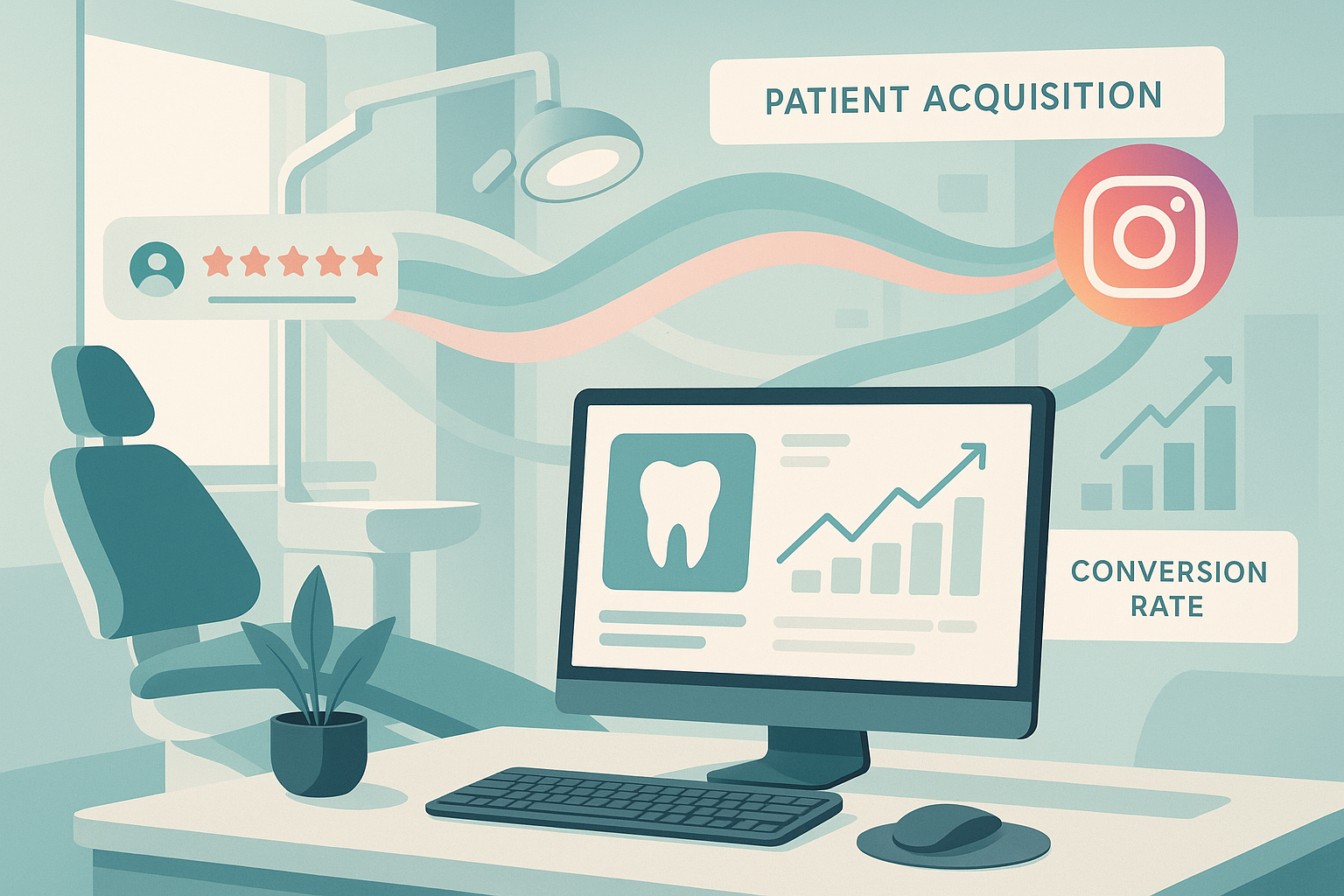












Social Media & Content Strategy for Reputation Building
Strategic social media presence amplifies your dental reputation management efforts by creating authentic touchpoints with current and prospective patients. UK dental practices leveraging coordinated content strategies across Facebook, Instagram, and LinkedIn see 35% higher patient retention rates and 28% more referrals compared to practices with minimal social presence.
Platform-Specific Reputation Strategies
Each social media platform serves distinct purposes in your reputation management ecosystem. Facebook excels for community building and patient testimonials, Instagram showcases visual treatment results, whilst LinkedIn establishes professional credibility within the dental community.
Practices posting consistently across 3+ platforms generate 40% more online reviews and see 25% higher engagement rates on their Google My Business listings.
Content Types That Build Authority and Trust
Effective reputation-building content balances educational value with authentic practice personality. The most successful UK dental practices follow a 70-20-10 content distribution: 70% educational content, 20% practice culture and team content, and 10% promotional material.
High-performing content categories include:
Leveraging User-Generated Content
User-generated content represents the most powerful form of social proof for dentist reputation management. Patient-created content generates 6.9x higher engagement rates than practice-created posts and significantly influences prospective patients’ treatment decisions.
Successful user-generated content strategies include creating branded hashtags, encouraging patients to share their treatment journeys, and featuring patient testimonials across multiple platforms. Practices should implement systematic approaches to identify and request permission for sharing patient content whilst maintaining strict GDPR compliance.
Legal Compliance: Always obtain written consent before sharing patient images or testimonials. Implement clear social media policies that protect patient confidentiality whilst enabling authentic content sharing.