Key Takeaways
- The dental office waiting area creates patients’ first impressions within seven seconds of entry.
- This space significantly impacts case acceptance rates for high-value treatments such as Invisalign and implants.
- Seventy-two percent of patients assess practice professionalism based solely on the waiting area’s appearance.
- Designing the waiting area effectively can enhance patient comfort, reinforce brand impact, and improve operational excellence.
Table of Contents
- What Is a Dental Office Waiting Area?
- Why Waiting Area Design Directly Impacts Patient Satisfaction and Revenue
- Key Elements of an Effective Dental Office Waiting Room
- Comfort and Accessibility: Serving Diverse Patient Needs
- Amenities and Technology, Going Beyond Basic Expectations
- Cleanliness, Hygiene, and Infection Control: Modern Expectations Post-COVID
- Comparison: Clustered vs. Traditional Seating & Residential vs. Commercial Furniture
- Brand-Building and Patient Acquisition Opportunities in the Waiting Area
- Action Plan, Upgrading Your Dental Waiting Area for Growth
- Future Considerations: The Evolution of Dental Waiting Areas
Designing a Dental Office Waiting Area That Converts: UK Best Practices for Patient Comfort, Brand Impact, and Operational Excellence
Your dental office waiting area forms patients’ first impressions within seven seconds of entry. This critical space directly influences case acceptance rates for high-value treatments like Invisalign and implants, with 72% of patients judging practice professionalism based solely on waiting area appearance.
For practices aiming to maximise patient satisfaction and revenue, partnering with a specialist dental marketing agency can help ensure your waiting area supports your growth goals. Additionally, developing a comprehensive dental marketing plan is essential for aligning your physical environment with your overall patient acquisition strategy.
What Is a Dental Office Waiting Area?
A dental office waiting area serves as the primary physical touchpoint between practice and patient, distinct from the reception desk zone. This dedicated space manages patient flow while building trust and comfort before treatment begins.
Quick Answer: A dental office waiting area is the designated patient holding space that influences treatment acceptance, reduces anxiety, and reinforces practice branding through strategic design choices.
NHS guidelines recommend separate waiting zones to maintain patient privacy and operational efficiency. The space functions as both comfort zone and silent sales environment, particularly crucial for UK practices targeting private treatment growth.
Why Waiting Area Design Directly Impacts Patient Satisfaction and Revenue
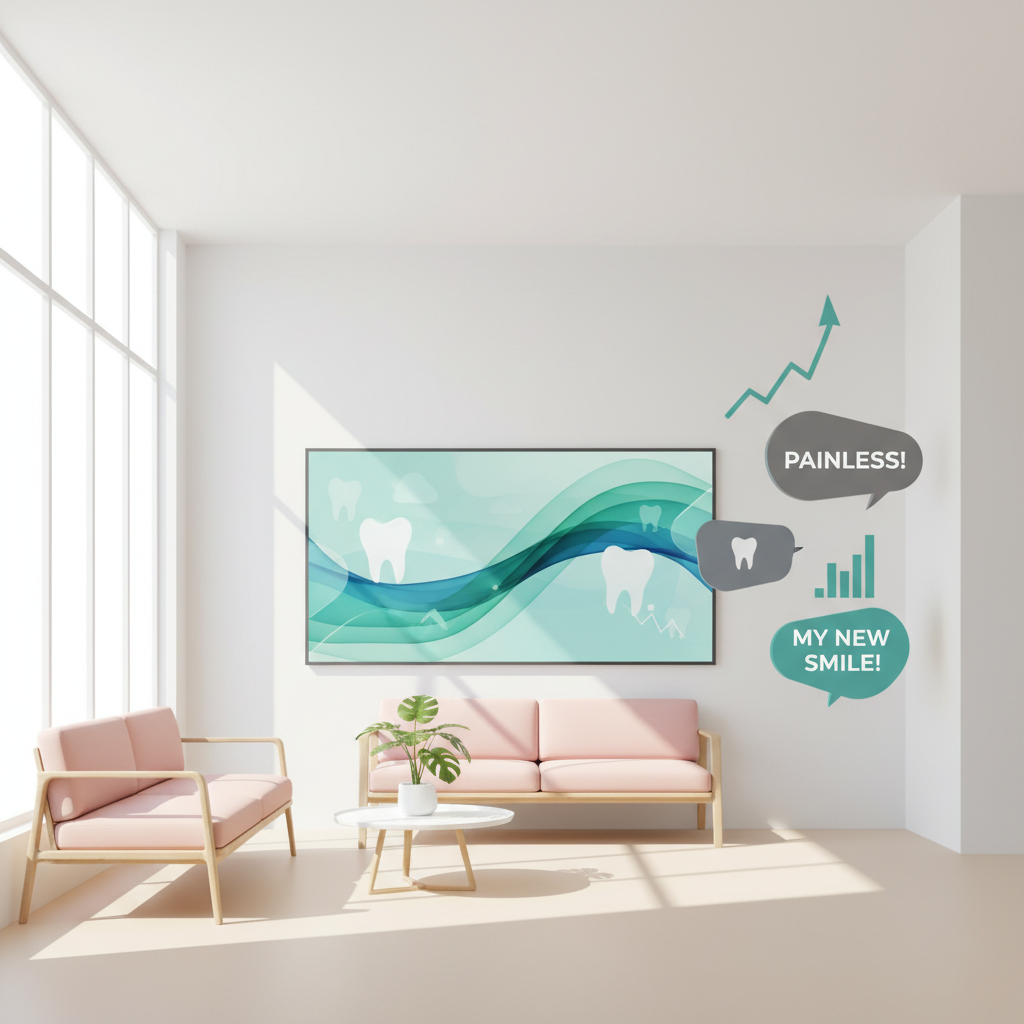
Strategic dental office waiting room design reduces patient anxiety by 40% while increasing private case acceptance rates. A Greater London practice increased Invisalign consultations by 35% following targeted waiting area improvements focused on comfort and educational displays.
Wait times under eight minutes combined with engaging environments reduce patient walkouts by 23%. The waiting area functions as your practice’s silent salesperson, influencing both new patient perceptions and existing patient loyalty for premium treatments.
For more ideas on how to attract and engage patients, explore these dental marketing ideas that can be implemented in your practice.
Key Elements of an Effective Dental Office Waiting Room
Effective dental waiting room design requires 1.4-1.8m² per seated patient. A three-dentist practice needs 8-12 seats minimum, with furniture meeting UK fire safety standards and easy-clean surfaces for infection control.
| Practice Size | Operatories | Recommended Seats | Minimum Space (m²) |
|---|---|---|---|
| Small | 2-3 | 8-12 | 15-20 |
| Medium | 4-6 | 16-24 | 25-35 |
| Large | 7+ | 28+ | 40+ |
Zone allocation should accommodate families, solo adults, and vulnerable patients through clustered seating arrangements with clear sightlines to reception for security and staff monitoring.
Comfort and Accessibility: Serving Diverse Patient Needs
Maximising comfort requires biophilic elements like plants, adjustable LED lighting, and acoustic panels to reduce noise by 30%. Soft furnishings in antimicrobial fabrics create warmth while maintaining hygiene standards essential for modern dental office waiting areas.
Accessibility compliance demands step-free access, wheelchair spaces (1.5m clearance), and armrests for elderly patients. Visual contrast on edges and clear wayfinding support patients with impairments, ensuring CQC compliance across all UK dental practices.
CQC Compliance Quick Check: Ensure 32-inch minimum doorways, accessible toilet within 45 metres, and hearing loop availability for comprehensive accessibility coverage.
Amenities and Technology, Going Beyond Basic Expectations
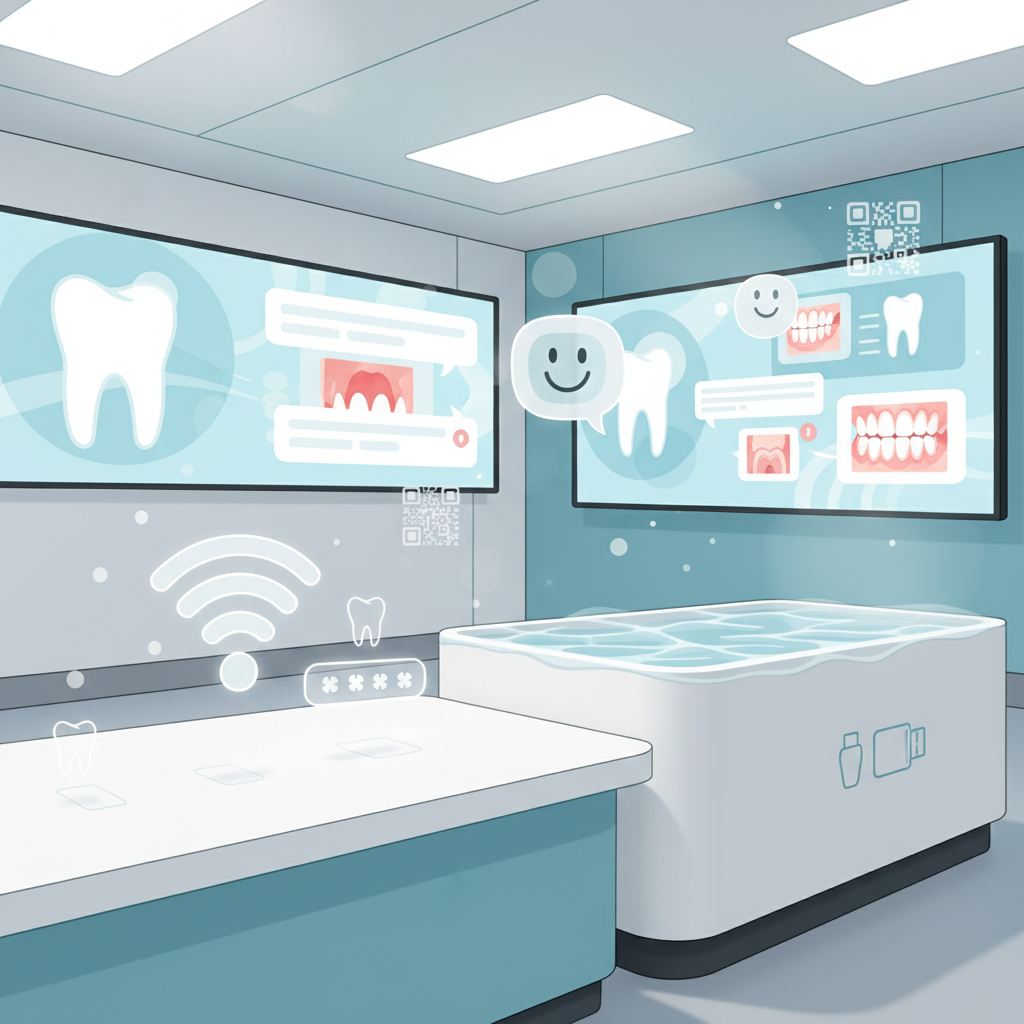
Essential amenities include free Wi-Fi with visible passwords, USB charging stations, and filtered water facilities. Digital enhancements through wall-mounted displays showing Invisalign case studies increase treatment inquiries by 28% compared to static brochures.
QR codes linking to Google Reviews or virtual waiting systems reduce perceived wait times. Educational content on screens transforms idle time into consultation opportunities, with practices reporting 22% increases in secondary treatment discussions following dentist waiting room technology upgrades.
Cleanliness, Hygiene, and Infection Control: Modern Expectations Post-COVID
Daily cleaning protocols require hourly sanitisation of high-touch surfaces, with antimicrobial materials on chair arms and tables. Rounded furniture edges and seamless upholstery enable thorough cleaning while meeting enhanced patient expectations for visible hygiene measures.
| Area Type | Cleaning Frequency | Key Focus Points | Materials Required |
|---|---|---|---|
| High-Touch Surfaces | Hourly | Door handles, chair arms | Antimicrobial wipes |
| Seating Areas | Between patients | Fabric sanitisation | Hospital-grade spray |
| Play Zones | After each use | Toys, mats, surfaces | Child-safe disinfectant |
Visible cleaning routines and hygiene signage increase patient trust scores by 40%, with 97% of UK patients more likely to recommend practices demonstrating proactive cleanliness measures in their dental office waiting rooms. For further reading on the impact of cleanliness and infection control in dental settings, see this authoritative study on patient perceptions of dental environments.
Comparison: Clustered vs. Traditional Seating & Residential vs. Commercial Furniture
Clustered seating arrangements using sofas and coffee tables create intimate zones supporting family consultations, while traditional row seating maximises capacity and maintains social distancing protocols. Commercial-grade furniture costs 40% more initially but delivers three-year lifespans versus residential alternatives lasting 18 months.
Fire safety compliance requires commercial materials meeting UK standards, with clustered designs offering superior comfort but traditional layouts providing easier cleaning access. A Manchester practice saved £1,400 over three years switching from residential to commercial furniture, reducing replacement frequency and maintenance costs.
| Seating Style | Space Efficiency | Privacy Level | Family Suitability | Maintenance |
|---|---|---|---|---|
| Clustered (Sofas) | Moderate | High | Excellent | Complex cleaning |
| Traditional Rows | Maximum | Low | Limited | Simple access |
| Commercial Grade | Optimised | Customisable | Adaptable | Minimal required |
Brand-Building and Patient Acquisition Opportunities in the Waiting Area
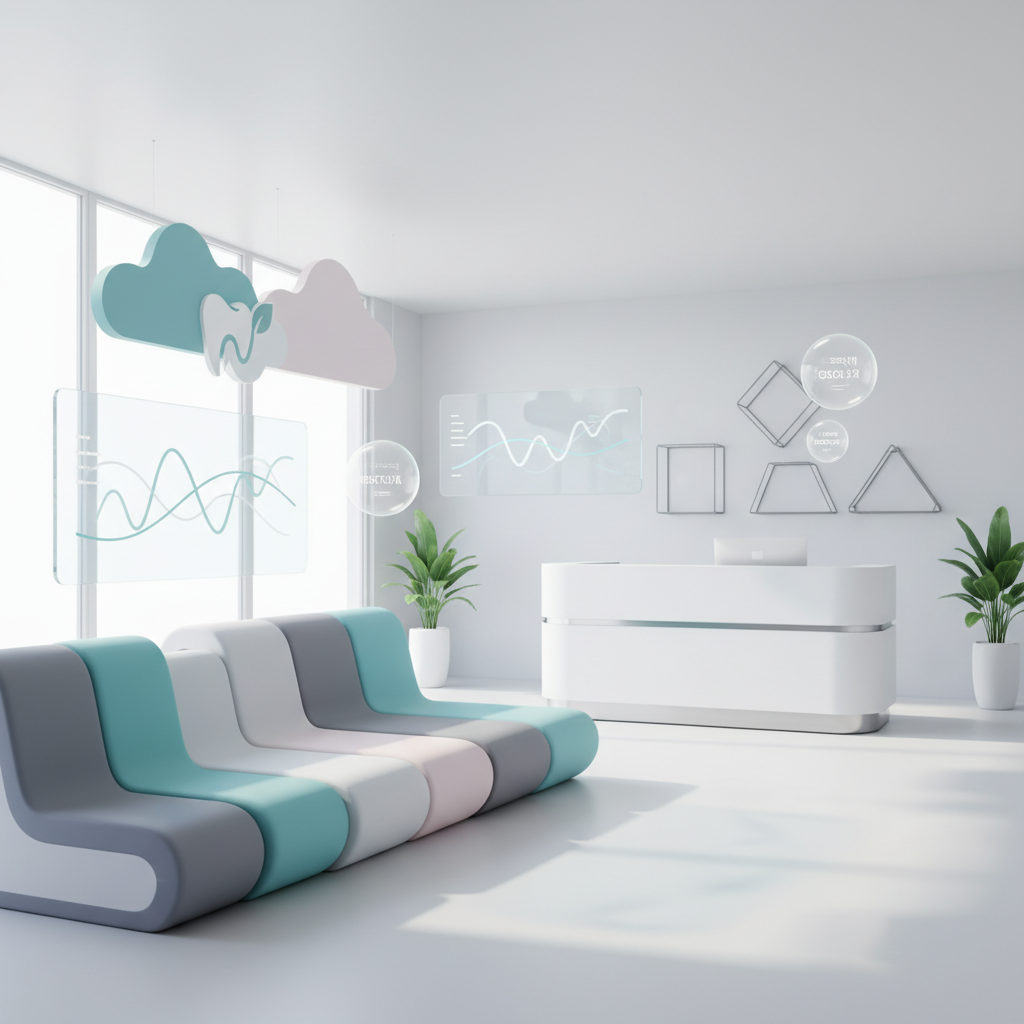
Strategic logo placement at eye level and consistent brand colours throughout seating areas reinforce practice identity. Award displays and certification frames positioned near reception desks establish credibility, with practices showing 18% increases in private Invisalign consultations following comprehensive branding refreshes.
Interactive screens displaying before-and-after case studies generate treatment inquiries during wait times. Digital feedback kiosks collect patient testimonials for reputation management, while QR-coded surveys provide conversion data essential for optimising dental waiting room performance and patient acquisition strategies.
Dominate Dental Client Result: A Birmingham practice increased private treatment inquiries by 35% within three months of implementing strategic waiting area branding and digital displays.
Action Plan, Upgrading Your Dental Waiting Area for Growth
Begin with a comprehensive space audit measuring current capacity, accessibility compliance, and patient flow patterns. Gather feedback through anonymous surveys identifying specific comfort and amenity gaps affecting patient satisfaction in your dental office waiting area.
Implement upgrades systematically: furniture replacement, technology integration, branding enhancement, and staff training on new protocols. Monitor key performance indicators including visit-to-consultation conversion rates, Google review frequency, and no-show reduction metrics. For practical tips on encouraging patient feedback, see this guide on how to get patients to write reviews.
Dominate Dental’s proven methodology delivers measurable results through data-driven waiting area optimisation. Our comprehensive audits identify specific improvement opportunities, with average implementation timelines of 4-6 weeks generating 15% consultation rate increases and 10+ monthly Google reviews post-upgrade.
Future Considerations: The Evolution of Dental Waiting Areas
Virtual waiting systems and appointment scheduling apps will reduce physical capacity requirements while maintaining patient engagement. Biometric check-ins and AI-powered patient flow management represent emerging technologies transforming traditional dental office waiting rooms into hybrid digital-physical experiences.
Sustainability considerations including eco-friendly materials, energy-efficient lighting, and waste reduction protocols align with evolving patient values. Smart building integration monitoring air quality, temperature, and occupancy levels will become standard features in premium dental practices seeking competitive advantages through environmental consciousness.
For additional insights on how dental visits and patient experiences are evolving, refer to this CDC resource on dental visits and oral health.
As the UK’s leading dental marketing agency, Dominate Dental stays ahead of these trends, ensuring our clients’ waiting areas continue driving patient acquisition and revenue growth through strategic design implementation and ongoing performance optimisation. You can also learn more about the importance of smart dental website design for overall practice success.
Frequently Asked Questions
How does the design of a dental office waiting area influence patient satisfaction and treatment acceptance rates?
The design of a dental office waiting area shapes patients’ first impressions within seconds, directly impacting their comfort and trust. A well-designed space reduces anxiety and reinforces professionalism, which increases case acceptance rates for high-value treatments like Invisalign and implants.
What are the key elements to consider when designing an effective and comfortable dental waiting room?
Key elements include ergonomic seating, calming colour schemes, natural lighting, and accessibility to serve diverse patient needs. Incorporating brand-consistent décor and clear patient flow enhances comfort while reinforcing the practice’s professionalism and operational efficiency.
How can modern amenities and technology in the waiting area improve patient engagement and reduce anxiety?
Modern amenities such as interactive digital displays and Wi-Fi provide distraction and education, helping to engage patients proactively. These technologies create a more comfortable environment, reducing perceived wait times and easing anxiety before treatment.
Why is cleanliness and infection control especially important in dental waiting areas post-COVID, and how can practices ensure these standards?
Post-COVID, patients expect rigorous hygiene to feel safe in communal spaces. Practices can ensure standards by implementing frequent cleaning protocols, using antimicrobial materials, and designing layouts that support social distancing and minimise cross-contamination.
Leave a Reply