dental practice social media content
Why UK Dental Practices Need a Social Media Strategy That Delivers Patients
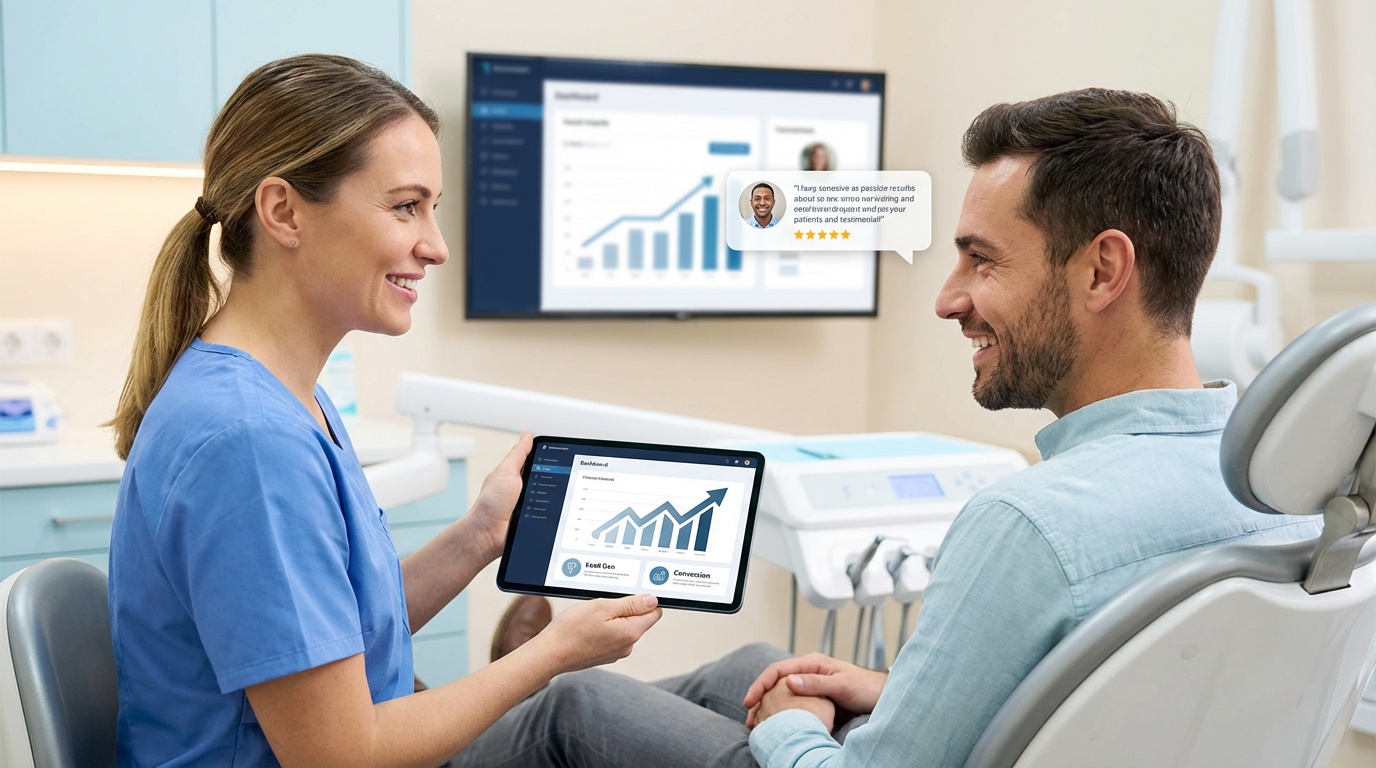
Most UK dental practices post sporadically on social media, hoping for enquiries that never materialise. Without a strategic approach to dental practice social media content, you’re burning hours on posts that rack up likes but zero bookings for high-value treatments like Invisalign or implants. Here’s what matters: 73% of prospective private patients now research cosmetic dentistry on social platforms first, yet practices spending £2,000+ monthly on marketing often ignore this channel entirely.
Common Challenges Facing Dental Practices on Social Media
Practice owners hit three walls consistently: inconsistent posting from time constraints, uncertainty about GDC-compliant content, and zero visibility into which posts actually drive treatment enquiries. Your reception team can’t carve out bandwidth for engaging content. Those purchased stock photos? They fail to showcase your actual clinical results. Worse, most practices can’t convert social engagement into booked consultations, particularly for treatments exceeding £3,000.
How Social Media Drives Invisalign and Implant Bookings
Strategic content calendars deliver measurable impact. Practices implementing structured schedules–patient education, compliant before-and-after imagery, team spotlights–see 40% increases in consultation bookings within 90 days. Instagram Reels showcasing smile transformations? They generate three times higher engagement than static posts. Facebook community content builds trust with the 45-65 demographic seeking dental implants. The win comes from connecting social visibility with your existing Invisalign marketing and dental implant marketing strategies.
Dominate Dental’s Approach as Your Trusted Partner
As the UK’s leading dental marketing specialist, Dominate Dental combines AI-powered content creation with human expertise to generate qualified consultations. We focus on treatment-specific campaigns that convert social followers into private patients paying £3,000-£8,000 for transformative dentistry. We handle compliance concerns, create monthly content calendars tailored to your practice’s specialties, and track metrics from post engagement through to booked appointments. With a 5.0 Google rating from 18 reviews, we deliver measurable ROI for practices across Greater London, Manchester, and Birmingham from our base at Grosvenor House, 11 St Paul’s Square, Birmingham B3 1RB.
ROI Reality Check: Practices investing 8-10 hours monthly in strategic social content see average returns of £12,000-£18,000 in new treatment revenue, primarily from Invisalign and composite bonding enquiries generated through Instagram.
Best Social Media Platforms for UK Dentists and Their Audiences
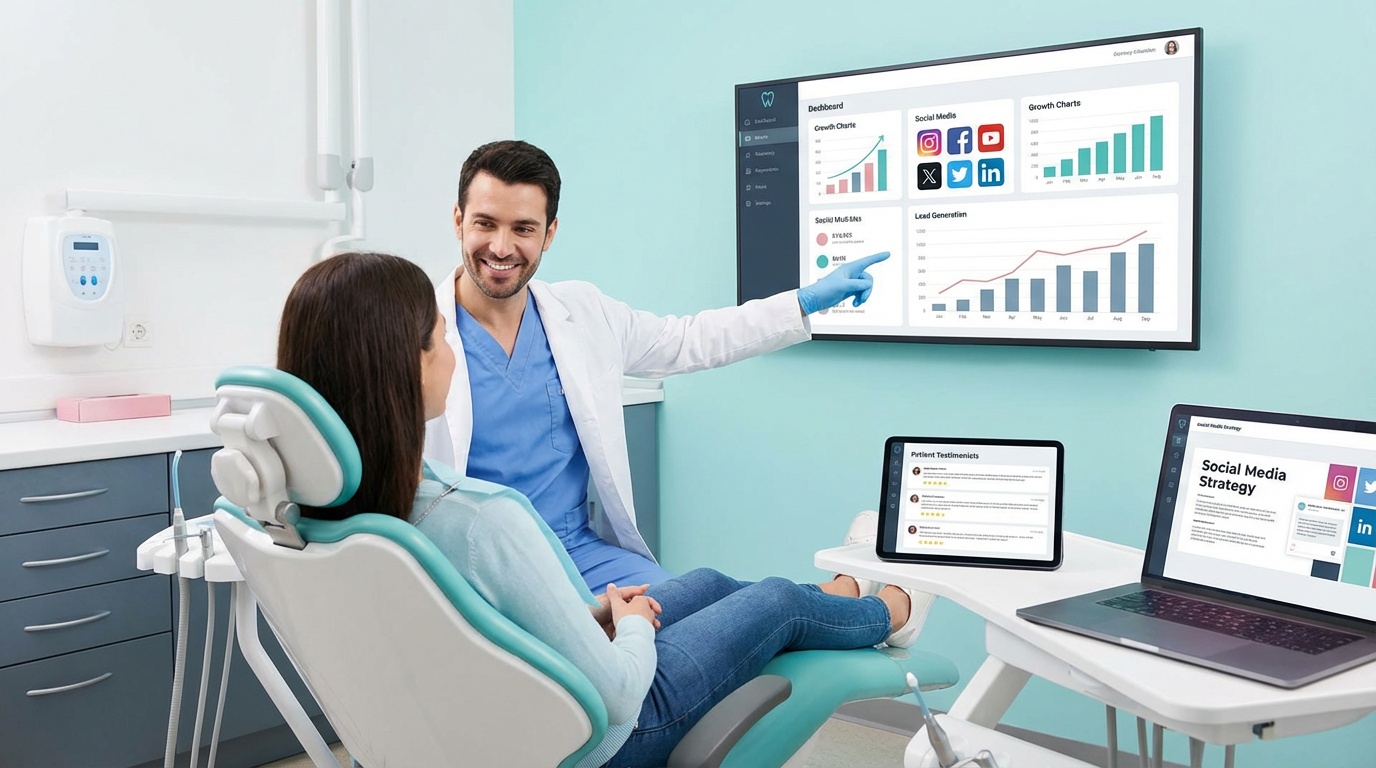
Platform selection makes or breaks results. Your ideal patients gather on specific channels based on age, treatment interest, and research behaviour. Spreading efforts thin dilutes impact. Focusing on two primary channels? That’s where concentrated results happen.
Facebook: Ideal for Mature Patients and Community Trust
Facebook dominates for practices targeting patients aged 45-70 seeking implants, dentures, or restorative work. This demographic uses Facebook Groups and local community pages to research dentists–68% read practice reviews and posts before booking. Educational content about treatment processes, patient testimonials (with proper consent), and practice updates build credibility. Facebook’s advertising platform enables precise targeting by postcode, age, and interests, making it indispensable for practices offering high-ticket treatments.
Instagram: Visual Powerhouse for Smile Transformations
Instagram attracts the 25-45 demographic pursuing cosmetic treatments: Invisalign, veneers, whitening, and composite bonding. Visual storytelling through Reels and carousel posts showcasing before-and-after transformations (GDC-compliant) generates enquiries from patients willing to invest £3,000-£8,000. Stories featuring day-in-the-life content and treatment FAQs maintain engagement between posts. For practices emphasising aesthetic dentistry, Instagram’s visual nature makes it non-negotiable.
Emerging Roles of YouTube Shorts and Google Business Profile
YouTube Shorts capture search-driven traffic–60-second explainer videos rank in Google search results. Topics like “Does Invisalign hurt?” or “Dental implant procedure explained” position your practice as the educational authority. Your Google Business Profile functions as a micro-social platform where posts, updates, and reviews appear directly in local search results, influencing 82% of local patients’ decisions. Both platforms require minimal time investment for significant visibility gains.
| Platform | Primary Age Group | Best Treatment Focus | Content Type |
|---|---|---|---|
| 45-70 | Implants, restorative | Educational posts, testimonials | |
| 25-45 | Invisalign, veneers, bonding | Reels, before-and-after carousels | |
| YouTube Shorts | 30-55 | All treatments | 60-second explainers, FAQs |
| Google Business Profile | All ages | General and emergency | Updates, offers, reviews |
Content Types That Build Trust and Generate Enquiries
Strategic dental practice social media content balances education with emotional connection. Your posts must address patient anxieties whilst showcasing clinical expertise. These content types convert browsers into bookers.
Educational Posts and Myth-Busting for Authority
Address common misconceptions directly: “Does teeth whitening damage enamel?” or “How long do dental implants actually last?” These posts position your practice as the trusted expert patients consult before booking. Break complex procedures into digestible explanations using carousel posts or short videos. Educational content generates 2.5 times more saves and shares than promotional posts, extending organic reach to new audiences actively researching treatments. Dedicate 60% of your content calendar to education–it builds authority that translates into consultation requests.
Before-and-After Photos and Testimonials Done Right
Compliant before-and-after imagery drives enquiries for cosmetic treatments when executed properly. Obtain written consent specifying social media use, ensure identical lighting and angles, and avoid exaggerated claims about results. Pair images with brief patient stories (anonymised or used with permission) explaining treatment duration and investment. Video testimonials outperform text by four to one for engagement, particularly when patients discuss their decision-making process and outcome satisfaction. Include a disclaimer that results vary by individual to maintain GDC compliance whilst showcasing your clinical capabilities.
Behind-the-Scenes and Team Spotlights to Humanise Your Practice
Patients choose dentists they trust. Team introduction posts, day-in-the-life Stories, and practice culture content reduce anxiety by putting faces to names before the first appointment. Showcase your hygienist’s morning routine, your reception team’s favourite patient interactions (anonymised), or your principal dentist’s continuing education. These posts build long-term familiarity that converts nervous patients into bookings. Dedicate 20% of content to humanising your practice–it’s particularly effective on Facebook, where community connection influences older demographics.
Content Mix Formula: Allocate 60% educational posts, 20% patient results and testimonials, and 20% team and culture content. This ratio builds authority whilst maintaining engagement and trust across both Instagram and Facebook audiences.
UK Compliance Rules for Dental Social Media Content
GDC regulations govern all patient-facing communications, including social media. Non-compliance risks professional sanctions and undermines patient trust. Understanding these boundaries enables confident content creation.
GDC Guidelines on Patient Images and Testimonials
Patient imagery requires explicit written consent detailing specific usage, including the social media platforms on which it’ll appear. Before-and-after photos must represent realistic outcomes without manipulation beyond basic colour correction. Testimonials can’t promise specific results or create unrealistic expectations. Store consent forms for a minimum of seven years and ensure patients understand their images may be shared publicly. Anonymous case studies require sufficient changes to prevent patient identification whilst maintaining clinical accuracy.
Avoiding Promotional Pitfalls with Treatment Claims
Avoid superlatives like “best”, “guaranteed”, or “pain-free” when describing treatments. Claims must be verifiable and evidence-based: state “most patients experience minimal discomfort” rather than “completely painless procedure”. Price promotions require clear terms without creating pressure to accept unnecessary treatment. Don’t compare your practice directly with competitors or disparage alternative treatment approaches. Focus messaging on patient benefits and clinical outcomes rather than competitive positioning.
Safe Ways to Share High-Value Treatment Success Stories
Frame success stories around patient experience rather than clinical superiority. Describe treatment journeys: initial consultation concerns, procedure steps, recovery timeline, and outcome satisfaction. Use phrases like “this patient achieved” rather than “we guarantee”. For Invisalign and implant cases, specify treatment duration and number of appointments to set realistic expectations. Include a standard disclaimer that individual results vary based on clinical factors. This approach showcases expertise whilst maintaining ethical standards that build long-term credibility.
- Obtain written consent for all patient images specifying social media use
- Store consent documentation for a minimum of seven years
- Avoid absolute claims: “pain-free”, “guaranteed”, “best results”
- Use realistic before-and-after photos without excessive editing
- Include a disclaimer that individual results vary
- Avoid pressuring patients through time-limited social media offers
- Anonymise case studies sufficiently to prevent identification
Your 30-Day Content Calendar and Management Plan
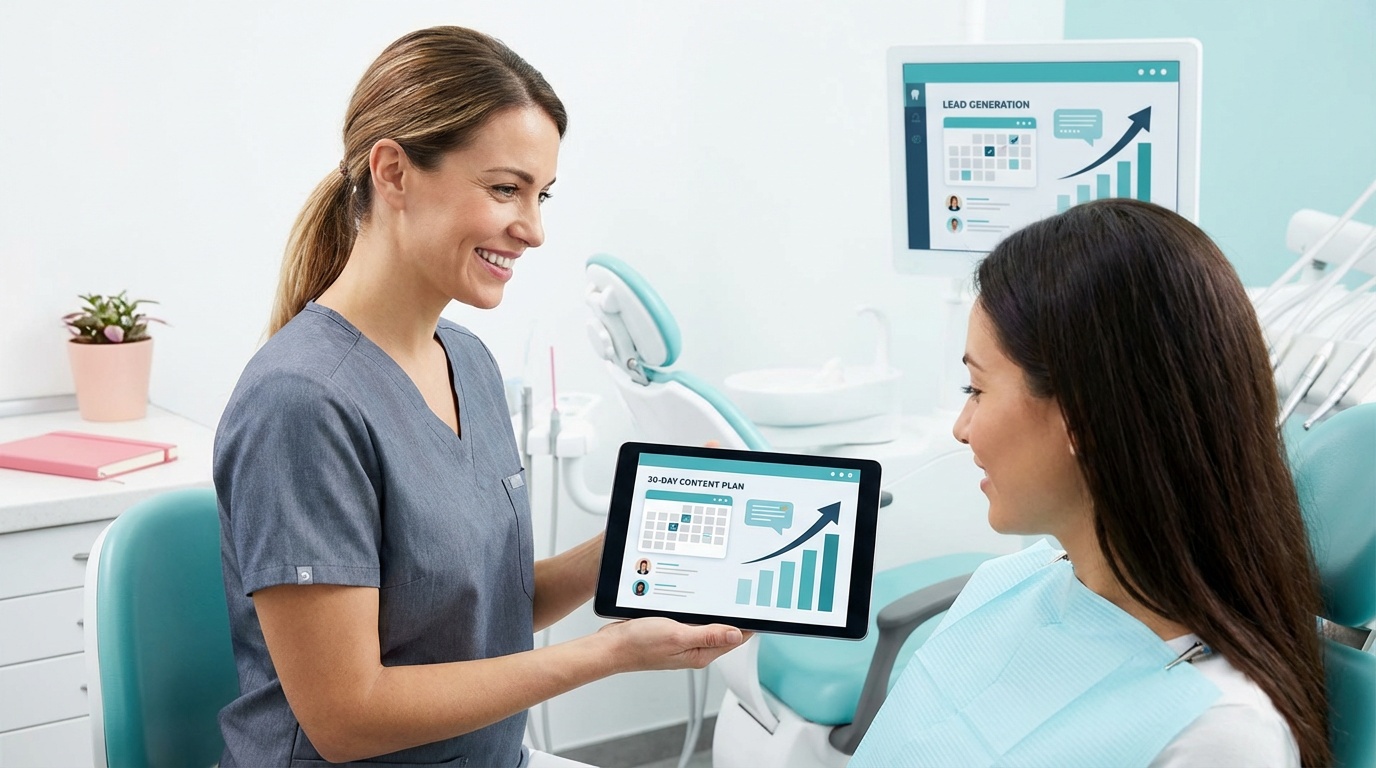
Consistency separates practices generating social enquiries from those posting randomly. A structured calendar reduces decision fatigue whilst ensuring your dental practice social media content aligns with seasonal patient behaviour and treatment demand cycles.
Ready-to-Use Template with Seasonal UK Themes
January prioritises New Year smile goals with Invisalign education and whitening promotions. March targets Mother’s Day gift vouchers and spring smile makeovers. September aligns with back-to-school routines through family dental check-up reminders. December focuses on year-end insurance benefits and January booking availability. Each month needs 8-10 posts split between educational content (myth-busting Mondays), patient spotlights (transformation Thursdays), and team culture (Friday introductions). Align content themes with real booking patterns: implant enquiries peak from September to November when patients plan major investments before year-end.
Posting Schedule and Team Training for Consistency
Assign one team member as social media coordinator, with 90 minutes weekly for content creation and scheduling. Batch-create content monthly: photograph team members, record short procedure explanations, and draft educational captions during dedicated sessions. Schedule posts at high-performing times: Facebook performs best from 1 pm to 3 pm on weekdays for mature audiences, whilst Instagram Reels gain traction from 7 pm to 9 pm when younger demographics scroll. Train reception staff to recognise social media enquiries and book consultations immediately. Document your approval process for patient imagery and testimonials to maintain compliance without bottlenecks.
Measuring Success: Track Engagement to New Patients
Track three metrics: engagement rate (likes, comments, shares per post), profile visits that lead to website clicks, and consultation bookings attributed to social channels. Use UTM parameters on website links to track which posts drive appointment requests. Review monthly which content types generate the highest saves and shares, then prioritise those formats. Track cost per consultation by dividing monthly social media investment (time and ad spend) by new patient bookings. Target £150-£200 cost per Invisalign consultation and £200-£300 per implant consultation through organic social efforts. If metrics plateau after 90 days, adjust your content mix or consider professional management to improve performance and free your team for patient care.
| Week | Monday | Wednesday | Friday |
|---|---|---|---|
| Week 1 | Educational: Invisalign myths | Patient testimonial video | Team spotlight: hygienist |
| Week 2 | Educational: implant process | Before-and-after carousel | Behind-the-scenes: morning routine |
| Week 3 | Educational: whitening facts | Patient story (written) | Team spotlight: dentist |
| Week 4 | Educational: gum health | Transformation Reel | Practice culture post |
Implementation Priority: Start with Facebook if you target patients aged 45+ for implants and restorative work. Launch Instagram simultaneously only if you offer Invisalign, veneers, or bonding to younger demographics. Master two platforms before expanding to YouTube Shorts.
Strategic Implementation to Maximise ROI
Effective dental practice social media content requires treating social platforms as patient acquisition channels, not promotional outlets. Practices generating 15-25 qualified consultations monthly through social media share three characteristics: treatment-specific content strategies, consistent compliance processes, and integration with broader marketing systems including local SEO and paid advertising.
Audit your current social presence first. Which posts historically generated enquiries? Turn those wins into repeatable content formats. Consider allocating 20% of your marketing budget to social media management–whether handled internally or through specialist agencies. This investment returns five to one for practices offering high-value treatments when content addresses patient decision-making concerns: treatment duration, discomfort levels, finance options, and realistic outcome expectations.
Integration multiplies results. A single patient testimonial video can be repurposed into Instagram Reels, Facebook posts, website case studies, and YouTube Shorts, maximising content ROI. Coordinate social campaigns with your existing dental implant marketing and Invisalign marketing initiatives to create cohesive patient journeys from social discovery to consultation booking.
Video content continues to dominate platform algorithms. Practices investing in simple video creation–including smartphone-recorded clips–gain a disproportionate share of attention. Short-form educational videos answering specific treatment questions also support voice search, as patients increasingly use conversational queries when researching dental procedures.
If your practice lacks internal capacity or expertise, partnering with specialists like Dominate Dental provides structured implementation without diverting your clinical team’s focus. Our approach combines compliant content creation, treatment-specific campaigns, and tracking from social engagement to booked consultations, delivering measurable patient acquisition results for practices across the UK.
For clear guidance on advertising, dental professionals should refer to the GDC guidance on advertising, which outlines the standards to maintain compliance while promoting services.
Adhering to the new social media regulations is essential for safe practice management; insights from the new social media guidance from the GDC provide valuable information for dental teams navigating these requirements.
Maintaining professional standards online is critical; dental professionals must uphold ethics and patient trust by following advice like that found in Social media: What standards should dental professionals uphold online? which details expectations of conduct on digital platforms.
Frequently Asked Questions
How can UK dental practices effectively promote themselves on social media?
To effectively promote your dental practice, you need a strategic approach, not just sporadic posts. Focus on creating structured content calendars that include patient education, compliant before-and-after imagery, and team spotlights. This converts social engagement into booked consultations, especially for high-value treatments like Invisalign or implants.
What social media platforms are most effective for UK dentists?
Platform selection is key for success. Facebook works well for patients aged 45-70 seeking implants or restorative work, building community trust with educational content and testimonials. Instagram is a visual powerhouse for the 25-45 demographic interested in cosmetic treatments like Invisalign, using Reels and before-and-after carousels. YouTube Shorts and Google Business Profile also offer significant visibility.
What types of social media content generate patient enquiries for dental practices?
Content that balances education with emotional connection works best. Educational posts and myth-busting establish your practice as an authority, addressing patient anxieties. Compliant before-and-after images, patient testimonials, and team spotlights build trust and showcase clinical results, directly driving enquiries.
Why is a strategic social media presence important for UK dental practices?
Without a strategic approach, social media efforts often waste time, generating likes but not actual bookings for treatments. A well-planned social media strategy is now the first point of research for 73% of prospective private patients, directly impacting your practice’s bottom line by converting engagement into consultations.
What common obstacles do dental practices face with social media marketing?
Many practices struggle with inconsistent posting due to time limits, uncertainty about GDC-compliant content, and difficulty tracking which posts lead to treatment enquiries. Additionally, reception teams often lack bandwidth for content creation, and generic stock photos fail to highlight actual clinical results.
How does Dominate Dental help practices with their social media strategy?
As UK dental marketing specialists, Dominate Dental combines AI-powered content creation with human expertise to generate qualified consultations. We manage compliance, create tailored monthly content calendars, and track metrics from post engagement through to booked appointments, delivering measurable ROI.
Can social media truly drive bookings for treatments like Invisalign and implants?
Yes, strategic social media content directly impacts bookings. Practices using structured content calendars with patient education and compliant imagery see significant increases in consultation bookings. Instagram Reels are highly engaging for smile transformations, while Facebook community content builds trust with demographics seeking dental implants.
Leave a Reply