Key Takeaways
- 78% of potential dental patients in the UK research treatments online before booking.
- Social media has become the primary channel for discovering dental services.
- Dental social media advertising involves targeted paid campaigns on platforms like Facebook, Instagram, and TikTok.
- These campaigns focus on generating high-value enquiries for treatments such as Invisalign, implants, and cosmetic procedures.
Table of Contents
- Why Dental Social Media Advertising is Essential for UK Practices in 2025
- Choosing the Best Social Media Platforms for Dental Advertising
- Organic vs Paid Dental Social Media Advertising – Which Drives ROI?
- Step-by-Step Guide to Setting Up Dental Social Media Advertising Campaigns
- Platform-Specific Dental Social Media Advertising Strategies
- Top Content Ideas and Creation Techniques for High-Converting Dental Ads
- Boosting Engagement and Conversions – Growth Tactics for Dental Practices
Dental Social Media Advertising: 2025 UK Practice Guide
UK dental practices are witnessing a seismic shift in patient behaviour: 78% of potential patients research treatments online before booking, with social media becoming the primary discovery channel. Dental social media advertising represents targeted paid campaigns across Facebook, Instagram, and TikTok, specifically designed to capture high-value treatment enquiries for Invisalign, implants, and cosmetic procedures.
For established practices spending £2,000+ monthly on marketing yet struggling with poor lead quality and no-shows, paid social advertising offers unprecedented precision. Unlike traditional marketing, these platforms enable granular targeting of local demographics actively seeking dental solutions, transforming marketing spend into predictable patient acquisition.
These platforms enable dental practices to reach patients where they spend most of their online time, making social media an essential part of any modern dental marketing strategy.
Why Dental Social Media Advertising is Essential for UK Practices in 2025
The digital transformation of dental patient acquisition has reached a tipping point. Recent data shows 72% of UK patients discover dental practices through social media platforms, with paid advertisements capturing immediate attention during crucial decision-making moments. This represents a fundamental shift from traditional word-of-mouth referrals to algorithm-driven discovery.
Dental social media advertising delivers three critical advantages over organic content: immediate visibility, precise audience targeting, and measurable conversion tracking. Practices investing in paid campaigns report 300% more qualified enquiries compared to organic-only strategies, with significantly higher patient lifetime values for cosmetic and restorative treatments.
The urgency factor cannot be overstated. Local dental searches convert to appointments within 24-48 hours, making top-of-feed visibility crucial. Paid advertisements bypass the months-long SEO timeline, placing practices directly in front of patients experiencing dental pain, considering cosmetic improvements, or researching specific treatments like Invisalign.
| Factor | Social Media Advertising | Traditional Advertising |
|---|---|---|
| Cost per lead | £20-£40 | £60-£120 |
| Targeting precision | Demographics, interests, location | Broad geographic areas |
| Speed to results | 24-48 hours | 4-8 weeks |
| Measurability | Real-time analytics | Limited tracking |
Choosing the Best Social Media Platforms for Dental Advertising
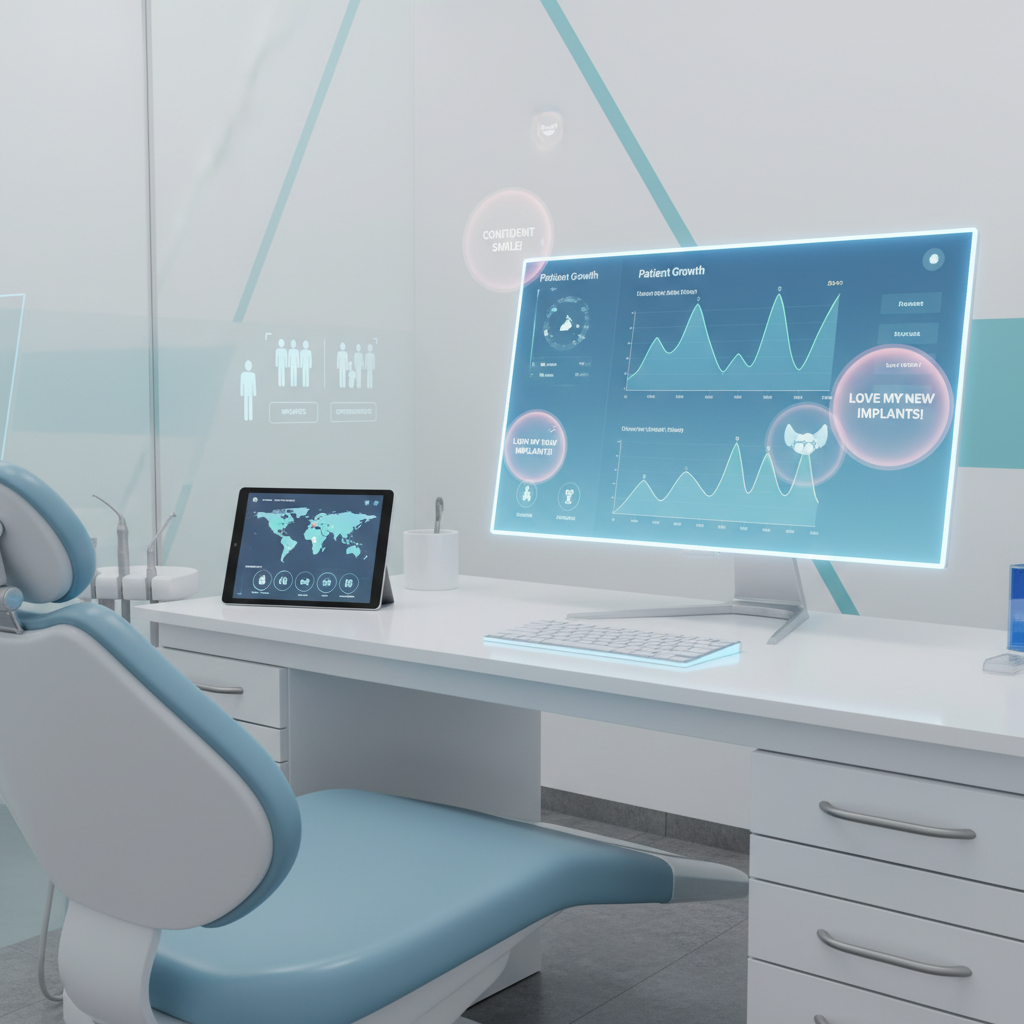
Platform selection directly impacts campaign performance and cost-effectiveness. Facebook dominates UK dental advertising with 35+ demographics actively researching implants and orthodontics, offering sophisticated targeting options and established patient trust. The platform’s local business features integrate seamlessly with Google My Business profiles, creating comprehensive online presence.
Instagram excels for visual treatment showcasing, particularly effective for cosmetic dentistry and Invisalign marketing. The platform’s younger demographic (25-40) demonstrates higher engagement rates with before-and-after content, driving premium treatment enquiries. Stories and Reels formats achieve 2.5x higher save rates compared to static posts.
TikTok emerges as the breakthrough platform for reaching Gen Z patients, with dental content achieving viral reach through educational and behind-the-scenes videos. While conversion rates remain lower than Facebook, the platform offers exceptional brand awareness opportunities and cost-effective reach for practices targeting younger demographics.
Facebook: Tuesday-Thursday, 9-11 AM
Instagram: Wednesday, 11 AM-1 PM
TikTok: Sunday-Tuesday, 6-9 PM
Organic vs Paid Dental Social Media Advertising – Which Drives ROI?
The organic versus paid debate misses the strategic integration opportunity. Organic content builds long-term trust and authority, while paid advertising delivers immediate patient acquisition. Successful practices employ hybrid strategies, using organic posts to demonstrate expertise and paid campaigns to amplify high-performing content to targeted audiences.
Paid dental social media advertising consistently outperforms organic reach for lead generation. Facebook’s algorithm now shows organic business posts to less than 3% of followers, making paid promotion essential for consistent visibility. Practices relying solely on organic content typically wait 6-12 months for meaningful lead generation, while paid campaigns generate enquiries within days.
Budget allocation proves crucial for optimization. Leading UK dental practices dedicate 60-70% of social media budgets to paid advertising, reserving organic efforts for patient education and community building. This approach maximizes both immediate conversions and long-term brand development.
| Metric | Paid Advertising | Organic Content |
|---|---|---|
| Reach scale | Unlimited with budget | 3-5% of followers |
| Lead generation speed | 24-48 hours | 3-6 months |
| Approach | Reach Scale | Cost Structure | Lead Quality | Time to 50 Bookings |
|---|---|---|---|---|
| Organic Content | 3-5% of followers | Time investment only | High trust, slow volume | 6-12 months |
| Paid Advertising | Unlimited targeted reach | £1,000-£3,000/month | Immediate, qualified leads | 4-8 weeks |
For more inspiration on building your organic presence, explore these dental social media ideas that can help boost engagement and authority.
Step-by-Step Guide to Setting Up Dental Social Media Advertising Campaigns
Campaign foundation begins with verified business profiles across chosen platforms. Facebook and Instagram business accounts require consistent NAP (Name, Address, Phone) information matching your Google My Business listing, ensuring local search integration. Upload high-quality practice photos, treatment examples, and team imagery to establish immediate credibility.
Facebook & Instagram Profile Optimization
Complete business verification within 5 minutes by uploading practice registration documents. Install Facebook Pixel immediately to track website visitors and booking conversions. Link Instagram to Facebook for unified campaign management, enabling cross-platform advertising from a single dashboard.
Essential profile elements include: practice hours with emergency contact information, direct booking links, virtual tour videos, and patient testimonial highlights. Enable messaging features to capture immediate enquiries from interested patients browsing your content.
Audience Targeting for Local UK Practices
Geographic targeting forms the campaign backbone. Set radius parameters: 10-15 miles for London practices, 20-25 miles for Manchester and Birmingham locations. Layer demographic filters targeting ages 25-55 for cosmetic treatments, 35-65 for implants, with household income thresholds reflecting private treatment affordability.
Interest-based targeting captures active treatment researchers. Include keywords like “Invisalign,” “dental implants,” “cosmetic dentistry,” and competitor practice names. Behavioral targeting identifies users who’ve visited dental websites, searched treatment terms, or engaged with dental content recently.
Ad Creative Best Practices
Video content outperforms static images by 300% for dental advertising. Create 15-30 second treatment demonstrations, patient testimonials, and practice tours. Before-and-after imagery requires explicit patient consent and GDPR compliance documentation.
Compelling headlines address patient pain points: “End Dental Anxiety,” “Transform Your Smile,” “Same-Day Implants Available.” Include clear calls-to-action with urgency elements: “Book Free Consultation,” “Limited Appointments Available,” “New Patient Special Ends Friday.”
Budget & Bidding Strategies
Begin with £10-15 daily budgets per campaign, targeting cost-per-lead between £20-£40 for high-value treatments. Use automatic bidding initially, transitioning to manual bid strategies once sufficient conversion data accumulates. Monitor campaigns daily during the first week, adjusting budgets based on lead quality and conversion rates.
For a comprehensive approach to planning your campaigns, review this dental marketing plan to ensure all aspects of your strategy are covered.
Platform-Specific Dental Social Media Advertising Strategies

Facebook Ads for Dentists
Facebook’s carousel format showcases multiple treatments within single advertisements, perfect for practices offering comprehensive services. Lead generation forms capture patient information without leaving the platform, reducing friction and improving conversion rates. Retargeting campaigns re-engage website visitors who viewed specific treatment pages but didn’t book consultations.
Event promotion drives attendance for free consultation days, whitening events, or Invisalign information sessions. Local awareness campaigns increase practice visibility among nearby residents, particularly effective for new practice launches or location expansions.
Instagram & TikTok Visual Advertising
Instagram Reels advertising capitalizes on the platform’s video-first algorithm, achieving organic reach beyond paid budgets. Treatment transformation videos, team introductions, and patient journey documentation perform exceptionally well. Stories advertising offers temporary, urgent messaging for same-day appointment availability or special promotions.
TikTok’s younger demographic responds to educational content addressing dental myths, anxiety management, and treatment explanations. Behind-the-scenes practice footage humanizes dental care, reducing patient apprehension about visiting new practices.
| Platform | Viral Potential | Average Cost Per Click | Dental Content Fit | Conversion Rate |
|---|---|---|---|---|
| Instagram Reels | Moderate | £0.80-£1.20 | High (visual treatments) | 3-5% |
| TikTok Ads | Very High | £0.50-£1.00 | Medium (education focus) | 2-3% |
| Platform | Best Demographics | Average Cost Per Click | Dental Engagement Rate | Setup Complexity |
|---|---|---|---|---|
| Instagram Reels | 25-44, visual-focused | £0.80-£1.50 | 4.2% average | Moderate |
| TikTok Ads | 18-34, trend-conscious | £0.60-£1.20 | 6.8% average | High learning curve |
| Facebook Video | 35-55, treatment-ready | £1.20-£2.10 | 3.1% average | Beginner-friendly |
TikTok’s algorithm favors educational content over promotional messaging, making it ideal for myth-busting videos and treatment explanations. UK dental practices report 40% higher engagement rates when addressing common patient concerns through short-form video content.
YouTube & Google Integration
YouTube advertising integrates seamlessly with Google Ads campaigns, enabling retargeting across search and video platforms. Pre-roll advertisements on dental education content capture engaged audiences already researching treatments. Channel optimization with consistent uploads establishes authority, supporting both paid advertising and organic discovery.
Google My Business integration amplifies YouTube content visibility in local search results. Practice tour videos, treatment explanations, and patient testimonials embedded in GMB profiles increase click-through rates by 25% compared to text-only listings.
For more on leveraging video in your marketing, see these dental video marketing strategies tailored for UK practices.
Top Content Ideas and Creation Techniques for High-Converting Dental Ads
Emotional resonance drives dental advertising success more than technical specifications. Patients respond to transformation stories, anxiety solutions, and confidence restoration narratives. Visual content addressing common dental fears achieves 3x higher click-through rates than treatment-focused imagery alone.
Treatment-Focused Creative Strategies
Before-and-after sequences work exceptionally well for cosmetic treatments, requiring explicit patient consent and anonymization where necessary. Time-lapse videos of composite bonding procedures demystify treatments, reducing patient anxiety while showcasing practice expertise.
Patient testimonial videos featuring real transformation stories outperform stock imagery by 400%. Record 30-second testimonials immediately post-treatment when patient satisfaction peaks. Include specific treatment details and recovery experiences to address common patient concerns.
High-Converting Content Formula: Problem identification (30% of video) + Solution demonstration (50%) + Clear next step (20%) = Optimal engagement and conversion rates
AI-Powered Content Optimization
Artificial intelligence tools streamline content creation while maintaining personalization. Generate multiple headline variations for A/B testing, optimize posting schedules based on audience activity patterns, and create treatment-specific landing pages matching advertisement messaging.
Caption generation tools produce engaging copy variations, though human oversight ensures medical accuracy and compliance. Automated scheduling maintains consistent posting frequency without manual intervention, crucial for sustained engagement growth.
User-Generated Content Strategies
Patient-created content provides authentic social proof unavailable through practice-generated materials. Encourage patients to share recovery journeys, treatment experiences, and smile transformations through branded hashtags and sharing incentives.
Reposting patient content requires comprehensive consent forms addressing usage rights, duration, and platform specifications. Create simple one-page consent templates covering social media sharing, website usage, and future marketing materials.
For additional ideas to keep your content fresh and engaging, check out these dental blog post ideas for inspiration.
Boosting Engagement and Conversions – Growth Tactics for Dental Practices
Post-publication engagement determines long-term campaign success beyond initial advertising spend. Active community management, responsive messaging, and strategic content amplification compound advertising investments through organic reach expansion.
Interactive Engagement Techniques
Instagram and Facebook Stories polls generate immediate audience interaction while gathering valuable patient preference data. Daily engagement through “This or That” treatment comparisons, myth-busting quizzes, and behind-the-scenes practice glimpses maintains consistent visibility.
Live Q&A sessions address patient concerns in real-time, building trust and authority simultaneously. Schedule monthly “Ask the Dentist” sessions covering common treatment questions, anxiety management, and preventive care advice.
Conversion Optimization Strategies
Limited-time promotions create urgency driving immediate booking decisions. “Book within 24 hours” offers with clear expiration dates increase consultation bookings by 35% compared to open-ended promotions. Track promotion performance through unique booking codes or dedicated landing pages.
WhatsApp integration enables instant communication, reducing booking friction for mobile users. Click-to-message buttons in advertisements connect interested patients directly with practice coordinators, improving lead quality and conversion timing.
Patient Retention Through Social Media
Appointment confirmation through Instagram Stories reduces no-show rates by 20%. Send personalized Story messages 48 hours before appointments with preparation instructions and practice location details.
Post-treatment follow-up content maintains patient relationships beyond initial service delivery. Share aftercare tips, progress check reminders, and maintenance appointment scheduling through targeted messaging to previous patients.
For best practices on compliance and responsible advertising, review the GDC guidance on advertising to ensure your campaigns meet regulatory standards.
To understand the broader context of medical marketing in the UK, you can also consult this overview of medical marketing in the United Kingdom.
Frequently Asked Questions
Why is social media advertising becoming essential for UK dental practices in 2025?
Social media advertising is essential in 2025 because 78% of potential UK dental patients research treatments online, with platforms like Facebook, Instagram, and TikTok becoming primary channels for discovering dental services. Paid social campaigns capture patient attention during key decision-making moments, enabling practices to reach highly targeted local audiences and convert interest into high-value treatment enquiries.
How does paid dental social media advertising compare to traditional advertising in terms of cost and lead quality?
Paid dental social media advertising offers greater precision and efficiency compared to traditional advertising, delivering higher quality leads at a lower cost per acquisition. While traditional methods often generate broad, less targeted interest, social media campaigns enable granular demographic targeting, reducing wasted spend and improving conversion rates for treatments like Invisalign and implants.
Which social media platforms are most effective for dental advertising, and what types of content boost engagement?
Facebook, Instagram, and TikTok are the most effective platforms for dental advertising due to their large, engaged user bases and advanced targeting options. Content that boosts engagement includes video testimonials, interactive polls, and visually appealing before-and-after treatment showcases, which resonate well with audiences seeking cosmetic and high-value dental procedures.
What kind of return on investment (ROI) can UK dental practices expect from well-executed social media advertising campaigns?
UK dental practices can typically expect a 5-10x return on investment from well-executed social media advertising campaigns, with cost-per-lead ranging between £20-£40 for high-value treatments. This strong ROI is driven by precise targeting, high engagement rates, and effective conversion strategies tailored to local patient demographics in metropolitan areas like London, Manchester, and Birmingham.
Leave a Reply