Key Takeaways
- The whitest natural tooth shade is B1 according to the VITA Classical Shade Guide.
- OM1 is the whitest artificial tooth shade achievable through cosmetic dentistry.
- Natural teeth rarely appear pure white due to enamel translucency and dentin beneath.
- Professional whitening or cosmetic treatments are needed to achieve ultra-white teeth.
Table of Contents
- Understanding Tooth Colour: The Science Behind the Whitest Shades
- Why Aren’t Teeth Naturally White? Genetics, Age, and Daily Habits
- Comparing Tooth Shades: B1, A1, and ‘Hollywood White’ (OM1–3) Explained
- How to Choose the Best Shade of White for Your Smile
- Professional Teeth Whitening: What to Expect, What’s Possible
- Veneers and Restorations: Custom-Shading for the Whitest Smile
- Maintaining a Brighter Smile: Everyday Strategies
- Final Thoughts & Professional Recommendations
What is the Whitest Shade of Teeth? B1 vs OM1 Guide
The whitest natural tooth shade is B1, while OM1 represents the whitest artificial shade achievable through cosmetic dentistry. Understanding what is the whitest shade of teeth requires examining the VITA Classical Shade Guide, which dentists use worldwide to measure and match tooth colours. Natural teeth rarely achieve pure white due to enamel translucency and underlying dentin, making professional whitening or cosmetic treatments necessary for ultra-white results.
B1 is the whitest naturally occurring tooth shade, whilst OM1 is the whitest shade possible with professional treatments like veneers or advanced whitening systems.
Understanding Tooth Colour: The Science Behind the Whitest Shades
The VITA Classical Shade Guide divides tooth colours into four groups: A (reddish-brown), B (reddish-yellow), C (grey), and D (reddish-grey). Within each group, numbers 1-4 indicate increasing darkness, making B1 the lightest shade in the yellowish family and the whitest natural option available.
OM shades (OM1, OM2, OM3) represent “bleached” or artificial whiteness beyond natural limits. These ultra-white shades are primarily used for veneers, crowns, and advanced whitening treatments. OM1 achieves the purest white possible in cosmetic dentistry, though it may appear unnaturally bright against natural facial features.
| Shade Type | Whitest Option | Undertone | Common Use |
|---|---|---|---|
| Natural (VITA Classical) | B1 | Light reddish-yellow | Professional whitening, natural restorations |
| Bleached (OM Series) | OM1 | Pure white/blue-white | Veneers, Hollywood smile makeovers |
Why Aren’t Teeth Naturally White? Genetics, Age, and Daily Habits
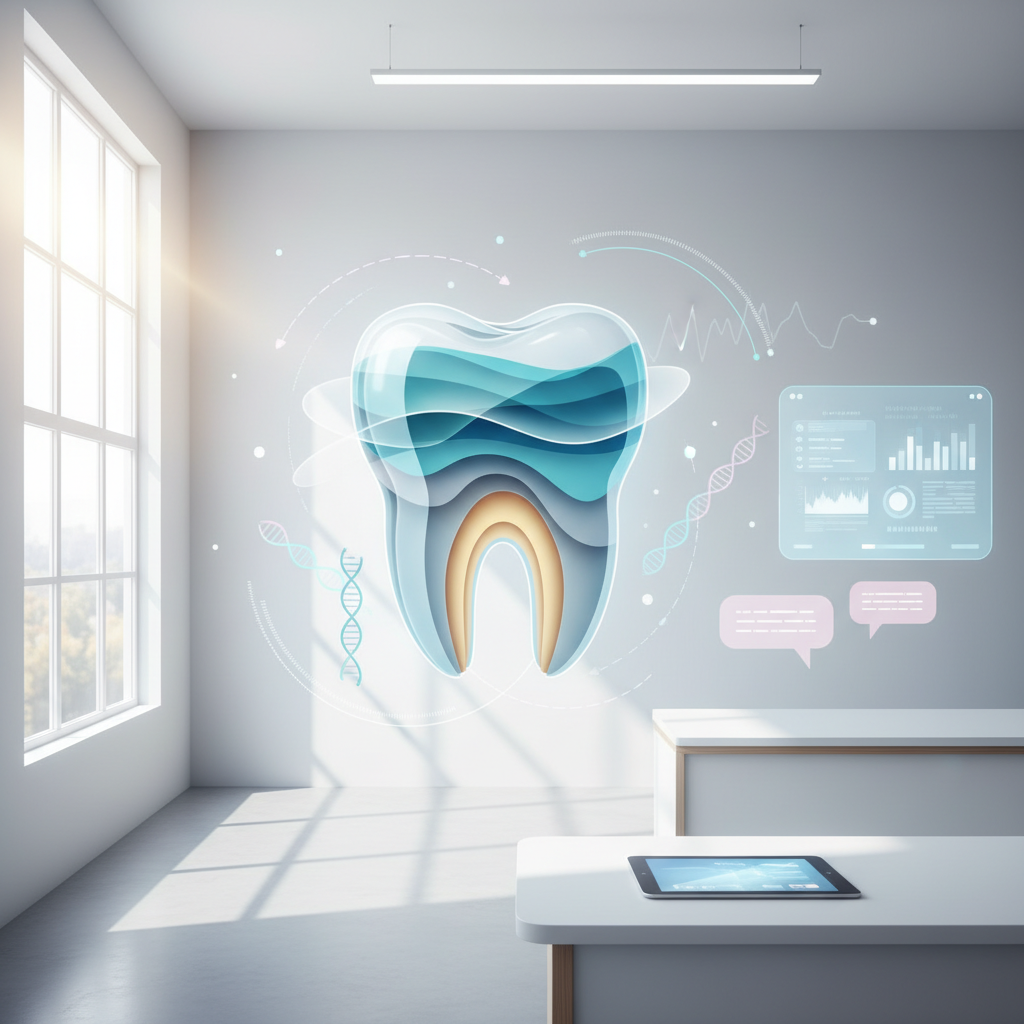
Tooth enamel is naturally translucent, allowing the yellowish dentin underneath to show through. Genetics determine your baseline shade group, with most people falling into A2-A3 ranges rather than the whitest B1 category. This biological reality explains why achieving what is the whitest shade of teeth often requires professional intervention.
Daily habits can gradually accelerate tooth darkening over time. Beverages like coffee and red wine cause immediate staining, while smoking leads to deep, persistent discoloration. For example, a typical 35-year-old who drinks coffee daily may see their teeth shift from their natural A2 shade to A3 or darker within five years, moving further from the whitest natural shades. To learn more about the worst foods for teeth that contribute to staining, check out this guide.
- Coffee/tea consumption: 1-2 shade levels darker per decade
- Smoking: 2-3 shade levels darker within 3-5 years
- Red wine: Gradual grey undertones, affecting shade clarity
- Medication (tetracycline): Deep grey banding, often permanent
- Natural aging: Enamel thinning reveals more yellow dentin
Comparing Tooth Shades: B1, A1, and ‘Hollywood White’ (OM1–3) Explained
B1 represents the pinnacle of natural whiteness, featuring subtle reddish-yellow undertones that complement most skin tones. A1, whilst still light, contains more yellow and appears warmer. OM1 eliminates all natural undertones, creating the stark white associated with celebrity smiles. Learn more about how these shades are chosen and their effects on teeth by checking what-is-organic-keywords.
Professional shade matching uses controlled lighting and standardized tabs held against teeth. B1 typically suits younger patients with naturally light complexions, whilst OM1 requires careful consideration of facial harmony. The choice between natural and artificial whiteness depends on cosmetic goals, existing dental work, and lifestyle factors. Learn more about patient experiences and outcomes at spinney-brook-dental-practice-reviews.
| Shade | Whiteness Level | Undertone | Best Candidates | Typical Treatment |
|---|---|---|---|---|
| B1 | Lightest natural | Subtle reddish-yellow | Young adults, fair complexions | Professional whitening |
| A1 | Light natural | Warm yellow-brown | Most age groups, warm skin tones | Standard whitening treatments |
| OM1 | Ultra-white artificial | Pure/blue-white | Cosmetic makeovers, younger patients | Veneers, advanced whitening |
| OM2 | Bright artificial | Minimal yellow | Balanced cosmetic results | Veneers, crowns |
| OM3 | Moderate artificial | Balanced neutral | Conservative cosmetic improvement | Composite bonding, veneers |
Key Takeaway
B1 delivers the whitest natural appearance, whilst OM1 achieves the ultimate ‘Hollywood white’ through cosmetic procedures.
Leave a Reply