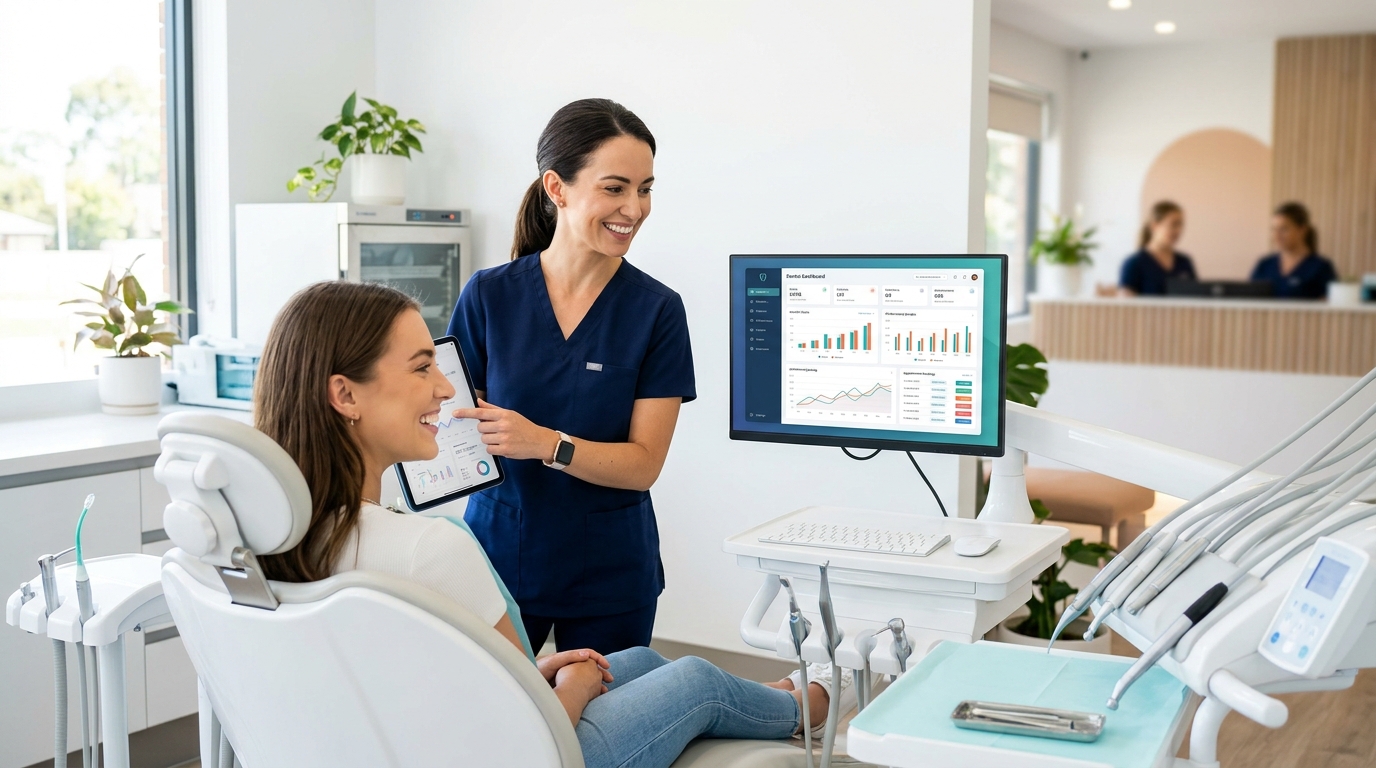
Webmaster alternatives for dental SEO management.
Beyond the Traditional Webmaster: Why Dental SEO Needs a Modern Approach
Webmaster alternatives for dental SEO management are no longer a niche consideration — they’re a strategic necessity. The traditional webmaster, once responsible for keeping a website functional, often lacks the specialised skills required to compete in competitive local search markets where implants and Invisalign consultations are won or lost daily.
Key Takeaways
- Traditional webmasters often lack the specific SEO skills required for competitive dental markets.
- Securing implant and Invisalign consultations demands specialized SEO management, not just general website upkeep.
- Dental practices must move beyond basic webmaster functions to achieve measurable patient acquisition through search.
- Strategic SEO alternatives are essential for UK dental practices aiming for consistent consultation growth.
Why the Webmaster Role Falls Short
Modern dental SEO demands technical auditing, local citation building, Google Business Profile optimisation, and treatment-specific content — all running simultaneously. A generalist webmaster manages code and uptime. Converting website visitors into booked consultations is an entirely different discipline, built around patient psychology, search intent, and algorithm fluency. Those aren’t skills you pick up maintaining a WordPress theme.
The Unique Pressures on UK Dental Practices
High-value treatments attract well-funded competitors, and Google’s local pack rewards consistency, authority, and relevance. Practices spending £2,000 or more monthly on marketing can’t afford to lose ground to a competitor with a sharper SEO strategy. The question isn’t whether to move beyond a webmaster — it’s which alternative suits your practice best.
DIY Dental SEO: Empowering Practice Owners with Smart Tools

The Core DIY Toolkit
Google Search Console, Semrush, and BrightLocal form a capable internal stack. Search Console surfaces indexing issues and keyword performance. Semrush identifies ranking gaps against local competitors. BrightLocal monitors citations and review velocity — both of which directly influence local pack placement. None of these tools require a technical background to start using effectively.
Google Business Profile: Your Highest-Priority Asset
An optimised Google Business Profile can drive more new-patient enquiries than many paid campaigns. Post treatment updates weekly, respond to every review within 24 hours, and ensure your service categories include “dental implants” and “orthodontist” where applicable. One frequently overlooked mistake: inconsistent NAP (name, address, phone) data across directories quietly undermines everything else you’re building.
When DIY Starts Working Against You
Pros
- Low direct cost for practices with marketing-literate staff
- Full control over content and brand messaging
- Immediate updates without agency delays
Cons
- Technical SEO errors can suppress rankings for months
- Algorithm updates require constant monitoring
- High-value treatment pages need specialist copywriting
Hybrid Dental SEO: Strategic Outsourcing for Maximum Impact
What the Hybrid Model Actually Delivers
A hybrid approach assigns technical audits, link acquisition, and treatment landing pages to specialists while keeping blog updates and social scheduling in-house. Think of it like a dental practice that keeps its hygienists on staff but refers complex implant cases to a specialist. This model suits practices with a proactive treatment coordinator who can manage content calendars but doesn’t have the technical depth for schema markup or Core Web Vitals remediation.
Where Specialist Input Pays for Itself
High-value treatment pages — particularly Invisalign and implants — require conversion copywriting, structured data, and competitor gap analysis. A single booked case from a well-optimised landing page can cover months of specialist fees. Outsourcing these components while retaining day-to-day content control is a smart way to balance cost against measurable patient acquisition gains.
This path suits practices generating between £5,000 and £15,000 monthly in private revenue that want scalable growth without committing to full agency fees from day one.
Full-Service Dental SEO Agencies: Your Complete Digital Growth Partner
When a Full-Service Agency Is the Right Call
Practices with three or more dentists, monthly marketing budgets exceeding £2,000, and ambitious targets for Invisalign or implant consultations will typically find that full-service agencies deliver the fastest, most measurable returns. Managing technical SEO, paid search, content production, and reputation management in parallel — at the pace that growth demands — exceeds what most internal teams or hybrid arrangements can sustain.
Dominate Dental: All-in-One Patient Acquisition
Dominate Dental combines AI-driven keyword intelligence with specialist dental copywriters, technical SEO engineers, and paid media strategists. Practices across Greater London, Manchester, and Birmingham have seen strong, consistent growth in qualified consultations through this integrated model — the kind of performance that’s typically out of reach with a generalist webmaster or a piecemeal freelancer arrangement.
Staying Ahead of Algorithm Changes and SGE
Google’s Search Generative Experience is reshaping how patients discover dental services. Full-service agencies monitor these shifts in real time and adapt content strategies before rankings take a hit. A solo webmaster simply can’t maintain that level of vigilance alongside routine site maintenance. It’s not a criticism — it’s just a different job entirely.
At scale, a full-service agency removes execution risk from the equation. Start with a Free Social Media Report to benchmark your current digital presence before committing to a full engagement.
Choosing Your Path: A Strategic Decision

Matching Your Option to Your Goals and Budget
Practices spending under £1,000 monthly and managing one location can start with DIY tools and build from there. Practices with two or more dentists targeting implants or orthodontics will get faster results from hybrid or full-service support. Every month without a coherent SEO strategy is a month of consultations going to a competitor who has one. That’s not a scare tactic — it’s just how local search works.
Your Next Steps
Request your Free Social Media Report to identify the fastest-win opportunities across your digital profiles. Then decide which path aligns with your growth targets. Get this right and you’ll see measurable patient acquisition gains within 90 days. Get it wrong and you’ll still be having this conversation twelve months from now.
Frequently Asked Questions
Why isn't a traditional webmaster enough for modern dental SEO?
A traditional webmaster typically focuses on website functionality and uptime, which isn’t enough for today’s competitive dental market. Modern dental SEO requires specialized skills like technical auditing, local citation building, Google Business Profile optimisation, and treatment-specific content. Converting visitors into booked consultations demands expertise in patient psychology, search intent, and algorithm fluency, which generalists often lack.
What are the main alternatives for dental SEO management?
Dental practices have three distinct paths for SEO management beyond a traditional webmaster: DIY, hybrid outsourcing, or partnering with a full-service agency. Each option offers different cost structures, time commitments, and potential for growth, allowing practices to choose what best aligns with their specific needs and budget.
What tools are recommended for dental practices managing their own SEO?
For practices managing their own SEO, a capable toolkit includes Google Search Console, Semrush, and BrightLocal. Search Console helps identify indexing issues and keyword performance, while Semrush reveals ranking gaps against local competitors. BrightLocal is essential for monitoring citations and review velocity, which are key for local search placement.
When is a hybrid dental SEO approach the right choice for a practice?
A hybrid approach is ideal for practices generating between £5,000 and £15,000 monthly in private revenue seeking scalable growth without full agency fees. This model outsources complex tasks like technical audits and link acquisition to specialists, while allowing the practice to manage day-to-day content internally. It balances cost with measurable patient acquisition gains, especially for high-value treatments like Invisalign and implants.
How can a full-service dental SEO agency benefit a practice with ambitious growth goals?
Practices with three or more dentists, marketing budgets over £2,000 monthly, and ambitious targets for Invisalign or implant consultations often see the fastest, most measurable returns with a full-service agency. These agencies manage the complexity of technical SEO, paid search, content production, and reputation management at scale. Dominate Dental, for example, combines AI-driven keyword intelligence with specialist copywriters and technical engineers to deliver strong, consistent outcomes in qualified consultations.
Why is Google Business Profile so critical for attracting new dental patients?
An optimised Google Business Profile is arguably your highest-priority asset, capable of driving more new-patient enquiries than many paid campaigns. Consistent NAP data, weekly treatment updates, and prompt review responses within 24 hours directly influence local pack placement and patient trust. Ensuring service categories include relevant terms like “dental implants” and “orthodontist” is also key for visibility.
How can I get a clear picture of my dental practice's social media performance?
To understand your current digital presence and identify immediate opportunities, you can request a free Social Media Report. This report provides valuable insights and recommendations tailored to your specific needs, including a comprehensive analysis of your current social media profiles, content, and engagement metrics. It’s prepared by our team of experts to help you enhance your social media strategy.