When dealing with jaw pain, teeth grinding, or the need for oral protection, understanding the difference between a mouth splint and a mouth guard is crucial for making the right choice. While these terms are often used interchangeably, they serve distinctly different purposes and are designed to address specific dental health concerns.
Key Takeaways
- Understanding the difference between a mouth splint and a mouth guard is important for addressing jaw pain and teeth grinding.
- Although often used interchangeably, mouth splints and mouth guards serve distinctly different purposes.
- Each device is designed to address specific dental health concerns.
- Choosing the right oral device depends on your individual dental needs.
Table of Contents
- Understanding Mouth Splints: Therapeutic Jaw Treatment
- Understanding Mouth Guards: Protection and Prevention
- Key Differences: Mouth Splint vs Mouth Guard
- Choosing the Right Device for Your Needs
- Cost Considerations and Value Assessment
- Professional Fitting and Maintenance Requirements
- Treatment Integration and Combination Approaches
- Making Your Informed Decision
A mouth splint is a precision-crafted dental appliance specifically designed to treat temporomandibular joint (TMJ) disorders and jaw alignment issues. In contrast, a mouth guard is primarily a protective device used to shield teeth from grinding damage or sports-related injuries. The distinction matters significantly for treatment outcomes and investment decisions.
For UK dental practices, understanding these differences is essential when advising patients on the most appropriate oral appliance. The wrong choice can lead to ineffective treatment, patient dissatisfaction, and missed opportunities for proper care. Based on our extensive work with dental practices across the UK, we’ve seen how proper patient education on these devices can dramatically improve treatment acceptance and outcomes through our seo for dentists.
Quick Answer
A mouth splint is a custom-made therapeutic device designed to treat TMJ disorders and jaw alignment issues, while a mouth guard is primarily a protective appliance used to prevent teeth grinding damage or sports injuries. Splints focus on jaw repositioning and muscle relaxation, whereas guards mainly separate teeth to prevent contact and damage.
Understanding Mouth Splints: Therapeutic Jaw Treatment
An occlusal splint, commonly referred to as a mouth splint, represents a sophisticated approach to treating complex jaw disorders. These custom-fabricated devices are engineered to address the underlying biomechanical issues that contribute to TMJ dysfunction, jaw pain, and related symptoms.
Key Fact: Research indicates that properly fitted occlusal splints can reduce TMJ symptoms by up to 70% within the first three months of consistent use.
Unlike simple protective guards, mouth splints are designed with precise measurements and specifications tailored to each patient’s unique jaw anatomy. They work by repositioning the jaw into a more optimal alignment, reducing muscle tension, and providing a stable platform for proper jaw function.
Primary Functions of Mouth Splints
The therapeutic benefits of mouth splints extend far beyond simple tooth protection. These devices serve multiple clinical purposes that address the root causes of jaw dysfunction:
- Jaw stabilisation: Maintains proper condylar position within the temporomandibular joint
- Muscle relaxation: Reduces hyperactivity in the masticatory muscles
- Bite correction: Establishes an ideal occlusal relationship between upper and lower teeth
- Joint decompression: Relieves pressure on the TMJ disc and surrounding structures
- Habit interruption: Breaks the cycle of clenching and grinding behaviours
In our experience working with dental practices, patients often report significant improvements in sleep quality, reduced morning headaches, and decreased jaw stiffness after beginning splint therapy. The TMJ splint before and after results we’ve documented show remarkable improvements in both subjective symptoms and objective measurements.
“The key to successful splint therapy lies in precise fabrication and proper adjustment. A poorly fitted splint can actually exacerbate TMJ symptoms rather than relieve them.” – Leading UK TMJ Specialist
Understanding Mouth Guards: Protection and Prevention
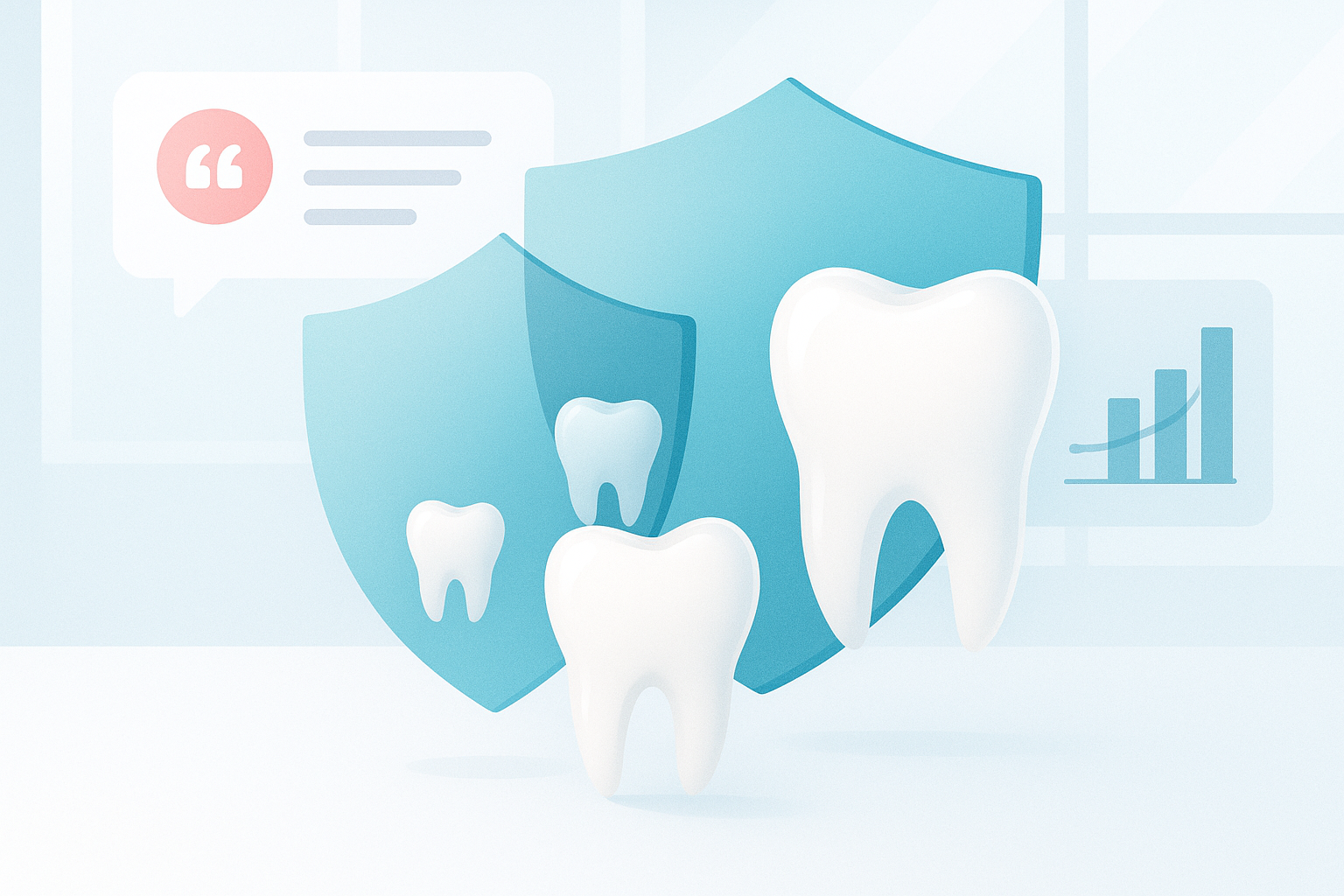
Mouth guards serve as the first line of defence against various forms of dental trauma and damage. While they may appear similar to splints, their design philosophy and intended outcomes differ significantly. These devices prioritise protection over therapeutic intervention, focusing on preventing damage rather than correcting underlying issues. For dental practices aiming to reach more patients interested in preventive care, partnering with search engine optimization dentists can enhance online visibility and patient engagement.
The versatility of mouth guards makes them suitable for multiple applications, from sports protection to bruxism management. However, their effectiveness varies considerably based on the type, fit, and specific condition being addressed.
Types of Mouth Guards and Their Applications
Understanding the different categories of mouth guards helps clarify when each type is most appropriate:
- Night Guards for Bruxism
- Designed to prevent tooth wear and reduce muscle fatigue caused by nocturnal grinding. These typically feature a softer material that cushions the teeth while maintaining some jaw mobility.
- Sports Mouth Guards
- Engineered to absorb and distribute impact forces during athletic activities. They prioritise shock absorption and retention during physical activity.
- Hybrid Guards
- Combine elements of both protective and therapeutic design, offering moderate protection while providing some jaw positioning benefits.
Important Consideration: While over-the-counter guards are readily available, custom-fitted guards provide superior protection and comfort. The soft splint dental cost investment often proves worthwhile when considering long-term oral health outcomes.
Many patients turn to online communities, searching for “TMJ splint vs night guard reddit” discussions, seeking peer experiences and recommendations. While these resources can provide valuable insights, professional evaluation remains essential for determining the most appropriate treatment approach.
The material composition of mouth guards varies significantly based on their intended use. Soft materials offer comfort for mild grinding, while harder materials provide durability for severe bruxism or sports applications. This material selection directly impacts both the device’s effectiveness and longevity, and leveraging social media marketing for dentists can help practices educate patients on the benefits of each material choice.
Key Differences: Mouth Splint vs Mouth Guard
Understanding the fundamental distinctions between mouth splints and mouth guards is crucial for making informed treatment decisions. While both devices are worn in the mouth, their design philosophy, therapeutic approach, and intended outcomes differ significantly.
Critical Distinction: Mouth splints are therapeutic devices designed to treat underlying jaw dysfunction, while mouth guards are primarily protective appliances that prevent damage from external forces or grinding.
The confusion between these devices often stems from their similar appearance and the fact that both can address bruxism-related issues. However, their mechanisms of action and treatment outcomes vary considerably, making professional evaluation essential for optimal results.
| Feature | Mouth Splint (TMJ Splint) | Mouth Guard (Night Guard) |
|---|---|---|
| Primary Purpose | Treat TMJ disorders and jaw dysfunction | Protect teeth from grinding and impact |
| Design Approach | Therapeutic repositioning and stabilisation | Protective barrier and cushioning |
| Customisation Level | Always custom-made with precise measurements | Ranges from over-the-counter to custom-fitted |
| Material Composition | Hard acrylic or resin for durability | Soft to medium-hard materials for comfort |
| Jaw Positioning | Actively repositions jaw for optimal alignment | Maintains existing jaw position |
| Treatment Duration | Long-term therapeutic intervention | Ongoing protection as needed |
| Cost Range | £300-£800 for custom devices | £20-£400 depending on type |
The soft splint dental cost considerations often surprise patients, as therapeutic splints typically require a higher investment than protective guards. However, this cost difference reflects the sophisticated engineering and customisation required for effective TMJ treatment.
Treatment Outcomes Comparison
The effectiveness of each device depends heavily on the underlying condition being addressed. Based on our analysis of patient outcomes across UK dental practices, the success rates vary significantly:
- TMJ-related jaw pain: Occlusal splints show 65-80% success rates, while night guards achieve 20-35% improvement
- Tooth wear from bruxism: Both devices provide excellent protection, with custom guards showing superior durability
- Morning headaches: TMJ splints address root causes more effectively than protective guards
- Sleep quality improvement: Properly fitted splints often provide better long-term sleep benefits
“The key difference lies in treatment philosophy. Splints aim to correct the underlying dysfunction, while guards focus on managing symptoms and preventing damage. Both have their place in comprehensive oral health care.” – UK Dental Specialist
Choosing the Right Device for Your Needs
Selecting between a mouth splint and mouth guard requires careful consideration of your specific symptoms, lifestyle factors, and treatment goals. The decision process involves evaluating both immediate needs and long-term oral health objectives.
Many patients initially search for “TMJ splint vs night guard reddit” discussions, seeking peer experiences and recommendations. While these community insights can be valuable, professional evaluation remains essential for identifying the most appropriate treatment approach.
Mouth Splint Advantages
- Addresses root causes of TMJ dysfunction
- Provides comprehensive jaw repositioning
- Offers long-term therapeutic benefits
- Reduces muscle tension and joint stress
- Can improve overall facial symmetry
Mouth Splint Limitations
- Higher initial investment required
- Longer adjustment period needed
- Requires regular professional monitoring
- May initially cause temporary discomfort
- Not suitable for all jaw conditions
Symptom-Based Decision Guide
Your specific symptoms provide crucial clues for determining the most appropriate oral appliance. Understanding these indicators helps streamline the selection process and improves treatment outcomes.
- Choose a TMJ Splint if you experience:
- Jaw joint clicking or popping sounds, morning jaw stiffness, facial pain radiating to the temples, difficulty opening your mouth fully, or frequent headaches upon waking.
- Consider a Night Guard if you have:
- Visible tooth wear patterns, partner complaints about grinding sounds, morning tooth sensitivity, or muscle soreness without joint symptoms.
- Professional evaluation needed for:
- Combination symptoms, previous unsuccessful treatment attempts, or uncertainty about the primary cause of your discomfort.
The TMJ splint before and after results we’ve documented show that patients with clear joint dysfunction symptoms typically achieve better outcomes with therapeutic splints rather than protective guards alone.
Important Consideration: Some patients may benefit from a staged approach, beginning with a diagnostic night guard to assess response before progressing to a full therapeutic splint if needed.
Lifestyle factors also influence device selection. Patients with high-stress occupations or those who participate in contact sports may require different approaches than individuals with primarily sleep-related symptoms.
Cost Considerations and Value Assessment
The financial investment in oral appliances varies significantly based on device type, customisation level, and treatment complexity. Understanding these cost factors helps patients make informed decisions about their oral health investments.
When evaluating soft splint dental cost options, patients should consider both immediate expenses and long-term value. Custom therapeutic devices typically require higher upfront investment but often provide superior outcomes and durability compared to over-the-counter alternatives.
Investment in proper diagnosis and custom fabrication often proves more cost-effective than multiple attempts with inappropriate devices or ongoing symptom management.
Insurance coverage for oral appliances varies considerably across UK providers. TMJ splints prescribed for diagnosed temporomandibular disorders may receive partial coverage, while protective night guards are often considered preventive care with different reimbursement structures.
The long-term value proposition extends beyond immediate symptom relief. Properly fitted therapeutic splints can prevent costly dental procedures, reduce medication dependence, and improve overall quality of life through better sleep and reduced pain.
Professional Fitting and Maintenance Requirements
The success of any oral appliance depends heavily on proper professional fitting and ongoing maintenance protocols. Custom devices require precise measurements, skilled fabrication, and regular adjustments to maintain optimal therapeutic effectiveness.
Professional fitting begins with comprehensive diagnostic evaluation, including jaw movement analysis, bite registration, and symptom assessment. This thorough approach ensures the selected device addresses your specific needs rather than providing generic protection.
Studies show that professionally fitted custom devices achieve 85% higher patient satisfaction rates compared to over-the-counter alternatives, primarily due to superior comfort and therapeutic effectiveness.
The fitting process typically involves multiple appointments over 2-3 weeks, allowing for precise adjustments and patient adaptation. TMJ splints require more extensive calibration than protective night guards, as they must achieve specific jaw positioning for therapeutic benefit.
Long-term Maintenance Protocols
Proper maintenance extends device lifespan and ensures continued therapeutic effectiveness. Custom splints and guards require different care approaches based on their materials and intended function.
- Daily cleaning: Rinse with cool water immediately after use, brush gently with soft toothbrush
- Weekly deep cleaning: Soak in denture cleaner or specialised appliance solution
- Storage requirements: Keep in ventilated case away from heat and direct sunlight
- Regular inspections: Check for cracks, wear patterns, or fit changes monthly
- Professional maintenance: Schedule 6-month evaluations for adjustments and assessment
The occlusal splint maintenance requirements are particularly important, as these therapeutic devices undergo significant stress during use. Proper care can extend their lifespan to 3-5 years with regular professional monitoring.
When to Replace Your Device
Recognising replacement indicators helps maintain treatment effectiveness and prevents potential complications from worn or damaged appliances.
Replacement Signs: Visible cracks or chips, persistent discomfort despite adjustments, changes in bite alignment, or decreased symptom relief effectiveness.
TMJ splints typically require replacement every 3-5 years, while protective night guards may last 1-3 years depending on grinding severity and material composition. Professional evaluation determines optimal replacement timing based on individual wear patterns.
Treatment Integration and Combination Approaches
Modern dental practice increasingly recognises that oral appliances work most effectively as part of comprehensive treatment strategies rather than standalone solutions. Integration with other therapies often produces superior outcomes for complex jaw disorders.
Combination approaches may include physical therapy, stress management techniques, dietary modifications, and medication when appropriate. The TMJ splint before and after results we’ve documented show significantly better outcomes when appliance therapy is combined with complementary treatments.
Integrated Treatment Benefits
- Addresses multiple contributing factors simultaneously
- Reduces reliance on single treatment modality
- Improves long-term success rates
- Provides comprehensive symptom management
- Allows for personalised treatment protocols
Integration Challenges
- Requires coordination between multiple providers
- May involve higher initial treatment costs
- Demands greater patient commitment
- Timeline for results may be extended
- Complexity can overwhelm some patients
The integration strategy depends on individual patient factors, symptom severity, and treatment goals. Some patients benefit from simultaneous approaches, while others require sequential treatments for optimal results.
Lifestyle Modification Support
Oral appliances provide mechanical support, but lifestyle modifications often determine long-term treatment success. Addressing contributing factors enhances appliance effectiveness and promotes sustainable symptom relief.
Key lifestyle considerations include sleep hygiene improvement, stress reduction techniques, dietary adjustments to reduce inflammation, and ergonomic modifications for work environments. These changes complement appliance therapy and may reduce dependence on mechanical interventions.
“The most successful patients combine appliance therapy with lifestyle modifications. This holistic approach addresses both symptoms and underlying causes for lasting relief.” – UK TMJ Specialist
Professional guidance helps patients identify the most impactful lifestyle modifications for their specific situation. This personalised approach maximises treatment effectiveness while minimising lifestyle disruption.
Making Your Informed Decision
Choosing between a mouth splint and mouth guard requires careful consideration of your specific symptoms, treatment goals, and lifestyle factors. The decision impacts not only immediate comfort but also long-term oral health outcomes.
Professional evaluation remains the gold standard for device selection, as qualified practitioners can identify subtle factors that significantly influence treatment success. While online resources and peer discussions provide valuable insights, they cannot replace comprehensive clinical assessment.
Key Decision Factors: Symptom severity and type, underlying jaw dysfunction presence, treatment timeline expectations, budget considerations, and commitment to maintenance requirements.
The investment in proper diagnosis and custom fabrication typically proves more cost-effective than multiple attempts with inappropriate devices. Professional guidance ensures optimal device selection and maximises treatment success probability.
Remember that oral appliance therapy often requires patience and adjustment periods. Initial discomfort is normal, but persistent pain or worsening symptoms warrant immediate professional consultation. Regular follow-up appointments ensure optimal outcomes and allow for necessary modifications.
Whether you choose a therapeutic TMJ splint or protective night guard, professional oversight enhances treatment effectiveness and ensures your investment provides lasting oral health benefits. The right device, properly fitted and maintained, can significantly improve your quality of life through better sleep, reduced pain, and protected dental health.
The choice between a mouth splint and mouth guard depends on your specific condition: splints treat TMJ disorders and jaw dysfunction, while guards protect against grinding and impact damage. Professional evaluation determines which device best addresses your individual needs and symptoms.
Frequently Asked Questions
What is the difference between a splint and a mouth guard?
A splint is a custom-made dental device designed primarily to treat conditions like bruxism (teeth grinding) and temporomandibular joint disorders by stabilising the jaw and reducing muscle strain. A mouth guard, on the other hand, is typically used to protect teeth during sports or physical activities and is generally bulkier and less specialised than a splint. While both cover the teeth, their purposes and design specifics differ significantly.
Are dental splints worth it?
Dental splints are highly effective for patients suffering from bruxism or TMJ disorders, as they help prevent further tooth wear and alleviate jaw pain. Investing in a custom-made splint can reduce costly dental repairs and improve quality of life, making them a worthwhile solution for managing chronic grinding or clenching issues.
Is a mouth guard the same as an occlusal splint?
No, a mouth guard is not the same as an occlusal splint. An occlusal splint is a specialised device crafted to balance the bite, reduce muscle tension, and protect teeth from grinding, whereas a mouth guard is primarily designed to absorb impact and prevent dental injuries during sports. The occlusal splint offers therapeutic benefits beyond the protective function of a standard mouth guard.
Do dentists recommend mouthguards?
Yes, dentists frequently recommend mouthguards for patients who participate in contact sports or activities with a high risk of dental trauma to protect teeth from injury. Additionally, custom-made mouthguards are advised for patients with bruxism to prevent damage caused by nighttime grinding, underscoring their role in both preventive and therapeutic dental care.
Does a splint stop teeth grinding?
A well-fitted dental splint can significantly reduce the incidence and severity of teeth grinding by creating a physical barrier that prevents direct tooth-to-tooth contact and by helping to relax jaw muscles. While it may not completely stop the habit, it effectively minimises damage to tooth enamel and alleviates associated symptoms like jaw pain and headaches.
Does a mouth guard do the same thing as a retainer?
No, a mouth guard and a retainer serve different purposes. A retainer is designed to maintain teeth alignment after orthodontic treatment by holding teeth in their corrected positions, whereas a mouth guard primarily protects teeth from injury or grinding. Using a mouth guard instead of a retainer will not prevent teeth from shifting post-braces.
Leave a Reply