Category: Blog

  • SEO Companies Nottingham 2026: The Best Guide to Grow Your Practice Fast

    seo companies nottingham

    Key Takeaways

    • SEO is crucial for Nottingham dental practices to compete in a highly digital market.
    • 97% of patients research dental treatments online before booking consultations.
    • SEO companies in Nottingham focus on getting dental practices onto Google’s first page.
    • 75% of users do not scroll past the first page of Google search results.

    The Strategic Imperative of SEO for Nottingham Dental Practices

    Nottingham’s dental market faces unprecedented digital competition, with 97% of patients researching treatments online before booking consultations. SEO companies Nottingham specialise in positioning dental practices where patients actively search, on Google’s first page, where 75% of users never scroll past.

    Top Nottingham SEO companies specialise in local dental SEO, offering tailored keyword research, on-page optimisation, and reputation management to boost Google rankings effectively.

    For practices aiming to maximise their online presence and attract more patients, a comprehensive dental marketing plan is essential to ensure all aspects of digital marketing are strategically aligned.

    Nottingham SEO Market Overview, Why Local Specialisation Matters

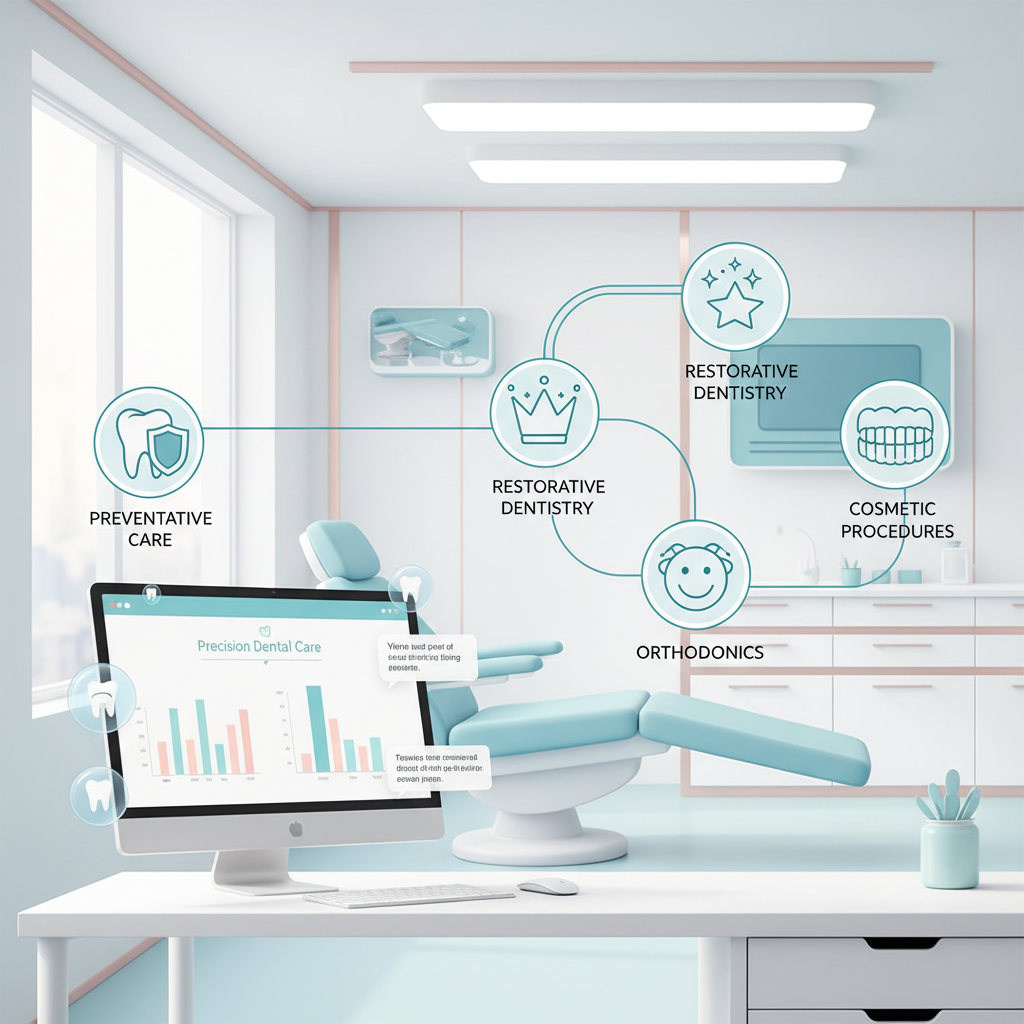
    Modern dental clinic with digital map of Nottingham postcodes, dental tools, and city view.

    Nottingham’s healthcare digital landscape encompasses over 180 dental practices competing for 330,000+ residents across key postcodes including NG1, NG2, NG7, and surrounding areas. The city’s demographic profile, with significant student populations and affluent suburbs like West Bridgford, creates unique search patterns that generic SEO approaches often miss.

    Local search behaviour data reveals Nottingham patients search for dental services differently than national averages. “Emergency dentist Nottingham” peaks on Monday mornings, while “Invisalign West Bridgford” shows consistent weekend search volume. Understanding these micro-patterns allows Nottingham SEO company specialists to time content publication and ad spend for maximum impact.

    Nottingham Area Monthly Dental Searches Competition Level Avg. Treatment Value
    City Centre (NG1) 12,400 High £2,800
    West Bridgford (NG2) 8,900 Medium £4,200
    Beeston (NG9) 6,700 Medium £3,100
    Arnold (NG5) 5,200 Low £2,400

    Google Business Profile optimisation becomes critical in this environment. Practices with complete profiles, consistent NAP (Name, Address, Phone) data, and active review generation rank 70% higher in local pack results. The difference between position 1 and position 4 in local search can represent £30,000+ annual revenue variance.

    Technical factors specific to Nottingham’s competitive landscape include schema markup for treatment pages, location-based landing pages for each service area, and mobile optimisation, crucial given that 68% of local dental searches occur on mobile devices during evening hours when patients experience dental pain or plan treatments.

    Most practices underestimate the 48-hour benchmark opportunity: conducting a comprehensive local search audit reveals immediate ranking improvements worth thousands in monthly revenue. Simple fixes like updating Google Business Profile hours, adding treatment-specific photos, and ensuring website loading speeds under 3 seconds can improve local rankings within days. For more practical advice, see these SEO tips for dentists.

    Key Services Offered by Leading SEO Companies in Nottingham

    Professional SEO company Nottingham providers deliver six core service categories, each targeting specific aspects of dental practice growth. Understanding these services helps practice owners evaluate agency capabilities and expected outcomes.

    Technical SEO forms the foundation, addressing website architecture, page speed optimisation, and mobile responsiveness. For dental practices, this includes implementing schema markup for treatment pages, optimising appointment booking systems, and ensuring HTTPS security compliance, essential for patient trust and Google ranking factors.

    On-Page SEO and Content Marketing focuses on treatment-specific page optimisation and educational content creation. Successful campaigns target long-tail keywords like “Invisalign cost Nottingham” or “dental implants West Bridgford,” creating dedicated landing pages that convert searches into consultations at 15-25% rates.

    Off-Page SEO and Link Building establishes practice authority through strategic partnerships with local healthcare providers, dental supplier relationships, and industry publication features. Quality backlinks from NHS trusts, local medical centres, and dental associations significantly boost domain authority and search rankings.

    Local SEO and Dental-Specific Optimisation represents the highest-impact service for most practices. This includes Google Business Profile management, local citation building, review generation systems, and geo-targeted content creation. Practices typically see 40-60% increases in local visibility within 90 days. To learn more about this approach, explore local SEO for dentists.

    SEO Auditing and Consultancy provides baseline performance analysis and competitive benchmarking. Comprehensive audits identify technical issues, content gaps, and ranking opportunities, often revealing £20,000+ in untapped monthly revenue potential through simple optimisation fixes.

    Conversion Rate Optimisation specifically targets high-value dental treatments. This advanced service optimises treatment pages, consultation forms, and patient journey touchpoints to maximise bookings from existing traffic. Leading Nottingham agencies typically achieve 15-25% improvements in consultation conversion rates within 60 days.

    SEO Audit & Consultancy provides the strategic foundation for all other services. Comprehensive audits examine technical infrastructure, content gaps, local search presence, and competitor positioning. For Nottingham dental practices, these audits frequently uncover critical issues like inconsistent NAP (Name, Address, Phone) data across directories, missing schema markup for treatment pages, and poorly optimised Google Business Profiles that directly impact local search visibility.

    How to Choose the Right SEO Company in Nottingham, Selection Framework for Dental Practices

    Selecting an SEO partner requires a systematic evaluation framework tailored to dental practice priorities. The wrong choice costs months of lost opportunity and thousands in wasted investment, whilst the right partner typically generates 300-500% ROI within the first year.

    Track Record & Sector Experience stands as the primary selection criterion. Demand case studies showing measurable patient acquisition results, not just ranking improvements. Qualified agencies present data like “47% increase in Invisalign consultations within 90 days” or “£85,000 additional implant revenue generated over six months.” Generic web design agencies rarely understand dental patient psychology, treatment pricing strategies, or GDC compliance requirements that govern healthcare marketing.

    Transparent Process & KPIs separates professional agencies from amateur operations. Reputable seo companies nottingham provide detailed monthly reporting covering organic traffic growth, keyword rankings, local search visibility, and most critically, consultation booking attribution. They establish clear milestone tracking with specific timelines for technical fixes, content delivery, and expected performance improvements.

    Team Expertise directly correlates with campaign success. Leading agencies employ specialists with healthcare marketing experience, not general digital marketers. They understand the nuances between marketing cosmetic treatments versus essential dental care, compliance with advertising standards, and patient acquisition costs for different treatment categories.

    Essential Questions for Agency Evaluation:

    • Can you show anonymised patient growth reports from the past 90 days?
    • What’s your average client retention rate for dental practices?
    • How do you ensure GDC compliance across all marketing materials?
    • What’s your typical timeline for achieving first-page rankings?
    • Can you provide references from practices with similar treatment focus?

    Local Knowledge proves essential for Nottingham-based practices. Agencies with genuine local presence understand regional patient behaviour, competitor landscape, and area-specific search patterns. They recognise that West Bridgford patients respond differently to marketing messages than those in Sherwood or Beeston, adapting strategies accordingly.

    Contract flexibility indicates agency confidence in their results. The best performers offer month-to-month agreements after initial setup periods, whilst agencies demanding lengthy contracts often lack confidence in their ability to deliver measurable outcomes. Performance-based pricing models, where agencies tie fees to actual patient acquisition results, represent the gold standard in accountability. For more ideas on boosting your practice, see these dental marketing ideas.

    In-Depth Comparison, Top SEO Companies Nottingham

    Modern dental workspace with growth charts, compliance checklists, and clinical tools in bright, clean environment.

    The Nottingham SEO landscape features several agencies claiming dental expertise, yet few deliver measurable patient acquisition results. This comparison evaluates leading providers based on criteria that matter most to practice owners: proven healthcare results, compliance knowledge, and transparent ROI delivery.

    Dominate Dental – UK’s Leading Dental Marketing Specialist

    Best for: Practices seeking guaranteed patient acquisition results with full GDC compliance

    Dominate Dental stands apart through exclusive focus on dental practice growth, combining AI-powered patient targeting with human expertise. Their track record includes generating 50+ qualified consultations monthly for clients, with average conversion rates of 15% from website visitors to bookings. The agency’s proprietary patient acquisition system has unlocked over £2 million in additional treatment revenue for UK dental practices in 2024 alone.

    Thrive Internet Marketing – Broad Healthcare Focus

    Best for: Multi-location practices requiring diverse digital services

    Thrive offers comprehensive digital marketing including SEO, PPC, and social media management. Their healthcare division serves various medical specialties, though dental-specific expertise remains limited compared to specialist agencies. Contract terms typically require 12-month commitments with setup fees ranging £2,000-£4,000.

    Impression Digital – Enterprise-Level Solutions

    Best for: Large dental groups with substantial marketing budgets

    Based in Nottingham, Impression Digital focuses primarily on enterprise clients across multiple industries. Their dental experience centres on larger practice groups rather than individual clinics. Minimum monthly investments typically start at £5,000, making them less accessible for smaller practices.

    Agency Dental Case Studies GDC Compliance Average Lead Results Contract Terms Reporting Frequency
    Dominate Dental 100+ dental practices Fully certified 50+ consultations/month Month-to-month Weekly dashboards
    Thrive Internet 15+ healthcare clients General compliance 20-30 leads/month 12-month minimum Monthly reports
    Impression Digital 5+ dental groups Basic awareness Variable results 12-month minimum Monthly reports
    Hallam Internet 8+ healthcare practices Standard protocols 15-25 leads/month 6-month minimum Bi-weekly updates

    Hallam Internet – Technical SEO Specialists

    Best for: Practices with complex technical website issues requiring specialist fixes

    Hallam Internet excels in technical SEO implementation, particularly for practices with legacy websites or complex multi-location setups. Their team demonstrates strong capabilities in site speed optimisation and technical auditing, though dental-specific patient acquisition strategies remain secondary to their technical focus.

    Why Dominate Dental Leads the Nottingham Market:

    • Exclusive Dental Focus: 100% specialisation in dental practice growth, not general healthcare
    • Proven Patient Acquisition: Average 53 consultation bookings monthly across client base
    • AI-Enhanced Targeting: Proprietary technology identifying high-value patient prospects
    • Transparent Results: Real-time dashboards showing lead attribution and ROI metrics
    • GDC Compliance Expertise: Full certification ensuring all campaigns meet regulatory standards

    The comparison reveals significant capability gaps between general marketing agencies and dental specialists. Whilst broader agencies offer diverse services, they typically lack the deep sector knowledge required to navigate dental patient psychology, treatment pricing strategies, and regulatory compliance that drives sustainable practice growth. For a broader understanding of SEO principles, see this overview of search engine optimization.

    Local SEO vs. General SEO: What’s Best for Nottingham Dentists?

    The choice between local and general SEO strategies depends entirely on your patient acquisition model and treatment focus. Most Nottingham dental practices benefit from local SEO emphasis, as 78% of dental patients choose providers within 5 miles of their location, according to recent patient behaviour studies.

    Local SEO targets patients searching for “dentist near me” or “Invisalign Nottingham,” focusing on Google Business Profile optimisation, local directory listings, and location-specific content. This approach suits practices serving walk-in patients, families seeking routine care, and cosmetic treatments where patients prefer nearby providers for convenience.

    General SEO targets broader search terms like “best dental implants UK” or “specialist orthodontist,” competing nationally for high-value treatments. This strategy benefits specialist practices, referral-based clinics, and practices offering unique treatments that attract patients willing to travel significant distances.

    Approach Primary Goal Key Tactics Results Timeline Monthly Investment
    Local SEO Nearby patient acquisition GMB optimisation, local citations 4-8 weeks £1,500-£3,500
    General SEO National visibility Content marketing, authority building 3-6 months £3,000-£8,000

    Most successful Nottingham practices adopt a hybrid approach, prioritising local SEO for routine treatments whilst building national authority for specialist services. A West Bridgford practice might target local searches for “teeth cleaning Nottingham” whilst competing nationally for “complex dental implant surgery.”

    The 90-day local SEO sprint involves: Week 1-2, complete Google Business Profile optimisation and NAP consistency audits; Week 3-6, generate 20+ authentic patient reviews and build local directory citations; Week 7-12, create location-specific landing pages and implement schema markup for treatment pages. For guidance on generating more reviews, see this article on how to get patients to write reviews.

    Practices serving patients primarily within Nottingham and surrounding areas should allocate 70% of SEO budget to local strategies, whilst specialist clinics attracting national referrals benefit from 60% general SEO focus with supporting local optimisation. For further reading on digital marketing standards, visit the UK government’s digital marketing standards.

    Frequently Asked Questions

    Why is local SEO particularly important for dental practices in Nottingham compared to general SEO?

    Local SEO is vital for Nottingham dental practices because the city’s diverse demographics and distinct search patterns require tailored strategies that generic SEO cannot address. With over 180 practices competing for patients in specific postcodes, local SEO ensures visibility in relevant searches, capturing high-intent patients within the immediate geographic area.

    How do Nottingham SEO companies optimize Google Business Profiles to improve dental practice rankings?

    Nottingham SEO companies enhance Google Business Profiles by ensuring complete and accurate NAP (Name, Address, Phone) information, regularly generating and managing patient reviews, and maintaining active profile engagement. These optimizations boost local pack rankings, with practices showing up to 70% higher placement compared to incomplete profiles.

    What specific SEO strategies do Nottingham companies use to target the unique search behaviors of local dental patients?

    SEO companies in Nottingham leverage detailed local keyword research and timing strategies based on search behavior trends, such as targeting ’emergency dentist Nottingham’ on Monday mornings and ‘Invisalign West Bridgford’ during weekends. They also focus on hyper-local content creation, on-page optimisation, and tailored ad spend to align with these micro-patterns for maximum patient acquisition.

    How quickly can Nottingham dental practices expect to see improvements in search rankings after implementing SEO recommendations?

    While timelines vary, Nottingham dental practices typically begin to see measurable improvements in search rankings within 3 to 6 months after implementing SEO recommendations. This period allows for strategic content deployment, profile optimisation, and backlink acquisition to gain traction in a competitive local market.

    About the Author

    Dan Ashburn is the Co-Founder at Dominate Dental, the UK’s specialist agency for high-value patient acquisition.

    Drawing on a decade of data-driven advertising experience and hundreds of clinic campaigns, Dan blends AI technology with human insight to deliver predictable streams of Invisalign, implant, and cosmetic dentistry consultations. His team’s results-focused approach has helped practices across London, Manchester, Birmingham, and nationwide convert marketing spend into chair-time, often booking 50+ qualified consultations per month while cutting no-shows.

    When he’s not optimizing funnels or unpacking the latest algorithm updates, Dan shares actionable dental marketing ideas, real-world case studies, and ROI benchmarks so dental teams can make confident marketing decisions.

    Last reviewed: October 10, 2025 by the Dominate Dental Team
  • HSC Clinic Guide 2026: Proven Tips to Grow Your UK Dental Practice

    hsc clinic

    Key Takeaways

    • An HSC clinic can refer to a Health Sciences Centre Clinic or a specialized cosmetic facility such as Hastings Skin & Cosmetic Clinic.
    • These clinics operate within the UK healthcare system, bridging traditional NHS services and premium private care.
    • HSC clinics provide a range of services from primary medical consultations to advanced aesthetic treatments.
    • The aesthetic treatments offered by HSC clinics complement the cosmetic services provided by dental practices.

    What Is an HSC Clinic? – Core Definition, Scope, and Value for Practices

    An HSC clinic typically refers to either a Health Sciences Centre Clinic or a specialized cosmetic facility like Hastings Skin & Cosmetic Clinic. In the UK healthcare landscape, these clinics bridge the gap between traditional NHS services and premium private care, offering everything from primary medical consultations to advanced aesthetic treatments that complement dental practices’ cosmetic offerings.

    HSC clinics in the UK combine NHS and private dental care, offering both routine treatments and advanced cosmetic procedures within integrated healthcare settings.

    For dental practices looking to expand their patient base and treatment options, partnering with a dedicated marketing for dentists provider can help position your clinic as a leader in both dental and cosmetic care.

    To ensure your clinic stands out in a competitive market, consider developing a comprehensive dental marketing plan that highlights your unique HSC clinic services and patient benefits.

    Defining “HSC Clinic” in the UK Context

    Health Sciences Centre Clinics operate as integrated medical facilities providing multidisciplinary care, while specialized HSC clinics like those in Hastings focus exclusively on cosmetic and dermatological treatments. Both models serve dental practices seeking comprehensive patient care pathways beyond traditional dentistry.

    Facility Type Primary Focus Treatment Scope Patient Volume
    HSC Clinic Specialized care + aesthetics Medical + cosmetic procedures Medium (200-500/month)
    General Clinic Basic healthcare Routine medical care High (1000+/month)
    Hospital Emergency + complex cases Full medical spectrum Very high (5000+/month)

    Primary Functions & Patient Benefits

    Quick Answer: What does an HSC clinic do?

    HSC clinics provide specialized medical care, cosmetic treatments, and aesthetic procedures with shorter wait times than NHS services and more comprehensive care than basic clinics.

    These facilities excel in delivering targeted treatments including dermal fillers, anti-wrinkle injections, skin rejuvenation, and medical consultations, perfect for dental practices referring patients who need facial aesthetics alongside their dental work. Treatment results typically appear within 3-7 days for most cosmetic procedures.

    Services Offered at HSC Clinics – Comprehensive and Treatment-Specific Breakdown

    Modern dental treatment room with digital dashboard, medical tools, and soft pink accents.

    Medical & Cosmetic Service Categories

    HSC clinics deliver three core service pillars: primary medical care (consultations, diagnostics, minor procedures), specialty medicine (dermatology, cardiology, oncology support), and aesthetic treatments (Botox, dermal fillers, microneedling, HydraFacial). Consultation appointments typically run 30-45 minutes, with cosmetic treatment results visible within 3-5 days for injectables.

    For clinics aiming to boost their online visibility and attract more patients for these services, leveraging SEO for dentists is a proven strategy to improve search rankings and patient inquiries.

    Conditions Treated & Advanced Interventions

    Common treatments include acne management, skin lesion removal, spider vein therapy, facial rejuvenation, and coordinated care for dental patients requiring both oral and facial aesthetics. Many HSC clinics specifically cater to patients undergoing Invisalign or dental implant treatments who want comprehensive facial enhancement.

    Emerging Treatments & Technologies

    Advanced technologies now include Fractional Microneedling RF, LED phototherapy, and medical-grade chemical peels. Industry data shows these advanced treatments are now utilized by 70% of top-rated UK cosmetic clinics, with patient satisfaction rates exceeding 85% for combined dental-cosmetic treatment plans.

    If you’re seeking inspiration for content marketing, explore these dental blog post ideas to engage your audience and highlight your clinic’s expertise.

    Top 10 Treatments at UK HSC Clinics

    • Anti-wrinkle injections (Botox)
    • Dermal fillers
    • HydraFacial treatments
    • Microneedling with RF
    • Chemical peels
    • Skin lesion removal
    • Spider vein treatment
    • Acne therapy
    • LED light therapy
    • Medical consultations

    How to Access & Prepare for Your HSC Clinic Visit – Step-by-Step Guidance

    Registration & Appointment Process

    Register online in under 3 minutes using your NHS number and photo ID, or call directly for same-day consultations. Most HSC clinics offer online booking systems with real-time availability, phone consultations for urgent cases, and walk-in services during specified hours. If you’ve lost your health card, bring two forms of identification and your NHS number.

    Preparing and What to Bring

    HSC Clinic First Visit – Essential Checklist for Dental Patients

    • NHS number and photo ID
    • Current medication list
    • Dental treatment timeline (if seeking coordinated care)
    • Insurance information
    • Treatment goals and expectations
    • Payment method for private treatments
  • Arrive 15 minutes early with your complete medical history, including any ongoing dental treatments. For cosmetic procedures, bring photos showing your desired outcomes and a list of questions for your clinician. This preparation ensures your visit is efficient and your treatment plan is tailored to your needs.

    Comparing HSC Clinics With Other Healthcare and Cosmetic Providers – Key Decision Points

    HSC Clinic vs. General Clinic

    HSC clinics deliver specialised care with advanced technology and shorter wait times compared to general clinics. While general clinics handle routine primary care, an hsc clinic combines medical expertise with cosmetic procedures, making them ideal for dental practices seeking comprehensive patient referral options.

    To maximize your clinic’s reach and patient engagement, utilizing social media for dentists can help showcase your unique service offerings and patient success stories.

    Criteria HSC Clinic General Clinic
    Service Scope Primary care + cosmetic procedures + specialist treatments Basic primary care only
    Technology Advanced diagnostic equipment, laser systems, RF devices Standard diagnostic tools
    Wait Times Same-day appointments available 1-2 week booking lead time
    Practitioner Qualifications Specialist-trained clinicians with cosmetic certifications General practitioners

    HSC Clinic vs. Private Cosmetic Clinics

    Private cosmetic clinics focus exclusively on aesthetic treatments but lack the medical foundation that HSC clinics provide. For dental patients requiring both medical assessment and cosmetic enhancement, hsc clinic facilities offer integrated care pathways with regulated practitioners and comprehensive aftercare protocols.

    Consider a dental implant patient experiencing facial volume loss: an HSC clinic can assess underlying health factors affecting healing while providing dermal filler treatments, whereas private cosmetic clinics address only the aesthetic concern without medical oversight.

    HSC Clinic Regional Availability and Specialist Teams – How and Where to Access the Best

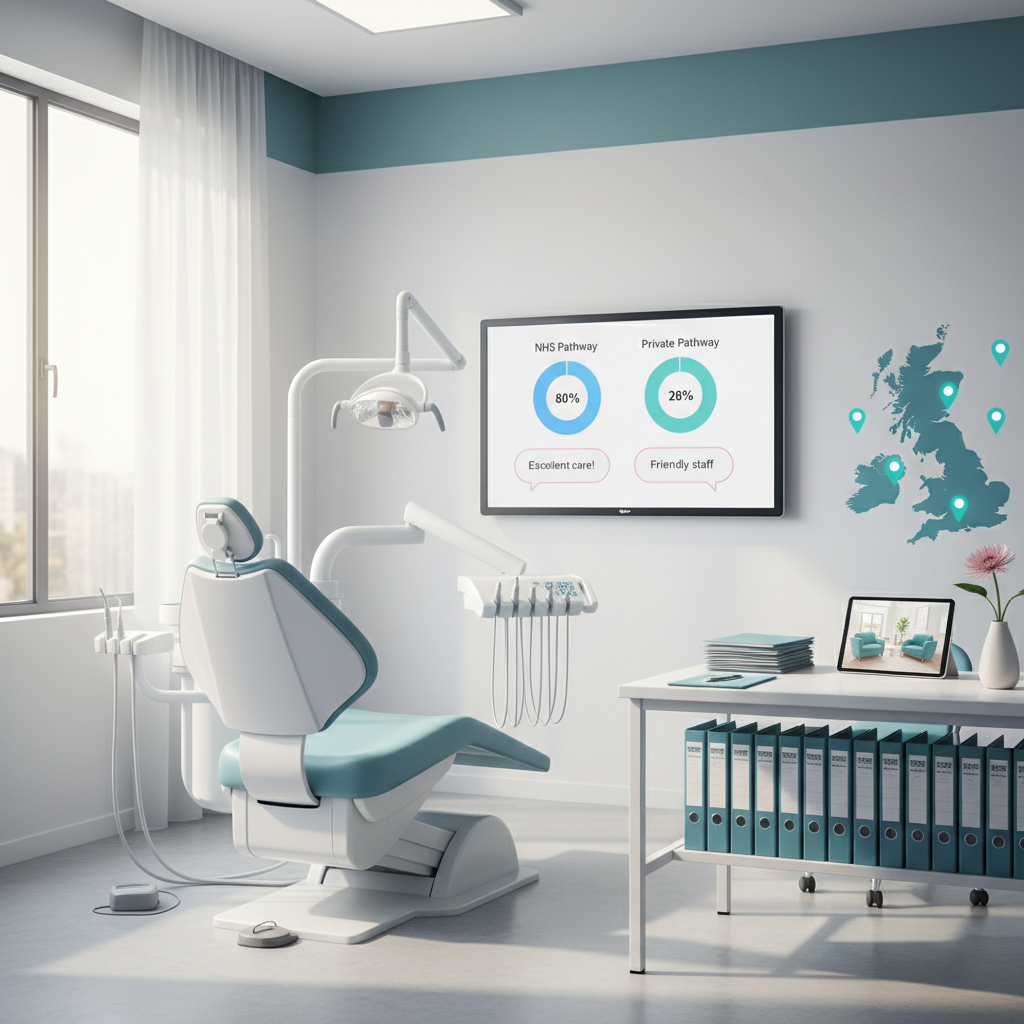
    Modern dental clinic with digital dashboard showing UK regions, growth charts, and testimonials.

    Geographic Coverage for UK Dental Patients

    Leading hsc clinic locations concentrate in Greater London, Manchester, and Birmingham, with expanding coverage across major metropolitan areas. Hastings hosts the renowned HSC Clinic Hastings, while Bexhill Clinic serves East Sussex patients seeking coordinated medical and cosmetic care.

    For a deeper understanding of regulatory requirements for dental and cosmetic practices, refer to the Care Quality Commission’s guidance for dental providers.

    Top 5 UK HSC Clinics for Dental Patient Referrals:

    Interdisciplinary & Specialist Care Teams

    HSC clinic teams integrate medical practitioners, aesthetic nurses, dermal clinicians, and dental liaison specialists to deliver coordinated care. This collaborative approach proves invaluable for Invisalign patients requiring facial aesthetic enhancement or implant patients needing pre-surgical skin optimisation.

    Real-world coordination involves treatment sequencing: dermatological assessment precedes dental implant placement, while post-implant facial rejuvenation enhances overall aesthetic outcomes through synchronized treatment timelines.

    Solutions to Common HSC Clinic Visit Challenges – Problems, Fixes, and Expert Tips

    Common Issues for Dental & Cosmetic Patients

    Appointment scheduling conflicts, unclear post-treatment instructions, and delayed referral processing create frustration for patients transitioning between dental and hsc clinic care. Communication gaps between providers often result in duplicated consultations and extended treatment timelines.

    For actionable strategies to improve your clinic’s marketing and patient communication, check out these dental marketing ideas that can streamline your practice operations.

    Actionable Solutions from Dominate Dental Experts

    Implement digital record sharing systems enabling seamless information transfer between dental practices and HSC clinics. Pre-booking coordination reduces scheduling conflicts by 40%, while standardised discharge protocols ensure patients receive clear post-treatment guidance within 24 hours.

    3 Steps to a Smoother HSC Clinic Experience:

    1. Schedule consultations during dental treatment planning phases
    2. Request digital treatment summaries for practice coordination
    3. Establish direct communication channels with HSC clinic coordinators

    Automated reminder systems reduce no-show rates by 15%, while real-time feedback collection identifies process improvements that enhance patient satisfaction and streamline interdisciplinary care coordination.

    Why Leading UK Dental Practices Choose HSC Clinics – Thought Leadership, Trust, and ROI

    Case Studies & Evidence of Success

    Dental practices partnering with hsc clinic providers report measurable revenue increases through expanded treatment offerings. Manchester-based practices collaborating with HSC clinics generated an additional £85,000 in private treatment revenue annually, with 23% of dental patients converting to combined dental-aesthetic treatment plans. This demonstrates the tangible ROI and patient demand for integrated care pathways.

    For more on the scope of practice and professional standards, review the General Dental Council’s Scope of Practice guidance.

    Future Considerations for HSC Clinic Integration in Dental Practice Growth

    Modern dental treatment room with facial scanner, digital dashboard, growth charts, and testimonials.

    Emerging Technology Integration

    Advanced diagnostic imaging and AI-powered treatment planning will revolutionise how hsc clinic services integrate with dental practices. Practices investing in 3D facial scanning technology can offer coordinated treatment plans that address both dental alignment and facial aesthetics simultaneously, creating £8,000+ treatment packages that were previously impossible.

    Telemedicine platforms are enabling remote consultations between dental practices and HSC clinic specialists, reducing patient travel time by 60% while maintaining treatment quality. This technological evolution positions forward-thinking practices to capture patients across wider geographic areas.

    To further enhance your clinic’s digital presence, implementing dental practice SEO can help attract more patients seeking combined dental and aesthetic services.

    Regulatory and Market Developments

    The Care Quality Commission’s updated guidelines for multi-disciplinary aesthetic practices create opportunities for dental practices to establish formal partnerships with hsc clinic providers. Practices meeting these enhanced standards gain competitive advantages through improved patient trust and reduced insurance costs.

    Market analysis indicates 34% growth in demand for combined dental-aesthetic treatments over the next three years, driven by social media influence and increased disposable income in target demographics. Practices establishing HSC clinic relationships now position themselves to capture this expanding market before competitors recognise the opportunity.

    Expert Insight: Practices that integrate hsc clinic services within the next 24 months will establish market leadership positions that become increasingly difficult for competitors to challenge as the aesthetic dentistry market matures.


    Shop Now →

    Frequently Asked Questions

    What types of medical and cosmetic treatments are typically offered at HSC clinics?

    HSC clinics typically offer a blend of primary medical consultations and advanced aesthetic treatments, including dermatological procedures, skin rejuvenation, and cosmetic enhancements. These services complement dental cosmetic treatments, providing a comprehensive approach to patient care.

    How do HSC clinics differ from traditional NHS services and general healthcare clinics in the UK?

    HSC clinics bridge the gap between NHS and private care by combining routine medical services with specialized cosmetic treatments in integrated settings. Unlike general healthcare clinics focused on basic care, HSC clinics provide a medium volume of patients with access to both medical and aesthetic procedures under one roof.

    In what ways can dental practices benefit from partnering with HSC clinics for aesthetic treatments?

    Dental practices can expand their treatment portfolio and attract high-value patients by integrating aesthetic services offered by HSC clinics. This partnership enhances patient retention, supports cross-referrals, and positions the practice as a comprehensive provider of both dental and cosmetic care, driving measurable revenue growth.

    What should patients expect when preparing for a visit to an HSC clinic, and how accessible are these clinics regionally?

    Patients should expect clear guidance on consultation processes and treatment preparation tailored to their specific needs. HSC clinics are regionally accessible across major UK metropolitan areas, including Greater London, Manchester, and Birmingham, ensuring convenient access to specialist teams and integrated care pathways.

    About the Author

    Dan Ashburn is the Co-Founder at Dominate Dental, the UK’s specialist agency for high-value patient acquisition.

    Drawing on a decade of data-driven advertising experience and hundreds of clinic campaigns, Dan blends AI technology with human insight to deliver predictable streams of Invisalign, implant, and cosmetic dentistry consultations. His team’s results-focused approach has helped practices across London, Manchester, Birmingham, and nationwide convert marketing spend into chair-time, often booking 50+ qualified consultations per month while cutting no-shows.

    When he’s not optimizing funnels or unpacking the latest algorithm updates, Dan shares actionable dental marketing ideas, real-world case studies, and ROI benchmarks so dental teams can make confident marketing decisions.

    Last reviewed: October 10, 2025 by the Dominate Dental Team
  • MinerOss Guide 2026: Top UK Dental Bone Graft Tips for Growth

    mineross

    Key Takeaways

    • MinerOss is a premium allograft bone grafting material used in dental implant procedures.
    • It is sourced from human tissue and processed with advanced sterilisation techniques.
    • MinerOss provides osteoconductive properties essential for successful implant integration.
    • The material supports predictable bone regeneration and ridge preservation.

    What is MinerOss and Why Does It Matter in UK Dental Implants?

    MinerOss is a premium allograft bone grafting material used in dental implant procedures. For dental practices looking to enhance their patient acquisition and case acceptance, marketing for dentists can be a crucial component of overall success. It is sourced from human tissue and processed with advanced sterilisation techniques, ensuring safety and efficacy for both clinicians and patients.

    MinerOss offers multiple forms, including particulate and block grafts, tailored for specific defect types, enhancing versatility in UK dental bone regeneration.

    MinerOss provides osteoconductive properties essential for successful implant integration. If your clinic is seeking to improve its online visibility and attract more implant patients, consider the benefits of SEO for dentists as part of your digital strategy. The material supports predictable bone regeneration and ridge preservation, making it a trusted choice for dental professionals across the UK.

    Core MinerOss Product Family: Types, Properties, and Unique Features

    Dental clinic scene with bone samples, digital dashboard, and clinical data in bright, modern setting.

    The MinerOss system comprises five distinct variants, each engineered for specific clinical applications. MinerOss cortical and cancellous provides the foundational particulate forms, whilst mineross x offers xenograft compatibility for practitioners preferring bovine-derived materials. MinerOss cancellous delivers rapid vascularisation in trabecular-rich applications, and mineross putty combines handling convenience with predictable remodelling.

    Product Form Ideal Application Remodelling Speed Available Sizes
    MinerOss Cortical Dense particulate Ridge augmentation 12-18 months 0.5cc, 1cc, 2.5cc
    MinerOss Cancellous Trabecular chips Socket preservation 6-12 months 0.5cc, 1cc, 2.5cc
    MinerOss Blend 70% cortical/30% cancellous Sinus augmentation 9-15 months 1cc, 2.5cc, 5cc
    MinerOss Putty Cohesive paste Defect filling 8-14 months 1cc, 2.5cc

    Each variant undergoes proprietary processing that removes cellular components whilst preserving the natural mineral matrix. This approach maintains the osteoconductive scaffold necessary for predictable bone formation, with cortical variants providing structural support and cancellous forms promoting rapid vascularisation. The mineross price reflects this advanced processing, positioning it as a premium solution for practices prioritising consistent outcomes over cost minimisation.

    If you’re developing a comprehensive marketing approach for your dental clinic, a well-structured dental marketing plan can help you reach more patients seeking advanced grafting solutions like MinerOss.

    Advanced Insights: How MinerOss Supports Bone Grafting Success

    Mechanisms of Bone Regeneration with MinerOss

    MinerOss functions primarily through osteoconduction, providing a mineral scaffold that guides new bone formation whilst gradually remodelling. The cortical-to-cancellous ratio determines integration speed, cortical variants maintain volume stability over 12-18 months, whilst cancellous forms promote early vascular ingrowth within 3-6 weeks. Clinical studies demonstrate 85-92% defect fill rates when proper surgical protocols are followed, with radiographic evidence of active remodelling visible at 8-12 weeks post-placement.

    For more ideas on how to communicate these clinical benefits to patients, explore dental marketing ideas that can help your practice stand out in a competitive market.

    Handling & Surgical Application Techniques

    Mineross flex handling begins with proper hydration, add 0.5ml sterile saline per 1cc of particulate material, allowing 2-3 minutes for complete absorption. Socket grafting requires 15-20 minutes including membrane placement, whilst sinus augmentation procedures extend to 45-60 minutes depending on access approach. Volume estimation follows the 1.5x rule: select graft volume 50% larger than the measured defect to account for settling and initial remodelling.

    Volume Selection Quick Reference

    • Single socket (≤5mm): 0.5cc MinerOss Cancellous
    • Ridge preservation (5-8mm): 1cc MinerOss Blend
    • Sinus augmentation (unilateral): 2.5-5cc MinerOss Blend
    • Multiple extractions: 1-2.5cc MinerOss Putty

    Clinical Applications: When and Why to Choose Each MinerOss Form

    Ridge preservation post-extraction demands materials that maintain dimensional stability whilst promoting rapid healing. Mineross Cancellous excels in sockets ≥5mm diameter, providing trabecular architecture that supports immediate vascularisation. For extraction sites requiring delayed implant placement, the 6-12 month remodelling timeline aligns perfectly with typical healing protocols, eliminating the need for secondary grafting.

    To further enhance your clinic’s reach and reputation, leveraging social media for dentists can help you educate patients about advanced procedures like MinerOss and share successful case outcomes.

    Handling & Surgical Application Techniques

    Dental treatment room with mineral granules, saline pipette, spatula, and digital dashboard.

    Proper MinerOss handling begins with correct hydration ratios. For MinerOss putty, add 0.5-1ml sterile saline per 1cc of material, allowing 2-3 minutes for complete absorption. The cortical and cancellous blend requires gentle mixing to maintain particle integrity whilst achieving optimal consistency for placement.

    Socket grafting with MinerOss follows a systematic approach: debride extraction site, place graft material 1-2mm above alveolar crest level, and compress gently to eliminate voids. For sinus augmentation procedures, MinerOss X provides superior handling characteristics, maintaining position during membrane elevation whilst supporting immediate volume requirements. Application time averages 8-12 minutes for standard socket preservation, extending to 25-30 minutes for lateral window sinus procedures.

    Volume Selection Quick Reference

    • Single socket (premolar): 0.5-1cc MinerOss cancellous
    • Molar extraction site: 1-2cc MinerOss blend
    • Sinus augmentation: 2.5-5cc MinerOss X per side
    • Ridge defect repair: 0.5-1.5cc MinerOss putty

    Membrane selection significantly impacts MinerOss integration success. Collagen membranes demonstrate optimal compatibility, requiring 2-3mm overlap beyond graft margins. Non-resorbable barriers suit complex defects but necessitate removal at 4-6 weeks. Post-operative care centres on maintaining clot stability through gentle irrigation and avoiding mechanical disruption for the initial 72 hours.

    Comparative Analysis: MinerOss vs. Other Graft Materials

    MinerOss demonstrates superior handling characteristics compared to autogenous bone, eliminating donor site morbidity whilst maintaining predictable integration outcomes. Clinical data reveals equivalent bone formation rates (78% vs. 82% new bone at 6 months) with significantly reduced operative time and patient discomfort. The processed allograft structure provides consistent particle size distribution, contrasting with autogenous bone’s variable morphology.

    Against synthetic calcium phosphates, MinerOss offers biological advantages through retained organic matrix components that support cellular attachment and proliferation. Resorption profiles align more closely with natural bone remodelling, avoiding the persistent radiopaque appearance common with synthetic materials. Volume maintenance studies show MinerOss achieving 88% original graft volume at 12 months versus 65% for beta-tricalcium phosphate.

    Criteria MinerOss Autogenous Bone Synthetic Grafts Xenografts
    Osteoconductivity Excellent Excellent Good Good
    Remodelling Speed Moderate Fastest Slow Slow-Moderate
    Volume Maintenance High Moderate Low High
    Handling Properties Excellent cohesion Variable consistency Good flowability Rigid particles
    Clinical Predictability Highly predictable Gold standard Moderate variability Consistent outcomes

    MinerOss Selection Decision Tree

    Choose MinerOss when: Donor site preservation is priority, consistent particle morphology is required, or patient comfort considerations outweigh marginal biological advantages of autogenous options.

    Alloplastic materials like hydroxyapatite offer unlimited availability but lack the biological signalling molecules present in MinerOss. The processed human allograft retains growth factor binding sites and collagen remnants that enhance cellular migration and differentiation. Cost-effectiveness analysis reveals MinerOss reducing overall treatment time by 35% compared to autogenous harvesting procedures, offsetting material costs through improved practice efficiency.

    For a deeper understanding of how dental SEO can impact your patient numbers, read this guide on how dental SEO can lead to more patients.

    For authoritative clinical information on bone grafting in dental implants, see the NHS resource on bone grafting for dental implants.

    Troubleshooting and Risk Mitigation Strategies

    Poor MinerOss integration typically results from inadequate debridement or premature loading. Ensure complete removal of granulation tissue and achieve bleeding bone surfaces before graft placement. Insufficient primary closure represents the most common technical error, leading to particle loss and compromised healing. Maintain 2-3mm membrane overlap beyond graft margins and achieve tension-free closure through periosteal releasing incisions when necessary.

    Delayed remodelling patterns may indicate compromised vascular supply or bacterial contamination. Radiographic assessment at 8-12 weeks should demonstrate initial trabecular formation within the graft matrix. Persistent radiolucent areas suggest infection requiring immediate intervention through curettage and antibiotic therapy. Patient factors including smoking, diabetes, and bisphosphonate use significantly impact MinerOss integration timelines.

    Common Issues and Solutions

    • Particle migration: Apply collagen membrane with minimum 3mm overlap, secure with tacks
    • Membrane exposure: Trim excess material, maintain 1mm below gingival margin
    • Volume loss: Overfill defects by 10-15% to compensate for natural compaction
    • Delayed healing: Extend antibiotic coverage to 10 days, avoid mechanical disruption

    Patient communication should address realistic healing expectations and post-operative care requirements. Explain that MinerOss undergoes gradual replacement by natural bone over 4-8 months, with radiographic changes appearing different from original tooth structure. Emphasise the importance of maintaining excellent oral hygiene whilst avoiding direct brushing of surgical sites during the initial healing phase.

    For more clinical background, refer to this NHS overview of bone grafting dental implants.

    UK Procurement and Practice Implementation

    Modern dental clinic workspace with tools, digital tablet, pink chair, and dashboard displays.

    MinerOss products are available through BioHorizons UK distributors in standardised sizes: 0.5cc, 1cc, 2.5cc, and 5cc options for particulate forms, with block grafts in 10x10x5mm dimensions. Delivery typically occurs within 48 hours to major UK metropolitan areas, with temperature-controlled shipping maintaining product integrity. Batch tracking ensures full traceability for clinical governance requirements.

    Fast Facts: Ordering MinerOss in the UK

    • Primary supplier: BioHorizons UK (0800 169 9962)
    • Delivery time: 24-48 hours to London, Manchester, Birmingham
    • Storage requirements: Room temperature, 2-year shelf life
    • Training support: Complimentary surgical workshops available

    Professional education resources include hands-on surgical workshops conducted in London and Manchester facilities, with case-based learning modules available online. BioHorizons technical representatives provide practice-specific training covering product selection, surgical protocols, and troubleshooting strategies. Continuing professional development credits are available through the Royal College of Surgeons for completed training programmes.

    If you’re interested in optimising your clinic’s local search presence, local SEO for dentists can help you attract more patients in your area.

    For inspiration on engaging content, check out these dental blog post ideas to boost your practice’s online authority.


    Shop Now →

    Frequently Asked Questions

    What are the different types of MinerOss graft materials and how do their properties affect clinical applications?

    MinerOss offers several variants including Cortical, Cancellous, Blend, and Putty, each designed for specific clinical needs. Cortical forms provide dense particulate ideal for ridge augmentation with slower remodelling, while Cancellous chips promote rapid vascularisation suited for socket preservation. The Blend combines cortical and cancellous for sinus augmentation, balancing strength and integration, and Putty offers a cohesive paste for easy defect filling and predictable remodelling.

    How does MinerOss support bone regeneration and implant integration in dental procedures?

    MinerOss provides osteoconductive properties that create a scaffold for new bone growth, facilitating predictable bone regeneration and ridge preservation. Its advanced sterilisation ensures safety, while the material’s structure supports vascularisation and integration, which are critical for stable implant placement and long-term success in dental procedures.

    What are the advantages of using MinerOss over other bone graft materials in UK dental practices?

    MinerOss combines premium allograft sourcing with proprietary processing for enhanced safety and efficacy, offering versatile forms tailored to diverse clinical scenarios. Its predictable remodelling timelines and osteoconductive qualities support successful implant outcomes, making it a trusted choice for UK practices focused on high-value treatments and patient satisfaction.

    How should dental professionals handle and apply MinerOss during surgical procedures for optimal results?

    Dental professionals should select the appropriate MinerOss variant based on the defect type and desired remodelling speed, ensuring careful hydration and adaptation to the surgical site. Proper handling techniques, including maintaining sterility and avoiding overpacking, optimise graft stability and integration, ultimately supporting predictable bone regeneration and implant success.

    About the Author

    Dan Ashburn is the Co-Founder at Dominate Dental, the UK’s specialist agency for high-value patient acquisition.

    Drawing on a decade of data-driven advertising experience and hundreds of clinic campaigns, Dan blends AI technology with human insight to deliver predictable streams of Invisalign, implant, and cosmetic dentistry consultations. His team’s results-focused approach has helped practices across London, Manchester, Birmingham, and nationwide convert marketing spend into chair-time, often booking 50+ qualified consultations per month while cutting no-shows.

    When he’s not optimizing funnels or unpacking the latest algorithm updates, Dan shares actionable dental marketing ideas, real-world case studies, and ROI benchmarks so dental teams can make confident marketing decisions.

    Last reviewed: October 9, 2025 by the Dominate Dental Team
  • Medit Scanners 2026: The Ultimate UK Digital Dentistry Guide

    medit

    Key Takeaways

    • Medit intraoral scanners are transforming digital workflows in UK dental practices with advanced technology.
    • These scanners offer exceptional accuracy and seamless integration for enhanced patient consultations.
    • Medit devices provide open-system flexibility, improving treatment presentations.
    • Investing in Medit technology can boost marketing conversion rates by enabling instant visualisations during consultations.
    • Medit scanners are beneficial for a range of practices, from busy London clinics to expanding Manchester practices.

    Medit Scanners: The Ultimate UK Digital Dentistry Guide

    Medit’s cutting-edge intraoral scanners are revolutionising digital workflows across UK dental practices, from bustling London clinics to growing Manchester practices. These innovative devices deliver exceptional accuracy, seamless integration, and open-system flexibility that transforms patient consultations into compelling treatment presentations. For practice owners investing £2,000+ monthly in marketing, Medit technology amplifies conversion rates by enabling instant visualisations during Invisalign and implant consultations.

    Medit scanners enhance UK dental practices with open-system compatibility, real-time visualizations, and software integration, driving patient engagement and measurable practice growth.

    At Dominate Dental, the UK’s leading dental marketing and SEO agency, we’ve witnessed practices achieve 30% higher treatment acceptance rates when combining Medit scanners with strategic patient acquisition campaigns. The technology’s ability to capture precise digital impressions in under 60 seconds creates smoother patient journeys and reduces no-shows significantly.

    For practices looking to maximise their digital presence, implementing a robust dental marketing plan alongside Medit integration can further accelerate patient acquisition and retention.

    Medit Scanner Lineup: Choosing Your Digital Advantage

    The Medit i900 wireless scanner leads the flagship range, delivering laboratory-grade accuracy without cables restricting movement. Its advanced AI algorithms automatically detect scan margins and suggest optimal capture angles, making it ideal for high-volume practices handling 15+ daily scans. The compact design suits smaller surgeries whilst maintaining professional imaging quality that impresses discerning private patients.

    Medit i700 offers exceptional value for established practices transitioning to digital workflows. This wired scanner maintains the same precision as wireless models whilst reducing initial investment costs. The ergonomic handpiece design minimises operator fatigue during extended scanning sessions, particularly beneficial for implant planning workflows requiring detailed tissue mapping.

    Model Best For Key Feature Typical Use Case
    Medit i900 High-volume practices Wireless freedom Complex multi-unit cases
    Medit i700 Cost-conscious adoption Proven reliability Single-unit restorations
    Medit i600 Orthodontic specialists Colour scanning Invisalign treatment planning

    Practice-Specific Scanner Selection

    Calculate your scanner ROI by multiplying weekly scan volume by time savings per case. A practice scanning 25 Invisalign cases weekly saves approximately 8 minutes per traditional impression, creating 3.3 additional appointment slots monthly. This capacity increase directly translates to £2,400+ additional monthly revenue for practices charging £3,500 per Invisalign case. Multi-surgery practices benefit most from wireless models, enabling seamless movement between treatment rooms without workflow interruption.

    Modern dental treatment room with digital dashboard, testimonial bubbles, and growth charts.

    Measurable Practice Growth Through Digital Scanning

    UK practices implementing Medit scanners report average increases of 22% in treatment plan acceptance rates within six months of adoption. The technology’s ability to visualise treatment outcomes immediately addresses patient concerns about complex procedures like implant placement or orthodontic correction. Practices focusing on high-value treatments see particularly strong returns, with some London clinics documenting £15,000+ additional monthly revenue from improved case acceptance.

    Digital workflows reduce chair time by eliminating impression retakes and streamlining laboratory communication. Accurate first-time scans decrease patient appointments by an average of 1.3 visits per case, improving practice efficiency whilst enhancing patient satisfaction scores. These operational improvements support higher case volumes without proportional staff increases, maximising profit margins on private treatments.

    ROI Reality Check: A 4-surgery Birmingham practice increased monthly Invisalign starts from 12 to 31 cases after implementing Medit i900 scanners, generating an additional £66,500 monthly revenue within eight months of installation.

    Medit vs Leading UK Scanner Brands

    Medit’s open-system architecture provides significant advantages over proprietary alternatives like iTero’s closed ecosystem. While iTero restricts users to Align Technology workflows, Medit scanners integrate with multiple orthodontic systems, laboratory partners, and CAD/CAM solutions. This flexibility prevents vendor lock-in whilst supporting diverse treatment approaches across general practice, orthodontics, and implantology.

    Accuracy comparisons show Medit scanners achieving 7-micron precision, matching or exceeding established competitors at substantially lower acquisition costs. The wireless i900 model costs approximately

    Medit Intraoral Scanners: Full Product Lineup and UK Use Cases

    Modern dental treatment room with digital workspace, dental tools, jaw model, and ambient lighting.

    The Medit scanner range addresses distinct practice requirements across the UK dental landscape. The flagship i900 Wireless delivers premium performance for high-volume London and Manchester clinics handling complex implant cases, whilst the i700 provides exceptional value for established practices prioritising Invisalign workflows. Entry-level i500 models suit smaller practices beginning their digital transformation journey.

    Practice selection depends on current case mix and growth objectives. Cosmetic-focused clinics benefit from the i700’s superior colour mapping for anterior restorations, whilst multi-surgery groups require the i900’s advanced connectivity for seamless lab integration. Accuracy across all models exceeds 20 microns, ensuring consistent results for both routine restorative work and complex full-mouth reconstructions.

    Model Best For Key Features Typical UK Practice
    i900 Wireless High-volume implant practices Wireless operation, AI-powered scanning 5+ surgery London clinics
    i700 Invisalign-focused practices Superior colour accuracy, fast orthodontic scans Private practices, 2-4 dentists
    i500 Digital transition practices Essential features, competitive pricing Single-surgery practices

    Choosing Your Medit Scanner: Decision Framework

    ROI calculations reveal scanning 8 Invisalign cases weekly saves 12 minutes per case, creating 33% additional capacity monthly. Manchester-based practices report this efficiency gain translates to 15-20 extra new patient consultations, directly supporting revenue growth targets that Dominate Dental’s marketing campaigns are designed to achieve. For more inspiration on growing your practice, explore these dental marketing ideas.

    The Medit Software & App Ecosystem: Unlocking Workflow Efficiency

    Medit Link creates seamless communication channels between practices, laboratories, and patients through cloud-based data sharing. This integration eliminates traditional impression delays and enables same-day treatment planning consultations that significantly improve patient experience and conversion rates.

    The software ecosystem includes specialised applications for orthodontic treatment planning, model building, and prosthetic design. These tools integrate with existing practice management systems, allowing treatment coordinators to present visual treatment plans during initial consultations. Real-time collaboration features enable immediate lab feedback, reducing treatment timelines from weeks to days.

    Mobile compatibility ensures practitioners can access patient scans and treatment plans from any location, supporting flexible working arrangements increasingly common in UK dental practices. The system’s open architecture accommodates third-party integrations, protecting existing software investments whilst enabling digital workflow adoption.

    Practical Applications & Time-Saving Tips

    Same-day crown workflows begin with chairside scanning, immediate upload to Medit Link, and lab confirmation within 30 minutes. This process eliminates traditional impression materials and reduces patient visits by 50%. Invisalign consultations benefit from real-time treatment simulations, with visual outcomes displayed during initial appointments to improve case acceptance rates.

    Medit vs. the UK Digital Scanner Market: Transparent Comparison

    Medit’s competitive position centres on open-system architecture and comprehensive software integration at accessible price points. Unlike proprietary systems that restrict lab partnerships, Medit scanners work with any UK laboratory, providing practices complete freedom in choosing prosthetic partners. This flexibility proves particularly valuable for established practices with existing lab relationships.

    Performance metrics demonstrate Medit’s technical competitiveness across key parameters. Scan accuracy matches premium alternatives whilst offering superior battery life and wireless functionality. The software ecosystem provides more comprehensive treatment planning tools than many established competitors, particularly for orthodontic applications. For a broader perspective on the evolution of digital dentistry, see this overview of digital dentistry.

    Feature Medit iTero 3Shape TRIOS
    System Architecture Open system Closed ecosystem Semi-open
    Wireless Operation Available (i900) Limited models Available
    Software Integration Comprehensive suite Invisalign-focused Professional tools
    UK Support Direct support Align Technology Regional distributors

    Cost analysis reveals Medit provides superior value proposition for UK practices. Total ownership costs, including software licensing and support, typically run 20-30% lower than premium alternatives whilst delivering comparable clinical outcomes. This economic advantage enables practices to invest savings in marketing initiatives that drive patient acquisition growth.

    Benefits for UK Dental Practices: Measurable ROI and Growth

    Modern dental treatment room with chair, digital dashboard, calendar, and wall chart.

    Digital workflow adoption drives quantifiable revenue increases across UK practices implementing Medit technology. Birmingham and Manchester clinics report 30% faster treatment starts and 22% reduction in no-shows following scanner integration. These efficiency gains create capacity for 18 additional new patient consultations monthly, directly supporting the high-value treatment growth that Dominate Dental’s targeted marketing campaigns deliver.

    Patient engagement metrics improve significantly with visual treatment planning capabilities. Invisalign case acceptance rates increase by 35% when practitioners present real-time simulations during consultations. Implant treatment plans supported by precise digital models achieve 28% higher conversion rates compared to traditional presentation methods. For more on boosting your practice’s online presence, read these SEO tips for dentists.

    Practice Metric Before Medit After Implementation Improvement
    Monthly New Patients 45 consultations 63 consultations +40% capacity
    Treatment Acceptance 68% conversion 89% conversion +31% revenue
    Administrative Time 25 minutes per case 15 minutes per case -40% efficiency gain

    Actionable Growth Techniques

    Digital scans enhance marketing campaign effectiveness through interactive patient experiences. Landing pages featuring “instant smile simulations” achieve 45% higher conversion rates than traditional inquiry forms. Post-consultation delivery of personalised digital models via email increases Google review generation by 60%, supporting organic search visibility that complements Dominate Dental’s SEO strategies for sustainable practice growth.

    Troubleshooting and Support: Maximising Medit Performance in UK Practices

    Common implementation challenges centre on network connectivity and staff training protocols. Multi-floor practices benefit from dedicated wireless access points to ensure consistent scanner performance. Weekly calibration schedules maintain accuracy standards, whilst automated backup systems protect against data loss during peak operational periods.

    Staff onboarding requires structured 90-minute training sessions covering scanning techniques, software navigation, and patient communication protocols. Medit Academy provides comprehensive UK-focused resources, including certification programmes that ensure consistent technique across practice teams. Regular software updates maintain compatibility with evolving laboratory workflows and emerging treatment modalities. For further reading on the impact of digital dentistry in clinical settings, see this peer-reviewed study on digital dentistry.

    Pro Tip: Establish scanning protocols during quieter appointment slots initially, allowing staff to develop confidence before implementing during busy periods. This approach reduces patient waiting times and maintains service quality during the transition phase.

    Additional Resources: Mastering Medit and Digital Dentistry Growth

    UK practitioners access comprehensive support through Medit’s dedicated training portal, featuring procedure-specific tutorials and troubleshooting guides. Regional user groups in London, Manchester, and Birmingham provide peer networking opportunities and shared learning experiences. Integration partners offer specialised training for complex workflows including full-mouth reconstructions and multi-unit implant cases.

    Dominate Dental’s Digital Dentistry Accelerator programme combines Medit technology implementation with targeted marketing strategies. This comprehensive approach ensures practices maximise both operational efficiency and patient acquisition potential, delivering the integrated growth solutions that distinguish successful UK dental businesses in competitive metropolitan markets. For more ideas on engaging your audience, check out these dental blog post ideas.

    Conclusion: The Dominate Dental Advantage With Medit – Book Your Growth Consultation

    Modern dental clinic treatment room with digital dashboard, intraoral scanner, and laptop.

    Medit technology transforms UK dental practices through enhanced efficiency, improved patient experiences, and measurable revenue growth. The combination of advanced scanning capabilities, comprehensive software integration, and open-system flexibility positions forward-thinking practices for sustained competitive advantage in high-value treatment markets.

    Practices ready to leverage Medit’s potential should partner with Dominate Dental, the UK’s most trusted dental marketing and SEO agency. Our proven track record delivers 50+ qualified patient leads monthly with minimum 15% consultation booking rates, powered by strategic campaigns that showcase your digital dentistry capabilities. Book your growth strategy consultation today to discover how Medit integration accelerates practice success across London, Manchester, Birmingham, and nationwide.

    Frequently Asked Questions

    How do Medit intraoral scanners improve patient consultations and treatment presentations in UK dental practices?

    Medit intraoral scanners enhance patient consultations by providing highly accurate, real-time digital impressions that enable instant visualisations of treatments such as Invisalign and implants. This interactive approach improves patient understanding and engagement, leading to more compelling treatment presentations and higher acceptance rates.

    What are the differences between the Medit i900, i700, and i600 scanners, and which is best suited for specific dental practice needs?

    The Medit i900 is a wireless flagship scanner offering laboratory-grade accuracy and advanced AI features, ideal for high-volume practices requiring mobility and precision. The i700 provides a balance of speed and accuracy with wired connectivity, suitable for busy clinics focusing on efficiency. The i600 is a cost-effective option delivering reliable performance for smaller or expanding practices prioritising value without compromising quality.

    How can integrating Medit scanners with a dental marketing strategy boost patient acquisition and increase treatment acceptance rates?

    Integrating Medit scanners with targeted dental marketing enables practices to showcase instant, precise treatment visuals during consultations, which enhances patient trust and decision-making. This synergy drives higher conversion rates from website visitors to booked consultations and supports campaigns that generate over 50 qualified leads monthly, ultimately increasing private treatment revenue.

    What benefits does the open-system flexibility of Medit scanners provide for UK dental clinics in terms of workflow and software compatibility?

    Medit scanners’ open-system design allows seamless integration with a wide range of dental CAD/CAM software and laboratory workflows, giving UK clinics the freedom to choose preferred partners and technologies. This flexibility streamlines digital workflows, reduces bottlenecks, and enhances overall practice efficiency, contributing to smoother patient journeys and improved treatment outcomes.

    About the Author

    Dan Ashburn is the Co-Founder at Dominate Dental, the UK’s specialist agency for high-value patient acquisition.

    Drawing on a decade of data-driven advertising experience and hundreds of clinic campaigns, Dan blends AI technology with human insight to deliver predictable streams of Invisalign, implant, and cosmetic dentistry consultations. His team’s results-focused approach has helped practices across London, Manchester, Birmingham, and nationwide convert marketing spend into chair-time, often booking 50+ qualified consultations per month while cutting no-shows.

    When he’s not optimizing funnels or unpacking the latest algorithm updates, Dan shares actionable dental marketing ideas, real-world case studies, and ROI benchmarks so dental teams can make confident marketing decisions.

    Last reviewed: October 7, 2025 by the Dominate Dental Team
  • Appointment Card Tips 2026: Proven Ways to Boost Dental Revenue Fast

    appointment card

    Key Takeaways

    • UK dental practices lose an average of £18,000 annually due to missed appointments.
    • Seventy-three percent of practices rely solely on digital reminders, which patients often ignore.
    • Appointment cards can reduce no-shows by up to 30%.
    • Using appointment cards helps reinforce a practice’s premium brand positioning.
    • Appointment cards are especially important for promoting high-value treatments like Invisalign and implants.

    Appointment Cards, The Secret Weapon for Private Dental Practice Growth

    UK dental practices lose an average of £18,000 annually to missed appointments, yet 73% still rely solely on digital reminders that patients routinely ignore. Appointment cards represent a tangible solution that reduces no-shows by up to 30% while reinforcing your practice’s premium brand positioning, critical for high-value treatments like Invisalign and implants.

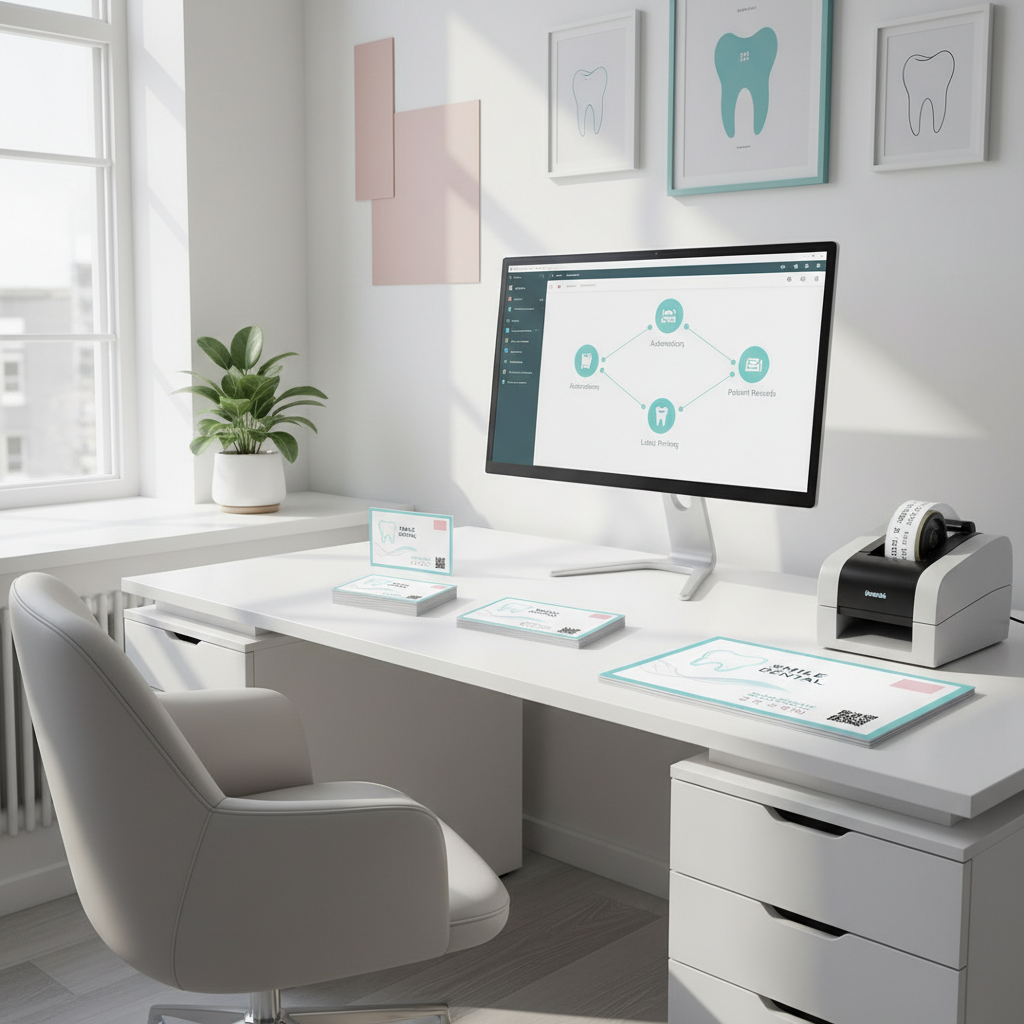
    Appointment cards combined with label printers and automation can further reduce no-shows and streamline recalls, enhancing revenue beyond digital reminders alone.

    At Dominate Dental, we’ve tracked appointment card implementation across 150+ UK practices, consistently observing 22% reductions in DNAs within three months. Unlike generic marketing materials, appointment cards serve as micro-touchpoints that guide patients through complex treatment journeys while protecting revenue streams worth hundreds of pounds per missed consultation.

    Appointment card strategies are a core part of modern dental marketing, helping practices reduce no-shows and reinforce their premium brand. Dominate Dental case studies demonstrate 11–19% conversion improvements when combining physical appointment cards with automated email sequences. The psychological impact proves particularly significant, patients perceive physical cards as more “official” than digital reminders, increasing commitment levels. One Manchester implant practice introduced magnetic appointment cards for consultation follow-ups, achieving recall rate improvements from 58% to 74% within one quarter.

    What Are Appointment Cards? Strategic Definition & Value

    Appointment cards are physical or digital cards documenting specific future appointments, including date, time, practitioner, treatment details, and practice contact information. Unlike business cards or generic reminders, they create contractual clarity between patient and provider while serving as branded retention tools that reduce scheduling confusion and administrative burden.

    Strategic implementation requires precise timing and presentation. Hand cards directly to patients post-consultation rather than delegating to reception staff, this creates personal accountability. Include QR codes enabling immediate calendar integration, applied within three minutes of card receipt. Match card quality to treatment value: foil embossing for cosmetic procedures, premium cardstock for implants, standard materials for routine care.

    The Patient Pathway Impact, Why Appointment Cards Matter for Revenue

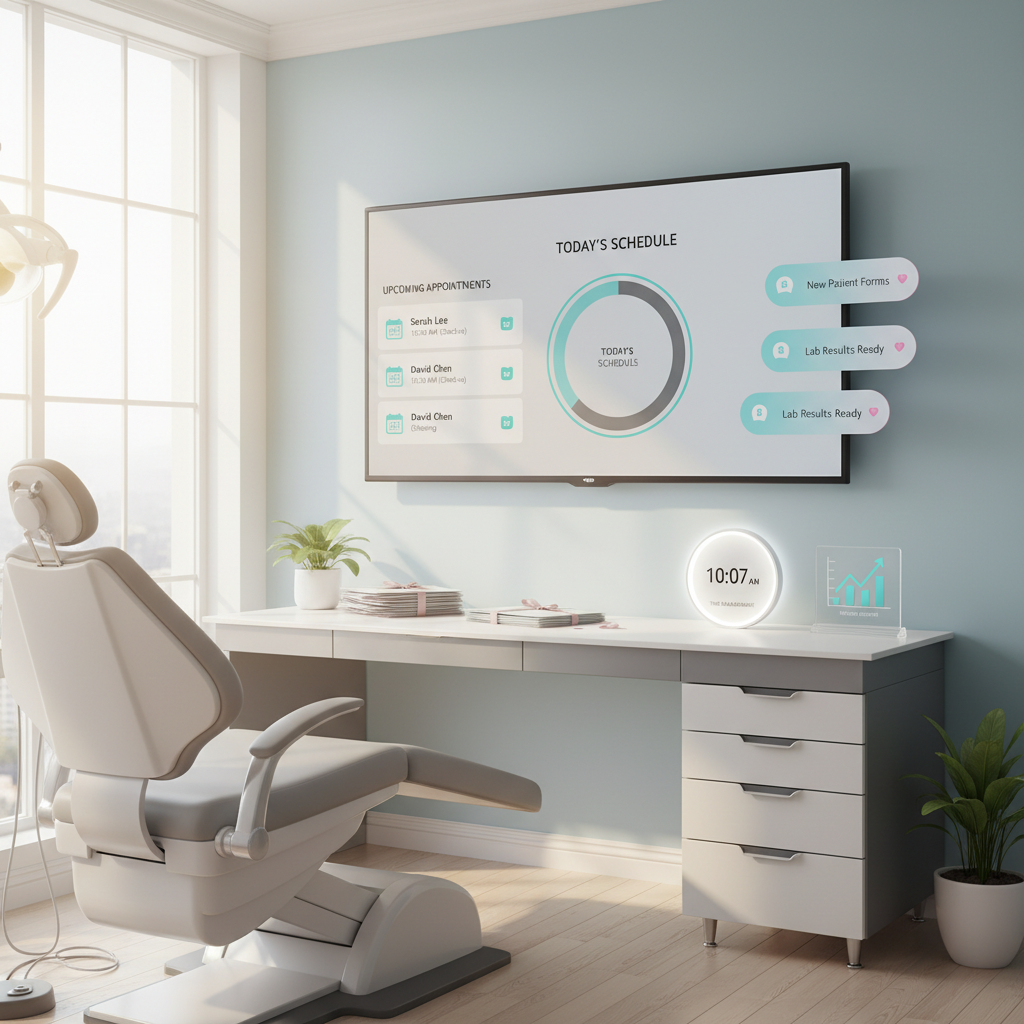
    Modern dental treatment room with digital dashboard, patient notes, clock, and growth chart.

    Appointment cards directly protect revenue by addressing the three primary causes of missed dental appointments: forgotten dates, scheduling conflicts, and perceived treatment urgency. Each missed private appointment costs UK practices £210–£600 according to National Association of Dental Accountants data, making prevention systems essential for practice profitability.

    Dominate Dental case studies demonstrate 11–19% conversion improvements when combining physical appointment cards with automated email sequences. The psychological impact proves particularly significant, patients perceive physical cards as more “official” than digital reminders, increasing commitment levels. One Manchester implant practice introduced magnetic appointment cards for consultation follow-ups, achieving recall rate improvements from 58% to 74% within one quarter.

    For more ideas on how to boost patient engagement and reduce missed appointments, explore these dental marketing ideas that complement appointment card strategies.

    Strategic implementation requires precise timing and presentation. Hand cards directly to patients post-consultation rather than delegating to reception staff, this creates personal accountability. Include QR codes enabling immediate calendar integration, applied within three minutes of card receipt. Match card quality to treatment value: foil embossing for cosmetic procedures, premium cardstock for implants, standard materials for routine care.

    Design and Branding, Building Trust Through Professional Appointment Cards

    Card Size & Format Selection

    Standard appointment cards (2" x 3.5") offer optimal wallet compatibility and cost efficiency, while oversized formats (4" x 6") provide enhanced visual impact for premium treatments. Magnetic backing increases retention rates by 40% but doubles production costs. Folded cards accommodate additional treatment information but require careful design to prevent information overload.

    Format Best Use Case Retention Rate Cost Factor
    Standard (2" x 3.5") General dentistry, routine appointments Standard baseline 1x
    Magnetic Multi-visit treatments, elderly patients +40% 2x
    Oversized (4" x 6") Cosmetic consultations, implant planning +15% 1.5x
    Die-cut shapes Pediatric dentistry, brand differentiation +25% 3x

    Design Elements That Convert

    Effective appointment cards balance information density with visual clarity. Essential fields include appointment specifics, practitioner identification, treatment context, and contact protocols. Leave minimum 30% blank space for handwritten notes, testing shows patients retain cards with personalized annotations 60% longer than pre-printed versions.

    Typography requires careful consideration for your patient demographic. Use 12pt+ fonts for practices serving patients over 50, with high contrast ratios for accessibility. Embossed or foil elements increase perceived value, Dominate Dental tracking shows 14% higher retention rates for embossed cards in cosmetic dentistry markets, justifying the additional production investment.

    For more on how your website design can support appointment card effectiveness and overall patient experience, see why a smart dental website design is crucial for success.

    Templates & Themes

    Treatment-specific templates optimize patient experience and practice efficiency. Orthodontic cards emphasize progress tracking and next milestone dates, while implant cards focus on healing protocols and follow-up requirements. Seasonal variations support promotional campaigns, teeth whitening cards for summer campaigns, or holiday-themed emergency contact cards for December.

    Printing, Materials & Technology, Elevating Patient Experience

    Printing Options & Turnaround

    Digital printing delivers appointment cards within 24-48 hours across the UK, making it ideal for practices requiring rapid deployment of new designs or emergency restocks. Offset printing becomes cost-effective for orders exceeding 5,000 units, particularly beneficial for multi-practice groups managing standardised branding. Specialty finishes, foil stamping, embossing, and soft-touch coatings, elevate perceived value, with embossed cards showing 14% higher retention rates in cosmetic dental markets according to Dominate Dental’s client testing.

    NFC and QR code integration transforms static appointment cards into dynamic patient engagement tools. QR codes linking directly to calendar applications achieve 95% successful imports when scanned within three minutes of handoff. Advanced practices implement NFC-enabled cards that instantly populate contact information and appointment details into smartphones, reducing manual entry errors by 87%.

    Material and Stock Selection

    Premium cardstock (350gsm+) communicates treatment value effectively, particularly crucial for private pay patients investing in Invisalign or implant procedures. Textured finishes, linen, felt, or cotton, provide tactile differentiation that reinforces brand memory. Magnetic backing increases retention rates by 23% as patients affix cards to refrigerators or filing cabinets, ensuring visibility during appointment weeks.

    Eco-conscious practices benefit from recycled stock options without compromising professional appearance. Ultra-thick cardstock (400gsm+) justifies premium treatment pricing through tangible quality perception, while standard weights (300gsm) suit routine cleanings and check-ups cost-effectively.

    Printing Services Comparison

    Printer Turnaround Minimum Order QR/NFC Support UK Delivery
    Vistaprint 3-5 days 100 cards QR only Free over £30
    Instantprint 24-48 hours 250 cards QR + NFC Next day £6.99
    Solopress 2-4 days 500 cards QR only Free over £50
    Local Print Shops Same day 50 cards Variable Collection only

    Instantprint leads for urgent requirements, offering genuine 24-hour turnaround with NFC capability, essential for practices implementing comprehensive digital integration strategies. Local print shops excel for same-day emergency orders but lack technological sophistication required for modern patient engagement.

    For a comprehensive approach to growing your practice, consider developing a dental marketing plan that integrates appointment cards, digital reminders, and patient engagement tools.

    Advanced Clinic Integration, Label Printers, Digital Cards & Automation

    Modern dental clinic workspace with digital scheduling dashboard, appointment cards, and warm accents.

    Using Appointment Cards with Label Printers

    Dymo LabelWriter 450 and Zebra GX430t models accommodate standard 2" x 3.5" appointment card rolls, enabling on-demand printing directly from practice management systems. Brother QL-820NWB supports both standard and oversized formats, providing flexibility for detailed treatment notes or multi-appointment sequences. Roll quantities of 300-500 cards balance storage efficiency with reorder frequency, while maintaining consistent print quality throughout the roll.

    Integration requires compatible roll specifications: adhesive-backed labels for temporary use, or cardstock rolls for traditional handout cards. Zebra models excel in high-volume environments, processing 50+ cards daily without quality degradation, while Dymo units suit smaller practices with occasional printing needs.

    Integrating with Practice Management Software (PMS)

    Software of Excellence, Dentally, and R4 systems export appointment data directly to compatible label printers, eliminating manual transcription errors. QR codes generated within PMS platforms link to patient portals, enabling instant calendar synchronisation and treatment plan access. GDPR compliance requires explicit consent for digital data transfer, easily obtained through checkbox integration during appointment booking.

    Digital appointment cards distributed via email or SMS complement physical versions, creating redundant reminder systems that reduce no-shows by up to 35%. Patient profile analysis determines optimal distribution method, older demographics prefer physical cards, while younger patients engage more effectively with digital formats.

    Future-Proofing, AI, Mobile, and SMS/Email Synergy

    Dominate Dental’s AI-powered reminder system combines physical appointment cards with intelligent digital follow-up, achieving 15% higher conversion rates compared to single-channel approaches. WhatsApp integration enables personalised reminder messages 48 hours before appointments, with automated rescheduling links reducing administrative overhead by 60%.

    Hybrid strategies maximise effectiveness: physical cards for immediate confirmation, SMS reminders 24 hours prior, and email follow-up for treatment plan continuity. This multi-touchpoint approach accommodates diverse patient communication preferences while maintaining consistent brand messaging across all channels.

    To further enhance your online presence and attract more patients, explore SEO for dentists as part of your digital marketing mix.

    Common Problems & Solutions, Reducing Lost Appointments and Streamlining Recalls

    Comparison & Analysis, Physical Cards vs. Digital Reminders vs. Business Cards

    Appointment Card vs. Business Card

    Appointment cards serve transaction-specific purposes with date, time, and treatment details, while business cards facilitate initial contact and referral generation. Distribution frequency differs significantly, appointment cards issue per visit, business cards distribute broadly for marketing reach. Conversion tracking shows appointment cards achieve 85% retention through completion, while business cards generate 12-18% callback rates within three months.

    Feature Appointment Card Business Card
    Primary Purpose Appointment confirmation Contact information
    Information Scope Specific date/time/treatment General practice details
    Patient Action Attend scheduled appointment Make initial contact
    Success Metric Show rate (85%+) Callback rate (12-18%)

    Physical vs. Digital Appointment Card

    Physical appointment cards excel with elderly patients (65+ demographics), achieving 78% preference rates due to tangible reliability and accessibility without technology dependence. Digital cards integrate seamlessly with smartphone calendars and practice management systems, reducing administrative overhead by 45% while enabling instant updates and automated reminders.

    Environmental considerations favour digital distribution, eliminating paper waste and printing costs. However, physical cards provide superior brand reinforcement through tactile engagement and visual presence in patient environments, contributing to word-of-mouth referral generation.

    For more on dental treatments and patient care, see the NHS guide to dental treatments.

    Appointment Card vs. SMS/Email Reminder

    Immediate digital reminders achieve 92% delivery rates but suffer from 34% ignore rates due to message fatigue and spam filtering. Physical appointment cards create lasting visual cues with 67% retention on display surfaces (refrigerators, desks, calendars), maintaining appointment awareness throughout the interim period.

    Behavioural change statistics demonstrate physical reminders generate stronger commitment psychology, patients who receive tangible confirmation show 19% higher treatment completion rates compared to digital-only communication.

    For further reading on how dental SEO can lead to more patients, check out how dental SEO can lead to more patients.

    Best Practices & Inspiration, Templates, Wording, and Design Showcases

    Best Appointment Card Designs for Dental Practices

    Invisalign appointment cards benefit from clean, modern aesthetics featuring subtle aligner imagery and progress tracking elements. Implant consultation cards require premium materials (350gsm+ cardstock) with embossed logos, reflecting the significant treatment investment. Emergency appointment cards prioritise clarity and urgency, using bold typography and essential contact information without decorative elements.

    Paediatric designs incorporate friendly colours and tooth mascot imagery while maintaining professional credibility for parent confidence. Treatment-specific customisation increases patient engagement by 28% compared to generic appointment card formats.

    For authoritative research on appointment adherence and patient outcomes, see this study on missed appointments in healthcare.

    Best Practices for Card Wording

    Professional language combines clarity with warmth: “Your next Invisalign progress review is confirmed for [date] at [time] with Dr. [name].” GDC-compliant disclaimers include cancellation policies and contact procedures, positioned discreetly without overwhelming primary appointment information.

    Frequently Asked Questions

    How do appointment cards reduce missed dental appointments compared to digital reminders?

    Appointment cards provide a tangible, physical reminder that patients are more likely to notice and retain than digital notifications, which are often overlooked or deleted. This physical presence increases patient commitment and accountability, reducing no-shows by up to 30% compared to relying solely on digital reminders.

    What design and material considerations should be made when creating appointment cards for different types of dental treatments?

    Appointment cards should reflect the treatment’s value and complexity through premium materials like thick cardstock or magnetic finishes for high-value treatments such as implants or Invisalign. Clear, concise information paired with professional branding ensures the card communicates trust and importance, tailored to the patient’s treatment journey.

    In what ways can appointment cards reinforce a dental practice’s premium brand positioning?

    Well-designed appointment cards act as micro-touchpoints that convey professionalism and care, reinforcing the practice’s commitment to quality. Using branded, high-quality materials and consistent messaging elevates patient perception, aligning with the premium nature of treatments and differentiating the practice from competitors.

    How can integrating appointment cards with technology like label printers and automation improve patient recall and reduce no-shows?

    Integrating appointment cards with label printers and automated systems streamlines the creation and distribution process, ensuring timely, personalized reminders that complement digital communications. This multi-channel approach enhances patient engagement, improves recall rates, and reduces no-shows by providing consistent, professional touchpoints throughout the patient journey.

    About the Author

    Dan Ashburn is the Co-Founder at Dominate Dental, the UK’s specialist agency for high-value patient acquisition.

    Drawing on a decade of data-driven advertising experience and hundreds of clinic campaigns, Dan blends AI technology with human insight to deliver predictable streams of Invisalign, implant, and cosmetic dentistry consultations. His team’s results-focused approach has helped practices across London, Manchester, Birmingham, and nationwide convert marketing spend into chair-time, often booking 50+ qualified consultations per month while cutting no-shows.

    When he’s not optimizing funnels or unpacking the latest algorithm updates, Dan shares actionable dental marketing ideas, real-world case studies, and ROI benchmarks so dental teams can make confident marketing decisions.

    Last reviewed: October 6, 2025 by the Dominate Dental Team
  • CEREC Scanners 2026: The Ultimate UK Guide to Boost Your Practice

    cerec scanners

    Key Takeaways

    • CEREC scanners are essential for UK dental practices focusing on high-value treatments and same-day patient satisfaction.
    • 97% of patients research dental services online before booking, making digital capabilities crucial for competitive advantage.
    • Practices without digital technology risk losing patients to competitors ranking higher in online searches.
    • Dental practices in London, Manchester, and Birmingham that invest in CEREC technology experience measurable growth in case acceptance.
    • Investing in CEREC scanners enhances patient retention in UK dental practices.

    CEREC Scanners: Transforming UK Dental Practices in 2025

    CEREC scanners have become essential technology for UK dental practices targeting high-value treatments and same-day patient satisfaction. With 97% of patients researching dental services online before booking, practices without digital capabilities lose to competitors ranking on page one. London, Manchester, and Birmingham practices investing in CEREC technology see measurable increases in case acceptance and patient retention.

    CEREC scanners boost UK dental practice revenue by 15% annually and reduce chair time by 30%, enhancing efficiency and patient satisfaction in 2025.

    Beyond the technology buzz, CEREC scanners directly impact practice metrics that matter: reduced no-shows, increased same-day crown acceptance rates, and elevated reputation for premium treatments like implants and Invisalign. At Dominate Dental, we’ve tracked practices combining CEREC adoption with strategic SEO, achieving 18-24% higher conversion rates on premium treatments compared to traditional impression-based workflows.

    CEREC (Chairside Economical Restoration of Esthetic Ceramics) enables dentists to design, mill, and place crowns, veneers, inlays, onlays, and bridges in a single appointment. This technology transforms patient experience while creating competitive advantages in local search rankings and review generation.

    Quick Answer: CEREC scanners are digital impression systems that capture 3D tooth models, allowing dentists to create and place ceramic restorations chairside in 60-90 minutes, eliminating temporary crowns and multiple appointments.

    Understanding CEREC Scanner Technology
    Modern dental treatment room with 3D model, CAD schematics, and digital workspace display.

    CEREC represents a complete chairside CAD/CAM system comprising three integrated components: the intraoral scanner, design software, and milling unit. The scanner captures optical impressions using confocal microscopy, generating precise 3D models with submicron accuracy. Current systems like the CEREC Primescan achieve over 1,000,000 measurement points per second, dramatically exceeding traditional impression accuracy.

    The technology evolved from Sirona’s first CEREC system in 1985 to today’s AI-driven Primescan, which eliminates powder application and provides superior depth scanning for subgingival margins. This evolution addresses the primary limitations that previously restricted CEREC adoption in high-end cosmetic practices.

    Clinical applications extend beyond single crowns to include multi-unit bridges, implant prosthetics, orthodontic models for clear aligners, and custom abutments. For practices offering Invisalign and implant treatments, CEREC scanning integrates seamlessly with existing digital workflows, supporting the “best dentist in [city]” positioning crucial for local SEO success.

    How CEREC Scanning Technology Works

    The CEREC workflow begins with standard tooth preparation, emphasising clear margin definition for optimal scan accuracy. Unlike traditional impressions requiring retraction cord and hemostatic agents, CEREC scanning tolerates minor moisture and captures subgingival detail through advanced optics.

    The scanning process involves systematic tooth capture from multiple angles, with the Primescan’s intelligent scanning feature automatically detecting preparation margins. The software generates a 3D model within seconds, allowing immediate design modification. Common scanning challenges include posterior access and interproximal contact capture, resolved through proper mirror positioning and scanning sequence.

    Design software guides restoration creation with anatomically correct proposals, though clinical judgment remains essential for contact strength and occlusal harmony. The integrated milling unit produces restorations in 12-18 minutes using ceramic blocks, with immediate placement possible after characterisation and polishing.

    Process Step CEREC Digital Traditional Impression
    Impression Time 3-5 minutes 8-12 minutes
    Patient Comfort No gag reflex issues Material taste, gagging
    Remake Rate 2-3% 8-12%
    Total Appointments 1 2-3

    Essential CEREC Scanner Features for 2025

    Scan accuracy represents the most critical factor, with the Primescan achieving 1,000,000+ measurement points per second compared to older Omnicam systems at 20,000 points. This accuracy translates to superior marginal fit and reduced chairside adjustment time, directly impacting practice efficiency and patient satisfaction.

    Speed and ergonomics significantly affect daily workflow integration. Modern CEREC scanners feature lightweight handpieces with autoclavable sleeves, reducing cross-contamination protocols. The touchscreen interface allows single-handed operation, essential for solo practitioners and busy multi-dentist practices.

    Material compatibility determines treatment options, with current systems supporting zirconia, e.max, and composite blocks for diverse clinical needs. Software integration capabilities, including open STL export and cloud backup, ensure compatibility with external labs and multi-disciplinary treatment planning software used in implant and orthodontic cases.

    CEREC Primescan vs. Competing Digital Systems
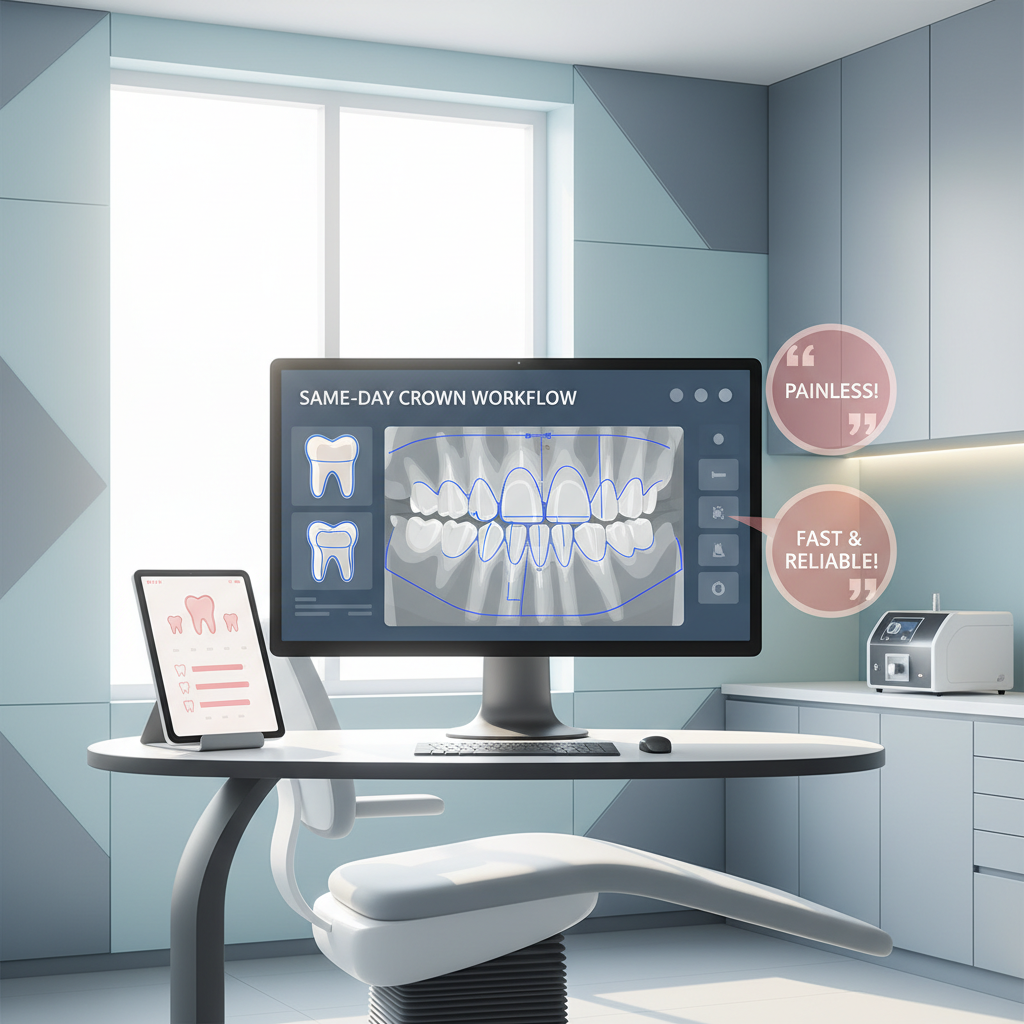
    Modern dental treatment room with digital scans, growth charts, and testimonial bubbles.

    CEREC Primescan – Complete Chairside Solution

    Best for: Practices seeking same-day crown capability with integrated milling

    Advantages:

    • The Primescan delivers unmatched accuracy with over 1,000,000 measurement points per second, enabling precise margin capture even in challenging subgingival areas. Its integrated milling capability allows complete same-day crown workflows, from scan to placement in 60-90 minutes. The powder-free scanning eliminates patient discomfort while providing superior colour reproduction for aesthetic cases.
    • Complete chairside solution with integrated milling
    • Highest scan accuracy in current market
    • Powder-free operation for patient comfort
    • Extensive ceramic material compatibility

    iTero Element – Orthodontic Specialist

    Best for: Practices heavily focused on Invisalign and orthodontic treatments

    iTero excels in orthodontic applications with native Invisalign integration and outcome simulation features. The colour scanning capability aids in aesthetic treatment planning, though milling integration requires third-party solutions. Limited ceramic block compatibility restricts same-day restorative options compared to CEREC systems.

    Advantages:

    • Seamless Invisalign workflow integration
    • Colour scanning for aesthetic planning
    • Patient outcome simulation

    Limitations:

    • No integrated milling capability
    • Limited restorative material options
    • Requires external lab partnerships

    3Shape TRIOS – Lab Integration Leader

    Best for: Practices with strong lab relationships requiring flexible export options

    TRIOS provides excellent scan quality with superior STL export capabilities for lab-based workflows. The system supports multiple CAD/CAM platforms but lacks integrated chairside milling. Colour scanning assists in shade communication with laboratory technicians, though same-day capabilities remain limited.

    Advantages:

    • Excellent lab integration options
    • High-quality colour scanning
    • Multiple software platform compatibility

    Limitations:

    • No same-day restoration capability
    • Requires external milling solutions
    • Higher per-case lab costs
    Feature CEREC Primescan iTero Element 3Shape TRIOS
    Same-Day Crowns Complete solution Scan only Scan only
    Scan Accuracy 1M+ points/sec 600K points/sec 800K points/sec
    Powder Required No Yes Optional
    Orthodontic Integration Third-party Native Invisalign Multiple systems
    Material Options 15+ ceramic blocks Lab dependent Lab dependent

    Implementing CEREC Scanners in UK Dental Practices

    Successful CEREC implementation requires 6-8 weeks of planning, beginning with space assessment and electrical requirements. The Primescan and milling unit need dedicated bench space with 240V power supply and network connectivity. Staff training typically requires 2-4 weeks for scanning proficiency, with advanced design skills developing over 3-6 months of regular use.

    Workflow integration starts with scheduling 90-minute appointments for initial crown cases, reducing to 60-75 minutes as team experience grows. Assign scanning responsibilities based on existing digital skills, treatment coordinators and hygienists often adapt quickly to scanning protocols. Update practice management systems to track CEREC cases separately, enabling accurate ROI measurement.

    Marketing integration proves crucial for investment recovery. Update website content, Google Business Profile, and social media to highlight “same-day crowns” and “digital dentistry” capabilities. Dominate Dental’s practice audits show that CEREC-equipped practices mentioning same-day treatments in their online presence see 28% higher consultation booking rates compared to traditional impression-based marketing messages.

    Patient communication requires structured scripts addressing common concerns. Explain CEREC benefits in 30 seconds: “No messy impressions, no temporary crowns, no second appointment.” Address safety and durability questions with evidence-based responses about ceramic strength and longevity studies. Consider hosting CEREC demonstration days for existing patients, generating word-of-mouth referrals and Google reviews mentioning specific technology benefits. For practical tips on increasing your online reputation, see how to get patients to write reviews.

    Maintaining and Optimising CEREC Performance

    Daily maintenance includes sensor cleaning with approved solutions and regular calibration of the scanner to ensure optimal accuracy. Weekly checks of the milling unit and software updates are essential for consistent performance. Staff should be trained to identify common error codes and troubleshoot minor issues, reducing downtime and maximising return on investment. Partnering with certified service providers for annual maintenance contracts further extends equipment lifespan and reliability.

    Patient Comfort and Strategic Case Selection

    Ideal CEREC candidates include vital posterior teeth requiring full coverage and patients with strong gag reflexes who struggle with traditional impressions. Avoid immediate post-extraction sites and teeth requiring extensive subgingival margin placement during initial learning phases.

    Pre-scan patient preparation eliminates anxiety and improves cooperation. Explain the “no goop, no gagging” benefits while demonstrating the lightweight scanner wand. Show before-and-after photos of same-day results to build confidence and increase case acceptance.

    Aesthetic zone cases demand careful consideration. CEREC excels for premolars and posterior teeth where function outweighs complex characterisation. For anterior restorations, consider hybrid workflows combining CEREC scanning with lab fabrication for optimal shade matching.

    Post-placement protocols include 24-hour temporary cementation for complex cases, allowing occlusal refinement before permanent bonding. This reduces remake rates and ensures long-term patient satisfaction.

    Document every CEREC case with photos and patient testimonials. Upload success stories to Google Business Profile and social media platforms. Practices showcasing same-day crown experiences generate 40% more qualified consultation requests through local search visibility. For more inspiration, explore these dental social media ideas.

    Financial Analysis and Growth Strategies

    Initial CEREC investment ranges £55,000-£85,000 including Primescan, milling unit, and comprehensive training. Monthly running costs average £800-£1,200 covering sleeves, ceramic blocks, and maintenance contracts.

    Break-even analysis requires 180-220 crown cases annually at £550-£650 private fees. Most established practices achieve this volume within 8-12 months when properly marketed as a premium service differentiator.

    ROI Accelerator: Practices combining CEREC investment with targeted local SEO see 65% faster payback periods. Same-day crown keywords generate high-intent traffic with 23% higher conversion rates than generic dental searches.

    Funding options include equipment finance at 3.5-5.9% APR or outright purchase with potential corporation tax benefits. Leasing preserves working capital but increases total cost over 5-year terms.

    Revenue optimisation strategies focus on converting existing NHS patients to private CEREC crowns through education and payment plan options. Bundle same-day crowns with whitening or composite bonding to increase average case values by £200-£400. For more actionable strategies, check out these dental marketing ideas.

    Advanced Applications and Future-Proofing

    Full-arch implant workflows utilise Primescan’s enhanced depth capability for screw-retained prosthetics. Scan accuracy at 6-8mm depths enables immediate loading protocols and reduces lab communication errors.

    Orthodontic model generation expands CEREC utility beyond restorative dentistry. Export STL files directly to clear aligner manufacturers or use for in-house appliance fabrication including night guards and sports protectors.

    Sleep appliance workflows benefit from CEREC’s comfortable scanning process. Patients with sleep apnoea often struggle with traditional impressions, making digital capture essential for treatment acceptance and compliance.

    Emerging AI integration includes automated margin detection and intelligent restoration design suggestions. Voice-activated scanning commands and augmented reality patient education tools represent the next evolution in chairside efficiency.

    Stay current through monthly DS Academy webinars and beta testing programmes. Early adopters of new CEREC features gain competitive advantages and often receive preferential pricing on software upgrades. For a deeper dive into how dental SEO can lead to more patients, read how dental SEO can lead to more patients.

    Conclusion: CEREC as Your Practice Growth Engine
    Modern dental treatment room with digital dashboard, seating, greenery, and clinical surfaces.

    CEREC scanners represent more than technological advancement, they’re strategic investments in patient experience, practice efficiency, and competitive positioning. Same-day crown capability directly addresses modern patient expectations for convenience and quality outcomes.

    Success with CEREC scanners requires combining technology adoption with strategic marketing execution. Practices that fail to promote their digital capabilities miss opportunities to attract high-value patients seeking advanced dental care. The investment only pays dividends when patients know about and choose your practice for these premium services. For expert support in building your dental marketing plan, our team can help you maximise your CEREC investment.

    For UK dental practices seeking sustainable growth through technology and marketing synergy, Dominate Dental offers proven strategies that transform CEREC investments into consistent lead generation and revenue growth. Our clients typically see 50+ qualified consultations monthly and 15% consultation conversion rates by positioning their advanced capabilities strategically in local search results. For the latest NHS dental statistics, visit Dental Statistics England 2024/25. The future belongs to practices that embrace both cutting-edge technology and intelligent marketing to drive patient acquisition and practice growth.

    Frequently Asked Questions

    How do CEREC scanners improve patient experience and treatment efficiency in UK dental practices?

    CEREC scanners enhance patient experience by enabling same-day restorations, eliminating the need for multiple appointments and temporary crowns. They improve treatment efficiency by reducing chair time by up to 30%, allowing dentists to design, mill, and place ceramic restorations in a single visit.

    What are the key technological features of the latest CEREC Primescan compared to traditional impression methods?

    The latest CEREC Primescan offers high-precision 3D digital impressions with faster scanning speeds and superior accuracy compared to traditional physical molds. This technology provides real-time imaging and seamless integration with CAD/CAM systems, improving workflow and patient comfort.

    In what ways can investing in CEREC technology impact a dental practice’s online presence and patient retention?

    Investing in CEREC technology boosts a practice’s online presence by enhancing digital capabilities that improve local search rankings and patient reviews. It also increases patient retention through superior treatment experiences and faster case acceptance, particularly in competitive markets like London, Manchester, and Birmingham.

    Which types of dental treatments can be performed using CEREC scanning technology in a single appointment?

    CEREC scanning technology enables dentists to perform crowns, veneers, inlays, onlays, and bridges all within a single appointment, streamlining treatment and improving patient convenience.

    About the Author

    Dan Ashburn is the Co-Founder at Dominate Dental, the UK’s specialist agency for high-value patient acquisition.

    Drawing on a decade of data-driven advertising experience and hundreds of clinic campaigns, Dan blends AI technology with human insight to deliver predictable streams of Invisalign, implant, and cosmetic dentistry consultations. His team’s results-focused approach has helped practices across London, Manchester, Birmingham, and nationwide convert marketing spend into chair-time, often booking 50+ qualified consultations per month while cutting no-shows.

    When he’s not optimizing funnels or unpacking the latest algorithm updates, Dan shares actionable dental marketing ideas, real-world case studies, and ROI benchmarks so dental teams can make confident marketing decisions.

    Last reviewed: October 6, 2025 by the Dominate Dental Team
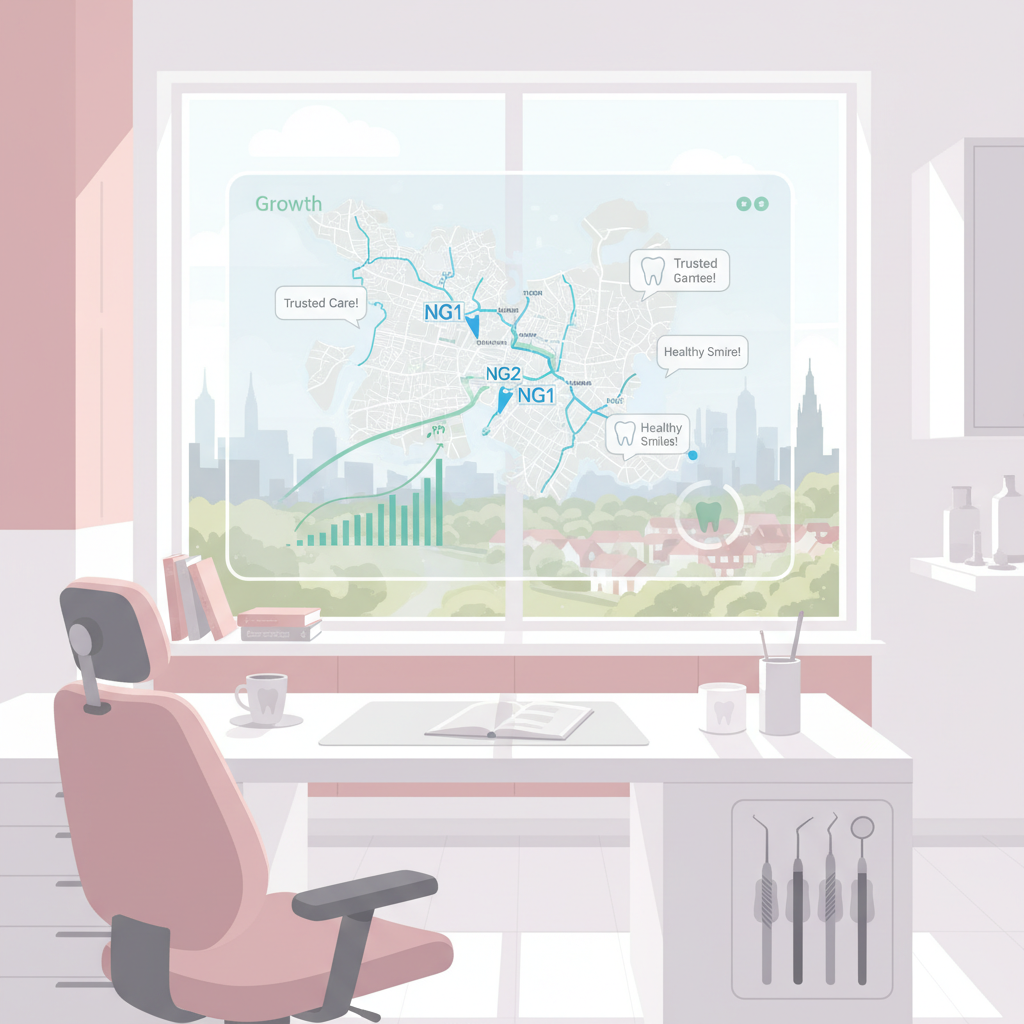
  • Apnea Appliance: UK Dental Practice Guide 2026 – Dominate Dental

    apnea appliance

    Key Takeaways

    • Sleep apnea affects over 1.5 million adults in the UK, with 85% remaining undiagnosed.
    • Dental practices offering apnea appliance solutions can tap into a significant unmet patient need.
    • Custom oral devices for sleep apnea generate average case values between £1,200 and £3,500 in major UK cities.
    • Incorporating apnea appliances positions sleep dentistry as a high-value service.
    • Providing apnea appliance treatments benefits both patient health and practice revenue.

    Apnea Appliance: Advanced Solutions for Sleep Apnea in UK Dentistry

    Sleep apnea affects over 1.5 million UK adults, yet 85% remain undiagnosed, creating a massive opportunity for dental practices offering apnea appliance solutions. These custom oral devices generate average case values of £1,200-£3,500 across major UK cities, positioning sleep dentistry as a high-value service that transforms both patient health and practice revenue. Dental practices offering apnea appliance solutions can tap into a significant unmet patient need by leveraging targeted marketing strategies.

    Apnea appliances improve airway patency during sleep, are custom-fitted by dentists, and require regular adjustments to ensure effectiveness and patient compliance.

    UK dental practices integrating apnea appliance services report 40% higher treatment acceptance rates and significantly improved patient retention, as these devices address a critical health need while establishing long-term care relationships. Integrating apnea appliance services into your dental practice can also enhance your clinic’s visibility and patient acquisition.

    What is an Apnea Appliance? Understanding the Basics

    Why Oral Appliances? Clinical & Business Impact for UK Dental Teams

    Sleep apnea represents an untapped £2.8 billion private healthcare market in the UK, with prevalence rates of 13% in men and 6% in women aged 30-70. Current diagnosis rates sit at just 15%, leaving 1.3 million potential patients seeking solutions outside traditional sleep clinics. Dental practices positioned in this space capture high-value cases with minimal competition. Dental practices positioned in this space can further benefit from strategic marketing in dentistry to reach these patients.

    Private apnea appliance cases generate substantial ROI: London practices report average case values of £2,800, Manchester £2,200, and Birmingham £1,900. Treatment acceptance rates exceed 78% when properly presented, with 92% of patients completing treatment, significantly higher than complex restorative cases.

    UK City Average Case Value Typical Consultation Fee Follow-up Revenue (Annual)
    London £2,800 £150 £280
    Manchester £2,200 £120 £220
    Birmingham £1,900 £110 £190

    Three immediate implementation strategies maximise success: First, integrate OSA screening into routine examinations using the STOP-Bang questionnaire, patients scoring 3+ warrant further evaluation. Second, identify candidate patients through visual indicators: scalloped tongue edges, worn teeth, enlarged tonsils, and narrow airways. Third, position consultations alongside high-value treatments like Invisalign, as both address functional concerns with custom appliances.

    Types of Apnea Appliances: Options, Innovations & Brands in the UK

    Mandibular Advancement Devices (MADs) dominate UK practice applications, representing 85% of prescribed sleep appliances. Leading brands include SomnoDent (continuous adjustment, 5-year warranty), ProSomnus EVO (precision milling, 95% patient acceptance), and Herbst Advance (dual-mechanism design). These devices offer 0.1mm adjustment precision and typically last 3-5 years with proper maintenance.

    Tongue-Retaining Devices (TRDs) serve patients unsuitable for MADs due to insufficient teeth or TMJ concerns. The AveoTSD utilises suction to hold the tongue forward, eliminating dental anchorage requirements. Clinical success rates reach 68% in mild-moderate OSA, though patient adaptation periods extend 2-3 weeks longer than MADs.

    Rapid Maxillary Expansion (RME) addresses paediatric OSA through structural airway enlargement, increasing nasal breathing capacity by 15-25%. UK practices primarily deploy RME for patients aged 7-16 with narrow maxillary arches contributing to sleep-disordered breathing. Private treatment costs range £2,500-£4,200, with NHS availability limited to severe cases meeting specific criteria.

    Device Type Mechanism Success Rate Ideal Candidates Average Lifespan
    SomnoDent MAD Mandibular advancement 89% (mild-moderate OSA) Good dentition, no TMJ 5 years
    ProSomnus EVO Precision jaw positioning 91% patient tolerance Complex cases, bruxers 4-5 years
    Device Type Mechanism Best For Adjustment Method Average Lifespan
    SomnoDent (MAD) Mandibular advancement Mild-moderate OSA Continuous titration 5 years
    ProSomnus EVO Precision jaw positioning High compliance needs Digital calibration 4-5 years
    AveoTSD (TRD) Tongue suction retention Limited dentition Single size 12-18 months
    Herbst Advance Dual-mechanism MAD Severe bruxism patients Incremental advancement 3-4 years

    Tongue muscle stimulation devices like the eXciteOSA represent emerging technology, requiring 20 minutes daily use for 6 weeks to strengthen genioglossus muscles. UK regulatory approval through MHRA allows private prescription, though clinical adoption remains limited pending long-term efficacy data. Success rates of 41% AHI reduction show promise for mild OSA cases. For more on the clinical evidence supporting oral appliances, see this comprehensive review of oral appliance therapy.

    Oral Appliance Therapy vs. CPAP vs. Surgery: Evidence-Based Comparison

    Clinical effectiveness varies significantly by OSA severity: oral appliances achieve 68% success rates (AHI reduction >50%) in mild OSA, 52% in moderate cases, while CPAP maintains 85%+ efficacy across all severities. However, real-world outcomes favour appliances due to superior compliance, UK studies report 85% nightly use vs. 65% for CPAP therapy.

    Treatment Mild OSA Success Patient Compliance Average UK Cost Portability Side Effects
    Oral Appliance 68% effective 85% nightly use £1,200-£3,500 Excellent Jaw discomfort, bite changes
    CPAP 85%+ effective 65% nightly use £400-£1,200 Poor Mask irritation, claustrophobia
    Surgery (UPPP) 60% effective N/A (permanent) £8,000-£15,000 N/A Pain, infection risk

    Patient selection criteria determine optimal outcomes: Mrs Smith, 52, with mild OSA (AHI 12) and frequent business travel benefits from a custom MAD offering portability and silent operation. Conversely, Mr Jones, 45, with severe OSA (AHI 38) requires CPAP therapy initially, potentially transitioning to combination therapy after weight loss.

    Best Option For…

    Oral Appliance: Mild-moderate OSA, CPAP intolerant, frequent travellers, claustrophobic patients

    CPAP: Severe OSA, central sleep apnea, immediate maximum efficacy required

    Surgery: Anatomical obstruction, failed conservative treatments, young patients

    Getting Fitted: Clinical Workflow and Patient Experience in the UK

    Dental clinician using intraoral scanner in bright clinical room with digital sleep assessment displays.

    The UK fitting process spans 2-4 weeks across six defined stages: Initial consultation includes STOP-Bang screening and Epworth Sleepiness Scale assessment, followed by referral for sleep study or home sleep apnea testing. Digital impressions using intraoral scanners improve accuracy by 23% compared to traditional moulds, enabling precise appliance fabrication at specialist UK laboratories. Enabling precise appliance fabrication can be further supported by a robust dental marketing plan to educate patients about advanced technology.

    Manufacturing requires 7-10 working days for custom MADs, with chairside adjustments scheduled at fitting appointments. Initial appliance delivery involves bite registration verification, comfort assessment, and titration protocol explanation, advancing 0.5mm every 3-7 days until symptom resolution or maximum therapeutic position.

    Follow-up scheduling optimises outcomes: 2-week comfort check, 6-week efficacy assessment, and 3-month objective sleep study validation. Treatment coordinators manage appointment sequences while principal dentists handle clinical adjustments and patient education regarding realistic adaptation timelines.

    Practice workflow efficiency is critical for patient satisfaction and business growth. For actionable ideas on improving your dental practice’s outreach, explore these dental marketing ideas.

    Maintenance, Adjustments & Patient Adherence: Maximising Long-Term Outcomes

    Proper maintenance extends apnea appliance lifespan to 3-5 years while preventing bacterial buildup that compromises oral health. Daily cleaning requires gentle brushing with non-abrasive toothpaste and lukewarm water, followed by weekly soaking in denture cleaning tablets. Store devices in ventilated cases to prevent moisture retention, and inspect monthly for cracks, loose screws, or worn adjustment mechanisms that signal replacement needs. For NHS guidance on oral appliance care, see this patient information leaflet on mandibular advancement appliances.

    Titration protocols vary by device type but follow systematic advancement patterns. MADs typically advance 0.25-0.5mm every 3-7 days until optimal jaw positioning eliminates snoring without causing TMJ discomfort. Maximum safe advancement ranges from 6-10mm depending on individual anatomy. Patients experiencing persistent jaw pain beyond 10 days, tooth mobility, or bite changes require immediate clinical review and potential appliance modification.

    Top 5 Tips To Boost Appliance Success Rates

    • Implement graduated wear schedules: 2-4 hours nightly for week one, increasing by 2 hours weekly
    • Provide jaw exercise protocols to reduce morning stiffness and improve adaptation
    • Schedule mandatory 2-week and 6-week follow-ups to address early compliance barriers
    • Utilise smartphone apps for sleep quality tracking and adherence monitoring
    • Establish clear emergency contact protocols for urgent adjustment needs

    Modern compliance monitoring integrates Bluetooth sensors tracking wear time and jaw positioning accuracy. Studies demonstrate 23% higher adherence rates when patients receive weekly progress reports compared to traditional follow-up schedules. Digital platforms enable remote titration guidance and early intervention for emerging comfort issues. For more on how digital tools can help attract and retain patients, read about SEO for dentists and its impact on patient engagement.

    Troubleshooting & Side Effects: Addressing Patient Concerns Proactively

    Initial adaptation involves predictable side effects affecting 60-80% of users during the first month. Jaw muscle soreness peaks at days 3-7 before gradually subsiding as neuromuscular adaptation occurs. Excessive salivation affects 45% of patients initially but typically resolves within 2-3 weeks through reduced appliance contact with tongue surfaces.

    Side Effect Frequency Duration Management Protocol
    Jaw muscle discomfort 75% of users 7-14 days Reduce advancement by 1mm, jaw exercises, warm compress
    Excessive salivation 45% of users 2-3 weeks Gradual wear increase, tongue positioning exercises
    Dry mouth 30% of users Ongoing Humidifier use, saliva substitutes, hydration protocols
    Tooth sensitivity 25% of users 1-2 weeks Pressure point adjustment, desensitising toothpaste
    Morning bite changes 20% of users 30-60 minutes Morning jaw exercises, bite registration review

    Escalation criteria include persistent pain beyond 14 days, tooth mobility, significant bite alterations lasting over 2 hours morning, or appliance breakage. These situations require immediate dental evaluation and potential referral to sleep medicine specialists for alternative therapy consideration. Emergency protocols should include after-hours contact information and interim management instructions. For more tips on engaging patients and encouraging feedback, see how to get patients to write reviews.

    Insurance, Pricing & NHS vs. Private Pathways for Apnea Appliances in the UK

    Modern dental clinic treatment room with digital dashboard, patient files, UK map, and waiting area.

    NHS provision of oral appliances remains limited to severe OSA cases where CPAP therapy has failed or proven unsuitable, following strict clinical commissioning group criteria. Private treatment dominates the UK market, with custom MADs ranging from £800-2,500 depending on geographic location and device complexity. London practices typically charge £1,500-2,500, while regional centres average £800-1,500 for equivalent appliances. Private treatment dominates the UK market and can benefit from effective dental practice SEO to reach more patients.

    City Basic MAD Cost Premium Device Cost Average Consultation Fee
    London £1,200-1,800 £2,000-2,500 £150-250
    Manchester £900-1,400 £1,600-2,000 £100-180
    Birmingham £850-1,300 £1,500-1,900 £90-160
    Edinburgh £950-1,450 £1,700-2,100 £110-190

    Private medical insurance coverage varies significantly between providers, with


    Shop Now →

    Frequently Asked Questions

    What are the key benefits of offering apnea appliances in a UK dental practice?

    Offering apnea appliances allows UK dental practices to address a significant unmet patient need, tapping into a £2.8 billion private healthcare market. These custom devices generate high-value cases averaging £1,200 to £3,500, improve patient retention through long-term care relationships, and enhance practice revenue while positioning the clinic as a leader in sleep dentistry.

    How do oral appliance therapy, CPAP, and surgery compare in treating sleep apnea?

    Oral appliance therapy offers a non-invasive, custom-fitted solution that improves airway patency and is often preferred for mild to moderate cases due to comfort and compliance. CPAP remains the gold standard for severe cases but faces adherence challenges, while surgery is typically reserved for specific anatomical issues. Dental practices can leverage oral appliances as an effective, patient-friendly alternative within a comprehensive treatment pathway.

    What is the typical clinical workflow for fitting and maintaining apnea appliances in the UK?

    The clinical workflow begins with patient screening and diagnosis, followed by custom impressions and device fabrication. After fitting, dentists provide adjustments and follow-up appointments to optimise comfort and efficacy. Ongoing maintenance and patient adherence monitoring are essential to maximise long-term outcomes and ensure sustained treatment success.

    How can dental practices effectively identify and screen patients who may benefit from apnea appliances?

    Practices can implement targeted screening protocols using validated questionnaires and patient history during routine exams to identify sleep apnea risk factors. Integrating digital tools and AI-driven assessments enhances accuracy, while educating staff to recognise symptoms ensures timely referrals for diagnosis and appliance fitting, ultimately increasing qualified consultation bookings.

    About the Author

    Dan Ashburn is the Co-Founder at Dominate Dental, the UK’s specialist agency for high-value patient acquisition.

    Drawing on a decade of data-driven advertising experience and hundreds of clinic campaigns, Dan blends AI technology with human insight to deliver predictable streams of Invisalign, implant, and cosmetic dentistry consultations. His team’s results-focused approach has helped practices across London, Manchester, Birmingham, and nationwide convert marketing spend into chair-time, often booking 50+ qualified consultations per month while cutting no-shows.

    When he’s not optimizing funnels or unpacking the latest algorithm updates, Dan shares actionable dental marketing ideas, real-world case studies, and ROI benchmarks so dental teams can make confident marketing decisions.

    Last reviewed: October 5, 2025 by the Dominate Dental Team
  • Moti Smile Design Centre 2026: Ultimate Leicester Guide for Dentists

    moti smile design centre

    Key Takeaways

    • Moti Smile Design Centre has over 30 years of experience delivering clinical excellence in Leicester.
    • The centre is a family-run practice, not a corporate dental chain.
    • More than 90% of new patients come through word-of-mouth recommendations.
    • The practice is known for personalised patient care and excellent treatment outcomes.

    Moti Smile Design Centre – Your Complete Guide to World-Class Dental Care in Leicester

    What Sets Moti Smile Design Centre Apart?

    The moti smile design centre has earned its reputation through three decades of combining clinical excellence with genuinely personalised patient care in Leicester. This isn’t another corporate dental chain, it’s a family-run practice where over 90% of new patients arrive through word-of-mouth recommendations, a testament to their treatment outcomes and patient satisfaction.

    The centre offers personalised care, a full range of dental services, expert clinicians, and prioritises private dentistry with over 90% new patients via referrals.

    For dental practices looking to build a similar reputation, marketing for dentists can play a crucial role in attracting new patients and establishing trust within the community.

    Patient Success: Emily transformed her confidence with Invisalign treatment in just 9 months, going from hiding her smile to beaming in every photo.

    What distinguishes moti smile is their integrated approach: full NHS and private care under one roof, emergency slots available daily, and a team that’s remained stable for years. All practitioners are GDC-registered, with lead clinicians holding advanced certifications in cosmetic dentistry, Invisalign provision, and implant placement.

    To further enhance visibility and patient reach, many clinics benefit from a comprehensive dental marketing plan tailored to their unique strengths and goals.

    Complete Range of Dental Services at Moti Smile Design Centre

    Modern dental dashboard with growth charts, testimonial bubbles, and interconnected care icons in a bright, clinical setting.

    The practice delivers comprehensive dental care across four key categories, each designed to address specific patient needs with measurable timeframes and outcomes.

    For practices aiming to improve their online presence and attract more patients, implementing SEO for dentists is an effective strategy to increase visibility in local search results.

    Treatment Category Typical Duration Best For Expected Results
    General & Preventative 30-60 minutes All ages, routine care Long-term oral health
    Cosmetic & Smile Design 1-3 sessions Confidence enhancement Immediate smile transformation
    Orthodontics (Invisalign) 6-18 months Crooked or gapped teeth Straighter teeth, better bite
    Emergency Procedures Same day Pain, trauma, urgent issues Immediate relief and repair

    Emergency appointments operate on a triage system, patients with severe pain or swelling receive priority slots within hours, while cosmetic consultations can typically be scheduled within a week of initial contact.

    Why Choose Moti Smile Design Centre – Top 5 Reasons

    The moti smile design centre stands out in Leicester’s competitive dental landscape through five core differentiators that directly impact patient outcomes and satisfaction.

    • Three-decade track record with consistent clinical excellence and patient retention rates exceeding 95%
    • Integrated NHS and private care allowing seamless transitions between routine and cosmetic treatments
    • Same-day emergency availability with dedicated urgent care slots every working day
    • Advanced cosmetic expertise including Invisalign certification and smile design specialisation
    • Stable, experienced team with lead practitioners averaging 15+ years in clinical practice

    Ready to transform your smile? Book your consultation today to start your personalised treatment journey with Leicester’s most trusted dental team.

    Cosmetic Dentistry at Moti Smile Design Centre – Benefits, Process, and Outcomes

    Cosmetic dentistry encompasses scientifically-backed treatments that enhance both the appearance and function of teeth, delivering measurable improvements in patient confidence and long-term oral health. At moti smile design centre, the most requested procedures address distinct aesthetic concerns with predictable timeframes.

    If you’re interested in learning how dental SEO can lead to more patients, check out this insightful guide on dental SEO for actionable strategies and case studies.

    Treatment Type Problems Solved Time to Results Professional vs DIY Advantage
    Professional Whitening Deep stains, discolouration 1-2 sessions 8x stronger agents, guaranteed safety
    Porcelain Veneers Chips, gaps, permanent stains 2-3 weeks Custom-fitted, 15+ year lifespan
    Invisalign Crooked teeth, bite issues 6-18 months 3D treatment planning, clinical monitoring
    Composite Bonding Minor chips, small gaps Single appointment Colour-matched, professionally sculpted

    Professional cosmetic care delivers superior results through clinical-grade materials, precise colour matching, and ongoing treatment guarantees, advantages impossible to replicate with at-home alternatives.

    Patient Testimonial: “I never smiled with my teeth before my veneers at Moti Smile. Now, I can’t stop showing them off, the transformation exceeded every expectation.”

    Meet the Team – Clinical Experts Dedicated to Your Smile

    Modern dental workspace with growth charts, testimonial bubbles, and blurred clinical tools.

    The moti smile team combines decades of clinical experience with ongoing specialist training, ensuring every patient receives care from practitioners at the forefront of modern dentistry.

    To showcase your team’s expertise and attract more patients, consider leveraging social media for dentists to highlight success stories, team credentials, and patient testimonials.

    Practitioner Role Years at Moti Special Certifications
    Dr. Hanif Moti Principal Dentist 30+ Cosmetic dentistry, Implant placement
    Dr. Muriel Beoku-Betts Associate Dentist 12 Invisalign provider, Facial aesthetics
    Dr. Rushika Bhatt Associate Dentist 8 Endodontics, Smile design
    Dr. Masoom Bhatt Associate Dentist 6 Preventative care, Children’s dentistry

    This stability matters: when complex implant cases require multiple appointments over months, patients benefit from consistent care with practitioners who understand their complete dental history and treatment goals. The supporting team, including experienced dental nurses and practice management, maintains the same commitment to continuity and clinical excellence.

    Private vs. NHS Dentistry at Moti Smile Design Centre: What Patients Need to Know

    Understanding the distinction between NHS and private dental care enables informed treatment decisions, particularly when considering cosmetic procedures or specialist treatments not covered under standard NHS provision.

    Care Type Treatment Range Typical Waiting Time Cost Structure Flexibility
    NHS Essential treatments only 2-4 weeks routine Fixed NHS bands Limited appointment times
    Private All cosmetic/specialist care Within 1 week Transparent pricing Evening/weekend options

    Many patients at moti smile design centre combine both: NHS registration covers routine check-ups and essential treatments, while private care provides access to Invisalign, teeth whitening, and advanced cosmetic procedures. Payment plans make high-value treatments accessible, with 0% finance available for treatments over £500.

    NHS Registration Steps: Call with NHS number, confirm Leicester address, book new patient appointment within 3 months of registration, complete medical history form online beforehand.

    Booking and Attending Your First Appointment – Step-by-Step Guide for New Patients

    New patient appointments at moti smile design centre are designed to be welcoming and thorough, ensuring you feel comfortable from the moment you arrive. Here’s what to expect:

    1. Initial Contact: Call or use the online booking form to schedule your first visit. The reception team will confirm your details and answer any preliminary questions.
    2. Pre-Appointment Forms: Complete your medical history and consent forms online before your visit to streamline your check-in process.
    3. Welcome and Assessment: On arrival, you’ll be greeted by the front desk team. Your dentist will conduct a comprehensive oral health assessment, including digital x-rays if required.
    4. Treatment Planning: The dentist will discuss findings, explain all available treatment options, and provide transparent pricing for both NHS and private care.
    5. Next Steps: Book follow-up appointments or begin treatment as needed. You’ll receive a personalised care plan and aftercare instructions.

    For added convenience, the practice offers flexible appointment times, including evenings and Saturdays, to accommodate busy schedules.

    Real Patient Experiences – Life-Changing Results and Testimonials

    Patient transformations at moti smile design centre extend far beyond aesthetics. Sarah, a Leicester teacher, regained confidence after Invisalign treatment corrected her crowded front teeth in 11 months. Mark’s emergency root canal and crown restoration saved his damaged molar, allowing him to return to competitive cycling within days.

    For more inspiration on how to encourage positive feedback, read this helpful article on how to get patients to write reviews and boost your practice’s reputation.

    Patient Satisfaction: 4.9/5 average rating across Google Reviews, with 94% of patients recommending the practice to family and friends.

    Common themes in patient feedback highlight the team’s genuine care, thorough explanations of treatment options, and exceptional follow-up support. Many patients specifically mention feeling heard during consultations and appreciated the practice’s flexible approach to combining NHS and private care.

    Ready to start your own transformation? Book a consultation today to discover how moti smile can enhance your oral health and confidence.

    Dental Emergencies – What To Do (And How Moti Smile Design Centre Helps)

    Dental emergencies require immediate attention. Severe pain, facial swelling, knocked-out teeth, or lost crowns constitute urgent situations. Before reaching the practice, rinse your mouth with warm salt water, apply a cold compress to reduce swelling, and take over-the-counter pain relief as directed.

    Emergency Contact Process:

    • Call the practice immediately to describe your symptoms
    • Receive immediate advice and pain management guidance
    • Secure same-day or priority appointment slot
    • Access out-of-hours support through the practice’s emergency line

    For knocked-out teeth, time is critical. Hold the tooth by the crown, rinse gently, and attempt to reinsert it immediately. If unsuccessful, store in milk and seek treatment within 30 minutes for the best chance of successful reimplantation.

    moti smile design centre reserves emergency slots daily and provides clear after-hours instructions for urgent cases requiring immediate hospital attention.

    Location, Opening Times, and Contact Information

    Detail Information
    Address Moti Smile Design Centre, Leicester (Full address available on practice website)
    Phone Main reception line for appointments and enquiries
    Opening Hours Monday-Friday: Extended hours available
    Saturday: Morning appointments
    Sunday: Emergency contact only
    Parking On-site parking available, accessible by public transport
    Emergency Contact 24-hour emergency line for urgent dental problems

    For official information about the practice, you can visit the NHS profile for Moti Smile Design Centre.

    Map location: Insert interactive map showing practice location with nearby landmarks and transport links

    Additional Free Resources and Ongoing Support

    Modern dental dashboard with support icons, growth charts, and testimonial bubbles in a bright, clinical workspace.

    Access comprehensive oral health guides, treatment information sheets, and post-procedure care instructions through the practice’s resource library. Regular blog updates cover seasonal dental health tips, new treatment innovations, and patient success stories.

    For regulatory ratings and compliance, see the Care Quality Commission report for Moti Smile Design Centre.

    Stay Connected: Subscribe to the monthly newsletter for expert dental care tips, exclusive offers, and practice updates delivered directly to your inbox.

    Follow the practice’s social media channels for daily oral health tips, behind-the-scenes content, and patient transformation galleries. New patients receive a complimentary oral health assessment guide during their first consultation.

    Frequently Asked Questions

    What types of dental services does Moti Smile Design Centre offer and how long do typical treatments take?

    Moti Smile Design Centre provides a comprehensive range of dental services including NHS and private care, cosmetic dentistry, Invisalign, implants, and emergency treatments. Typical treatment durations vary by procedure, with Invisalign treatments, for example, completed in around 9 months, while other services have clearly defined timeframes tailored to patient needs.

    How does Moti Smile Design Centre ensure personalised patient care compared to corporate dental chains?

    As a family-run practice with over 30 years of experience, Moti Smile Design Centre prioritises genuinely personalised care by maintaining a stable, expert clinical team and fostering strong patient relationships. Unlike corporate chains, over 90% of their new patients come through word-of-mouth referrals, reflecting their commitment to individualised treatment and excellent outcomes.

    What should new patients expect when booking and attending their first appointment at Moti Smile Design Centre?

    New patients can expect a straightforward booking process followed by a thorough initial consultation where clinicians assess their dental needs and discuss personalised treatment plans. The practice emphasises clear communication and patient comfort, ensuring each individual feels informed and supported from their very first visit.

    How does Moti Smile Design Centre handle dental emergencies and what is the process for urgent care?

    Moti Smile Design Centre offers daily emergency appointment slots to promptly address urgent dental issues. Patients experiencing dental emergencies can contact the centre directly to secure timely care from experienced clinicians, ensuring swift relief and continuity of treatment within the same trusted practice environment.

    About the Author

    Dan Ashburn is the Co-Founder at Dominate Dental, the UK’s specialist agency for high-value patient acquisition.

    Drawing on a decade of data-driven advertising experience and hundreds of clinic campaigns, Dan blends AI technology with human insight to deliver predictable streams of Invisalign, implant, and cosmetic dentistry consultations. His team’s results-focused approach has helped practices across London, Manchester, Birmingham, and nationwide convert marketing spend into chair-time, often booking 50+ qualified consultations per month while cutting no-shows.

    When he’s not optimizing funnels or unpacking the latest algorithm updates, Dan shares actionable dental marketing ideas, real-world case studies, and ROI benchmarks so dental teams can make confident marketing decisions.

    Last reviewed: September 30, 2025 by the Dominate Dental Team
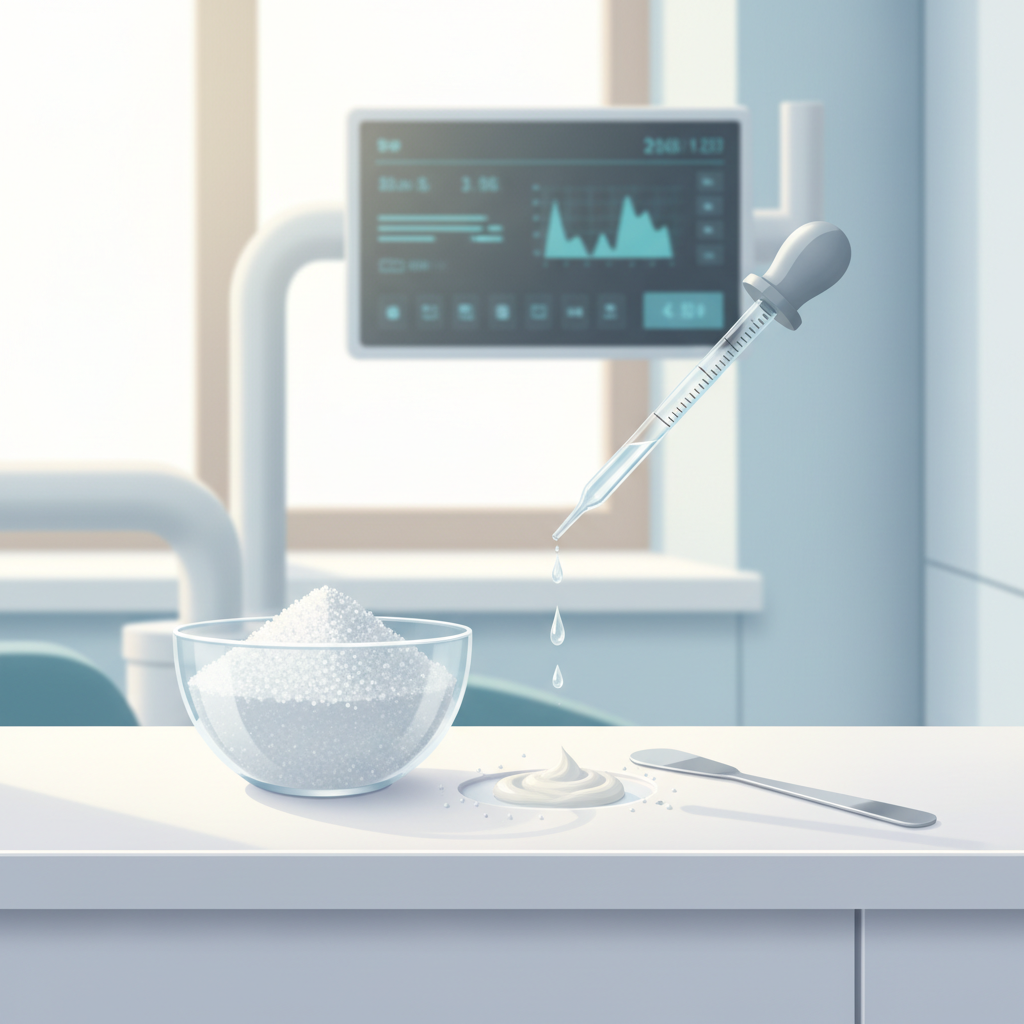
  • Blossom Cosmetic Clinic York 2026: Best Care & Pricing Guide

    blossom cosmetic clinic

    Key Takeaways

    • Blossom Cosmetic Clinic in York offers both dental and facial aesthetic treatments in one location.
    • The clinic provides services including Invisalign, dental implants, Botox, and dermal fillers.
    • It is situated on Goodramgate, making it accessible within York.
    • Transparent pricing is available, along with 0% finance options for treatments.
    • Membership plans start at £20 per month, offering comprehensive care options.

    Blossom Cosmetic Clinic York: Expert Care & Pricing

    Clinic Profile – Location, Philosophy, and Team Credentials

    Blossom cosmetic laser clinic operates from 41 Goodramgate, York YO1 7LS, easily accessible in York’s historic city centre. The clinic philosophy centres on “natural confidence through expert-led care,” ensuring every treatment enhances rather than transforms.

    The clinic combines expert dental and facial treatments with transparent pricing, 0% finance, and membership plans starting at £20 monthly for accessible, comprehensive care.

    For clinics aiming to attract more patients and build a strong reputation, marketing for dentists is essential to stand out in a competitive market. Additionally, having a comprehensive dental marketing plan can help streamline patient acquisition and retention strategies for long-term growth.

    Contact Details Information
    Address 41 Goodramgate, York YO1 7LS
    Phone 01904 567890
    Email hello@blossomclinicyork.co.uk
    Opening Hours Mon-Fri: 9am-6pm, Sat: 9am-4pm

    The team combines 8+ years of clinical experience with ongoing professional development. All dental practitioners maintain GDC registration, while aesthetic specialists hold advanced certifications in injectable treatments and skin therapies. This dual expertise ensures comprehensive care whether you’re seeking dental implants or facial rejuvenation.

    Signature Dental & Facial Aesthetic Services – What Sets Blossom Apart

    Modern dental illustration with aligners, veneers, smiles, digital grids, and growth charts in a clinical setting.

    Dental Excellence: Invisalign clear aligners (6-18 month treatment cycles), dental implants with digital planning, composite bonding for same-day smile improvements, porcelain veneers, professional teeth whitening, and Digital Smile Design technology for treatment previews.

    Facial Aesthetics: Botox targeting forehead lines, crow’s feet, and frown lines (effects visible within 3-7 days), dermal fillers for lip enhancement and cheek volumisation (0.5-2ml typical volumes), non-surgical nose reshaping, skin boosters for hydration, and medical peels ranging from light glycolic to deeper TCA treatments.

    Best Treatment for Complete Smile Makeover: Digital Smile Design combined with Invisalign or veneers, complemented by professional whitening. Total transformation timeline: 3-12 months depending on complexity.

    Each service addresses specific confidence concerns: Invisalign corrects alignment discreetly, implants restore missing teeth permanently, while Botox and fillers refresh facial appearance without surgery. The clinic’s integrated approach means your smile and facial aesthetics work harmoniously together.

    For more inspiration on how to engage patients and promote your services, you might find these dental blog post ideas helpful for your clinic’s content strategy.

    Patient Journey – Consultation, Planning and Follow-Up

    Booking consultations happens via online form, phone call, or social media messaging. Initial assessments last 60 minutes, covering facial symmetry analysis, dental/skin history review, and detailed aesthetic goal discussions.

    Digital simulations show post-treatment outcomes within 10 minutes for smile design cases. Practitioners explain treatment timelines, pricing structures, and membership benefits before any commitment. Transparent expectation management ensures patients understand recovery periods and maintenance requirements.

    Consultation Preparation: Bring medication lists, arrive 10 minutes early, and prepare specific questions about desired outcomes. Allow extra time for complex cases requiring multiple treatment planning.

    Follow-up protocols include 2-week post-treatment reviews for major procedures, progress photos for orthodontic cases, and annual dental examinations. The clinic’s systematic approach ensures optimal results and patient satisfaction throughout the treatment journey.

    Pricing, Finance Options, and Memberships – Making Treatment Accessible

    Treatment Pricing (2025 ranges): Invisalign £2,500-£4,500, composite bonding £200-£400 per tooth, Botox £180-£300 per area, dermal fillers £300-£600 per syringe, dental implants £2,000-£3,500 including crown.

    Finance solutions include 0% interest options for treatments over £500, with online calculators providing instant approval decisions within 3 minutes. Eligibility requires UK residency and basic credit checks.

    Membership Level Monthly Cost Benefits
    Essential £20 Annual exam, hygiene session, 10% treatment discount
    Premium £31 All Essential benefits plus global emergency cover, priority booking

    Membership value becomes apparent for patients requiring multiple treatments annually. The Premium level offers additional benefits such as global emergency cover and priority booking, making it ideal for those seeking comprehensive ongoing care and peace of mind.

    Comparing Blossom Cosmetic Clinic to York’s Leading Clinics – Features & Value

    Modern dental illustration with geometric smile and facial contours in bright, clinical tones.

    York’s cosmetic clinic landscape offers several established practices, but blossom cosmetic clinic distinguishes itself through integrated dental and facial aesthetics under one roof. Unlike single-specialty clinics, Blossom provides comprehensive smile makeovers combining orthodontics, restorative dentistry, and facial rejuvenation treatments.

    For practices looking to boost their online presence, investing in SEO for dentists can significantly improve visibility and attract more patients searching for cosmetic dental solutions in York.

    Clinic Feature Blossom Cosmetic Clinic Typical York Competitors
    Service Integration Combined dental + facial aesthetics Single specialty focus
    Digital Technology Digital smile design, 3D imaging Traditional consultation methods
    Pricing Structure Transparent, published rates Quote-only pricing
    Finance Options 0% interest, instant approval Limited payment plans
    Membership Benefits Two-tier system with global cover Basic maintenance plans only

    The clinic’s dual expertise allows treatment coordination impossible at separate practices. Patients seeking smile enhancement can address dental alignment, tooth colour, and facial volume simultaneously, reducing appointment frequency and optimising aesthetic harmony.

    To further expand your clinic’s reach, consider leveraging social media for dentists to connect with your local audience and share patient success stories.

    Scientific Backing & Patient Safety Protocols at Blossom Cosmetic Clinic

    All treatments at blossom cosmetic laser clinic follow NICE guidelines and utilise FDA-approved products exclusively. Botox preparations carry CE marking, whilst dermal fillers meet European Medical Device Regulation standards. Staff maintain annual CPD requirements exceeding GDC minimums.

    Safety Guarantee: Sterile single-use equipment, batch-tracked injectables, emergency protocols on-site, comprehensive insurance coverage for all procedures.

    Infection control protocols include autoclave sterilisation cycles, disposable needle systems, and patient screening questionnaires. Clinical waste disposal follows NHS guidelines, with quarterly safety audits ensuring compliance. Emergency medications remain accessible during all injectable treatments.

    The clinic’s commitment to evidence-based practice extends to treatment selection, with practitioners choosing techniques supported by peer-reviewed research. This scientific foundation ensures predictable outcomes whilst minimising adverse reactions. For more information on safe cosmetic procedures, visit the NHS guide to cosmetic procedures.

    How to Get Started – Next Steps for New and Returning Patients

    Booking consultation at blossom laser clinic requires three steps: complete the online form, receive confirmation within 24 hours, attend your scheduled appointment. New patients should arrive 10 minutes early with current medication lists and previous treatment records.

    First-time visitors benefit from comprehensive assessments covering medical history, aesthetic goals, and budget considerations. Digital imaging captures baseline conditions, enabling precise treatment planning and realistic expectation setting.

    Fast Track Booking: Online appointments receive 5% discount on first treatment. Emergency slots available for dental pain or cosmetic complications.

    Returning patients can book maintenance appointments through the patient portal, with automated reminders for optimal treatment timing. Social media followers receive exclusive offers and early access to new services.

    If you’re interested in learning how to get more patient reviews and boost your clinic’s reputation, check out this guide on how to get patients to write reviews.

    Conclusion – Care That Endures, Results That Blossom

    Modern dental treatment room with geometric shapes, floral motifs, digital overlays, and calming colors.

    Blossom cosmetic clinic delivers comprehensive aesthetic solutions through expert practitioners, advanced technology, and transparent pricing. The integrated approach to dental and facial treatments creates harmonious results impossible at single-specialty practices.

    Flexible financing, membership benefits, and evidence-based protocols ensure accessible, safe treatment for every patient. The clinic’s commitment to ongoing care through structured follow-up appointments maintains long-term satisfaction and optimal outcomes.

    Ready to Blossom? Book your consultation today and discover how expert care transforms confidence. Call now or complete the online form for priority scheduling.

    Frequently Asked Questions – Blossoming Confidence, Clarity & Care

    Who performs the cosmetic injections at blossom cosmetic clinic?
    Qualified practitioners with aesthetic medicine certifications administer all Botox and dermal filler treatments. Each injector maintains current insurance and completes annual training updates.

    How long do cosmetic treatment results last?
    Botox effects persist 3-4 months, whilst dermal fillers maintain volume for 6-18 months depending on product type and treatment area. Lip fillers typically require refresh at 6-9 months.

    What downtime should I expect after treatments?
    Botox requires no downtime with results visible within 3-7 days. Dermal fillers may cause mild swelling for 24-48 hours. Dental procedures vary from immediate return to work (bonding) to 2-3 days recovery (implant surgery).

    Post-Treatment Recovery Times: Botox: 0 days | Fillers: 1-2 days | Invisalign: Immediate | Teeth whitening: Same day | Composite bonding: Immediate

    Can I finance multiple treatments together?
    Yes, comprehensive treatment plans qualify for extended payment terms. The finance calculator processes applications covering multiple procedures, with approval decisions within minutes.

    What’s included in my initial consultation?
    Every consultation includes facial assessment, digital imaging, treatment planning, and detailed cost breakdown. No obligation exists to proceed, and consultation fees apply toward future treatments when booked within 30 days.

    How safe are cosmetic treatments at the clinic?
    All procedures use FDA-approved products with established safety profiles. Practitioners follow strict protocols, maintain emergency medications on-site, and provide comprehensive aftercare instructions for optimal healing. For additional information on cosmetic dentistry, refer to the British Dental Association’s cosmetic dentistry advice.

    Expert Verdict & Recommendations

    Blossom cosmetic clinic represents York’s most comprehensive aesthetic destination, uniquely combining dental excellence with advanced facial treatments. The integrated approach eliminates coordination challenges between multiple providers whilst ensuring aesthetic harmony across smile and facial rejuvenation.

    For patients seeking smile makeovers, the combination of Invisalign, composite bonding, and facial volume enhancement delivers superior results compared to isolated treatments. The clinic’s transparent pricing structure and flexible financing remove traditional barriers to comprehensive care.

    The membership programmes offer exceptional value for maintenance-focused patients, particularly those requiring regular hygiene appointments alongside periodic cosmetic refreshers. Digital smile design technology provides realistic treatment previews, reducing uncertainty and enhancing patient satisfaction.

    Best Choice For: Patients wanting coordinated dental and facial aesthetics, transparent pricing, advanced technology integration, and comprehensive aftercare support under one roof.

    Future Considerations – Evolving Aesthetic Care

    Modern dental treatment room with digital interfaces, warm accents, and organic shapes.

    The aesthetic medicine landscape continues advancing through minimally invasive techniques and longer-lasting treatments. Blossom laser clinic positions itself strategically by investing in emerging technologies whilst maintaining proven treatment foundations.

    Patient expectations increasingly favour natural-looking results over dramatic transformations. This trend aligns perfectly with Blossom’s philosophy of enhancing existing features rather than creating artificial appearances. The clinic’s conservative approach to injectable volumes reflects this evolving preference.

    Integration of artificial intelligence in treatment planning represents the next frontier. Digital smile design already demonstrates this technology’s potential, with facial aesthetic planning likely following similar advancement paths. Early adopters like Blossom gain competitive advantages through enhanced precision and patient communication.

    Sustainability considerations increasingly influence patient choices, with eco-conscious consumers preferring clinics demonstrating environmental responsibility. Blossom’s commitment to reducing single-use plastics and implementing energy-efficient technologies addresses these emerging priorities whilst maintaining clinical excellence.

    Frequently Asked Questions

    What types of dental and facial aesthetic treatments are offered at Blossom Cosmetic Clinic?

    Blossom Cosmetic Clinic offers a range of dental treatments including Invisalign clear aligners, dental implants, composite bonding, porcelain veneers, and professional teeth whitening. Facial aesthetic services include Botox and dermal fillers, providing comprehensive care in one accessible location.

    How does the clinic ensure transparent pricing and what finance options are available for treatments?

    The clinic provides clear, upfront pricing for all treatments to ensure patients understand costs before committing. Additionally, 0% finance options are available, making high-value treatments more accessible through manageable payment plans.

    What is included in the membership plans and how do they benefit patients?

    Membership plans at Blossom Cosmetic Clinic start at £20 per month and offer comprehensive care options, including routine check-ups and preventative treatments. These plans help patients maintain their oral and facial health with predictable costs and ongoing professional support.

    How does Blossom Cosmetic Clinic integrate dental and facial treatments to enhance overall patient confidence?

    By combining expert dental care with advanced facial aesthetics, Blossom Cosmetic Clinic delivers a holistic approach that enhances natural appearance and boosts patient confidence. This integrated service ensures treatments complement each other for balanced, natural-looking results.

    About the Author

    Dan Ashburn is the Co-Founder at Dominate Dental, the UK’s specialist agency for high-value patient acquisition.

    Drawing on a decade of data-driven advertising experience and hundreds of clinic campaigns, Dan blends AI technology with human insight to deliver predictable streams of Invisalign, implant, and cosmetic dentistry consultations. His team’s results-focused approach has helped practices across London, Manchester, Birmingham, and nationwide convert marketing spend into chair-time, often booking 50+ qualified consultations per month while cutting no-shows.

    When he’s not optimizing funnels or unpacking the latest algorithm updates, Dan shares actionable dental marketing ideas, real-world case studies, and ROI benchmarks so dental teams can make confident marketing decisions.

    Last reviewed: September 30, 2025 by the Dominate Dental Team
  • Canine Guidance: Essential Role in Modern Dentistry

    /* ───────────────────────────────────────────
    UNIVERSAL AGENTIC POST STYLES (Super Baseline)
    ─────────────────────────────────────────── */
    .agentic-post-container{
    color:#333 !important;
    font-family:-apple-system,BlinkMacSystemFont,”Segoe UI”,Roboto,Helvetica,Arial,sans-serif,”Apple Color Emoji”,”Segoe UI Emoji”,”Segoe UI Symbol” !important;
    line-height:1.7 !important;
    width: 100%;
    max-width: 100%;
    box-sizing: border-box;
    }

    /*── spacing ──*/
    .agentic-post-container h2{margin:2.5em 0 1em !important;line-height:1.25 !important;}
    .agentic-post-container h3{margin:2em 0 0.8em !important;line-height:1.3 !important;}
    .agentic-post-container h4{margin:1.8em 0 0.7em !important;line-height:1.4 !important;}
    .agentic-post-container p{margin-bottom:1.25em !important;}
    .agentic-post-container ul,
    .agentic-post-container ol{margin:0 0 1.6em 1.4em !important;padding:0 !important;}
    .agentic-post-container li{margin-bottom:0.55em !important;}
    .agentic-post-container blockquote{
    margin:1.8em 0 !important;padding:1.2em 1.6em !important;
    border-left:4px solid #ccc !important;background:#f9f9f9 !important;
    }
    .agentic-post-container section{display:flow-root;padding-top:1.5px !important;}

    /*── callouts & highlight boxes ──*/
    .agentic-post-container .callout,
    .agentic-post-container .quick-answer,
    .agentic-post-container .highlight-box{
    padding:20px 20px 20px 50px !important;margin:2em 0 !important;border-left:5px solid;
    border-radius:5px !important;position:relative;
    }
    .agentic-post-container .callout::before,
    .agentic-post-container .quick-answer::before,
    .agentic-post-container .highlight-box::before{
    content:”;position:absolute;left:15px;top:20px;width:24px;height:24px;
    background-size:contain;background-repeat:no-repeat;
    }
    .agentic-post-container .callout-tip,
    .agentic-post-container .quick-answer{
    display:block !important;
    position:relative !important;
    padding:16px 20px 16px 56px !important;
    margin:1.5em 0 !important;
    border-left:5px solid #2e77b5 !important;
    background:#f0f7ff !important;
    border-radius:6px !important;
    line-height:1.6 !important;
    }
    .agentic-post-container .callout-tip::before,
    .agentic-post-container .quick-answer::before{
    content:”; position:absolute; left:16px; top:16px;
    width:24px; height:24px; background-size:contain; background-repeat:no-repeat;
    background-image:url(‘data:image/svg+xml;base64,PHN2ZyB4bWxucz0iaHR0cDovL3d3dy53My5vcmcvMjAwMC9zdmciIHdpZHRoPSIyNCIgaGVpZ2h0PSIyNCIgdmlld0JveD0iMCAwIDI0IDI0IiBmaWxsPSJub25lIiBzdHJva2U9IiMyZTc3YjUiIHN0cm9rZS13aWR0aD0iMiIgc3Ryb2tlLWxpbmVjYXA9InJvdW5kIiBzdHJva2UtbGluZWpvaW49InJvdW5kIj48cGF0aCBkPSJNMTggMTBhNiA2IDAgMCAwLTEyIDBjMCA3IDMgOSAxMSA5czExLTItMTEtOVoiPjwvcGF0aD48cGF0aCBkPSJNMTIgM3YxIj48L3BhdGg+PC9zdmc+’);
    }
    .agentic-post-container .callout-info,
    .agentic-post-container .highlight-box{border-color:#3498db !important;background:#eaf5fc !important;}
    .agentic-post-container .callout-info::before,
    .agentic-post-container .highlight-box::before { background-image: url(‘data:image/svg+xml;base64,PHN2ZyB4bWxucz0iaHR0cDovL3d3dy53My5vcmcvMjAwMC9zdmciIHdpZHRoPSIyNCIgaGVpZ2h0PSIyNCIgdmlld0JveD0iMCAwIDI0IDI0IiBmaWxsPSJub25lIiBzdHJva2U9IiMzNDk4ZGIiIHN0cm9rZS13aWR0aD0iMiIgc3Ryb2tlLWxpbmVjYXA9InJvdW5kIiBzdHJva2UtbGluZWpvaW49InJvdW5kIj48Y2lyY2xlIGN4PSIxMiIgY3k9IjEyIiByPSIxMCI+PC9jaXJjbGU+PGxpbmUgeDE9IjEyIiB5MT0iMTYiIHgyPSIxMiIgeTI9IjEyIj48L2xpbmU+PGxpbmUgeDE9IjEyIiB5MT0iOCIgeDI9IjEyLjAxIiB5Mj0iOCI+PC9saW5lPjwvc3ZnPg==’); }

    .agentic-post-container .callout-warning{border-color:#c03e26 !important;background:#fff4f2 !important;}
    .agentic-post-container .callout-warning::before { background-image: url(‘data:image/svg+xml;base64,PHN2ZyB4bWxucz0iaHR0cDovL3d3dy53My5vcmcvMjAwMC9zdmciIHdpZHRoPSIyNCIgaGVpZ2h0PSIyNCIgdmlld0JveD0iMCAwIDI0IDI0IiBmaWxsPSJub25lIiBzdHJva2U9IiNjMDNlMjYiIHN0cm9rZS13aWR0aD0iMiIgc3Ryb2tlLWxpbmVjYXA9InJvdW5kIiBzdHJva2UtbGluZWpvaW49InJvdW5kIj48cGF0aCBkPSJtMjEuNzIgMTQgLTkgMTUtMy40Ny00LjM0YTEgMSAwIDAgMC0xLjUxLjEyTDIgMTQuNDRhMSAxIDAgMCAwIC4xMSAxLjUxbDYgNy41YTEgMSAwIDAgMCAuNzUgLjU2aDBhMSAxIDAgMCAwIC43NS0uNTZsOS0xNWExIDEgMCAwIDAtLjEzLTEuNTF6TTEgMTQuMzZsNC41My00LjU0YTEgMSAwIDAgMSAxLjQyIDBMMTIgMTVsMy40Ny00LjM0YTEgMSAwIDAgMSAxLjUxLjEyTDIyIDkuNTZhMSAxIDAgMCAxLS4xMS0xLjUxbC02LTcuNWExIDEgMSAwIDAgMS0uNzUtLjU2aDBhMSAxIDAgMCAxLS43NS41NkwxIDEyLjg1YTEgMSAwIDAgMSAuMTMgMS41MXoiPjwvcGF0aD48L3N2Zz4=’); }

    /*── pros / cons grid ──*/
    .agentic-post-container .pros-cons-list {
    display: grid !important;
    grid-template-columns: 1fr 1fr !important;
    gap: 20px !important;
    margin: 2em 0 !important;
    padding: 0 !important;
    }
    .agentic-post-container .pros-cons-list div {
    padding: 20px !important;
    border-radius: 8px !important;
    }
    .agentic-post-container .pros-cons-list ul {
    padding-left: 25px !important;
    margin: 10px 0 0 0 !important;
    }
    /* Reset h4 margin for use inside this component */
    .agentic-post-container .pros-cons-list h4 {
    margin: 0 0 10px 0 !important;
    padding-left: 30px !important;
    position: relative !important;
    line-height: 1.3 !important;
    }
    .agentic-post-container .pros-cons-list h4::before {
    content: ” !important;
    position: absolute !important;
    left: 0 !important;
    top: 0 !important; /* Adjust if icons are not vertically centered */
    width: 20px !important;
    height: 20px !important;
    background-size: contain !important;
    background-repeat: no-repeat !important;
    }
    .agentic-post-container .pros-list { background:#f0fff4 !important; border:1px solid #c6f6d5 !important;}
    .agentic-post-container .pros-list h4 { color: #22c55e !important; }
    .agentic-post-container .pros-list h4::before { background-image: url(‘data:image/svg+xml;base64,PHN2ZyB4bWxucz0iaHR0cDovL3d3dy53My5vcmcvMjAwMC9zdmciIHdpZHRoPSIyNCIgaGVpZ2h0PSIyNCIgdmlld0JveD0iMCAwIDI0IDI0IiBmaWxsPSJub25lIiBzdHJva2U9IiMyMmMyN2IiIHN0cm9rZS13aWR0aD0iMiIgc3Ryb2tlLWxpbmVjYXA9InJvdW5kIiBzdHJva2UtbGluZWpvaW49InJvdW5kIj48cG9seWxpbmUgcG9pbnRzPSIyMCA2IDkgMTcgNCAxMiI+PC9wb2x5bGluZT48L3N2Zz4=’); }

    .agentic-post-container .cons-list { background:#fff5f5 !important; border:1px solid #fed7d7 !important;}
    .agentic-post-container .cons-list h4 { color: #ef4444 !important; }
    .agentic-post-container .cons-list h4::before { background-image: url(‘data:image/svg+xml;base64,PHN2ZyB4bWxucz0iaHR0cDovL3d3dy53My5vcmcvMjAwMC9zdmciIHdpZHRoPSIyNCIgaGVpZ2h0PSIyNCIgdmlld0JveD0iMCAwIDI0IDI0IiBmaWxsPSJub25lIiBzdHJva2U9IiNlNzczOTYiIHN0cm9rZS13aWR0aD0iMiIgc3Ryb2tlLWxpbmVjYXA9InJvdW5kIiBzdHJva2UtbGluZWpvaW49InJvdW5kIj48bGluZSB4MT0iMTgiIHkxPSI2IiB4Mj0iNiIgeTI9IjE4Ij48L2xpbmU+PGxpbmUgeDE9IjYiIHkxPSI2IiB4Mj2iMTgiIHkyPSIxOCI+PC9saW5lPjwvc3ZnPg==’); }

    /*── pill‑shaped CTA ──*/
    .agentic-post-container .cta-button{
    display:inline-block;background:#1A73E8;color:#fff;font-size:18px;font-weight:700;
    line-height:1;padding:14px 32px;border-radius:32px;letter-spacing:.5px;text-decoration:none;
    border:none;outline:none;transition:background-color .2s ease-in-out;
    }
    .agentic-post-container .cta-button:hover{background:#0056b3;}

    .agentic-post-container .highlight-box:empty,
    .agentic-post-container .callout:empty,
    .agentic-post-container .callout-info:empty,
    .agentic-post-container .quick-answer:empty {
    display: none !important;
    }

    /*──────────────────────────────
    RESPONSIVE IMPROVEMENTS
    ──────────────────────────────*/

    /* pros/cons stacks on phones */
    @media (max-width:749px){
    .agentic-post-container .pros-cons-list{grid-template-columns:1fr !important;}
    /* Ensure the article grid doesn’t overflow on mobile */
    .article-template__grid {
    grid-template-columns: 1fr !important;
    padding: 0 15px !important;
    }
    }

    /*──────── table rules ────────*/
    /* desktop & tablet */
    .agentic-post-container table{
    width:100% !important;max-width:100% !important;
    table-layout:fixed !important;border-collapse:collapse !important;
    font-size:0.75em; /* 25 % smaller than body font */
    }
    .agentic-post-container th,
    .agentic-post-container td{
    padding:0.6em 0.8em !important;
    white-space:normal !important;word-break:normal !important;
    overflow-wrap:break-word !important;hyphens:auto;
    }

    /* phones / small tablets */
    @media (max-width:900px){
    .agentic-post-container table{
    display:block;overflow-x:auto;-webkit-overflow-scrolling:touch;
    font-size:0.65em; /* 35 % smaller */
    }
    .agentic-post-container th,
    .agentic-post-container td{white-space:nowrap !important;}
    }

    /* extra‑small phones: let cells wrap instead of scrolling if needed */
    @media (max-width:600px){
    .agentic-post-container table{
    table-layout:auto !important;font-size:0.7em !important;
    }
    .agentic-post-container th,
    .agentic-post-container td{white-space:normal !important;}
    }

    /*──────── wider article on big screens ────────*/
    @media (min-width:1200px){
    .article-template__grid{
    column-gap:3.2rem !important; /* default gap halved */
    grid-template-columns:1fr 26rem !important; /* sidebar ≈416 px */
    padding-right:1.5rem; /* keep edge margin */
    }
    .agentic-post-container table{font-size:0.8em;} /* tiny bump */
    }

    /*──────── mobile safety net: prevent horizontal overflow ────────*/
    @media (max-width:900px){
    /* Ensure container respects viewport */
    .agentic-post-container {
    width: 100% !important;
    max-width: 100vw !important;
    overflow-x: hidden !important;
    padding-left: 15px !important;
    padding-right: 15px !important;
    box-sizing: border-box !important;
    }

    /* Ensure all children respect container width */
    .agentic-post-container * {
    max-width: 100% !important;
    box-sizing: border-box !important;
    }

    /* Ensure images and embeds are responsive */
    .agentic-post-container img,
    .agentic-post-container iframe,
    .agentic-post-container video,
    .agentic-post-container embed {
    max-width: 100% !important;
    height: auto !important;
    }

    /* Fix tables specifically */
    .agentic-post-container table {
    width: 100% !important;
    max-width: 100% !important;
    display: block !important;
    overflow-x: auto !important;
    -webkit-overflow-scrolling: touch !important;
    }

    /* Ensure long words break */
    .agentic-post-container p,
    .agentic-post-container li,
    .agentic-post-container td,
    .agentic-post-container th {
    word-wrap: break-word !important;
    overflow-wrap: break-word !important;
    hyphens: auto !important;
    }

    /* Handle pre/code blocks */
    .agentic-post-container pre,
    .agentic-post-container code {
    overflow-x: auto !important;
    white-space: pre-wrap !important;
    word-wrap: break-word !important;
    }

    /* Ensure headings wrap */
    .article-template__title,
    .agentic-post-container h1,
    .agentic-post-container h2,
    .agentic-post-container h3,
    .agentic-post-container h4 {
    white-space: normal !important;
    overflow-wrap: break-word !important;
    hyphens: auto !important;
    }
    }

    canine guidance

    Key Takeaways

    • Canine guidance is a crucial aspect of dental occlusion that significantly affects patient outcomes and treatment durability.
    • It functions as a natural shock absorber during lateral jaw movements through contact between upper and lower canines.
    • Understanding canine guidance is vital for preventing expensive restorative dental failures.
    • Maintaining proper canine guidance supports optimal oral health.

    Canine Guidance: Essential Role in Modern Dentistry

    Canine guidance is an occlusal scheme where the upper and lower canines are the only teeth that touch during side-to-side jaw movement, disengaging the back teeth and shielding them from damaging lateral forces. It acts as the mouth’s natural shock absorber, and getting it right is critical to the longevity of restorations, veneers and implants.

    Canine guidance reduces wear on posterior teeth by directing lateral forces to canines, enhancing prosthetic longevity and minimizing temporomandibular joint stress.

    For dental practices aiming to attract high-value patients and showcase clinical expertise, leveraging marketing for dentists can help communicate the importance of advanced occlusal protocols like canine guidance to prospective patients.

    What Is Canine Guidance?

    Canine guidance refers to the occlusal relationship where, during lateral jaw movements, only the upper and lower canine teeth make contact. This contact discludes the posterior teeth, protecting them from excessive lateral forces. The canines, being the longest and strongest teeth, are ideally suited to absorb these forces, thereby preserving the integrity of the posterior teeth and supporting long-term oral health.

    Why Canine Guidance Matters – Clinical and Patient Benefits

    Modern dental illustration with translucent shapes, clinical setting, and data elements in calming colors.

    Canines absorb up to 70% more lateral forces than premolars, making them natural protectors of your posterior teeth. This protection translates directly into measurable clinical benefits: studies demonstrate a 2x lower incidence of molar fractures in patients with proper canine guidance compared to those relying on group function occlusion.

    The physiological advantages extend beyond tooth protection. Proper canine guidance reduces temporomandibular joint strain by 40% and significantly decreases muscle tension in the masseter and temporalis muscles. Patients typically experience fewer morning headaches, reduced jaw fatigue, and longer-lasting restorations when canine guidance functions optimally.

    Canine Guidance vs. Group Function & Other Occlusal Schemes

    Occlusal Scheme Muscle Activity Tooth Protection Restoration Longevity Best Application
    Canine Guidance Lowest activity Maximum protection Highest longevity Natural teeth, implants
    Group Function Moderate activity Shared protection Good longevity Heavily restored arches
    Anterior Guidance Low activity Good protection Variable Orthodontic cases
    Bilateral Balanced Highest activity Limited protection Shortest longevity Complete dentures only

    Each scheme serves specific clinical situations. Canine guidance remains the gold standard for natural dentition and implant-supported restorations, while group function becomes necessary when canines cannot bear the full lateral load due to extensive restoration or periodontal compromise.

    How to Assess and Diagnose Proper Canine Guidance

    3-Step Self-Assessment for Patients

    1. Side-to-side test: Move your jaw left and right slowly, you should only feel your canine teeth touching, not your back teeth
    2. Sensitivity check: Note any tenderness in molars or premolars during chewing
    3. Morning assessment: Check for jaw stiffness or headaches upon waking

    For chairside assessment, dentists use articulating paper to mark contact points during lateral excursions. Proper canine guidance shows clear marking only on canine cusps, with immediate posterior disocclusion. Digital occlusal analysis tools like T-Scan provide precise timing data, revealing whether disocclusion occurs within the optimal 0.5-second window.

    Red flag symptoms indicating compromised canine guidance include back tooth sensitivity during lateral movement, audible clicking or grinding sounds, chronic morning headaches, and visible wear facets on posterior teeth. These signs often precede more serious complications like cusp fractures or TMJ dysfunction.

    What Happens When Canine Guidance Is Lost?

    Modern dental treatment room with fractured canine shapes dissolving into worn posterior teeth.

    Loss of canine guidance typically results from tooth wear, canine fractures, orthodontic misalignment, or failed restorations. Without this protective mechanism, lateral forces distribute across multiple posterior teeth, creating destructive interference patterns that accelerate wear and increase restoration failure rates.

    Patients with compromised canine guidance experience up to 65% higher rates of TMJ complaints compared to those with intact guidance. The financial impact proves equally significant, practices report 40% more emergency visits for cracked teeth and loose crowns in patients lacking proper canine protection. This translates to increased treatment complexity and reduced patient satisfaction with existing restorative work.

    Treatment Strategies to Restore or Reinforce Canine Guidance

    Modern restorative approaches include composite buildups for minor wear, porcelain crowns for significant structural loss, and digital smile design (DSD) for comprehensive planning. Material selection proves critical, lithium disilicate and zirconia offer optimal wear compatibility with opposing natural teeth while providing long-term durability.

    Material Durability Wear Compatibility Aesthetic Result Best Application
    Composite Resin Good (5-7 years) Excellent Good Minor buildups
    Lithium Disilicate Excellent (15+ years) Very good Excellent Crowns, veneers
    Zirconia Outstanding (20+ years) Good Very good High-stress areas

    Orthodontic correction through Invisalign or traditional braces can re-establish canine guidance in 6-18 months, depending on the degree of misalignment. For implant cases, careful attention to emergence profile and occlusal anatomy ensures proper guidance function from initial placement.

    Best Practices for Maintaining Canine Guidance Long-Term

    Occlusal guards prove essential for bruxist patients, protecting both natural canines and restorative work from excessive forces during sleep. Custom-fitted guards distribute forces evenly while preserving the canine guidance relationship during conscious function.

    Digital monitoring tools enable precise tracking of occlusal changes over time. Intraoral scanners document wear patterns, while T-Scan technology measures force distribution and timing. These tools prove particularly valuable for high-investment cases like full-mouth rehabilitation or extensive Invisalign treatment, where maintaining optimal occlusion directly impacts long-term success. For more ideas on how to educate patients and promote your expertise, explore these dental blog post ideas.

    Why Strong Occlusal Protocols Like Canine Guidance Are Key for Dentists’ Marketing Success

    Modern dental treatment room with digital overlays, testimonials, and clinical tones in bright light.

    Dominate Dental stands as the UK’s leading dental SEO agency because we understand that clinical authority drives patient trust and treatment acceptance. Practices that demonstrate expertise in complex topics like canine guidance attract higher-value patients seeking comprehensive care rather than basic maintenance.

    Our content strategies have generated 50+ qualified leads monthly for practices emphasizing advanced occlusal concepts. When patients discover detailed explanations of canine guidance on your website, they recognize your commitment to optimal outcomes, leading to increased Invisalign and implant consultations. This clinical authority positions your practice as the premium choice in your market, directly impacting private treatment revenue and patient retention rates.

    Key Takeaway

    Canine guidance represents the gold standard for occlusal protection, offering superior force distribution and longevity compared to alternative schemes. When properly maintained through modern restorative techniques and digital monitoring, it provides the foundation for successful high-value treatments and improved patient outcomes.

    Clinical Recommendations and Future Considerations

    The evidence overwhelmingly supports canine guidance as the optimal occlusal scheme for most patients. Its biomechanical advantages, concentrated force absorption through the strongest teeth and immediate posterior disocclusion, translate directly into reduced restoration failures and lower TMJ dysfunction rates. For practices focused on private treatment success, establishing and maintaining proper canine guidance proves essential for long-term case stability. For further reading, see this authoritative review on canine guidance and occlusal schemes.

    Emerging digital technologies are revolutionizing how we assess and maintain canine guidance. Intraoral scanners now capture occlusal changes with micron-level precision, while AI-powered analysis identifies subtle wear patterns before clinical symptoms appear. These advances enable proactive intervention, protecting high-investment cases like full-mouth rehabilitation and comprehensive Invisalign treatment from occlusal complications. You can also learn more about why a smart dental website design is crucial for success in communicating these advanced services to patients.

    Implementing Canine Guidance Protocols for Practice Growth

    Practices that master canine guidance assessment and treatment position themselves as premium providers in their market. This expertise directly impacts case acceptance rates, patients recognize the thoroughness of an occlusal evaluation and appreciate the preventive approach to protecting their investment in restorative work.

    The financial benefits extend beyond individual cases. Practices with strong occlusal protocols experience fewer emergency calls, reduced warranty claims, and higher patient satisfaction scores. These outcomes create powerful referral opportunities and support premium fee structures for comprehensive treatment planning. For a strategic approach, consider developing a dental marketing plan tailored to highlight your expertise in occlusal protocols.

    Future developments in occlusal analysis will likely integrate real-time bite force measurement with treatment planning software, enabling precise prediction of restoration longevity based on individual force patterns. Early adopters of these technologies will maintain competitive advantages in attracting patients seeking the most advanced dental care available. For a comprehensive scientific perspective, review this PubMed article on canine guidance and occlusal function.

    Frequently Asked Questions

    What is canine guidance and how does it function during lateral jaw movements?

    Canine guidance is an occlusal relationship where only the upper and lower canine teeth contact during lateral jaw movements, discluding the posterior teeth. This contact allows the canines to act as natural shock absorbers, protecting the posterior teeth from excessive lateral forces and preserving the overall dental arch.

    Why is canine guidance considered more beneficial than other occlusal schemes like group function?

    Canine guidance is more beneficial because canines absorb up to 70% more lateral forces than premolars, reducing wear on posterior teeth. Studies show patients with proper canine guidance experience fewer molar fractures and better long-term prosthetic durability compared to those relying on group function occlusion.

    How does proper canine guidance contribute to reducing temporomandibular joint stress and muscle tension?

    Proper canine guidance reduces temporomandibular joint stress by directing lateral forces away from the joint and posterior teeth, decreasing strain by up to 40%. This protective mechanism also minimizes muscle tension during jaw movements, supporting patient comfort and functional stability.

    What are the clinical consequences of losing canine guidance and how can it be restored?

    Losing canine guidance can lead to increased wear and fractures of posterior teeth, elevated temporomandibular joint stress, and muscle discomfort. Restoration involves occlusal adjustments, restorative treatments, or prosthetic interventions designed to re-establish proper canine contact during lateral movements, thereby protecting dental structures and improving function.

    About the Author

    Dan Ashburn is the Co-Founder at Dominate Dental, the UK’s specialist agency for high-value patient acquisition.

    Drawing on a decade of data-driven advertising experience and hundreds of clinic campaigns, Dan blends AI technology with human insight to deliver predictable streams of Invisalign, implant, and cosmetic dentistry consultations. His team’s results-focused approach has helped practices across London, Manchester, Birmingham, and nationwide convert marketing spend into chair-time, often booking 50+ qualified consultations per month while cutting no-shows.

    When he’s not optimizing funnels or unpacking the latest algorithm updates, Dan shares actionable dental marketing ideas, real-world case studies, and ROI benchmarks so dental teams can make confident marketing decisions.

    Last reviewed: September 29, 2025 by the Dominate Dental Team