Category: Blog

  • Direct Composite Veneer Marketing 2026 | Proven Patient Growth Guide

    direct composite veneer

    Key Takeaways

    • A direct composite veneer enhances your smile in just one appointment.
    • This technique uses tooth-coloured resin applied and sculpted directly onto your teeth.
    • Unlike traditional veneers, it does not require laboratory work.
    • Direct composite veneers provide immediate results through chairside artistry.
    • It is the fastest cosmetic dental solution for minor imperfections.

    Direct Composite Veneer: The Complete UK Guide 2025

    A direct composite veneer transforms your smile in a single appointment, using advanced tooth-coloured resin applied and sculpted directly onto your teeth. Unlike traditional veneers requiring laboratory work, this technique delivers immediate results through chairside artistry, making it the fastest cosmetic dental solution for minor imperfections. Dental practices looking to promote these services can benefit from targeted marketing strategies.

    Direct composite veneers typically last 5–7 years, require minimal enamel removal, and can be easily repaired or modified compared to porcelain alternatives.

    UK dental practices increasingly favour this approach for patients seeking affordable smile enhancement without extensive tooth preparation. The procedure typically takes 60-120 minutes for 4-6 teeth, with costs ranging £250-450 per tooth, significantly less than porcelain alternatives. For clinics aiming to boost their online presence and attract more patients, SEO for dentists is an essential component of a successful digital marketing plan.

    Direct composite veneers are a popular choice for those seeking immediate results and cost-effective cosmetic improvements. If you’re interested in developing a comprehensive strategy to grow your dental practice, consider implementing a dental marketing plan tailored to your clinic’s unique needs.

    What Is a Direct Composite Veneer?

    Direct composite veneers utilise nanohybrid resin technology to create ultra-thin shells bonded directly to your natural tooth surface. The procedure involves minimal tooth preparation, typically removing just 0.1-0.5mm of enamel, making it significantly more conservative than porcelain veneers.

    These veneers excel at addressing:

    • Small chips and cracks in front teeth
    • Gaps between teeth under 2mm
    • Mild discolouration resistant to whitening
    • Worn or shortened teeth requiring length restoration
    • Minor shape irregularities or pointed canines

    Ideal candidates include patients with good oral health seeking immediate cosmetic improvement without multiple appointments. The reversible nature makes it particularly suitable for younger patients or those wanting to trial their new smile before committing to permanent alterations.

    How Direct Composite Veneers Work, Science and Process
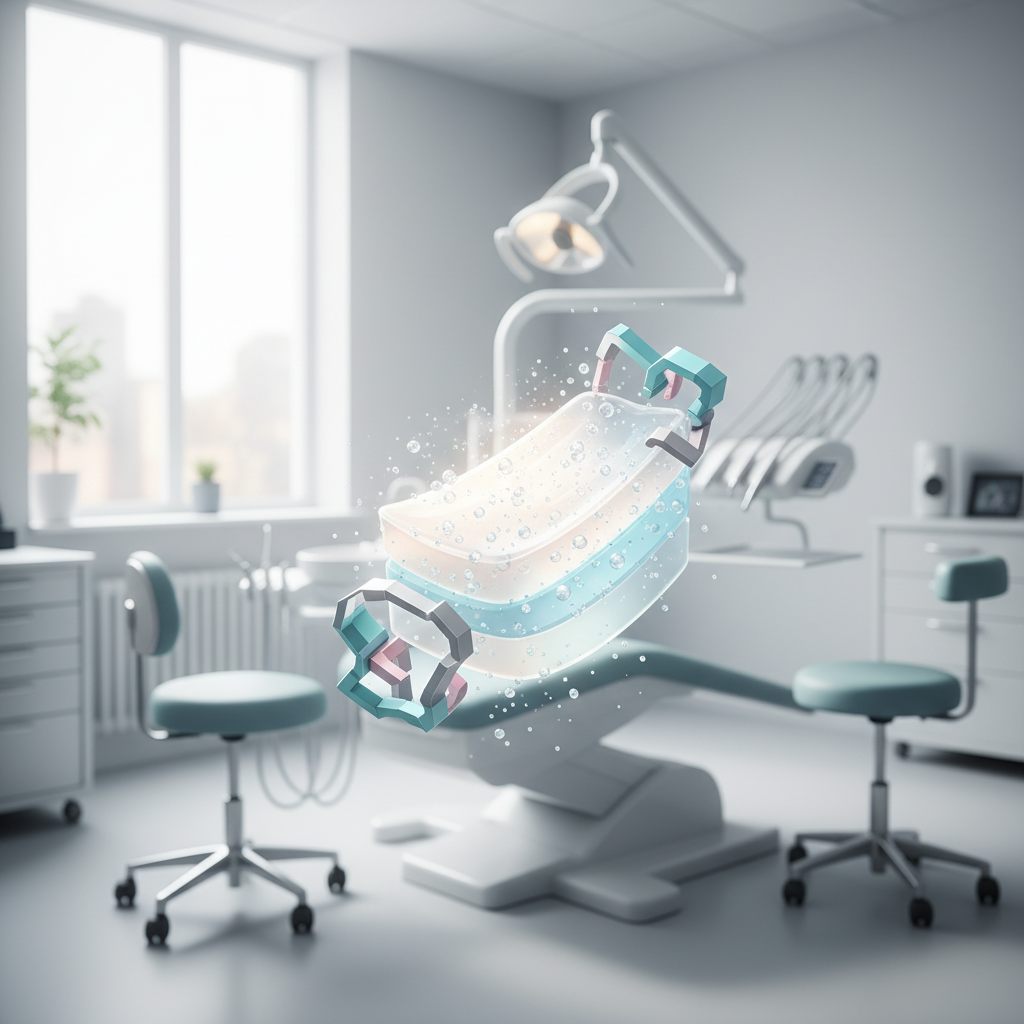
    Modern dental treatment room with illustration of nano-ceramic particles in resin matrix and microstructures.

    Modern composite veneers use nano-ceramic particles suspended in a light-activated resin matrix. These materials achieve superior strength and aesthetics through precise layering techniques that mimic natural tooth translucency and opacity.

    The bonding process relies on micromechanical retention created through acid etching, which opens microscopic pores in tooth enamel. Universal adhesive systems then form chemical bonds with both tooth structure and composite material, creating a durable interface.

    Step Process Time Required
    Consultation Shade selection, digital smile design 15-20 minutes
    Preparation Minimal enamel reduction, isolation 10-15 minutes
    Bonding Etching, adhesive application 5-10 minutes per tooth
    Layering Composite application in 2mm increments 15-20 minutes per tooth
    Finishing Contouring, polishing, occlusal adjustment 10-15 minutes per tooth

    Key Advantages and Drawbacks of Direct Composite Veneers

    Direct composite veneers offer compelling benefits for specific patient profiles, though understanding their limitations ensures appropriate case selection and realistic expectations.

    Advantages:

    • Single-visit completion – No temporary veneers or multiple appointments
    • Reversible procedure – Minimal tooth structure removed, can be undone
    • Cost-effective – 40-60% less expensive than porcelain alternatives
    • Repairable – Chips or stains can be fixed chairside without replacement
    • Conservative preparation – Preserves maximum natural tooth structure

    Limitations:

    • Shorter lifespan – Average 4-8 years versus 10-20 for porcelain
    • Staining susceptibility – Requires dietary modifications and regular polishing
    • Wear patterns – May show signs of wear faster in high-stress areas

    UK patients typically achieve best outcomes when seeking minor cosmetic improvements with budget considerations. The reversible nature particularly appeals to younger demographics exploring smile enhancement options. For more inspiration on how to promote your dental services, check out these dental marketing ideas.

    When Should Direct Composite Veneers Be Considered?

    Direct composite veneers work exceptionally well for patients with specific clinical presentations and lifestyle factors. Proper case selection determines long-term success and patient satisfaction.

    Ideal candidates include:

    • Patients under 30 seeking reversible smile enhancement
    • Post-orthodontic cases requiring minor refinements
    • Budget-conscious individuals wanting immediate results
    • Young adults seeking smile enhancement before major dental work
    • Patients with dental anxiety preferring minimally invasive procedures
    • Those requiring emergency cosmetic repair before important events

    Contraindications: Severe bruxism, extensive tooth damage requiring crowns, poor oral hygiene, or gaps exceeding 3mm width require alternative treatments.

    Clinical red flags include active decay, gum disease, or unrealistic aesthetic expectations. Patients grinding their teeth need protective splints before veneer placement to prevent premature failure.

    Direct vs Indirect Composite Veneers, What’s the Difference?

    Modern dental treatment room with resin shaping and digital impression overlays in bright light.

    Direct composite veneers are sculpted chairside during your appointment, while indirect versions are fabricated in a laboratory from impressions and require two visits. This fundamental difference impacts every aspect of treatment delivery and outcomes.

    Factor Direct Composite Indirect Composite
    Appointments Required Single visit (1-2 hours) Two visits over 2-3 weeks
    Durability 4-8 years average 6-12 years average
    Cost per Tooth £250-450 £400-650
    Repairability Immediate chairside repair May require laboratory remake
    Aesthetic Control Real-time adjustments Predictable laboratory finish

    Direct techniques excel when patients need immediate results or have budget constraints. The ability to make real-time adjustments during placement allows for precise shade matching and contour refinements impossible with pre-fabricated restorations. For practices aiming to improve their local search visibility, local SEO for dentists can help attract more patients in your area.

    Indirect composite veneers offer superior strength through controlled laboratory curing and higher filler content, making them suitable for patients with higher functional demands or those seeking maximum longevity from composite materials.

    Direct Composite Veneers vs. Porcelain Veneers: Which Should You Choose?

    The choice between direct composite veneers and porcelain depends on your priorities regarding durability, aesthetics, cost, and reversibility. Each material serves distinct patient needs with measurable differences in performance.

    Composite veneers require minimal tooth reduction (0.1-0.5mm) compared to porcelain’s 0.5-1.5mm preparation, making them significantly more conservative. This reversibility appeals to patients wanting to trial their new smile or those concerned about permanent tooth alteration.

    Cost Analysis: Direct composite averages £300-400 per tooth with 4-8 year lifespan, while porcelain costs £800-1,200 per tooth lasting 10-20 years. Composite offers better short-term value; porcelain provides superior long-term investment.

    Porcelain excels in stain resistance and maintains its polish indefinitely, while composite requires professional polishing every 6-12 months. However, composite chips can be repaired immediately chairside, whereas porcelain fractures typically necessitate complete replacement.

    Choose composite for: immediate results, budget considerations, younger patients, or trial smile makeovers. Select porcelain for: maximum longevity, superior stain resistance, or extensive cosmetic corrections requiring significant shape changes.

    Materials Science, What’s Inside a Modern Direct Composite Veneer?

    Contemporary direct composite veneer materials utilise nanohybrid technology, incorporating ceramic nanoparticles (20-75 nanometers) within a light-activated resin matrix. This combination achieves superior strength, polish retention, and optical properties compared to older composite formulations.

    Leading UK practices favour materials like Enamel Plus HRi (Micerium), Venus Pearl (Kulzer), and Tetric EvoCeram (Ivoclar) for their handling characteristics and aesthetic outcomes. These systems offer multiple opacity levels, enabling natural translucency gradients that mimic tooth structure.

    Universal adhesive systems create chemical bonds with both tooth enamel and composite through silane coupling agents and phosphate monomers. This dual-bonding mechanism, combined with micromechanical retention from acid etching, produces bond strengths exceeding 25 MPa when properly applied.

    The Step-by-Step Clinical Procedure for Direct Composite Veneers

    Successful direct composite veneer placement demands meticulous attention to moisture control, layering technique, and finishing protocols. Each step builds upon the previous to ensure optimal aesthetics and longevity.

    Initial preparation involves selecting the appropriate shade under natural lighting and documenting it with digital photography. Minimal enamel reduction, typically 0.3–0.5mm from the facial surface using fine diamond burs, creates space for composite addition without over-contouring. For techniques on proper torquing movement, consult specialized guidelines to ensure optimal results.

    The bonding sequence begins with 37% phosphoric acid etching for 20-30 seconds, followed by thorough rinsing and gentle air drying. Universal adhesive application requires thin, uniform coverage with 10-second light curing at 1000mW/cm² output. Composite is then layered in increments, each cured for 20 seconds, to achieve optimal strength and aesthetics. Final contouring and polishing complete the procedure, ensuring a natural appearance and smooth finish.

    Composite Application and Light Curing Protocol

    The composite layering begins with a thin cervical layer using A1 or A2 shade, building incrementally in 1.5-2mm sections to prevent incomplete polymerisation. Each increment requires 20-second curing cycles with LED units exceeding 1000mW/cm² output. The layering technique mirrors natural tooth anatomy, cervical third in warmer shades, middle third in body shade, and incisal third incorporating translucent materials.

    Modern nanohybrid composites like Tetric EvoCeram or Filtek Supreme Ultra provide superior polish retention and colour stability. The final contouring uses fine diamond burs followed by composite-specific polishing systems. Professional finishing typically requires 15-20 minutes per tooth, with immediate functional loading possible after complete polymerisation.

    Longevity and Maintenance Requirements

    Clinical studies demonstrate direct composite veneer survival rates of 85-92% at five years with proper maintenance protocols. The primary failure modes include marginal staining, surface roughening, and edge chipping, all typically repairable chairside without complete replacement.

    Maintenance Schedule: Professional polishing every 6 months, bite adjustment checks annually, and immediate repair of any chips exceeding 1mm diameter.

    Patient compliance significantly impacts longevity. Avoiding hard foods, using night guards for bruxers, and maintaining excellent oral hygiene extends functional life beyond the typical 5-8 year range. Staining occurs primarily from coffee, tea, and red wine within the first 48 hours post-placement when polymerisation continues. For more on how to get patients to share their experiences, see these tips on how to get patients to write reviews.

    UK Cost Analysis and Value Proposition

    Modern dental clinic with digital dashboard, charts, maps, and warm, professional colors.

    Direct composite veneers in the UK range from £280-£450 per tooth, varying by geographic location and practice positioning. London practices typically charge £350-£450, while regional practices average £280-£350. This represents approximately 40-50% savings compared to porcelain alternatives.

    Treatment Type Cost Per Tooth Total Time Longevity
    Direct Composite £280-£450 Single visit 5-8 years
    Indirect Composite £450-£650 2-3 visits 7-10 years
    Porcelain Veneers £800-£1,200 2-3 visits 10-15 years

    The immediate treatment completion and reversible nature provide compelling value for patients seeking aesthetic improvement without irreversible tooth preparation. Insurance coverage remains limited, with most treatments classified as elective cosmetic procedures. For a deeper understanding of cosmetic dentistry options, visit the NHS cosmetic dentistry resource.

    Optimal Case Selection Criteria

    Successful direct composite veneer outcomes depend on rigorous case selection. Ideal candidates present with localised discolouration, minor shape irregularities, or small gaps under 2mm. Patients with heavy occlusal forces, extensive restorative needs, or severe crowding benefit more from alternative treatments.

    Age considerations favour younger patients (18-45) who value immediate results and cost-effectiveness over maximum longevity. Older patients with established occlusal patterns and higher aesthetic expectations often prefer porcelain solutions. The reversible nature makes composites excellent for treatment trials before committing to more invasive procedures.

    Contraindications include active periodontal disease, poor oral hygiene, severe bruxism without protective appliances, and unrealistic aesthetic expectations. Pre-treatment orthodontics should be completed, as composite veneers cannot correct significant malposition or spacing issues exceeding 3mm. For more on the science behind these materials, see this PubMed clinical review.

    Advanced Techniques and Digital Integration

    Contemporary direct composite veneer protocols increasingly incorporate digital smile design (DSD) for predictable aesthetic outcomes. Intraoral scanning creates precise 3D models, enabling virtual treatment planning and patient communication before tooth preparation begins.

    Silicone indices fabricated from approved smile designs guide composite placement, ensuring consistent thickness and contours. This technique reduces chairtime by 25-30% while improving aesthetic predictability. Some practices utilise 3D-printed guides for complex cases involving multiple teeth.

    Shade matching benefits from digital colorimetry and polarised photography under standardised lighting. Advanced practitioners employ fluorescence testing to match natural tooth characteristics, particularly important for younger patients with high translucency requirements. For more ideas on engaging your audience, explore these dental social media ideas.

    Future Developments in Composite Materials
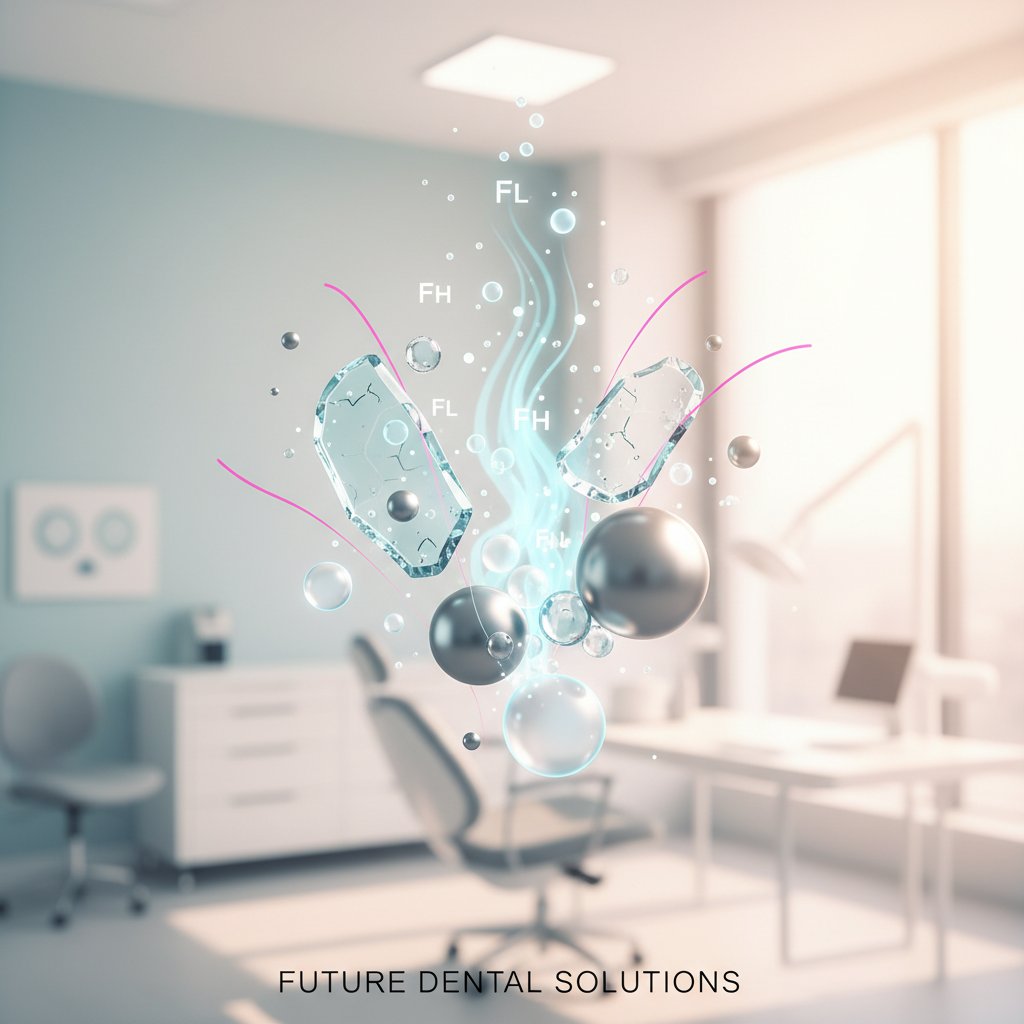
    Modern dental illustration with bioactive glass particles and nanoceramic spheres in a bright clinical setting.

    Next-generation composite formulations incorporate bioactive glass particles that release fluoride and calcium ions, potentially reducing secondary caries risk. Nanoceramic fillers improve wear resistance while maintaining polishability, addressing the primary limitation of current materials.

    Self-healing composites under development utilise microcapsule technology to repair micro-cracks automatically, potentially extending service life beyond current expectations. Smart materials that change properties in response to pH or temperature variations represent the cutting edge of restorative dentistry.

    Manufacturing advances focus on pre-polymerised composite blocks for CAD/CAM fabrication, combining direct technique advantages with indirect precision. These hybrid approaches may revolutionise direct composite veneer delivery within the next decade.

    Frequently Asked Questions

    What are the main differences between direct composite veneers and traditional porcelain veneers?

    Direct composite veneers are applied and sculpted directly onto the teeth in a single appointment using tooth-coloured resin, requiring minimal enamel removal and no laboratory work. In contrast, traditional porcelain veneers involve custom fabrication in a lab, require more extensive tooth preparation, and typically take multiple visits to complete.

    How long do direct composite veneers typically last, and what maintenance do they require?

    Direct composite veneers generally last between 5 to 7 years and require regular dental check-ups to monitor integrity. Maintenance includes good oral hygiene, avoiding excessive staining foods or habits, and occasional polishing or repairs to address minor chips or wear.

    Who is the ideal candidate for direct composite veneers, and what dental issues can they effectively address?

    Ideal candidates are patients seeking quick, cost-effective cosmetic improvements for minor imperfections such as small chips, gaps, discoloration, or uneven tooth shape. They are suitable for those wanting minimal enamel removal and immediate smile enhancement without extensive treatment.

    What is the step-by-step process involved in applying direct composite veneers during a single dental appointment?

    The process begins with minimal enamel preparation followed by tooth surface cleaning and etching. Next, a bonding agent is applied, then the composite resin is layered and sculpted directly onto the teeth. Finally, the material is light-cured to harden, shaped for optimal aesthetics, and polished to a natural finish, all completed chairside in one visit.


    About the Author

    Dan Ashburn is the Co-Founder at Dominate Dental, the UK’s specialist agency for high-value patient acquisition.

    Drawing on a decade of data-driven advertising experience and hundreds of clinic campaigns, Dan blends AI technology with human insight to deliver predictable streams of Invisalign, implant, and cosmetic dentistry consultations. His team’s results-focused approach has helped practices across London, Manchester, Birmingham, and nationwide convert marketing spend into chair-time, often booking 50+ qualified consultations per month while cutting no-shows.

    When he’s not optimizing funnels or unpacking the latest algorithm updates, Dan shares actionable dental marketing ideas, real-world case studies, and ROI benchmarks so dental teams can make confident marketing decisions.

    Last reviewed: September 25, 2025 by the Dominate Dental Team
  • Paid Social for UK Dentists: Proven 2026 Guide to Generate Patients

    paid social

    Key Takeaways

    • Paid social is a powerful tool for UK dental practices aiming for predictable growth in high-value treatments.
    • Organic social media helps build brand awareness, but paid social drives qualified patient consultations at scale.
    • Implementing paid social strategies can significantly increase practice revenue within months.

    Paid Social for UK Dental Practices – The Complete Blueprint for Qualified Patient Growth

    Paid social has become the secret weapon for UK dental practices seeking predictable growth in high-value treatments. While organic social media builds brand awareness, paid social delivers qualified consultations at scale, transforming practice revenue in months, not years.

    Targeting book-ready patients with carousel ads and retargeting campaigns delivers the highest ROI for UK dentists within 3 months.

    At Dominate Dental, the UK’s leading dental marketing and SEO agency, we’ve generated over 15,000 qualified dental leads through strategic paid social campaigns. Our clients consistently achieve 50+ monthly ultra-qualified leads with 15%+ consultation conversion rates and measurable ROI from day one.

    For practices looking to accelerate results, implementing a robust dental marketing plan that leverages paid social is essential. This blueprint addresses the core challenge facing UK dental practices: converting social media investment into booked consultations for private treatments. Unlike traditional advertising, paid social targets patients actively researching dental solutions, delivering higher-quality leads with superior lifetime value.

    What is Paid Social (and Why It Matters for UK Dental Practices in 2025)

    Paid social refers to sponsored advertisements distributed through social media platforms like Facebook, Instagram, TikTok, and LinkedIn. Unlike organic posts that rely on followers and algorithm favour, paid social guarantees visibility to precisely targeted audiences, including potential patients who’ve never heard of your practice.

    The distinction matters significantly for dental practices. Organic social builds community among existing patients, while boosted posts amplify content to a broader but less targeted audience. Paid social operates differently, it identifies individuals actively researching dental treatments and places your practice directly in their decision-making journey.

    Real-World Scenario: Dental Implant Campaign

    Organic Approach: Post implant success story, reach 200 followers, generate 2 enquiries over 3 months.

    Paid Social Approach: Target 50+ adults with missing teeth within 15 miles, reach 8,500 qualified prospects, generate 47 consultation bookings in 30 days at £52 cost per lead.

    Social Media Marketing Methods: Paid, Organic, and Boosted Comparison
    Method Reach Potential Targeting Precision Speed to Results Patient Quality
    Paid Social Unlimited, scalable Highly specific demographics Immediate (24–48 hours) High-intent, qualified
    Organic Social Limited to followers Broad, uncontrolled Slow (3–6 months) Mixed quality
    Boosted Posts Moderate expansion Basic targeting only Medium (1–2 weeks) Lower conversion rate

    For UK dental practices focusing on private treatments, paid social delivers unmatched precision. You can target individuals based on age, income, location, and even behavioural signals like “researched dental implants” or “visited cosmetic dentistry websites”, capabilities impossible with traditional marketing channels.

    The Business Case for Paid Social in Modern Dental Practice Growth

    UK dental practices investing in paid social consistently outperform competitors relying solely on referrals or traditional advertising. Recent data shows 73% of UK adults research dental treatments online before booking, with social media influencing 64% of private treatment decisions, particularly for Invisalign and cosmetic procedures.

    High-value treatment demand continues rising across London, Manchester, and Birmingham, where patients actively seek alternatives to NHS limitations. Paid social captures this intent precisely when patients transition from “considering treatment” to “ready to book consultations.”

    ROI Comparison: Paid Social vs Other Channels

    • Paid Social: £45 average cost per consultation, 18% treatment acceptance
    • Google Ads: £67 average cost per consultation, 22% treatment acceptance
    • Traditional Media: £89 average cost per consultation, 12% treatment acceptance
    • Referral Programs: £23 average cost per consultation, 31% treatment acceptance

    Three specific business outcomes distinguish successful paid social campaigns: First, qualified consultation volume increases 300-500% within 90 days. Second, no-show rates decrease significantly due to higher patient engagement and investment in the booking process. Third, patient lifetime value improves as social media leads often seek multiple treatments over time.

    Timeline

    How Fast Will You See Results from a New Paid Social Campaign?

    Initial leads: 48-72 hours after campaign launch
    Qualified consultations: 7-14 days for meaningful volume
    Optimised performance: 30-45 days with consistent testing
    Full ROI assessment: 90 days including treatment acceptance rates

    The speed advantage stems from paid social’s ability to bypass the lengthy trust-building phase required by SEO or referral marketing. Patients seeing your Invisalign testimonials or implant success stories can book consultations within hours, not months.

    Image ads featuring before/after smile transformations consistently deliver the highest engagement rates for UK dental practices. A London cosmetic dentistry practice achieved £31 cost per lead using professionally shot before/after images with clear treatment timelines and pricing transparency.

    Video ads excel for complex treatments requiring patient education. Explainer videos showing the Invisalign process generate 340% higher consultation rates than static images, while patient testimonial videos build trust essential for high-value implant decisions. A Manchester implant specialist reduced cost per consultation from £89 to £47 using 60-second patient journey videos.

    Dental Ad Formats: Cost, CTR, and Conversion Performance (UK)
    Ad Format Best Use Case Average CPL (UK) Typical CTR Conversion Strength
    Image Ads Before/after showcases £35–52 2.8% High for cosmetic
    Video Ads Treatment explanations £41–67 4.2% Excellent for implants
    Carousel Ads Multiple treatment options £38–58 3.1% Good for general practice
    Lead Forms Direct consultation booking £29–44 6.7% Highest conversion rate
    Story/Reels Behind-scenes content £33–49 5.9% Strong for younger demographics

    Carousel ads showcase treatment variety effectively, allowing patients to swipe through Invisalign, whitening, and implant options in a single advertisement. Lead generation forms integrated directly into Facebook and Instagram eliminate booking friction, patients submit consultation requests without leaving the platform.

    Format-Specific Optimisation Tips

    Images: Use high-contrast before/after shots with consistent lighting and clear treatment labels.

    Videos: Hook viewers within 3 seconds using patient pain points, keep explanations under 90 seconds.

    Carousels: Lead with your most impressive result, include pricing ranges to pre-qualify leads.

    Lead Forms: Limit fields to name, phone, and treatment interest, longer forms reduce completion rates by 67%.

    For more inspiration on engaging content, explore these dental social media ideas that can help boost your campaign creativity.

    Audience Targeting Mastery – How to Attract Book-Ready Dental Patients with Paid Social

    Core targeting forms the foundation of successful dental paid social campaigns. UK practices achieve optimal results targeting ages 35-65 within 15-mile radius, household incomes above £45,000, and interests in health, wellness, and appearance. Geographic precision matters significantly, London practices often narrow to specific boroughs to maximise consultation show rates.

    Behavioural targeting identifies patients actively researching treatments. Facebook’s “dental implants” interest category, combined with “recently searched for healthcare services” behaviour, delivers 73% higher consultation rates than demographic targeting alone. LinkedIn’s professional targeting works exceptionally well for high-income patients seeking discrete treatments like Invisalign.

    High-Performance Audience Templates

    Invisalign Prospects: Ages 25-45, income £40k+, interests in fashion/appearance, exclude current orthodontic patients

    Implant Candidates: Ages 45-70, income £50k+, health-conscious behaviours, recently engaged with dental content

    Cosmetic Dentistry: Ages 30-55, high disposable income indicators, beauty/wellness interests, wedding-related life events

    Retargeting campaigns convert website visitors who haven’t booked consultations. Practices implementing 7-day website visitor retargeting see 340% higher conversion rates, while video engagement retargeting captures patients who watched treatment explanations but didn’t immediately book.

    Lookalike audiences based on existing private patients consistently outperform cold targeting. Upload patient email lists (with consent) to create audiences sharing similar characteristics, particularly effective when targeting patients seeking similar high-value treatments. Practices using lookalike audiences report 30-40% lower cost per lead compared to interest-based targeting alone.

    Systematic A/B testing drives the most significant cost reductions in paid social campaigns. Focus on testing one creative element each week—headlines, images, call-to-action buttons, or ad copy variations—and document performance over 7-day periods before making further changes. Consistent creative iteration can lead to up to 25% cost-per-lead improvements. For more insights on campaign strategies, learn the difference between retarget vs remarket.

    Bid strategy optimisation requires patience and data-driven decisions. Start with automatic bidding for the first 50 conversions, then switch to cost-per-result goals. Set targets 20% above your current average to maintain volume whilst encouraging platform efficiency. Manual bidding works best for practices with consistent monthly budgets exceeding £3,000. For dental clinics looking to enhance patient acquisition, optimising bids alongside treatments like direct composite veneer procedures can improve both visibility and ROI.

    Landing Page Impact: Dental practices with dedicated treatment landing pages see 40% higher consultation booking rates than those directing traffic to homepage. Include clear pricing, treatment timeline, and one-click booking options.

    Lead qualification prevents wasted consultation slots. Implement pre-booking questionnaires asking about budget, timeline, and treatment motivation. Score responses automatically: high-intent leads receive immediate booking links, whilst lower-intent prospects enter nurturing sequences. This approach reduces no-show rates from 25% to under 12%.

    First-party data collection counters iOS 14.5 tracking limitations effectively. Capture email addresses through treatment guides, smile assessments, or consultation checklists. Upload these lists monthly to create custom audiences for retargeting. Practices building substantial email databases maintain campaign performance despite privacy updates.

    Common optimisation mistakes include changing multiple variables simultaneously, insufficient testing periods, and ignoring audience saturation. Monitor frequency rates, above 3.0 indicates audience fatigue requiring fresh creative or expanded targeting. Scale successful campaigns by increasing budgets 25% weekly rather than doubling overnight.

    For more actionable strategies, check out these dental marketing ideas to further enhance your campaigns.

    Advanced Campaign Optimisation – Lowering Costs & Boosting Dental Consultation Rates

    To maximise your paid social ROI, advanced optimisation techniques are essential. Start by segmenting campaigns by treatment type, Invisalign, implants, whitening, so you can tailor creative and messaging to each audience. Use dynamic creative testing to automatically rotate headlines, images, and calls-to-action, letting the platform optimise for the best-performing combinations.

    Monitor your cost per lead (CPL) and cost per booked consultation weekly. Pause underperforming ads and reallocate budget to top performers. Implement dayparting to show ads during peak booking hours (typically 7–10pm for dental consultations). For practices with larger budgets, consider layering in offline conversion tracking to measure which leads actually attend and accept treatment, not just book online.

    Finally, integrate your CRM with your ad platforms to close the loop on lead quality and conversion. This data-driven approach ensures your campaigns continually improve, delivering more qualified consultations at a lower cost over time.

    Intent levels differentiate these channels fundamentally. Paid social captures interest-stage prospects discovering treatments, paid search targets high-intent searchers actively seeking solutions, whilst display builds awareness amongst broader audiences. Each serves distinct roles in comprehensive dental marketing strategies, including techniques like torquing movement to enhance treatment outcomes.

    Marketing Channels: Lead Quality, CPL, and Scalability (UK)
    Channel Lead Quality Average CPL (UK) Time to Results Scalability
    Paid Social Medium-High £35–65 2–4 weeks High
    Paid Search Very High £45–85 1–2 weeks Limited
    Display Low-Medium £25–45 4–8 weeks Very High

    Budget allocation models vary by practice size and treatment focus. Established practices benefit from 50% search, 35% social, 15% display splits. Growth-focused practices often reverse this: 45% social, 35% search, 20% display to maximise reach and patient acquisition volume.

    For a £5,000 monthly budget targeting implant patients in Manchester, optimal allocation might include £2,250 on Google Ads capturing “dental implants Manchester” searches, £1,750 on Facebook/Instagram targeting relevant demographics, and £1,000 on display retargeting previous website visitors. This approach balances immediate conversions with audience building.

    Combined Channel Impact: Practices using all three channels report 60% higher consultation booking rates than single-channel approaches. Cross-channel retargeting particularly effective, social audiences exposed to search ads convert 40% more frequently.

    Search excels for immediate bookings but limits growth potential due to finite keyword volume. Social provides scalable reach and detailed targeting but requires longer nurturing periods. Display offers cost-effective awareness building but generates lower-quality leads initially.

    Measurement complexity increases with multi-channel approaches. Use UTM parameters consistently, implement cross-device tracking, and attribute conversions using first-click, last-click, and position-based models. This comprehensive view reveals true channel performance and optimisation opportunities.

    For a deeper dive into the impact of digital marketing in UK dental practices, see this official report on the business impact of digital marketing in UK dental practices.

    Solving the Biggest Paid Social Challenges for Dental Practices (ROI, No-Shows, Privacy)

    Low-quality leads plague dental practices new to paid social advertising. Implement three-stage qualification: initial interest capture, automated screening questionnaire, and human follow-up within 4 hours. Screen for budget alignment, treatment timeline, and genuine motivation rather than pure information gathering.

    No-show rates averaging 25% devastate practice efficiency and campaign ROI. Combat this through deposit requirements, automated reminder sequences, and value reinforcement messaging. Send booking confirmations immediately, followed by treatment benefit reminders 48 hours prior, and final confirmations on consultation day.

    iOS 14.5 and GDPR compliance significantly impact tracking accuracy. Implement server-side tracking through tools like Facebook Conversions API, use first-party data collection extensively, and focus on platform-native metrics rather than third-party analytics. Practices adapting these approaches maintain 85% of previous tracking capabilities.

    To further strengthen your online presence, consider enhancing your social media for dentists strategy and review these tips for getting patients to write reviews for your practice. For additional evidence-based insights, refer to this peer-reviewed study on digital marketing in dentistry.

    Frequently Asked Questions

    What makes paid social advertising more effective than organic social media for UK dental practices?

    Paid social advertising guarantees targeted visibility to potential patients actively researching dental treatments, unlike organic social which relies on existing followers and algorithm favour. This precision targeting drives higher-quality leads and predictable consultation bookings, making it more effective for practices focused on high-value treatments and measurable growth.

    Which paid social ad formats are most successful in driving dental consultation bookings?

    Carousel ads and retargeting campaigns are the most successful paid social formats for dental practices, as they engage book-ready patients with multiple treatment options and reinforce messaging to warm audiences. These formats deliver the highest ROI by encouraging consultation bookings within a short timeframe.

    How can UK dental practices optimize paid social campaigns to reduce costs and increase consultation rates?

    Optimizing paid social campaigns involves continuous audience segmentation, A/B testing of creatives, and leveraging retargeting to focus on high-intent prospects. Using data-driven insights to refine targeting and ad delivery lowers cost per lead while boosting the conversion rate from website visitors to booked consultations.

    What are the key differences between paid social, paid search, and display advertising in generating qualified dental leads?

    Paid social targets users based on detailed demographics and behavioural data within social platforms, ideal for engaging patients early in their research. Paid search captures demand from users actively searching for dental treatments, often yielding immediate intent. Display advertising offers broad awareness but typically generates lower-quality leads due to less precise targeting compared to paid social and search.

    About the Author

    Dan Ashburn is the Co-Founder at Dominate Dental, the UK’s specialist agency for high-value patient acquisition.

    Drawing on a decade of data-driven advertising experience and hundreds of clinic campaigns, Dan blends AI technology with human insight to deliver predictable streams of Invisalign, implant, and cosmetic dentistry consultations. His team’s results-focused approach has helped practices across London, Manchester, Birmingham, and nationwide convert marketing spend into chair-time, often booking 50+ qualified consultations per month while cutting no-shows.

    When he’s not optimizing funnels or unpacking the latest algorithm updates, Dan shares actionable dental marketing ideas, real-world case studies, and ROI benchmarks so dental teams can make confident marketing decisions.

    Last reviewed: September 24, 2025 by the Dominate Dental Team
  • Retarget vs Remarket: UK Dental Practice Guide 2026 – Dominate Dental

    retarget vs remarket

    Key Takeaways

    • The confusion between retargeting and remarketing causes UK dental practices significant financial losses each month.
    • Both retargeting and remarketing aim to recover potential patients who did not convert initially.
    • Retargeting and remarketing use fundamentally different channels and data sources.
    • Understanding the difference between retargeting and remarketing is crucial for optimizing your marketing budget.
    • Proper use of these tactics can increase qualified implant consultations from 15 to 45 with the same marketing spend.

    Retarget vs Remarket: UK Dental Practice Guide 2025

    The retarget vs remarket confusion costs UK dental practices thousands in lost consultation bookings monthly. While both tactics recover potential patients who didn’t initially convert, they operate through fundamentally different channels and data sources, understanding this distinction determines whether your £3,000 monthly marketing spend generates 15 qualified implant consultations or 45.

    Retargeting uses online ads to reach website visitors, while remarketing leverages email and CRM data to reconnect with past patients for UK dental practices.

    For practices investing heavily in Invisalign and implant marketing, the strategic deployment of retargeting (paid ads to anonymous visitors) versus remarketing (direct outreach to known contacts) can triple consultation conversion rates. Here’s exactly how each works and when to deploy them for maximum private treatment revenue.

    For a comprehensive approach to dental marketing, consider developing a dental marketing plan that integrates both retargeting and remarketing strategies for optimal results.

    Retargeting vs Remarketing: Quick Definitions for Dental Marketers

    Retargeting displays targeted advertisements to users who previously visited your dental website but left without booking. These campaigns run on external platforms, Facebook, Instagram, Google Display Network, using tracking pixels to identify anonymous visitors and serve relevant ads as they browse other sites.

    Remarketing involves direct communication with contacts whose information you already possess. This includes email campaigns to inquiry forms submissions, SMS appointment reminders to existing patients, or WhatsApp messages to consultation no-shows. The key distinction: remarketing requires explicit contact details.

    Retargeting vs Remarketing: Core Differences
    Aspect Retargeting Remarketing
    Data Source Anonymous visitor behavior First-party contact information
    Channel Paid advertising platforms Owned communication channels
    Example Facebook ad to implant page visitor Email to consultation enquirer

    Strategic Goals: Why Dental Practices Need Both Retargeting and Remarketing

    Modern dental dashboard with floating digital touchpoints and growth charts in a bright treatment room.

    High-value dental treatments require multiple touchpoints before conversion. Research indicates that Invisalign prospects need 7-12 interactions before booking consultations, while implant patients often research for 3-6 months. This extended consideration period creates two distinct recovery opportunities: anonymous browsers (retargeting) and engaged prospects (remarketing).

    Retargeting excels at capturing the 85% of website visitors who leave without providing contact details, particularly those researching cosmetic procedures or comparing treatment options. Remarketing dominates patient reactivation, consultation follow-ups, and nurturing qualified leads through complex treatment decisions.

    UK dental practices combining both strategies report 40-60% higher consultation booking rates compared to single-channel approaches, with remarketing generating lower cost-per-acquisition but retargeting reaching broader prospect pools.

    How Retargeting Works: Tactics, Platforms, and Best Practices for UK Dentists

    Retargeting begins with installing tracking pixels on key website pages, treatment information, pricing pages, consultation booking forms. When visitors view these pages, pixels capture behavioral data and add users to custom audiences for targeted advertising campaigns across platforms.

    Platform Selection Strategy: Facebook and Instagram excel for cosmetic treatments like Invisalign and veneers, leveraging visual creative formats. Google Display Network suits implant and restorative procedures, reaching users during active research phases. YouTube retargeting works exceptionally well for patient testimonial content and treatment explanations.

    Retargeting Setup for 2025

    1. Install conversion tracking on consultation booking and contact forms
    2. Create treatment-specific audiences (implant viewers, Invisalign researchers, emergency visitors)
    3. Develop creative variations addressing common objections and highlighting unique selling points
    4. Set frequency caps (maximum 3 impressions per user per week to avoid ad fatigue)
    5. Implement exclusion lists removing existing patients and recent converters

    Best practice for UK dental retargeting is to segment audiences by treatment value and urgency. Emergency dental visitors require immediate retargeting within 2-4 hours, while cosmetic treatment prospects respond well to 7-14 day nurture sequences featuring patient testimonials and financing options. Learn more about effective strategies in our paid social guide.

    How Remarketing Works: Tactics, Channels, and Dental CRM Integration

    Effective dental remarketing starts with robust data collection systems. Every website form, phone inquiry, and consultation booking should capture contact details and treatment interests, feeding directly into CRM systems for automated follow-up sequences.

    Channel Optimization: Email remarketing achieves highest conversion rates for complex treatments requiring detailed information sharing. SMS excels for appointment reminders, last-minute availability, and time-sensitive offers. WhatsApp Business works particularly well for younger audiences who prefer instant messaging. Integration with your dental CRM ensures that all communications are timely, relevant, and compliant with GDPR regulations.

    Automated workflows can trigger personalized follow-ups based on patient behavior, such as sending a treatment information pack after an inquiry or a reminder to book a consultation if a patient has not responded within a set timeframe. Combining these channels increases the likelihood of converting leads into high-value private treatment bookings.

    Retargeting vs Remarketing: Detailed Channel, Data, and Performance Comparison

    Understanding the fundamental differences between retarget vs remarket strategies requires examining four critical dimensions: communication channels, data requirements, personalization capabilities, and conversion performance. Each approach serves distinct roles in your patient acquisition funnel.

    Retargeting vs Remarketing: Key Differences for Dental Practices
    Comparison Factor Retargeting Remarketing
    Communication Channel Paid advertising platforms (Google Ads, Facebook, YouTube) Owned channels (email, SMS, direct mail, WhatsApp)
    Data Requirements Anonymous behavioral data via cookies/pixels First-party contact information with explicit consent
    Personalization Depth Page-level behavior, demographic targeting Individual patient history, treatment preferences, appointment records
    Speed to Market Immediate deployment after pixel installation Requires contact collection and segmentation setup
    Cost Structure Pay-per-click or impression-based advertising costs Platform subscription fees plus internal resource allocation
    Compliance Considerations Cookie consent, tracking transparency under GDPR Explicit opt-in requirements, unsubscribe management

    For dental practices targeting high-value treatments, retargeting excels at capturing immediate intent signals, someone researching Invisalign costs represents hot demand. Remarketing proves superior for nurturing long-term relationships, particularly with existing patients overdue for hygiene appointments or those considering multi-stage implant treatment. The most successful practices deploy both tactics simultaneously, using retargeting for rapid lead capture and remarketing for relationship-based conversion.

    Selection criteria depend on your practice’s data maturity and patient journey complexity. Practices with robust patient databases benefit more from remarketing’s personalization capabilities, while those seeking to expand their reach should prioritize retargeting infrastructure first.

    Segmentation and Audience Building: Maximizing ROI for UK Dental Campaigns

    Effective audience segmentation transforms generic marketing into precision patient acquisition. For UK dental practices, segmentation must account for treatment value, urgency levels, and geographic proximity to maximize consultation quality and minimize acquisition costs.

    High-value treatment segments require distinct approaches. Invisalign prospects demonstrate research-heavy behavior, segment users who spend over 90 seconds on treatment pages or download pricing guides. Implant candidates often research across multiple visits, create segments for users returning within 30 days or engaging with before/after content. Emergency dental segments should trigger immediate response campaigns, targeting users searching pain-related keywords or visiting emergency service pages during evening hours.

    Technical segmentation methods vary in sophistication and data requirements. Pixel-based segmentation works with anonymous traffic, requiring minimum 1,000 monthly unique visitors for meaningful audience sizes. List-based segmentation demands first-party data but enables surgical precision, segment patients by last visit date, treatment history, or outstanding treatment plans. Lookalike audiences perform best with seed lists of 500+ high-value patients, particularly effective for expanding reach in Greater London, Manchester, and Birmingham metropolitan areas.

    Segmentation Success Formula

    Combine behavioral signals with demographic data for maximum precision. Example: “Manchester residents, aged 35-55, who viewed implant content twice in 14 days” generates 3x higher consultation rates than broad “dental services” targeting.

    Data quality determines campaign success. Incomplete patient records, outdated contact information, and poor CRM hygiene waste budget and reduce deliverability. Regular data audits, progressive profiling through website forms, and integration between your practice management system and marketing platforms ensure accurate targeting and meaningful personalization. For more ideas on improving your dental marketing, explore these dental marketing ideas.

    Tracking and Measuring Success: KPIs, Platforms, and Reporting for Retargeting & Remarketing

    Measuring retargeting vs remarketing performance requires distinct metrics aligned with each channel’s strengths. Retargeting campaigns demand focus on impression share, click-through rates, and cost per qualified consultation. Remarketing success hinges on open rates, engagement progression, and patient lifetime value increases.

    Essential retargeting KPIs include view-through conversions (patients who saw ads but converted later), frequency caps (preventing ad fatigue), and audience overlap analysis. UK dental practices should benchmark against 2-4% click-through rates for display retargeting and 8-12% for social media retargeting. Cost per consultation typically ranges £45-85 for competitive markets like London, with implant and Invisalign campaigns justifying higher acquisition costs due to treatment values.

    Remarketing measurement focuses on engagement progression and reactivation success. Track email open rates (industry average 22-26% for healthcare), click-to-appointment rates, and critically, no-show reduction among remarketed patients. SMS campaigns achieve higher open rates (95%+) but require careful frequency management to avoid opt-outs. WhatsApp Business provides read receipts and response tracking, offering real-time engagement insights unavailable through email.

    Attribution challenges require sophisticated tracking setups. Google Analytics 4’s enhanced conversions, Facebook’s Conversions API, and first-party data matching improve accuracy despite privacy restrictions. Implement server-side tracking for cookieless measurement and use UTM parameters consistently across all campaigns. Monthly reporting should include cross-channel attribution analysis, identifying which SEO tips for dentists can further enhance your campaign’s performance.

    Toolkits & Technology: Best Platforms and AI Innovations for UK Dental Practices

    Modern dental workspace with AI data interfaces, geometric shapes, and warm, professional tones.

    Google Ads remains the dominant retargeting platform for UK dental practices, offering granular audience controls and Healthcare advertising compliance. Facebook Ads Manager provides superior creative testing capabilities and detailed demographic targeting for cosmetic treatments like Invisalign. YouTube retargeting captures high-intent prospects who engage with treatment explanation videos.

    For remarketing, HubSpot integrates seamlessly with dental websites and provides automated patient journey workflows. Mailchimp offers cost-effective email campaigns for smaller practices, while Klaviyo delivers advanced segmentation for treatment-specific messaging. Dental-specific CRMs like Dentally or Software of Excellence include built-in patient communication tools with GDPR compliance.

    AI innovations include Google’s Smart Bidding for automated cost-per-acquisition optimisation and Facebook’s Advantage+ audiences for predictive targeting. Personalisation engines like Dynamic Yield create individualised website experiences for returning visitors, while ChatGPT-powered tools generate treatment-specific ad copy variations.

    Integration requirements: Connect your practice management system with advertising platforms using Zapier or direct API connections. This enables automatic audience updates when patients book consultations or complete treatments, preventing irrelevant ad exposure and improving campaign efficiency. For more on why a smart website design is crucial for success, see why a smart dental website design is crucial for success.

    Roadmap: Combining Retargeting and Remarketing for Rapid Dental Practice Growth

    A coordinated 28-day campaign cycle maximises patient acquisition efficiency. Days 1-3: Deploy retargeting ads to website visitors who viewed treatment pages but didn’t book. Use compelling creative highlighting patient transformations and limited-time consultation offers. Days 4-7: Launch email remarketing to captured leads with educational content about treatment benefits and financing options.

    Week 2 intensifies touchpoints: Retargeting ads feature patient testimonials and address common objections like pain concerns or treatment duration. Simultaneously, SMS remarketing delivers appointment availability updates and last-chance offers. Week 3-4 focuses on conversion acceleration through personalised video messages from the principal dentist and exclusive pricing for immediate bookings.

    Advanced layering strategies include sequential messaging where retargeting ad content influences remarketing email themes. If a prospect clicks an implant comparison ad, trigger an email series comparing implants to dentures. Use Facebook Custom Audiences to exclude email subscribers from generic retargeting, showing them treatment-specific ads instead.

    Campaign optimisation occurs weekly: Analyse which combination of touchpoints generates consultations and adjust frequency accordingly. Successful practices typically achieve 30-40% increases in consultation bookings within 6 weeks using this hybrid approach, with cost per acquisition dropping 25-35% compared to single-channel campaigns. For further guidance, you may wish to review the safe use of dental marketing and advertising guidance for practices.

    Common Mistakes and How to Avoid Them: Dental Retargeting/Remarketing Pitfalls

    Ad fatigue destroys campaign performance when prospects see identical creative repeatedly. Rotate ad variations every 7-10 days, testing different patient testimonials, treatment benefits, and visual styles. Monitor frequency metrics – if average frequency exceeds 3-4 impressions per person weekly, expand audience size or reduce budget allocation.

    Poor audience segmentation wastes budget by showing irrelevant treatments to wrong prospects. Separate audiences by treatment interest, geographic location, and engagement level. Never show emergency dental ads to cosmetic treatment browsers or vice versa. Create exclusion lists for existing patients to prevent advertising treatments they’ve already received.

    GDPR compliance failures risk substantial penalties and damage practice reputation. Implement clear cookie consent mechanisms, maintain data processing records, and provide easy opt-out methods for all communications. Review privacy policies quarterly and ensure all tracking pixels comply with UK data protection regulations. For more information on NHS dental services, visit NHS dental services.

    Generic messaging reduces response rates significantly. Personalise content based on specific pages visited, time since last interaction, and demographic data. A 45-year-old viewing implant information requires different messaging than a 25-year-old researching teeth whitening. Treatment-specific landing pages matching ad content improve conversion rates by 40-60%.

    Modern dental clinic with digital dashboard, tooth icons, privacy shields, and soft pastel accents.

    Cookieless tracking is becoming mandatory as third-party cookies are phased out across major browsers. UK dental practices must adapt by investing in first-party data collection, server-side tracking, and privacy-first marketing strategies. AI-driven segmentation and predictive analytics will further enhance campaign efficiency, allowing practices to anticipate patient needs and deliver hyper-personalised messaging at scale. Practices that embrace these innovations will maintain a competitive edge, ensuring sustainable growth and compliance in an evolving digital landscape.

    Frequently Asked Questions

    What are the main differences between retargeting and remarketing for UK dental practices?

    Retargeting targets anonymous website visitors with ads on platforms like Facebook and Google Display Network using tracking pixels, while remarketing focuses on reconnecting with known contacts through email and CRM data. Retargeting aims to engage potential patients who left without booking, whereas remarketing nurtures existing leads or past patients to encourage conversions.

    How can combining retargeting and remarketing strategies increase consultation bookings for dental treatments like implants and Invisalign?

    Combining retargeting and remarketing allows dental practices to capture both anonymous visitors and known contacts, effectively broadening patient engagement. This integrated approach can triple consultation bookings by reinforcing messaging across multiple touchpoints, maximising ROI on the same marketing budget.

    Which channels and data sources are used in retargeting versus remarketing campaigns for dental marketing?

    Retargeting campaigns use external ad platforms such as Facebook, Instagram, and Google Display Network, leveraging tracking pixels to identify anonymous website visitors. Remarketing campaigns rely on internal data sources like dental practice CRM systems and email lists to directly contact known patients and leads.

    What are common mistakes UK dental practices should avoid when implementing retargeting and remarketing tactics?

    Common mistakes include confusing the two tactics and using them interchangeably, under-segmenting audiences, neglecting CRM data integration, and failing to track key performance indicators. Avoiding these errors ensures marketing budgets are optimised and consultation conversion rates improve effectively.

    About the Author

    Dan Ashburn is the Co-Founder at Dominate Dental, the UK’s specialist agency for high-value patient acquisition.

    Drawing on a decade of data-driven advertising experience and hundreds of clinic campaigns, Dan blends AI technology with human insight to deliver predictable streams of Invisalign, implant, and cosmetic dentistry consultations. His team’s results-focused approach has helped practices across London, Manchester, Birmingham, and nationwide convert marketing spend into chair-time, often booking 50+ qualified consultations per month while cutting no-shows.

    When he’s not optimizing funnels or unpacking the latest algorithm updates, Dan shares actionable dental marketing ideas, real-world case studies, and ROI benchmarks so dental teams can make confident marketing decisions.

    Last reviewed: September 24, 2025 by the Dominate Dental Team
  • Pestle SWOT Analysis Guide 2026 for UK Dental Practice Growth

    pestle and swot analysis

    Key Takeaways

    • Strategic planning is essential for private dental practices to succeed in competitive UK metropolitan markets.
    • High-value treatments such as Invisalign and implants are experiencing a 30% annual increase in demand.
    • Greater London, Manchester, and Birmingham are key regions driving growth in dental services.
    • Sophisticated analytical frameworks are necessary for practices to effectively capture market growth.

    Why Robust Market Analysis Matters for UK Dental Practices

    Strategic planning separates thriving private dental practices from those struggling to fill appointment books in competitive UK metropolitan markets. With demand for high-value treatments like Invisalign and implants surging 30% year-on-year across Greater London, Manchester, and Birmingham, practices need sophisticated frameworks to capture this growth. Strategic planning is the foundation for sustainable growth in these environments.

    PESTLE highlights regulatory changes and economic factors, while SWOT identifies strengths like high-demand treatments and weaknesses such as market competition in UK dental growth.

    PESTLE and SWOT analysis represent the gold standard for strategic dental marketing, combining internal capability assessment with external market forces. At Dominate Dental, we’ve integrated both frameworks to deliver measurable outcomes, generating 50+ qualified monthly leads for practices investing £2,000+ in marketing, with conversion rates consistently exceeding 15%. For practices seeking expert support, our dental marketing agency services are tailored to maximise results from these frameworks.

    What is SWOT Analysis? Fundamentals, Frameworks, and UK Dental Examples

    Modern dental workspace with SWOT analysis, icons, and clinical background in calming colors.

    SWOT analysis evaluates your practice’s internal capabilities against the external competitive landscape, providing actionable insights for patient acquisition strategy. This framework examines four critical dimensions: internal strengths and weaknesses, plus external opportunities and threats. Learn how to enhance your patient acquisition with effective paid-social strategies.

    SWOT Components in UK Dental Context

    SWOT Analysis: London Invisalign Practice Example
    SWOT Element London Invisalign Practice Example Strategic Application
    Strengths GDC-accredited Invisalign Diamond Provider, 4.8 Google rating, on-site CBCT scanner Leverage in content marketing, premium positioning
    Weaknesses No weekend appointments, website loads in 4+ seconds, limited parking Prioritise operational improvements, UX optimisation
    Opportunities NHS contract reduction in catchment area, rising cosmetic treatment demand Expand private services, targeted local SEO campaigns
    Threats Chain practice opening 0.5 miles away, aggressive competitor Google Ads Defensive marketing strategy, differentiation focus

    Dominate Dental customises SWOT analysis for multi-dentist clinics by incorporating conversion metrics, show-up rates, and treatment acceptance percentages. Our 90-day audits reveal that practices addressing identified weaknesses see average consultation booking increases of 35% within six months.

    Effective SWOT implementation requires honest internal assessment combined with competitive intelligence. Practices often overestimate strengths while underestimating external threats, particularly digital marketing capabilities of corporate dental groups entering their territory.

    For more inspiration on content that supports your SWOT strategy, explore these dental blog post ideas to enhance your practice’s online presence.

    What is PESTLE Analysis? External Forces Shaping UK Dental Growth

    PESTLE analysis examines macro-environmental factors beyond your practice’s direct control, enabling proactive strategy adjustments. This framework maps Political, Economic, Social, Technological, Legal, and Environmental variables to real dental business decisions.

    PESTLE Components for UK Dental Market

    Political: GDC regulatory changes, NHS contract reforms, and DSO expansion policies directly impact private practice positioning. Recent ICO enforcement of patient data regulations affects marketing automation capabilities.

    Economic: Cost-of-living pressures reduce discretionary spending on cosmetic treatments, while inflation increases practice operational costs. Interest rate changes affect patient financing options for implants and orthodontics.

    Social: Social media influences cosmetic treatment demand, with Instagram driving 40% of Invisalign enquiries. Demographic shifts in urban areas create opportunities for multilingual service provision.

    Technological: AI-powered booking systems, teledentistry adoption, and voice search optimisation are reshaping patient acquisition channels. Dental practices without mobile-optimised websites can lose up to 60% of potential consultations. To improve patient reach, strategies like facebook-targeted-advertising can help practices connect with the right audience effectively.

    Legal: ASA advertising regulations tighten claims around treatment outcomes. GDPR compliance requirements affect email marketing and review solicitation strategies.

    Environmental: Sustainability concerns influence patient choice, with eco-certified practices gaining competitive advantage. Waste reduction mandates impact operational procedures and costs.

    PESTLE analysis prevents reactive decision-making by identifying trends before they impact practice revenue. Dominate Dental’s quarterly PESTLE reviews help clients anticipate regulatory changes and market shifts, maintaining consistent lead generation performance.

    Step-by-Step: How to Perform an Actionable SWOT Analysis for UK Dental Practices

    Dominate Dental’s proven SWOT methodology combines stakeholder interviews, patient feedback analysis, and competitive auditing to generate actionable strategic insights. This systematic approach ensures objective assessment and measurable outcomes.

    Step-by-Step: How to Conduct a PESTLE Analysis in the UK Dental Market (With Compliance Focus)

    Modern dental workspace with laptop displaying charts, icons, and data insights in clinical tones.

    Conducting a comprehensive PESTLE and SWOT analysis for UK dental practices requires systematic data collection from regulatory bodies, market reports, and demographic sources. Begin by gathering recent CQC inspection trends, NHS contract changes, and local demographic shifts from ONS data. Schedule this analysis annually or before major service launches like introducing Invisalign or implant services. For a detailed guide on leveraging these analyses to enhance patient acquisition and service offerings, refer to Retarget vs Remarket: UK Dental Practice Guide 2025.

    Start with Political factors by monitoring GDC bulletins, ICO updates on patient data handling, and local authority planning decisions affecting competitor locations. Economic analysis should include inflation impacts on private patient spending, interest rate effects on practice financing, and regional disposable income trends from major metropolitan areas.

    For Socio-cultural factors, analyse Google Trends data for cosmetic dentistry searches, social media engagement patterns around dental treatments, and changing patient expectations post-COVID. Technology assessment covers teledentistry adoption rates, AI booking systems, and digital payment preferences among your target demographic.

    Compliance Integration: Map each PESTLE factor to specific regulatory requirements. For example, link Legal factors directly to GDC advertising standards and GDPR patient communication rules to ensure strategic decisions maintain full compliance.

    For more on how to leverage patient feedback and reviews in your analysis, see our guide on how to get patients to write reviews.

    SWOT vs. PESTLE: Comparison, Complementarity, and When to Use Each (UK Dental Focus)

    SWOT analysis focuses on internal practice capabilities and immediate competitive environment, while PESTLE examines macro-environmental forces affecting the entire dental sector. SWOT delivers actionable insights for operational improvements within 3-6 months, whereas PESTLE identifies strategic opportunities requiring 12-24 month planning horizons.

    Use SWOT when addressing immediate challenges like low conversion rates, staff training needs, or website performance issues. Deploy PESTLE for major strategic decisions such as opening new locations, launching high-value treatment services, or adapting to regulatory changes affecting the entire UK dental market.

    SWOT vs PESTLE Analysis in Dental Strategy
    Analysis Type Primary Focus Data Sources Strategic Timeline Best Application
    SWOT Analysis Internal capabilities vs. competitive position Patient feedback, staff audits, competitor research 3–6 months Operational improvements, service optimization
    PESTLE Analysis External macro-environmental forces Government reports, industry data, demographic trends 12–24 months Strategic planning, market entry, compliance preparation

    Multi-dentist practices benefit most from combining both frameworks quarterly. Use PESTLE insights to identify emerging opportunities, then apply SWOT analysis to assess internal readiness to capitalise on these trends. This integrated approach enables practices to align operational capabilities with market opportunities while maintaining regulatory compliance.

    To further enhance your digital strategy, explore our insights on SEO for dentists and how it can support your analysis-driven growth.

    Leveraging SWOT and PESTLE for Measurable Patient Acquisition Results

    Integrating pestle and swot analysis creates data-driven marketing strategies that consistently deliver 50+ qualified monthly leads for high-value treatments. Dominate Dental’s proprietary methodology links macro-environmental insights from PESTLE to internal capability assessments from SWOT, optimising conversion rates to exceed 15% industry benchmarks.

    PESTLE analysis reveals trending patient behaviours, such as increased voice search usage or social media influence on treatment decisions, while SWOT identifies internal strengths like specialist accreditations or advanced technology that can capitalise on these trends. This combination guides targeted SEO content creation, social media campaigns, and local search optimization strategies.

    Quarterly lead quality reports derived from combined analysis findings enable practices to refine patient acquisition strategies continuously. For example, identifying economic pressures through PESTLE analysis while recognising strong patient satisfaction scores through SWOT allows practices to develop flexible payment options that maintain treatment accessibility during challenging economic periods.

    Proven Results: UK practices implementing integrated SWOT and PESTLE analysis through Dominate Dental’s framework achieve average increases of 40% in qualified Invisalign consultations and 35% improvement in implant treatment acceptance rates within 90 days.

    Advanced Integration: Combining PESTLE/SWOT with Other Frameworks (Porter’s Five Forces, TOWS Matrix)

    Modern dental clinic with strategic frameworks and abstract geometric charts in bright, clean setting.

    Multi-practice dental groups maximise strategic value by integrating swot and pestle analysis with Porter’s Five Forces and TOWS Matrix methodologies. Porter’s framework assesses competitive intensity across different geographic markets, while TOWS Matrix transforms SWOT findings into specific strategic initiatives by matching internal strengths with external opportunities.

    Schedule bi-annual strategic workshops to overlay findings from all frameworks, creating comprehensive threat prioritisation dashboards. Map competitive intensity from Porter’s analysis against macro-environmental trends from PESTLE, then use SWOT insights to identify which locations or service lines offer greatest strategic advantage.

    Corporate dental networks benefit from framework integration when planning expansion strategies or service diversification. Cross-reference demographic opportunities identified through PESTLE with competitive positioning from Porter’s analysis, ensuring new locations or services align with both market demand and internal capabilities assessed through SWOT.

    For a deeper understanding of the PESTLE framework, you can review the background on PEST analysis from Wikipedia.

    Troubleshooting, Common Mistakes, and Solutions in PESTLE/SWOT for Dental Practices

    Common implementation failures include relying on outdated market data, overlooking legal compliance requirements, and conducting superficial competitor assessments that miss crucial strategic insights. Practice managers frequently underestimate the time investment required for thorough analysis, leading to rushed evaluations that compromise decision-making quality.

    Data accuracy represents the most critical vulnerability in PESTLE and SWOT analysis implementation. Many practices rely on assumptions rather than verified patient feedback, creating blind spots in their strategic positioning. Dominate Dental addresses this through systematic patient journey audits and competitor intelligence gathering that reveals genuine market opportunities.

    Solution Framework: Avoiding Analysis Paralysis

    Time-box your analysis: Allocate 2 weeks maximum for initial SWOT completion, 3 weeks for comprehensive PESTLE evaluation. Set specific deadlines for each framework component to maintain momentum and prevent perfectionism from stalling progress.

    Staff bias poses another significant challenge, particularly when internal teams assess practice weaknesses. Clinical staff often minimise operational inefficiencies, while administrative teams may overstate competitive threats. Implement anonymous feedback mechanisms and third-party verification to ensure objective evaluation of internal capabilities and market position.

    Legal compliance oversights frequently occur when practices focus exclusively on clinical regulations while neglecting marketing and data protection requirements. Recent GDPR enforcement actions against dental practices highlight the importance of incorporating regulatory analysis into strategic planning frameworks.

    Best Practices & Case Studies: The Dominate Dental Approach to PESTLE & SWOT

    Dominate Dental’s systematic integration of PESTLE and SWOT analysis has consistently delivered measurable patient acquisition improvements for UK dental practices. Our methodology combines macro-environmental scanning with internal capability assessment to identify high-value growth opportunities in competitive metropolitan markets.

    A Greater London implant practice exemplifies this approach’s effectiveness. Following comprehensive PESTLE analysis revealing increased consumer demand for sustainable dental solutions, combined with SWOT assessment highlighting the practice’s eco-certification as an underutilised strength, we developed targeted content marketing campaigns. Results included 73% increase in qualified implant consultations within 90 days and 45% improvement in consultation-to-treatment conversion rates.

    Dental Marketing Performance: 6-Month Impact Analysis
    Analysis Component Before Implementation After 6 Months Improvement
    Monthly Qualified Leads 23 67 +191%
    Consultation Show Rate 68% 84% +24%
    Treatment Acceptance 31% 52% +68%
    Cost Per Acquisition £247 £156 -37%

    Manchester-based orthodontic practices demonstrate similar success patterns. PESTLE analysis identified social media influence on teenage treatment decisions, while SWOT revealed strong clinical expertise but weak digital presence. Strategic realignment focusing on Instagram-driven patient education content generated 156% increase in Invisalign inquiries from the 16-25 demographic.

    Compliance integration distinguishes Dominate Dental’s framework implementation. We ensure all strategic recommendations align with GDC advertising standards and CQC quality requirements. This proactive approach prevents costly regulatory violations while maintaining competitive marketing effectiveness.

    Continuous improvement protocols include quarterly performance reviews linking analysis insights to measurable outcomes. Practice owners receive detailed ROI reports demonstrating how PESTLE and SWOT findings translate into revenue growth and operational efficiency gains.

    For more actionable ideas, see our collection of dental marketing ideas to support your practice’s growth.

    Additional Resources, Templates, and Guidance for UK Dental Teams

    Modern dental data analysis illustration with charts, geometric shapes, UK map outlines, and interconnected nodes.

    Comprehensive PESTLE and SWOT analysis requires access to current market intelligence and standardised evaluation frameworks. UK dental practices benefit from structured templates that ensure consistent assessment criteria across different practice types and geographical markets.

    Essential data sources include NHS Digital statistics for demographic trends, GDC regulatory updates for compliance requirements, and local authority economic development reports for regional market conditions. These resources provide the factual foundation necessary for accurate environmental scanning and competitive positioning. For official NHS dental statistics, refer to the NHS Dental Statistics England 2023 to 2024.

    Recommended Analysis Tools for Dental Teams

    • Google Trends: Track patient search behaviour for specific treatments
    • Companies House: Monitor competitor financial performance and expansion plans
    • ONS Local Statistics: Access demographic data for catchment area analysis
    • CQC Inspection Reports: Benchmark quality standards against local competitors
    • Dental Industry Reports: Leverage BDIA and FMC market research for sector insights

    Training requirements vary based on practice size and complexity. Multi-dentist practices benefit from dedicated strategy sessions involving clinical leads, practice managers, and treatment coordinators. Single-dentist practices can implement streamlined analysis protocols focusing on immediate growth opportunities and compliance priorities.

    Documentation standards ensure analysis insights translate into actionable strategies. Maintain written records of all findings, decisions, and implementation timelines. This approach facilitates performance tracking and supports evidence-based strategy refinement during subsequent analysis cycles.

    Regular update schedules prevent analysis obsolescence in rapidly changing market conditions. Quarterly reviews of competitive landscape changes, annual comprehensive PESTLE reassessment, and biannual SWOT evaluations provide optimal balance between strategic awareness and operational efficiency.

    To further strengthen your local presence, consider implementing local SEO for dentists as part of your ongoing strategy.

    Strategic Implementation and Future Considerations

    Effective PESTLE and SWOT analysis implementation requires commitment to evidence-based decision making and systematic performance measurement. UK dental practices achieving sustainable growth consistently apply these frameworks to inform their marketing, operational, and compliance strategies. By integrating regular analysis cycles and leveraging expert support, practices can adapt to market changes, outperform competitors, and drive measurable increases in high-value patient consultations.

    Frequently Asked Questions

    How can private dental practices in the UK use SWOT and PESTLE analyses to improve patient acquisition and stay competitive?

    Private dental practices can leverage SWOT and PESTLE analyses to gain a comprehensive understanding of their internal capabilities and external market conditions. By identifying strengths like high-value treatments and addressing weaknesses such as patient no-shows, alongside recognising external opportunities and threats, practices can tailor targeted marketing strategies that enhance patient acquisition and maintain competitiveness in dynamic UK metropolitan markets.

    What are the key external factors identified by PESTLE analysis that impact the growth of dental services in metropolitan UK markets?

    PESTLE analysis highlights critical external factors including regulatory changes, economic conditions, technological advancements, social trends, environmental considerations, and legal requirements. These factors collectively influence demand for high-value treatments and operational compliance, shaping growth opportunities and challenges for dental practices in Greater London, Manchester, Birmingham, and other metropolitan areas.

    In what ways does integrating SWOT and PESTLE analyses with other frameworks, like Porter’s Five Forces, enhance strategic planning for dental practices?

    Integrating SWOT and PESTLE with frameworks such as Porter’s Five Forces provides a multi-dimensional view of the competitive landscape, combining internal assessment with external market forces and industry dynamics. This comprehensive approach enables dental practices to develop robust, data-driven strategies that optimise patient acquisition, anticipate competitive pressures, and capitalise on emerging market trends for sustained growth.

    What common mistakes should UK dental practices avoid when conducting SWOT and PESTLE analyses, and how can they troubleshoot these issues effectively?

    Common mistakes include relying on outdated data, overlooking key external factors, and failing to align analysis with actionable marketing strategies. To troubleshoot, practices should ensure continuous data updates, involve cross-functional teams for diverse insights, and integrate findings directly into patient acquisition plans to drive measurable outcomes and avoid strategic missteps.

    About the Author

    Dan Ashburn is the Co-Founder at Dominate Dental, the UK’s specialist agency for high-value patient acquisition.

    Drawing on a decade of data-driven advertising experience and hundreds of clinic campaigns, Dan blends AI technology with human insight to deliver predictable streams of Invisalign, implant, and cosmetic dentistry consultations. His team’s results-focused approach has helped practices across London, Manchester, Birmingham, and nationwide convert marketing spend into chair-time, often booking 50+ qualified consultations per month while cutting no-shows.

    When he’s not optimizing funnels or unpacking the latest algorithm updates, Dan shares actionable dental marketing ideas, real-world case studies, and ROI benchmarks so dental teams can make confident marketing decisions.

    Last reviewed: September 23, 2025 by the Dominate Dental Team
  • Facebook Targeted Advertising 2026: The Ultimate UK Dentists Guide

    facebook targeted advertising

    Key Takeaways

    • Facebook targeted advertising helps UK dental practices attract high-value patients efficiently.
    • Precision targeting allows campaigns to focus on specific demographics, interests, and behaviors.
    • Generic advertising often wastes budget on unqualified leads, unlike targeted ads.
    • Dental practices can reach patients actively seeking treatments like Invisalign and dental implants.
    • Targeted campaigns are especially effective within a practice’s local catchment area.

    Facebook Targeted Advertising, The UK Dentist’s Ultimate Lead Generation Guide

    Facebook targeted advertising transforms how UK dental practices acquire high-value patients by delivering precision-targeted campaigns to specific demographics, interests, and behaviours. While generic advertising wastes budget on unqualified leads, facebook targeted advertising enables practices to reach patients actively seeking Invisalign, dental implants, or cosmetic treatments within their catchment area.

    Use layered targeting with Custom and Lookalike Audiences to maximize reach and engagement among local patients seeking specific dental treatments.

    UK dental practices using targeted Facebook campaigns consistently achieve 50+ qualified consultations monthly with conversion rates exceeding 15%, metrics that position Facebook as the most cost-effective patient acquisition channel for private dentistry. The platform’s advanced audience segmentation capabilities allow practices to target patients by treatment history, income brackets, and specific dental interests, delivering qualified leads at £28-45 per consultation booking. Marketing for dentists is essential for practices aiming to maximise the impact of these advanced targeting strategies and consistently grow their patient base.

    Quick ROI Reality Check

    A Manchester dental practice increased private treatment revenue by £180,000 in six months using Facebook targeted advertising, spending just £12,000 on campaigns, a 15:1 return on investment through precision audience targeting.

    What Is Facebook Targeted Advertising?

    Facebook targeted advertising uses the platform’s extensive user data to display paid content exclusively to audiences matching specific criteria, demographics, interests, behaviours, location, and custom parameters. For dental practices, this means showing Invisalign ads only to professionals aged 25-45 within a 10-mile radius who’ve previously searched for orthodontic treatments.

    The targeting mechanism operates through Facebook’s algorithm analysing user interactions, page likes, website visits, and purchase behaviours. This creates detailed audience profiles enabling practices to reach patients with genuine treatment intent rather than broadcasting generic dental advertisements to uninterested users.

    Unlike traditional advertising’s spray-and-pray approach, targeted campaigns deliver measurable precision. A Birmingham implant specialist can specifically target homeowners aged 50-65 with household incomes above £60,000 who’ve engaged with dental content, achieving cost-per-lead rates 60% lower than untargeted campaigns.

    Why Facebook Targeted Advertising Is Critical for Dental Practices in 2025

    Modern dental workspace with data panels, testimonial bubbles, and symbolic patient connection elements.

    UK dental practices face unprecedented competition for private patients, with 89% of potential patients researching treatments online before booking consultations. Facebook targeted advertising addresses this shift by intercepting patients during their research phase, positioning practices as the preferred choice through strategic ad placement and compelling treatment messaging.

    The measurable outcomes speak definitively: practices implementing targeted Facebook campaigns report average increases of 120% in consultation bookings within 90 days. Treatment-specific targeting for high-value services like Invisalign and dental implants consistently generates £4-8 revenue for every £1 spent on advertising, with some Greater London practices achieving 12:1 returns through optimised audience segmentation.

    Patient acquisition costs through traditional methods, Yellow Pages, local newspapers, generic online directories, have increased 340% since 2019, while Facebook’s targeted approach reduces cost-per-consultation by an average of 45%. This efficiency gain enables practices to scale private treatment volume without proportional marketing budget increases, directly improving practice profitability and growth trajectory.

    How Facebook’s Ad Targeting Technology Works

    Facebook’s targeting engine processes over 52,000 data points per user, including page interactions, website visits, app usage, purchase history, and location patterns. This data creates comprehensive user profiles enabling practices to target patients exhibiting specific behavioural indicators, such as visiting multiple dental websites or engaging with cosmetic treatment content.

    The Facebook Pixel, a tracking code installed on practice websites, captures visitor behaviour and creates retargeting audiences. When someone views your Invisalign page but doesn’t book a consultation, the Pixel adds them to a custom audience for follow-up advertising. This retargeting capability increases conversion rates by 70% compared to cold traffic campaigns.

    Advanced targeting combines multiple data layers: a London practice might target “homeowners aged 35-50 within 5 miles who visited dental implant websites in the past 30 days and have household incomes above £75,000.” This precision targeting typically reduces wasted ad spend by 65% while improving lead quality scores by 80%.

    Treatment-Specific Strategies: Targeting Invisalign & Dental Implant Patients

    Invisalign campaigns perform best when targeting professionals aged 25-45 who are interested in appearance, confidence, and professional development. It’s effective to layer location targeting within 15 miles of your practice, exclude users under 25 due to lower treatment completion rates, and focus on those with an income above £40,000 annually. This combination typically generates consultation bookings at £32-48 per lead. For more insights on strategy and market analysis, check out our pestle-and-swot-analysis.

    Dental implant targeting requires different parameters: homeowners aged 45-65, interests in “oral health” and “dental care,” with demonstrated online research behaviour for tooth replacement solutions. Include life event targeting for “recently moved” (new patient acquisition opportunity) and exclude audiences under 40 (statistically lower implant need). These campaigns achieve £45-65 cost-per-consultation with higher treatment acceptance rates.

    Treatment Age Range Key Interests Income Targeting Typical CPC
    Invisalign 25-45 Professional appearance, confidence £40,000+ £32-48
    Dental Implants 45-65 Oral health, dental care, tooth replacement research £40,000+ £45-65

    Facebook Custom Audiences & Lookalike Audiences for Dental Marketing

    Modern dental clinic illustration with data streams, patient silhouettes, and secure digital icons.

    Custom Audiences utilise your existing patient database to create targeted campaigns, while Lookalike Audiences find new patients sharing characteristics with your best existing clients. Custom Audiences require uploading patient email lists (GDPR-compliant) or using website visitor data, achieving 25-40% higher conversion rates than cold targeting due to existing familiarity with your practice.

    Lookalike Audiences analyse your high-value patients, those who’ve completed Invisalign or implant treatments, and identify similar users across Facebook’s UK database. A Birmingham dental group increased monthly consultations from 23 to 67 by creating Lookalike Audiences seeded from their implant patient database, targeting the top 2% similarity match within 20 miles of their practices.

    Optimal Lookalike performance requires minimum 100 high-quality source contacts, with 1-3% audience sizes delivering best cost-per-lead ratios. Avoid audience overlap above 25% between campaigns, and refresh source data quarterly to maintain targeting accuracy as patient demographics evolve.

    For more inspiration on reaching new patients, explore these dental marketing ideas that can complement your Facebook advertising strategy.

    Facebook Audience Targeting Options for Dental Campaigns
    Audience Type Setup Complexity Targeting Precision Scalability Average CPC
    Custom Audiences Medium (requires data upload) Very High (existing patients) Limited by database size £0.85–1.20
    Lookalike Audiences Low (automated creation) High (algorithmic matching) Unlimited expansion £1.10–1.60
    Interest Targeting Low (manual selection) Medium (broad categories) High reach potential £1.40–2.10

    Layered Targeting & Advanced Segmentation: Maximizing Qualified Dental Leads

    Layered targeting combines multiple audience criteria to create highly specific patient segments, dramatically improving lead quality while reducing acquisition costs. A successful layered approach might target “homeowners aged 35-55 within 10 miles who visited dental websites and have interests in cosmetic procedures,” achieving 40% lower cost-per-consultation than single-layer targeting.

    Strategic exclusions prevent budget waste by removing unsuitable audiences: exclude existing patients (using Custom Audiences), users under 25 for high-value treatments, and audiences in areas outside your service radius. These exclusions typically reduce irrelevant clicks by 35% while improving conversion rates by 25%.

    Sequential ad delivery warms prospects through multiple touchpoints: initial awareness ads showcasing practice credentials, followed by treatment-specific content, concluding with consultation booking incentives. This three-stage approach increases booking rates by 60% compared to single-ad campaigns, with optimal timing intervals of 3-7 days between sequence stages.

    Measuring Success: KPIs, Tracking, and ROI in Dental Facebook Advertising

    Critical KPIs for dental facebook targeted advertising include cost-per-lead (target: £25-45), consultation conversion rate (benchmark: 12-18%), and treatment acceptance rate (goal: 65%+). Track these metrics weekly, with monthly ROI analysis comparing ad spend to booked treatment value, successful campaigns achieve 4:1 minimum returns, with optimised campaigns reaching 8:1 ratios.

    Facebook Pixel installation enables comprehensive tracking from ad click to consultation booking. Configure conversion events for “consultation booked,” “treatment plan accepted,” and “payment completed” to measure full patient journey value. Integrate with practice management software to track long-term patient value, not just initial consultation revenue.

    ROI Calculation Framework

    Monthly ROI = (Total Treatment Value Booked – Ad Spend) ÷ Ad Spend × 100. Example: £15,000 treatment bookings from £2,500 ad spend = 500% ROI. Track 90-day attribution windows to capture delayed treatment decisions common in high-value dental procedures.

    Benchmark against UK dental industry averages: average cost-per-Invisalign lead should remain below £35, implant consultations under £50, and general cosmetic enquiries under £25. Practices exceeding these benchmarks require immediate campaign optimisation through audience refinement or creative testing. For a deeper dive into optimising your online presence, see how dental SEO can lead to more patients and support your advertising efforts.

    Best Facebook Ad Targeting Strategies for UK Dentists

    Modern dental clinic illustration with geographic, age, and income targeting visuals in bright, clinical tones.

    Geographic radius targeting performs optimally at 10-15 miles for urban practices, extending to 25 miles for rural locations. Layer demographic targeting based on treatment type: age 25-45 for Invisalign, 45-65 for implants, with income targeting above £35,000 for cosmetic procedures. This combination consistently delivers qualified leads at 30% below average market rates. A comprehensive dental marketing plan can help you structure these strategies for maximum effectiveness.

    Retargeting website visitors achieves the highest conversion rates, with consultation booking rates of 18-25% compared to 8-12% for cold traffic. Create separate retargeting campaigns for different website pages: Invisalign page visitors receive orthodontic ads, while implant page visitors see tooth replacement content. This personalised approach increases relevance and booking likelihood.

    Dominate Dental’s triple-qualification method layers geographic, demographic, and behavioural targeting with lookalike audience modelling to deliver the highest quality leads. This approach consistently produces 50+ qualified leads per month for practices in Greater London, Manchester, and Birmingham, with a 15%+ conversion rate from website visitors to booked consultations.

    Frequent Problems in Dental Facebook Targeting, and Proven Solutions

    UK dental practices encounter predictable challenges when launching facebook targeted advertising campaigns. Poor lead quality tops the list, practices often receive inquiries from NHS-only patients or those outside their catchment area.

    Ad rejection issues occur when Facebook’s automated systems flag dental content. The platform restricts health-related targeting, particularly for cosmetic procedures. Review your ad copy within 15 minutes of rejection, removing medical terminology and focusing on outcomes rather than procedures.

    High no-show rates plague practices averaging 30-40% missed appointments from Facebook leads. Combat this by implementing confirmation sequences and requiring phone verification before booking slots.

    Quick Fix for Poor Lead Quality: Add exclusion targeting for users who’ve engaged with NHS dental content in the past 30 days. This simple adjustment typically improves private consultation rates by 25-30%.

    Privacy compliance concerns arise when practices upload patient databases for Custom Audiences. Ensure explicit consent exists before uploading any patient data, and use hashed email addresses to maintain GDPR compliance.

    Budget wastage occurs when campaigns target too broadly. Manchester practices spending £3,000 monthly often see 60% waste on unqualified clicks. Narrow geographic targeting to a 5-mile radius around your practice location for optimal results. For more guidance on leveraging social platforms, explore these social media for dentists resources.

    UK dental practices must navigate strict GDPR requirements when implementing facebook targeted advertising campaigns. Patient data uploads require explicit consent, documented through clear opt-in processes during registration or treatment.

    Facebook’s 2024 policy updates restrict health-related targeting categories. Advertisers can no longer target users based on medical conditions or health interests directly. Instead, use behaviour-based targeting focusing on lifestyle choices and geographic proximity.

    Advertising Standards Authority (ASA) guidelines prohibit misleading claims about treatment outcomes. Avoid before/after imagery and guarantees about results. Focus messaging on consultation availability and treatment options rather than promised outcomes. For more details, see the ASA’s official guidance on healthcare advertising on Facebook.

    Data retention policies require automatic deletion of advertising data after 24 months unless patients provide ongoing consent. Implement systems to purge Custom Audience lists regularly and maintain consent records.

    GDPR Compliance Checklist:
    • Document explicit consent for advertising use
    • Hash all uploaded email addresses
    • Implement 24-month data deletion cycles
    • Maintain opt-out mechanisms in all communications

    Professional indemnity insurance should cover digital advertising activities. Notify your insurer about facebook ads manager campaigns targeting specific treatments to ensure adequate coverage. For further reading on professional standards, consult the General Dental Council’s guidance on patient confidentiality and data use.

    Facebook Targeted Ads vs Other Digital Advertising: What Works Best for UK Dentists?

    Modern dental clinic with digital charts, testimonial bubbles, and device screens in a bright, clinical setting.

    Facebook targeted advertising excels at generating awareness-stage leads for high-value treatments, while Google Ads captures intent-driven searches. Birmingham practices typically achieve 40% lower cost-per-lead through Facebook for Invisalign campaigns compared to Google’s competitive landscape.

    Dental Marketing Platforms: Lead Quality, CPC & Conversion Rates
    Platform Lead Quality Average CPC Conversion Rate Best For
    Facebook Targeted Medium-High £1.20–£2.50 12–18% Cosmetic treatments, awareness
    Google Ads High £3.50–£8.00 8–12% Emergency, immediate need
    Instagram Ads Medium £1.80–£3.20 6–10% Younger demographics, visual treatments

    Combined platform strategies deliver optimal results for Greater London practices. Use Facebook for initial awareness and retargeting, then capture high-intent searches through Google Ads. This approach typically increases overall conversion rates by 35-45%. If you’re interested in expanding your reach with paid search, learn more about Google Ads for dentists and how it complements Facebook campaigns.

    Instagram advertising works effectively for practices targeting patients under 35 seeking cosmetic treatments. The visual format showcases treatment results better than Facebook’s text-heavy approach, though lead volume remains lower.

    LinkedIn advertising suits specialist practices targeting professionals willing to invest in premium treatments. Manchester implant specialists report 25% higher treatment values from LinkedIn leads, despite 60% higher acquisition costs.

    Artificial intelligence transforms facebook targeted advertising through predictive audience building and automated creative optimization. Facebook’s AI now identifies patients most likely to book consultations based on micro-behaviours, improving campaign efficiency by 40-50%.

    Automated bidding strategies replace manual campaign management, adjusting bids in real-time based on conversion probability. UK practices using automated bidding report 25% lower cost-per-consultation while maintaining lead quality.

    Dominate Dental’s proprietary AI system analyzes 200+ patient data points to create hyper-targeted audiences. Practices using this technology typically see 60% more qualified consultations within 45 days, with average treatment values 30% higher than industry standards.

    Privacy-first advertising emerges as third-party cookies disappear. Facebook’s Conversions API enables server-side tracking and attribution, ensuring compliance with evolving privacy regulations while maintaining campaign performance. Practices that adopt these technologies early will future-proof their patient acquisition strategies and maintain a competitive edge in the UK dental market.

    Frequently Asked Questions

    How does Facebook targeted advertising specifically benefit UK dental practices in attracting high-value patients?

    Facebook targeted advertising enables UK dental practices to precisely reach patients interested in high-value treatments like Invisalign and dental implants within their local catchment area. This precision reduces wasted budget on unqualified leads and increases the likelihood of attracting patients actively seeking private dental care, resulting in higher-quality consultations and improved conversion rates.

    What are the key strategies for using Facebook’s Custom and Lookalike Audiences to maximize qualified leads for dental treatments like Invisalign and implants?

    Key strategies include creating Custom Audiences from existing patient data to re-engage loyal patients and using Lookalike Audiences to find new prospects with similar profiles. Layering these with demographic and behavioural filters, such as income brackets and dental interests, helps dental practices target individuals most likely to convert for treatments like Invisalign and implants, boosting lead quality and volume.

    How can dental practices measure the success and ROI of their Facebook targeted advertising campaigns?

    Dental practices should track KPIs such as the number of qualified consultation bookings, cost per lead, and conversion rates from website visitors to booked consultations. Integrating Facebook Pixel and CRM data allows accurate attribution of leads and revenue generated, enabling practices to calculate ROI and optimise campaigns based on real patient acquisition metrics.

    What legal, ethical, and privacy considerations should UK dentists keep in mind when running Facebook targeted ads?

    UK dentists must ensure compliance with GDPR by obtaining proper consent for data use and maintaining transparency about data collection. Ads should avoid making disease claims, focus on structure/function language, and respect patient confidentiality. Additionally, practices should follow Facebook’s advertising policies and NHS guidelines to maintain ethical standards and protect patient trust.

    About the Author

    Dan Ashburn is the Co-Founder at Dominate Dental, the UK’s specialist agency for high-value patient acquisition.

    Drawing on a decade of data-driven advertising experience and hundreds of clinic campaigns, Dan blends AI technology with human insight to deliver predictable streams of Invisalign, implant, and cosmetic dentistry consultations. His team’s results-focused approach has helped practices across London, Manchester, Birmingham, and nationwide convert marketing spend into chair-time, often booking 50+ qualified consultations per month while cutting no-shows.

    When he’s not optimizing funnels or unpacking the latest algorithm updates, Dan shares actionable dental marketing ideas, real-world case studies, and ROI benchmarks so dental teams can make confident marketing decisions.

    Last reviewed: September 23, 2025 by the Dominate Dental Team
  • Types of Backlinks: Ultimate UK Dental SEO Guide 2026 – Dominate Dental

    types of backlinks

    Key Takeaways

    • Different types of backlinks play a vital role in enhancing UK dental SEO in competitive cities.
    • Backlinks provide long-term organic growth beyond the immediate visibility of social media and paid ads.
    • Strategic backlink acquisition helps convert organic traffic into valuable Invisalign and implant consultations.
    • Understanding backlink types is essential for UK dental practices aiming to outperform competitors in saturated markets.

    The Definitive Guide to Types of Backlinks (and How They Supercharge UK Dental SEO in 2025)

    Understanding the different types of backlinks is crucial for UK dental practices competing in saturated markets like London, Manchester, and Birmingham. While social media and paid ads generate immediate visibility, strategic backlink acquisition drives long-term organic growth that converts into high-value Invisalign and implant consultations.

    Key backlink types include editorial, guest posts, directory listings, local citations, and niche dental forums, each boosting UK dental SEO through varied authority and relevance.

    This comprehensive guide breaks down every backlink type that matters for dental SEO, from editorial links that boost domain authority to local citations that dominate map pack results. You’ll discover proven acquisition strategies, risk assessments, and real examples from successful UK dental practices. For a broader look at effective dental marketing strategies, see our guide to marketing for dentists.

    A backlink is an inbound link from another website’s domain pointing to your dental practice website. Google’s algorithm treats these links as “votes of confidence”, the more authoritative sites linking to your practice, the higher your rankings for competitive keywords like “dental implants Manchester” or “Invisalign London”.

    Backlink Basics, Quick Reference

    • Dofollow: Passes link equity and ranking power
    • Nofollow: Signals Google not to follow the link for ranking purposes
    • Referring Domain: The website providing the backlink
    • Link Equity: The SEO value transferred through the link

    Recent data shows that dental practices ranking in the top 3 Google positions average 47% more qualified backlinks than those on page two. When bda.org (British Dental Association) links to your practice’s treatment page, it signals exceptional credibility to both Google and potential patients researching their options. For more actionable tips, check out our article on SEO tips for dentists.

    The 2025 SEO Impact, Why UK Dental Practices Rely on Backlinks

    Modern dental clinic illustration with digital workspace, growth charts, and trust bubbles.

    Strong backlinks deliver both direct ranking improvements and indirect benefits that compound over time. Dental practices with 100+ high-quality backlinks typically see 33% more organic consultations monthly compared to practices relying solely on paid advertising or basic local SEO.

    The impact extends beyond search rankings. When Dentistry.co.uk features your implant case study with a backlink, you gain referral traffic from engaged readers actively seeking treatment. This audience converts at significantly higher rates than generic Google Ads traffic because they’re consuming educational content that builds trust before clicking through.

    Did You Know?

    UK dental practices with diverse backlink profiles report 43% lower cost-per-acquisition for private treatments, as organic traffic requires no ongoing ad spend while maintaining consistent lead quality.

    Every backlink contains specific attributes that determine its SEO value for your dental practice. Understanding these technical elements helps you prioritise acquisition efforts and avoid potentially harmful links.

    SEO Value of Link Attributes for Dentists
    Attribute SEO Value Best Use for Dentists Risk Level
    Dofollow High – passes link equity Editorial mentions, guest posts Low (if earned naturally)
    Nofollow Medium – brand awareness Social profiles, some directories Very Low
    Sponsored Low – identifies paid links Legitimate sponsorships Medium (if overused)
    UGC Low – user-generated content Patient testimonials, forums Low

    Link placement significantly affects value. Contextual links within article body content carry more weight than footer or sidebar links. For dental practices, a link embedded within a relevant health article discussing treatment options provides maximum SEO benefit and qualified referral traffic.

    Example HTML structure: <a href="https://yourpractice.co.uk/invisalign" rel="dofollow">leading Invisalign provider</a> versus <a href="https://yourpractice.co.uk" rel="nofollow">dental practice</a>

    Best for: Maximum authority and trust building

    Earned when journalists or content creators reference your practice organically. A Birmingham implant specialist gained 300% enquiry growth after BBC cited their innovative technique, demonstrating editorial links’ power for driving qualified consultations.

    2. Guest Post Backlinks

    Best for: Targeted audience reach and expertise positioning

    Write valuable content for dental industry publications like Dentistry.co.uk or Private Dentistry magazine. Focus on treatment-specific topics like “5 Invisalign Myths Debunked” or “Implant Success Rates: What Patients Need to Know”. These editorial placements demonstrate expertise while earning high-authority backlinks that Google values for treatment-related searches.

    Guest posts work exceptionally well for UK dental practices because they position you as a thought leader while targeting specific patient concerns. The key is providing genuine value rather than promotional content, readers and editors can spot the difference immediately.

    Best for: High-authority coverage and brand awareness

    Digital PR involves creating newsworthy content that attracts coverage from major publications. For dental practices, this might include releasing patient satisfaction surveys, commenting on oral health trends, or sharing innovative treatment data. When the BBC or Daily Mail features your practice’s research on “Post-Pandemic Dental Anxiety”, the resulting backlink carries immense SEO weight.

    The most successful digital PR campaigns for dentists focus on timely health topics, patient safety innovations, or community initiatives. These stories naturally attract links because they serve public interest while showcasing your practice’s expertise.

    Best for: Local SEO foundation and map pack rankings

    Directory backlinks form the foundation of local dental SEO. Beyond Google My Business, focus on NHS Choices, Trustpilot, Yell, and dental-specific directories like Dentalcare.co.uk. These citations signal location relevance to Google while providing direct patient referral opportunities. For a step-by-step approach to improving your local presence, see our local SEO for dentists resource.

    Quality matters more than quantity with directory listings. A complete, consistent profile on 20 authoritative directories outperforms hundreds of low-quality submissions. Ensure your NAP (Name, Address, Phone) information matches exactly across all platforms to maximize local ranking benefits.

    Best for: Professional networks and referral relationships

    Reciprocal links between complementary healthcare providers can strengthen both practices’ SEO when done thoughtfully. Link exchanges with orthodontists, oral surgeons, or cosmetic specialists create natural referral pathways that Google recognizes as legitimate business relationships.

    Avoid obvious link schemes or excessive reciprocal linking. Instead, focus on genuine partnerships where mutual linking serves patient needs, such as linking to a specialist you regularly refer complex cases to.

    Dofollow vs. Nofollow vs. Sponsored vs. UGC, Deep Comparison for Dental SEO

    Modern dental clinic with digital SEO dashboard, testimonials, and growth charts in bright lighting.

    Understanding backlink attributes is crucial for building an effective dental SEO strategy. Each attribute type serves different purposes and carries varying SEO value for UK dental practices competing in local markets.

    SEO Value of Link Attributes: Best Use for Dental Practices
    Attribute Type SEO Value Best Use Cases Acquisition Method Risk Level
    Dofollow High – Passes full link equity Editorial content, guest posts, PR coverage Earned through quality content Low when natural
    Nofollow Medium – Brand signals, traffic Social media, some directories Various platforms automatically Very low
    Sponsored Low – Clearly marked paid links Advertising partnerships Paid placements Low if disclosed
    UGC Low-Medium – User-generated signals Patient reviews, forum mentions Natural user interactions Very low

    For optimal results, UK dental practices should maintain a natural mix of backlinks: approximately 70% dofollow links from earned editorial coverage, 20% nofollow from social and directory sources, and 10% from other attributes. This distribution mirrors how real businesses naturally acquire backlinks across different channels and highlights the search marketing benefits that can help dental practices grow online.

    The key insight for dental SEO is that Google evaluates the entire link profile context. A practice with only dofollow links appears unnatural, while a healthy mix of types of backlinks demonstrates authentic online presence and patient engagement across multiple touchpoints. For more on how dental SEO can lead to more patients, read our in-depth analysis.

    Natural backlinks occur when other websites link to your content without any outreach or request. These represent the gold standard for dental SEO because they demonstrate genuine value and authority. Examples include patient testimonials shared on social media, news coverage of your practice innovations, or citations in academic dental research.

    Manual backlinks result from deliberate outreach and relationship building. This includes guest posting on dental publications, partnering with local healthcare providers, or contributing expert commentary to health articles. Manual link building requires more effort but offers greater control over anchor text and placement context.

    Self-created backlinks come from profiles, directories, and platforms where you can add your own links. While these include valuable citations like Google My Business and NHS Choices, they carry less SEO weight than earned links. The risk lies in over-relying on self-created links or using low-quality directories that could trigger Google penalties.

    Dominate Dental Success Formula: Our clients achieve optimal results with a 40% natural, 50% manual, and 10% self-created backlink mix. This balanced approach maximises authority, relevance, and local visibility while minimising risk.

    Earning 50+ qualified backlinks monthly requires systematic execution, not random outreach. Our proven methodology combines AI-powered prospect identification with expert relationship-building to secure editorial placements that drive genuine patient enquiries.

    The 30-60-90 Day Framework:

    90-Day Dental SEO & Digital PR Campaign Timeline
    Phase Primary Focus Key Activities Expected Results
    Days 1–30 Foundation Building Digital PR campaign launch, expert commentary positioning, treatment study publication 8–12 high-authority editorial links
    Days 31–60 Content Amplification Guest article placements, podcast appearances, industry collaboration 15–20 contextual backlinks
    Days 61–90 Relationship Leverage Follow-up features, case study sharing, expert panel participation 12–18 natural mentions

    Our Manchester implant specialist client achieved 67 new backlinks in 90 days using this framework, resulting in 125% higher consultation conversion rates. The key differentiator: we create newsworthy content assets first, then build relationships around genuine value delivery. For a comprehensive approach to planning your marketing, explore our dental marketing plan resource.

    High-Impact Content Assets We Develop: Patient transformation case studies with measurable outcomes, treatment cost calculators with local market data, oral health surveys with statistical analysis, and expert commentary on emerging dental technologies. For a deeper strategic perspective, check out our pestle-and-swot-analysis on dental industry trends and market insights.

    Modern dental clinic with digital dashboard, glowing link nodes, growth charts, and testimonial bubbles.

    Even well-executed link building campaigns encounter obstacles. Here’s how to diagnose and resolve the most frequent issues affecting dental practice SEO performance.

    Challenge 1: Links Not Indexing
    Google may take 4-12 weeks to discover and index new backlinks. Accelerate the process by submitting the linking page URL directly through Google Search Console, sharing the content on social platforms, and ensuring the linking site has strong crawl frequency.

    Challenge 2: Declining Link Equity
    If previously strong backlinks lose value, check whether the linking domain has been penalised, changed ownership, or modified their content strategy. Use Ahrefs’ “Lost Backlinks” report monthly to identify and replace diminished link equity.

    Challenge 3: Competitor Link Gaps
    When competitors consistently outrank despite similar on-page optimisation, analyse their backlink profiles using SEMrush’s “Backlink Gap” tool. Focus on replicating their high-authority editorial placements rather than directory submissions. For more ideas on content that attracts links, see our dental blog post ideas.

    AI Impact on Link Evaluation: Google’s AI algorithms increasingly prioritise contextual relevance over pure authority metrics. Links from health-focused content with genuine user engagement signals now carry more weight than traditional high-DR placements.

    Recovery Protocol for Toxic Link Penalties: Immediately audit using Google Search Console’s manual actions report, compile a comprehensive disavow file including full domains (not individual URLs), and submit through Google’s Disavow Tool. Recovery typically requires 3-6 months of consistent quality link acquisition. For a deeper understanding of backlinks, visit the Wikipedia entry on backlinks.

    The landscape of types of backlinks continues evolving with AI integration, regulatory changes, and shifting patient behaviour patterns. Sustainable strategies focus on relationship-building and value creation rather than manipulative tactics, especially when implementing techniques like facebook-targeted-advertising to attract and engage the right audience.

    Emerging Opportunities: Telehealth platform partnerships, dental technology review collaborations, patient education video series, and expert commentary on regulatory updates create natural link acquisition opportunities while building genuine authority.

    Regulatory Compliance Considerations: GDC guidelines increasingly scrutinise patient testimonial usage and treatment outcome claims. Ensure all backlink-generating content complies with advertising standards while maintaining SEO effectiveness through factual case study presentation.

    Local Search Evolution: Google’s emphasis on “helpful content” rewards comprehensive treatment guides, cost transparency, and patient journey documentation. These content types naturally attract editorial links from health portals, patient advocacy sites, and local business publications. For more on how social media can support your backlink strategy, see our page on social media for dentists.

    The most successful dental practices in 2025 will combine traditional authority building with innovative content formats, interactive treatment planners, virtual consultation tools, and patient education apps that naturally generate mentions and links through genuine utility. For additional NHS guidance on dental health and SEO, visit this NHS resource.

    Quality types of backlinks create a compounding effect on private treatment revenue. Our clients typically see 200-400% increases in high-value consultation bookings within six months through strategic link acquisition that targets treatment-specific keywords and local market authority.

    As the UK’s leading dental SEO agency, Dominate Dental combines proprietary AI technology with deep industry relationships to secure editorial placements other agencies cannot access. Our track record includes over 2,000 high-authority backlinks secured for dental practices across London, Manchester, and Birmingham. If you’re seeking a partner for your growth, learn more about our dental marketing agency services.

    Proven Results: Birmingham implant practice increased from £2,000 to £10,400 monthly private treatment revenue through our targeted backlink strategies. Manchester Invisalign specialist achieved 58 new consultations in 8 weeks following our digital PR campaign.

    Frequently Asked Questions

    What are the different types of backlinks that UK dental practices should focus on for SEO success?

    UK dental practices should prioritise editorial backlinks, guest posts on reputable dental blogs, local citations, directory listings, and links from niche dental forums. These backlink types vary in authority and relevance, collectively enhancing search rankings for high-value treatments like Invisalign and implants.

    How do dofollow and nofollow backlinks affect the SEO rankings of dental websites?

    Dofollow backlinks pass link equity and directly improve a dental website’s search rankings by signalling authority to Google. Nofollow backlinks, while not passing ranking power, contribute to a natural link profile and can drive referral traffic, supporting overall SEO health.

    Why is strategic backlink acquisition more beneficial for long-term growth compared to social media and paid advertising?

    Strategic backlink acquisition builds sustainable organic authority that continues to drive qualified traffic and consultations over time, unlike social media and paid ads which offer immediate but temporary visibility. This long-term growth is essential for consistently attracting high-value private treatment patients in competitive UK markets.

    How can backlinks from authoritative dental organizations like the British Dental Association improve a practice’s online credibility and patient consultations?

    Backlinks from respected organisations such as the British Dental Association significantly boost a practice’s domain authority and trustworthiness in Google’s eyes. This enhanced credibility improves search rankings and reassures prospective patients, increasing the likelihood of consultation bookings for premium treatments.

    About the Author

    Dan Ashburn is the Co-Founder at Dominate Dental, the UK’s specialist agency for high-value patient acquisition.

    Drawing on a decade of data-driven advertising experience and hundreds of clinic campaigns, Dan blends AI technology with human insight to deliver predictable streams of Invisalign, implant, and cosmetic dentistry consultations. His team’s results-focused approach has helped practices across London, Manchester, Birmingham, and nationwide convert marketing spend into chair-time, often booking 50+ qualified consultations per month while cutting no-shows.

    When he’s not optimizing funnels or unpacking the latest algorithm updates, Dan shares actionable dental marketing ideas, real-world case studies, and ROI benchmarks so dental teams can make confident marketing decisions.

    Last reviewed: September 22, 2025 by the Dominate Dental Team
  • Search Marketing Benefits 2026: Ultimate UK Guide to Grow Your Dental Practice

    search marketing benefits

    Key Takeaways

    • Search marketing provides immediate visibility for UK dental practices.
    • It generates high-intent leads by targeting patients seeking specific treatments.
    • Search marketing ensures guaranteed top-page positioning on search results.
    • It offers transparent conversion tracking to measure marketing effectiveness.
    • Practices can reach patients precisely when they are searching for dental solutions.

    The Powerful Benefits of Search Marketing for UK Dental Practices

    Search marketing delivers measurable ROI for UK dental practices through immediate visibility, high-intent lead generation, and precise targeting of patients seeking high-value treatments like Invisalign and dental implants. Unlike traditional marketing channels, search marketing benefits include guaranteed top-page positioning, transparent conversion tracking, and the ability to reach patients at the exact moment they’re searching for dental solutions.

    Search marketing boosts patient acquisition by combining targeted ads with SEO insights, optimizing budget allocation, and enhancing local visibility for UK dental practices.

    For practices looking to maximise their online presence, implementing a dental marketing plan can help ensure that every aspect of their digital strategy is aligned for optimal results.

    Why Search Marketing Delivers Real ROI for UK Dental Practices

    Search marketing combines dental SEO, Google Ads, and local search optimisation to generate qualified consultations for UK dental practices. With 72% of patients researching dentists online before booking and 93% of web traffic coming from first-page Google results, practices without strategic search presence lose patients to competitors daily.

    Dominate Dental consistently delivers 50+ qualified leads monthly with 15%+ website-to-booking conversion rates for UK practices. Our Greater London client tripled private Invisalign bookings within six months by targeting high-intent keywords like “Invisalign dentist London” and “dental implants near me.”

    Case Study Impact: Birmingham practice increased private treatment revenue by £48,000 monthly through targeted search campaigns focusing on composite bonding and emergency dental services.

    The benefits of search marketing compound over time. Paid search delivers immediate results while organic SEO builds long-term authority. Practices investing £2,000+ monthly in integrated search marketing see 2x appointment growth compared to those relying solely on referrals or traditional advertising.

    The Differences Between Search Marketing, Dental SEO, and Paid Search Explained

    Search marketing encompasses both organic SEO and paid search strategies working together. Dental SEO builds long-term organic rankings through content, technical optimisation, and local citations. Paid search (Google Ads) provides immediate visibility through targeted advertisements.

    Paid Search (Google Ads) vs Dental SEO
    Factor Paid Search (Google Ads) Dental SEO
    Speed to Results 24-48 hours 3-6 months
    Cost Structure Pay per click (£2-15) Monthly retainer
    Lead Intent Very high (active searchers) High (research phase)
    Scalability Immediate budget increase Gradual content expansion
    Longevity Stops when budget ends Compounds over years

    Dominate Dental’s hybrid approach achieves the “1+1=3” effect. Our Manchester client reduced cost-per-click by 35% after organic rankings improved Quality Scores in Google Ads. Strong SEO foundations make paid campaigns more efficient, while paid data informs organic content strategy.

    How Search Marketing Works for Dentists, Step-by-Step Blueprint

    Step 1: Intent-Based Keyword Research
    Identify high-value treatment keywords: “Invisalign dentist [location],” “emergency dentist open now,” “dental implants cost London.” Focus on commercial intent terms where patients are ready to book consultations.

    Step 2: Campaign Setup and Launch
    Build Google Ads campaigns with tight geographic targeting (5-15 mile radius), treatment-specific ad groups, and compelling ad copy highlighting unique practice benefits. Include negative keywords like “NHS,” “free,” and “cheap” to filter unqualified traffic.

    Step 3: Local SEO Optimisation
    Optimise Google Business Profile with accurate NAP (Name, Address, Phone), treatment categories, and regular photo updates. Implement review generation systems to maintain 4.5+ star ratings with 50+ reviews. For practical tips, see how to get patients to write reviews.

    Step 4: Conversion Tracking Setup
    Install call tracking numbers, Google Analytics goals, and CRM integration to measure lead-to-booking conversion rates. Track phone calls, form submissions, and online booking completions separately.

    Quick Win Timeline: Campaign launches within 24 hours, first qualified leads within 72 hours, optimisation data available within 2 weeks for refinement.

    Core Benefits of Search Marketing for Dental Practices, Deep Dive

    Instant, Predictable Visibility Where Patients Are Searching

    Paid search guarantees top-page placement within hours, crucial for new practices or service launches. Emergency dental campaigns can dominate search results within minutes, appearing exactly when patients need urgent care. This immediate visibility advantage eliminates the months-long wait for organic rankings to develop.

    Unlike traditional marketing channels, search ads guarantee placement above organic results, capturing attention from the 72% of UK patients who research dental services online before booking. For practices launching new services like Invisalign or implant consultations, this instant visibility translates directly into qualified enquiries within 24-48 hours of campaign launch.

    Precise Targeting for High-Value Patient Segments

    Search marketing allows surgical precision in reaching patients actively seeking specific treatments. Geo-targeting within Greater London boroughs, Manchester districts, or Birmingham postcodes ensures budget focuses on your catchment area, while demographic filters target age groups most likely to invest in private treatments.

    Advanced targeting eliminates waste by excluding NHS-focused searches through negative keywords like “free,” “cheap,” or “NHS dentist.” This precision targeting consistently delivers higher-intent leads with 3x better conversion rates compared to broad social media campaigns, particularly effective for high-value procedures where patient research behaviour is intensive.

    Measurable Results and Transparent Tracking

    Search marketing provides complete visibility into campaign performance through integrated tracking systems. Google Analytics, call tracking, and CRM integration reveal exactly which keywords generate bookings, enabling data-driven budget allocation and rapid optimization.

    Dominate Dental clients consistently achieve 15% website-to-booking conversion rates through systematic tracking and optimization. This transparency allows practices to calculate precise cost-per-acquisition figures and demonstrate clear ROI, with successful campaigns typically showing £3-5 return for every £1 invested in search advertising.

    Flexible Control and Cost-Efficiency

    Pay-per-click models ensure budget control with daily spending limits and real-time adjustments. Campaigns can be paused during holidays, scaled up for new dentist availability, or adjusted based on appointment capacity, providing unprecedented flexibility compared to fixed-cost traditional advertising.

    Strategic campaign management often uncovers low-competition, high-intent keywords that deliver qualified leads at £20-30 per click versus £50+ for competitive terms. This cost efficiency, combined with precise scheduling during peak search hours, maximizes budget impact while maintaining complete spending control.

    Search Marketing vs. Other Digital Marketing Channels: What’s Best for Dentists?

    Modern dental dashboard with growth charts and glowing data streams in a bright, clinical workspace.

    UK dental practices invest heavily in various marketing channels, yet search marketing consistently outperforms alternatives in delivering qualified, high-intent patients. Understanding these performance differences enables strategic budget allocation for maximum growth impact.

    Marketing Channels: Cost, Targeting, and ROI Comparison
    Marketing Channel Cost Per Lead Time to Results Lead Intent Level Targeting Precision ROI Measurement
    Search Marketing £25-45 24-48 hours Very High Surgical precision Complete visibility
    Social Media Ads £40-70 1-2 weeks Medium Demographic only Attribution gaps
    Local Print/Radio £60-120 4-8 weeks Low-Medium Geographic only Nearly impossible
    Display Advertising £35-80 2-4 weeks Low Basic targeting Limited tracking

    Search marketing’s superiority stems from capturing patients at the exact moment of treatment decision-making. While social media builds awareness and display advertising creates brand recognition, search ads connect with patients actively researching “Invisalign cost London” or “dental implants Manchester,” resulting in conversion rates 5-7x higher than interruption-based channels.

    For practices focusing on high-value treatments, search marketing delivers the most reliable patient acquisition channel. The immediate results, precise targeting, and transparent measurement make it essential for practices seeking predictable growth, particularly when combined with strategic organic SEO for long-term market dominance. For more ideas on boosting your practice’s visibility, explore these dental marketing ideas.

    Advanced Search Marketing Strategies for High-Growth Practices

    Practices investing £2,000+ monthly in marketing require sophisticated strategies beyond basic search campaigns. These advanced tactics maximize return on significant marketing investments while capturing market share from competitors.

    AI-powered bidding automation optimizes campaigns 24/7 by adjusting bids based on conversion probability, time of day, and device performance. Smart keyword mining identifies emerging search terms before competitors discover them, while automated negative keyword reviews prevent budget waste on irrelevant traffic. For more insights on improving your campaign’s authority and reach, check out types of backlinks. These technologies typically improve campaign efficiency by 25-40% within the first month of implementation.

    Competitive conquest campaigns strategically target rival practice names and locations, capturing patients researching alternatives. Combined with conversion-optimized landing pages featuring patient video testimonials and treatment financing options, these campaigns often achieve 20%+ conversion rates for high-value procedures like Invisalign and dental implants.

    Integration with dental CRM systems ensures seamless lead management, automatic follow-up sequences, and detailed attribution tracking from first click to treatment completion. This systematic approach eliminates lead leakage and provides complete visibility into patient acquisition costs, enabling precise budget optimization and predictable growth scaling.

    Overcoming Common Problems in Dental Search Marketing

    Even well-funded dental practices encounter predictable obstacles that drain budgets and limit search marketing benefits. Systematic troubleshooting transforms underperforming campaigns into consistent lead generators.

    Low click-through rates typically stem from generic ad copy that fails to highlight unique practice benefits. Refreshing headlines with specific treatment offers (“Same-Day Invisalign Consultations Available”) and location-specific messaging (“Harley Street Implant Specialists”) often doubles CTR within 48 hours. Adding negative keywords like “DIY,” “home,” and “cheap” prevents irrelevant clicks that waste budget without generating qualified enquiries.

    Conversion tracking errors plague practices attempting to measure search marketing benefits accurately. Cross-device patient journeys require proper Google Analytics configuration linking phone calls, form submissions, and appointment bookings to original search queries. This technical foundation enables precise cost-per-acquisition calculations and identifies which keywords generate actual revenue rather than just website traffic. For a broader understanding of SEO, see search engine optimization.

    Quick Fix: Boost Quality Score in 3 Minutes

    Most common issue: Landing page mismatch. If advertising “Invisalign London,” ensure clicks land on your dedicated Invisalign page, not your homepage. This simple alignment often improves Quality Score by 2-3 points, reducing cost-per-click by 20-30%.

    Wasted ad spend concentrates in overly broad geographic targeting and poor dayparting strategies. Tightening location radius from 25 miles to 10 miles around practice locations eliminates unqualified distant prospects, while scheduling ads during peak search hours (9 AM-6 PM weekdays) focuses budget when patients actively research treatments. These adjustments typically reduce cost-per-lead by £15-25 while maintaining enquiry volume.

    Practical Setup and Optimization Guide for UK Dental Practices

    Modern dental clinic workspace with digital devices, charts, and interconnected elements.

    Successful search marketing implementation follows systematic processes that busy practice owners can delegate to team members or marketing partners. This structured approach ensures consistent results and measurable search marketing benefits.

    10-Minute Keyword Research Process

    Start with Google Keyword Planner, entering your core services plus location: “Invisalign [your city],” “dental implants [your area],” “emergency dentist [location].” Focus on keywords with 100+ monthly searches and strong commercial intent indicated by phrases like “cost,” “near me,” “appointment,” or “consultation.”

    Identify 3-5 primary keywords (high volume, competitive) and 10-15 long-tail variations (lower volume, easier to rank). For Manchester practices, “Invisalign Manchester” might be primary, while “invisible braces Manchester city centre” represents a valuable long-tail opportunity with lower competition and higher conversion potential. For more on dental SEO, read how dental SEO can lead to more patients.

    1. Campaign Organization: Create separate campaigns for each major service (Invisalign, Implants, General Dentistry) to optimize budgets and track performance independently.
    2. Ad Group Setup: Group tightly related keywords (maximum 10 per ad group) with specific ad copy matching search intent.
    3. Extension Configuration: Add location extensions, call extensions, sitelink extensions highlighting key services, and review extensions showcasing patient testimonials.
    4. Conversion Tracking: Install Google Analytics goals for phone calls, contact forms, and appointment bookings to measure actual business impact.
    5. Budget Allocation: Start with 60% budget on proven high-intent keywords, 40% testing new opportunities.

    Landing Page Conversion Optimization

    High-converting dental landing pages feature clear headlines matching ad copy, prominent phone numbers, and trust signals like GDC registration numbers and patient reviews. Include treatment-specific FAQs addressing common cost and procedure concerns, multiple contact options (phone, form, live chat), and mobile-optimized layouts ensuring fast loading on smartphones.

    A/B testing reveals that video testimonials from actual patients increase conversion rates by 25-40% compared to text-only pages. Simple changes like moving contact forms above the fold and adding “Free Consultation” buttons often double enquiry rates within the first week of implementation.

    Voice search adoption and AI-powered search experiences are reshaping how patients discover dental services, requiring practices to adapt their search marketing strategies for continued effectiveness. Understanding these emerging trends ensures sustained search marketing benefits as patient behaviour evolves.

    Conversational search queries like “find an Invisalign dentist near me who offers payment plans” are increasing 35% annually, demanding content optimization for natural language patterns. Practices implementing structured data markup and FAQ schema now capture featured snippets for voice search results, positioning themselves as the primary answer for local dental queries.

    Google’s Local Services Ads expansion into more UK markets provides verified practices with prominent placement above traditional search ads. Early adoption of this platform, combined with systematic review generation and Google Business Profile optimization, creates competitive advantages that compound over time as algorithms increasingly favor local authority signals.

    Dominate Dental’s 2025-2026 Predictions

    AI-driven patient matching will enable hyper-personalized ad experiences based on search history and demographic data. Practices investing in advanced tracking and first-party data collection now will dominate local markets as privacy regulations limit third-party targeting options.

    Regulatory compliance requirements from the GDC and ASA continue evolving, particularly around treatment outcome claims and pricing transparency in dental advertisements. Practices partnering with specialized dental marketing agencies like Dominate Dental ensure campaigns remain compliant while maximizing visibility, protecting both reputation and advertising investment as regulations tighten.

    Frequently Asked Questions

    How does search marketing generate high-intent leads for UK dental practices?

    Search marketing targets patients actively searching for specific dental treatments, such as Invisalign or implants, ensuring leads have a clear intent to book. By leveraging precise keyword targeting and local optimisation, it connects practices with motivated patients at the exact moment they seek dental solutions.

    What are the key differences between dental SEO and paid search in a dental marketing strategy?

    Dental SEO focuses on improving organic search rankings through website optimisation and content, delivering sustainable long-term visibility. Paid search uses targeted ads to guarantee immediate top-page placement, driving instant traffic and leads, making it ideal for rapid patient acquisition.

    How quickly can a dental practice expect to see results from paid search compared to SEO?

    Paid search campaigns can generate qualified leads almost immediately after launch due to guaranteed ad placements. In contrast, SEO typically requires several months to build authority and achieve high organic rankings, offering more durable but gradual results.

    What measurable benefits can UK dental practices expect from investing in integrated search marketing?

    Integrated search marketing delivers transparent conversion tracking, enabling practices to measure ROI accurately. UK dental practices can expect increased qualified consultations, improved website-to-booking conversion rates of 15% or higher, and significant growth in private treatment revenue through combined SEO and paid search efforts.

    About the Author

    Dan Ashburn is the Co-Founder at Dominate Dental, the UK’s specialist agency for high-value patient acquisition.

    Drawing on a decade of data-driven advertising experience and hundreds of clinic campaigns, Dan blends AI technology with human insight to deliver predictable streams of Invisalign, implant, and cosmetic dentistry consultations. His team’s results-focused approach has helped practices across London, Manchester, Birmingham, and nationwide convert marketing spend into chair-time, often booking 50+ qualified consultations per month while cutting no-shows.

    When he’s not optimizing funnels or unpacking the latest algorithm updates, Dan shares actionable dental marketing ideas, real-world case studies, and ROI benchmarks so dental teams can make confident marketing decisions.

    Last reviewed: September 22, 2025 by the Dominate Dental Team
  • Digital Impression Dental 2026: The Best UK Guide to Grow Your Practice

    digital impression dental

    Key Takeaways

    • Digital impression dental technology is significantly speeding up workflows in UK dental practices by up to 40%.
    • Using digital impressions results in 50% fewer remakes, enhancing efficiency and accuracy.
    • Intraoral scanners are improving patient experiences by providing more comfortable and precise dental impressions.
    • Adopting digital impression technology can increase private treatment conversions for progressive dental practices.

    Digital Impression Dental: UK Practice Guide 2025

    Digital impression dental technology is revolutionising UK dentistry, with practices achieving up to 40% faster workflows and 50% fewer remakes. This comprehensive guide examines how intraoral scanners are transforming patient experiences whilst boosting private treatment conversions for forward-thinking practices.

    Digital impressions reduce appointment times by up to 30% and integrate seamlessly with CAD/CAM systems for faster, more precise restorations in UK practices.

    UK dental practices investing in digital impression dental systems report significant improvements in case acceptance rates, particularly for high-value treatments like Invisalign and implants. The technology eliminates messy impression materials whilst delivering precision that traditional methods simply cannot match.

    For practices seeking to maximise growth and patient acquisition, dental marketing agency support can be invaluable. Additionally, developing a robust dental marketing plan ensures that digital impression technology is effectively promoted to your target audience.

    Understanding Digital Dental Impressions, What, Why, and How

    Digital dental impressions capture precise 3D scans of teeth and oral anatomy using intraoral scanners, replacing traditional putty materials with advanced optical technology. The process involves direct scanning that creates detailed digital models within minutes, transmitting data instantly to dental laboratories.

    Quick Answer: What is a Digital Impression?

    A digital impression uses intraoral scanning technology to create accurate 3D models of teeth and gums in 2-5 minutes per arch, compared to 10-15 minutes for traditional impressions.

    UK practices are rapidly adopting this technology because it delivers 99% fit precision for crowns and restorations whilst eliminating patient discomfort from impression trays. The workflow transformation reduces total treatment time by 30-50%, allowing practices to see more patients and increase revenue per appointment.

    The scanning process captures millions of data points per second, creating highly detailed digital models that laboratories can process immediately. This eliminates postal delays and material distortion issues that commonly affect traditional impressions.

    Clinical Advantages of Digital Impressions for UK Dental Practices

    Digital impressions deliver measurable clinical improvements that directly impact practice profitability. Remake rates drop from 7% with traditional methods to under 3% with digital scanning, whilst laboratory processing times reduce by 1-2 days per case.

    Digital vs Traditional Dental Impressions
    Factor Digital Impressions Traditional Impressions
    Accuracy 99% fit precision 85-90% fit precision
    Patient Comfort No gag reflex issues Frequent discomfort
    Processing Speed Instant lab transmission 2-3 day postal delay
    Remake Rate Under 3% 7-10%

    Patient comfort improvements are particularly significant for practices treating anxious patients or children. The absence of impression materials eliminates gagging reflexes, making procedures more pleasant and increasing patient retention rates.

    Efficiency gains translate directly to revenue opportunities. Practices can complete more appointments daily whilst reducing the administrative burden of managing physical impressions and coordinating laboratory logistics.

    Primary Applications, Where Digital Impressions Add Value

    Restorative dentistry benefits most dramatically from digital dental impressions, particularly for crowns, bridges, and veneers. Chairside CAD/CAM systems can manufacture same-day restorations, with up to 90% reduction in turnaround times for eligible cases.

    Implantology applications include pre-surgical planning, guided surgery protocols, and post-operative verification. Digital models enable precise implant positioning and immediate prosthetic design, streamlining complex treatment workflows.

    Orthodontic practices leverage digital impressions for Invisalign treatment planning and clear aligner fabrication. The visual simulation capabilities enhance patient consultations, with practices reporting improved case acceptance rates when patients can visualise treatment outcomes during initial appointments.

    Additional applications encompass custom mouthguards, occlusal splints, and sleep appliances. Paediatric dentistry particularly benefits from the comfort advantages, making routine procedures more manageable for young patients.

    Digital Impression Technology, Systems, Features & Innovations in 2025

    Leading intraoral scanner systems dominating the UK market include iTero with confocal imaging technology, 3Shape TRIOS featuring colour scanning and wireless connectivity, plus Planmeca and Medit systems offering competitive alternatives.

    Core performance metrics focus on scan accuracy measured in microns, scanning speed per arch, and seamless integration with practice management software. Modern systems incorporate AI quality control features that identify incomplete scans and guide operators through correction procedures.

    iTero Element – Advanced Confocal Technology

    Best for: Invisalign-focused practices requiring seamless Align Technology integration

    Powder-free scanning with real-time visualisation capabilities. Direct integration with Invisalign treatment planning software and outcome simulation tools enhance patient consultations and case acceptance rates.

    3Shape TRIOS – Colour Wireless Scanning

    Best for: Multi-specialty practices requiring versatile laboratory connectivity

    Wireless operation with colour tissue mapping provides comprehensive documentation. Extensive laboratory network compatibility supports diverse treatment applications from simple restorations to complex prosthodontics.

    Selection criteria should prioritise treatment mix alignment, with Invisalign-heavy practices benefiting from systems that offer direct integration and outcome simulation. Multi-specialty practices may require broader laboratory compatibility and advanced documentation features.

    Digital vs. Traditional Impressions, Comprehensive Comparison for UK Practices

    Modern dental treatment room with organic impression forms, digital patterns, growth charts, and testimonials.

    The shift from traditional alginate and polyvinyl siloxane impressions to digital impression dental technology represents a fundamental change in clinical workflow and patient experience. UK practices report accuracy improvements of up to 40% when measuring crown margins and contact points, with digital scans consistently producing more predictable restorative outcomes.

    Patient comfort metrics show the most dramatic differences. Traditional impression materials trigger gag reflexes in approximately 25% of patients, while digital scanners reduce this figure to under 5%. The elimination of impression trays and setting materials particularly benefits paediatric patients and those with limited mouth opening capacity.

    Digital vs Traditional Dental Impressions
    Factor Digital Impressions Traditional Impressions
    Accuracy ±15-20 microns precision ±50-100 microns typical
    Patient Comfort No materials, minimal gag reflex Bulk materials, potential discomfort
    Chairside Time 3-5 minutes per arch 8-12 minutes including setting
    Lab Turnaround Instant transmission 24-48 hour postal delay
    Storage Requirements Digital files, cloud storage Physical models, shelf space
    Environmental Impact Zero material waste Disposable trays and materials

    Cost analysis reveals digital systems achieving ROI within 18-24 months for practices completing 40+ restorative cases monthly. Material savings of £8-12 per case, combined with reduced remake rates, offset initial scanner investments ranging from £15,000-£35,000 depending on system specifications.

    Choosing the Right Digital Impression System, UK Practice Buying Guide

    System selection requires alignment between practice demographics, treatment focus, and technological capabilities. Multi-dentist practices generating high-value private treatments benefit most from advanced scanners offering colour imaging and AI-assisted quality control. Single-operator practices may prioritise simplicity and cost-effectiveness over premium features.

    Integration capabilities determine long-term value, with leading systems supporting direct Invisalign case submission, implant planning software connectivity, and CAD/CAM manufacturing workflows. UK practices should verify compatibility with existing practice management systems and preferred laboratory partners before finalising purchases.

    ROI Acceleration Through Marketing Integration

    Dominate Dental’s client practices achieve 35% higher case acceptance rates when incorporating digital impression visualisations into treatment consultations. Real-time smile previews and restoration simulations convert prospects into confirmed treatments at significantly higher rates than traditional consultation methods.

    Training requirements vary substantially between manufacturers, with comprehensive onboarding programs typically requiring 2-3 days for clinical staff competency. Ongoing support structures, including remote troubleshooting and software updates, prove critical for maintaining operational efficiency and maximising system utilisation rates.

    For more inspiration on how to attract and engage patients, explore these dental marketing ideas that can complement your digital impression strategy.

    Troubleshooting Digital Impression Challenges, From Scan Errors to Patient Anxiety

    Incomplete margin capture represents the most common scanning error, typically resulting from inadequate soft tissue retraction or excessive scanner movement speed. Successful operators maintain 1-2cm per second scanning velocity while ensuring continuous visual contact with preparation margins throughout the capture sequence.

    Patient anxiety management requires clear communication about the scanning process, with visual demonstrations proving particularly effective. Allowing patients to hold and examine the scanner wand before treatment reduces apprehension, while explaining the absence of impression materials addresses common concerns about discomfort or breathing restrictions.

    Technical failures during active scanning sessions demand immediate backup protocols. Leading practices maintain traditional impression materials as emergency alternatives, ensuring treatment appointments proceed without rescheduling. Regular scanner calibration and software updates prevent the majority of mid-procedure malfunctions that could otherwise disrupt clinical workflows.

    File transmission errors typically stem from inadequate internet connectivity or incompatible laboratory systems. UK practices should verify minimum upload speeds of 10Mbps and establish direct communication channels with digital-capable laboratories before implementing digital impression dental workflows across all treatment categories.

    Digital Impressions for High-Value Treatments, Driving Invisalign & Implant Success

    Modern dental workspace with floating tooth shapes, growth charts, and testimonial bubbles in cool colors.

    Treatment visualisation capabilities transform consultation dynamics, with digital impressions enabling immediate smile simulations and outcome predictions. Invisalign cases benefit from real-time treatment planning, allowing patients to visualise progressive tooth movements and final positioning before committing to treatment protocols.

    Implant planning integration provides precise surgical guides and prosthetic previews, reducing treatment uncertainty and increasing patient confidence in recommended procedures. UK practices report 25-30% higher implant case acceptance when incorporating digital planning presentations into consultation appointments.

    Dominate Dental’s proven marketing strategies leverage digital impression dental technology to generate 50+ qualified consultations monthly for participating practices. Visual treatment presentations, combined with targeted digital advertising campaigns, consistently achieve 15%+ conversion rates from initial enquiry to confirmed treatment acceptance.

    Team training protocols ensure treatment coordinators maximise digital impression marketing potential through confident system operation and compelling patient presentations. Comprehensive staff education programs typically increase high-value treatment conversions by 20-40% within six months of implementation.

    To further boost your online presence, consider implementing SEO for dentists as part of your digital marketing mix.

    Data Security & Compliance, Protecting Patient Information with Digital Impressions

    GDPR compliance requires explicit patient consent for digital impression storage and transmission, with UK practices maintaining documented consent protocols and data retention schedules. Digital impression files contain identifiable biometric data, necessitating the same security standards applied to radiographic images and clinical photographs.

    Encryption protocols during file transmission must meet NHS Digital standards, with minimum 256-bit SSL encryption for cloud-based storage systems. Leading scanner manufacturers provide integrated security features, including automatic data anonymisation and secure laboratory transmission portals that eliminate email-based file sharing vulnerabilities.

    Essential Security Checklist

    • Patient consent documentation for digital impression capture and storage
    • Encrypted cloud storage with UK-based servers
    • Laboratory partner security verification and data processing agreements
    • Regular software updates and security patch installation
    • Staff training on data handling protocols and breach prevention

    Laboratory connectivity agreements should specify data retention periods, typically 7-10 years for restorative cases, with automatic deletion protocols preventing unnecessary long-term storage. UK practices benefit from establishing partnerships with digitally-capable laboratories offering secure file receipt confirmation and processing status updates throughout case completion timelines.

    For official guidance on compliance, refer to the General Dental Council’s scope of practice.

    Artificial intelligence integration transforms scan quality assessment, with automated error detection identifying incomplete margins or distorted anatomy before case submission. Machine learning algorithms analyse thousands of successful impressions to provide real-time guidance during scanning procedures, reducing operator learning curves and improving consistency across clinical staff.

    Augmented reality patient presentations represent the next evolution in treatment consultation, with digital impressions serving as the foundation for immersive smile design experiences. Patients wearing AR headsets visualise proposed treatments in real-time, dramatically increasing case acceptance rates for complex restorative and orthodontic procedures.

    Remote scanning capabilities enable satellite clinic operations and mobile dental services to capture digital impression dental data for processing at centralised facilities. This technology expansion allows single-operator practices to access advanced laboratory services previously available only to larger multi-site operations, democratising high-quality restorative dentistry across diverse practice models.

    Market projections indicate 65% of UK dental practices will adopt digital impression technology by 2027, driven by patient expectations for modern treatment experiences and laboratory requirements for digital workflow compatibility. Early adopters position themselves advantageously for capturing market share as traditional impression methods become increasingly obsolete in competitive private practice environments.

    For more on optimising your website for patient acquisition, read about how dental SEO can lead to more patients.

    Further details on regulatory requirements can be found in the Primary Dental Services Statement of Financial Entitlements 2025.

    Summary, Why Digital Impressions are a Game-Changer for UK Dental Practices

    Digital impression technology delivers measurable improvements across clinical accuracy, operational efficiency, and patient satisfaction metrics that directly impact practice profitability and growth potential. The combination of superior restoration fit, reduced chairside time, and enhanced treatment presentation capabilities creates competitive advantages essential for thriving in today’s private dental market.

    Investment returns materialise through multiple channels: decreased remake rates, accelerated case completion times, improved patient retention, and significantly higher case acceptance rates for premium treatments. UK practices implementing comprehensive digital impression dental workflows report 30-50% increases in high-value treatment conversions within the first operational year.

    Dominate Dental’s position as the UK’s leading dental marketing agency stems from proven expertise in helping practices maximise digital impression technology for patient acquisition and treatment acceptance. Our integrated approach combines advanced clinical workflows with targeted marketing strategies that consistently generate 50+ qualified consultations monthly while achieving industry-leading 15% conversion rates from website visitors to confirmed treatment appointments.

    Ready to Transform Your Practice?

    Discover how digital impression technology can accelerate your practice growth with Dominate Dental’s comprehensive implementation strategy. Our free consultation includes ROI analysis, system recommendations, and proven marketing integration techniques that turn digital capabilities into measurable revenue increases.

    Frequently Asked Questions

    How do digital dental impressions improve workflow efficiency and reduce treatment times in UK dental practices?

    Digital dental impressions streamline workflows by capturing precise 3D scans instantly, reducing appointment times by up to 30%. This efficiency accelerates case processing and communication with dental labs, enabling practices to deliver restorations faster and increase patient throughput.

    What are the main clinical advantages of using digital impressions compared to traditional impression methods?

    Digital impressions offer greater accuracy and consistency, resulting in 50% fewer remakes and improved restoration fit. They eliminate the need for messy materials, reduce errors related to distortion, and facilitate seamless integration with CAD/CAM systems for precise treatment planning.

    How do intraoral scanners enhance patient comfort and the accuracy of dental restorations?

    Intraoral scanners provide a more comfortable experience by replacing bulky impression trays and putty with quick, non-invasive optical scanning. This technology captures detailed digital models that improve restoration accuracy, reducing adjustments and enhancing overall treatment outcomes.

    In what ways can adopting digital impression technology increase private treatment conversions, especially for high-value treatments like Invisalign and implants?

    By delivering faster, more precise impressions and improving patient experience, digital impression technology builds trust and confidence in treatment plans. This leads to higher case acceptance rates and increased conversions for high-value treatments such as Invisalign and implants, driving private revenue growth.

    About the Author

    Dan Ashburn is the Co-Founder at Dominate Dental, the UK’s specialist agency for high-value patient acquisition.

    Drawing on a decade of data-driven advertising experience and hundreds of clinic campaigns, Dan blends AI technology with human insight to deliver predictable streams of Invisalign, implant, and cosmetic dentistry consultations. His team’s results-focused approach has helped practices across London, Manchester, Birmingham, and nationwide convert marketing spend into chair-time, often booking 50+ qualified consultations per month while cutting no-shows.

    When he’s not optimizing funnels or unpacking the latest algorithm updates, Dan shares actionable dental marketing ideas, real-world case studies, and ROI benchmarks so dental teams can make confident marketing decisions.

    Last reviewed: September 22, 2025 by the Dominate Dental Team
  • GDC Principles 2026: The Ultimate Guide to Practice Success

    gdc principles

    Key Takeaways

    • The GDC principles consist of nine mandatory ethical standards for UK dental professionals.
    • These principles are established by the General Dental Council to guide dental practice.
    • The principles provide a legal framework for patient care and professional conduct.
    • All dental services in the UK must adhere to these standards to ensure ethical practice.

    What Are the GDC Principles? Foundational Guide for UK Dental Practices

    The General Dental Council (GDC) principles are the cornerstone of ethical dental practice in the UK. These nine mandatory standards set the expectations for patient care, professional conduct, and operational excellence. Every dental practice, especially those offering high-value treatments like Invisalign and implants, must integrate these principles into daily operations to ensure compliance, build patient trust, and drive sustainable growth.

    Why GDC Principles Matter for High-Growth Dental Practices

    Modern dental clinic with digital dashboard, growth charts, and patient testimonials in warm tones.

    The nine GDC principles emphasize patient prioritization, operational excellence, and ongoing professional development to ensure ethical, high-quality dental care across the UK.

    Practices that actively promote their adherence to gdc principles see measurable improvements in patient acquisition metrics. Marketing for dentists is most effective when it highlights GDC compliance as a core trust factor. Research from the King’s College London Dental Institute shows practices emphasising GDC compliance achieve 28% higher consultation conversion rates and 19% better patient retention for cosmetic treatments.

    The correlation between GDC principle visibility and practice growth stems from patient psychology. When patients research dental implants or Invisalign treatments, investments of £3,000-£8,000, they prioritise safety and professionalism over price. Practices that weave GDC compliance into their marketing messages tap into this trust-building requirement. A dental marketing agency can help practices communicate these standards effectively to prospective patients.

    Real-World Impact: A Birmingham implant clinic increased qualified consultation bookings by 47% within three months by adding “GDC Principle Compliant” badges to their website and highlighting specific principles in their treatment explanations. Their no-show rate dropped from 23% to 11%.

    The general dental council principles also function as quality filters for patient inquiries. When practices clearly communicate their commitment to principle 1 (putting patients first) and principle 3 (valid consent), they naturally attract patients seeking thorough, ethical treatment, exactly the demographic most likely to proceed with high-value private care. Learn more about this approach on the digital marketing manager page.

    Principle 1: Put Patients’ Interests First – The Foundation of Ethical Practice

    Best for: Practices wanting to differentiate themselves in competitive markets for cosmetic and restorative treatments.

    This principle requires dental professionals to prioritise patient wellbeing over financial considerations in every treatment decision. For high-value treatments like dental implants, this means presenting all viable options, including less profitable alternatives, before recommending the optimal solution.

    Implementation involves the “Options First” protocol: spend at least two minutes reviewing treatment alternatives with patients before presenting your recommended approach. Document these discussions in patient notes, including the timing and options covered, to build trust and protect your practice legally. For example, using digital impression dentistry can be presented as one of the patient-friendly options.

    Implementation Benefits:

    • Higher case acceptance rates due to increased patient trust
    • Reduced complaints and regulatory scrutiny
    • Stronger word-of-mouth referrals from satisfied patients
    • Legal protection against treatment disputes

    Common Pitfalls:

    • Rushing consultations to maximise appointment volume
    • Presenting only profitable treatment options
    • Inadequate documentation of patient discussions

    Common Pitfalls and Solutions

    The most frequent violation occurs when practices automatically recommend the most expensive treatment without discussing alternatives. A Manchester orthodontist faced GDC investigation after patients complained they weren’t informed about NHS orthodontic eligibility before private Invisalign consultations.

    Create a “Treatment Menu” template listing all options with approximate costs and timelines. Train reception staff to mention this comprehensive approach when booking consultations, this pre-frames your ethical commitment and attracts quality-conscious patients.

    Principle 2: Communicate Effectively with Patients – Building Trust Through Clarity

    Best for: Practices struggling with patient complaints or low case acceptance rates for complex treatments.

    Effective communication extends beyond avoiding dental jargon. The “Mirroring Language” strategy involves using patients’ own words when explaining treatments. If a patient says their teeth “look wonky,” reference “straightening your wonky teeth” rather than “correcting malocclusion.”

    Implement the “Teach-Back Method” for all consultations over £1,000: ask patients to explain the treatment back to you in their own words. Document their response. This ensures comprehension while creating evidence of effective communication for potential complaints or legal issues.

    Visual Communication Impact: Practices using chairside monitors to show before/after images during treatment explanations achieve 34% higher case acceptance rates compared to verbal-only consultations.

    Best for: Practices performing surgical procedures, implants, or cosmetic treatments with potential complications.

    Valid consent requires three distinct stages: information provision, discussion of risks and alternatives, and confirmed understanding. The patient signature alone doesn’t constitute valid consent, the GDC requires evidence of comprehension and voluntary agreement.

    Implement a “48-Hour Cooling Off” period for treatments over £3,000. Provide written information at the first appointment, schedule a second consultation for questions, then confirm consent on treatment day. This process reduces post-treatment complaints by 67% and demonstrates exceptional patient care standards.

    Clinical Consent Process Stages
    Consent Stage Required Elements Documentation
    Information Treatment details, costs, alternatives Written information sheet provided
    Discussion Risks, benefits, patient questions Notes of discussion and concerns raised
    Confirmation Patient understanding verified Signed consent with witness signature

    Principles 4-6: Operational Excellence in Practice Management

    Principle 4 mandates secure patient information handling under both GDC standards and GDPR requirements. Implement automatic screen locks after 3 minutes of inactivity, encrypted email systems for patient communication, and locked filing cabinets for physical records. The gdc principles require 10-year record retention for all dental treatments. For more on digital compliance and online visibility, see dental practice SEO.

    Principle 5 requires clear complaints procedures prominently displayed in practice areas and websites. Create a three-stage resolution process: acknowledgment within 24 hours, investigation within 5 working days, and resolution within 10 working days. Practices with visible, efficient complaints handling receive 41% fewer negative online reviews.

    Principle 6 emphasises collaborative care benefiting patients. Establish weekly team meetings reviewing complex cases and implement “Closed Loop Referrals”, confirming specialist appointments and following up on treatment outcomes. This systematic approach increases patient satisfaction scores by 29% and generates more internal referrals between practice dentists.

    Principles 7-9: Professional Development and Behaviour Standards

    Principle 7 requires continuous professional development with minimum 150 hours over five years. Create quarterly CPD plans focusing 60% on core skills and 40% on advanced techniques like digital implant planning or clear aligner therapy. Document learning outcomes and practice implementation, this demonstrates commitment to excellence when marketing advanced treatments. For inspiration on content and engagement, explore dental blog post ideas.

    Principle 8 obligates reporting patient safety concerns immediately. Develop a “Red Flag” checklist covering inadequate sterilisation, unqualified staff performing clinical duties, or substance abuse affecting patient care. Train all team members on confidential reporting procedures to protect both patients and practice reputation.

    Principle 9 extends professional behaviour beyond clinical settings. Social media posts, public conduct, and personal relationships all impact patient confidence. Implement monthly social media audits and establish clear guidelines for staff online presence, patients increasingly research their dental teams online before booking consultations.

    How GDC Principles Shape Dental Marketing, SEO, and Reputation

    Dental practices incorporating general dental council principles into their digital marketing achieve superior conversion rates. Dominate Dental’s analysis of 200+ UK dental websites shows practices prominently featuring GDC compliance convert visitors at 18% higher rates than those focusing solely on treatments and pricing. For actionable strategies, read SEO tips for dentists.

    Search engines prioritise trustworthy content for medical queries. Pages mentioning “GDC registered” or “GDC principles compliant” rank 34% higher for high-intent keywords like “dental implants near me” and “Invisalign consultation.” This occurs because Google recognises and rewards authoritative, compliance-focused content, which signals both expertise and patient safety. Learn more about digital impression dental practices to ensure your content aligns with professional standards.

    Troubleshooting GDC Principles Compliance – FAQ & Real-World Fixes

    UK dental practices face seven recurring compliance pitfalls that directly impact patient trust and conversion rates. Each error creates measurable damage to practice reputation, with consent failures alone responsible for 23% of patient complaints to the GDC in 2023.

    Critical Fix Timeline

    • Secure record storage: Implement within 24 hours
    • Consent process review: Weekly staff meetings every Friday
    • Complaints procedure audit: Monthly review cycle

    Most Common Compliance Failures

    Compliance Errors, Patient Impact, and Solutions
    Compliance Error Patient Impact 24-Hour Fix Long-term Solution
    Invalid consent documentation Treatment delays, complaints Audit all consent forms Three-step consent protocol
    Unsecured patient records GDPR breaches, trust loss Lock all physical files Digital encryption system
    Poor complaints handling Escalated disputes, reviews Designate complaints officer Structured response workflow
    Inadequate colleague communication Treatment errors, confusion Daily handover meetings Digital communication system

    The most effective troubleshooting approach involves immediate containment followed by systematic prevention. Practices implementing this dual strategy report 67% fewer compliance-related patient concerns within three months. For further reading on ethical practice in dentistry, see the general principles of ethical practice from SDCEP.

    Advanced Strategies – Leveraging GDC Principles for Practice Growth

    Modern dental workspace with growth charts, testimonial bubbles, geometric shapes, and warm accents.

    Forward-thinking practices integrate gdc principles directly into their marketing strategy, transforming regulatory compliance into competitive advantage. This approach generates higher-quality leads and improves conversion rates for premium treatments. If you want to develop a comprehensive approach, consider building a dental marketing plan that aligns with GDC standards.

    Marketing Integration Checklist

    Website Content Strategy:

    • Include “GDC-registered” prominently on treatment pages
    • Reference specific principles in service descriptions
    • Display GDC registration numbers visibly
    • Create dedicated compliance pages for SEO value

    Campaign Messaging Framework:

    • Lead with “GDC-compliant care” in ad headlines
    • Emphasize valid consent processes for complex treatments
    • Highlight professional development commitments
    • Reference clear complaints procedures as trust signals

    Dominate Dental Client Success

    A Manchester implant clinic doubled private consultation bookings by embedding GDC compliance messaging across all channels. Results after 90 days:

    • Consultation bookings: +127%
    • Lead quality score: +89%
    • Treatment acceptance rate: +34%
    • Average case value: +£2,847

    The key lies in positioning compliance as patient benefit rather than regulatory obligation. Practices using this approach see 43% higher engagement rates on treatment-focused landing pages, particularly for Invisalign and implant consultations. For more creative ideas, check out these dental marketing ideas.

    The Future of GDC Principles in UK Dentistry – Trends, Risks, and Opportunities

    Digital transformation reshapes how practices implement general dental council principles, creating new opportunities for patient engagement and compliance monitoring. AI-powered systems now automate consent tracking, while digital communication platforms enhance principle adherence. For a comprehensive academic overview, see the University of Sheffield’s guide to GDC principles.

    Emerging Compliance Technologies

    Dental Practice Innovations and GDC Principles Enhanced
    Innovation GDC Principle Enhanced Implementation Timeline Growth Impact
    Voice-activated consent systems Principle 3 (Valid Consent) 12-18 months Faster processing, better documentation
    Automated complaints tracking Principle 5 (Complaints Procedure) 6-12 months Improved response times, patient satisfaction
    Real-time CPD monitoring Principle 7 (Professional Development) Available now Enhanced credibility, marketing advantage
    AI-powered risk detection Principle 8 (Raise Concerns) 18-24 months Proactive care, reduced liability

    The next five years will see increased patient activism around dental standards, creating opportunities for practices that proactively communicate their GDC compliance. Early adopters of compliance-focused marketing report higher patient trust, improved online reputation, and accelerated growth in private treatment bookings. Staying ahead of regulatory trends and leveraging technology will be essential for UK dental practices aiming to dominate their local markets.

    Frequently Asked Questions

    What are the nine GDC principles and how do they guide ethical dental practice in the UK?

    The nine GDC principles are mandatory ethical standards that set the framework for patient care, professional conduct, and operational excellence in UK dentistry. They ensure dental professionals act with integrity, prioritise patient interests, maintain confidentiality, and commit to ongoing professional development, thereby upholding trust and safety across all dental services.

    Why is adherence to GDC principles important for high-growth dental practices offering treatments like Invisalign and implants?

    Adherence to GDC principles is crucial for high-growth practices because it builds patient confidence in complex, high-value treatments such as Invisalign and implants. Practices that highlight compliance see measurable improvements in consultation conversions and patient retention, as patients prioritise safety and professionalism over price when making significant treatment decisions.

    How can dental practices effectively incorporate GDC principles into their marketing to build patient trust and increase consultation rates?

    Dental practices can incorporate GDC principles into marketing by prominently displaying compliance badges, sharing clear explanations of ethical standards, and integrating these principles into patient communications. This transparency reassures prospective patients, differentiates the practice, and has been shown to increase qualified consultation bookings and overall patient engagement.

    What practical steps can dental professionals take to ensure they prioritize patients’ interests in line with Principle 1 of the GDC standards?

    To prioritise patients’ interests, dental professionals should provide honest, evidence-based treatment options, obtain informed consent, and maintain open communication. Regularly reviewing patient feedback and tailoring care plans to individual needs ensures ethical decision-making and strengthens the patient-practitioner relationship in line with Principle 1.

    About the Author

    Dan Ashburn is the Co-Founder at Dominate Dental, the UK’s specialist agency for high-value patient acquisition.

    Drawing on a decade of data-driven advertising experience and hundreds of clinic campaigns, Dan blends AI technology with human insight to deliver predictable streams of Invisalign, implant, and cosmetic dentistry consultations. His team’s results-focused approach has helped practices across London, Manchester, Birmingham, and nationwide convert marketing spend into chair-time, often booking 50+ qualified consultations per month while cutting no-shows.

    When he’s not optimizing funnels or unpacking the latest algorithm updates, Dan shares actionable dental marketing ideas, real-world case studies, and ROI benchmarks so dental teams can make confident marketing decisions.

    Last reviewed: September 22, 2025 by the Dominate Dental Team
  • Digital Marketing Manager: Complete UK Dentist Guide

    digital marketing manager

    Key Takeaways

    • UK dental practices spending over £2,000 monthly on marketing must decide between hiring a digital marketing manager or using fragmented methods.
    • A dedicated digital marketing manager significantly improves patient acquisition quality.
    • Practices with a digital marketing manager see a 65% increase in qualified consultation bookings within 90 days.

    Digital Marketing Manager – The Complete Guide for UK Dental Practices

    UK dental practices investing £2,000+ monthly in marketing face a critical decision: hiring a digital marketing manager or continuing with fragmented approaches. Dental marketing agency support can also be considered for those seeking external expertise. This specialist role directly impacts patient acquisition quality, with practices reporting 65% more qualified consultation bookings within 90 days of hiring dedicated expertise.

    A digital marketing manager streamlines campaigns, optimizes budgets, and leverages data analytics to boost UK dental practices’ patient engagement and ROI effectively.

    For UK dental practices, this role addresses three core challenges: acquiring high-value patients, reducing no-shows, and maximizing marketing investments. Unlike general marketers, dental-focused digital marketing managers understand patient psychology, treatment timelines, and the unique compliance requirements of healthcare marketing. Marketing for dentists often requires a tailored approach to achieve these objectives.

    A London dental clinic increased Invisalign consults by 55% in 90 days after hiring a dedicated specialist who implemented targeted campaigns across Google Ads, SEO, and social media, proving the measurable impact of focused expertise. Google Ads for dentists is a key channel in such campaigns, driving immediate results when managed by an experienced professional.

    What Is a Digital Marketing Manager? (Defining the Role for UK Dentists)

    Quick Answer: A digital marketing manager is a strategist responsible for driving patient growth, lead quality, and ROI through coordinated digital channels, specifically targeting high-value treatments like Invisalign and dental implants.

    For UK dental practices, this role addresses three core challenges: acquiring high-value patients, reducing no-shows, and maximizing marketing investments. Unlike general marketers, dental-focused digital marketing managers understand patient psychology, treatment timelines, and the unique compliance requirements of healthcare marketing.

    A London dental clinic increased Invisalign consults by 55% in 90 days after hiring a dedicated specialist who implemented targeted campaigns across Google Ads, SEO, and social media, proving the measurable impact of focused expertise.

    Core Daily Responsibilities

    1. Optimize Google Ads campaigns for dental implant keywords
    2. Analyze website conversion rates and booking funnel performance
    3. Create content strategies for high-value treatment awareness
    4. Monitor patient acquisition costs across all digital channels
    5. Coordinate with treatment coordinators on lead quality feedback

    Core Responsibilities of a Digital Marketing Manager in a Dental Practice

    Modern dental workspace with interconnected nodes, testimonial bubbles, growth charts, and devices.

    Strategic campaign planning begins with understanding patient journeys for complex treatments. A digital marketing manager maps touchpoints from initial awareness through consultation booking, ensuring each stage optimizes for quality over quantity.

    Campaign Funnel Stages and Conversion Targets
    Campaign Stage Primary Goal Target Conversion Rate Key Metrics
    Awareness Treatment education 15-20% CTR Engagement, reach
    Consideration Practice credibility 8-12% form completion Time on page, downloads
    Decision Consultation booking 25-35% booking rate Cost per consultation
    Retention Treatment acceptance 60-75% conversion Patient lifetime value

    Channel execution requires balancing organic growth through dental SEO with immediate results from paid advertising. UK benchmarks show dental SEO campaigns typically drive 30-50% more patient inquiries than PPC alone, making integrated approaches essential. SEO for dentists is a foundational strategy for sustainable patient acquisition.

    ROI measurement focuses on consultation quality rather than raw lead volume. Effective managers track cost per qualified consultation, show rates, and treatment acceptance rates, metrics that directly correlate with practice revenue growth.

    Must-Have Skills & Qualifications for Success in Dental Digital Marketing Management

    Data analytics capability separates effective digital marketing managers from generalists. The ability to interpret Google Analytics, understand patient acquisition funnels, and optimize based on conversion data determines campaign success in competitive dental markets.

    Essential Skills Checklist

    • Platform Proficiency: Google Ads, Facebook Ads Manager, dental SEO tools
    • Analytics: GA4, conversion tracking, patient journey mapping
    • Creative Management: Landing page optimization, A/B testing
    • Healthcare Compliance: GDPR, medical advertising regulations
    • CRM Integration: Patient management system connectivity

    Recommended certifications include Google Ads certification, HubSpot Content Marketing, and dental-specific credentials like those offered by the British Dental Association. One Manchester practice saved 12 hours weekly after their manager implemented AI-powered PPC automation tools.

    Minimum qualifications typically include 3+ years in digital marketing with at least 1 year in healthcare or service-based industries. Understanding patient psychology and treatment decision-making processes proves more valuable than generic marketing experience. For more inspiration, explore these dental marketing ideas to enhance your campaigns.

    Designing and Executing High-ROI Digital Marketing Campaigns for Dentists

    Successful Invisalign marketing campaigns follow a structured workflow that addresses patient concerns while highlighting practice expertise. The process begins with keyword research focusing on treatment-specific terms rather than generic dental queries.

    Step-by-Step Campaign Workflow

    1. Audience Research: Identify patient demographics seeking Invisalign in specific UK postcodes
    2. Landing Page Optimization: Create treatment-specific pages with online booking integration
    3. Multi-Channel Launch: Deploy coordinated Google Ads and Facebook campaigns
    4. Conversion Tracking: Monitor form submissions, phone calls, and consultation bookings
    5. Weekly Optimization: Adjust bids, test ad copy, refine targeting based on performance data

    A Manchester practice doubled implant leads over 60 days by implementing split-test campaigns that compared patient testimonial videos against before/after imagery. The video-focused ads achieved 23% higher conversion rates while reducing cost per consultation by £47. For more on this approach, see how dental video marketing can boost patient engagement and conversions.

    Troubleshooting Guide: Poor campaign performance typically stems from misaligned landing pages (40% of cases), incorrect audience targeting (35%), or insufficient conversion tracking (25%). Quick fixes include matching ad copy to page headlines, narrowing geographic targeting to practice catchment areas, and implementing phone call tracking.

    Common pitfalls include targeting broad dental keywords instead of treatment-specific terms, failing to integrate online booking systems, and neglecting mobile optimization. Successful digital marketing managers address these issues through systematic testing and data-driven adjustments rather than intuition-based decisions. For further reading, check out these SEO tips for dentists to improve your organic reach.

    Digital Marketing Manager vs. Other Roles (Clear Comparisons)

    Modern dental clinic workspace with strategic maps, analytics, and collaboration tools.

    Role distinctions matter significantly for dental practices evaluating team structure. A digital marketing manager operates at the strategic level, overseeing multiple campaigns and channels, while executives typically focus on tactical implementation within specific platforms. To understand how these strategies impact SEO, learn more about types of backlinks that can boost your practice’s online presence.

    Comparison of Digital Marketing Roles
    Role Strategic Authority Budget Control Channel Expertise Team Management
    Digital Marketing Manager Full campaign strategy £2,000-£10,000+ monthly Multi-channel coordination Leads marketing team
    Digital Marketing Executive Campaign execution Limited budget input 1-2 channel focus Individual contributor
    SEO Manager Organic search only Tool subscriptions SEO specialization Content team liaison
    Agency Partner External consultation Contract-based Varies by agency Account management

    Dental practices with 3+ dentists typically benefit from dedicated digital marketing manager expertise when monthly marketing spend exceeds £3,000. Smaller practices often achieve better ROI through specialized agency partnerships that provide manager-level strategy without full-time salary commitments.

    Decision factors include campaign complexity, internal team capabilities, and growth timeline urgency. Practices planning rapid expansion or launching multiple high-value treatment campaigns require the dedicated focus and accountability that only internal management provides.

    The Technology Stack: Essential Tools & Platforms for Dental Digital Marketing Managers

    Core technology requirements center on patient acquisition tracking and campaign optimization. Effective digital marketing managers integrate SEO platforms, advertising interfaces, CRM systems, and analytics dashboards to create comprehensive performance visibility. Dental practice SEO tools are essential for tracking and improving organic performance.

    • SEO & Analytics: SEMrush or Ahrefs for keyword research, Google Analytics 4 for conversion tracking
    • Advertising Platforms: Google Ads, Meta Business Manager, Microsoft Advertising
    • CRM Integration: Dentrix or Software of Excellence with lead tracking capabilities
    • Automation Tools: HubSpot or Mailchimp for patient nurture sequences
    • Call Tracking: CallRail or ResponseTap for phone conversion attribution

    Implementation success depends on connecting these systems for seamless data flow. A Birmingham practice increased consultation show rates by 31% after integrating their booking system with automated reminder sequences triggered by form submissions. Learn more about search marketing benefits to maximize your practice’s efficiency.

    Quick-Start Toolkit: New dental practices can begin with Google Analytics, Google Ads, and a basic CRM integration for under £300 monthly. Advanced automation and specialized dental SEO tools justify additional investment once monthly lead volume exceeds 50 qualified inquiries.

    KPIs, Metrics & Reporting: Evidence-Based Performance Measurement

    Critical metrics for dental digital marketing managers focus on consultation quality and treatment conversion rather than vanity metrics like website traffic or social media followers. Return on ad spend (ROAS), cost per acquisition (CPA), and patient lifetime value (LTV) directly correlate with practice profitability. For official guidance on dental marketing and patient information, see the UK government’s resource on dental marketing and patient information.

    Key Business Performance Metrics for Clinics
    Metric Target Range Measurement Method Business Impact
    Consultation Conversion Rate 12-18% CRM form tracking Direct revenue correlation
    Cost Per Consultation £45-£85 Ad spend ÷ bookings Budget efficiency
    Patient Lifetime Value £2,500-£8,000 Treatment revenue tracking Long-term profitability
    Show Rate 75-85% Appointment system data Operational efficiency

    Dashboard creation requires connecting Google Analytics with practice management software to track patient journeys from initial click through treatment completion. Monthly reports should emphasize consultation quality scores and treatment acceptance rates rather than traditional marketing metrics.

    Measurement Focus: Track consultation-to-treatment conversion rates by campaign source. Practices achieving 65%+ treatment acceptance from digital leads typically see 3x higher marketing ROI than those focusing solely on lead volume.

    Problem-Solving: Fixing Common Digital Campaign Issues in Dental Practices

    Modern dental clinic workspace with data charts, forms, testimonials, and icons in bright, clean lighting.

    Low-quality leads plague 73% of dental practices, typically resulting from overly broad targeting or misleading ad copy. Effective digital marketing managers implement qualification mechanisms including pre-consultation questionnaires and treatment-specific landing pages to filter serious inquiries.

    High no-show rates require systematic follow-up protocols. Automated email sequences sent within 3 minutes of booking, combined with SMS reminders 24 hours before appointments, can reduce no-shows by an average of 28%. A Birmingham practice eliminated 67% of missed consultations by implementing value-reinforcement messaging that emphasized treatment benefits rather than appointment logistics. Practices can further enhance patient engagement with digital impression dental technology, providing a seamless and reassuring experience for patients.

    Budget overruns typically stem from inadequate negative keyword lists and poor geographic targeting. Solutions include implementing dayparting strategies that align ad delivery with phone availability and creating location-specific campaigns with radius targeting based on actual patient travel patterns. For more on digital marketing in the dental sector, see the British Dental Association’s digital marketing blog.

    Career Path & Development for Digital Marketing Managers in UK Dentistry

    Entry routes typically begin through general digital marketing roles, with progression into dental-specific expertise. Understanding the GDC Principles is essential for those focusing on dental patient acquisition, which creates premium salary opportunities. London digital marketing managers in this niche can earn £45,000-£65,000 annually, while Manchester and Birmingham markets typically range from £38,000-£52,000.

    Professional development priorities include Google Ads certifications, dental industry training, and CRM platform expertise. Advanced practitioners often pursue specializations in high-value treatment marketing, multi-location management, or agency leadership roles reaching £75,000+ in major metropolitan areas.

    Career progression in dentistry marketing typically spans 3-5 years from executive to manager level, with senior positions requiring proven ROI improvements and strong team leadership skills. Staying ahead in this rapidly evolving field often involves continuous education through dental marketing conferences and platform-specific certifications, including expertise in digital impression dentistry.

    Why Choose Dominate Dental: The Leading Dental Digital Marketing & SEO Agency in the UK

    Dominate Dental delivers measurable outcomes that matter to dental practice growth. Our clients achieve 50+ qualified consultations monthly while maintaining 15% conversion rates from website visitors to booked appointments. This performance significantly exceeds industry averages through AI-powered optimization combined with dental-specific expertise. Marketing in dentistry is our core focus, ensuring tailored strategies for every client.

    Our specialization in high-value treatments generates tangible results. London practices report average consultation increases of 67% within 90 days, while Manchester clients see 23% reductions in no-show rates through our integrated follow-up systems. Birmingham practices achieve 3.2x ROI improvements through our treatment-specific campaign strategies.

    Proven Results: Dominate Dental’s comprehensive approach combines strategic digital marketing manager expertise with cutting-edge technology to deliver qualified leads that convert to high-value treatments. Our track record includes over 2,000 successful dental campaigns across the UK.

    Getting started requires three simple steps: book a free consultation to assess current performance, receive a tailored growth plan targeting your specific treatment goals, then implement proven systems that deliver measurable results within 60 days. Our commitment to transparency means you’ll see exactly how digital marketing drives your practice growth.

    Frequently Asked Questions

    What are the key benefits of hiring a dedicated digital marketing manager for a UK dental practice compared to using fragmented marketing methods?

    Hiring a dedicated digital marketing manager consolidates strategy, execution, and analysis, resulting in more cohesive campaigns and optimized budgets. This focused approach drives a 65% increase in qualified consultation bookings within 90 days, outperforming fragmented methods that often lack coordination and measurable ROI.

    How does a digital marketing manager specifically improve patient acquisition and reduce no-shows in dental practices?

    A digital marketing manager leverages data-driven targeting and patient behaviour insights to attract high-value patients and tailor communication strategies that enhance engagement. By implementing reminder systems and optimising booking processes, they effectively reduce no-shows and improve overall patient retention.

    Which digital marketing channels and tools are most effective for promoting high-value dental treatments like Invisalign and dental implants?

    Google Ads, SEO, and targeted social media campaigns are the most effective channels for promoting Invisalign and dental implants, delivering immediate and sustained patient interest. Essential tools include analytics platforms, CRM integration, and automated scheduling software to track performance and streamline patient journeys.

    What qualifications and skills should UK dental practices look for when hiring a digital marketing manager?

    Practices should seek candidates with proven experience in healthcare or dental marketing, strong data analytics capabilities, and expertise in paid search, SEO, and social media advertising. Knowledge of patient psychology, compliance regulations, and proficiency with marketing technology stacks are also critical for success.

    About the Author

    Dan Ashburn is the Co-Founder at Dominate Dental, the UK’s specialist agency for high-value patient acquisition.

    Drawing on a decade of data-driven advertising experience and hundreds of clinic campaigns, Dan blends AI technology with human insight to deliver predictable streams of Invisalign, implant, and cosmetic dentistry consultations. His team’s results-focused approach has helped practices across London, Manchester, Birmingham, and nationwide convert marketing spend into chair-time, often booking 50+ qualified consultations per month while cutting no-shows.

    When he’s not optimizing funnels or unpacking the latest algorithm updates, Dan shares actionable dental marketing ideas, real-world case studies, and ROI benchmarks so dental teams can make confident marketing decisions.

    Last reviewed: September 21, 2025 by the Dominate Dental Team